
Choosing a Stone Coated Roofing Factory is one of the most important decisions an importer can make. A factory may look professional online, provide attractive quotations, and even offer impressive product catalogs. However, none of these factors guarantee consistent product quality or long-term supply reliability.
For distributors, wholesalers, contractors, and project developers, a factory audit helps reduce sourcing risks before placing large orders. It provides direct insight into manufacturing capability, quality control procedures, raw material standards, and export readiness.
This guide outlines a practical audit checklist designed specifically for buyers sourcing Stone Coated Metal Roofing Tile products from China and other manufacturing hubs. By following these steps, importers can identify a reliable supplier and avoid costly mistakes.
Why Factory Audits Matter More Than Product Samples
Many buyers focus heavily on product samples during supplier selection. While samples are useful, they only represent a single production batch. A factory audit reveals whether the manufacturer can consistently reproduce the same quality at scale.
In the roofing industry, consistency is often more important than the sample itself. A supplier that delivers excellent samples but inconsistent production can create significant project delays and warranty issues.
Samples can be specially prepared
Some manufacturers allocate additional resources to create perfect samples. However, mass production may use different materials, processes, or inspection standards.
Factory systems reveal long-term capability
Production lines, quality management procedures, employee training systems, and equipment maintenance schedules provide a much clearer picture of future performance.
Audits reduce procurement risk
By verifying operations before placing orders, importers can avoid shipment disputes, quality complaints, and unexpected production delays.
Production Facility Inspection Checklist
The first area to inspect during a factory audit is the production facility itself. A well-organized manufacturing environment usually indicates strong operational management and quality discipline.
Rather than focusing on factory size alone, buyers should evaluate efficiency, automation levels, and workflow organization.
Production line condition
- Are production lines clean and organized?
- Is equipment modern and regularly maintained?
- Are production processes clearly documented?
- Can workers explain production procedures consistently?
Manufacturing capacity verification
Ask management to provide actual monthly output data rather than theoretical capacity figures.
A trustworthy factory should openly share information regarding:
- Monthly production volume
- Peak season capacity
- Lead time stability
- Container loading capability
Automation level assessment
Factories using automated coating and stone distribution systems generally achieve better consistency than those relying heavily on manual operations.
This becomes especially important for large roofing projects requiring uniform appearance across thousands of square meters.
Raw Material and Product Quality Verification
Even the best production equipment cannot compensate for poor raw materials. Therefore, material verification should be a major focus during every factory audit.
For Stone Coated Metal Roofing Tile products, raw material quality directly influences lifespan, corrosion resistance, and customer satisfaction.
Steel substrate inspection
Ask suppliers to provide documentation showing:
- Steel supplier information
- Galvalume coating specifications
- Steel thickness tolerances
- Material testing reports
High-quality roofing systems typically utilize AZ150 or equivalent aluzinc-coated steel substrates.
Stone chip quality evaluation
Natural stone granules should demonstrate:
- Uniform color consistency
- Strong UV resistance
- Low dust content
- Stable long-term adhesion
Finished product inspection process
Buyers should verify whether the factory conducts inspections throughout production rather than only at the final stage.
Reliable manufacturers typically inspect:
- Incoming materials
- Intermediate production stages
- Finished products
- Packing quality
Quality Control and Export Management Assessment
A strong quality management system often separates a reliable roofing manufacturer from an average supplier.
Importers should evaluate both documented procedures and actual implementation practices.
Quality management certifications
Ask to review:
- ISO 9001 certificates
- CE certifications
- Third-party testing reports
- Internal quality manuals
Traceability systems
Top manufacturers maintain traceability records for each production batch.
This allows suppliers to quickly identify and resolve issues if quality concerns arise after shipment.
Export experience evaluation
Experienced exporters understand documentation requirements, customs procedures, and international packaging standards.
Questions worth asking include:
- How many countries do they currently export to?
- Which markets represent their largest customer base?
- How do they handle warranty claims?
- What export certifications do they maintain?
Product Range and Technical Support Evaluation
Many importers focus solely on current product requirements. However, evaluating a factory’s broader capabilities can create long-term sourcing advantages.
Manufacturers with diverse product portfolios often provide greater flexibility as market demand evolves.
Roof profile diversity
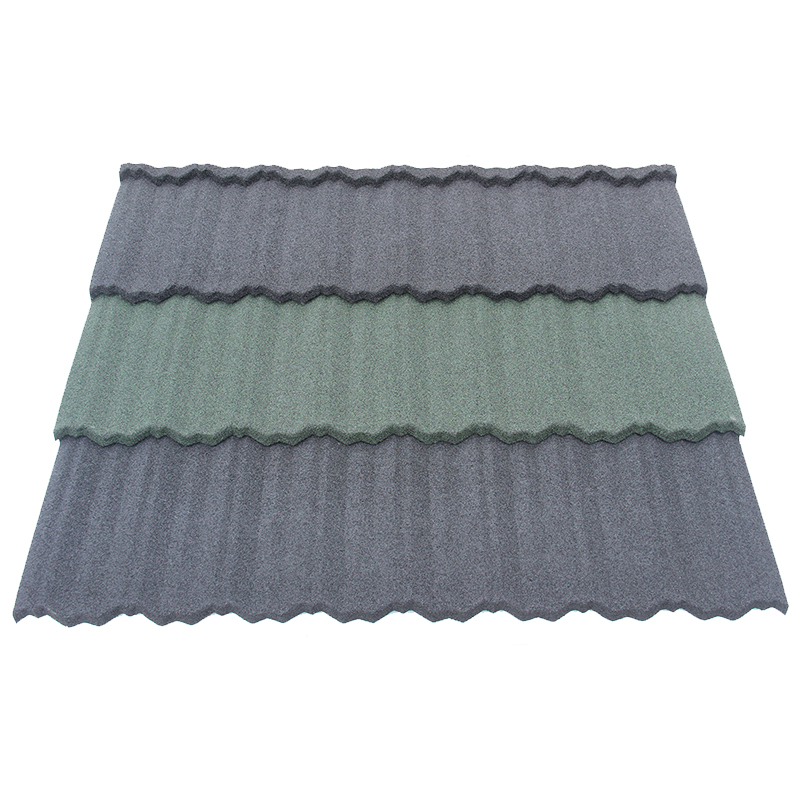
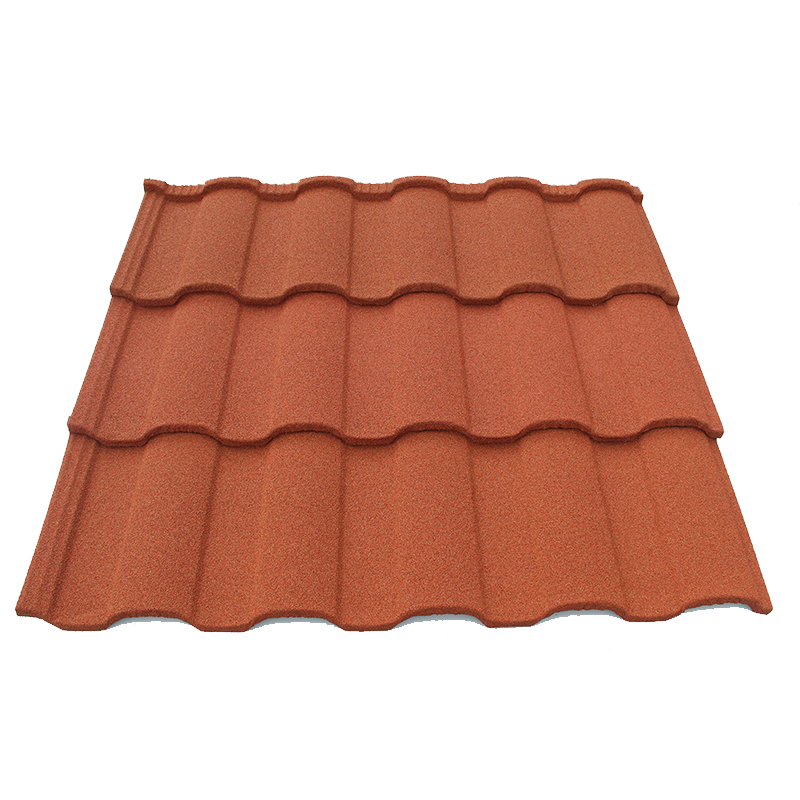
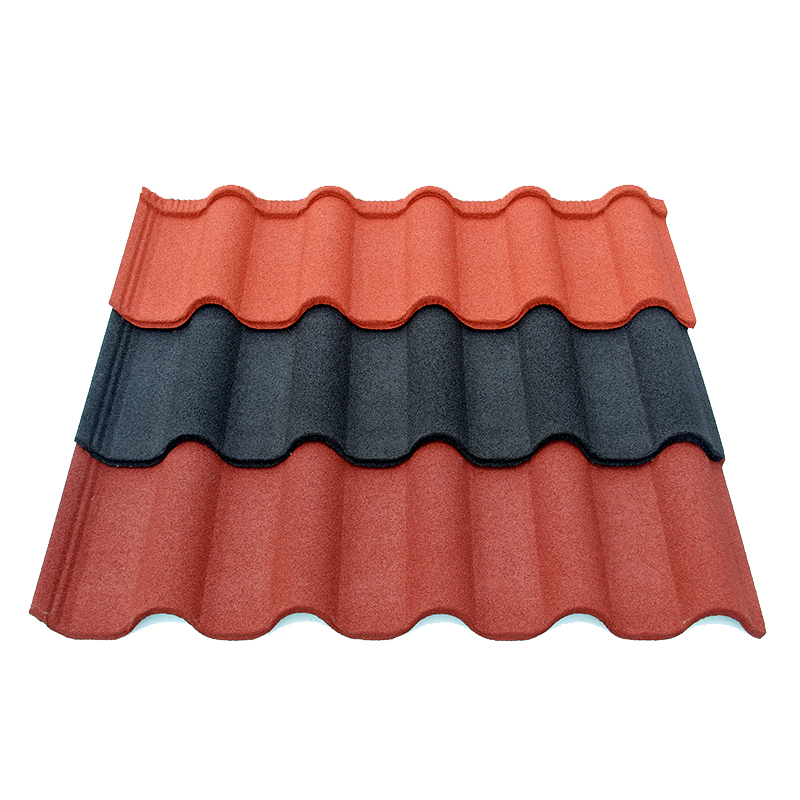
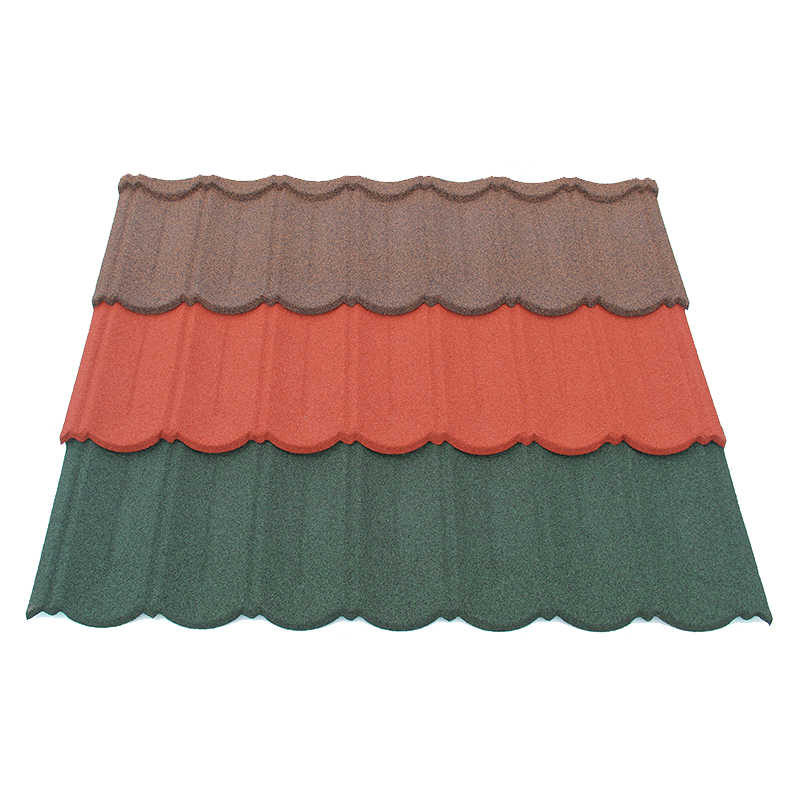
A mature Stone Coated Roofing Factory should offer multiple profiles for different architectural requirements.
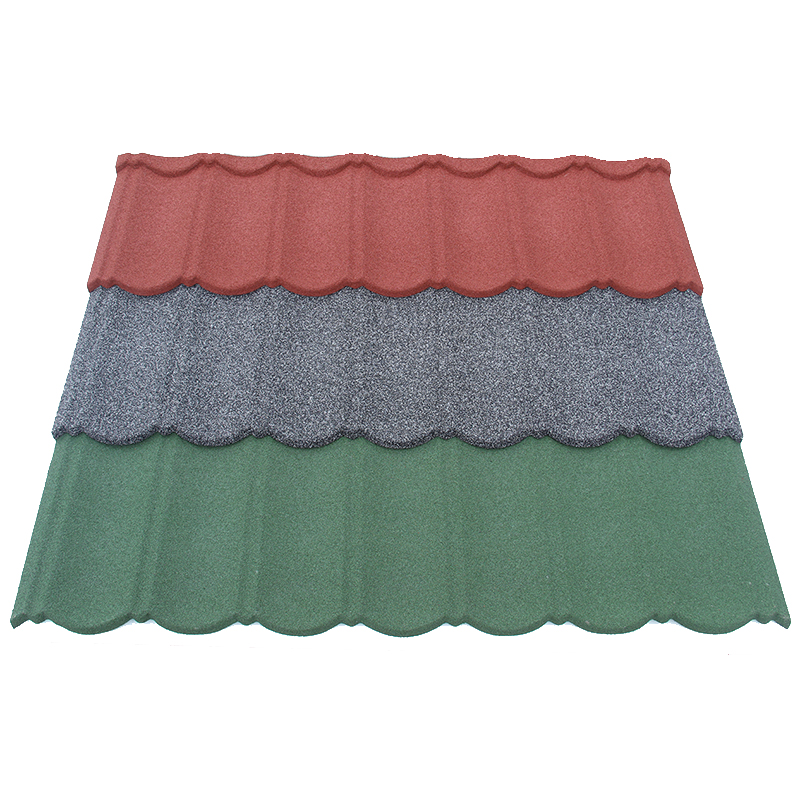
For example, residential developers often prefer Bond Tile systems because of their balanced appearance and installation efficiency.
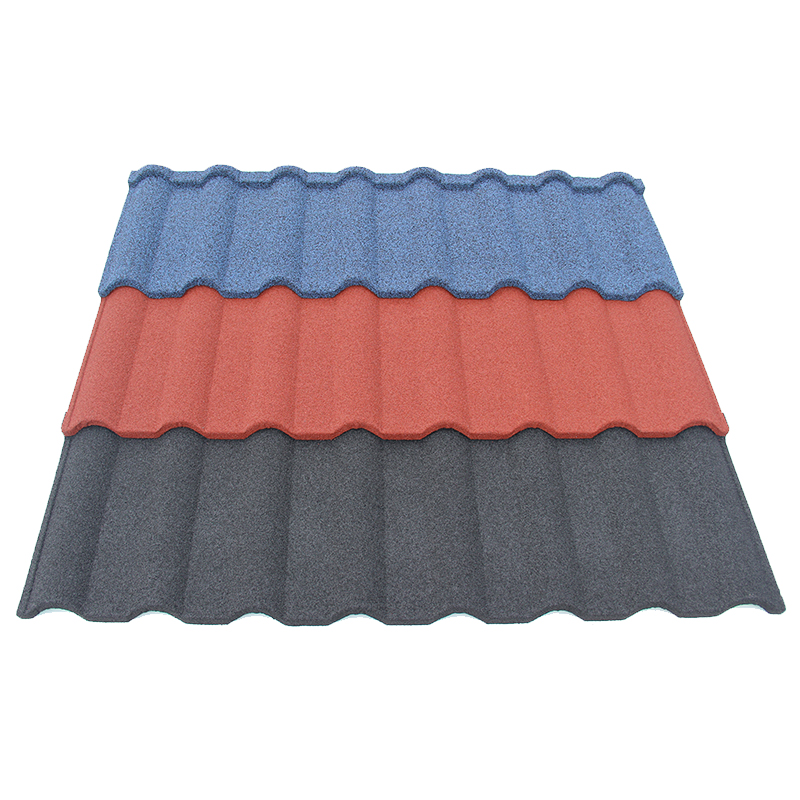
Luxury villa projects may favor Roman Tile designs that replicate traditional Mediterranean aesthetics.
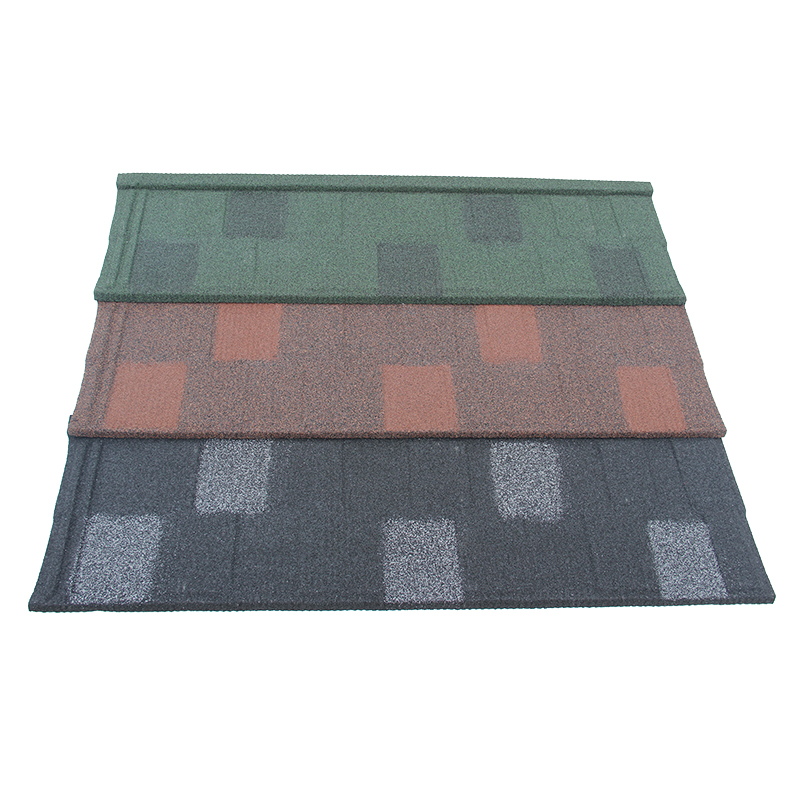
Urban residential developments frequently choose Shingle Tile profiles due to their clean architectural lines.
Premium housing projects sometimes adopt Milano Tile options to achieve a refined visual appearance while maintaining metal roof performance.
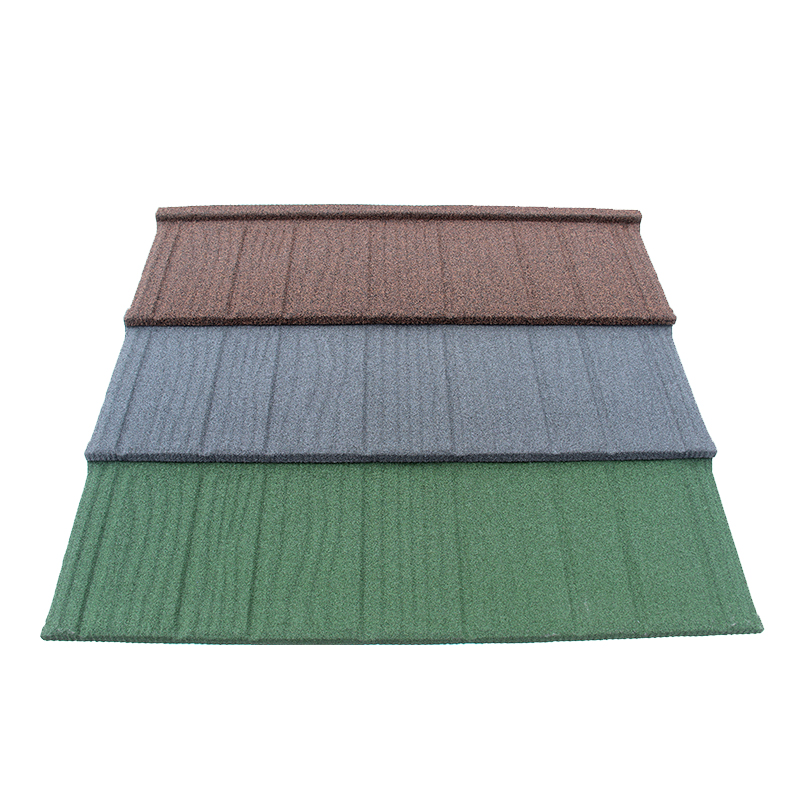
Meanwhile, projects seeking a natural wood-shake appearance often utilize Shake Tile systems.
Engineering support capability
Technical support should include:
- Installation guidance
- Roof structure recommendations
- Wind resistance advice
- Project-specific product selection assistance
OEM and private label services
For distributors building their own brands, OEM capabilities become increasingly important.
A strong manufacturing partner should support customized packaging, logo branding, and regional product adaptation.
Final Audit Scorecard Before Placing an Order
After completing the audit, buyers should evaluate suppliers using a structured scoring system rather than relying on personal impressions alone.
Recommended evaluation categories
| Category | Weight |
|---|---|
| Raw Material Quality | 25% |
| Production Capability | 20% |
| Quality Control System | 20% |
| Export Experience | 15% |
| Technical Support | 10% |
| Communication Efficiency | 10% |
What top-performing factories usually have in common
- Transparent production processes
- Stable raw material sourcing
- Documented quality procedures
- Export market experience
- Dedicated technical support teams
Manufacturers such as JCROOF are often used as benchmarking references because they combine automated production, export experience, and broad product coverage within a single manufacturing system.
Conclusion
A factory audit is not simply a verification exercise. It is a risk management tool that helps importers protect project budgets, maintain product quality, and establish reliable supply chains.
When evaluating a Stone Coated Roofing Factory, buyers should focus on manufacturing capability, material quality, quality control systems, and technical support rather than relying solely on pricing.
The most successful importers treat supplier audits as a long-term investment. By selecting a truly reliable roofing manufacturer, they create stronger partnerships, reduce sourcing uncertainty, and improve profitability across future projects.