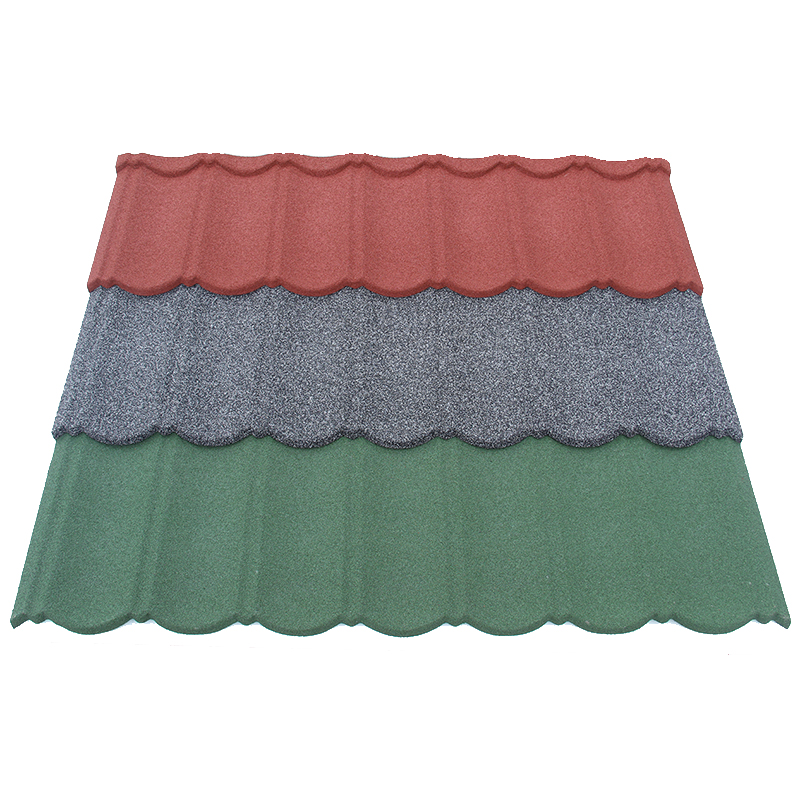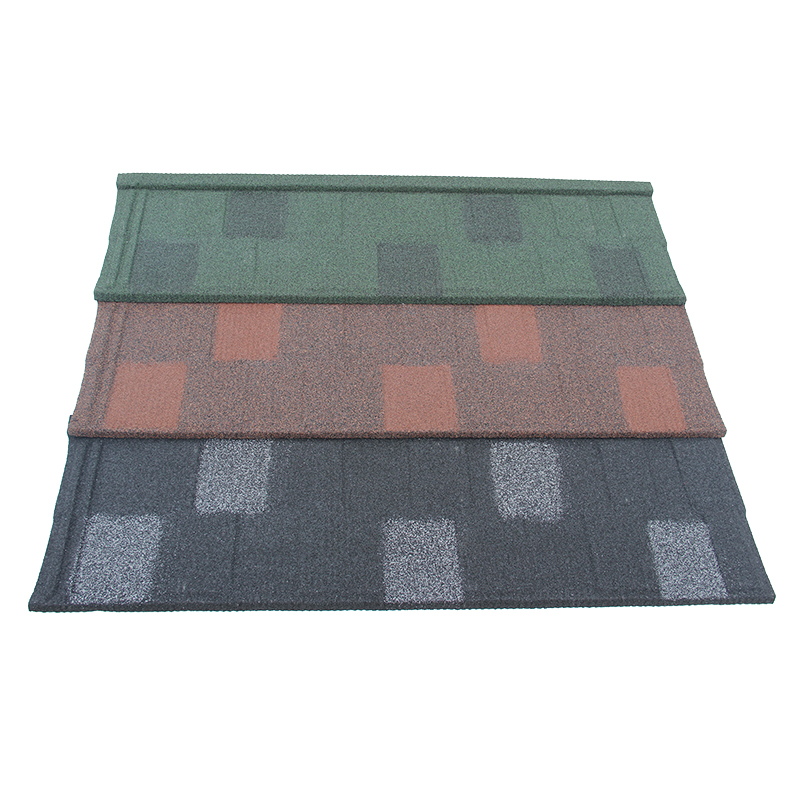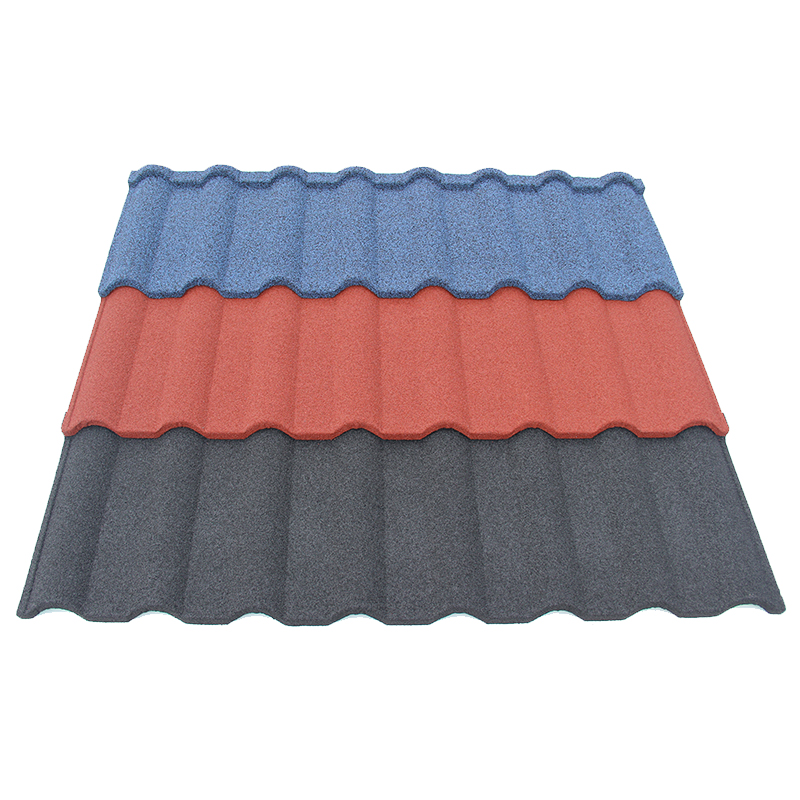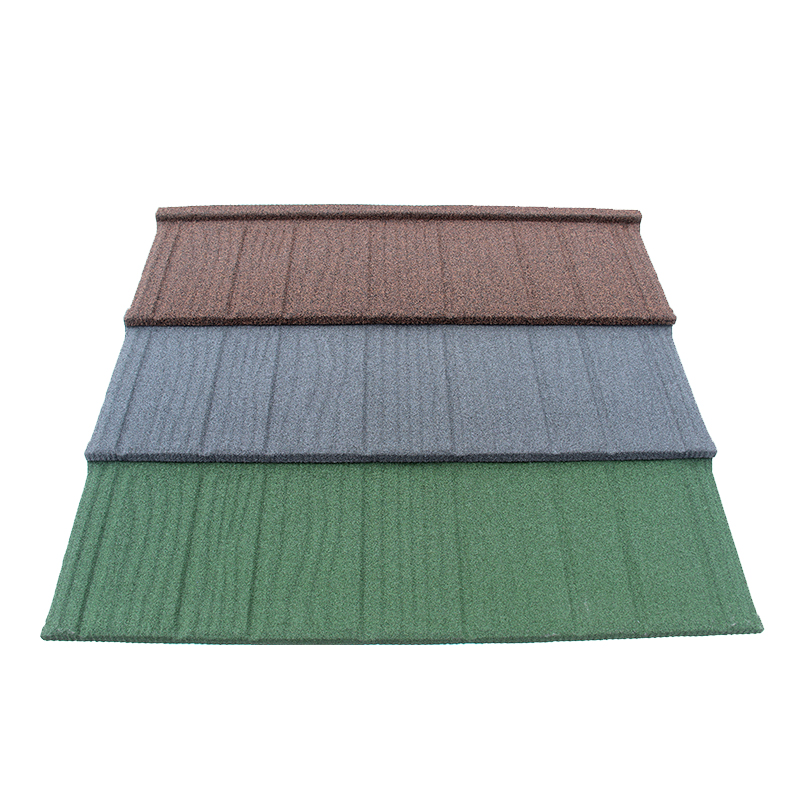

When sourcing roofing products internationally, conducting a factory audit is one of the most important steps for importers. A structured stone coated roofing factory audit checklist helps buyers evaluate manufacturing capability, quality control systems, and export reliability before placing large orders.
Because stone coated roofing products are widely used in residential, commercial, and infrastructure projects, any inconsistency in quality can lead to serious financial and reputational risks. Therefore, a professional audit process is essential for minimizing sourcing risks and ensuring long-term supplier stability.
1. Company Profile and Manufacturing Background
The first step in a factory audit is to verify the company’s background. Importers should confirm how long the manufacturer has been operating and whether it has stable production experience in roofing systems.
Key points to check
- Years of manufacturing experience
- Factory ownership vs. trading company structure
- Main product categories (stone coated roofing focus)
- Annual production capacity
Experienced manufacturers are more likely to maintain consistent quality across large orders and long-term partnerships.
2. Raw Material Procurement System
High-quality roofing products always start with stable raw material control. Therefore, importers should carefully evaluate how the factory sources and inspects materials.
Steel coil quality control
A reliable factory uses galvanized or galvalume steel with verified coating thickness. This directly affects corrosion resistance and product lifespan.
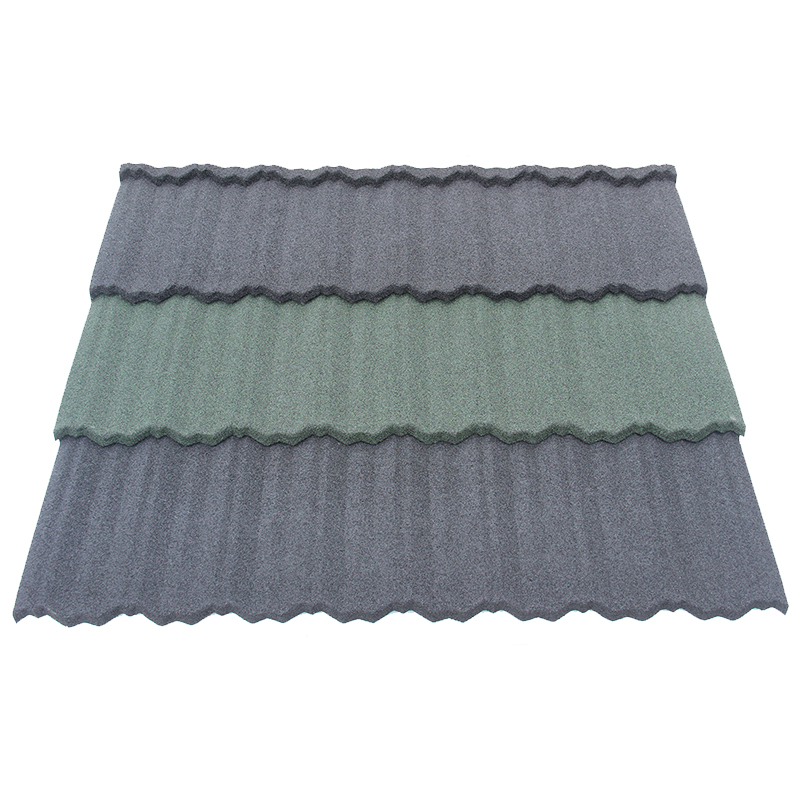
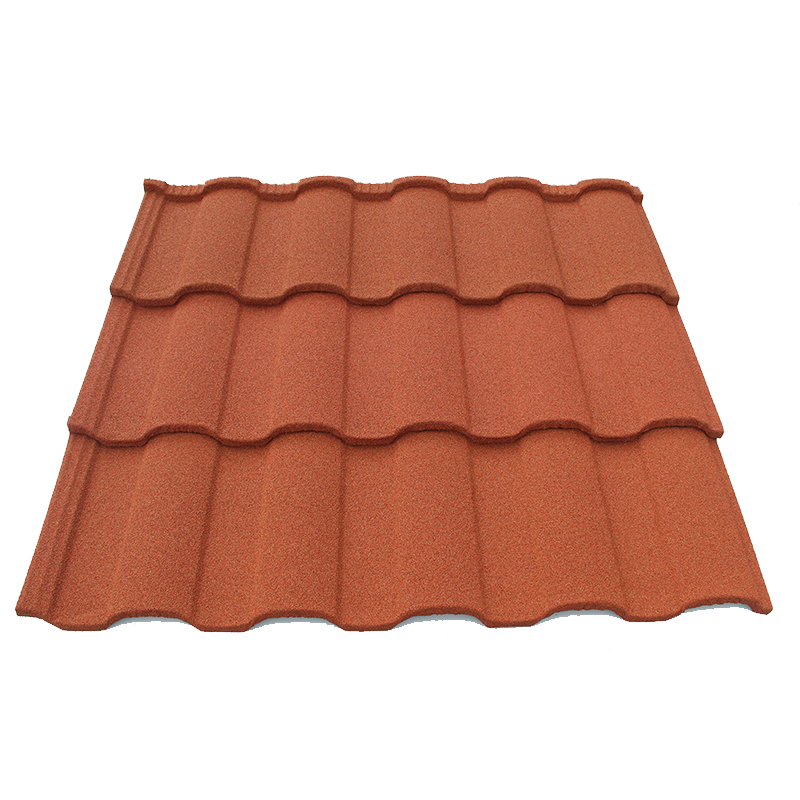
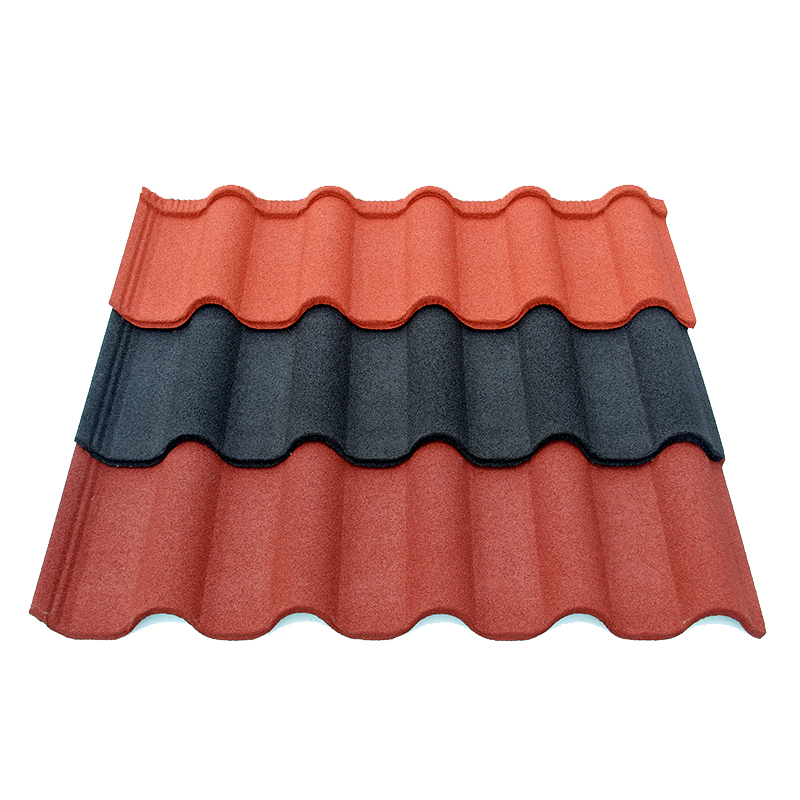
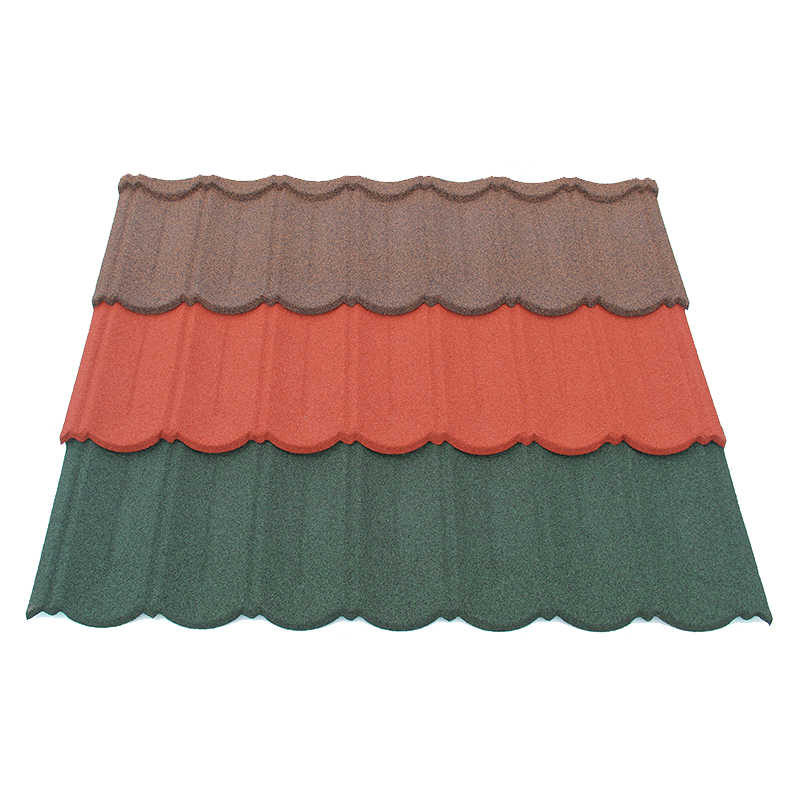
For example, products such as Bond Tile require strict steel consistency to ensure long-term structural stability in different climates.
Stone granule sourcing
Factories should also use UV-resistant natural stone granules with stable color performance. Poor-quality granules often lead to fading and uneven surface appearance.
3. Production Line and Equipment Evaluation
Modern roofing manufacturing relies heavily on automated production systems. Therefore, importers should inspect production equipment and workflow design.
Automation level
Advanced factories use automated forming, coating, and curing systems to ensure consistent quality. In addition, automation reduces human error during production.
Production stability
Stable production lines ensure that roofing profiles maintain consistent dimensions and performance across different batches.
Roofing systems such as Roman Tile require precise forming accuracy because even small deviations can affect installation alignment.
4. Quality Control System (QC Inspection Points)
A strong quality control system is the core of reliable roofing manufacturing. Importers should verify whether the factory follows multi-stage inspection procedures.
Key QC stages
- Raw material inspection
- In-line production monitoring
- Coating thickness testing
- Finished product inspection
Each stage helps identify defects early and ensures only qualified products move to the next step.
5. Product Testing Capabilities
Testing capability is a key indicator of factory professionalism. Reliable manufacturers conduct performance tests to ensure product durability.
Main tests include
- Wind resistance testing
- Waterproof performance testing
- Impact resistance testing
- UV aging testing
- Salt spray corrosion testing
These tests simulate real-world environmental conditions such as storms, humidity, and coastal corrosion exposure.
For example, Shingle Tile is often tested for wind uplift resistance due to its wide use in residential roofing systems.
6. Packaging and Export Handling System
Packaging quality directly affects product condition during long-distance shipping. Therefore, importers must evaluate packaging systems carefully.
Packaging standards to check
- Waterproof wrapping materials
- Steel or wooden pallet structure
- Corner protection systems
- Container loading optimization
Proper packaging reduces damage risk and ensures safe delivery to international markets.
7. OEM and Customization Capability
For importers and distributors, OEM capability is an important factor for long-term cooperation. It allows branding, packaging, and product customization based on market needs.
Premium roofing products such as Milano Tile are often customized with different color systems and branding requirements for high-end residential markets.
Similarly, traditional designs like Shake Tile require texture consistency and aesthetic control to meet architectural expectations.
8. Certifications and Export Compliance
Importers should also verify whether the factory complies with international certifications and export requirements.
Common certifications
- ISO quality management system
- Material performance test reports
- Export compliance documentation
These certifications help ensure product consistency and smooth customs clearance in different markets.
9. Communication and After-Sales Support
A reliable manufacturer should also provide clear communication, technical support, and after-sales service.
Fast response times and transparent communication improve cooperation efficiency and reduce misunderstandings during large-scale projects.
Manufacturers such as JCROOF combine production capability with export experience, providing stable supply and OEM solutions for global importers.
Conclusion
A structured factory audit is essential for importers who want to ensure stable quality and reduce sourcing risks. By evaluating company background, raw materials, production systems, quality control, testing capabilities, and export experience, buyers can make more informed procurement decisions.
Working with a reliable roofing manufacturer ensures long-term product consistency, improved project performance, and stronger market competitiveness.