
When investing in a roofing system, one of the most important questions buyers ask is about durability. The stone coated roofing lifespan is a key factor for homeowners, contractors, and distributors because it directly affects long-term maintenance costs, project value, and customer satisfaction.
Stone coated steel roofing is widely recognized for its long service life compared to traditional roofing materials such as asphalt shingles or clay tiles. However, its actual lifespan depends on material quality, manufacturing standards, installation methods, and environmental conditions.
In this article, we will explore how long stone coated roofing really lasts, what factors influence its durability, and how buyers can maximize roof lifespan through better product selection and maintenance practices.
What Is the Average Lifespan of Stone Coated Roofing?
On average, high-quality stone coated roofing can last between 30 to 50 years. In some cases, premium systems can even exceed this range when properly installed and maintained.
This long lifespan is one of the main reasons why stone coated roofing has become a preferred choice in residential and commercial construction projects worldwide.
Why stone coated roofing lasts longer
The durability comes from its multi-layer structure. The steel core provides strength, while protective coatings and stone granules shield the surface from UV radiation, rain, and corrosion.
As a result, the roofing system maintains both structural integrity and visual appearance over many years of service.
Main Factors That Affect Stone Coated Roofing Lifespan
Although stone coated roofing is designed for long-term performance, its actual lifespan can vary significantly depending on several key factors.
1. Steel quality and coating thickness
The base steel is the foundation of the roofing system. High-quality galvanized or galvalume steel provides strong corrosion resistance. However, if the coating layer is too thin, rust may develop over time.
Therefore, manufacturers who use thicker and properly coated steel generally produce longer-lasting roofing systems.
2. Manufacturing process and quality control
Production quality plays a major role in durability. Advanced factories use automated coating, precise curing systems, and strict inspection standards to ensure consistency.
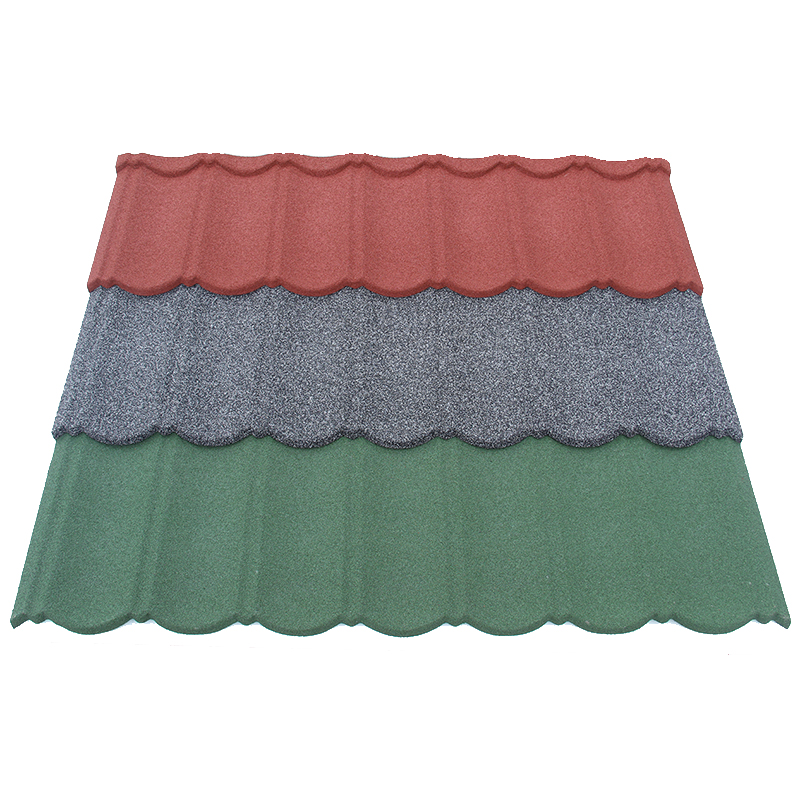
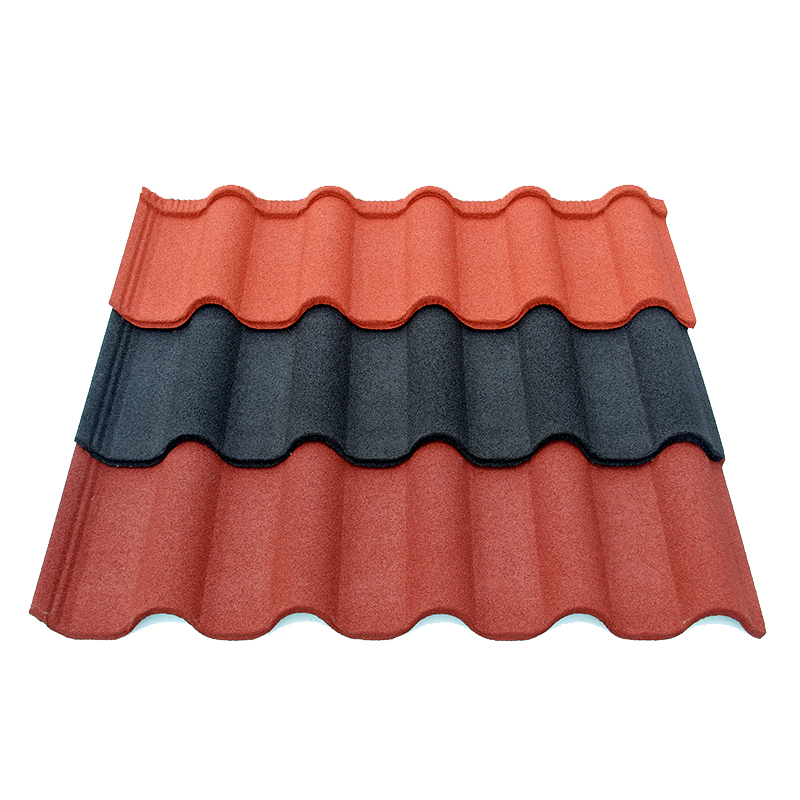
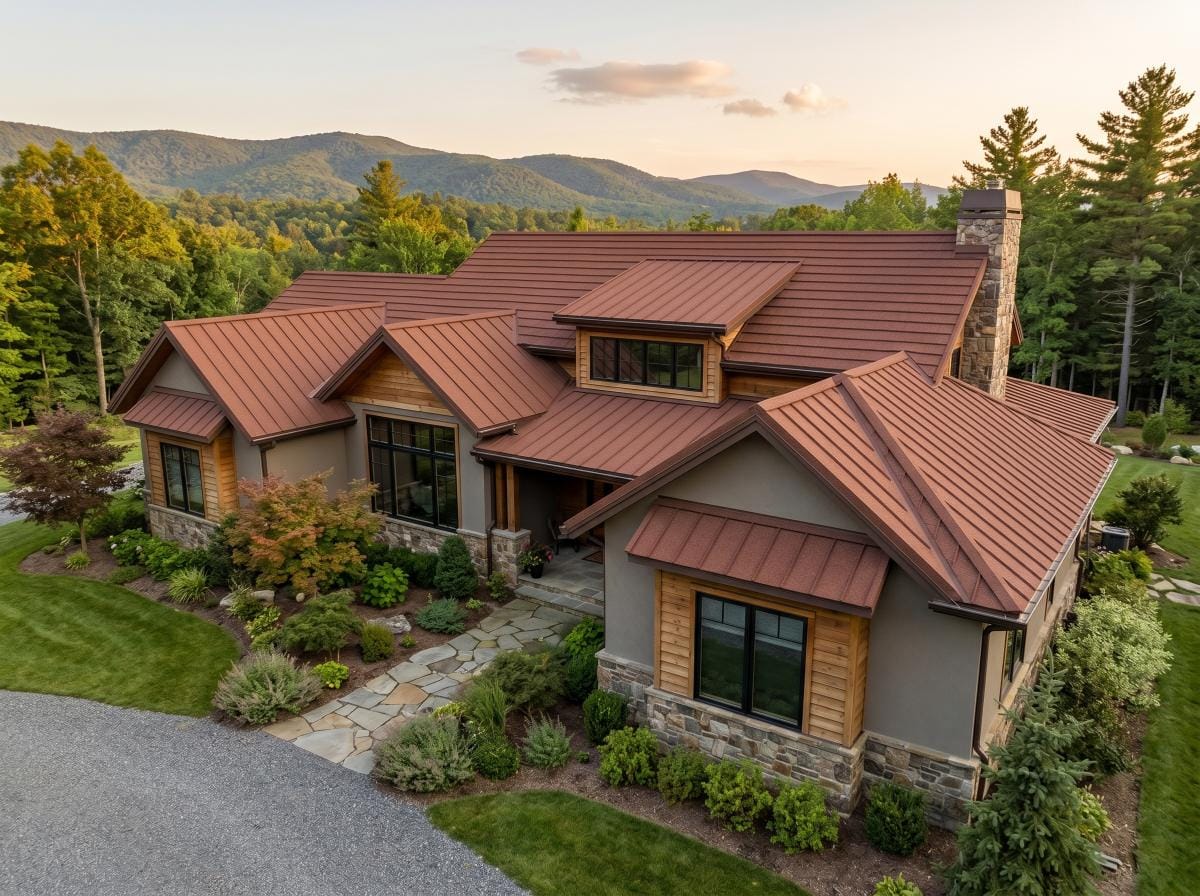
For example, roofing profiles such as Bond Tile are manufactured with controlled processes that help maintain long-term performance stability across different climates.
3. Installation quality
Even the best roofing materials can fail if installed incorrectly. Poor fastening, incorrect overlap, or missing underlayment can significantly reduce roof lifespan.
Proper installation ensures that water drainage, wind resistance, and structural alignment all function as intended.
4. Climate and environmental conditions
Weather conditions also influence durability. Roofs in coastal areas may face salt corrosion, while tropical regions experience high humidity and strong UV exposure.
However, well-manufactured stone coated roofing systems are designed to withstand these environmental challenges effectively.
How to Extend the Lifespan of Stone Coated Roofing
Extending roof lifespan is not only about choosing high-quality materials but also about proper maintenance and care over time.
Regular inspection and maintenance
Periodic roof inspections help identify early signs of damage such as loose fasteners, debris buildup, or minor surface wear. Early intervention prevents small issues from becoming major problems.
Avoid physical damage during installation
Careful handling during installation reduces the risk of surface scratches or deformation. Contractors should follow manufacturer guidelines to maintain product integrity.
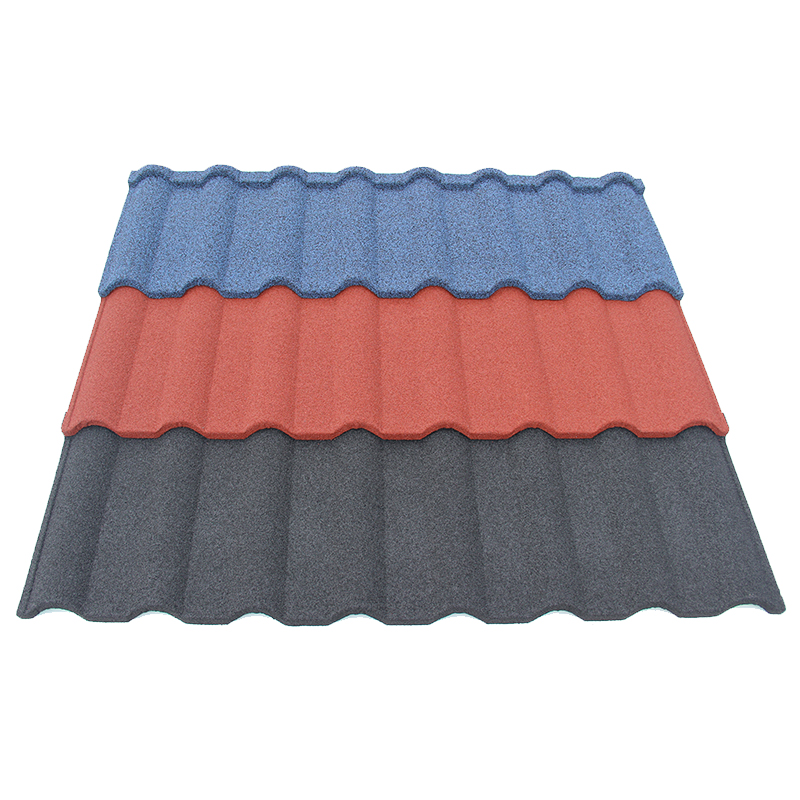
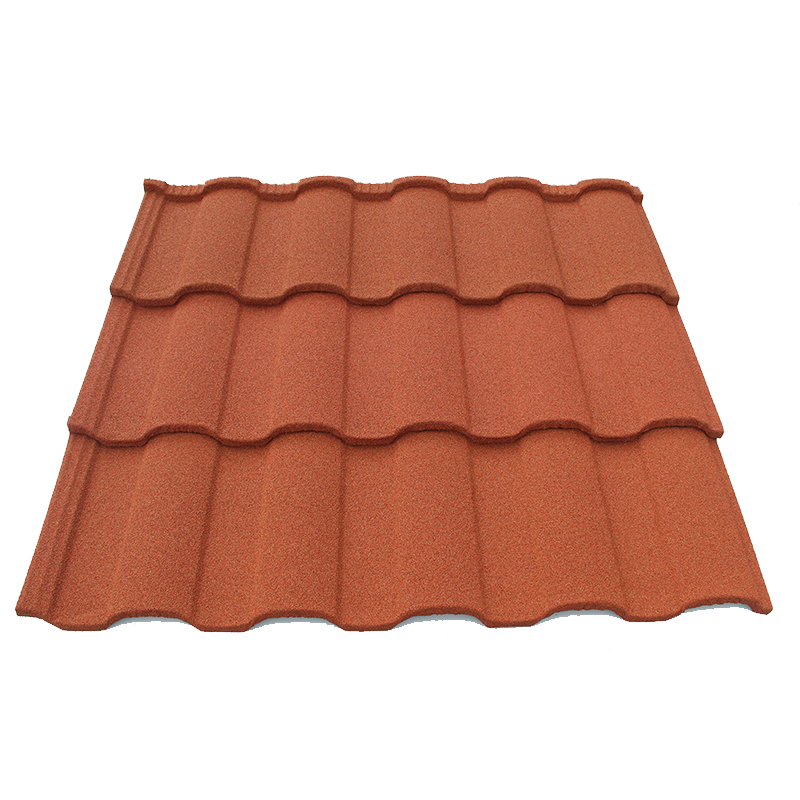
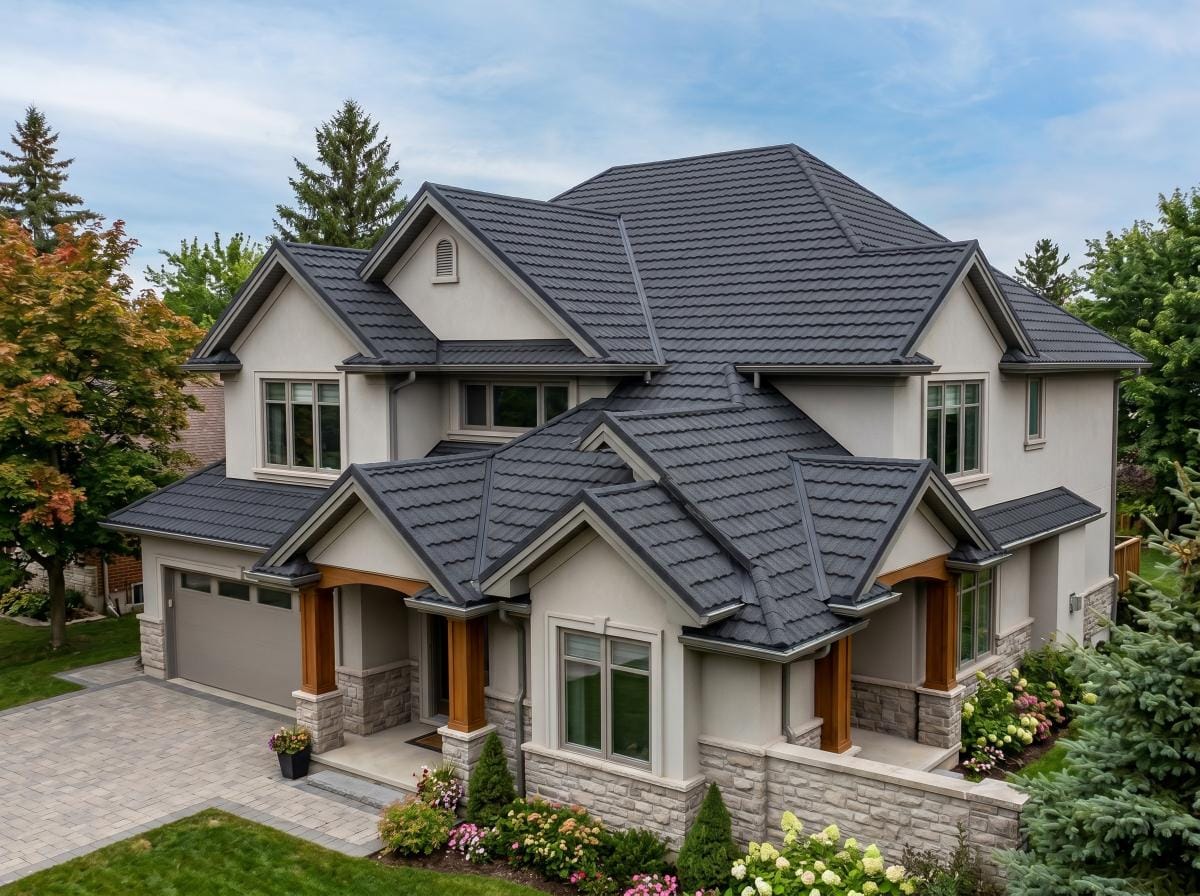
Roofing profiles such as Roman Tile require precise alignment during installation to ensure both aesthetics and long-term performance.
Use high-quality accessories and underlayment
Supporting materials such as underlayment, fasteners, and flashing systems play an important role in roof durability. Using low-quality accessories can reduce overall system lifespan.
Comparison with Other Roofing Materials
To better understand the value of stone coated roofing, it is helpful to compare its lifespan with other common roofing materials.
| Roofing Material | Average Lifespan | Durability Level |
|---|---|---|
| Asphalt Shingles | 15–25 years | Medium |
| Clay Tiles | 40–60 years | High |
| Stone Coated Roofing | 30–50 years | High |
| Metal Roofing (Plain) | 25–40 years | Medium-High |
As shown above, stone coated roofing offers a strong balance between durability, aesthetics, and cost efficiency, making it a popular choice for global construction projects.
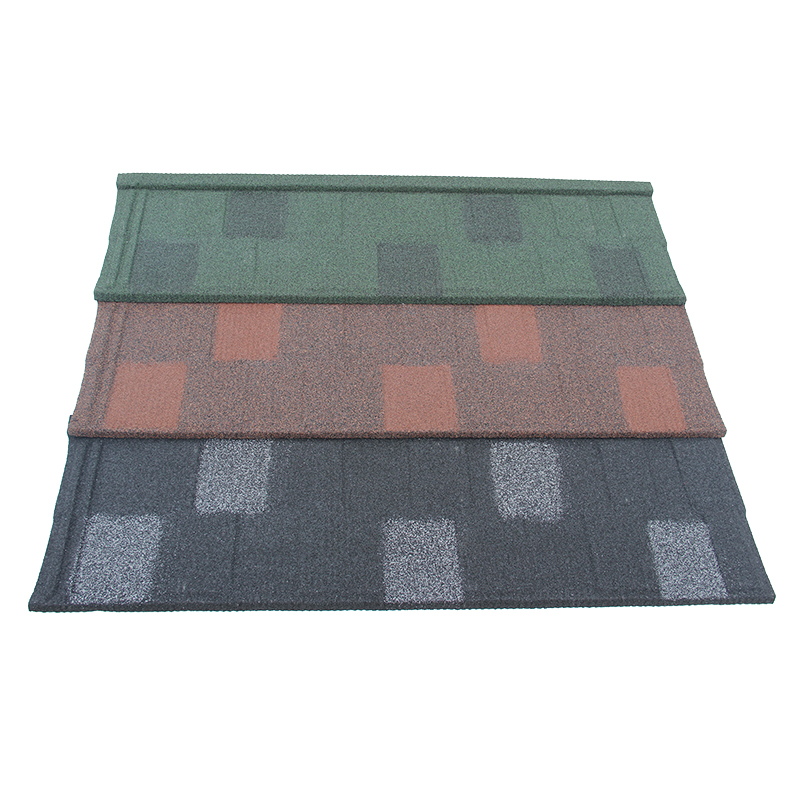
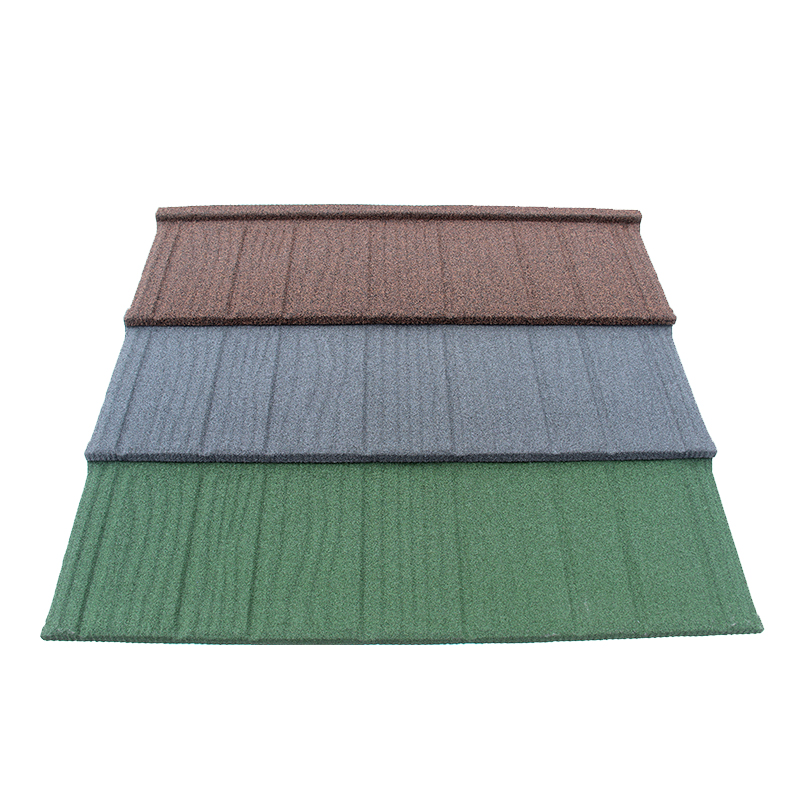
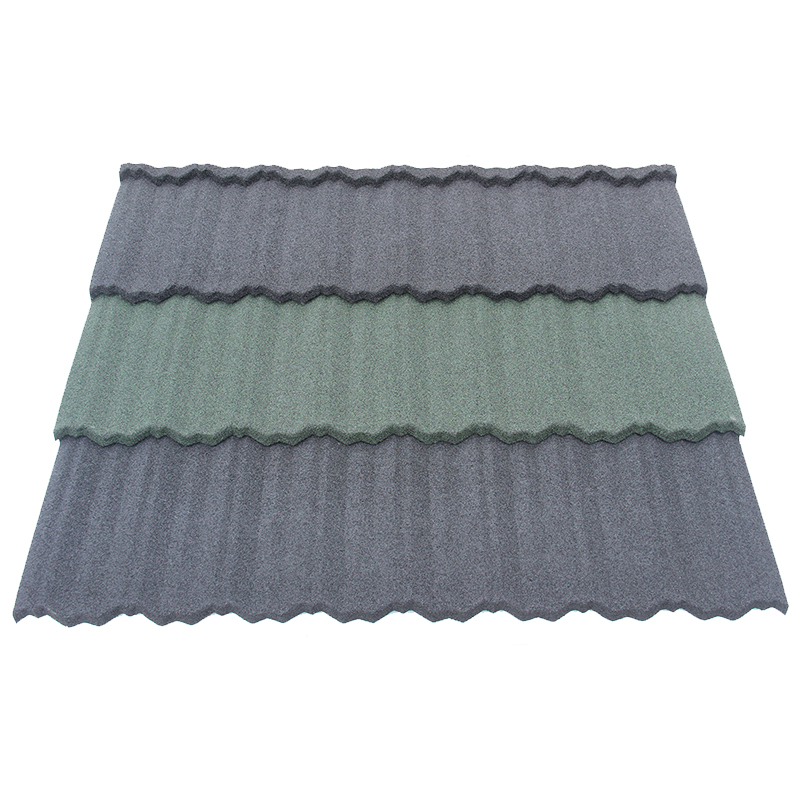
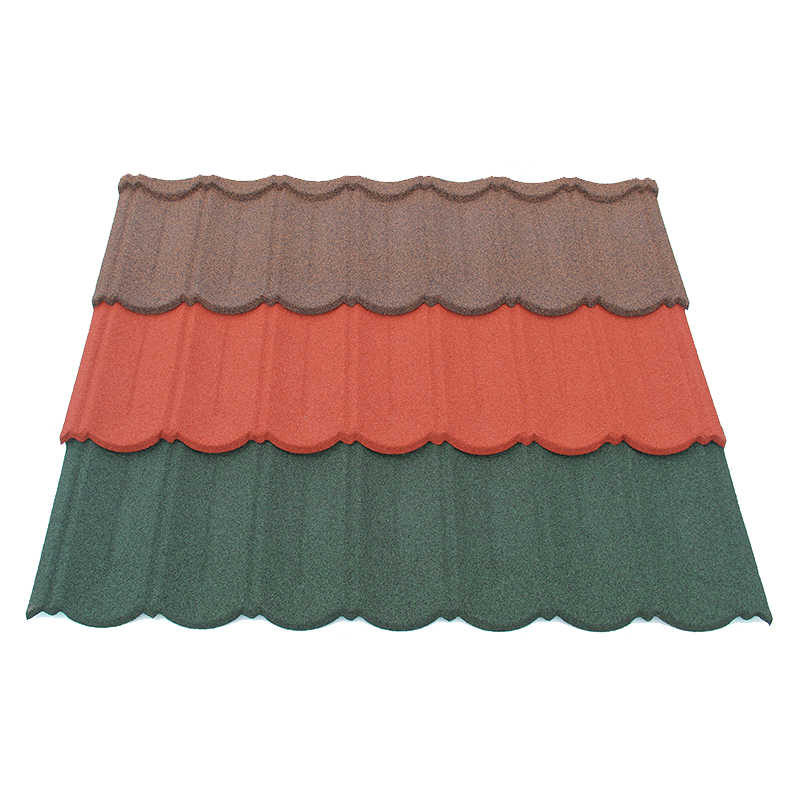
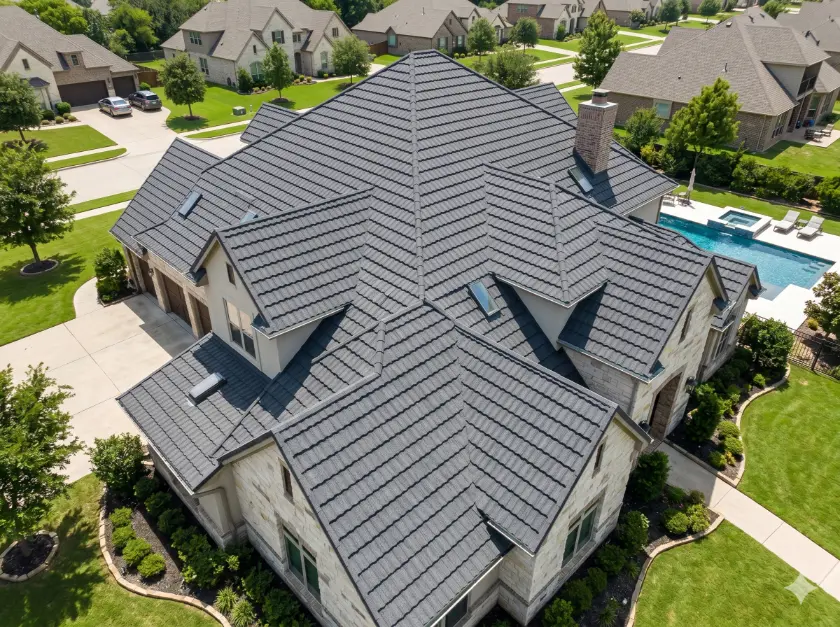
For modern housing developments, products such as Shingle Tile are widely used due to their combination of lightweight structure and long service life. In contrast, Milano Tile is often selected for premium architectural designs requiring enhanced visual appeal.
Conclusion
The lifespan of stone coated roofing typically ranges from 30 to 50 years, but this can vary depending on material quality, manufacturing standards, installation practices, and environmental conditions.
By choosing a reliable manufacturer and ensuring proper installation and maintenance, buyers can significantly extend roof durability and maximize long-term investment value.