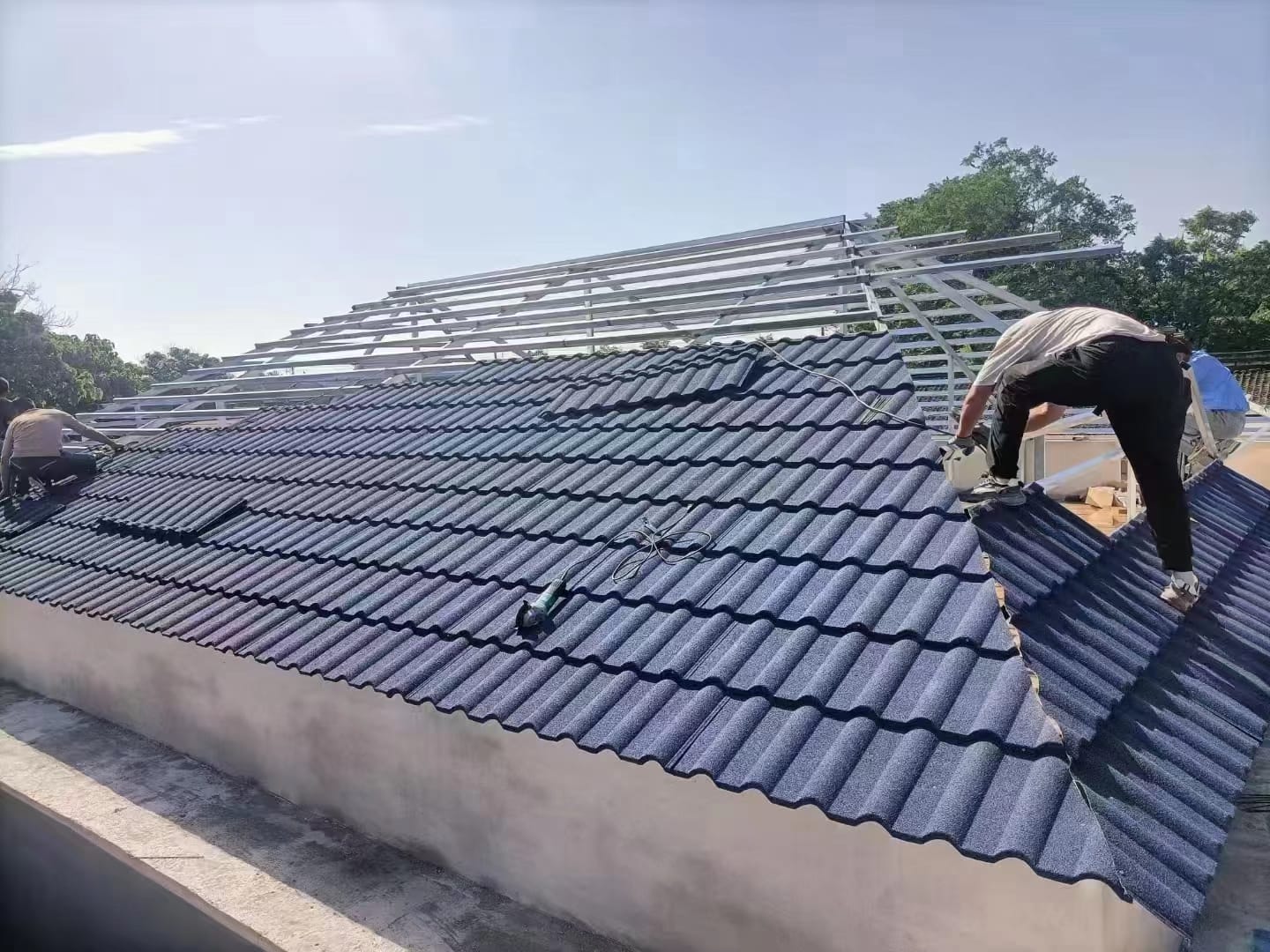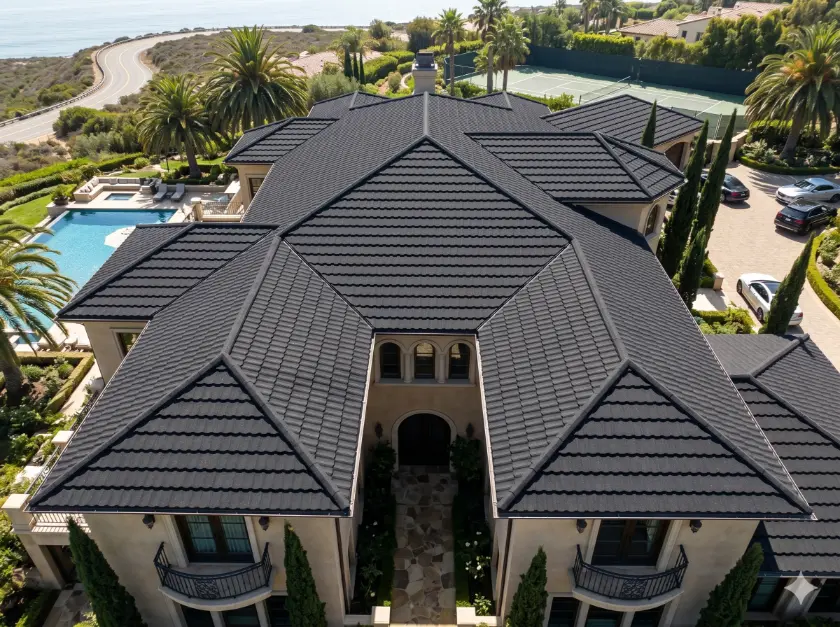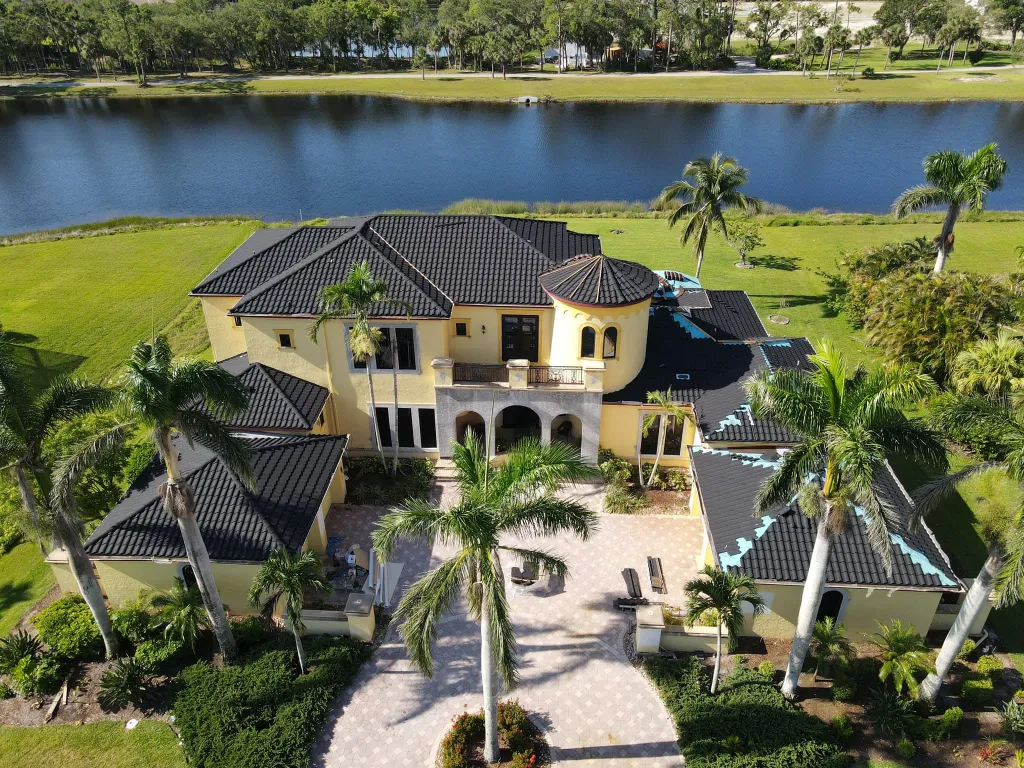

The stone coated roofing production process is a highly engineered manufacturing workflow that transforms raw steel coils into durable, weather-resistant roofing tiles used in residential, commercial, and industrial projects worldwide. Understanding this process helps distributors, importers, and contractors evaluate product quality, compare manufacturers, and make more informed sourcing decisions.
Unlike traditional roofing materials, stone coated steel roofing combines multiple layers of protection, including galvanized steel, acrylic resin coatings, natural stone granules, and protective finishes. Each stage of production directly impacts the final product’s durability, appearance, and long-term performance.
This article breaks down the entire production process step by step, from raw steel coil preparation to the final packaging stage, helping buyers understand what defines a high-quality roofing tile manufacturer.
Overview of Stone Coated Roofing Manufacturing
Stone coated roofing production is a multi-stage industrial process that requires precision engineering, strict quality control, and advanced coating technology. Each stage must be carefully managed to ensure product consistency and long-term durability under extreme weather conditions.
Leading manufacturers typically operate fully automated production lines to maintain stable output and reduce variation between batches. This is especially important for international projects where large volumes of roofing materials must maintain identical specifications.
Why Production Process Matters for Buyers
For global buyers, understanding the manufacturing process is essential because product performance is directly linked to production quality. Even small variations in steel thickness, coating application, or curing temperature can significantly affect roof lifespan and installation performance.
Distributors and contractors often evaluate manufacturers not only by price but also by their production standards and quality control systems.
Key Layers of Stone Coated Roofing Tiles
A finished stone coated roofing tile typically consists of multiple protective layers, each serving a specific function:
- Base steel sheet (Galvanized or Galvalume steel)
- Anti-corrosion coating layer
- Acrylic resin bonding layer
- Natural stone granules surface layer
- Protective top coating
Each layer contributes to the overall performance, including weather resistance, UV protection, and structural strength.
Step 1: Steel Coil Selection and Preparation
The production process begins with selecting high-quality steel coils, which serve as the structural foundation of the roofing tile. The quality of steel directly determines the strength, durability, and corrosion resistance of the final product.
Manufacturers typically use galvanized steel or Galvalume steel, depending on market requirements and environmental conditions. The steel is carefully inspected before entering production to ensure it meets thickness and coating standards.
Steel Inspection and Quality Control
Before processing, steel coils undergo strict inspection to verify thickness, surface quality, and coating uniformity. Any defects in the base material can affect the entire production batch.
Reliable manufacturers maintain standardized inspection procedures to ensure only qualified steel enters the production line.
Cutting and Sheet Preparation
Once approved, steel coils are cut into precise sheet sizes based on roofing tile specifications. This step requires high accuracy to ensure consistent panel dimensions during later forming processes.
For distributors handling standardized residential projects, products such as Bond Tile require precise cutting accuracy to ensure seamless installation across large roofing areas.
Step 2: Forming and Profile Shaping
After preparation, steel sheets are fed into automated forming machines that shape the panels into specific roofing profiles. This stage determines the structural design and interlocking system of the final roofing tile.
Different markets require different roofing profiles based on architectural style and environmental conditions. The forming process ensures each tile achieves the required strength and aesthetic appearance.
Automated Roll Forming Process
Modern factories use roll forming machines to shape steel sheets into precise patterns. Automation ensures consistent dimensions and reduces human error during production.
This consistency is critical for large construction projects where thousands of roofing tiles must align perfectly during installation.
Profile Variations for Different Markets
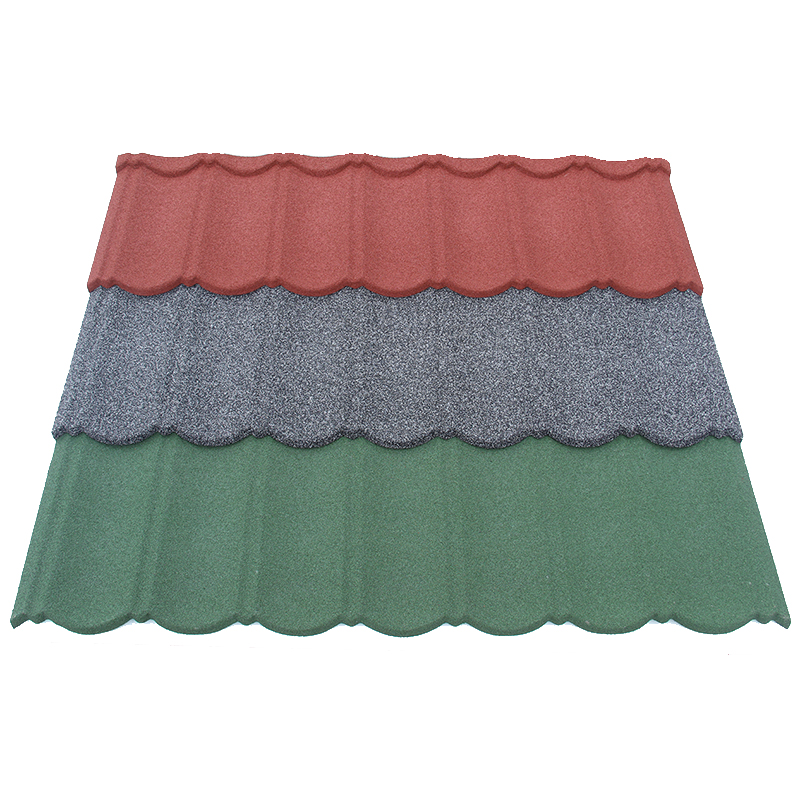
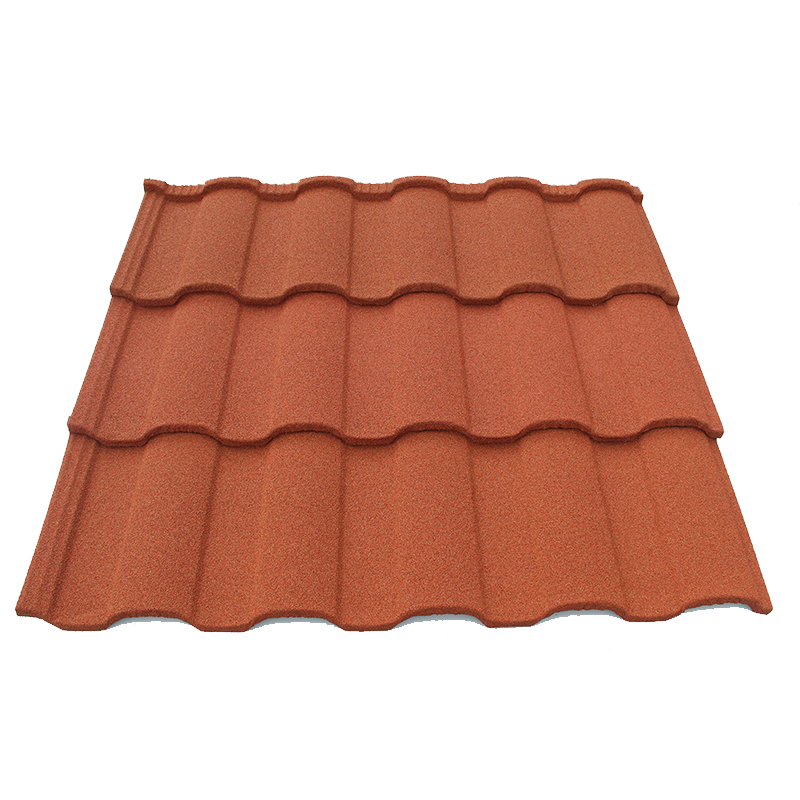
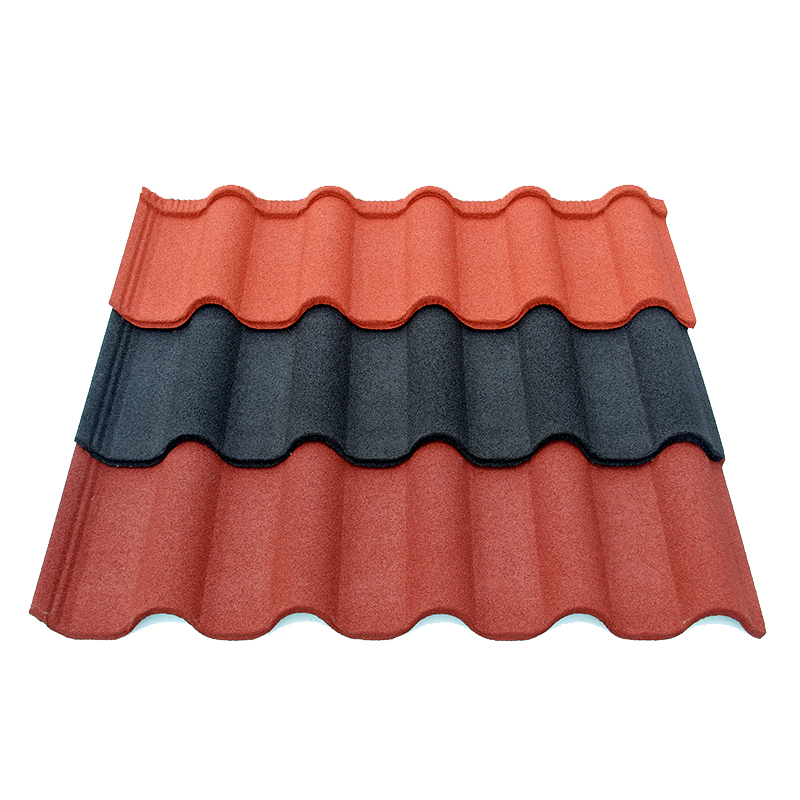
Manufacturers typically produce multiple roofing designs to meet global demand. For example, Mediterranean-style projects often use Roman Tile, while residential housing developments prefer more modern and efficient profiles.
Each profile is designed to balance aesthetics, structural performance, and installation efficiency.
Step 3: Applying Surface Coating and Natural Stone Granules
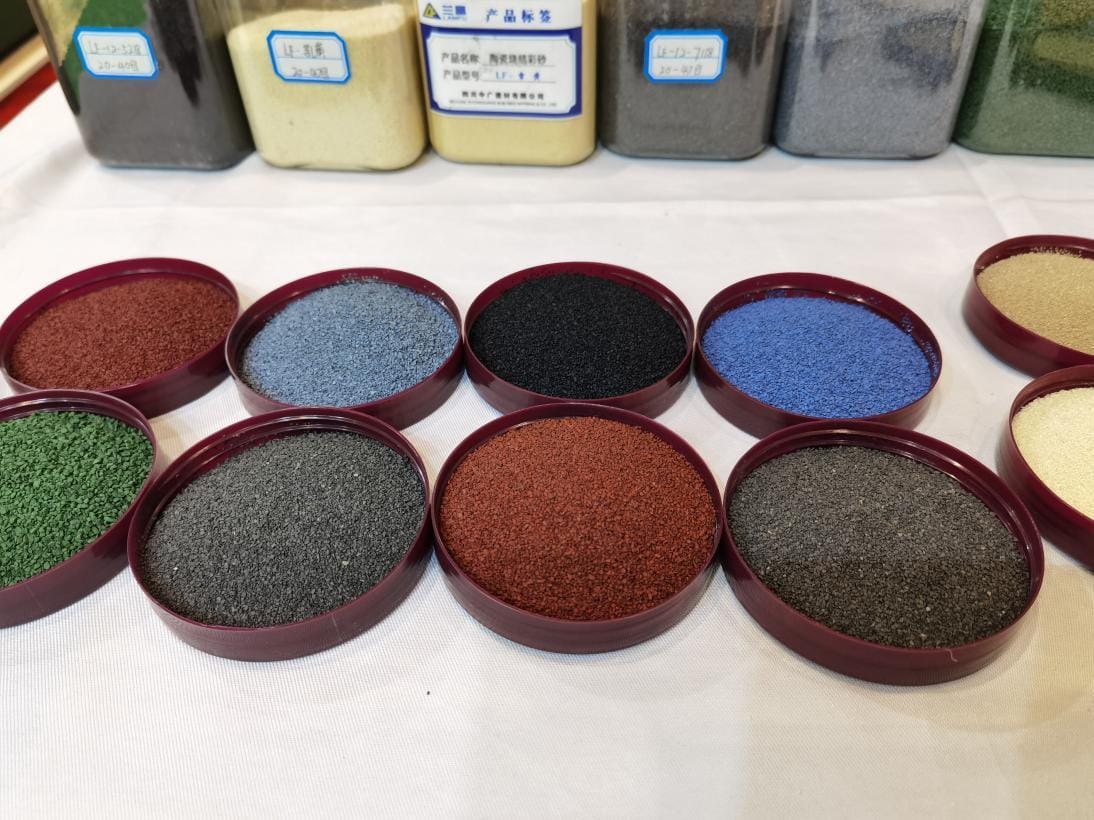
At this stage, manufacturers apply an acrylic resin layer to the formed steel sheet. This layer works as a bonding base, and it ensures that natural stone granules can firmly attach to the surface.
After this coating step, production teams immediately distribute natural stone granules across the wet resin surface. As a result, the tiles gain their natural appearance and enhanced weather resistance.
How Manufacturers Apply Acrylic Resin Coating
First, production operators spray acrylic resin evenly across each steel panel using automated coating systems. Moreover, they carefully control viscosity and spray pressure to ensure uniform coverage across every tile.
In addition, consistent coating thickness plays a key role in long-term durability. If the layer becomes uneven, the final roofing performance may decline over time.
How Stone Granules Improve Roofing Performance
Next, factories apply natural stone granules onto the coated surface. These granules not only improve visual appearance but also strengthen UV resistance.
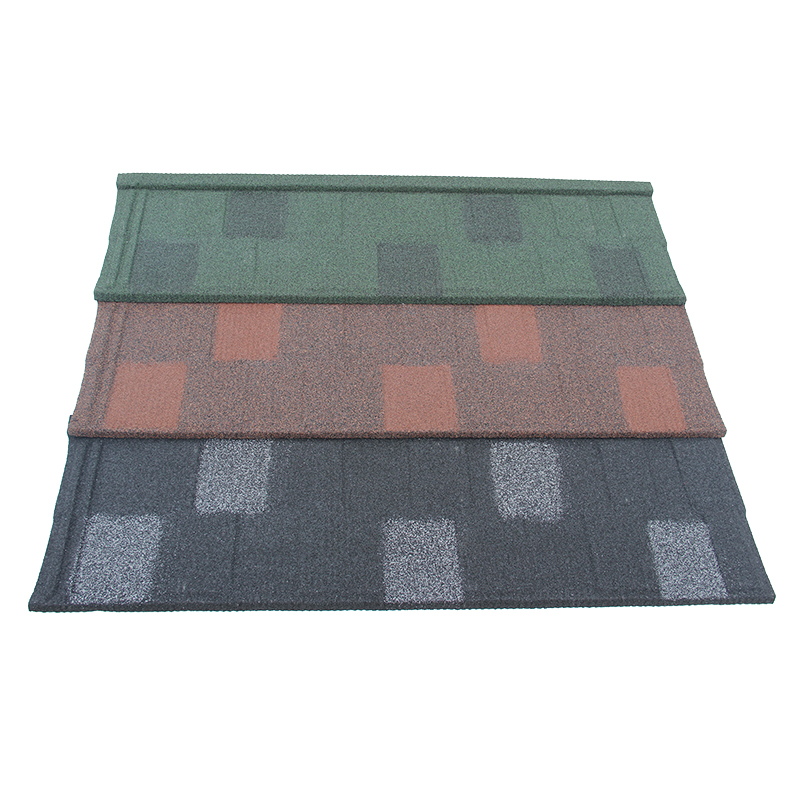
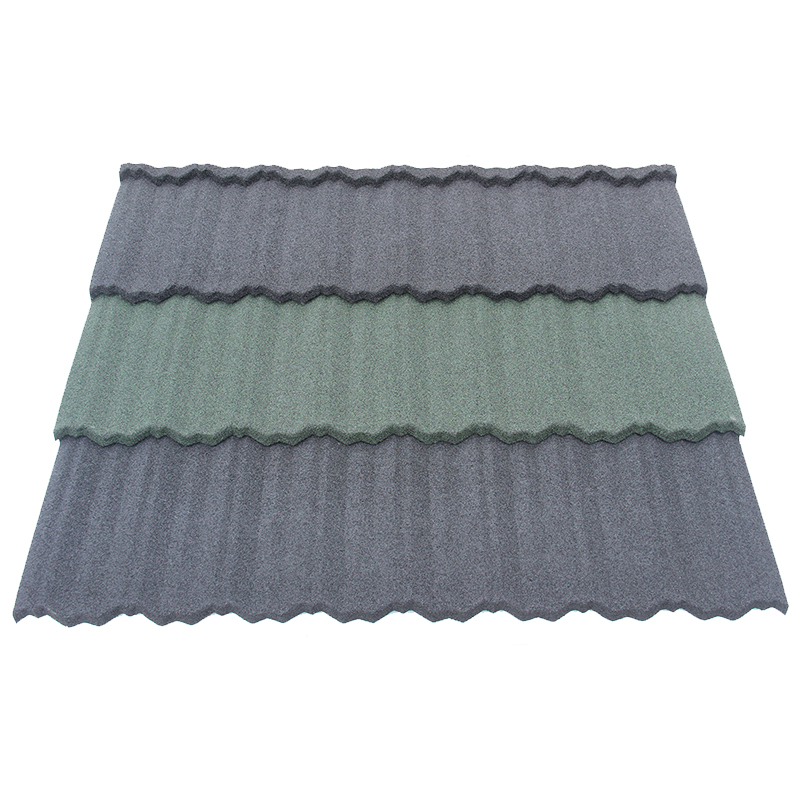
For example, premium roofing systems such as Shingle Tile use multi-tone granules to create a more natural architectural look. Meanwhile, excess granules are collected and reused to reduce material waste.
Step 4: Curing, Inspection, and Precision Cutting
After coating, manufacturers move the roofing sheets into a controlled curing environment. During this stage, heat activates the bonding process and strengthens adhesion between steel, resin, and stone granules.
Consequently, the curing process directly affects long-term product durability and weather resistance.
How the Curing Process Works
First, factories place coated sheets into temperature-controlled ovens. Then, heat gradually stabilizes the resin layer and locks stone granules into position.
Moreover, proper curing reduces the risk of surface peeling or color fading under extreme weather conditions.
Quality Inspection and Cutting Process
After curing, quality teams inspect every batch carefully. They check surface uniformity, color consistency, and coating strength.
For instance, roofing profiles such as Roman Tile require strict dimensional accuracy, since even small deviations can affect installation alignment.
Therefore, only qualified products move to the cutting and finishing stage, where machines trim edges with high precision.
Step 5: Packaging and Export Preparation
Finally, factories package finished roofing tiles for export. At this stage, packaging quality becomes extremely important because international shipping involves long-distance transportation and multiple handling stages.
Therefore, manufacturers use reinforced materials to protect each tile from damage, moisture, and deformation.
How Factories Protect Roofing Tiles During Packaging
First, workers wrap roofing panels with waterproof film. Then, they place them on steel pallets for stability during container loading.
In addition, corner protectors and reinforced straps help prevent movement during transport.
Container Loading and Export Efficiency
Moreover, experienced factories optimize container loading to maximize space utilization. As a result, shipping costs become more efficient for global buyers.
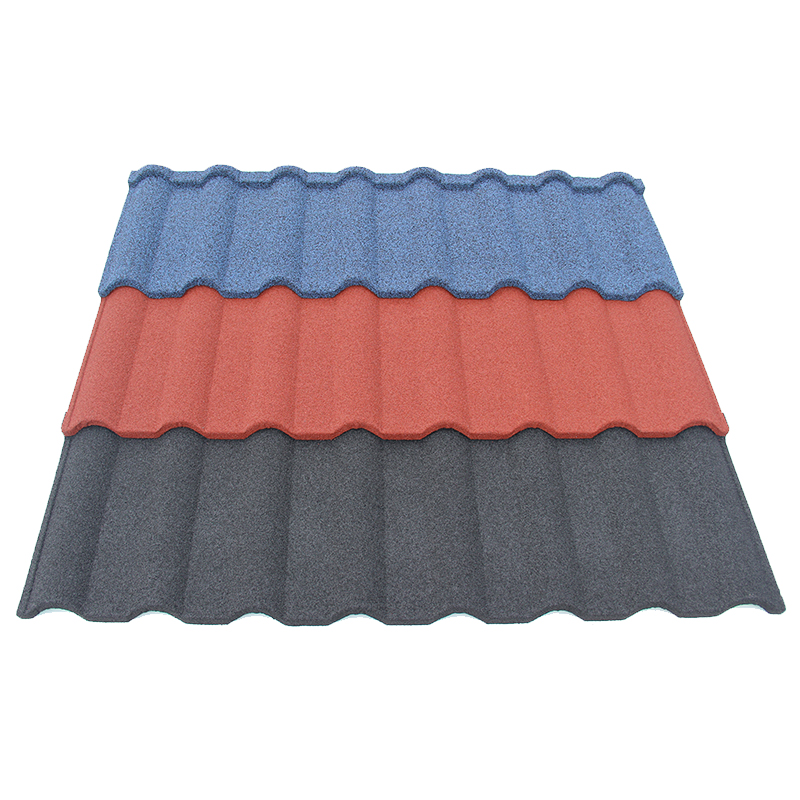
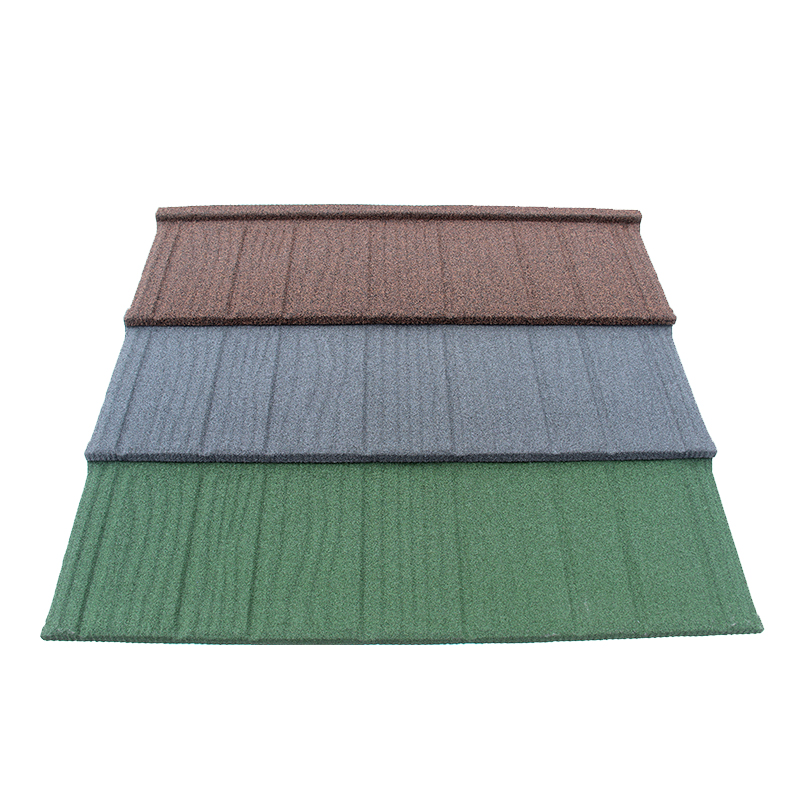
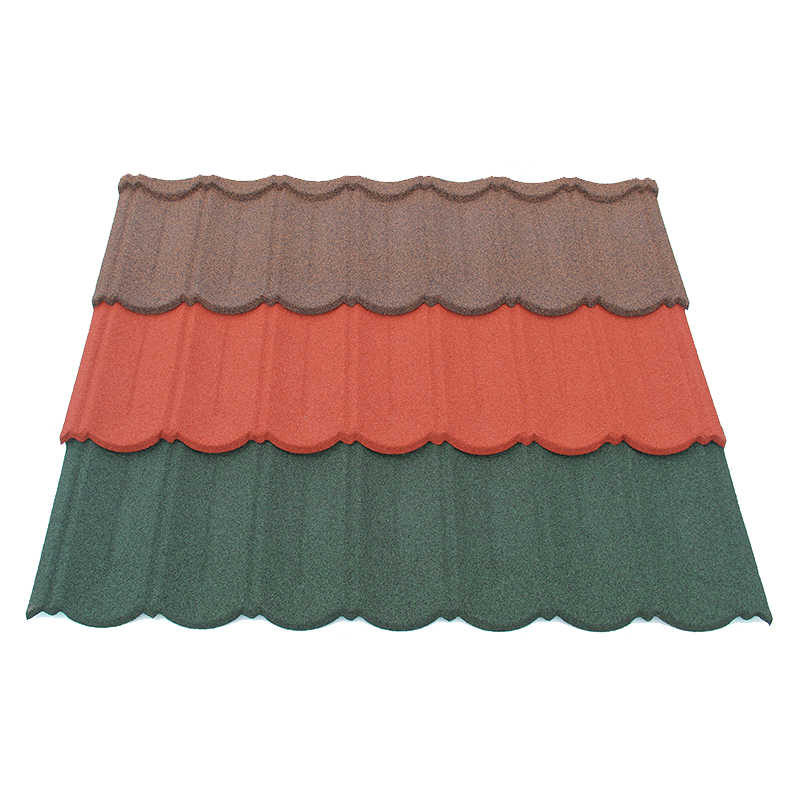
For example, popular residential profiles such as Milano Tile are often shipped in large volumes due to high market demand. Similarly, traditional designs like Shake Tile require careful stacking to protect surface texture.
Finally, companies like JCROOF integrate packaging, logistics, and export documentation into a unified system, which significantly improves delivery reliability.
Conclusion
The stone coated roofing production process is a complex, multi-stage system that requires precision engineering, strict quality control, and advanced manufacturing technology. From steel coil preparation to final packaging, each step plays a critical role in determining product durability and performance.
For global buyers, understanding this process helps identify reliable manufacturers that can consistently deliver high-quality roofing systems for large-scale construction projects. Choosing the right supplier is not only about price—it is about long-term stability, quality assurance, and supply chain reliability.
FAQ
1. What is stone coated roofing made of?
It is made of a steel base coated with acrylic resin and natural stone granules, providing durability and weather resistance.
2. How long does stone coated roofing last?
High-quality systems can last 30–50 years depending on climate conditions and installation quality.
3. Is stone coated roofing suitable for tropical climates?
Yes, it performs well in heavy rain, humidity, and UV exposure when properly manufactured and installed.
4. What makes a good roofing manufacturer?
Consistent quality control, stable production capacity, export experience, and strong OEM capabilities are key factors.