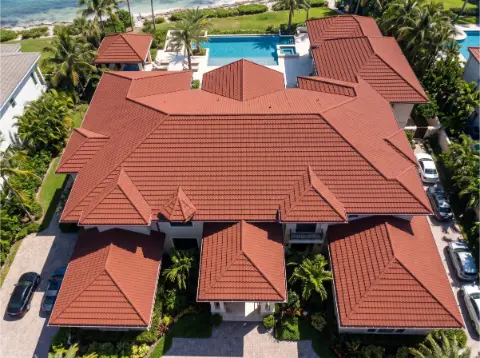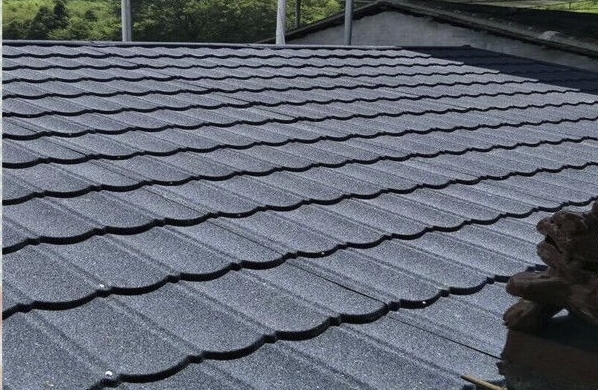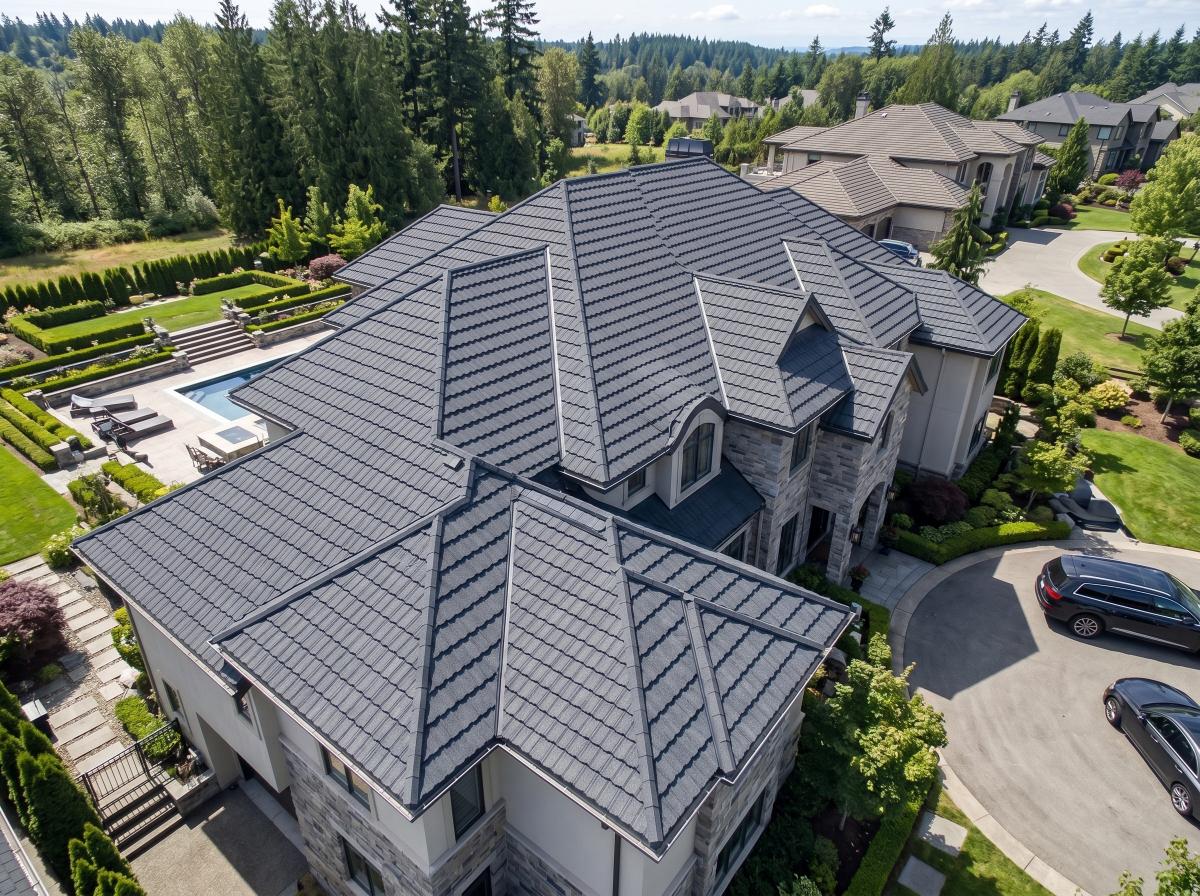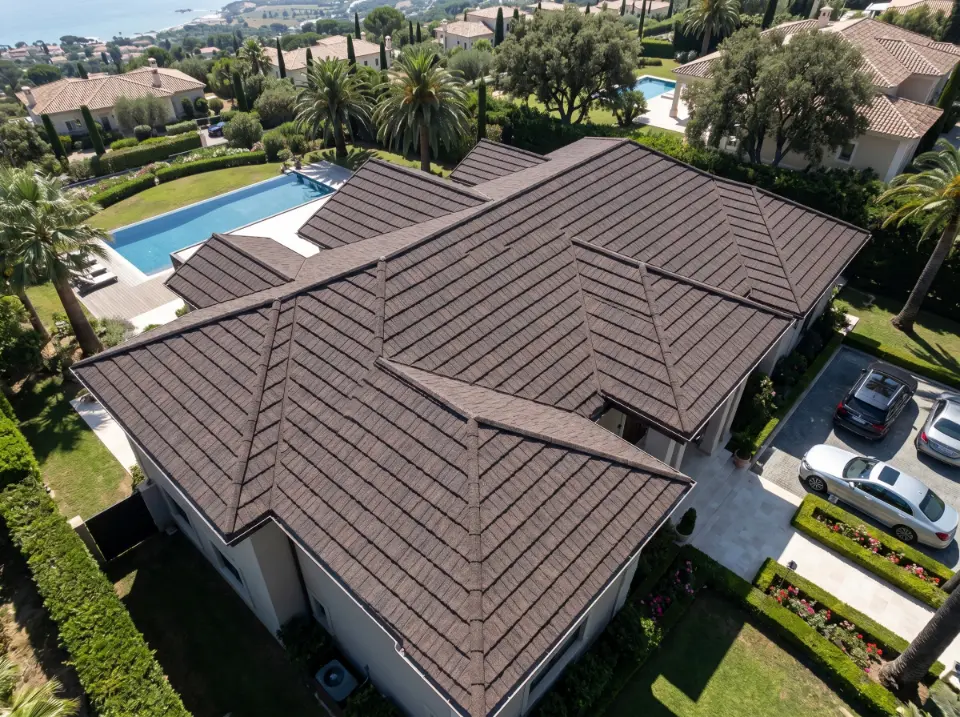


In tropical regions, managing indoor temperature is one of the biggest challenges in building design. Constant sun exposure, high humidity, and elevated ambient temperatures can significantly increase cooling demands. This is where stone coated roofing (stone coated steel roofing) offers a practical advantage through thermal reflection and heat management.
By reducing heat absorption at the roof level, reflective roofing systems help maintain cooler interior environments and lower energy consumption. For contractors, developers, and distributors operating in hot climates, understanding how thermal reflection works is essential for delivering better-performing buildings.
What Is Thermal Reflection in Roofing?
Thermal reflection refers to a material’s ability to reflect solar radiation rather than absorbing it. In roofing systems, this property directly affects how much heat is transferred into the building.
Materials with higher reflectivity absorb less heat, resulting in lower roof surface temperatures.
This leads to improved indoor comfort.
Key Concepts
- Solar reflectance: ability to reflect sunlight
- Thermal emittance: ability to release absorbed heat
- Surface temperature control
Why Heat Control Matters in Tropical Climates
In tropical environments, roofs are exposed to intense solar radiation for extended periods. Without proper heat management, this leads to excessive indoor temperatures and increased reliance on air conditioning.
This not only raises energy costs but also impacts overall building efficiency.
Effective roofing solutions can significantly reduce this burden.
Common Challenges
- High solar intensity throughout the year
- Limited nighttime cooling
- Increased HVAC energy consumption
How Stone Coated Roofing Improves Thermal Performance
Stone coated steel roofing systems are designed with multiple layers that contribute to heat management. The combination of reflective coatings, stone granules, and air gaps helps reduce heat transfer.
This layered structure improves overall thermal performance.
It also enhances long-term durability.
Thermal Advantages
- Reflective surface reduces solar heat absorption
- Stone granules diffuse sunlight
- Air space beneath tiles improves insulation
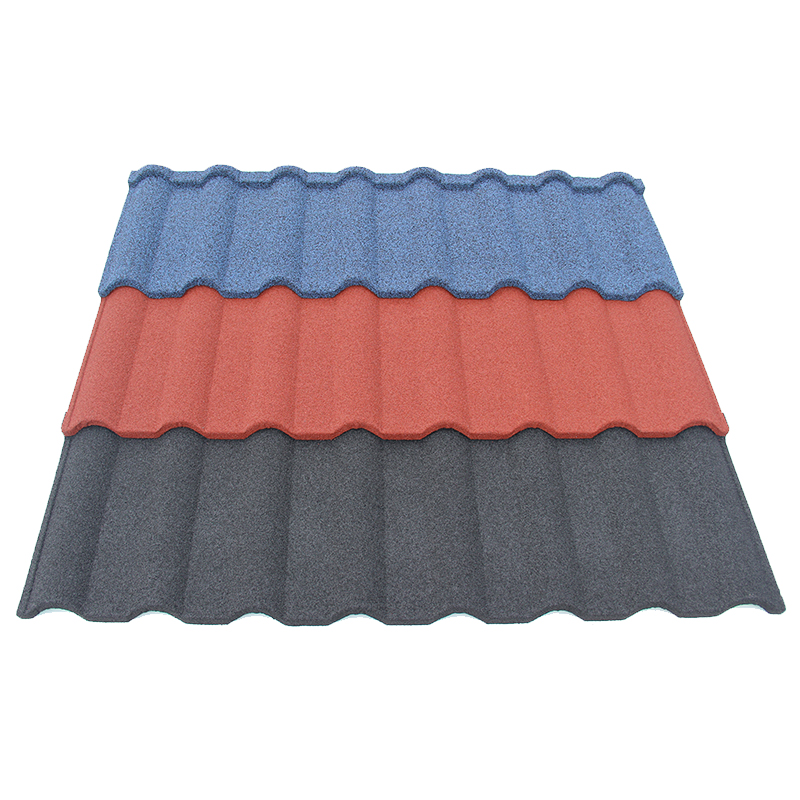
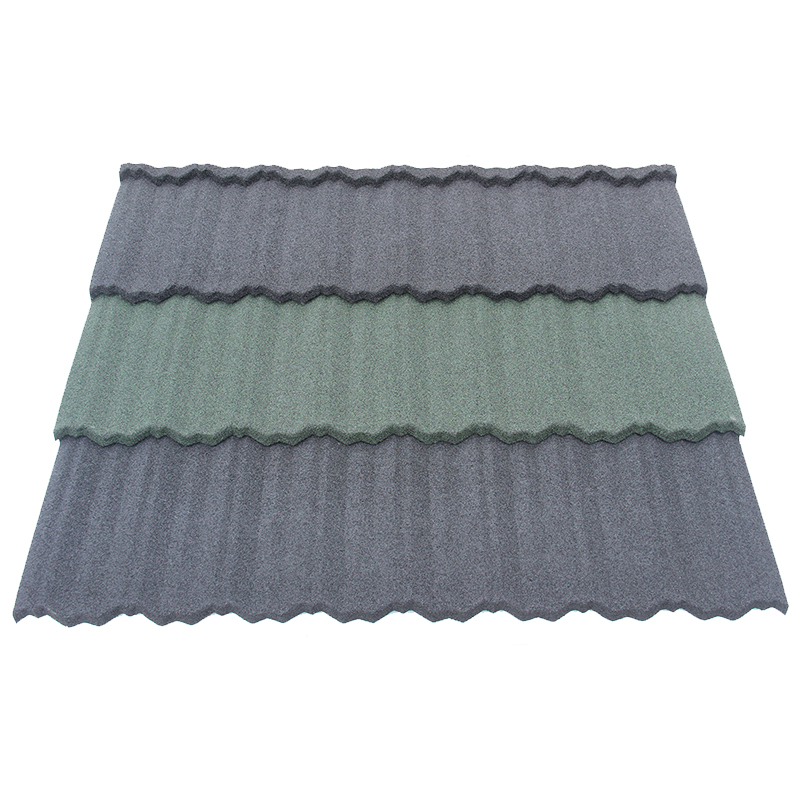
In profiles such as Bond Tile, the structured surface enhances airflow and reduces heat buildup on the roof surface.
Role of Surface Color and Finish
Color plays a significant role in thermal reflection. Lighter colors generally reflect more sunlight, while darker colors absorb more heat. However, modern coatings allow even darker shades to achieve improved reflectivity.
Finish type also affects performance.
Advanced coatings optimize both aesthetics and function.
Color Considerations
- Light colors: higher reflectivity
- Dark colors: improved with reflective technology
- Textured finishes: better heat diffusion
Ventilation and Installation Impact
Thermal performance is not determined by the roofing material alone. Proper ventilation and installation methods play a crucial role in heat management.
Airflow beneath the roofing system helps dissipate heat before it enters the building.
This enhances overall efficiency.
Best Practices
- Ensure adequate roof ventilation
- Maintain proper spacing between layers
- Use compatible underlayment materials
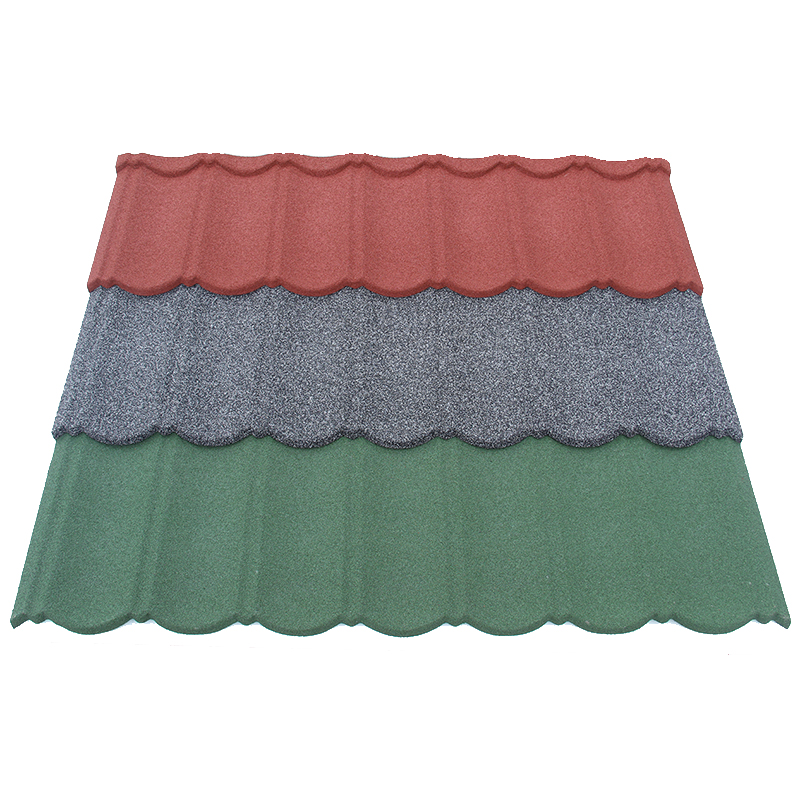
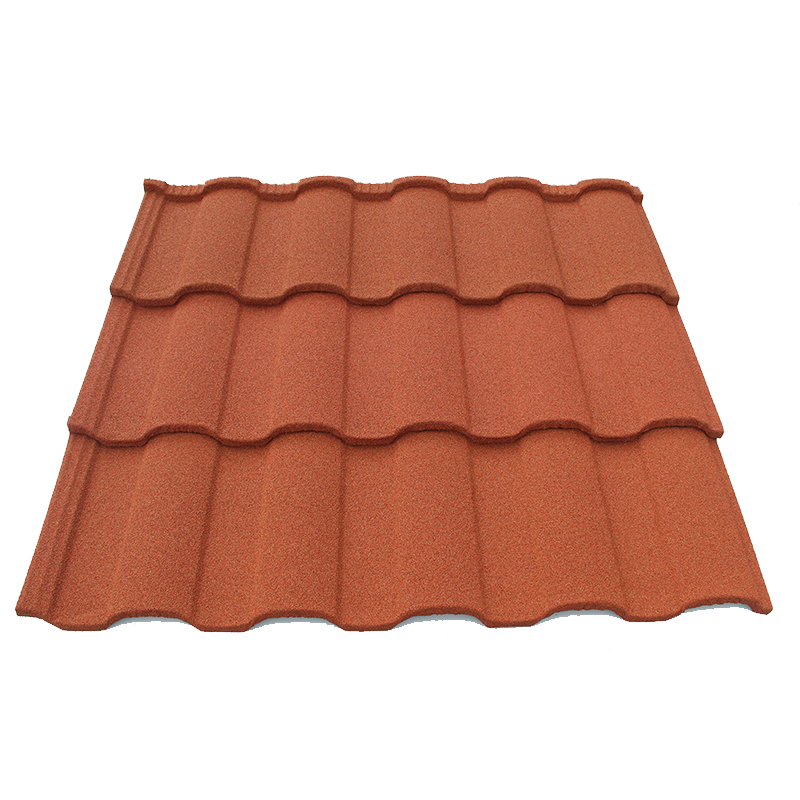
In curved profiles like Roman Tile, natural air channels formed by the design can further improve ventilation performance.
Energy Savings and Cost Benefits
Reducing heat transfer into a building directly lowers the demand for air conditioning. Over time, this leads to significant energy savings and reduced operational costs.
Thermal reflection contributes to long-term efficiency.
It also supports sustainability goals.
Potential Benefits
- Lower cooling energy consumption
- Reduced electricity costs
- Improved indoor comfort
Comparison with Traditional Roofing Materials
Traditional roofing materials such as asphalt shingles tend to absorb more heat, leading to higher roof surface temperatures. This increases indoor heat gain and energy usage.
Stone coated roofing offers improved thermal performance.
This makes it more suitable for hot climates.
Performance Comparison
| Material | Heat Absorption | Thermal Performance |
|---|---|---|
| Asphalt Shingles | High | Lower |
| Clay Tiles | Moderate | Moderate |
| Stone Coated Steel Roofing | Lower | Higher |
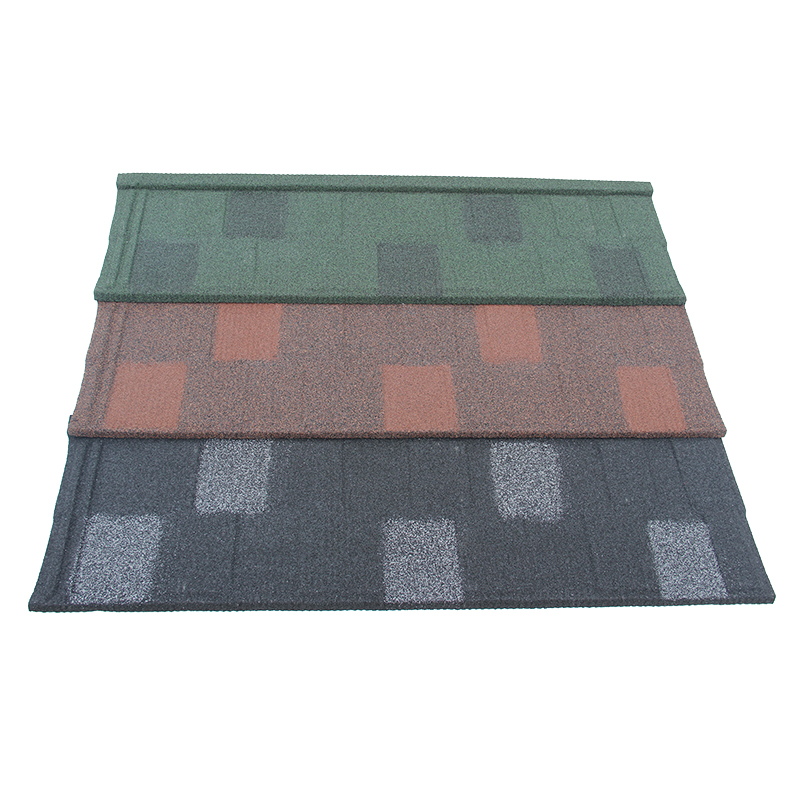
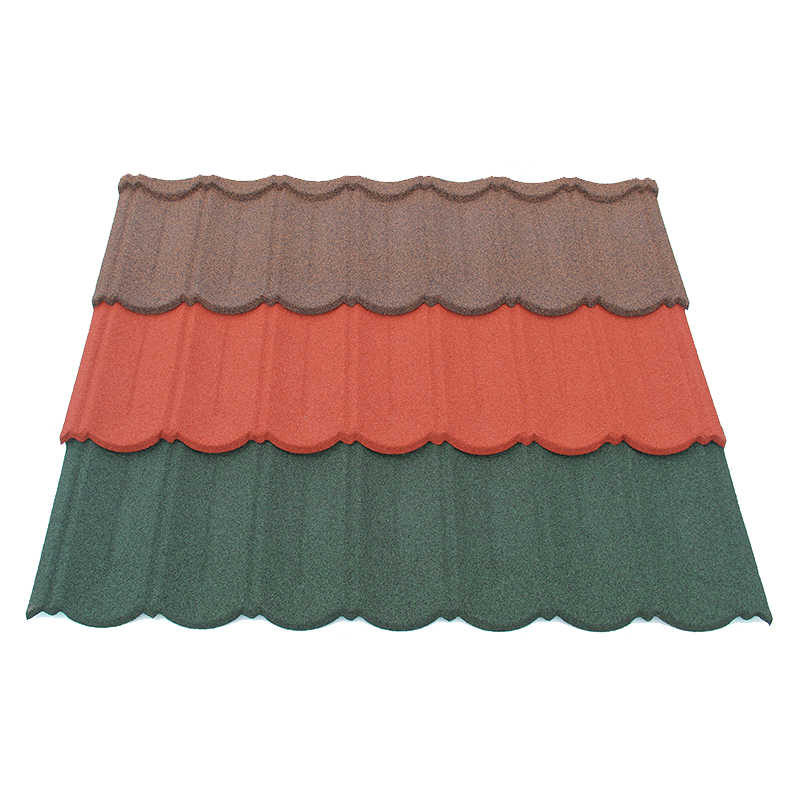
In modern applications using Shingle Tile, the combination of reflective coating and structured design helps maintain consistent thermal performance.
Common Misconceptions About Heat and Metal Roofing
There are several misconceptions about how metal roofing performs in hot climates.
“Metal Roofs Make Buildings Hotter”
In reality, reflective metal roofing can reduce heat gain compared to many traditional materials.
“Only Light Colors Work”
Advanced coatings allow darker colors to achieve good thermal performance.
“Insulation Alone Is Enough”
Roofing material and ventilation are equally important for effective heat control.
Why Thermal Reflection Matters for B2B Projects
For developers and contractors, thermal performance is increasingly linked to building efficiency standards and customer expectations. Roofing systems that reduce heat gain can improve overall project value and marketability.
This is particularly important in regions with high energy costs.
It also supports sustainable construction practices.
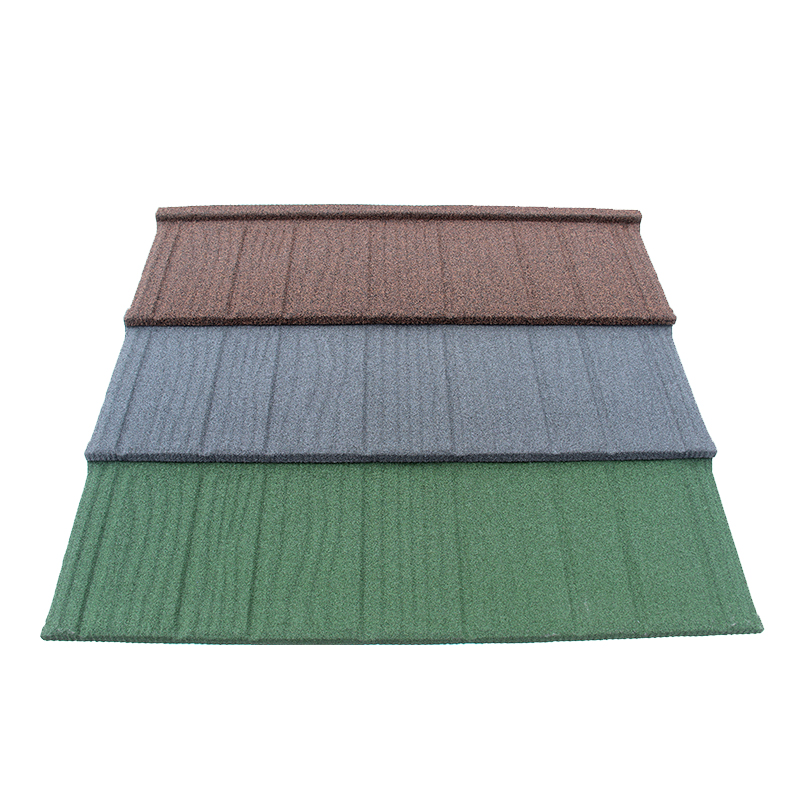
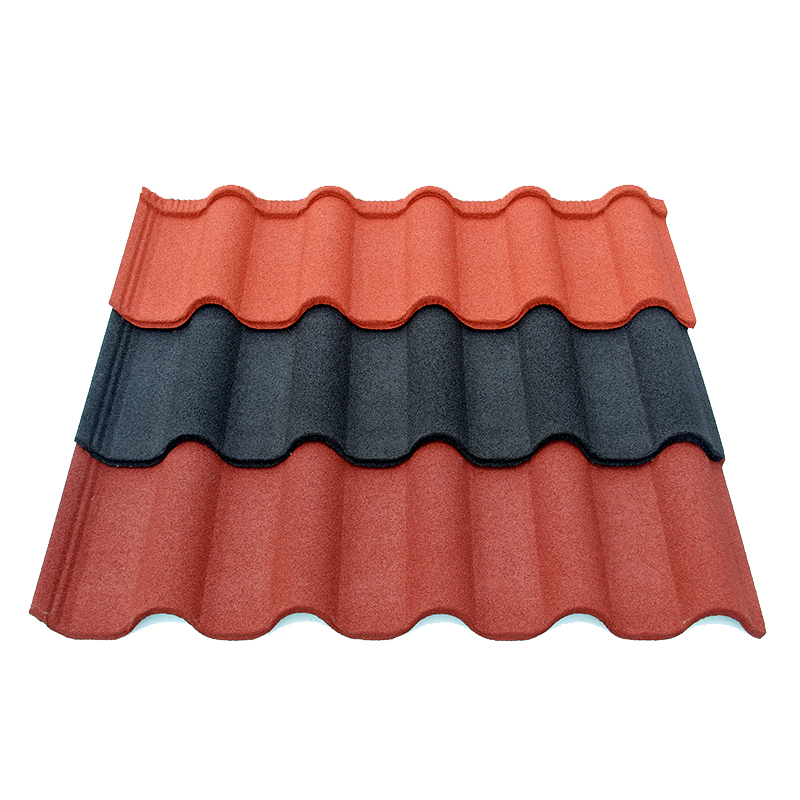
In premium systems such as Milano Tile, combining thermal efficiency with aesthetic design enhances both performance and visual appeal.
Practical Advice for Tropical Projects
Selecting the right roofing system requires consideration of both material properties and installation practices. A well-designed system can significantly improve indoor comfort and reduce energy costs.
Coordination between design and execution is essential.
Attention to detail makes a difference.
Recommended Approach
- Choose roofing with proven reflective properties
- Select appropriate colors and finishes
- Ensure proper ventilation design
- Work with experienced suppliers
Manufacturers such as JCROOF typically offer roofing systems designed to perform in high-temperature environments, supporting both efficiency and durability.
Conclusion: Cooler Buildings Start at the Roof
Thermal reflection is a key factor in maintaining comfortable indoor environments in tropical climates. By reducing heat absorption and improving energy efficiency, stone coated steel roofing provides a practical solution for modern construction challenges.
For B2B buyers and developers, investing in thermally efficient roofing systems is not just about comfort—it is a strategic decision that enhances performance, reduces costs, and aligns with long-term sustainability goals.