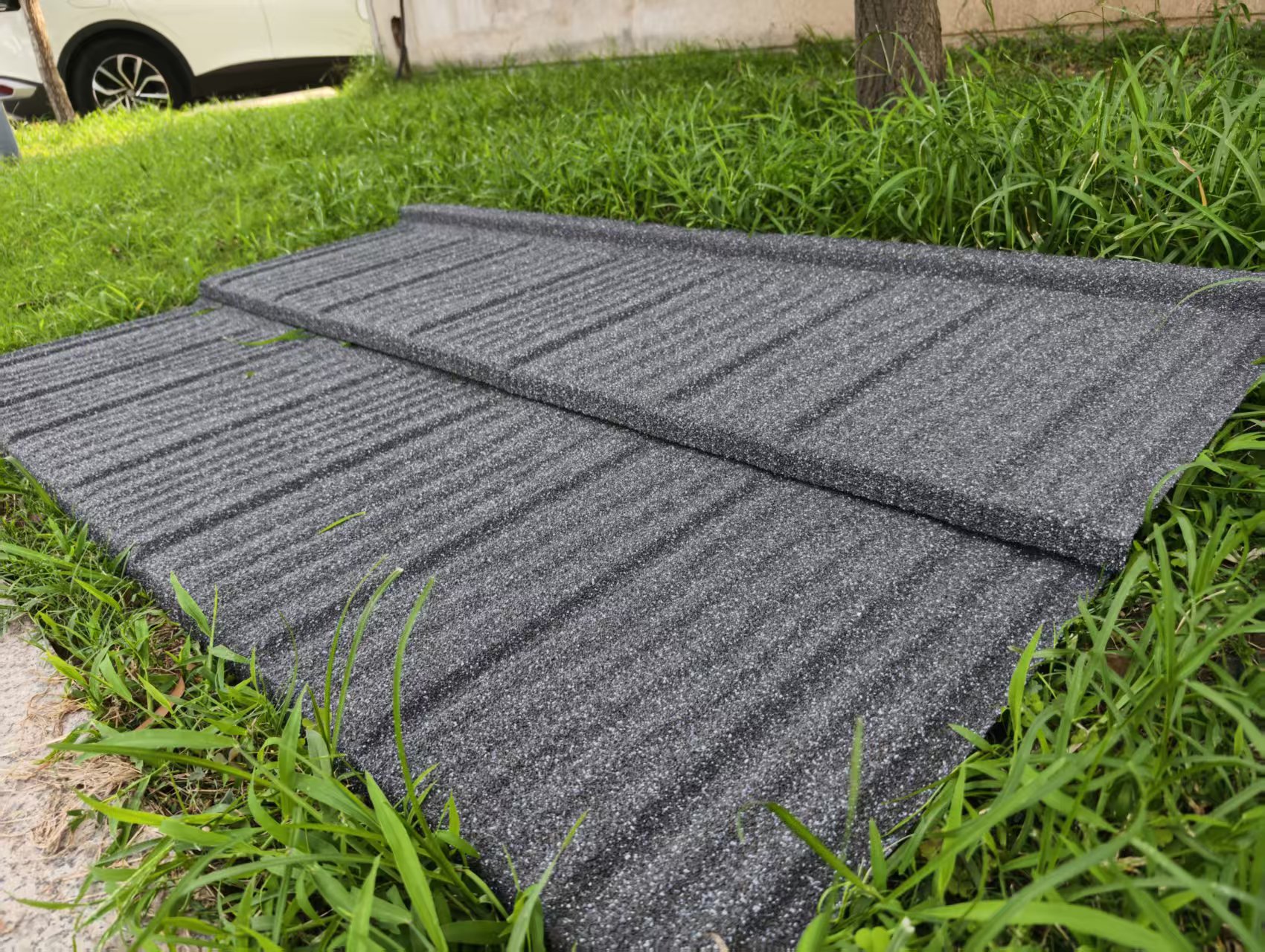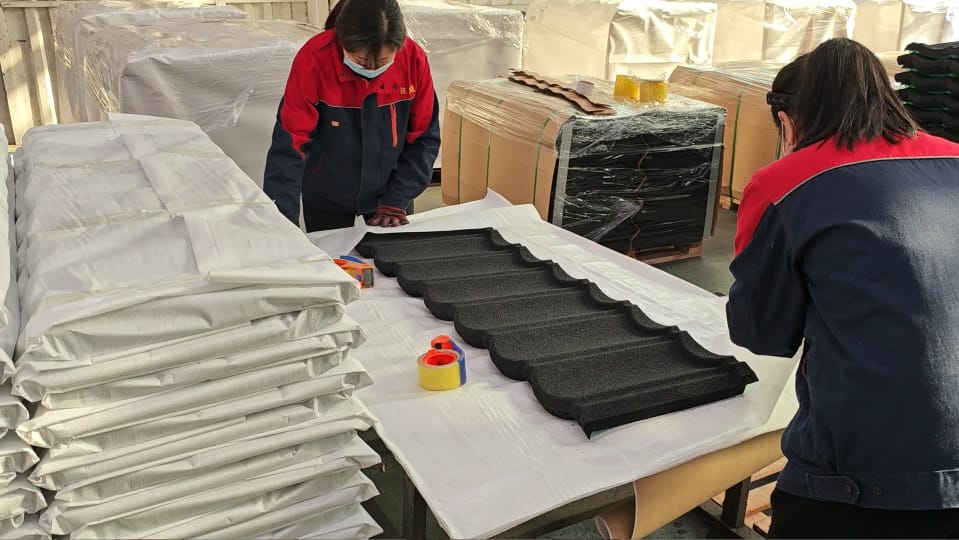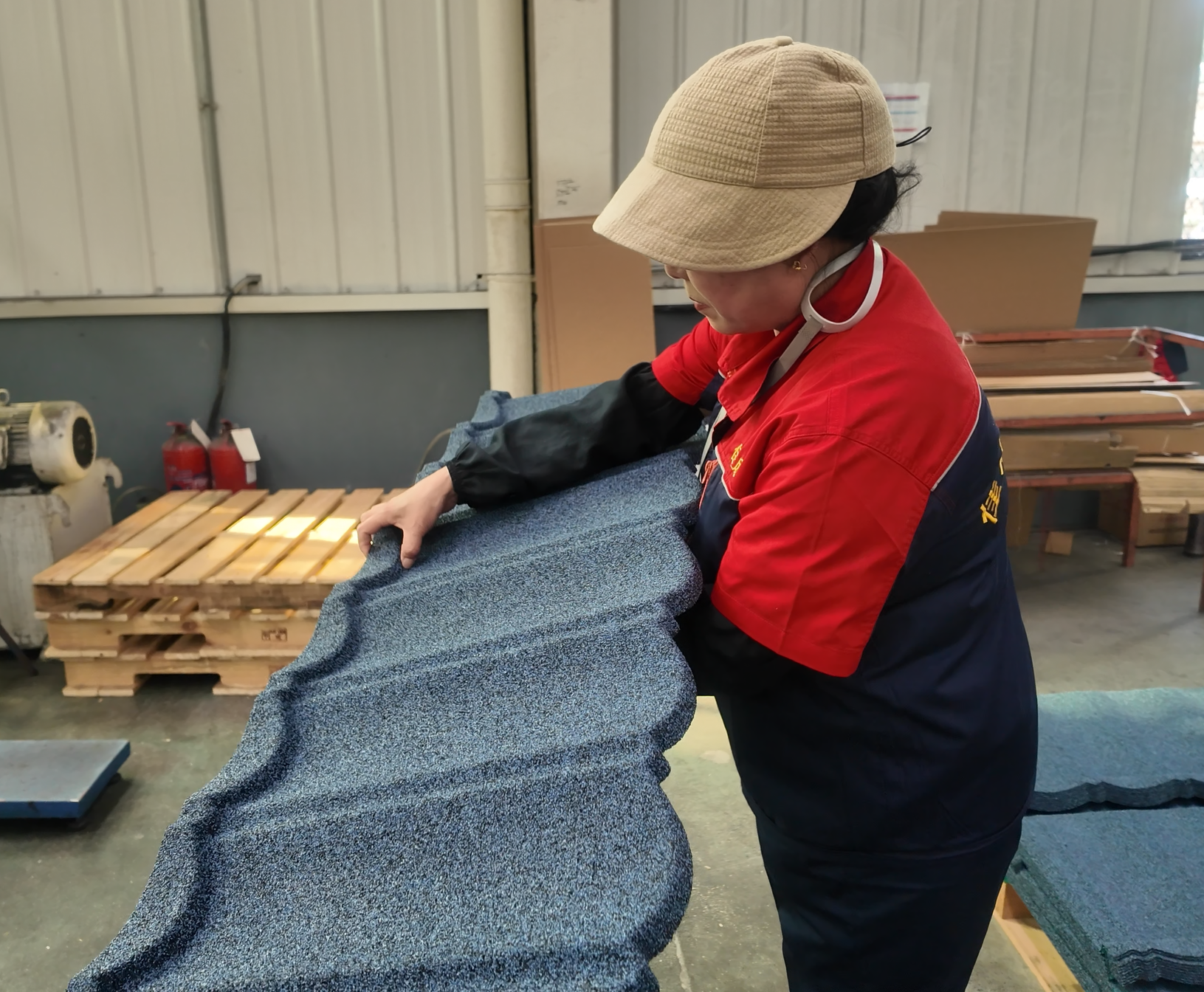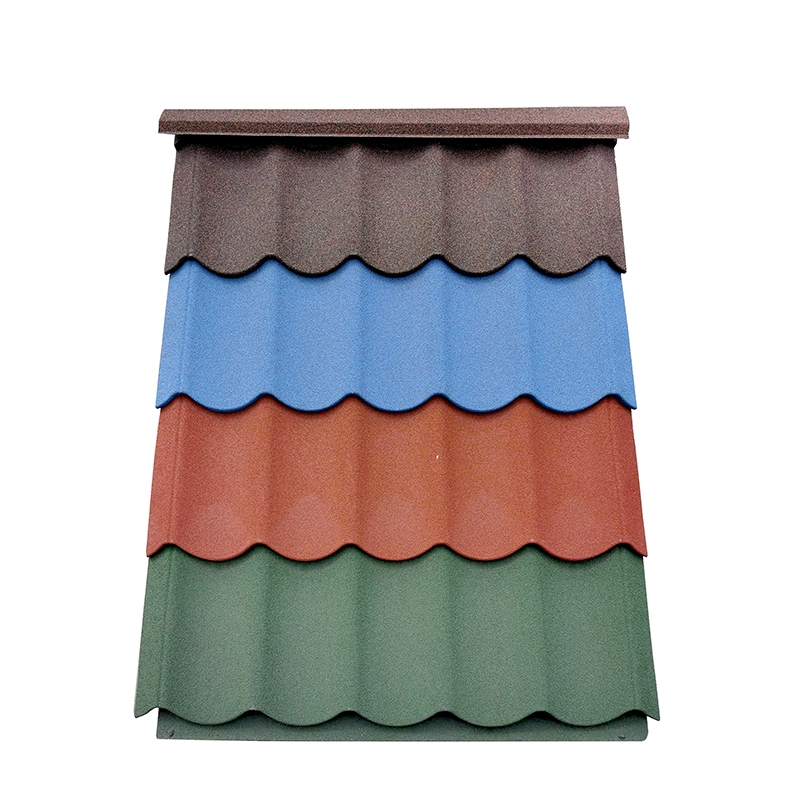

As environmental regulations tighten and developers face increasing pressure to meet green building standards, material selection is no longer based on cost and performance alone. Sustainability has become a key decision factor—especially in roofing systems, where lifecycle impact is significant. In this context, stone coated roofing (stone coated steel roofing) is gaining attention as a recyclable and resource-efficient solution.
Unlike traditional roofing materials that often end up in landfills, recyclable metal roofing systems offer a more sustainable approach through material reuse, long service life, and reduced environmental footprint. For contractors, distributors, and project planners, understanding these sustainability advantages is essential for aligning with modern construction requirements.
What Makes Metal Roofing Recyclable?
At the core of stone coated metal roofing is a steel substrate, which is one of the most widely recycled materials in the world. Steel can be melted down and reused multiple times without losing its structural properties.
This makes it fundamentally different from materials like asphalt shingles, which are more difficult to recycle and often contribute to landfill waste.
The recyclability of steel is a key factor in sustainable construction.
Key Recycling Characteristics
- Steel can be recycled indefinitely
- No significant loss of material strength
- Established global recycling infrastructure
Lifecycle Sustainability: Beyond Initial Installation
Sustainability in roofing is not just about whether a material can be recycled—it is about the entire lifecycle, from production to disposal. Stone coated roofing systems are designed for long-term use, reducing the need for frequent replacement.
This extended lifespan directly reduces resource consumption and waste generation.
Lifecycle thinking is essential for accurate sustainability evaluation.
Lifecycle Advantages
- Long service life reduces replacement frequency
- Lower material consumption over time
- Reduced construction waste
Energy Efficiency and Thermal Performance
Metal roofing systems, including stone coated steel roofing, can contribute to improved energy efficiency. Reflective properties help reduce heat absorption, which can lower cooling demands in warm climates.
This contributes to overall building energy performance.
Energy savings are an important part of sustainability.
Energy Benefits
- Reduced heat absorption compared to darker materials
- Improved indoor temperature stability
- Potential reduction in cooling energy costs
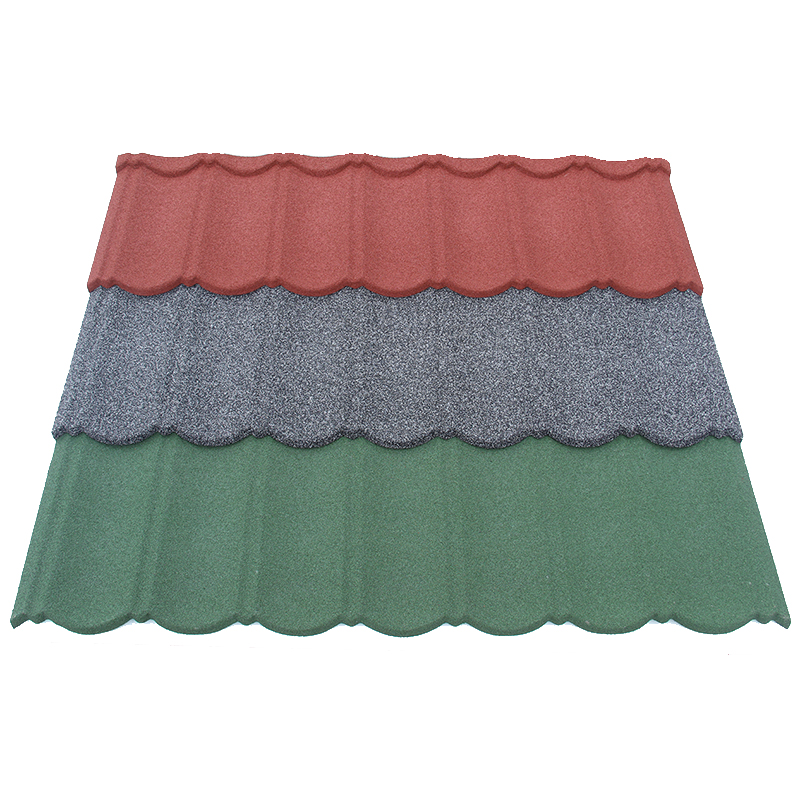
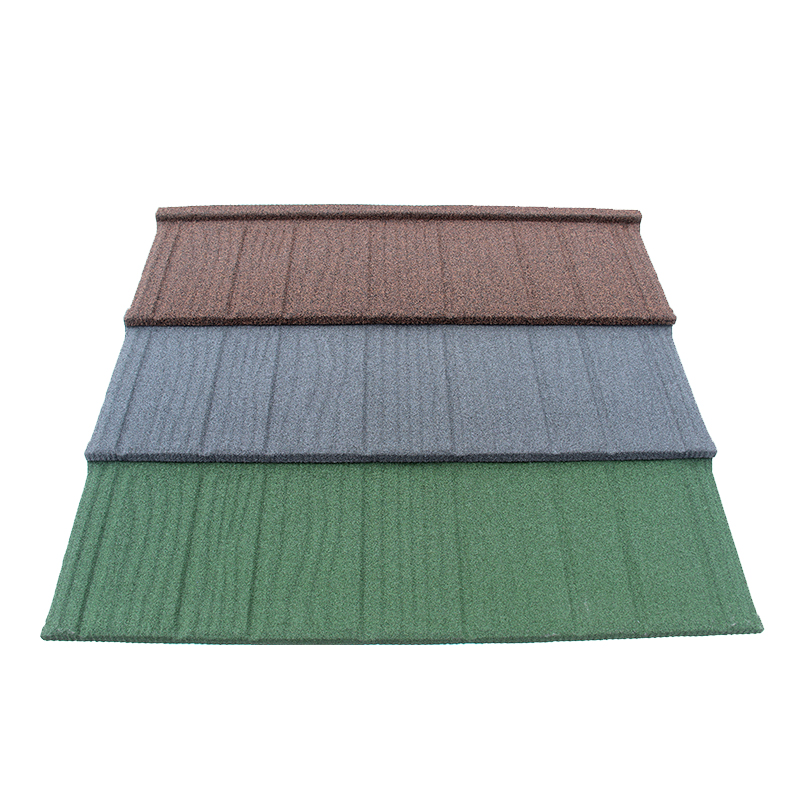
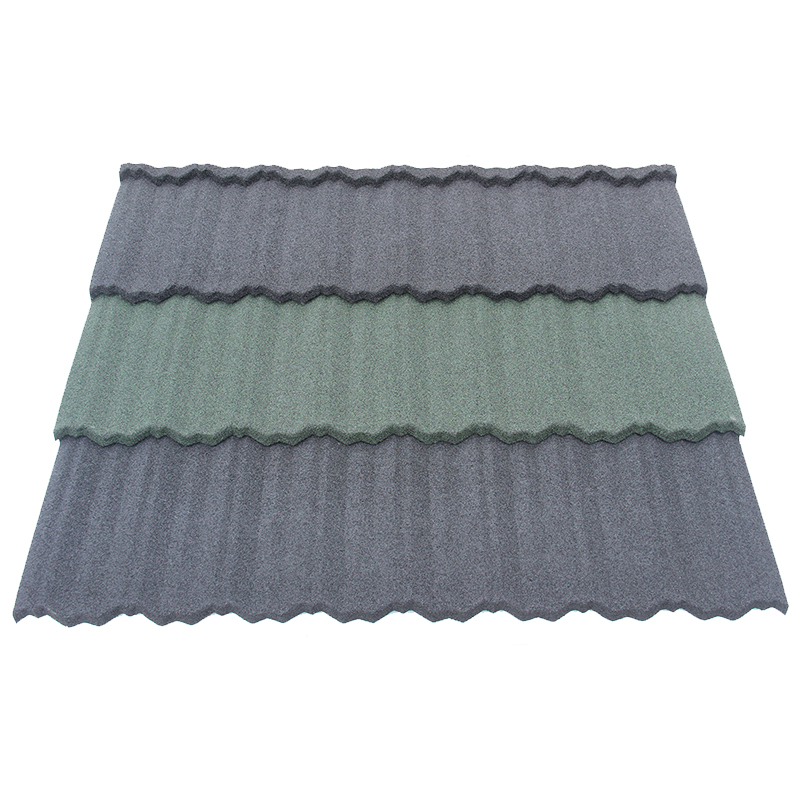
In profiles such as Bond Tile, surface texture combined with reflective coatings helps manage heat gain while maintaining aesthetic appeal.
Reduced Waste in Manufacturing and Installation
Modern production processes for stone coated roofing are designed to minimize waste. Excess materials, such as unused steel or stone granules, are often recycled back into the production cycle.
This reduces the environmental impact of manufacturing.
Efficient installation also contributes to waste reduction.
Waste Reduction Factors
- Recycling of production by-products
- Lower breakage rates during transport and installation
- Efficient cutting and fitting on-site
Comparison with Traditional Roofing Materials
When compared to conventional roofing options, recyclable metal roofing offers clear environmental advantages. Materials like asphalt shingles and certain clay tiles have higher disposal rates and shorter lifespans.
This increases their overall environmental footprint.
Metal roofing provides a more sustainable alternative.
Material Comparison
| Material | Recyclability | Lifecycle Impact |
|---|---|---|
| Asphalt Shingles | Low | High waste generation |
| Clay Tiles | Limited | Heavy resource usage |
| Stone Coated Steel Roofing | High | Lower overall impact |
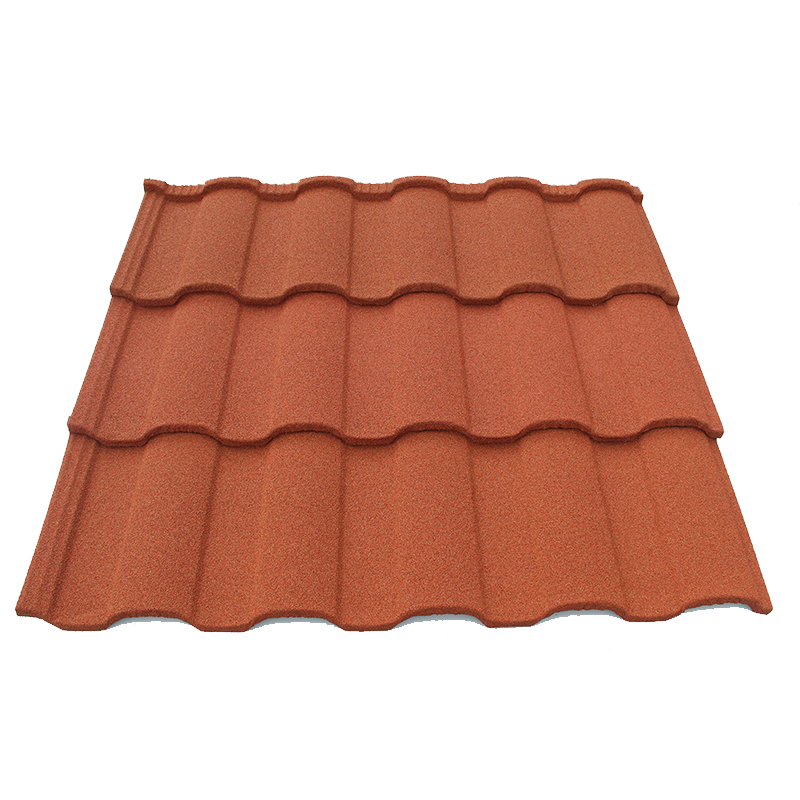
In traditional-style designs like Roman Tile, stone coated steel roofing offers the visual appeal of clay while significantly improving recyclability and lifecycle efficiency.
Contribution to Green Building Certifications
Recyclable metal roofing can contribute to green building certifications such as LEED and other sustainability standards. These certifications evaluate materials based on environmental impact, energy efficiency, and resource usage.
Using recyclable materials supports compliance with these frameworks.
This is increasingly important for commercial and large-scale projects.
Certification Benefits
- Supports sustainable material credits
- Improves overall building rating
- Enhances project marketability
Durability as a Sustainability Factor
Durability is often overlooked in sustainability discussions, but it plays a major role. A longer-lasting product reduces the need for replacement, transportation, and additional material production.
Stone coated roofing systems are designed to withstand harsh weather conditions, contributing to their longevity.
This durability supports environmental goals.
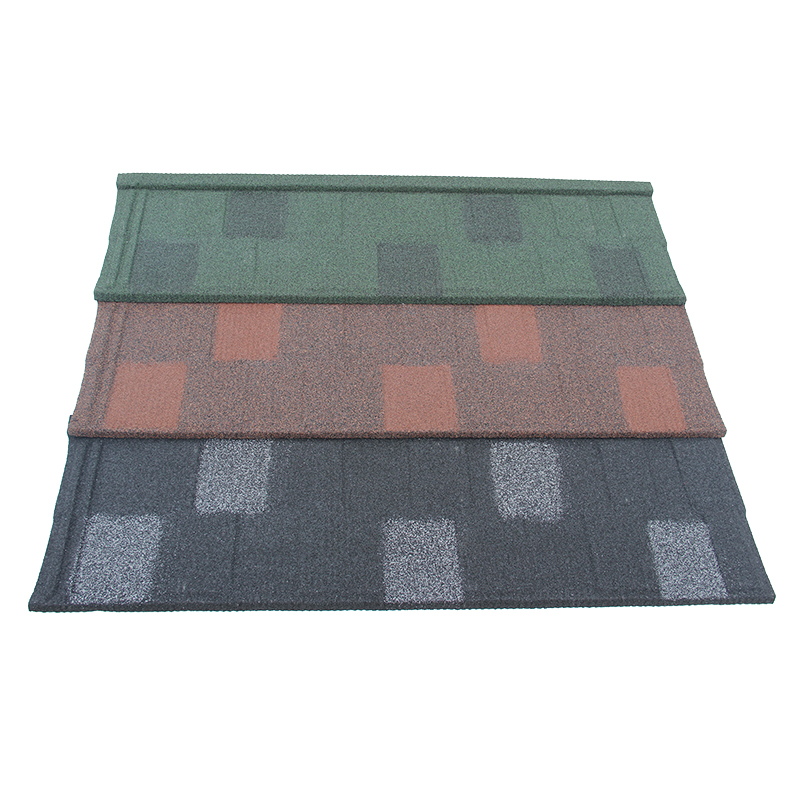
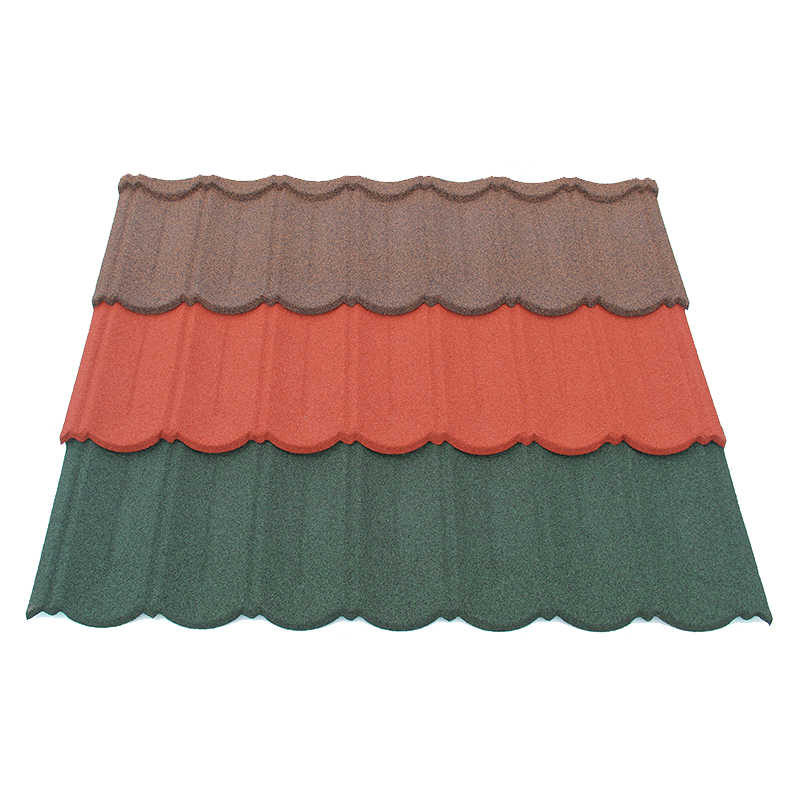
In modern applications using Shingle Tile, consistent performance over time reduces maintenance and replacement cycles.
Common Misconceptions About Metal Roofing Sustainability
Despite its advantages, there are still misconceptions about the environmental impact of metal roofing.
“Metal Roofing Has a High Carbon Footprint”
While steel production requires energy, its recyclability and long lifespan offset initial environmental costs.
“Recycling Is Not Practical”
Steel recycling is well-established and widely implemented globally.
“All Roofing Materials Are Equally Sustainable”
Lifecycle impact varies significantly between materials.
Why Sustainability Matters for B2B Buyers
For developers and contractors, sustainability is increasingly linked to regulatory compliance, project approval, and market competitiveness. Choosing recyclable roofing materials helps meet environmental requirements and enhances project value.
This is particularly important in regions with strict building standards.
It also aligns with long-term industry trends.
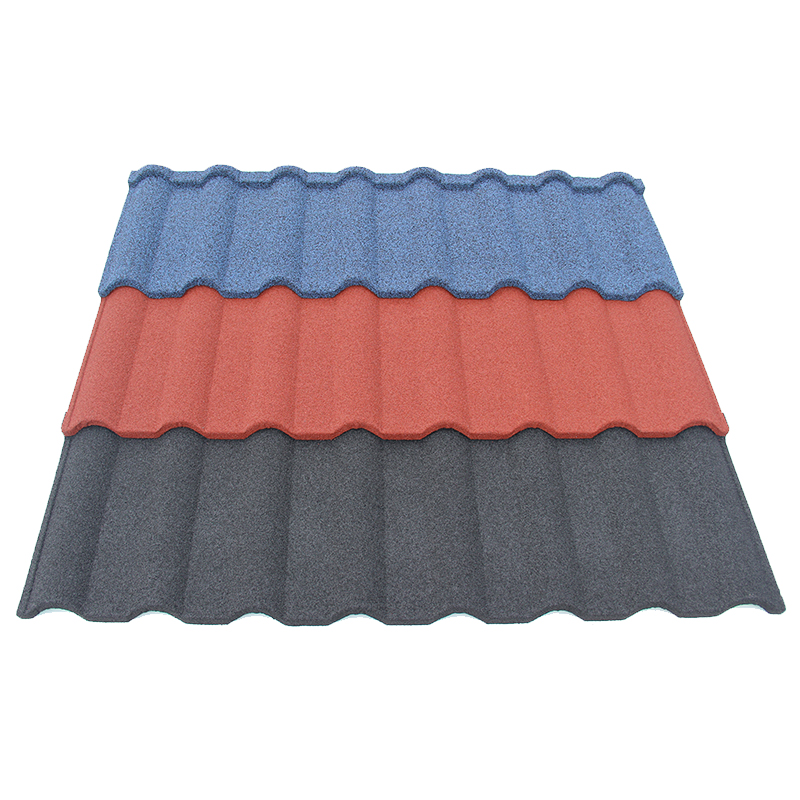
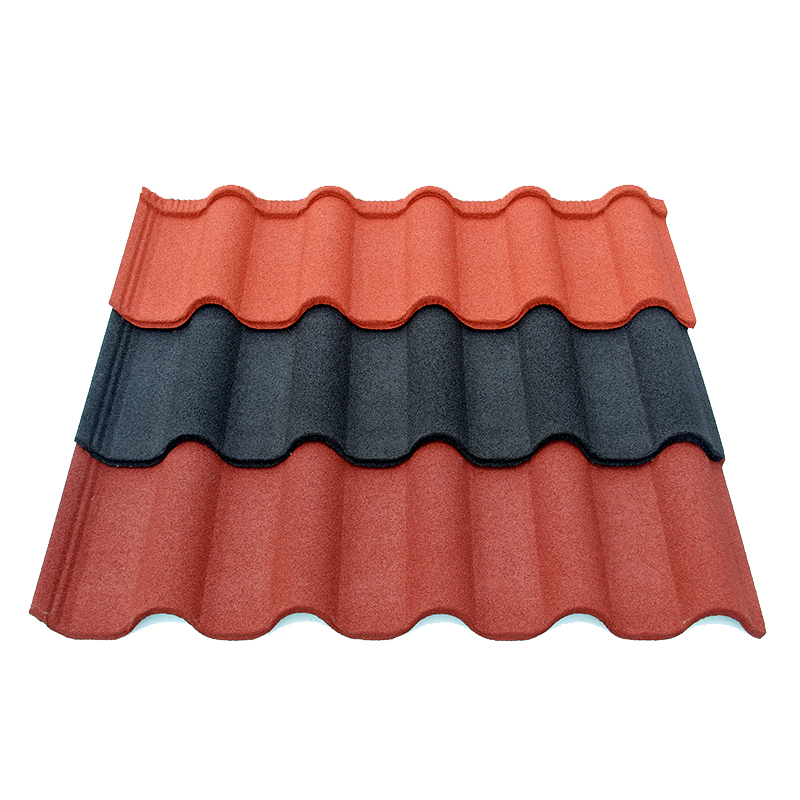
In premium systems such as Milano Tile, combining durability, design, and sustainability creates a strong value proposition for high-end projects.
Practical Advice for Sustainable Roofing Selection
Selecting environmentally friendly roofing materials requires a comprehensive approach. Buyers should evaluate not only recyclability but also lifecycle performance and supplier practices.
Reliable suppliers provide transparency in material sourcing and production processes.
This helps ensure genuine sustainability benefits.
Recommended Approach
- Verify recyclability of materials
- Evaluate product lifespan and durability
- Check compliance with environmental standards
- Work with suppliers committed to sustainable practices
Manufacturers such as JCROOF often emphasize recyclable materials and efficient production processes as part of their contribution to sustainable construction.
Conclusion: Sustainability Through Smart Material Choices
Recyclable metal roofing systems offer a practical and effective way to reduce environmental impact in construction projects. Through material reuse, long service life, and energy efficiency, stone coated steel roofing supports modern sustainability goals.
For B2B buyers, integrating these materials into project planning is not just an environmental decision—it is a strategic move that aligns with evolving market demands and regulatory expectations.