
Choosing the right roofing material is one of the most important decisions in any construction project. Whether you are a distributor, contractor, developer, or homeowner, comparing roofing systems helps balance cost, durability, appearance, and long-term value. This stone coated roofing comparison explores the strengths and weaknesses of stone coated roofing, asphalt shingles, and clay tiles to help buyers make informed decisions.
Although all three materials are widely used around the world, they differ significantly in lifespan, weight, maintenance requirements, weather resistance, and installation costs. Understanding these differences can reduce project risks and improve long-term return on investment.
In this guide, we compare these roofing materials across the factors that matter most to global buyers and explain which option performs best for different applications.
Why Comparing Roofing Materials Is Important
Selecting a roofing material affects much more than the appearance of a building. It influences structural design, transportation costs, installation efficiency, maintenance expenses, and the overall lifespan of the roof. Therefore, buyers should evaluate roofing materials based on long-term performance rather than initial purchase price alone.
Moreover, climate conditions, local building regulations, and customer preferences all play an important role in choosing the most suitable roofing solution.
Cost Is Only One Part of the Decision
Many buyers focus on material costs during procurement. However, installation, maintenance, replacement frequency, and transportation expenses also contribute to the total lifecycle cost of a roof.
As a result, a roofing system with a slightly higher purchase price may offer better long-term value through lower maintenance and a longer service life.
Different Markets Have Different Requirements
For example, tropical regions often prioritize corrosion resistance and wind performance, while colder climates place greater emphasis on snow load capacity and freeze-thaw durability. Consequently, no single roofing material is ideal for every project.
Stone Coated Roofing Overview
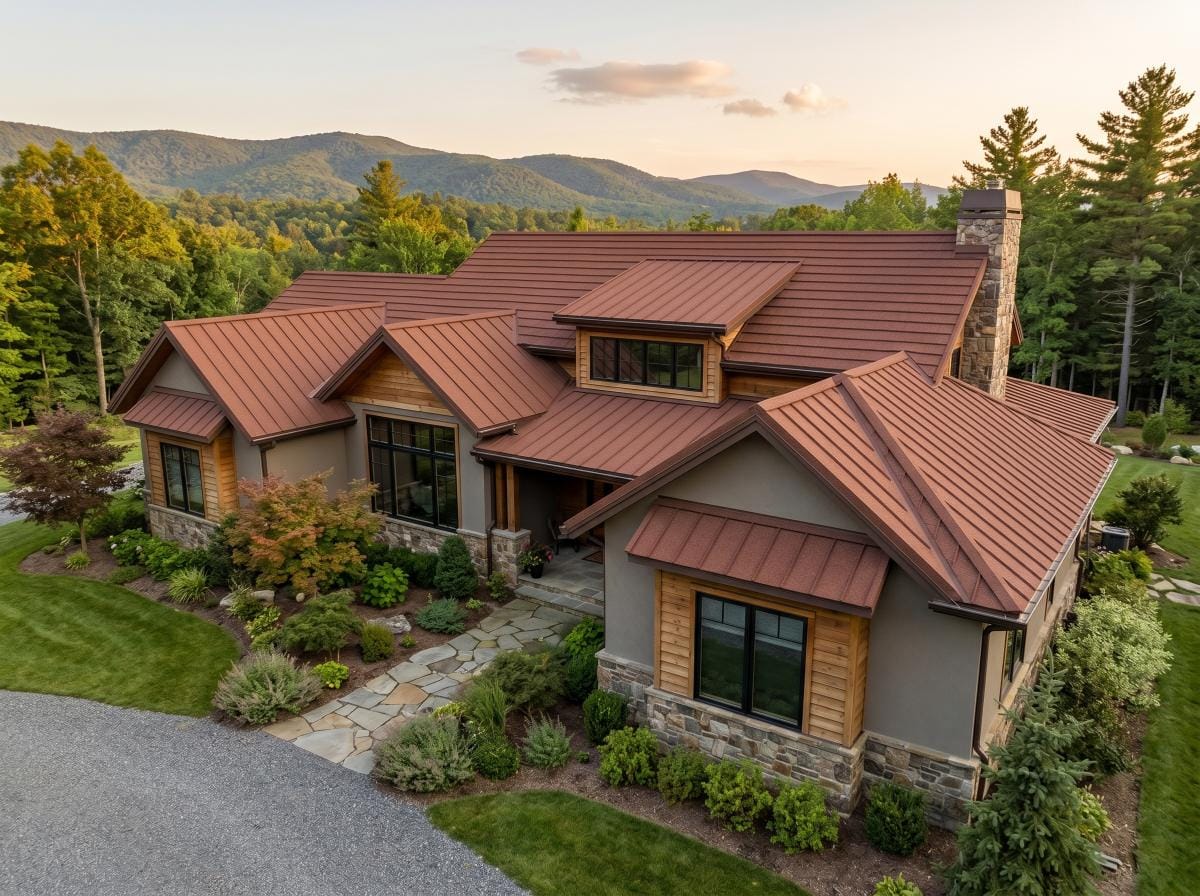
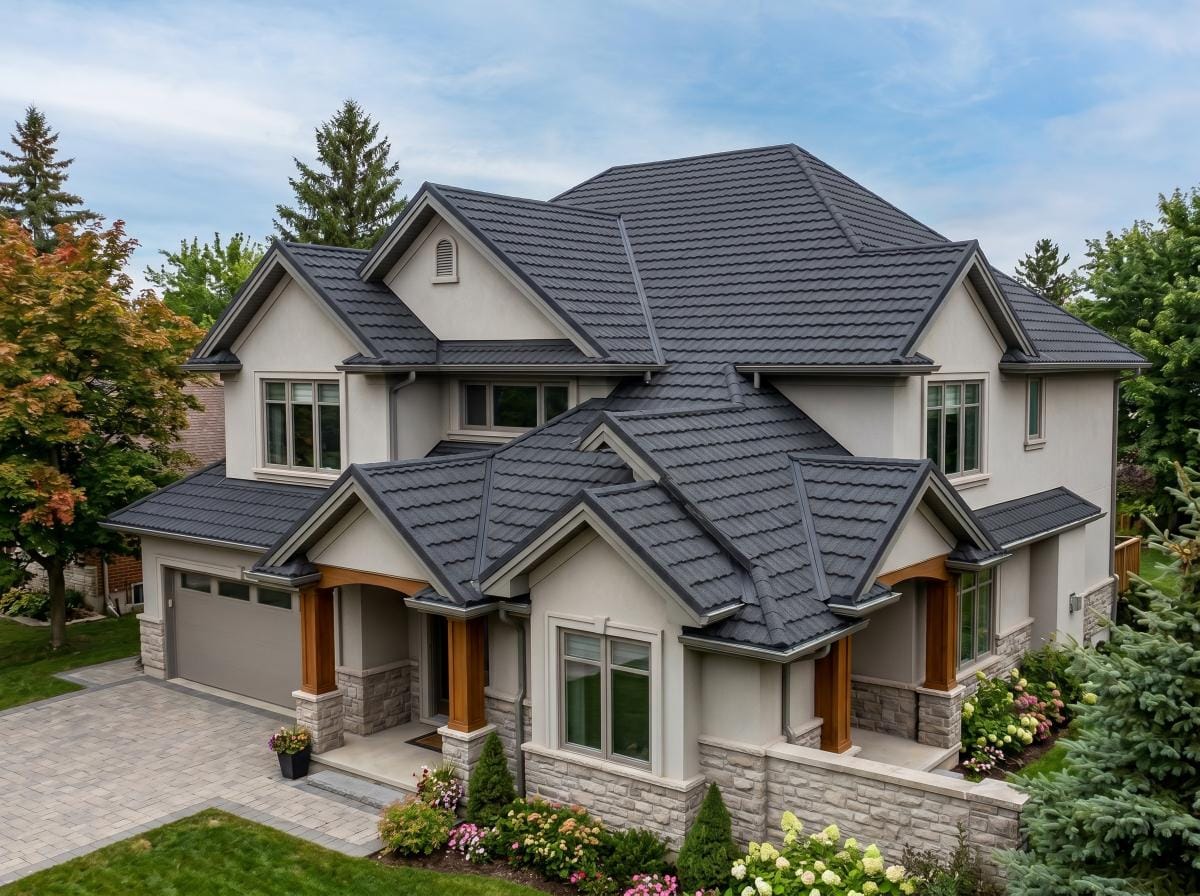
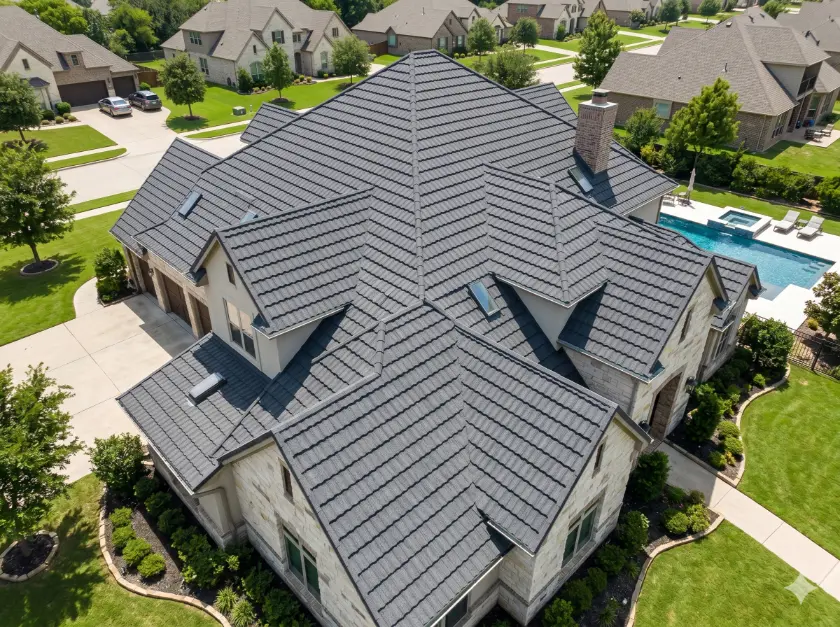
Stone coated roofing combines the strength of steel with the appearance of traditional roofing materials. Manufacturers produce these panels using galvanized or Galvalume steel, acrylic resin coatings, and natural stone granules. This multi-layer structure provides excellent durability while maintaining an attractive architectural finish.
Because the panels are lightweight, installers can often complete projects more quickly than with heavier roofing systems. In addition, the interlocking design improves wind resistance and simplifies installation.
Main Advantages
- Service life of 30–50 years
- Excellent wind and impact resistance
- Lightweight structure that reduces building load
- Wide range of colors and profiles
- Low maintenance requirements
- Suitable for residential, commercial, and renovation projects
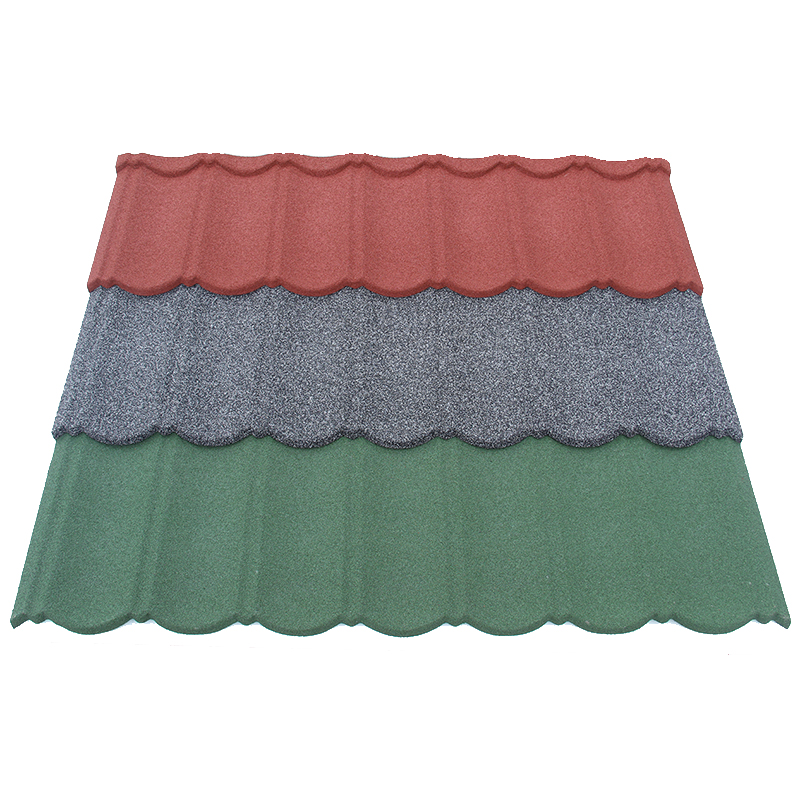
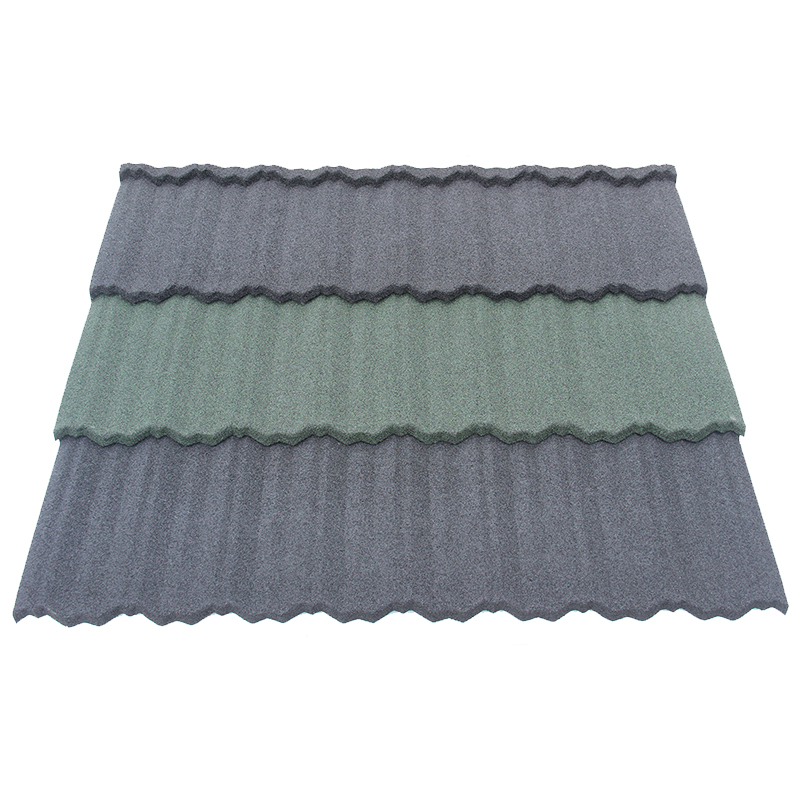
For residential developments, products such as Bond Tile provide a clean, modern appearance while maintaining high structural performance.
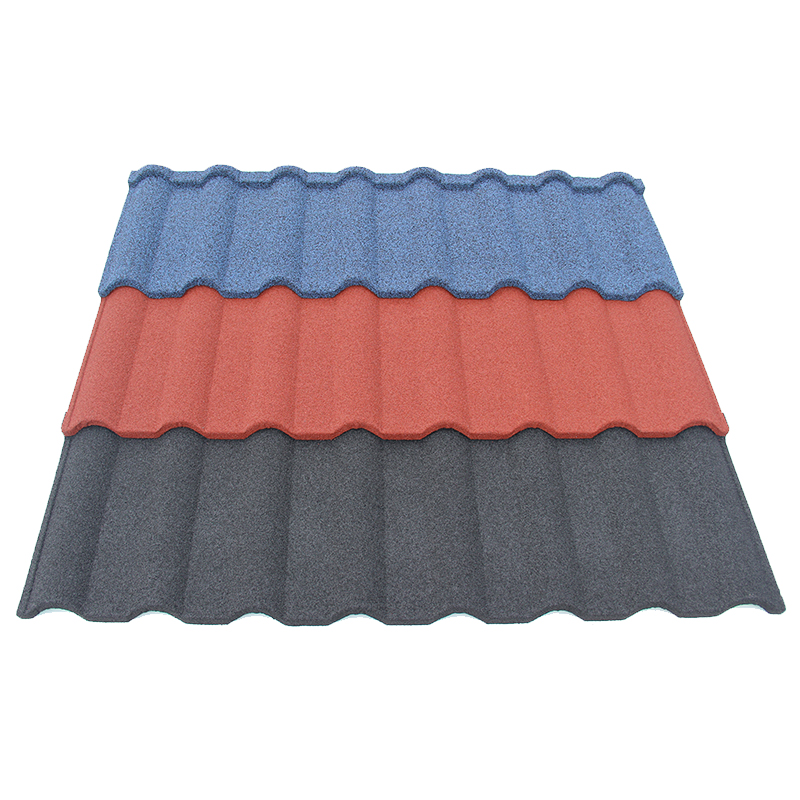
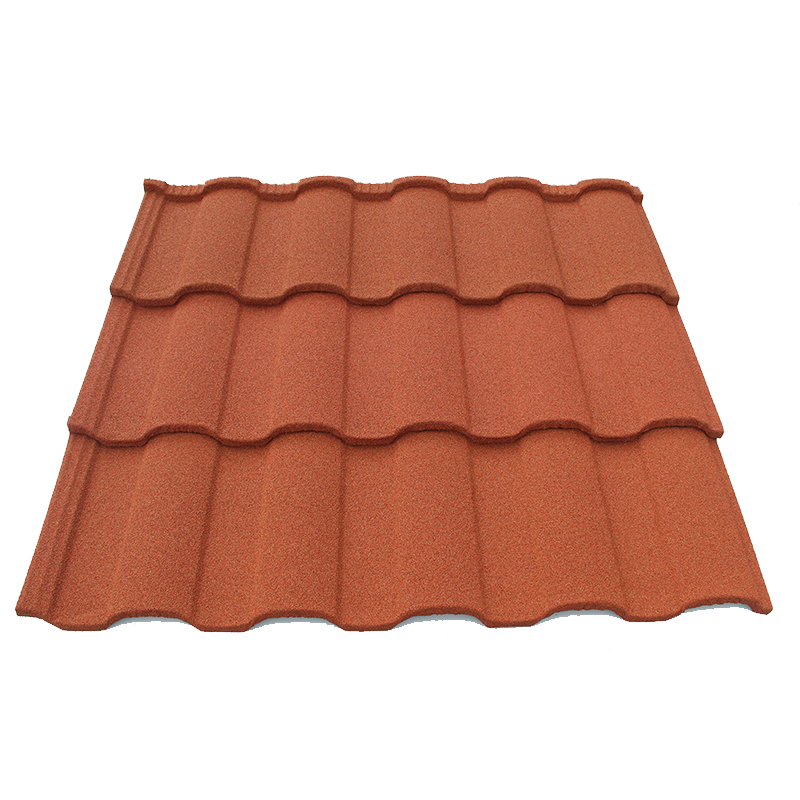
Meanwhile, architects frequently specify Roman Tile for projects that require a more traditional Mediterranean aesthetic without the weight of conventional clay roofing.
Potential Limitations
Although stone coated roofing offers many advantages, buyers should still select experienced manufacturers. Product quality depends on the steel substrate, coating technology, curing process, and quality control standards. Therefore, choosing a reliable supplier is essential for achieving the expected service life.
Asphalt Shingles Overview
Asphalt shingles remain one of the most widely used roofing materials in North America because they are affordable and relatively easy to install. They consist of a fiberglass or organic base coated with asphalt and mineral granules.
Their lower upfront cost makes them attractive for budget-conscious residential projects. However, they generally require more frequent replacement than premium roofing systems.
Main Advantages
- Lower initial investment
- Simple installation process
- Widely available in many markets
- Large variety of colors and styles
Main Disadvantages
- Typical lifespan of only 15–25 years
- More vulnerable to strong winds and hail
- Higher maintenance and replacement frequency
- Performance may decline in extreme climates
Consequently, while asphalt shingles remain a practical choice for some residential applications, buyers planning long-term projects often compare them with more durable alternatives before making a final decision.
Clay Tiles Overview
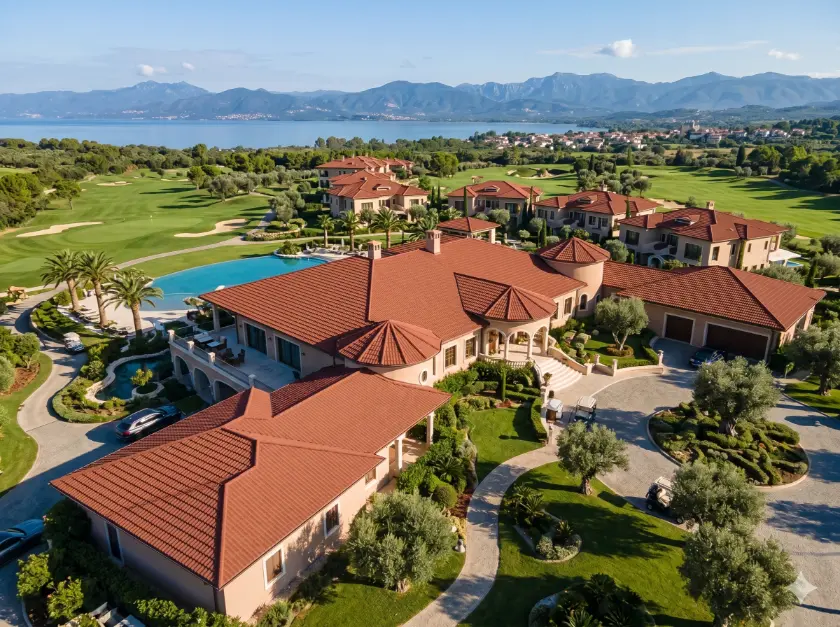
Clay tiles have been used for centuries and remain a popular roofing material in Mediterranean, Spanish, and traditional architectural styles. Their distinctive appearance and long lifespan make them a preferred choice for luxury homes and heritage buildings.
Because clay is a natural material, it offers excellent resistance to UV radiation and does not corrode. However, its heavy weight requires stronger roof structures and increases transportation and installation costs.
Main Advantages
- Service life of 50–100 years under ideal conditions
- Classic architectural appearance
- Excellent fire resistance
- Outstanding UV stability
- Minimal color fading over time
Main Disadvantages
- Very heavy compared with steel roofing
- Higher transportation costs
- Requires reinforced roof structures
- More fragile during handling and installation
- Higher labor costs for installation and replacement
Therefore, although clay tiles provide exceptional longevity, they are not always the most practical option for projects with limited structural capacity or strict construction budgets.
Stone Coated Roofing vs Asphalt Shingles vs Clay Tiles
Each roofing material offers unique advantages. Therefore, buyers should compare them across multiple performance indicators instead of focusing on only one factor such as price.
| Feature | Stone Coated Roofing | Asphalt Shingles | Clay Tiles |
|---|---|---|---|
| Average Lifespan | 30–50 Years | 15–25 Years | 50–100 Years |
| Weight | Light | Light | Very Heavy |
| Wind Resistance | Excellent | Moderate | Good |
| Fire Resistance | Excellent | Moderate | Excellent |
| Maintenance | Low | Medium | Low |
| Installation Speed | Fast | Fast | Slow |
| Transportation Cost | Low | Low | High |
| Overall Value | ★★★★★ | ★★★☆☆ | ★★★★☆ |
Lifespan Comparison
Clay tiles generally offer the longest service life under ideal conditions. However, their durability comes with significantly higher structural requirements and installation costs.
Stone coated roofing provides an excellent balance between durability and practicality. Most high-quality systems last between 30 and 50 years while remaining lightweight and easy to install.
In comparison, asphalt shingles typically require replacement much sooner. Consequently, long-term maintenance costs may become substantially higher over the lifetime of the building.
Installation and Structural Requirements
Installation efficiency is another important consideration for contractors and developers. Because stone coated roofing panels are lightweight and feature an interlocking design, installation teams can often complete projects more quickly than with clay tiles.
Furthermore, lightweight roofing reduces structural loading. This advantage makes stone coated roofing particularly suitable for renovation projects where the existing roof structure cannot support heavier materials.
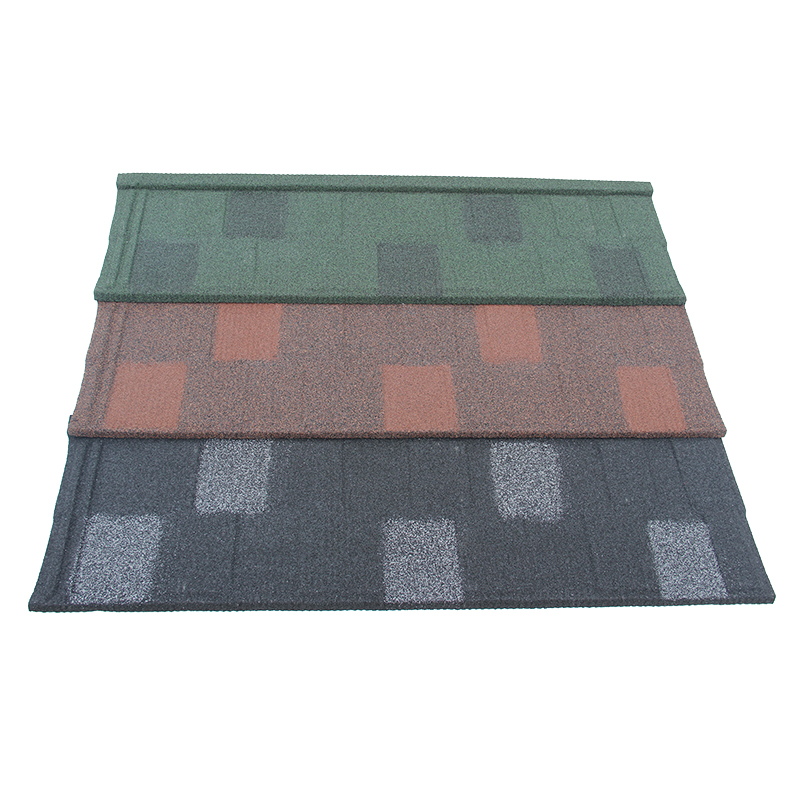
For example, Shingle Tile combines the appearance of traditional shingles with the strength of steel, allowing contractors to achieve both efficiency and durability.
Weather Resistance
Extreme weather conditions place significant demands on roofing systems. Strong winds, heavy rainfall, hail, and prolonged UV exposure all affect long-term performance.
Stone coated roofing performs exceptionally well in these environments because its interlocking design improves wind resistance while its multi-layer coating system protects against corrosion and fading.
Although clay tiles resist UV radiation extremely well, individual tiles may crack if subjected to severe impact. Meanwhile, asphalt shingles can deteriorate more quickly under prolonged heat and strong sunlight.
Cost Versus Long-Term Value
At first glance, asphalt shingles appear to be the most economical option because of their lower purchase price. However, buyers should evaluate the total cost of ownership instead of focusing only on initial investment.
Stone coated roofing often delivers better long-term value by reducing maintenance, extending replacement cycles, and lowering transportation costs.
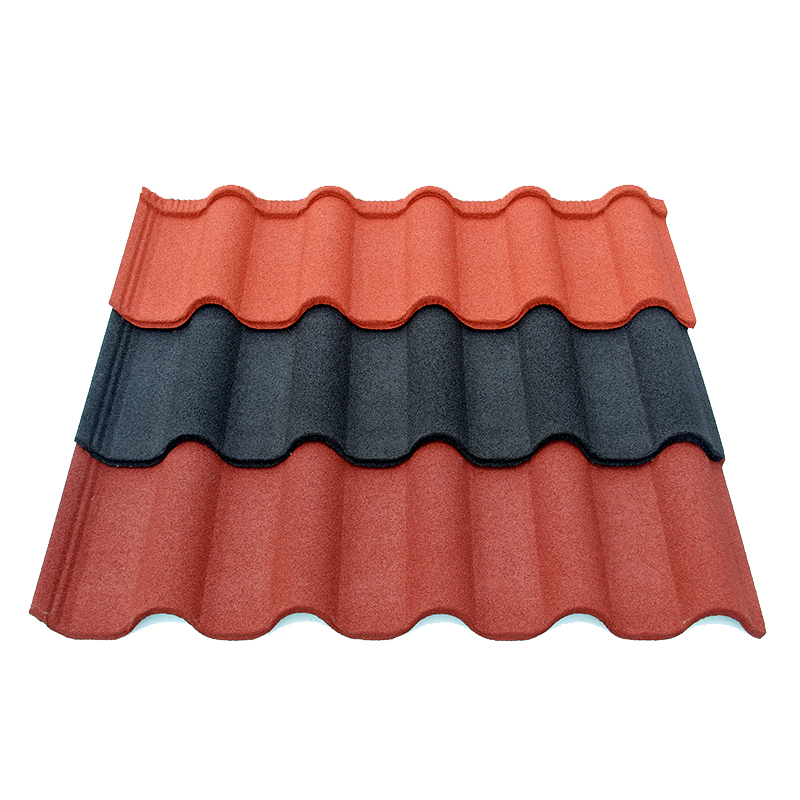
For premium residential developments, Milano Tile offers an excellent combination of elegant appearance, lightweight construction, and long service life, making it a cost-effective choice over the lifespan of the building.
Which Roofing Material Is Best for Different Projects?
After comparing durability, installation, maintenance, and cost, it becomes clear that each roofing material serves a different purpose. Therefore, buyers should match the roofing system to the project’s structural requirements, climate conditions, and long-term investment goals.
Best for Residential Developments
Stone coated roofing is an excellent choice for modern residential communities because it combines durability, lightweight construction, and attractive aesthetics. Developers also benefit from faster installation and lower maintenance costs over the building’s lifecycle.
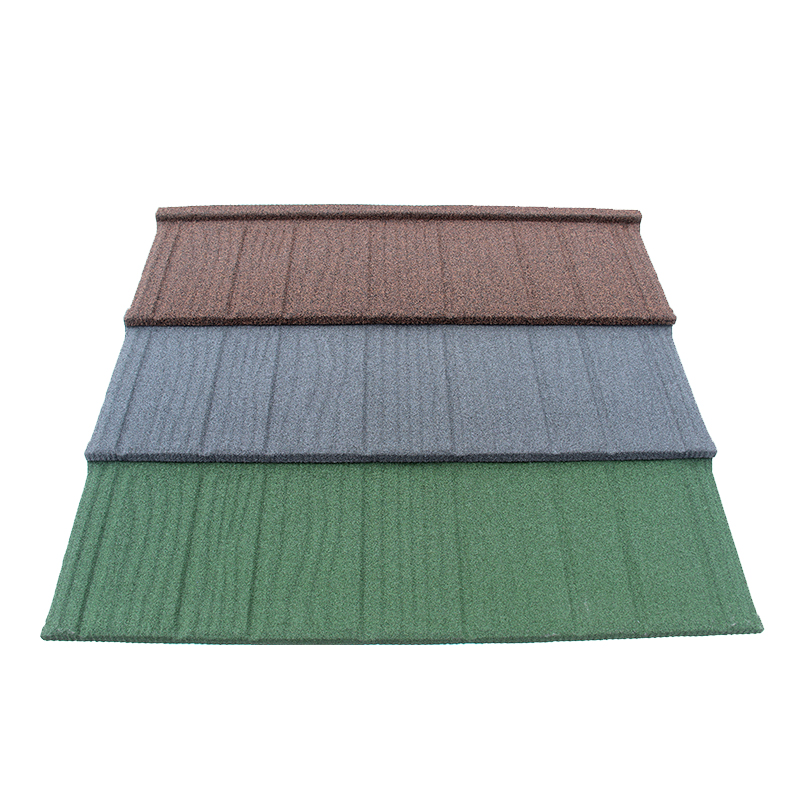
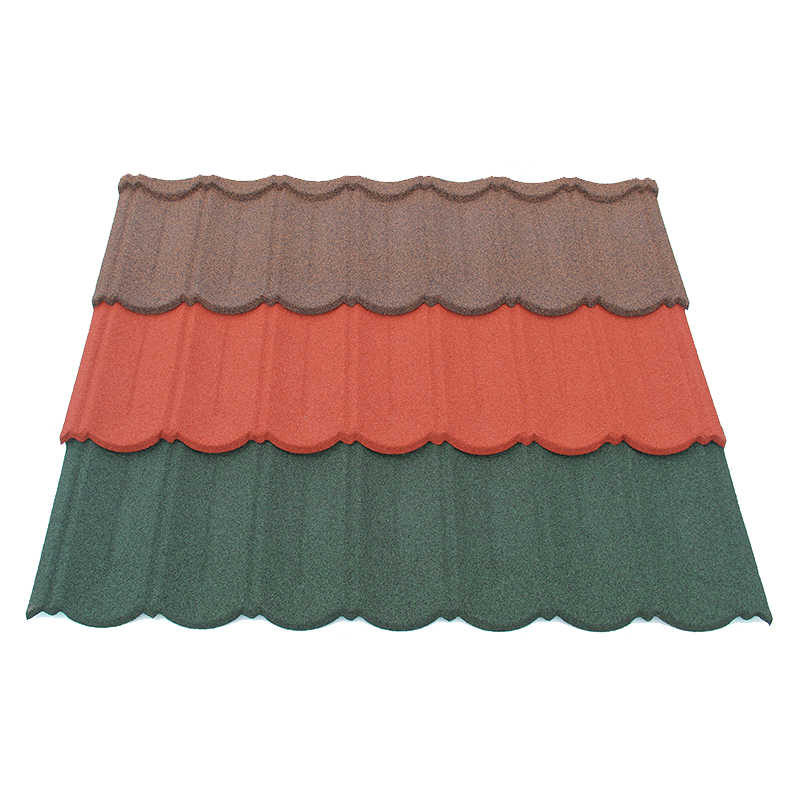
For homeowners seeking the appearance of traditional wood roofing without the maintenance challenges, Shake Tile offers a natural wood-like texture while providing the strength and longevity of stone coated steel.
Best for Commercial Buildings
Commercial projects often prioritize long-term operating costs, installation efficiency, and structural safety. Consequently, lightweight stone coated roofing reduces structural loading while minimizing future maintenance expenses.
Compared with clay tiles, steel-based roofing systems also simplify transportation and handling, making them more practical for large commercial developments.
Best for Coastal and Hurricane-Prone Areas
Buildings located in coastal regions require roofing materials that resist corrosion, high winds, and heavy rainfall. Stone coated roofing performs exceptionally well because manufacturers apply multiple protective coatings and design interlocking panels to improve wind uplift resistance.
Although clay tiles resist corrosion naturally, individual tiles may crack under flying debris during severe storms. Meanwhile, asphalt shingles are generally more susceptible to wind damage during hurricanes or tropical storms.
Best for Roof Renovation Projects
Roof renovation projects often involve existing structures with limited load-bearing capacity. Therefore, lightweight roofing materials become the preferred solution.
Stone coated roofing allows contractors to upgrade aging roofs without extensive structural reinforcement. As a result, renovation costs and project timelines can be significantly reduced.
How to Choose a Reliable Stone Coated Roofing Manufacturer
Selecting the right roofing material is only part of a successful project. Choosing an experienced manufacturer is equally important because product quality depends on raw materials, production technology, quality control, and export capability.
Before placing an order, buyers should evaluate several key factors:
- Manufacturing experience and production capacity
- Quality control procedures and certifications
- OEM and private label capabilities
- Export experience in target markets
- Stable lead times and after-sales support
In addition, buyers should request product samples and review completed export projects before making long-term sourcing decisions.
Manufacturers such as JCROOF combine automated production lines, strict quality management, and global export experience to support distributors, contractors, and building material wholesalers in more than 30 countries. Their OEM and ODM services also help partners develop customized roofing solutions for different markets.
Frequently Asked Questions
1. Which roofing material lasts the longest?
Clay tiles generally offer the longest potential lifespan, often exceeding 50 years under ideal conditions. However, high-quality stone coated roofing provides an excellent balance between longevity, weight, and overall project cost.
2. Is stone coated roofing better than asphalt shingles?
For many long-term construction projects, yes. Stone coated roofing typically offers better durability, stronger wind resistance, lower maintenance requirements, and a significantly longer service life than asphalt shingles.
3. Why is stone coated roofing lighter than clay tiles?
Stone coated roofing uses steel panels instead of solid clay. Therefore, it delivers comparable visual appeal while placing much less weight on the building structure.
4. Which roofing material performs best in harsh climates?
Stone coated roofing performs exceptionally well in coastal regions, areas with heavy rainfall, and locations exposed to strong winds because of its corrosion-resistant coatings and interlocking installation system.
5. Is stone coated roofing suitable for OEM projects?
Yes. Many manufacturers offer OEM and private-label services, allowing distributors to customize colors, roofing profiles, packaging, and branding according to local market requirements.
Conclusion
When comparing stone coated roofing, asphalt shingles, and clay tiles, there is no universal solution for every project. Instead, buyers should evaluate each material based on structural requirements, climate conditions, maintenance expectations, and long-term investment value.
Asphalt shingles remain an economical choice for short-term residential applications, while clay tiles continue to offer timeless aesthetics and exceptional longevity. However, stone coated roofing provides the most balanced combination of durability, lightweight construction, weather resistance, installation efficiency, and lifecycle cost. Consequently, it has become the preferred roofing solution for many residential, commercial, and renovation projects around the world.