
When comparing roofing options, one of the most common questions is whether stone coated roofing (stone coated steel roofing) is worth the higher upfront cost. At first glance, it is significantly more expensive than traditional materials like asphalt shingles. However, a deeper evaluation shows that the real value lies in long-term performance, durability, and overall lifecycle cost.
For contractors, developers, and property owners, the decision is not just about price—it is about return on investment over time.
Understanding the Price Difference
Stone coated steel roofing typically costs more upfront due to its material composition and manufacturing process. It combines a steel core with protective coatings and stone granules, resulting in a highly engineered product.
Asphalt shingles, by comparison, are simpler and cheaper to produce.
This creates a noticeable price gap at installation.
Typical Cost Comparison
- Asphalt shingles: lower initial cost
- Stone coated roofing: 2–2.5× higher upfront investment
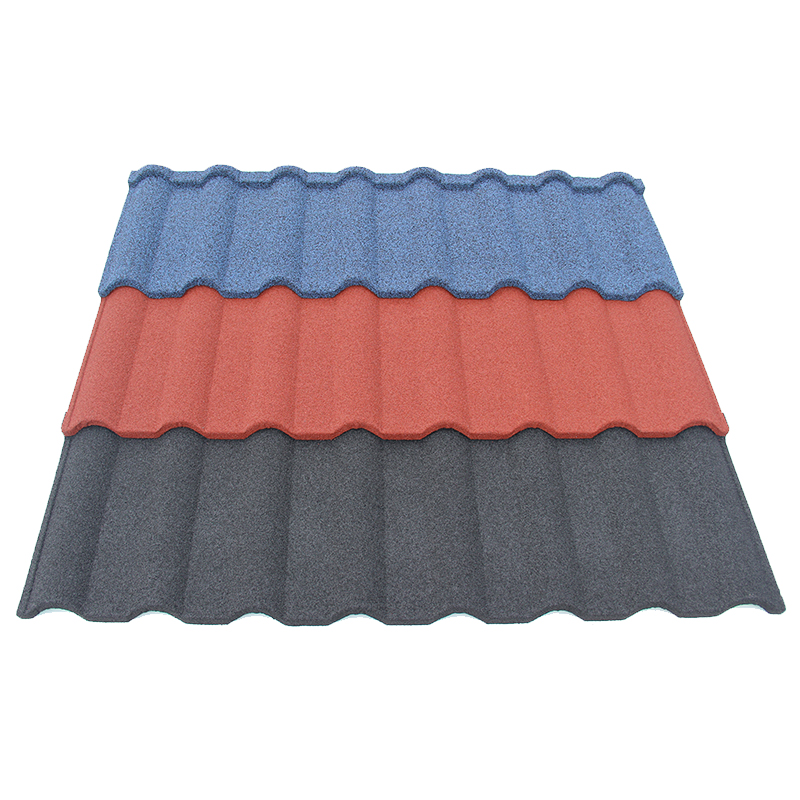
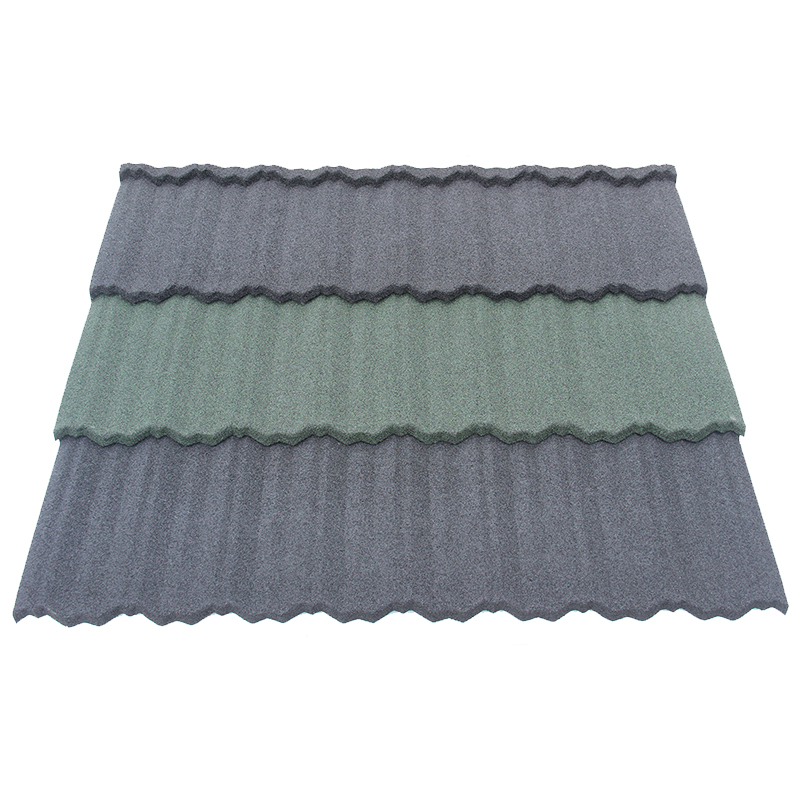
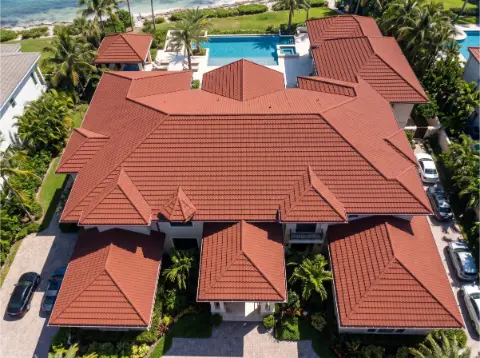
In profiles like Bond Tile, the higher cost reflects both structural design and long-term durability.
Lifespan: Paying Once vs Paying Multiple Times
The most important factor in determining value is lifespan. Asphalt shingles generally last 15–30 years, while stone coated roofing is designed to last 40–50 years or more.
This means asphalt roofs may require multiple replacements.
Stone coated roofing is often a one-time investment.
Long-Term Perspective
- Asphalt shingles: 2–3 replacements over 50 years
- Stone coated roofing: 1 installation
This difference significantly impacts total cost over time.
Maintenance and Repair Savings
Maintenance is another area where stone coated roofing provides value. Asphalt shingles are more prone to cracking, curling, and granule loss, especially in harsh weather conditions.
These issues lead to ongoing repair costs.
Maintenance becomes a recurring expense.
Stone coated steel roofing, on the other hand, requires minimal maintenance due to its durable construction.
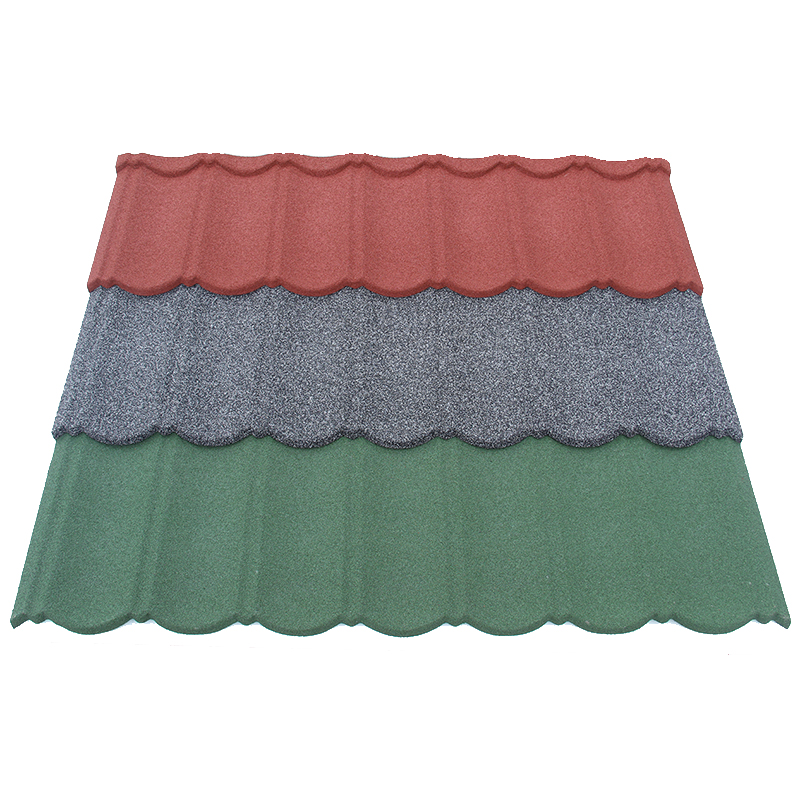
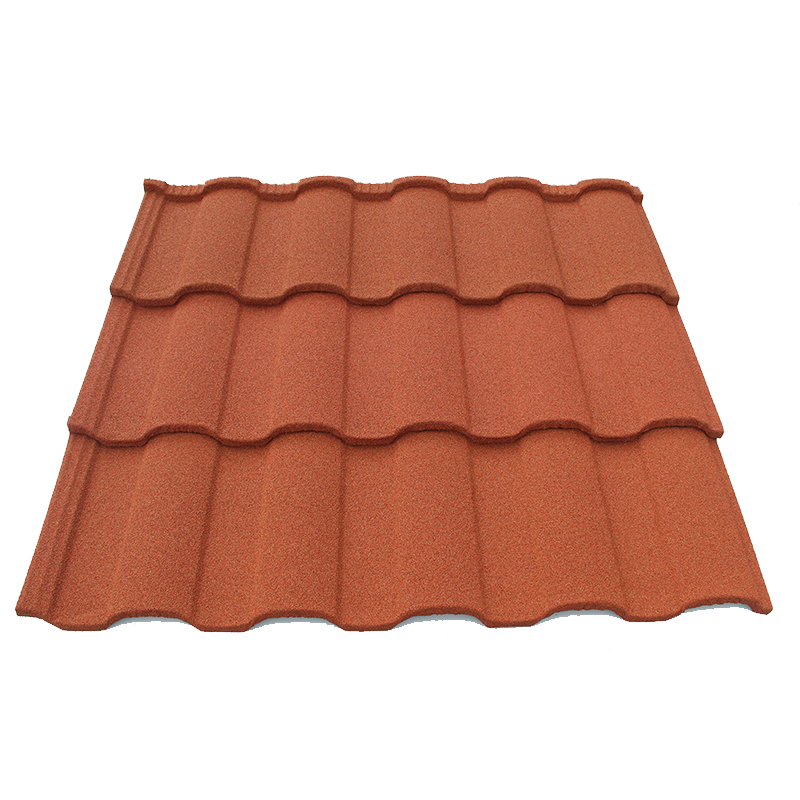
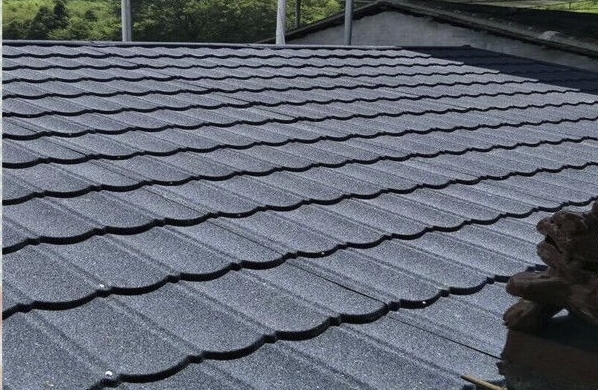
In curved profiles like Roman Tile, the steel base and stone coating provide strong resistance to wear and environmental damage.
Durability in Extreme Weather
Roofing performance under extreme conditions directly affects long-term value. Stone coated roofing is designed to withstand high winds, heavy rain, hail, and fire exposure.
This reduces the likelihood of damage.
It also lowers long-term risk.
Performance Advantages
- High wind resistance
- Impact resistance against hail
- Fire-resistant materials
These features contribute to lower repair and replacement costs over time.
Energy Efficiency and Cost Savings
Energy efficiency is another factor that influences overall value. Certain colors and coatings in stone coated roofing can reflect heat, helping reduce indoor cooling costs.
This is especially beneficial in warm climates.
It contributes to long-term savings.
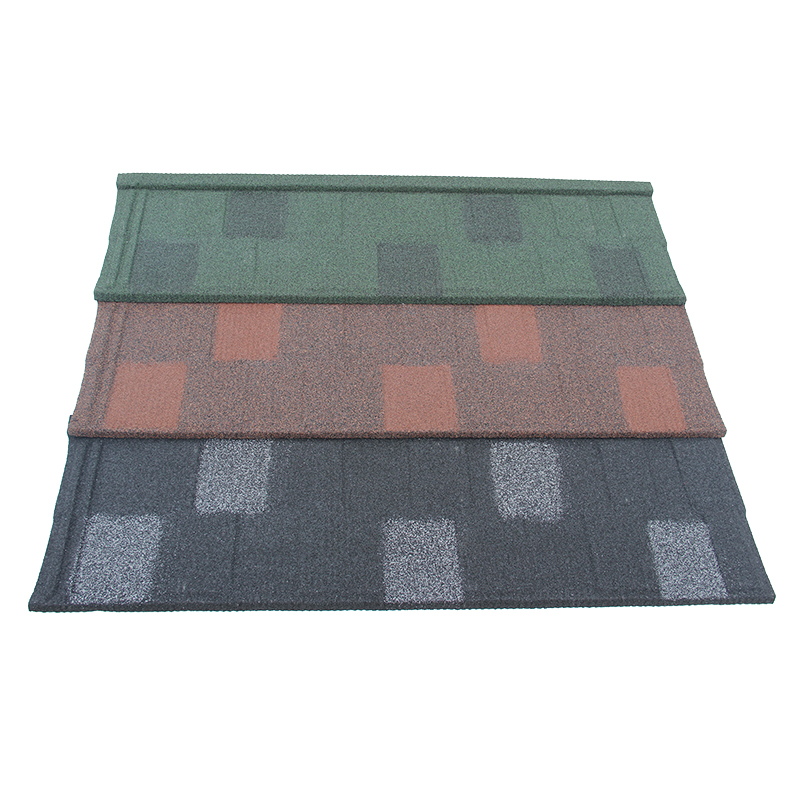
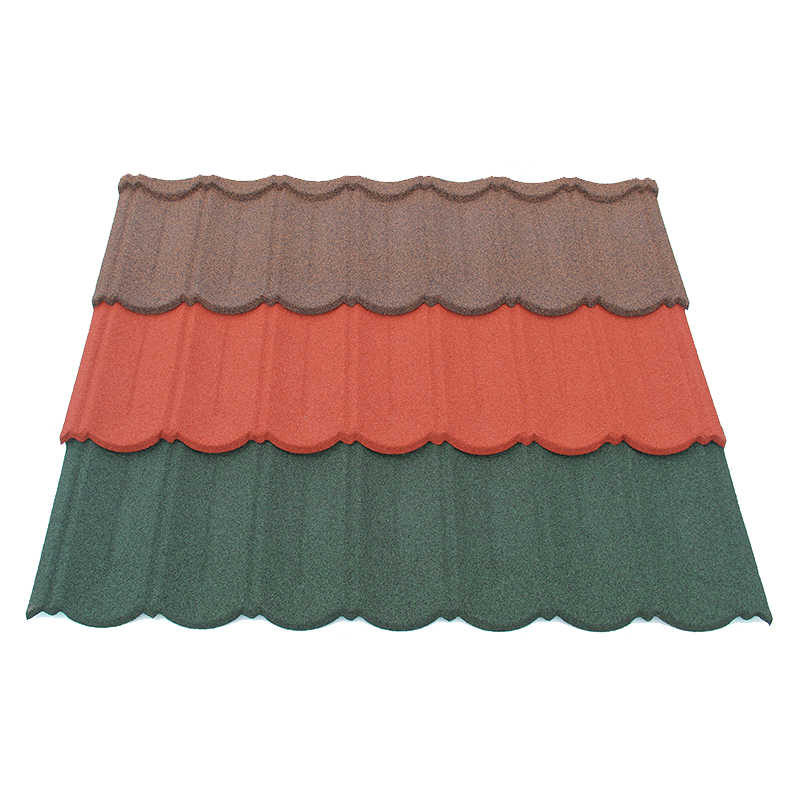
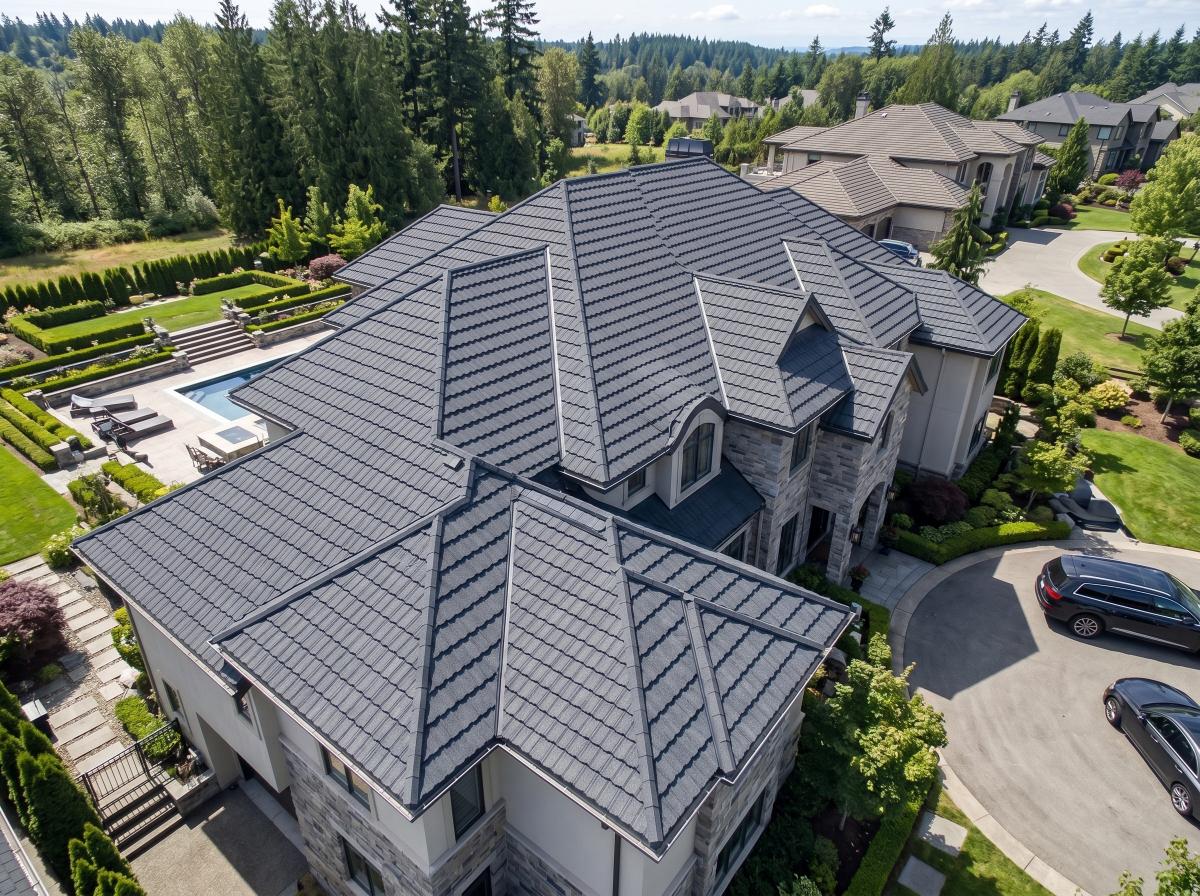
In modern applications using Shingle Tile, lighter color options can enhance thermal performance while maintaining a clean aesthetic.
Impact on Property Value
A high-quality roofing system can increase property value and improve resale appeal. Buyers often view durable roofing as a long-term benefit.
This can make a property more attractive in the market.
It may also reduce negotiation pressure during resale.
Stone coated steel roofing is often perceived as a premium upgrade.
Labor and Installation Considerations
While the material cost is higher, installation efficiency can offset part of the expense. Modern interlocking systems reduce installation time and improve consistency.
This helps control labor costs.
It also improves project timelines.
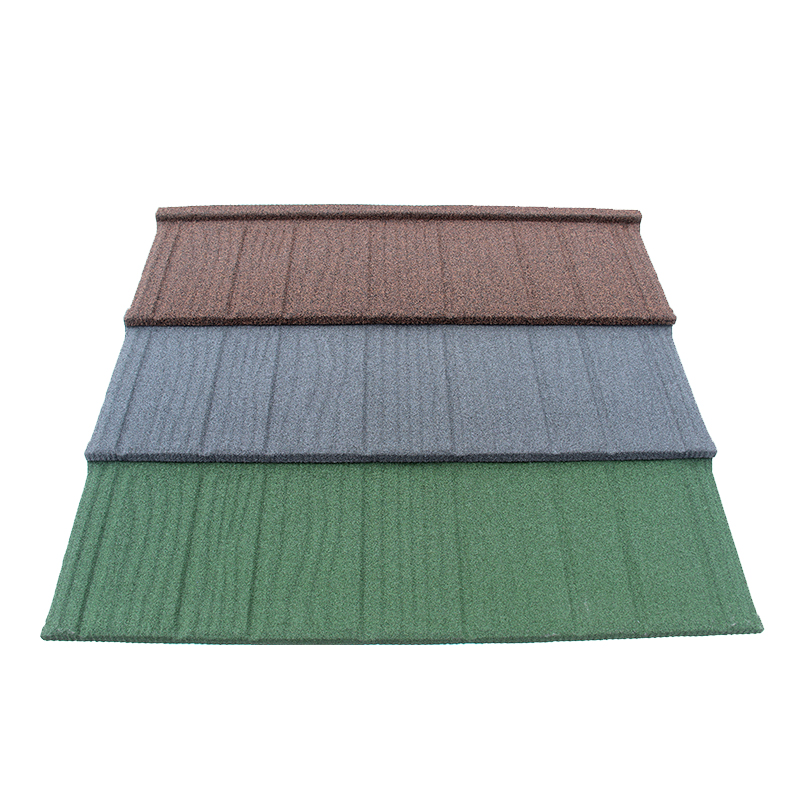
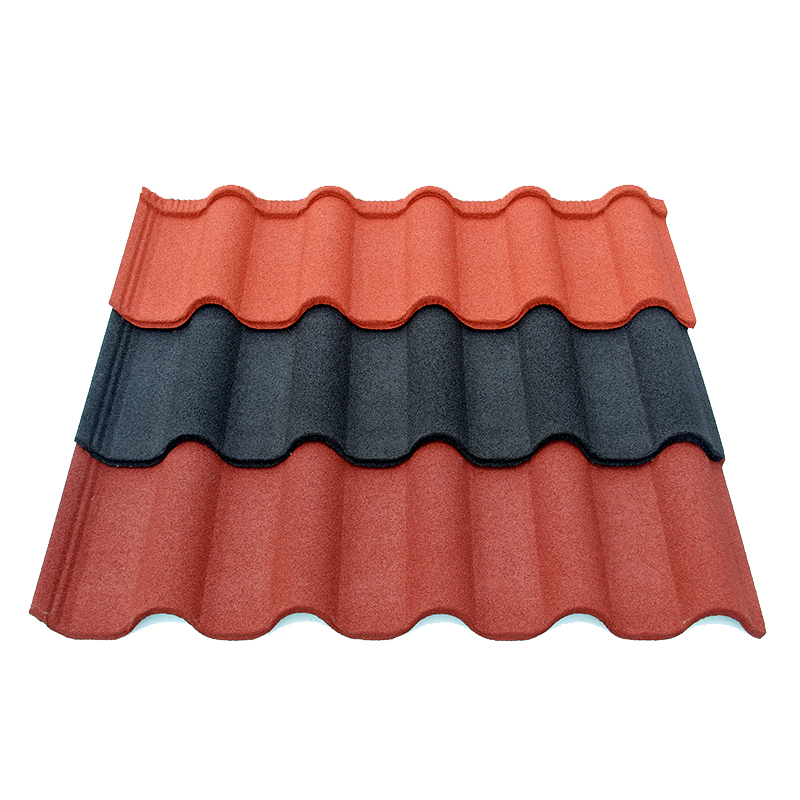
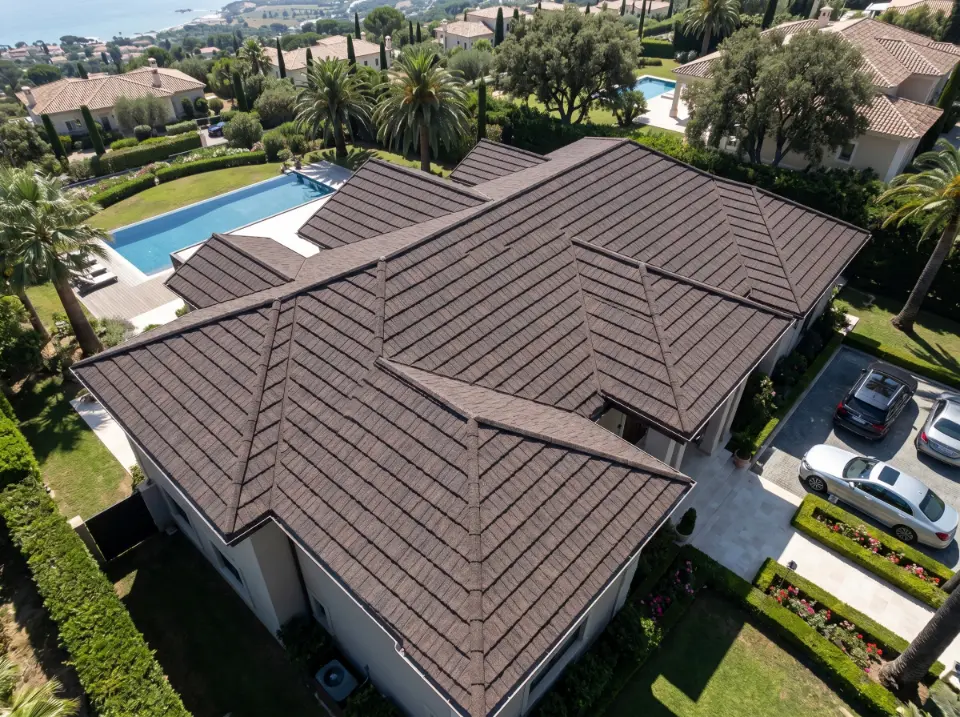
In premium designs such as Milano Tile, efficient installation combines with high-end appearance to deliver both performance and visual value.
When It May Not Be Worth the Extra Cost
Despite its advantages, stone coated roofing is not always the best choice for every situation.
Less Suitable Scenarios
- Short-term property ownership
- Very tight initial budgets
- Temporary or low-cost construction projects
In these cases, lower-cost materials may be more practical.
When It Is Worth the Investment
For many projects, the long-term benefits outweigh the higher upfront cost.
Best Use Cases
- Long-term property ownership
- Regions with harsh weather conditions
- Projects prioritizing durability and low maintenance
In these scenarios, the return on investment becomes more apparent over time.
Common Misconception: “Higher Price Means Overpaying”
One of the biggest misconceptions is that a higher upfront price automatically means poor value. In reality, value should be measured over the full lifecycle of the roof.
Lower upfront cost does not always mean lower total cost.
Long-term performance is the key factor.
Conclusion: A Long-Term Investment Decision
So, is stone coated metal roofing worth the extra money? For short-term savings, the answer may be no. But for long-term value, durability, and reduced lifecycle costs, the answer is often yes.
Stone coated roofing offers a combination of strength, efficiency, and longevity that can outweigh its higher initial price. For contractors, developers, and property owners focused on long-term performance, it represents a strategic investment rather than just an expense.