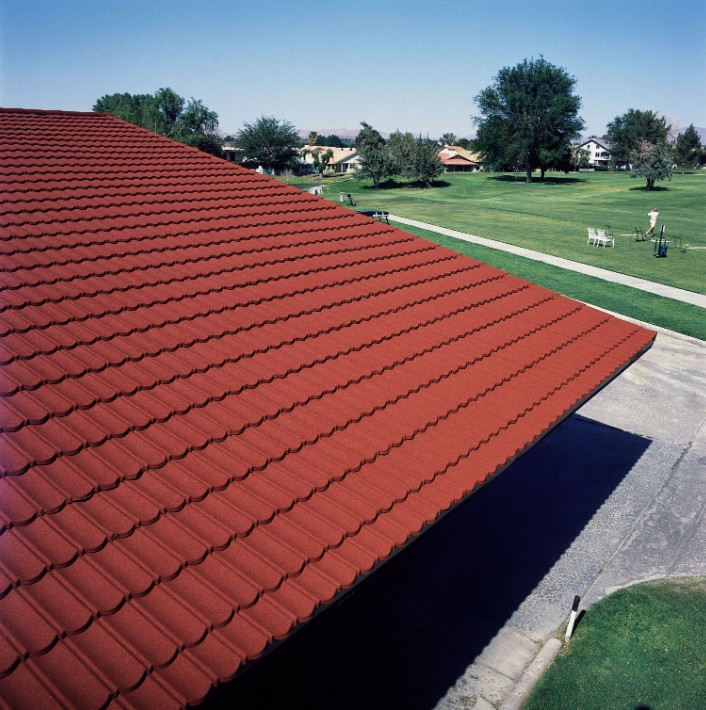
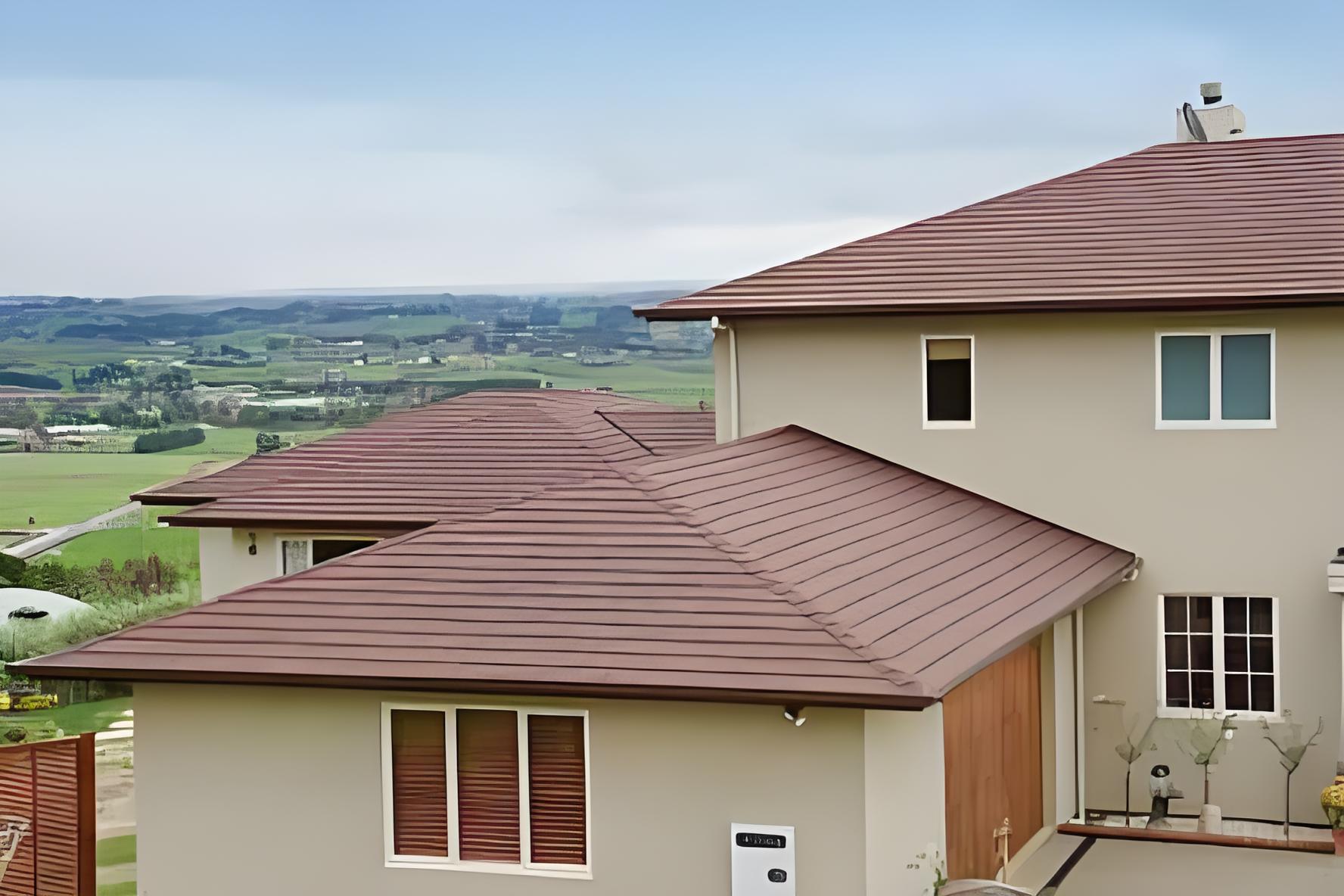
Review stone coated shake roofing patterns across several rows of the exact panel before approving a roof layout. Look for formed shapes that line up and joints that draw the eye across the roof. Ask the supplier which layout choices the system allows. Then review those choices at the scale customers will see.
A single panel can show the shape of the shake impressions. Several rows show how those shapes repeat across a roof face. Both views help buyers decide whether the profile suits the building. The larger view matters most when the concern is a visible repeat.
Identify what repeats in stone coated shake roofing patterns
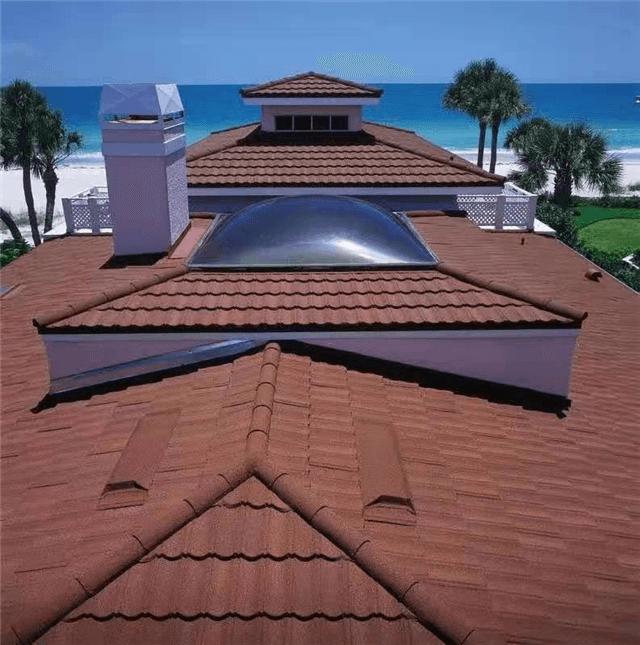
A metal shake panel can carry several shake impressions in one formed sheet. The same sequence may appear again wherever that panel design repeats. The roof layout then determines how that sequence lines up across rows. Start by identifying the feature the eye keeps following.
Separate the formed shapes from the panel joints
Look at the panel face and its edges together. Mark a distinct feature, such as a wide impression or a strong raised edge. Then locate the same feature on other panels. This helps the team see whether the shape itself creates a repeat across the field.
Next, look for the actual joints between panels. A groove pressed into the face can resemble a seam in a photo. Ask for the panel drawing if the difference is unclear. Trace the joints on a copy of the view so reviewers can compare them with the formed features.
The two kinds of lines may tell different stories. For example, one raised edge can align across rows while the panel joints fall in different places. An observer might describe both as a stripe. Label the feature clearly before asking the supplier what can change.
Keep shape, texture, and tone separate in the review
Shape includes the widths and relief of the shake impressions. Texture refers to the feel and look of the surface up close. Tone describes the light and dark areas people see across the field. Each can affect what stands out in a roof view.
Compare layout options using the same finish where possible. A darker sample may cast a stronger-looking shadow in one photo. A different finish can also change which motifs are easy to see. Keep the light and view consistent to isolate the effect of the layout.
When choosing between profile families, first decide what character the buyer wants from the roof. Then review the exact panel and the way its details read from a normal viewpoint. For more on that choice, see metal shake vs metal shingle.
Ask which layout options the supplier supports
Begin with the drawing and current instructions for the exact model. Ask the supplier to identify the permissible field layout and any limits at roof edges. Keep those documents with the sample. A good looking display needs a layout the project team can use.
Check the rules before comparing visual options
Ask whether the system allows more than one row start or panel sequence. Also ask how the maker identifies panel variants, if it supplies them. Confirm whether the choices apply to the quoted model and assembly. Record the answer before using an option in a mockup.
For example, DECRA addresses sidelap staggering and the appearance of repeated light or dark areas for Shake XD. The guide also shows the panel overlap for that model. These details appear together in the DECRA Shake XD installation guide.
The project team should review the proposed layout where it meets hips, valleys, and other junctions. A sequence that suits a large open roof face may need a different review at its edges. Ask which details govern those points. Keep any proposed change within the system’s written limits.
Confirm what comes with the order
Ask the supplier to state whether the offer contains one formed design or a set of identified variants. Request panel codes or photos that show the difference. If variants form part of the approved look, record how the supplier identifies them. Then check that the quote covers that selection.
Ask for representative full panels and the drawing for the offered version. Compare the samples across several rows under a layout the supplier supports. Record any repeat the buyer finds too strong before confirming the order for Shake Tile.
A change in profile or variant can affect the order count and supply timing. Ask the supplier to explain any difference in packs, lead times, or prices. Also ask the project team to review related parts if the panel changes. Compare options on the same supply basis.
Review the pattern at the scale of the roof
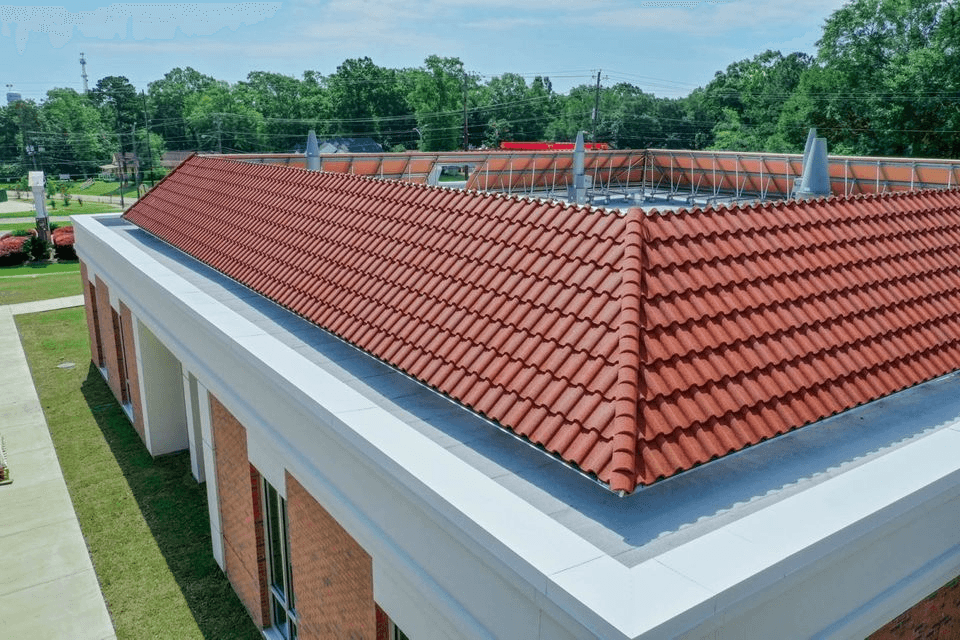
Start with a wider view of the roof face that matters most. A large open slope gives the eye more room to follow a repeat. A smaller roof face may place more emphasis on its edges and openings. Use a view that reflects how people will approach the building.
Choose a useful mockup or image set
Ask for a mockup with enough full panels and rows to reveal a repeat. Have the project team agree what it should represent. Include a junction or change in roof plane if that area drives the concern. Keep the panel identity and layout notes with the display.
If using photos of another roof, ask which panel and finish they show. Check the view, scale, and roof shape before treating the photos as a useful comparison. An image that crops out most of the field can hide a larger repeat. Request a wider view where available.
A layout drawing or rendering can also help mark the pattern across a proposed roof. Ask how the team built the image and whether it uses the offered panel geometry. Treat it as a plan to review alongside physical panels. Record any features the image simplifies.
Compare the same views
Choose a near view to see panel features and a wider view to see the roof face. Give each photo a label for its angle, light, and viewing point. Compare the same views for all options where possible. This makes the review less dependent on the most flattering image.
Look first for the line or cluster that stands out. Mark its direction and the points where it starts and stops. Then ask whether the mark follows a pressed shape, a panel joint, or a change in tone. This gives the supplier a specific question to answer.
For example, two mockups may use the same panels and show different lines across the middle. Compare the marked roof views and check what changed in the approved layouts. If the lines shift with the layout, ask whether that change also suits the roof edges. Keep both views with the review so the chosen option stays clear.
| What the buyer sees | What to check in the review |
|---|---|
| Tall features form a column | Mark matching impressions and compare their positions across rows. |
| Diagonal line across several rows | Trace the feature and check whether it follows joints or formed shapes. |
| Band near an edge | Ask the project team to check the layout and edge detail. |
| Dark cluster of panels | Compare the same area under agreed light and identify the finish reference. |
Carry the approved pattern into the order
Give the approved view a file name and link it to the panel code, finish, and drawing. State which roof face it represents. Then record who reviewed it and which features they accepted. This lets the receiving and site teams find the same reference.
Make the appearance decision clear
Describe the agreed look in words the project team can check. For example, the buyer may flag a strong diagonal on the main slope from the entrance. Attach a marked view that shows the feature. Agree which roof faces and viewing points the team will use for review.
Keep appearance review and technical acceptance in their own records. A buyer may approve the roof’s visual balance while the project reviewer still needs to check a junction. State which decision is complete and who owns the remaining question. Then carry those conditions into the order file.
The broader shake specification can hold the product code, finish, roof parts, and shipment checks. Keep the appearance record with the order. For the full set of buying details, see the stone coated metal shake roofing specification guide.
Check the supply before using the reference
Ask the receiving team to compare the label, model, and finish with the order. Include panel variants in that check if the approved plan requires them. If the shipment differs, show the supplier the label and marked approval view. Agree how to resolve the difference before using the goods.
If the project team sees a repeat during work, record where it appears and from which view. Compare the visible field with the accepted reference. Then ask the qualified installer to check the layout against the current product instructions. Any revised layout still needs to fit those instructions and project details.
When discussing a planned order with JCROOF, send the profile, a roof view, and the marked area of concern. Ask which panel and layout records apply to the offer. Keep the response with the project file. That gives the buyer a clear basis for confirming the appearance before ordering.
Comparing shake patterns for your next roof? Send us an inquiry with your preferred profile, project location, and roof views. Our team will help clarify the panel and layout records.