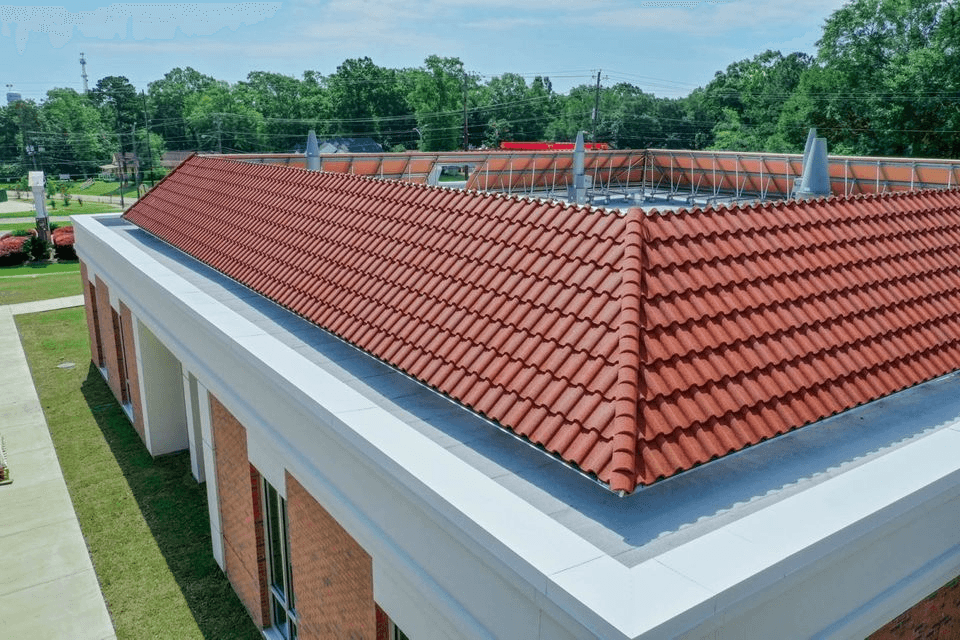
Metal shake vs metal shingle starts with the roof style your customer wants. Shake-style products draw on wood shake character. Shingle-style products often aim at a more regular shingle look, but the actual profile needs review.
Neither name establishes a better material, a higher rating, or a lower installed cost. Compare the offered panels, finishes, system details, and supporting records. Then choose the role each product should serve in your range.
For a distributor, the best comparison begins with customers and buildings. A second profile should answer a useful demand question. Adding a new name without a clear difference can make stock and sales harder to manage.
Define the metal shake vs metal shingle look
Start with actual product samples rather than a fixed assumption about the category names. Suppliers can use shake and shingle differently. Ask which panel form and finish each name identifies in the current offer.
Look at the apparent pieces within the panel. Compare their outlines, visible texture, lower edges, and raised details. Then assess how those features repeat across several rows.
A shake-style panel may emphasize a rougher wood-inspired surface or stronger shadow lines. A shingle-style panel may suggest a more regular roofing pattern. Treat these as comparison questions rather than universal rules.
Use first-party descriptions as examples
DECRA’s metal shake page describes rustic styles associated with hand-split shake and cedar character. Its metal shingle page describes the dimensional look of architectural shingles. These are useful examples of how one manufacturer separates its visual offers.
Those descriptions do not define every supplier’s geometry or technical performance. Check the actual proposed products before using the same distinctions in your catalog. A category comparison should not become a borrowed performance claim.
For Shake Tile, request the offered panel and finish reference. For Shingle Tile, keep a separate product record. A shared brand or similar color does not make the profiles interchangeable.
Separate the form from the finish
The formed shape creates part of the visible pattern. The surface finish adds tone, texture, and contrast. Changing one can alter the look without changing the other.
For example, a dark blend can strengthen the impression of depth in a sample. A quieter finish may make the same form read differently. Compare the chosen profile and finish together before naming the intended look.
The shingle pattern guide explains how panel form, color placement, and roof-wide repetition interact. Use those terms when recording a preference. They give the supplier more direction than a broad request for a modern or rustic roof.
Match each profile to a clear customer need

Ask which buildings and buyers the range should serve. A dealer selling to established residential styles may receive different requests from a project-focused importer. Start with those requests before deciding whether to stock one profile or both.
Review actual inquiries and completed sales where records exist. Note the desired roof character and reasons customers rejected alternatives. If the business has no history, describe the demand as an assumption to test.
Avoid declaring one style universally traditional and the other universally modern. The building, finish, and wider exterior can change the effect. Real examples and samples offer a better basis than a broad style label.
Give each product a reason to exist
Write a short role for each proposed line. One may answer a wood-inspired design request. Another may serve buyers seeking a familiar architectural shingle look.
Then ask how a customer will choose between them. If the answer depends only on the trade name, the range may need clearer samples. If the products meet different practical needs, show the supporting evidence.
The private label product range guide connects assortment choices with demand, codes, and reorder planning. Use it before multiplying profile and color combinations. Every extra combination needs a useful sales role.
Keep the building context in the comparison
Look at the roof with the walls, trim, and fixed exterior finishes. Also consider whether the roof is a dominant part of the view. A broad roof plane can make surface repetition more noticeable.
Use reference buildings carefully. Identify the actual profile and finish shown before presenting the image as an example. A roof photograph with no product identity should remain a design reference, not proof of the offered result.
If a customer requires a specific material or approved product, resolve that requirement first. A similar look does not establish an accepted substitute. The project team should review the actual proposal before the sales promise becomes firm.
Compare the actual system behind the look
After narrowing the look, compare product records and roof details. Ask for the current drawing, installed coverage, material description, and matching accessory list. Keep the details separate for each profile.
Do not infer installation method from the words shake or shingle. The exact system may have different joints, supports, or detail needs. Use the relevant manufacturer’s instructions and qualified project review.
When discussing alternatives with JCROOF, provide the target customer and intended roof context. Ask the supplier to name the proposed versions and supporting documents. Record any limits or unanswered questions beside the offer.
Build a practical comparison sheet
| Decision area | Metal shake offer | Metal shingle offer |
|---|---|---|
| Visual role | Define the desired shake-style character. | Define the desired shingle-style character. |
| Product identity | Name the panel code and drawing. | Name its separate code and drawing. |
| Surface finish | Identify the accepted tone and blend. | Identify its accepted tone and blend. |
| Installed coverage | Confirm the offered coverage basis. | Confirm the offered coverage basis. |
| Roof details | Review the relevant system parts. | Review the relevant system parts. |
| Evidence | Check records for the exact assembly. | Check records for the exact assembly. |
Use confirmed values where the supplier provides them. Leave unresolved fields visible until the responsible reviewer answers. A comparison sheet should expose uncertainty rather than hide it behind a marketing name.
Keep technical claims independent of style
A deeper-looking panel does not automatically prove stronger wind or impact performance. Likewise, a flatter-looking panel does not establish lower weight or simpler installation. Each claim needs evidence for the actual offered product.
Review reports for the model, assembly, conditions, and stated test method. Ask a qualified local adviser whether the evidence suits the destination and project. Do not transfer a result between profiles without that review.
Also name who provides any warranty and which terms apply. A style comparison should not turn a limited warranty into an expected service-life promise. Keep the relevant document available for customers to review.
Use samples to test the range decision

Compare the profiles under similar conditions. Keep the light and orientation consistent when assessing surface detail. Otherwise, different shadows can make one form seem more pronounced than the other.
Look closely, then step back to assess the broader effect. If the question concerns repetition, review several panels in the intended arrangement. Follow the relevant product guidance rather than inventing a display layout.
Record findings that sales teams can explain
Ask reviewers to describe specific features. They may prefer a stronger edge, a quieter field, or less surface contrast. Those comments can guide a useful product choice and a clearer sales description.
Avoid a simple vote for the nicest small sample. The review should reflect the intended buildings and customer needs. Also record any feature that the sample could not show.
Prepare images that accurately connect the selected profile and finish. Do not use one attractive roof photograph for several different products without explanation. A clear caption helps prevent later confusion about what the customer saw.
Approve references for each combination
Keep a unique code for every accepted profile and finish combination. Link that code to the sample, drawing, and supplier reference. This lets the sales and warehouse teams name the same product.
If a finish appears on both profiles, review the actual result on each. Similar color names do not settle the effect of different forms. Also review visible accessories where their look matters.
Retain the accepted references and record their condition. If the supplier changes the profile or finish, ask which approvals need another review. A familiar product name should not conceal a new buying decision.
Compare commercial scope before adding stock
Request current offers for the specific profiles, finishes, and quantities. Keep the delivery basis consistent. Then name setup, packing, accessory, inspection, or freight charges where they apply.
The profile price comparison guide helps explain why shape choices need an equal-scope quote. Do not assume shake always costs more or shingle always costs less. The actual offer and required roof work decide the comparison.
Count complete stock combinations
One additional profile can create several new stock lines when colors and specifications vary. Count the actual combinations before ordering. Also include the associated accessories and sales samples.
Give each line a planned purpose and a demand basis. A project-specific shade may need a different stock approach from a routine dealer line. Avoid dividing the first shipment evenly without a reason.
Ask how minimum quantities apply to the proposed mix. The supplier may define them by profile, finish, or another basis. Confirm the actual terms instead of assuming the full order shares one minimum.
Choose a manageable first offer
If demand supports both looks, give customers a clear way to compare them. Use identified samples, accurate descriptions, and current documents. Keep the distinction useful enough that staff can explain it without unsupported claims.
If demand remains uncertain, define a limited review or trial before widening stock. State what the trial should establish and how the team will assess it. The outcome should guide the next order rather than merely add more catalog pages.
Finally, track sales and repeat inquiries by the actual product codes. Review whether each profile serves its intended role. A focused range can grow when customer evidence supports the next choice.
Choosing shake and shingle profiles for your range? Send us an inquiry with your customer needs and preferred finishes. Our team will reply and help you review the options.