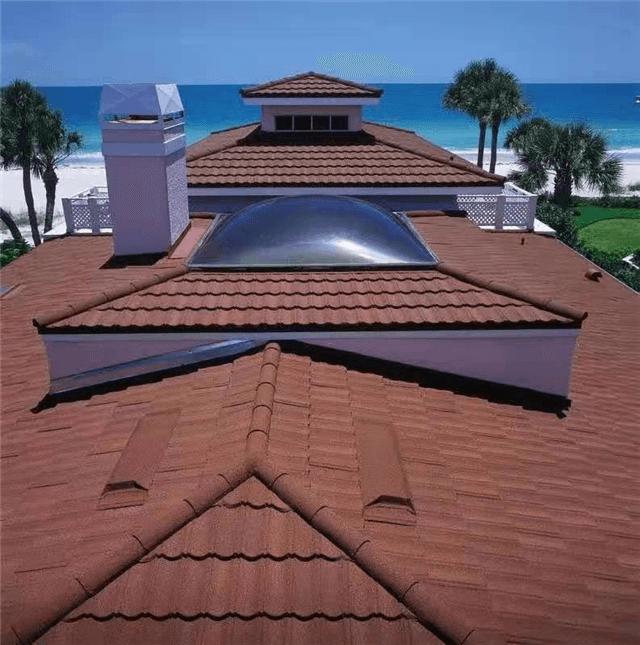
A stone coated metal shake roofing specification should define the exact panel, materials, roof system, and shipment checks. Start with the market and intended use. Then give each requirement a clear source, unit where needed, and approval owner.
The shake name describes a product style, but it does not settle every buying detail. Two offers can share that name while covering different materials, parts, or installation arrangements. A written specification makes those differences visible before price becomes the main discussion.
Importers need sales, buying, and warehouse staff to recognize the same product. Project buyers also need records that support review of the proposed roof. Keep both needs connected through one approved order file.
Set the scope of your stone coated metal shake roofing specification
Identify the product and the intended buyer
First, record the supplier, profile name, item code, finish, and target market. State whether you need dealer stock, private label supply, or materials for a named project. Each route may need its own packing, files, and sign-off process.
If you are reviewing Shake Tile, request the current drawing and product records for that exact version. Keep them under a clear buyer code linked to the supplier’s code. A photograph can support that record, but should not replace it.
Also define the customer’s intended use before selecting technical values. A project may already have a designer’s requirements and known roof conditions. A stock order may instead need a clear product scope for later project review.
The OEM roofing brief guide explains how to collect these decisions before seeking a firm offer. Use the brief to separate required items, preferences, and open questions. Then ask suppliers to respond against the same revision.
Give each choice a clear status
Mark each proposed finish and material option as approved, under review, or excluded. Do not let an early idea become a factory instruction through silence. Assign someone to close every question that affects the final product.
For private brands, keep the technical version distinct from the artwork version. A new carton design may leave the panel unchanged. However, a change to steel, profile, or system parts needs the appropriate technical review.
If you plan several shake products, define a separate item code for each distinct combination. The private label product range guide helps connect those choices with stock and sales needs. A manageable range makes product control easier after the first shipment.
Describe the steel, coatings, and finished panel
State the thickness basis and coating identity
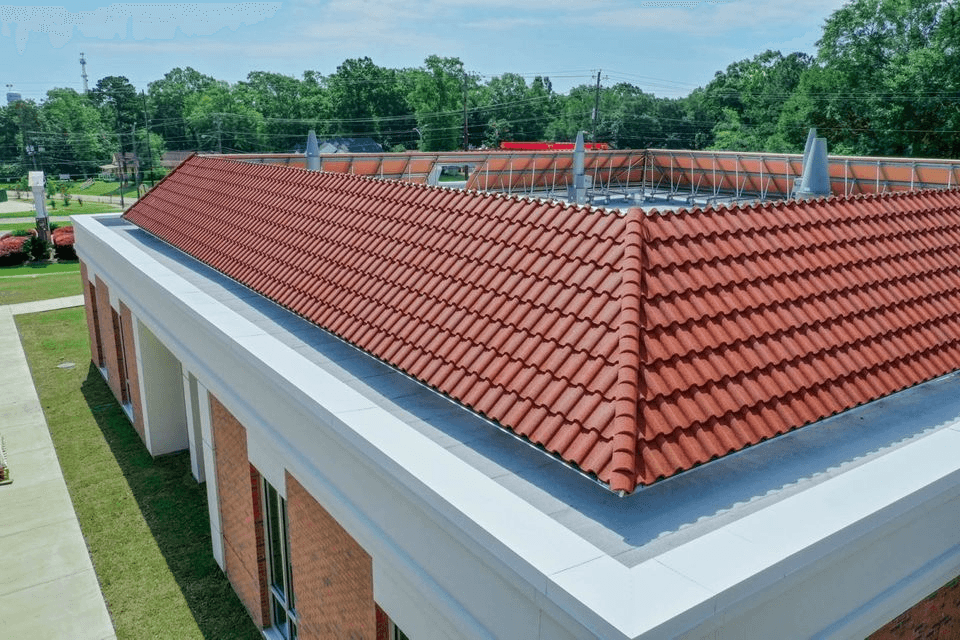
Write the steel grade and thickness basis beside the proposed material value. Also state the unit, agreed tolerance, and evidence needed to check it. An unexplained thickness number leaves too much room for misunderstanding.
Base metal thickness describes the steel substrate before added coating layers.
Keep that value distinct from coated steel thickness and finished panel thickness. A measurement across the stone surface cannot establish the steel core thickness. Ask the supplier which record and method support each stated figure.
BlueScope’s steel specification bulletin explains why a coated steel description should combine thickness, grade, and coating class. It also distinguishes base metal thickness from total coated thickness. This is terminology guidance within the bulletin’s Australian standards context, not a specification for another manufacturer’s shake panel.
Use the distinction to ask clear questions about your own product. Do not copy another brand’s material values into the order without review. The selected combination needs support for the proposed panel and intended use.
For the metallic coating, name its type and declared designation. If the supplier quotes coating mass, ask which measurement basis applies. Keep metallic coating mass separate from the weight of the stone finish.
Approve the finish and confirm coverage
Identify the granule description, binder system, color reference, and approved appearance sample. Then agree how the team will compare production panels with that reference. Screens and photographs can change the apparent shade, so keep a physical reference where practical.
Review matching accessories with the panel rather than approving their color names alone. Also record any limits on matching later batches. Appearance approval should describe what the team checked and which sample they used.
Record overall panel size separately from effective installed coverage. Overall size describes the supplied panel, while installed coverage reflects the stated overlap. Link both values to a current drawing for the chosen profile.
This matters when comparing quotes per panel and per covered area. First, establish the coverage basis for each offer. Then allow separately for project cuts, layout, and waste when estimating the required quantity.
Also state whether panel weight refers to one piece, a pack, or an installed area. Weight can support receiving checks, but cannot prove every material layer. Use it alongside the other agreed records rather than as a substitute for them.
Specify the complete roof system and its evidence
Include accessories and installation references
List the main panels and all parts included in the proposed supply. These may include ridge pieces, hips, valleys, flashings, closures, vents, and fasteners. Give each supplied part a code and connect it to the matching panel.
Then identify the installation manual and its current revision. Ask which supported arrangement applies to the proposed roof. The documents should address the relevant deck or battens, supports, fixing details, and water management.
Record known roof pitch and site conditions for project orders. Ask the project adviser to review them against the actual system documents. A general shake product description does not approve every slope or building location.
Where the roof includes walls, valleys, penetrations, or connected equipment, request the relevant details. Do not assume the main panel drawing covers those interfaces. Resolve missing details before the installer needs an answer on site.
Also ask how dealers and installers will find current handling, cutting, access, and repair guides. Keep those files easy to find after delivery. The importer should know who answers technical questions about the supplied system.
Match performance claims to the offered assembly
For each performance claim, ask for proof that names the product and its tested system. Read the report’s method, scope, issue details, and conditions. Also check whether the current offered version matches the product in that record.
Wind, fire, impact, and corrosion evidence can answer different questions. One report does not establish every aspect of roof performance. Therefore, keep each claim linked to the evidence that actually supports it.
Ask the local project adviser to assess the relevance of those documents. A report for another profile or fixing arrangement may not support the proposed roof. Record the conclusion rather than letting a sales badge stand in for review.
Keep warranty terms separate from test results. Confirm who issues the warranty, its scope, exclusions, and claim process. Also check duties that affect the importer, installer, building owner, or maintenance team.
When discussing supply with JCROOF, use the exact profile and market in the technical request. Its company page describes a roofing producer welcoming OEM and ODM orders. Confirm the proposed product details rather than treating company information as order-specific evidence.
Compare supplier offers using one clear buying schedule

Make the technical and commercial scope comparable
Send each supplier the same requirement list and ask for a clear response. If a proposed value differs, record that difference in its own line. Avoid comparing headline prices while the offers describe different products.
Use a simple schedule to organize the discussion:
| Buying field | What to define | What to check before approval |
|---|---|---|
| Product identity | Profile, item code, and version | Whether the offered panel matches the brief |
| Material | Steel, thickness basis, and coating | Whether the supporting records match |
| Finish | Color and appearance reference | Whether the sample has approval |
| Size and coverage | Overall size and installed cover | Whether units and overlap are clear |
| System parts | Accessories, fixings, and documents | Whether the supply scope is complete |
| Evidence | Reports, conditions, and warranty terms | Whether claims fit the proposed system |
| Packing | Counts, protection, labels, and handling | Whether receiving staff can identify the goods |
| Order terms | Quantity and delivery basis | Whether the quoted scope is comparable |
Keep optional upgrades separate from the base offer. Then show which version the final quote and purchase order cover. This prevents an early comparison option from becoming an unrecorded product change.
For project quantities, check how the offer treats accessories and cutting allowances. A price for panels alone does not describe the entire roof package. Ask the supplier to make exclusions clear before you assess the overall cost.
Plan for packing and later orders
Define pack counts, pallet identification, protection, and any agreed handling limits. Match shipping labels to the approved item codes. Also request a packing list the receiving team can compare with the physical goods.
For dealer stock, confirm how customers will order matching accessories and replacement panels. Keep the relevant product and finish codes available to sales staff. Do not rely on a generic brown or black color description for repeat requests.
Ask for notice of changes affecting materials, finish, profile, parts, or packaging. The response should identify the old and proposed versions. Review the effect before releasing the next production order.
Approve samples and control the shipment decision
Turn each requirement into a practical check
Before production, agree which drawings, samples, and written terms form the approval basis. Label samples with the item code, revision, date, and approval status. Also decide what takes priority when a sample conflicts with a written requirement.
The roofing quality assessment guide explains how requirements connect with traceable samples and shipment records. Use that approach to select checks that matter for the order. Each check should have a clear method and a recorded outcome.
For example, define the measuring tools and points used on the panel. For appearance, state the viewing conditions and reference sample. Also agree the sample selection plan and the rules for accepting the inspected batch.
Use a short release sequence to keep responsibility clear:
- Confirm the approved product version before production starts.
- Check the agreed samples, records, and finished batch.
- Record differences using item codes and clear photographs.
- Resolve failed checks through the agreed approval owner.
- Keep the final shipment decision with the order record.
Maintain one current file for the approved product
Issue the final specification with a clear revision and purchase order reference. Store drawings, sample details, reports, and the final quote against that record. This helps staff find the original decisions when a shipment question arises.
When a product or project detail changes, review the affected requirements again. Record who approved the change and which order it first affects. An unchanged product name does not prove that the technical version remains unchanged.
Finally, collect feedback from receiving staff, dealers, and installers. Use confirmed issues to improve the next order’s specification and checks. A maintained record gives your shake roofing range a clearer basis for repeat supply.
Preparing a stone coated shake roofing order? Send us an inquiry with your profile, market, and specification needs. Our team will reply and help clarify the next steps.