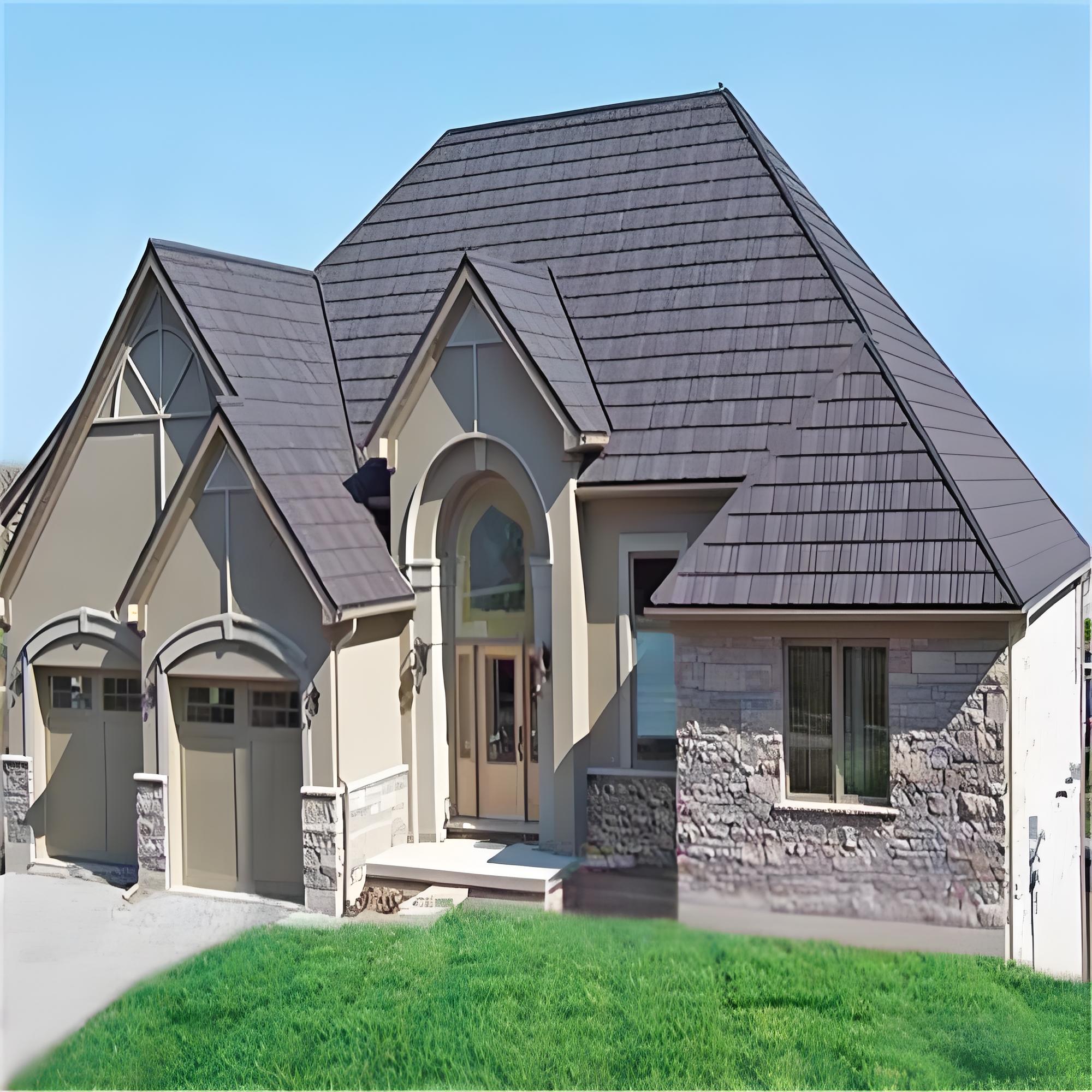
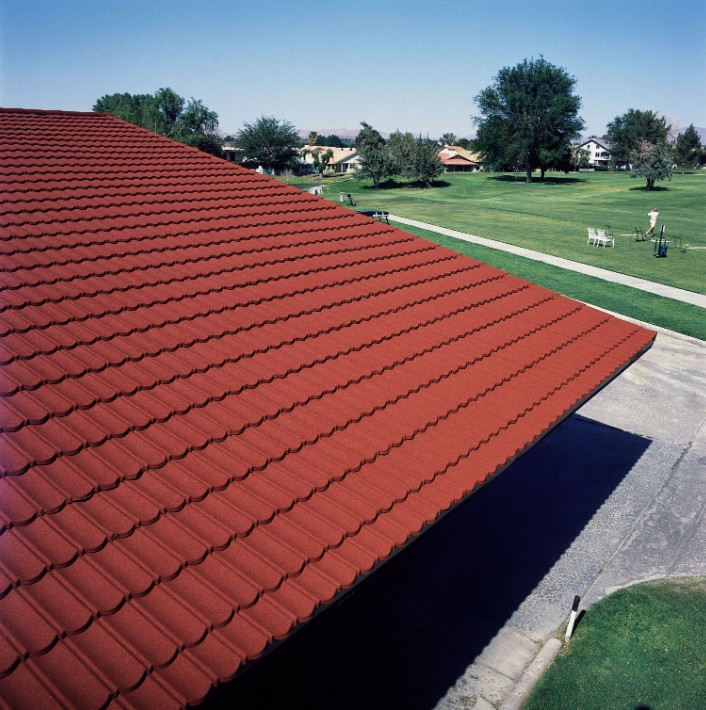
For stone coated metal shake resort projects, order against a schedule for each building and each delivery phase. Tie each schedule to the roof drawings, the selected panel, and an approved sample. Include the trim and the parts that finish each roof edge. This gives suppliers a common scope for pricing and gives crews a clear record at handover.
A resort may use the same finish across cabins, guest rooms, and public buildings. However, those buildings can have quite different roofs. A small cabin may need few special parts. A lodge with several wings may have many hips, valleys, and changes in roof height.
Start by deciding which roofs share a system and which need separate details. Then set rules for who owns those details and who approves any change. Keep each answer close to the drawing and the quote that depend on it. That makes it easier to see where one change affects several parts of the order.
Define the scope for stone coated metal shake resort projects

Make a roof register the whole team can use
Give each building a short ID and pair it with a dated roof plan. Add the building use, roof type, phase, and finish code. Record the supplier’s exact panel code in a separate field. That way the team can update a drawing without also changing the name of the product.
For example, two cabins may share a plan but face different site exposures. The designer may set distinct requirements for each location. Ask the design team to put those requirements in the register. Then show the supplier which drawings apply to each group of buildings.
Use the register to mark the roofs that fall outside the tile order. Covered walks, plant rooms, and entrance roofs may use other systems. Give them their own lines so buyers can see the exclusions. The schedule should also point to drawings where one roof system meets another.
| Register entry | What the buyer records |
|---|---|
| Building and phase | Drawing ID, current revision, delivery group, and site contact |
| Tile system | Panel code, finish code, and approved roof build |
| Key interfaces | Valley, wall, roof change, and roof opening details |
| Release status | Open design issues, sample reference, and signoff owner |
Assign decisions before pricing the job
The buyer can coordinate the records, but the design team sets the project needs. Ask who owns the roof build, who reviews the visual sample, and who signs the order. Also name the person who can accept a change after release. A clear decision chain helps suppliers send questions to the right person.
The Shake Tile product page is a starting point for discussing the profile. Ask for a drawing and technical sheet for the exact version offered. The shake specification guide explains how to separate appearance, supply data, and system evidence. Use these as separate review tasks in the register.
Treat photos as a way to discuss the look from a distance. The roofing project gallery gives the team examples of how profiles read across buildings. For the project order, agree on the look with a labeled physical sample. Then keep that sample reference next to the product code.
Turn roof drawings into a supply schedule
Count the field and the edges in separate passes
Start with the roof area shown on the approved takeoff for each building. Use the installed cover shown for the exact panel and layout. Record the number of tiles from that takeoff, then keep cut and spare allowances on separate lines. These records let a later reviewer tell where the extra quantity came from.
Break the roof into planes when the pattern or number of cuts changes. A roof with many short runs may need more cuts than a single plane with the same area. Also note where a cut can only suit one roof edge. Ask the installer to check any allowance before the buyer releases quantities.
Take a second pass for all linear details and one-off parts. For each run, note the drawing detail, length, trim type, and any end or junction pieces. Count pieces by their usable length once the approved lap or join is clear. The ridge and hip detail guide shows what to ask for at those roof lines.
Mark who supplies parts that cross a trade boundary
Give each part a supply owner and an installation owner. For example, a skylight curb may come from one trade while its flashing comes from another. Mark both on the drawing and in the quote. Ask both trades to review the detail before any order relies on it.
Carry the same rule through valleys, wall junctions, and roof vents. If a shop must form an item on site, note which material it uses. Include the finish and any limits stated by the system supplier. Then check which pieces the roof contractor must bring separately.
Ask the supplier to price the same quantities and exclusions across all offers. Keep the field tile, trim, and small parts visible as separate lines. This allows the buyer to see whether a lower number omits work. It also helps the team update a single building without losing the other prices.
Approve the look and control substitutions

Test how the pattern reads across several panels
Make a sample that shows several installed panels and the main joint pattern. Add an edge or a hip if it affects what guests will see. Review it from a normal route through the resort as well as from close range. Record the finish code, date, lighting, and approved reference.
The Metrotile Shake product page shows how one manufacturer presents its own profile and finish options. For your resort, use the selected supplier’s sample to make and record each decision. For instance, the architect can accept the look while the design team checks the detail. Record each decision against its own sample or drawing.
Roof elevations often look different under shade, sun, and evening light. So schedule the review for the views the owner cares about most. Keep an approved sample where site staff can access it during the job. Label photos with the building and date so they support the record.
Review a substitute against the approved scope
A proposed change can alter the color, the number of tiles, and the way a roof edge closes. Ask the supplier to identify the old and new product codes in writing. Then check which drawings, finish samples, and quote lines must change. Give each affected team the revised set.
At JCROOF, use the company and product information to identify the supplier during the review. Ask for the documents behind the offer, including the panel and trim codes. Record questions about the proposed lot or finish in the same revision log. This helps a buyer distinguish a revised order from a verbal suggestion.
Sometimes a later phase may call for a fresh finish sample. A change in source, product, or production lot can raise an appearance question. Set the limits for review in the contract and say who can accept any range. Then put the accepted sample reference on the revised purchase order.
Plan phased delivery and the handover
Link packs to the way the site will receive them
Prepare a delivery list by building group, with a separate line for common stock. Ask the supplier to label packs in the same way. List the intended phase, finish, part code, and quantity on each packing record. This makes it easier to find the right trim without opening several packs.
Check the site’s storage and handling plan before booking the first shipment. Agree on where staff will store roof tiles and how they will protect the packs. Ask who will log any damaged carton, missing item, or unreadable label at receipt. Then make sure the buyer can match those reports to the packing record.
A resort might open one group of rooms before another. Keep each phase complete where practical, including the trim that closes its last roof. Also check if some specialist parts travel in shared cartons. Give the site a way to find those cartons before the crew starts work.
For example, a lodge and its cabins may share a tile but need different ridge ends. Give the end pieces separate codes in the packing plan. If the lodge shipment includes spare cabin stock, mark it as shared stock. The site team can then check whether both groups have what they need before a crew opens the packs.
Close out quantities and leave a clear repair record
At receipt, compare codes, quantities, and finish labels against the approved schedule. Spot check the appearance against the agreed reference under a similar light. Flag any unclear pack before crews mix it with accepted material. Send the packing label and photos back with the report.
For handover, save the final roof drawings, product data, finish samples, and delivery records together. Add the location and count of any spare tiles and trim. Also identify which roofs use the same stock and which need their own replacement parts. Give a copy to the team that will look after the roofs.
A good supply specification follows the material from the quote to the roof and on to the repair stock. It ties the design, the buyer, and the receiving team to the same records. Once each building has a complete set, later phases can start with fewer open questions.
Need help turning resort roof plans into a supply schedule? Send us an inquiry with your building list, roof drawings, and planned phases. Our specialists will reply and help you review the scope.