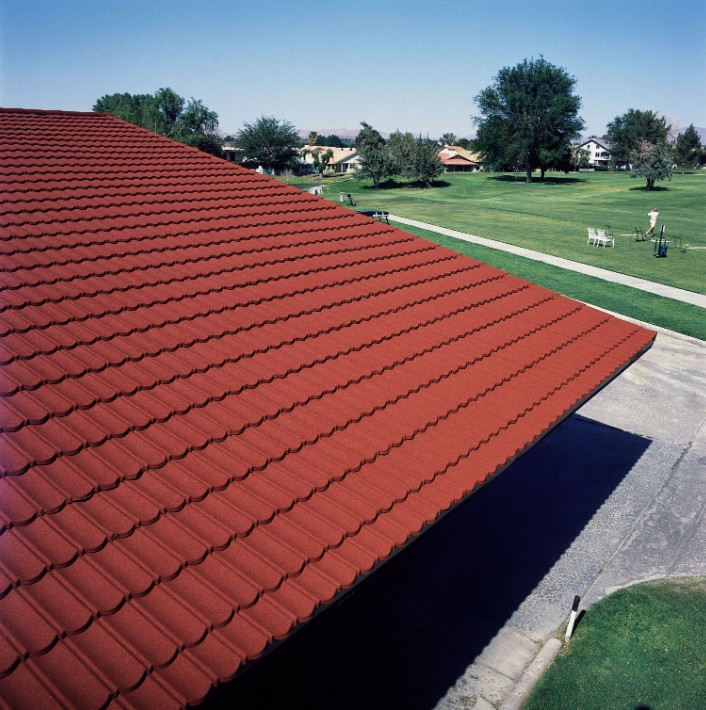
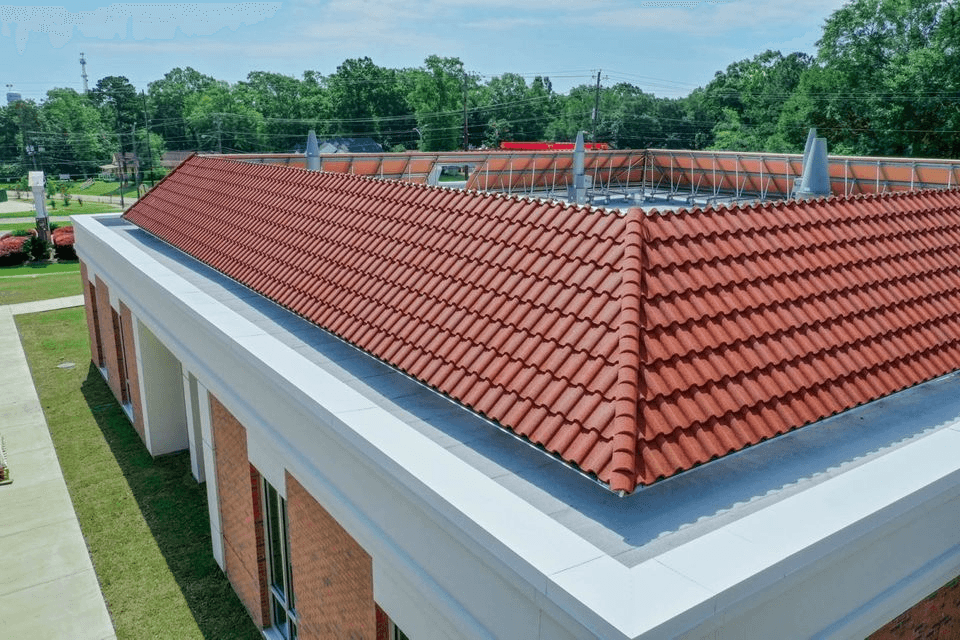
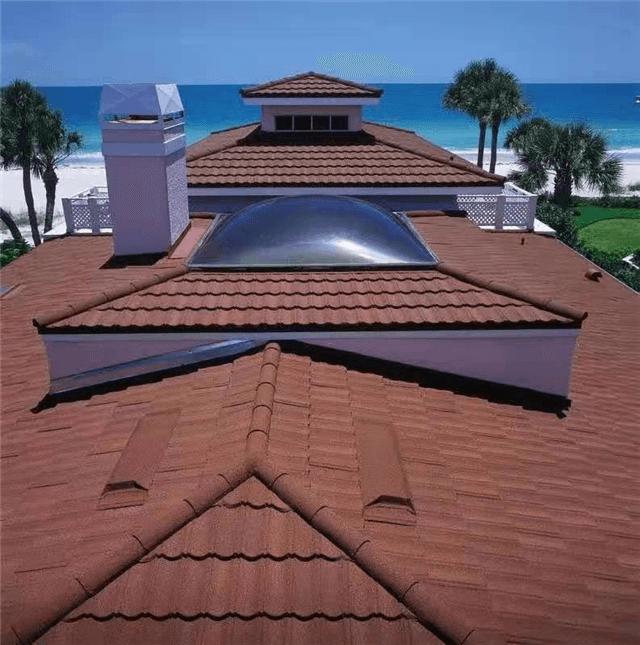
Stone coated shake roofing texture comes from the shape pressed into the panel and the granules on its face. Look at both on a full panel. Then view several panels together to see how the shapes and shadows repeat.
A close view helps you judge the stone surface. A wider view shows whether a pronounced edge or groove stands out across the group. Buyers need both views before they can describe the look they want to order.
Ask the supplier for samples that match the proposed product and finish. Include the exact panel version and the purpose of the review. That gives both teams a shared reference when the order moves ahead.
Separate the parts of stone coated shake roofing texture
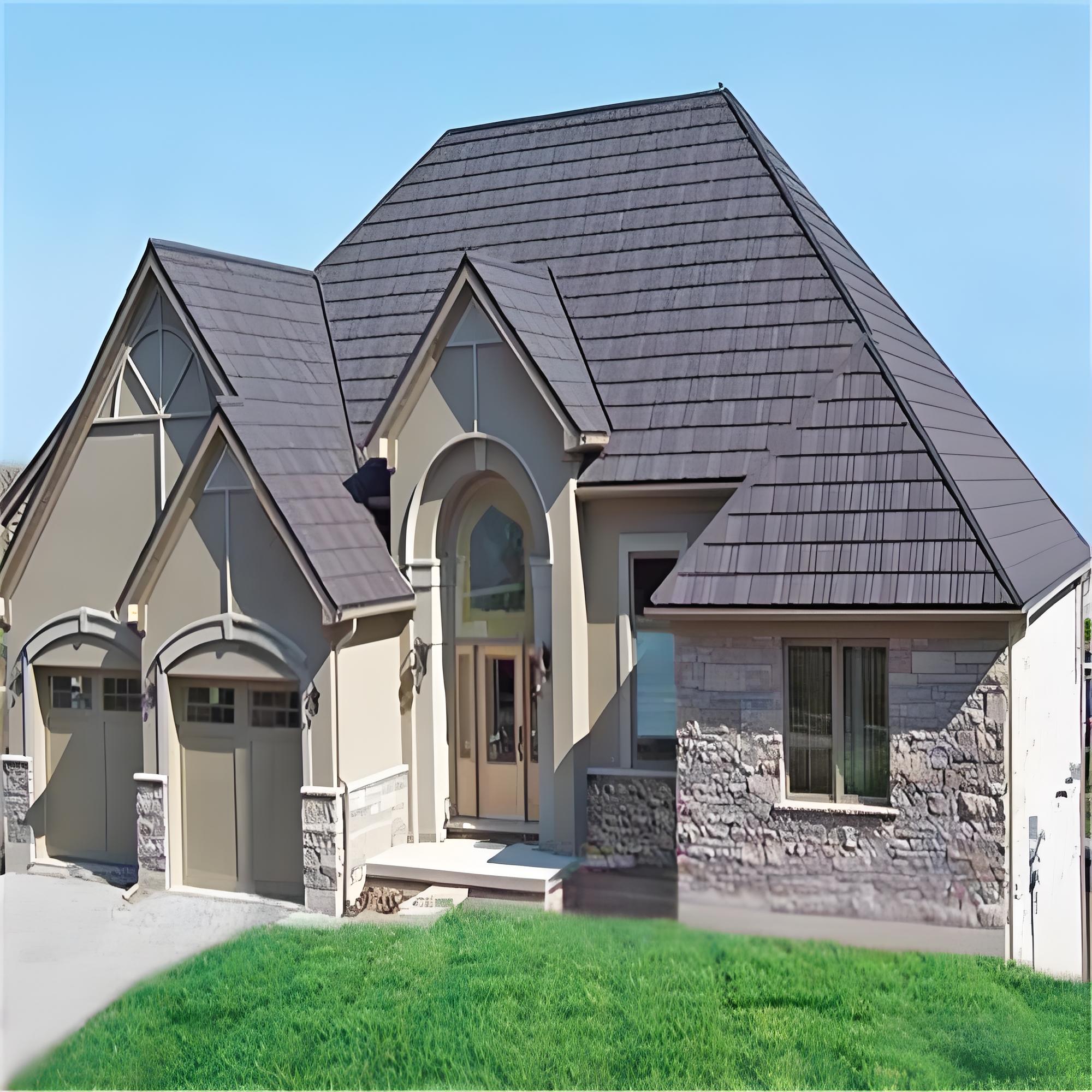
The pressed shape gives a panel its relief. Relief means the raised and low parts you can see across the face. These parts can suggest wood grain, separate shakes, or uneven lower edges.
The stone surface adds a finer texture. Look at the visible granules across the face and around changes in shape. The formed details and stone surface each contribute to the finished look.
Metrotile describes its Shake as a stone-coated panel pressed from coated steel. Its product page also calls out shadow lines and visual contrast. These descriptions refer to that manufacturer’s panel. Metrotile Shake product page
Look at the shape from more than one angle
First, view the face straight on. Then shift your position to see how ridges, steps, and edges catch the light. Keep the sample steady while you change your view.
If you compare two forms, place the samples at the same angle. Strong light on one sample and soft light on the other can make the relief hard to compare. Use the same setup before you choose.
Name the features that draw your eye. For example, note a raised edge at the foot of a shape or a groove across its face. This gives the supplier a clearer comment than asking for more texture.
Check the stone surface close up
Look over the face in good light. Compare the broad areas, raised parts, and visible edges. Record the location of any mark, patch, or change you want the supplier to explain.
Ask which parts of the sample are meant to remain visible on the roof. An area within a lap may have a different role from the exposed face. Check the drawing before using that area to judge the roof look.
Include a close photo and a view of the whole sample in your notes. The two views help someone else find the same area. Use the agreed methods for any separate coating or material checks.
Build a sample group that shows how the pattern repeats
For Shake Tile, ask for samples from the proposed profile and finish. Request enough panels to show the feature you need to judge. A single full panel can show its own shape, while several rows reveal the wider pattern.
Ask for the product guidance that applies to the display. Keep the intended panel direction, exposure, and joints in view. Have the relevant technical team check any setup used to judge actual fit.
The mock roof area should answer a named question. One buyer may want to see whether the shapes blend across the field. Another may need to see the effect of a visible edge.
Trace the shapes across rows
Start with a row and follow its lower edges from panel to panel. Then look across rows to see which marks or forms repeat. Some details stand out only after you step back.
Look for the scale of the pattern, too. A small groove may disappear from a distance. A row of deep shadows can still shape the view from the ground.
Record where each concern appears in the sample group. Name the panel and row when possible. Mark the point on a wide image so the supplier can review the same view.
Panel form, color placement, and row layout can each affect the wider pattern. A guide to these factors in shingle profiles helps when you need to name the source of a visual concern. Stone coated metal shingle patterns
Check what happens near the joints
Ask which marks are formed into the panel and which lines come from actual joints. View the group from the side and the front. The difference matters when you describe a visible break in the pattern.
If a line seems too strong, record where it starts and ends. Compare that spot with the rest of the display. Ask whether the form, light, or setup caused the effect.
Check whether the display includes cut panels. Ask the supplier to mark any cuts made just to fit the display frame. Compare like edges so a cut edge on the board does not skew the view of a factory edge.
Keep the approved layout guidance with the photos. When the setup changes, record the change and take a fresh view. That way, a photo from an early display cannot stand in for the final group.
Review the group at close range and from farther back
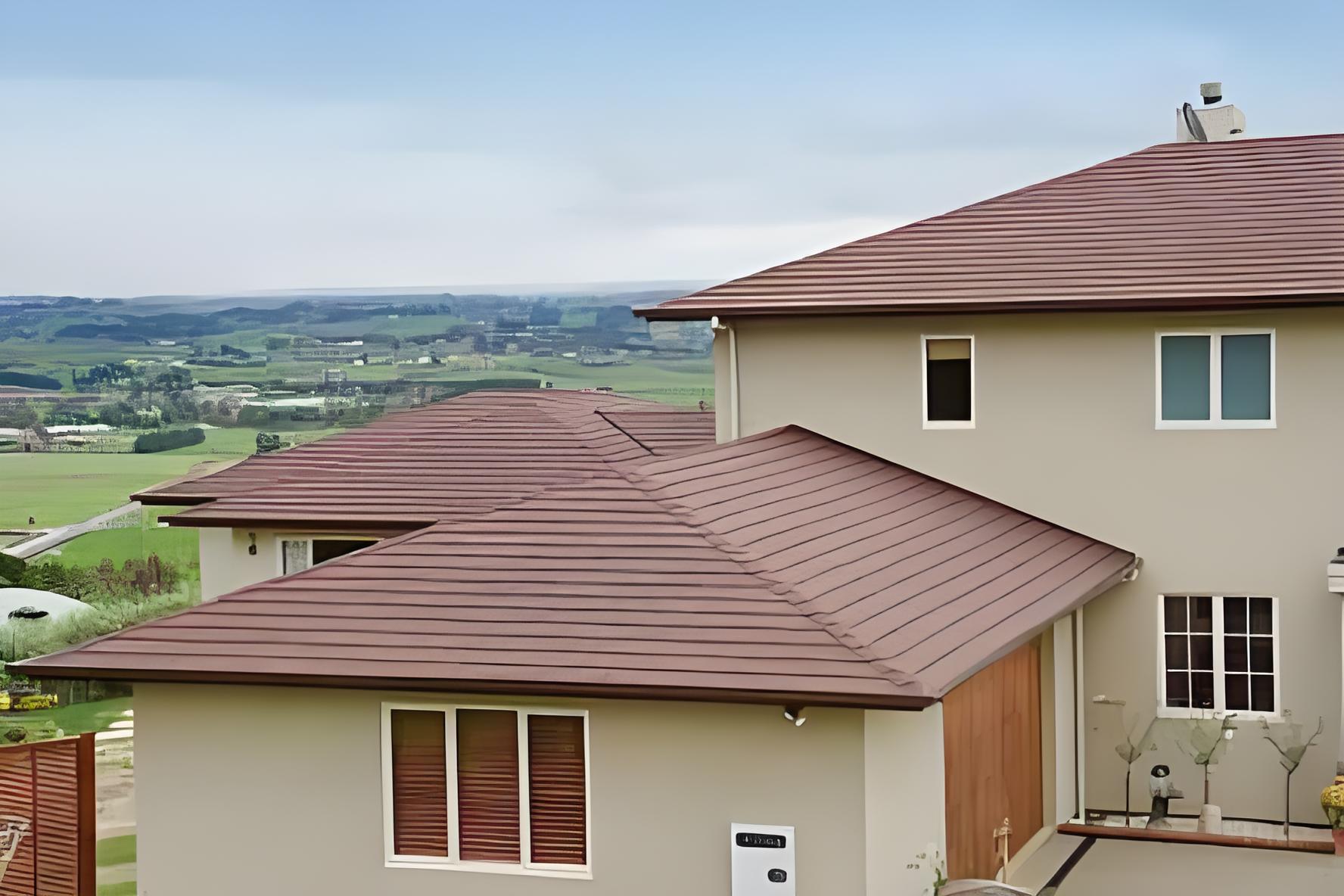
Choose a place where reviewers can see the whole group. Agree which positions matter for the project. For example, you may need one close view and another from a distance that suits a sales display.
Keep the light and angle similar when you compare options. If you also want to see a second light condition, move both samples together. Write down the setup so someone else can repeat it.
Take time to look at the group before zooming in on photos. The camera can make a small feature seem more important than it looks in person. Use the wide view to keep the scale clear.
Give each view a clear job
| View | What to check | What to keep |
|---|---|---|
| Close face | See the visible granules, marks, and small grooves. | Keep a close image with the panel code. |
| Side angle | See raised parts, low areas, and edge shadows. | Record the viewing angle and light. |
| Across rows | See where forms and lines repeat. | Keep a wide view and name the rows. |
| Whole display | See which parts stand out at the chosen distance. | Record the distance and the overall result. |
Use the same names in your notes and photos. If a mark appears in one view, ask whether it also matters in the whole group. This helps the team set the right priority.
Ask where the samples came from
A supplier may send panels from stock, a trial run, or a display set. Ask which source applies and whether the panels match the current offer. Write down any known differences before the review.
Also record any damage that happened on the way to the review. Keep that note separate from your comments on the panel design. It can help the supplier trace the cause and propose the next step.
A sample request is easier to assess when it names the product and the question the sample must answer. Use those details when you ask for a larger display or a fresh panel. Roofing manufacturer sample guide
Record the texture decision before the order
Write down the features the buyer accepts. Include the form, the visible stone surface, and the look across the sample group. Keep any open questions beside the relevant feature.
For a review with JCROOF, share the panel code, finish, and marked views together. Ask which current product records apply to the offer. Keep the reply with the sample notes.
The buyer and supplier should agree what the review covers. If the decision concerns only visible texture, name that scope. The specification can carry the separate material, system, and shipment checks. Shake roofing specification guide
Keep the accepted reference easy to find
Give each sample a code and note its place in the display. Record the date, profile, finish, and relevant drawing version. Then connect those details to the signed review and purchase order.
If the teams keep different pieces, agree how those pieces relate to the accepted group. Label them before they leave the review site. Save a wide photo that shows where each piece sat.
Decide where the panels will stay and who will look after them. Keep the visible faces in a condition that supports later checks. If a piece changes or suffers damage, record what happened.
Use the record during receiving and repeat orders
At receipt, check the product codes before comparing the surface. If something looks different, keep the lot and panel details with the concern. Compare it under the agreed conditions before asking for a decision.
For a repeat order, send the earlier product and sample details with the request. Ask whether any change affects the pressed shape or visible finish. A new version may call for a fresh multi-panel review.
Keep each new decision linked to the order it covers. If the buyer accepts a new display, record which earlier reference it replaces. This lets the warehouse and sales teams work from the same set of notes.
Reviewing a shake texture for your range? Send us an inquiry with your profile and sample goals. Our team will reply and help you define the review.