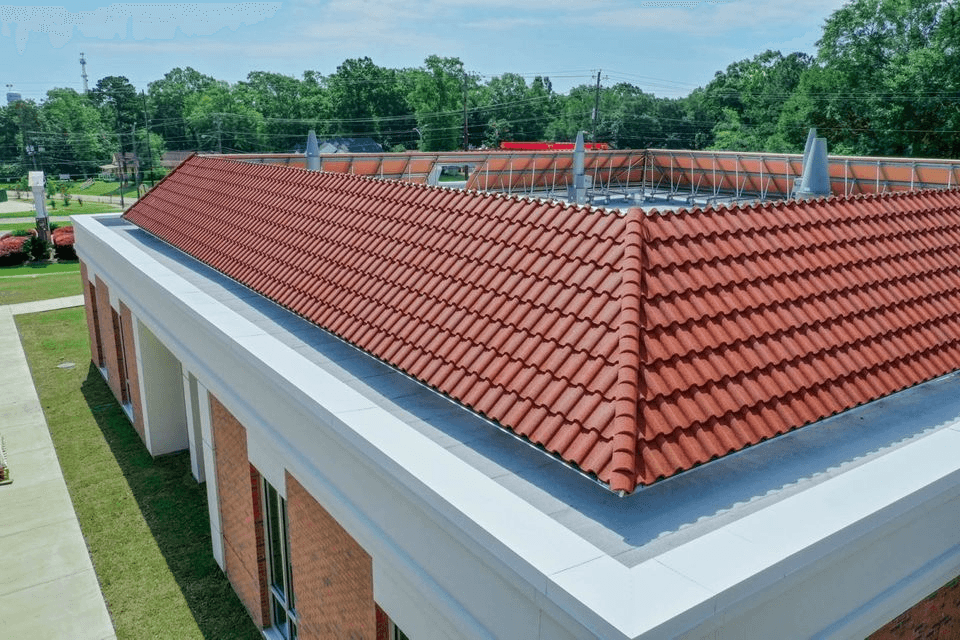
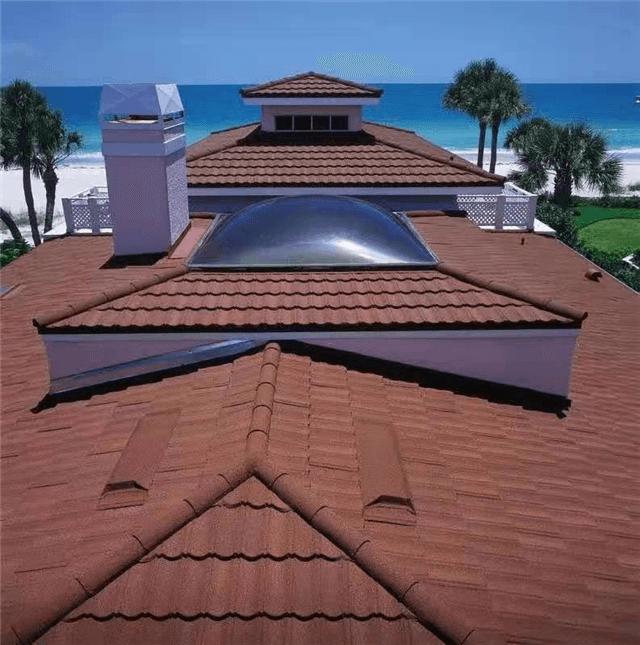
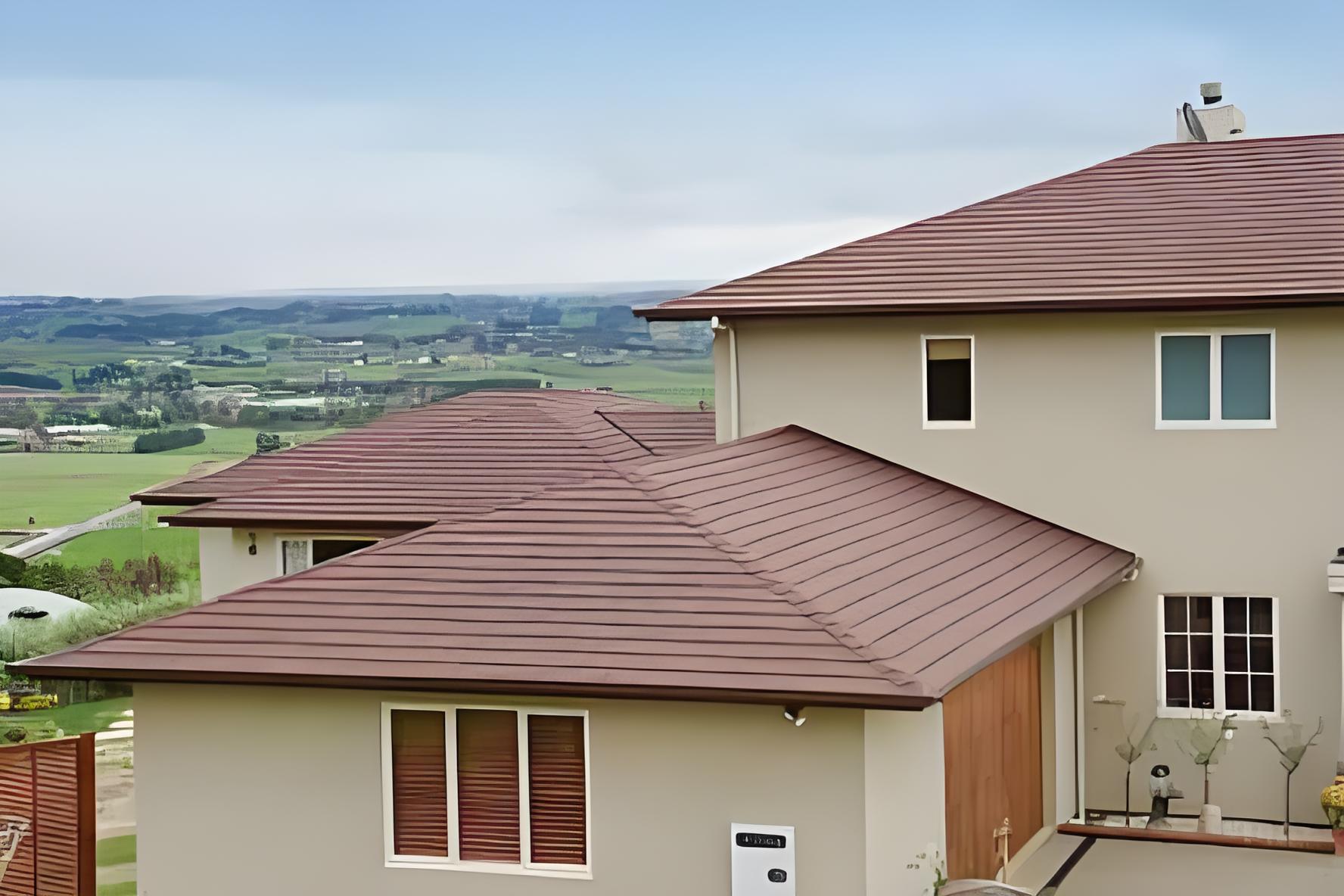
Stone coated metal shake vs cedar shake is a choice between a formed metal product and natural wood roofing. Both can serve a shake-style design, but they need different product descriptions and supporting records. Compare the exact offers before deciding which belongs in your range or project.
For an importer, a useful review covers the look, product details, roof needs, care, and full supply cost. A familiar rustic look does not make two roof systems interchangeable. The buyer should confirm the technical and commercial scope behind each option.
Start with the customer’s requirement rather than a broad claim that one material always wins. A customer may want actual cedar or only its visual character. Those are different briefs, even when the reference photograph looks similar.
Define the stone coated metal shake vs cedar shake decision
First, ask whether the project requires natural wood. A restoration brief or approved design may name a specific material. In that case, a similar look alone does not establish an acceptable substitute.
If the brief allows alternatives, name the features that matter. These may include surface texture, roof silhouette, color, or the desired broad look. Then ask the project team which technical conditions also need review.
A distributor should make the same distinction when assessing demand. Customers asking for cedar may mean several different things. Record whether they need the material itself, the shake shape, or a particular weathered look.
Keep the material description clear
Cedar shake is a wood roofing product. Ask the supplier to name the offered species, product type, grade, dimensions, and any treatment. A general cedar label does not answer all those questions.
Stone-coated metal shake uses a metal panel with a stone-coated surface and a shake-style form. Its purchase description should name the substrate, metallic coating, finish, and exact profile. Do not assume that every metal shake uses the same construction.
For Shake Tile, request the current product record for the proposed offer. Keep its drawing and finish reference together. A wood photograph can explain the design intent, but it cannot define that metal product.
Separate an individual product from a roof system
A roof includes more than the visible shake material. The support, underlay, fasteners, flashings, and other parts need coordinated details. Ask the designer and installer to assess the complete proposed assembly.
The roof profile selection guide explains why roof constraints belong before look selection. Use that approach for both alternatives. Similar-looking samples do not settle slope, junction, or local approval questions.
Also name who will review a proposed substitution. The buyer, designer, owner, and local authority may have different roles. A supplier’s suggestion should not silently replace the required project decision.
Compare the actual look you plan to sell
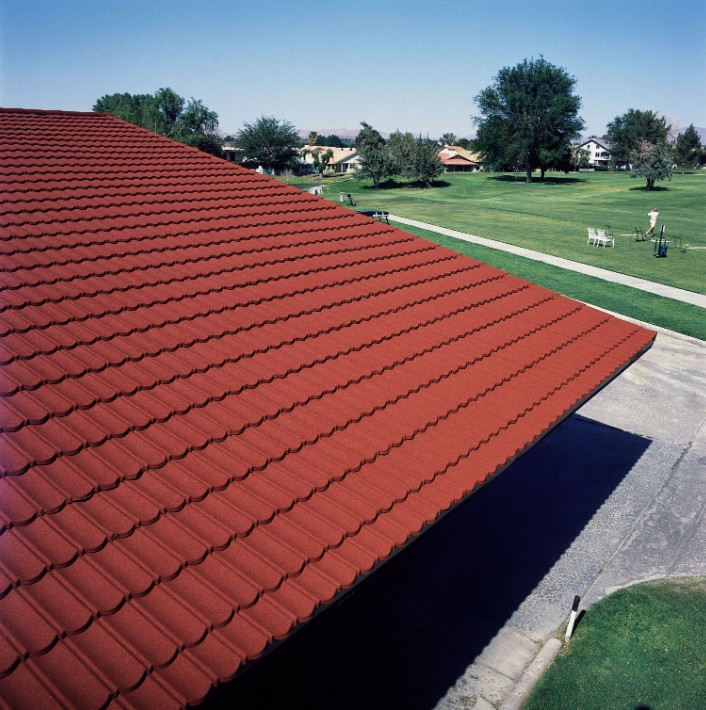
Review physical samples rather than relying only on names or catalog photographs. Cedar shows wood features, while a formed metal panel interprets the shake look. The degree of visual similarity depends on the particular products.
Look closely at surface texture and edges. Then assess several pieces or panels together from a normal viewing position. A close sample and a broad roof view answer different look questions.
Avoid saying that the alternatives look identical. Some customers will notice the material difference immediately. Others may care more about the overall roof character than its close detail.
Use a shared visual brief
Give both suppliers the same building context and design references. Explain whether the buyer prefers a strong textured effect or a quieter roof. Also name any fixed exterior finishes that the roof should complement.
For cedar, ask which samples represent the offered product and expected visual range. For metal, name the panel form, finish code, and any visible blend. Keep each sample tied to the correct offer.
Do not use a heavily edited image as a color acceptance standard. Ask how the parties will compare the physical finish. Also distinguish a new product sample from an older roof used as a style reference.
Record what each sample cannot prove
| Comparison area | Cedar offer | Stone-coated metal offer |
|---|---|---|
| Material identity | Confirm species, type, grade, and treatment. | Confirm substrate, coating, and profile. |
| Look | Review actual wood samples and stated range. | Review formed panels and finish references. |
| Roof details | Obtain the relevant wood roofing guidance. | Obtain the exact panel system guidance. |
| Care | Review guidance for the supplied wood product. | Review guidance for the supplied coating and system. |
| Commercial scope | Confirm usable coverage and complete supply. | Confirm installed coverage and complete supply. |
The table organizes the inquiry rather than ranking the materials. Each line needs evidence for the actual offer. A convincing display should not replace those records.
Check care guidance and technical evidence separately
Ask both suppliers for current care and maintenance guidance. Then check who can support the product in the destination market. The buyer needs practical guidance for customers after the first sale.
The Cedar Shake and Shingle Bureau’s maintenance FAQ provides specific guidance for cedar roof care and topical treatments. It warns against sealing a cedar roof. That advice concerns cedar and should not become a cleaning or treatment instruction for coated metal.
For the metal alternative, obtain guidance from the proposed manufacturer. Ask about permitted cleaning methods, inspection, repairs, and finish-related limits. Do not assume that a method suitable for wood also suits the coated panel.
Ask useful aftercare questions
Find out who will answer a customer’s maintenance question locally. Ask which written guidance the seller will provide with the order. Also name any care conditions connected to the applicable warranty.
Avoid describing either option as maintenance-free. The actual roof has junctions, drainage paths, and other details that may need attention. The required work depends on the product, setting, and roof condition.
If a customer requests a coating or treatment, ask the responsible supplier before recommending it. A product sold for one surface may not suit another. Keep written advice with the customer record when a specific issue needs review.
Review claims against the exact assembly
Fire, wind, impact, and other performance claims need applicable evidence. Ask which product, assembly, test method, and conditions the document covers. A material name alone cannot establish the installed roof’s rating.
For cedar, name any relevant treatment and its supporting records. For metal, name the exact panel and tested system where applicable. Then ask a qualified local reviewer whether the evidence suits the actual project.
Do not compare a tested result for one offer against a general statement about the other material. Also avoid transferring another brand’s figures to the product under review. Keep unsupported numerical claims out of the sales comparison.
Compare complete offers on the same basis
Request current quotes for the actual product needs and destination. Separate the material supply from local installation work. Otherwise, a factory panel price can appear cheaper than a complete installed cedar offer for the wrong reason.
Ask which coverage basis each quote uses. Also check accessories, packing, inspection, freight, delivery terms, and other stated charges. Mark unknown items so they remain visible before the order.
The roofing quote comparison guide explains how different scope can create misleading price gaps. Apply that principle to the full comparison. Do not treat a low unit figure as the total roof cost.
Make the technical differences visible beside the price
Use a comparison sheet with one column for each actual offer. Put the product identity and specification above the price. Then list any difference in the supply scope or required local work.
If one option needs further project review, show that dependency. Do not treat an unresolved requirement as included merely because the quote lacks an exclusion. Ask the responsible party for a clear answer.
Also review the basis of any future cost estimate. Cleaning, repair, replacement, and disposal costs depend on assumptions. Use local information and clearly stated conditions rather than inventing a universal lifetime saving.
Confirm import and supply needs
Ask the importer or broker which needs apply to the actual goods and destination. Natural wood and manufactured metal products may need different documentation. Confirm the relevant conditions before arranging shipment.
Check packing and handling proposals for each product. The package should protect the goods and preserve their identity through receiving. Ask how the supplier will mark product codes, quantities, and relevant lot information.
For repeat supply, name the reference that the buyer will quote again. Cedar needs a clear product description rather than only a previous photograph. Metal needs its product version and accepted finish details as well.
Choose a buying route that matches the customer promise
If the customer requires genuine cedar, respect that material requirement in the shortlist. If a shake-style metal alternative is acceptable, compare the actual proposed system. The useful decision follows the brief and evidence rather than a general material preference.
When discussing a metal alternative with JCROOF, provide the target look and intended market. Ask for the proposed product references and supporting records. Keep the review specific to that offer.
Test the offer before widening the range
A distributor can begin by checking how dealers explain the two choices. Ask which customer question each offer answers. If the sales team cannot describe the difference clearly, refine the product details before adding stock.
Use the private label range guide to connect demand with a focused assortment. A second material should serve a clear role. More product choices do not automatically create more useful customer options.
Keep any trial purchase tied to the approved specification and sample purpose. Decide what the review must establish before increasing the order. A visually pleasing sample alone does not prove routine supply consistency.
Keep the final recommendation balanced
Explain what each actual offer provides and what remains conditional. State care guidance, available evidence, and commercial scope in plain language. This gives the customer a comparison they can assess without exaggerated promises.
Record the final product choice and its reasons. If a project later changes materials, reopen the affected approvals and details. A similar roof style does not make the substitution automatic.
Finally, keep the accepted references with the purchase order and customer file. Those records support receiving checks and later inquiries. They also help the next order preserve the product decision that the customer originally made.
Comparing metal shake with a cedar brief? Send us an inquiry with your design references and target market. Our team will reply and help you review the metal option.