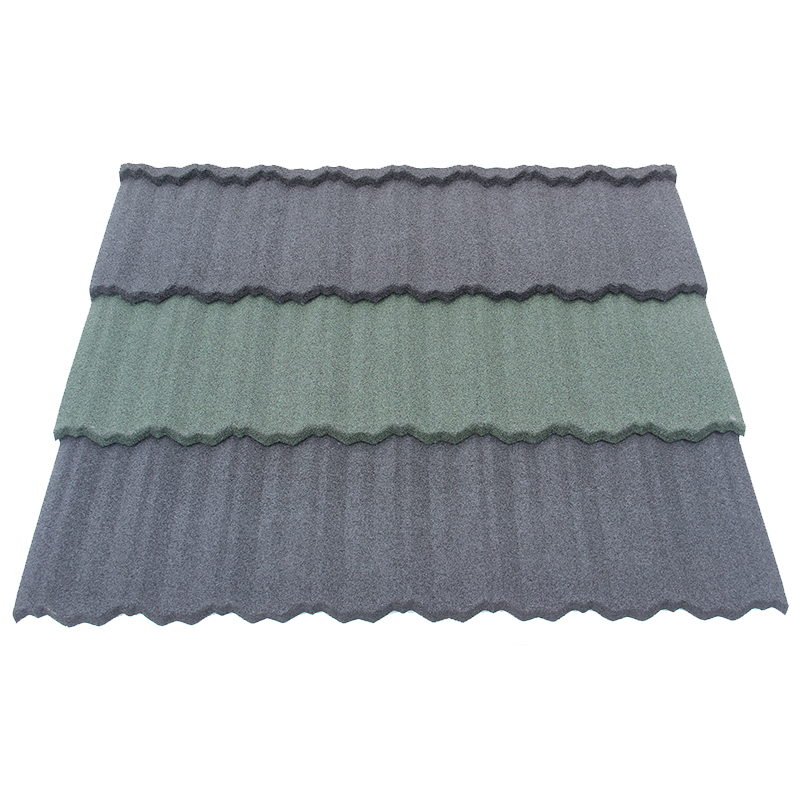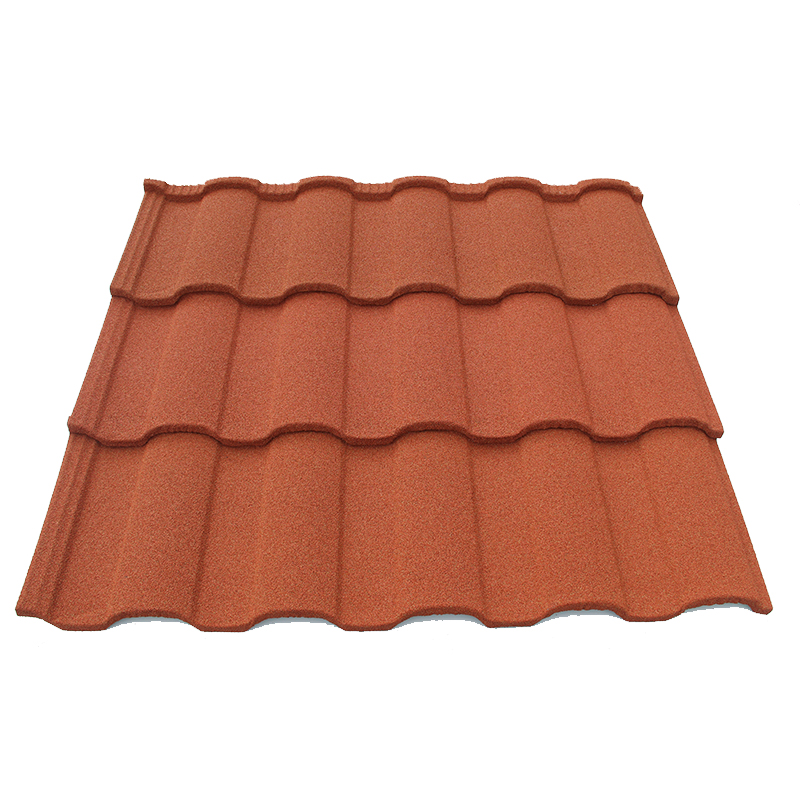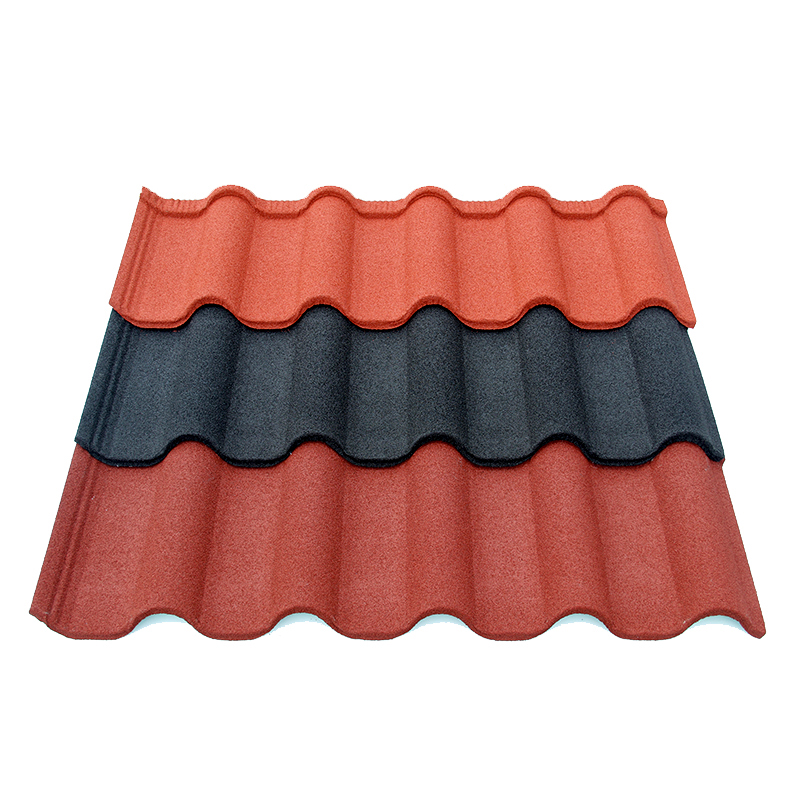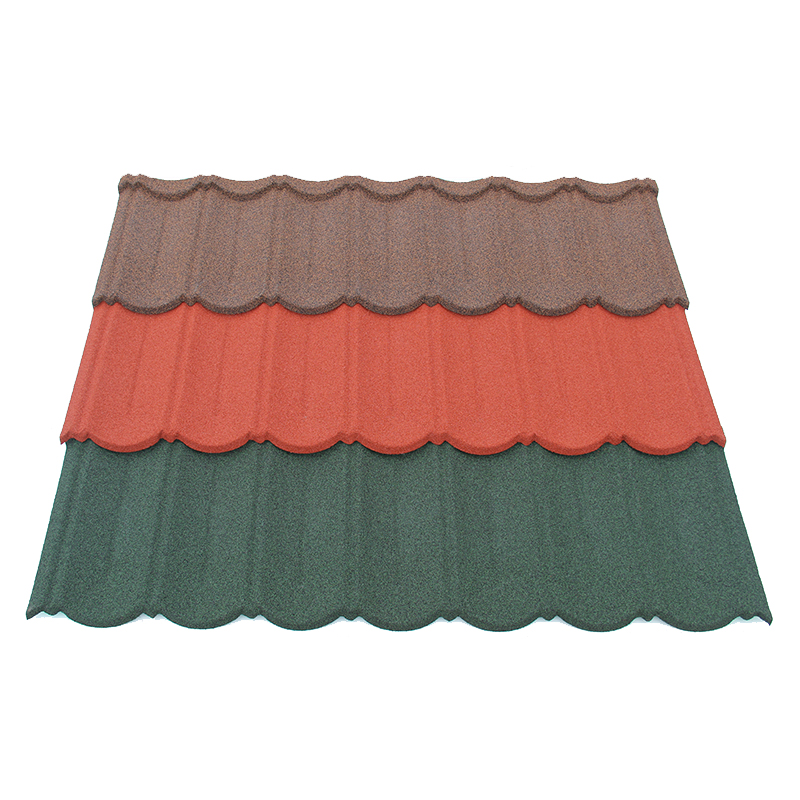


If you searched for “stone coated steel roof tiles distributor margin profit,” start with your own numbers. Build the model from the cost of stock you can sell and the price your customers will actually pay.
Landed cost sets the base for the model. Gross margin shows what remains after you account for the goods sold. Direct selling costs and warehouse overhead then show how much room you have left to run the branch.
Use one sales unit throughout each calculation. For a small order, that might be a carton of tiles. For a project quote, it might be a package with field tiles and matching trim. The examples below use made-up US dollar amounts. Enter your own quotes, sales terms, and costs before making a stock decision.
Build landed cost from the purchase quote
Start with the supplier quote and the shipment plan. Record the profile, finish, pack size, coverage per tile, and number of pieces per carton. Then list the trim and other parts you plan to sell with those tiles. Keep the quote date, currency, delivery terms, and named place on the same sheet.
Confirm which freight charges the seller covers and which your branch pays. Ask your forwarder or broker for the costs that fall to you under those terms. These may include freight, insurance, relevant duties, clearance, local delivery, and unloading. Track recoverable tax as a cash item where it applies. Use your own tax treatment to decide which charges belong in the cost model. Check the scope with this guide to roofing quote inclusions and exclusions.
Put all offers on the same basis
One supplier may price by tile, while another prices by square meter of roof coverage. Convert both bids using the stated installed coverage for each exact SKU. Keep trims priced by piece if that is how you buy and sell them. Compare the cost of the same roof package once you have a parts list. The price-per-square-meter guide explains how to check the basis behind a tile quote.
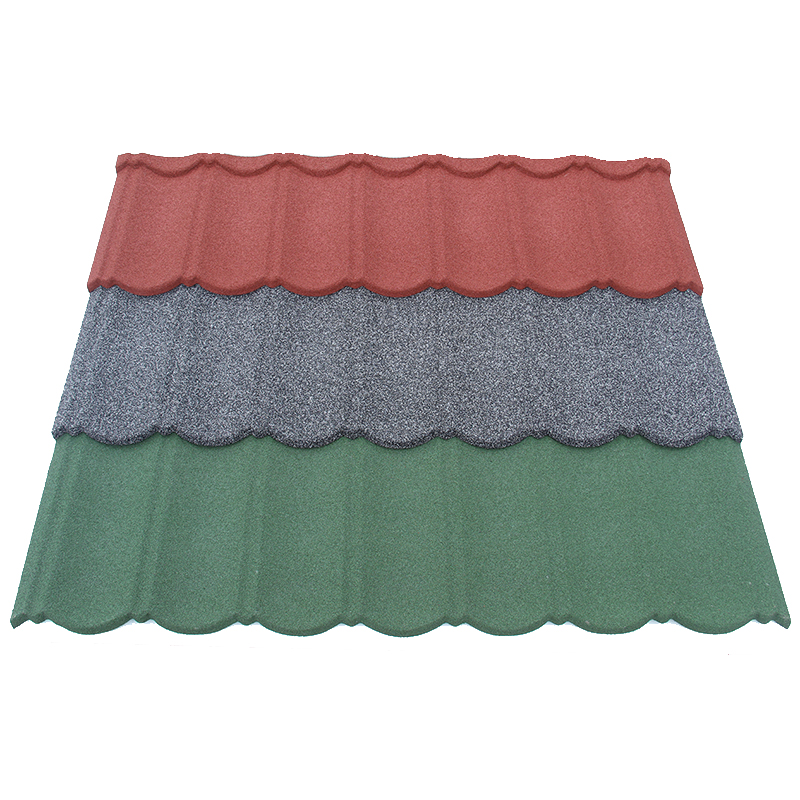
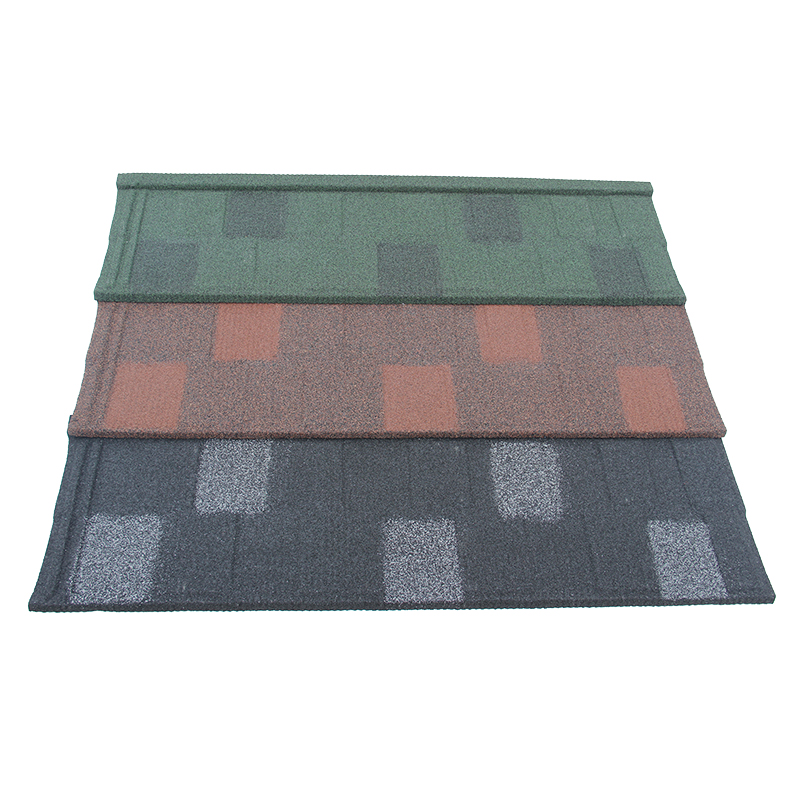
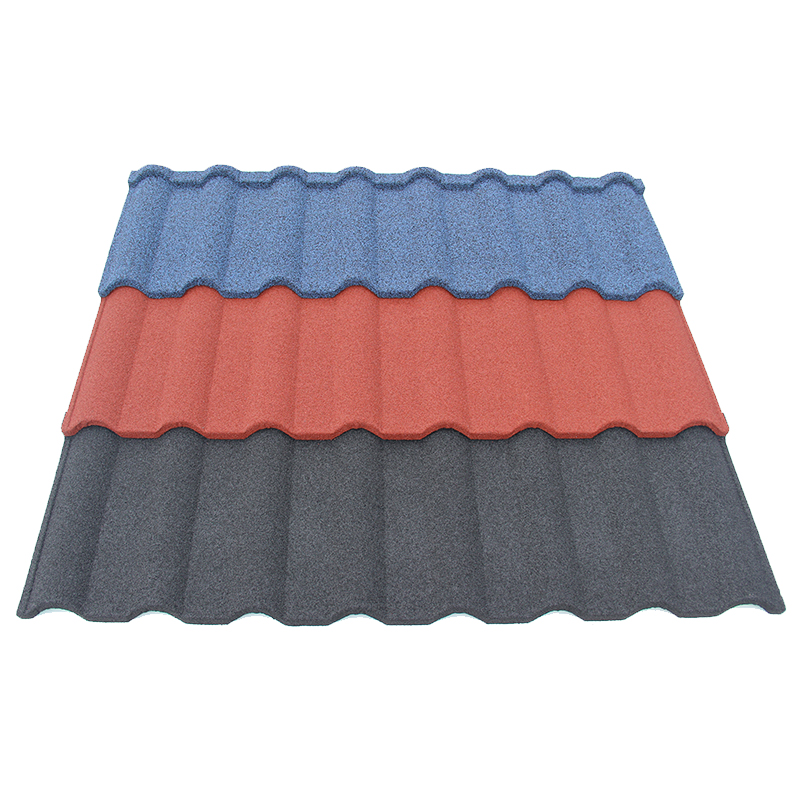
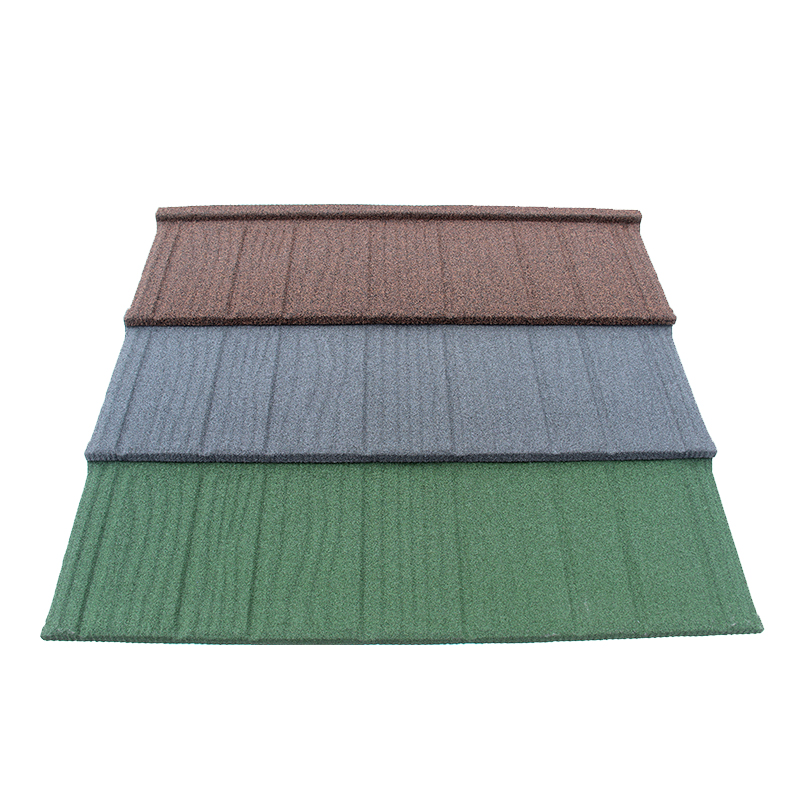
If you plan to stock Bond Tile, request the quote and pack data for your chosen profile and finish. Ask JCROOF to confirm the quoted products and parts before you compare that offer with another supplier’s bid.
When one load has both tiles and trim, split the shared freight on a basis you can explain. Use pallet space or chargeable weight if that reflects how the load is billed. Assign any charge tied to a single line directly. Keep that rule in the sheet so the next buyer can repeat the comparison.
Model the cost of stock you can sell
Suppose a shipment contains 1,000 tiles costing $8,000 and trim costing $1,000. The buyer adds $1,000 in shared inbound charges. In this example, the buyer assigns $800 to tiles and $200 to trim based on pallet space. The landed totals are $8,800 for tiles and $1,200 for trim.
Suppose 20 tiles arrive damaged and the buyer expects zero credit or salvage. The tile line then has 980 saleable pieces. For pricing, divide $8,800 by 980 to get about $8.98 per saleable tile. Dividing by the ordered count gives $8.80 per tile. The gap shows how losses affect the selling price needed to recover costs.
Use this figure as a pricing estimate and follow your own accounting policy for damaged goods. If you spread the loss over saleable tiles, keep that same loss out of any second charge in the model. Track actual credits and salvage as you receive them. Replace the first estimate after each load closes.
Price the full package and stock the right parts

A tile order may sell on its own. A roof package brings in more lines, and those lines each have a cost. Include the ridge, hip, edge, or other parts named on the job quote. Use the job’s agreed parts list to set pack counts and unit costs. Check which costs sit with the dealer, the installer, or your own branch.
Keep one line per SKU and use the full cost of any pack you need to split. If you sell loose pieces, track the rest of each pack as stock. Include any added pick time or packing costs when you work out the selling cost. Check the roofing accessories cost guide when you set up the list.
Track how long each line takes to sell
Keep the cost of spare trims and extra colors visible in your stock plan. A ridge cap can have a sound margin on paper and still sit in the rack for months. Review sales by profile, color, and part together. That view can show which items sell as a set and which ones tie up cash.
Decide how much stock to keep based on order history, lead times, and pack sizes. For a new line, compare a smaller launch with a full stock order. Include the cost of a later top-up if the first order sells through. Check whether the branch can source extra trim in time for the next job.
Reserve stock for confirmed orders and track it away from stock free to sell. If two jobs need the same color, show the quantity set aside for each. Keep batch and finish details in the stock record. If the team proposes a change, recheck fit, finish, cost, and lead time before it quotes the affected job.
Stone Coated Steel Roof Tiles Distributor Margin Profit Calculations
Work from the amount you expect to keep as sales revenue after trade discounts and credits. Pair that amount with the cost of the same goods sold. Use the same unit and currency on both sides. Business Queensland calculates gross margin as gross profit divided by revenue. Business Queensland financial ratios
Use the right base for each percentage
Gross profit equals net sales revenue minus the cost of goods sold. For gross margin, divide gross profit by net sales revenue. For markup on goods cost, divide the same gross profit by the cost of goods sold. Multiply each ratio by 100 to show it as a percentage.
Take a separate example with $100 in net sales and $75 in goods cost. The gross profit is $25. The gross margin is 25%, and the markup on goods cost is about 33.3%. Both ratios describe the same sale. State the base wherever a quote rule or target uses a percentage.
If you apply a 25% markup to $75, your selling price is $93.75 per sale. That gives a 20% gross margin. For a 25% gross margin, divide $75 by 0.75 to get a price of $100 per sale. The target in this example serves to show the math. Set your own target after you test demand and costs.
Subtract selling costs and test the result

Use the gross profit line as the starting point for a second view of the sale. Add the costs that arise as you handle and sell the order. These can include the pick, pack, payment fee, sales commission, and local drop. Keep outbound costs apart from the inbound charges already assigned to stock.
In the $100 example, assume direct selling and fulfillment costs add $10 per sale. The order leaves $15 to help cover fixed costs. If your plan assigns $12 of fixed overhead to that sale, $3 remains before financing and tax. This is a modeled result for one sale under those assumptions.
Check which costs rise with each sale
Your warehouse can have both fixed rent and variable handling charges. Separate those lines so you can see what changes if sales slow. You might assign rent across the branch using occupied pallet space. Use a consistent basis and check whether the result fits the space your product really takes.
Include the cost to handle customer claims and returns. Keep any damaged goods allowance tied to the stage when the loss occurs. A dented tile found on arrival belongs in your inbound loss review. A costly return after sale may cause a credit, a pick-up charge, or both. Record each effect once and show which party covers it.
Stress-test price and sales volume
Return to the $100 example and test a $5 discount. Keep goods cost at $75 and direct selling costs at $10 for this test. The sale now earns $20 of gross profit on $95 in sales, or about 21.1%. It contributes $10 toward fixed costs. With the same $12 overhead charge, the modeled result is a $2 loss.
Run a second test with fewer orders per month. Lower sales may spread the same rent over fewer jobs. Try a longer stock hold, a more costly next shipment, and a slower cash collection period. Change one input at a time so you can trace what moved the result.
Review the model before placing a repeat order
Update your cost sheet with actual bills, damage counts, credits, and sales once the first shipment moves through the branch. Compare actual sales by SKU with the pack mix you used in the plan. A branch that sells mostly full packs may face different pick and delivery costs from one that sells small lots.
Date each version of the model. Show which freight quote, exchange rate, pack list, and stock counts sit behind the figures. Give each open cost an owner and a date for review. Keep assumptions visible while the next purchase order is being planned.
The model should help answer three questions. Which items need a new price? Which parts take up cash longer than planned? Which sales terms can the branch still afford if costs rise? Use the answers to adjust the next order, route, or price list.
To build a cost sheet for your next order, contact us with your profile, quantity, destination, and trim list. Ask for packing details and a quote with a clear delivery scope.