
For contractors, developers, and distributors evaluating roofing options, a key question often arises: is stone coated steel roofing worth the investment? This is especially relevant when comparing it to lower-cost materials such as asphalt shingles or standard metal sheets.
From a B2B perspective, answering whether stone coated steel roofing is worth the investment requires looking beyond upfront cost and focusing on lifecycle value, project positioning, and long-term performance. While the initial price is higher, the overall return depends on durability, maintenance, and market expectations.
Understanding the True Cost Behind the Investment
To determine if stone coated steel roofing is worth the investment, it is important to break down what buyers are actually paying for. Unlike basic roofing materials, this system includes multiple performance layers and engineered design features.
The cost is not just for raw material—it reflects manufacturing complexity, coating technology, and system-based installation advantages.
For procurement teams, this means evaluating total value rather than just comparing unit prices.
What Drives the Cost
- Multi-layer steel and protective coatings
- Stone granule surface for durability and aesthetics
- Complete accessory system (ridge, valley, flashing)
- Higher quality control standards
Lifecycle Value vs Upfront Cost
One of the most important factors in deciding if stone coated steel roofing is worth the investment is lifecycle cost. While initial pricing is higher, long-term savings can offset this difference.
For developers and contractors managing large projects, lifecycle value often has a greater impact on profitability than upfront cost.
| Factor | Stone Coated Steel | Asphalt Shingles | Regular Metal Roofing |
|---|---|---|---|
| Initial Cost | High | Low | Low |
| Lifespan | 30–50 years | 15–25 years | 10–25 years |
| Maintenance Cost | Low | Medium | Medium |
| Replacement Frequency | Low | High | Medium |
This comparison shows that while the initial investment is higher, long-term costs are often lower.
Performance Benefits That Justify the Investment
Another key consideration when evaluating if stone coated steel roofing is worth the investment is performance. In many cases, the added durability and resistance to environmental factors provide significant advantages.
For contractors, these benefits translate into fewer callbacks, lower warranty claims, and higher customer satisfaction.
Durability and Longevity
Designed to last decades, reducing the need for replacement.
Weather Resistance
Performs well in high winds, heavy rain, and extreme temperatures.
Fire Safety
Non-combustible steel structure improves building safety.
Noise Reduction
Stone coating helps reduce rain and impact noise compared to bare metal.
Application Scenarios: When It Makes Sense
Whether stone coated steel roofing is worth the investment depends heavily on the type of project. It is not always the best choice for every scenario, but it excels in specific applications.
Understanding these scenarios helps buyers make more strategic decisions.
Best Use Cases
- Mid- to high-end residential developments
- Villas and premium housing projects
- Regions with extreme weather conditions
- Projects requiring long-term durability
Less Suitable Scenarios
- Short-term or temporary buildings
- Highly budget-constrained projects
- Industrial structures where aesthetics are not important
Role of Roofing Profiles in Value Perception
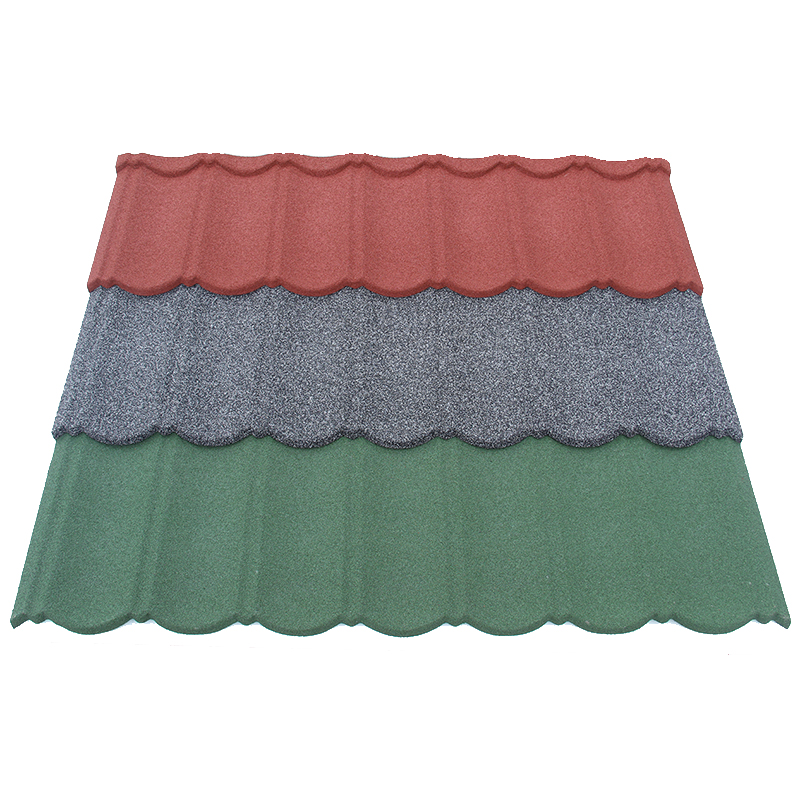
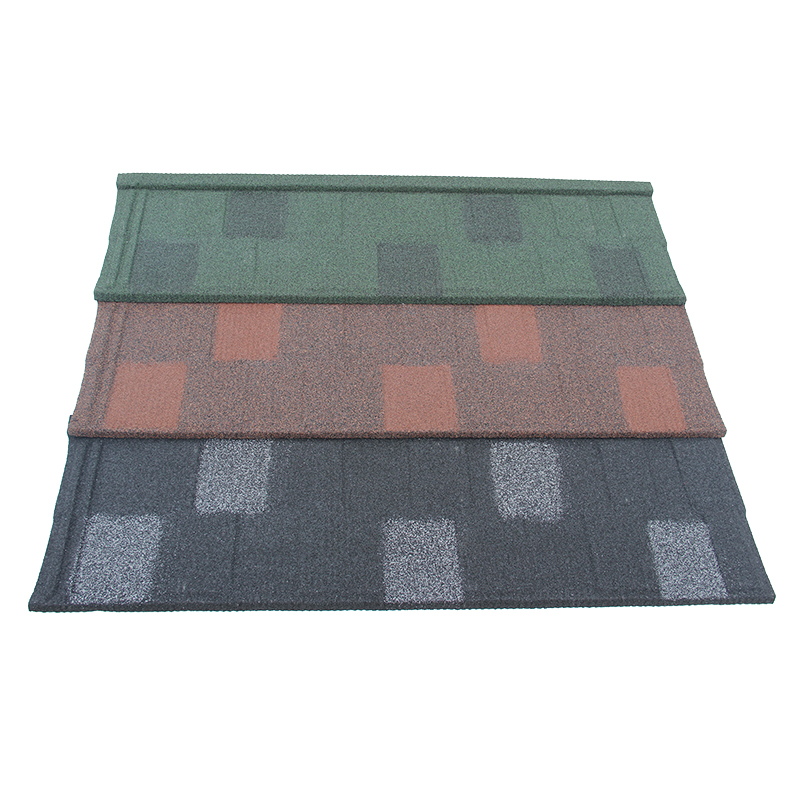
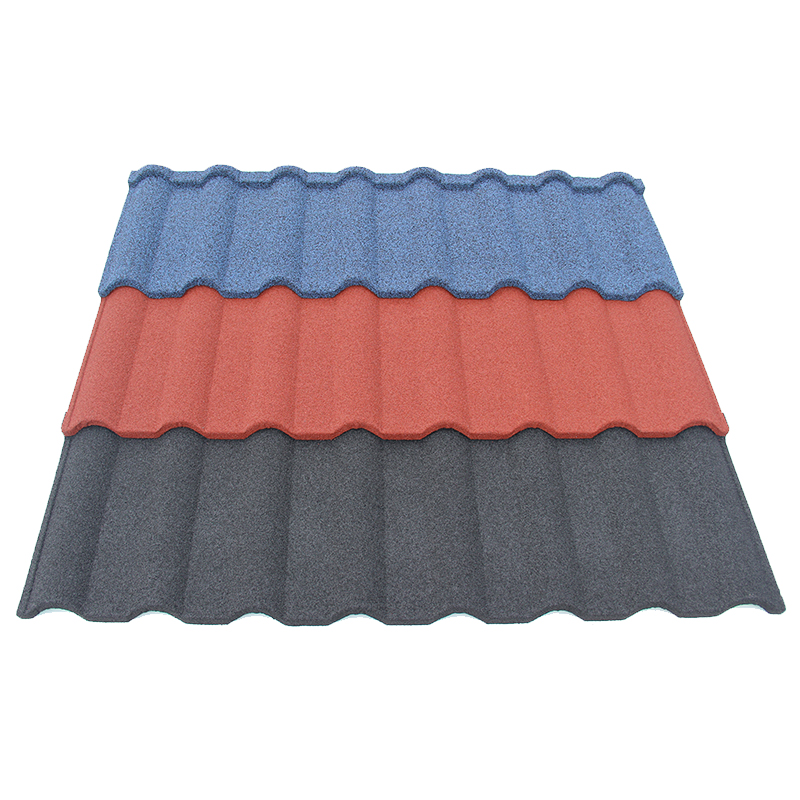
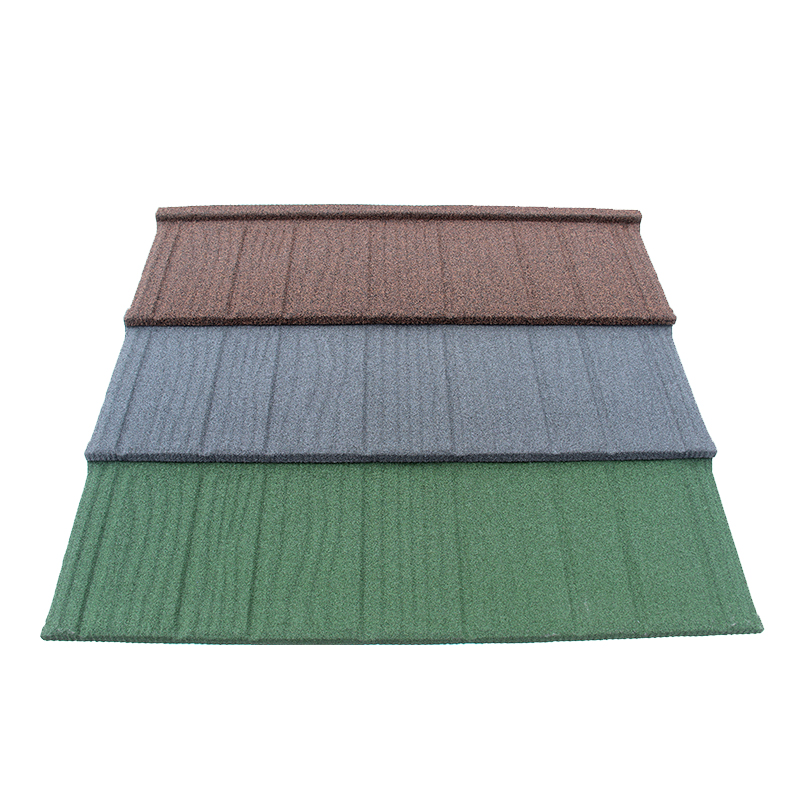
In practice, whether stone coated steel roofing is worth the investment is also influenced by the selected profile. Different profiles can target different market segments and affect perceived value.
For distributors, offering multiple profile options allows better alignment with customer expectations.
Application-Based Insights
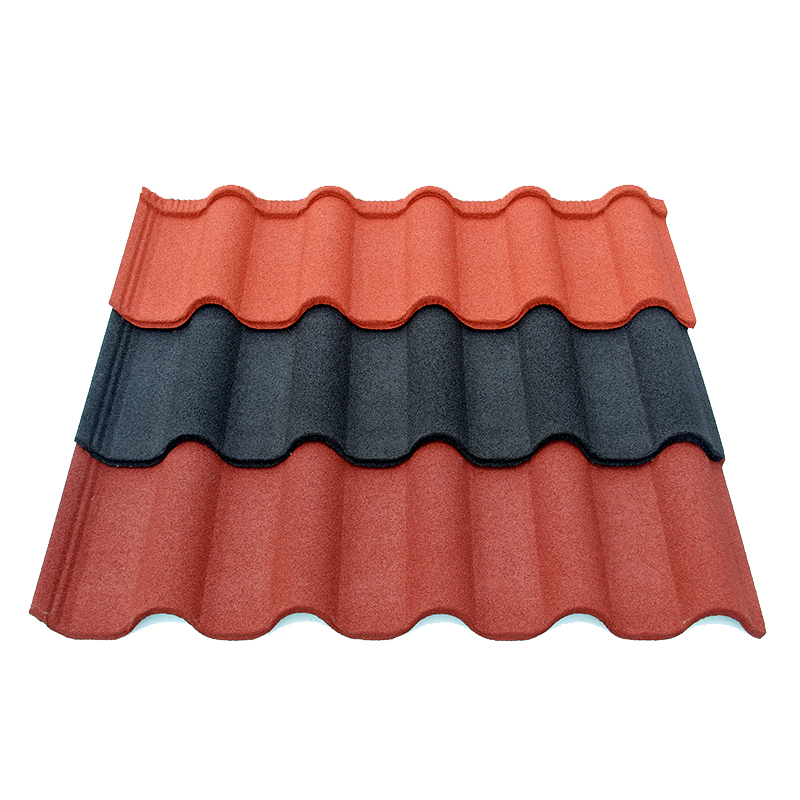
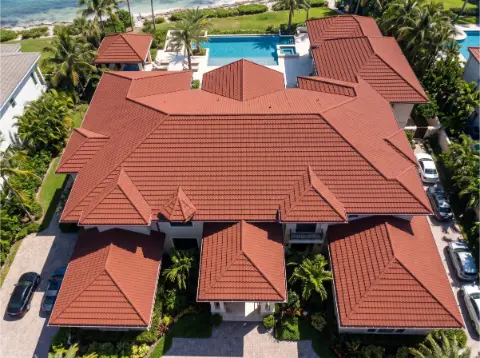
In large-scale residential projects, Bond Tile is often selected for its balance between cost and performance, making it a practical choice for developers.
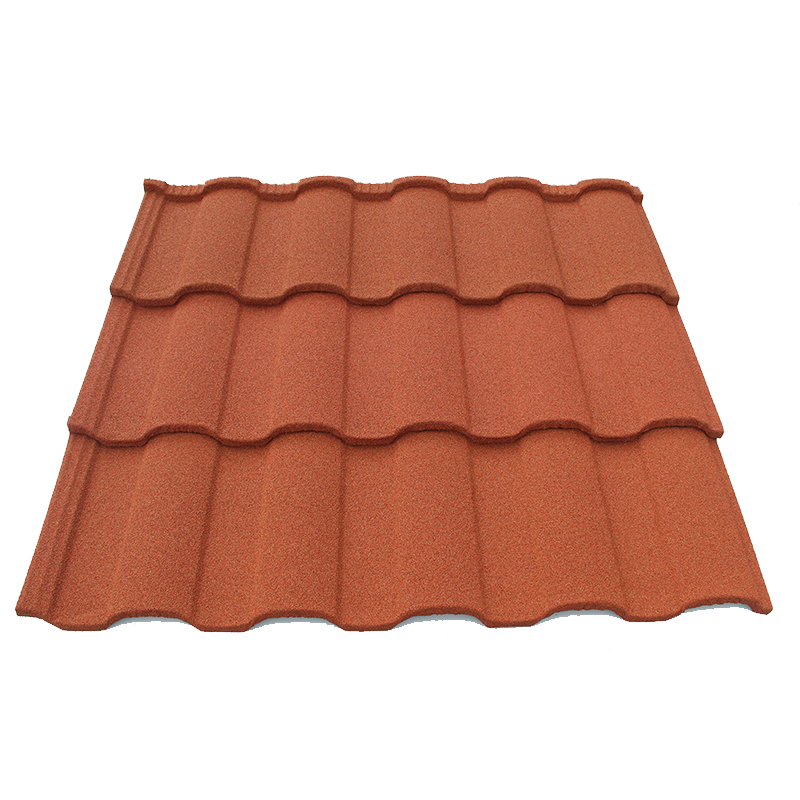
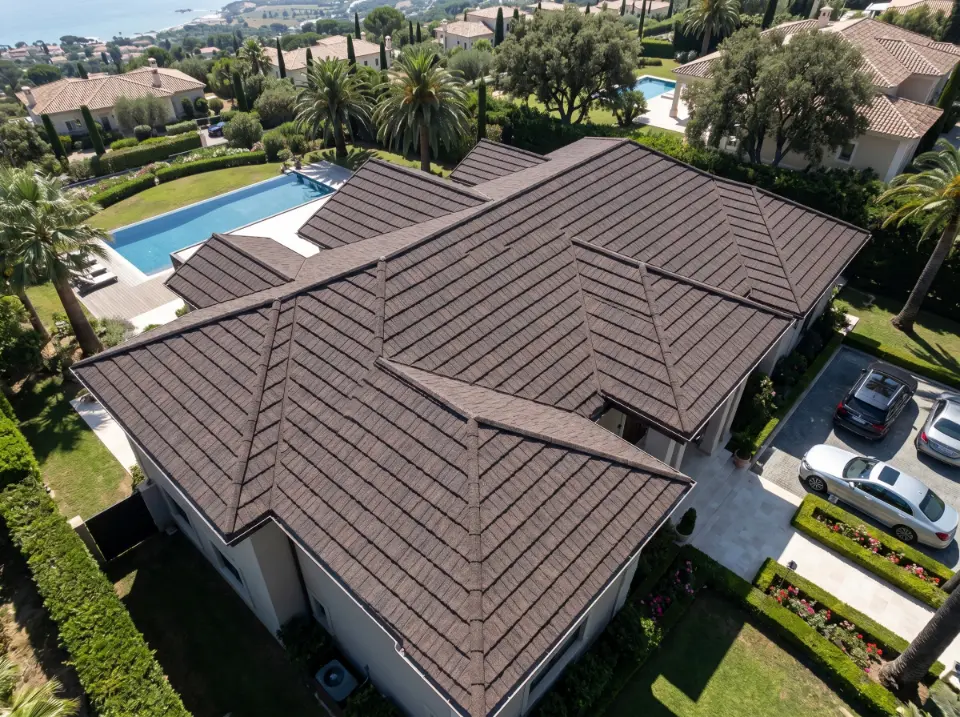
For premium housing, Roman Tile is frequently used due to its strong visual impact and traditional appeal, helping justify higher project pricing.
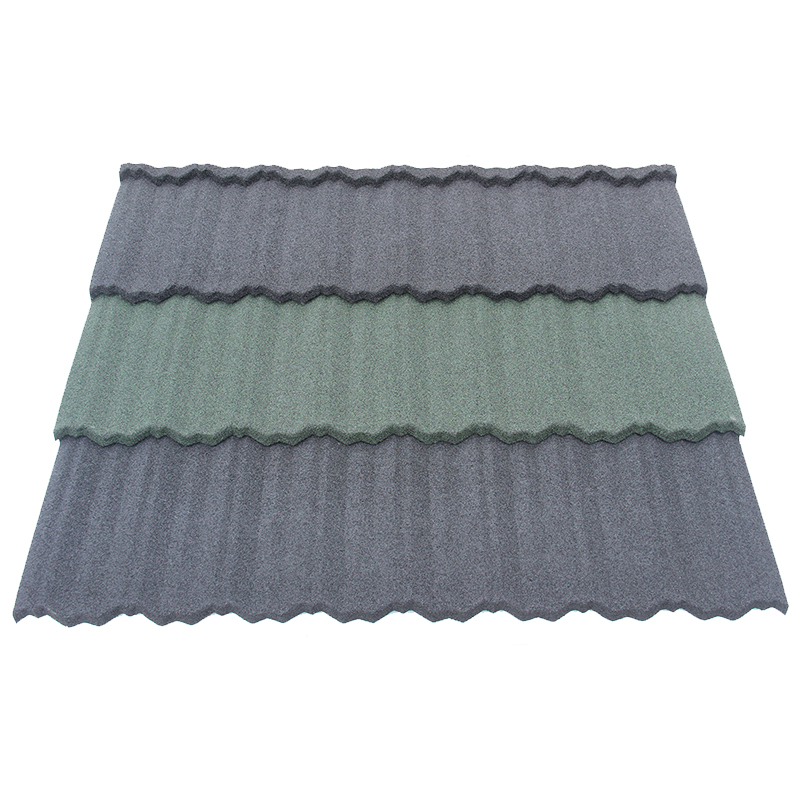
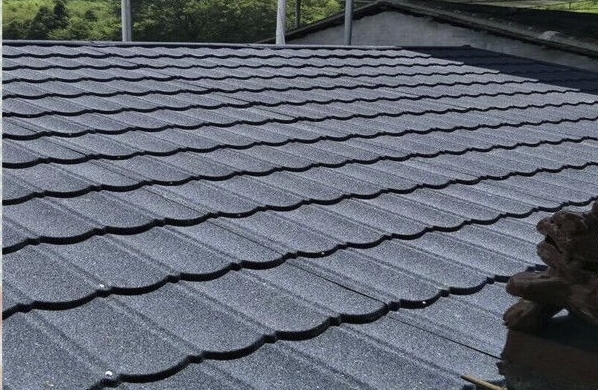
In markets familiar with asphalt roofing, Shingle Tile provides a smooth transition by offering a similar appearance with improved durability.
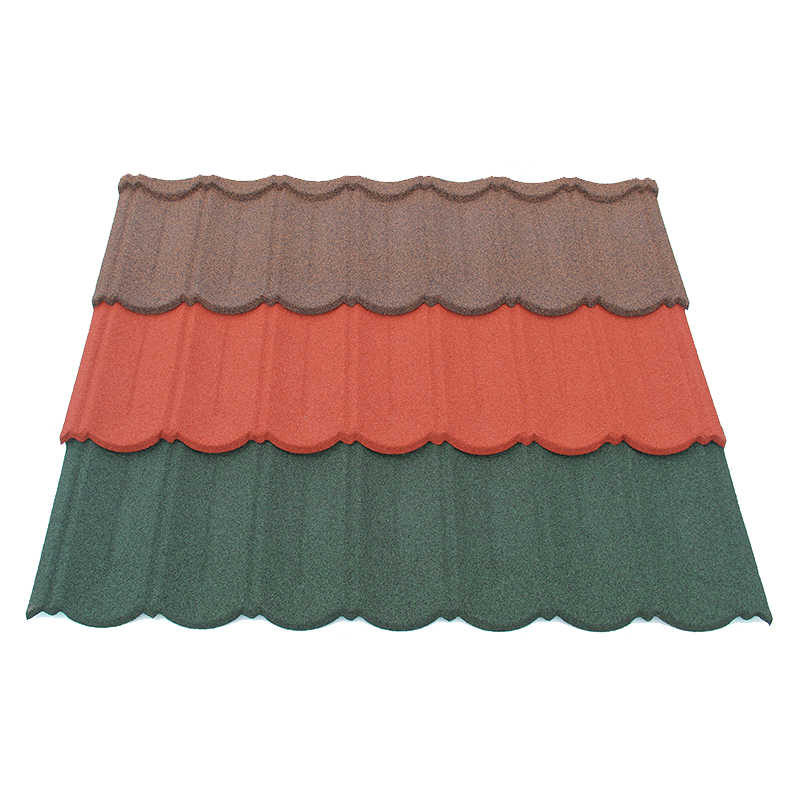
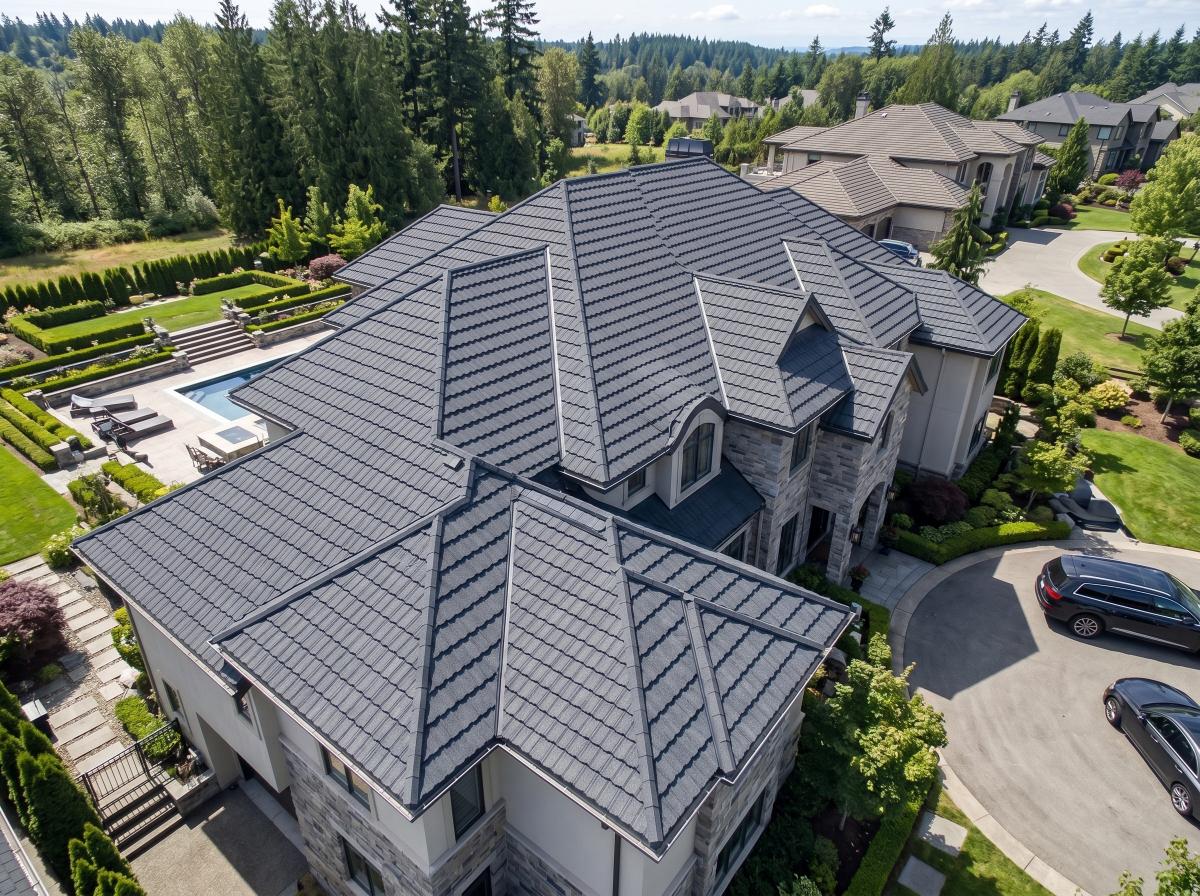
For modern architectural designs, Milano Tile is commonly chosen to achieve a clean, contemporary look while maintaining the benefits of a stone coated system.
Common Concerns from Buyers
When asking if stone coated steel roofing is worth the investment, buyers often have concerns related to cost, installation, and long-term value. Addressing these concerns is essential for making informed decisions.
“The Initial Cost Is Too High”
While upfront cost is higher, lifecycle savings often offset the difference.
“Installation Is More Complex”
It requires trained installers, but this ensures better long-term performance.
“Cheaper Materials Can Do the Same Job”
Lower-cost materials may require more frequent replacement and maintenance.
Practical Advice for Contractors and Distributors
For B2B buyers, determining if stone coated steel roofing is worth the investment should be based on project positioning and long-term goals. The key is not to compete purely on price but to highlight value.
In the industry, manufacturers such as JCROOF are often referenced for providing a balance between quality and cost, allowing distributors to target both mid-range and premium markets effectively.
Recommended Strategy
- Position stone coated roofing as a long-term solution
- Focus on lifecycle cost rather than upfront price
- Match product selection to project type
- Educate clients on durability and maintenance benefits
Conclusion: Is Stone Coated Steel Roofing Worth the Investment?
So, is stone coated steel roofing worth the investment? In most mid- to high-end projects, the answer is yes. The higher upfront cost is justified by longer lifespan, better performance, and lower maintenance requirements.
For contractors and distributors, the key is to align the product with the right market segment. When positioned correctly, stone coated steel roofing offers strong value and a clear competitive advantage.