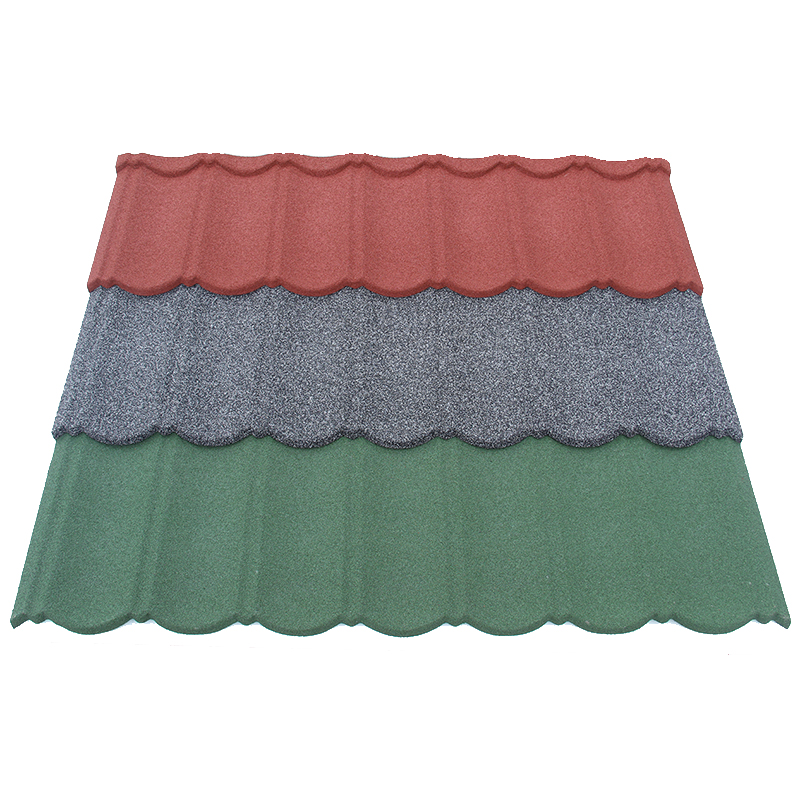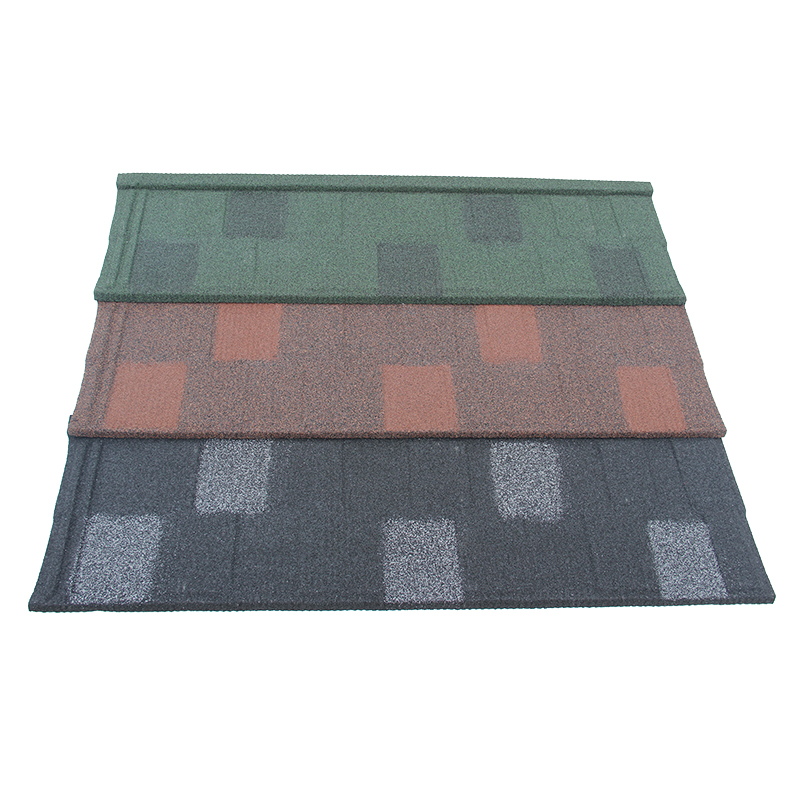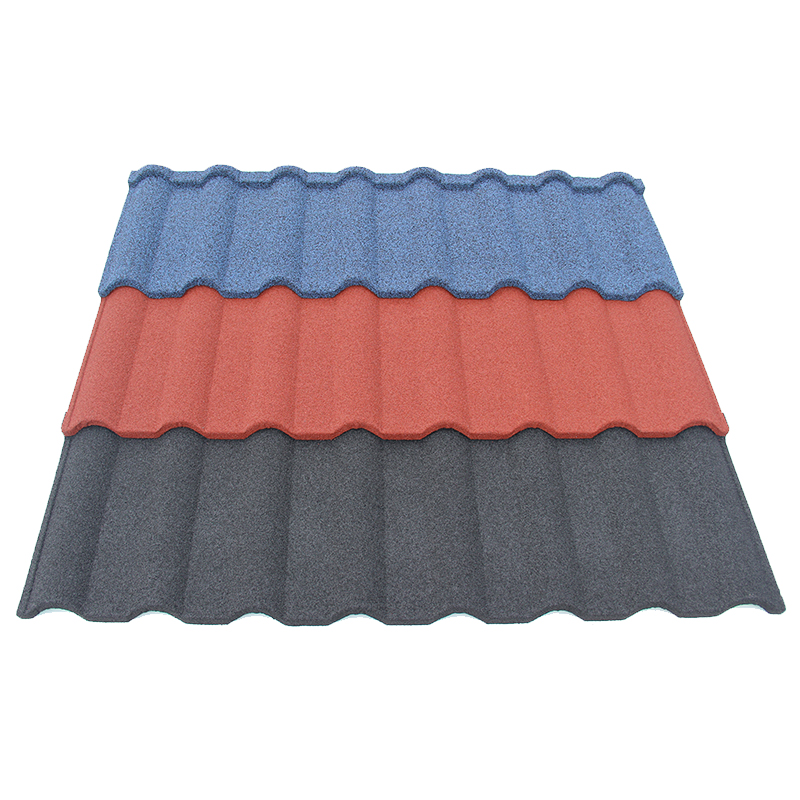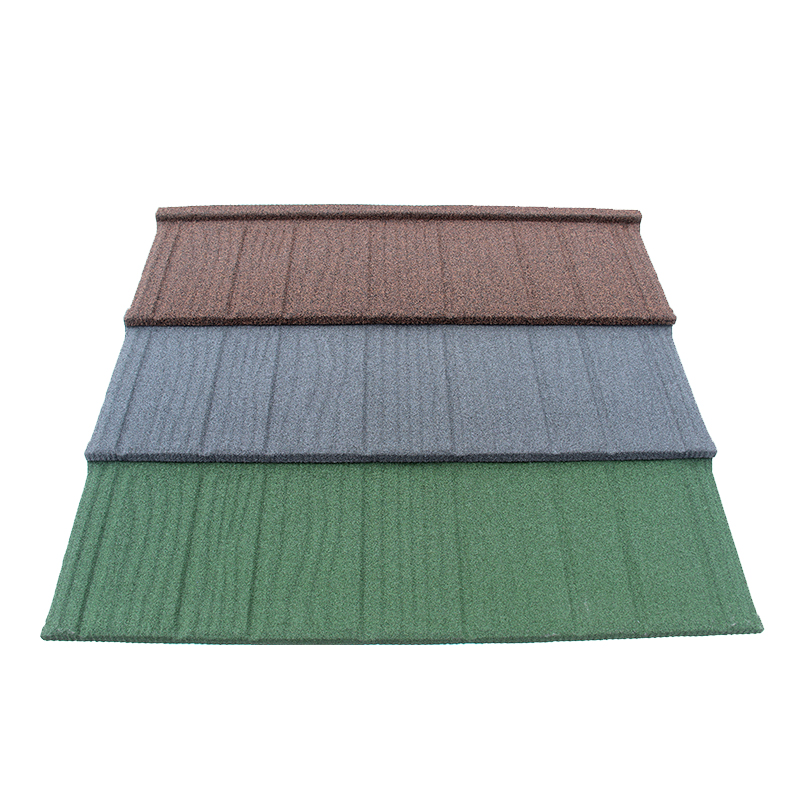

Procurement for premium roofing projects requires a forensic understanding of material layering. A stone-coated metal tile is not a single entity; it is a complex, multi-stage composite engineered for atmospheric endurance. Understanding the structure of stone coated metal roofing tiles is essential for project managers who must balance initial capital expenditure with a fifty-year structural lifecycle. Failure to audit the chemical cross-linking of the polymer layers or the Aluzinc density of the core leads to systemic roof degradation. This guide decodes the critical layers that dictate the performance of modern building envelopes.
The Metallurgical Core: Why Aluzinc Density Dictates Longevity
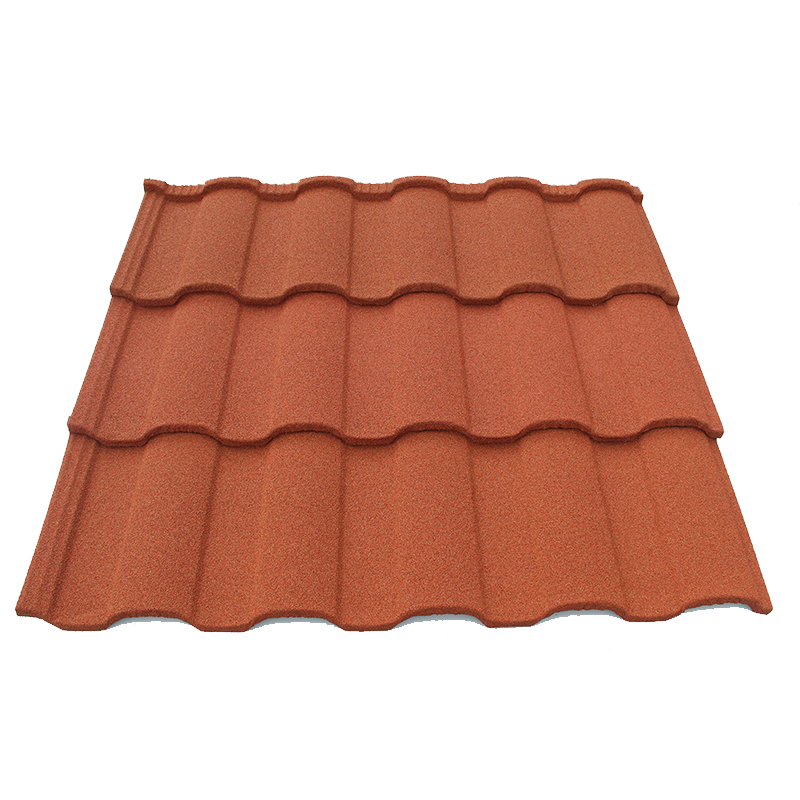
The skeletal foundation of every tile begins with high-tensile structural steel, typically Grade G300. However, the most critical element in the structure of stone coated metal roofing tiles is the anti-corrosive metallic envelope. While standard galvanized steel relies on pure zinc, high-performance systems utilize an Aluzinc alloy (55% Aluminum, 43.4% Zinc). This blend provides a dual-action defense: aluminum for barrier protection and zinc for sacrificial edge-cut protection. Manufacturers like jcroof prioritize AZ150 Aluzinc coatings to ensure that a Bond Tile can survive coastal salt spray without suffering from edge-creep oxidation.
Stamping Ductility and Micro-Fracture Prevention
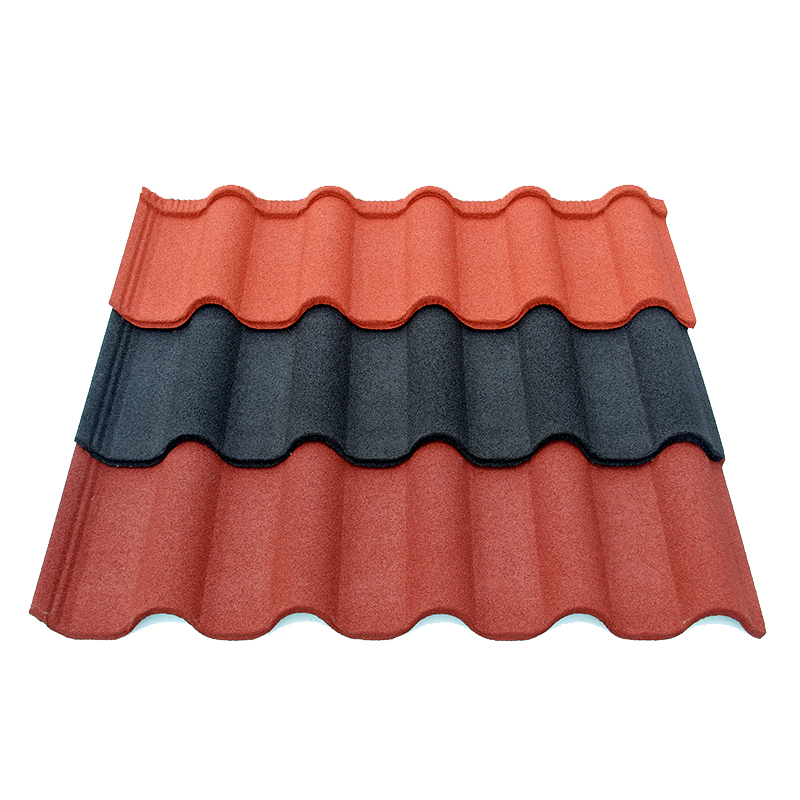
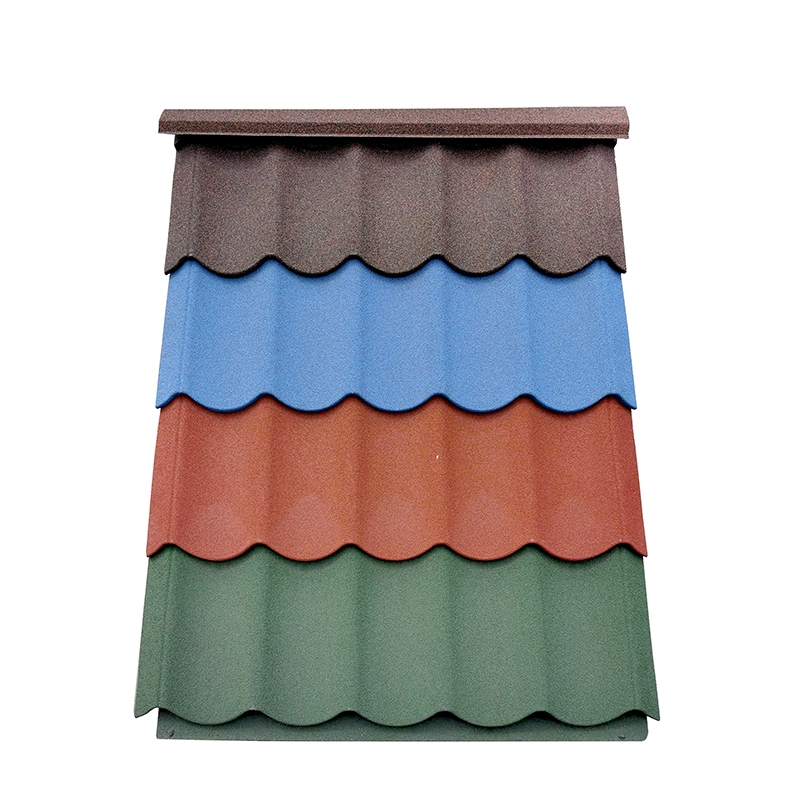
The manufacturing process involves hydraulic stamping to create deep architectural profiles. If the steel core lacks proper ductility, invisible micro-fractures can develop in the Aluzinc layer during the forming stage. These microscopic fissures expose the raw iron core to moisture, triggering internal rust. Premium structure of stone coated metal roofing tiles mandates a precision annealing process for the steel. This ensures that even high-profile designs like the Classic Tile maintain their structural rigidity and coating integrity after the high-pressure stamping cycle.
The Role of the Fingerprint-Resistant Clear Coat
Often overlooked, the thin organic layer applied over the Aluzinc—known as the AFP (Anti-Fingerprint) coating—is vital for installation hygiene and initial bonding. This layer prevents hand oils and site debris from contaminating the metallic surface during the assembly of the Classic Tile. More importantly, it acts as a chemical bridge, enhancing the adhesion of the subsequent acrylic base coat. Without this layer, the entire structure of stone coated metal roofing tiles is vulnerable to interface de-bonding during extreme thermal cycles.
The Adhesive Matrix: Acrylic Base Coat and Sintered Stone
The transition from a metal sheet to a stone-coated composite happens at the acrylic base coat level. This layer must function as a high-viscosity glue that locks the volcanic granules in place while remaining flexible enough to handle the steel’s thermal expansion. A professional-grade Stone Coated Metal Tile utilizes 100% pure acrylic resin with a high cross-linking density. This ensures the stone matrix stays intact during 100°C diurnal temperature swings, preventing the “balding” effect common in budget-tier products that use water-diluted adhesives.
Sintered Volcanic Rock: The Only Cure for UV Degradation
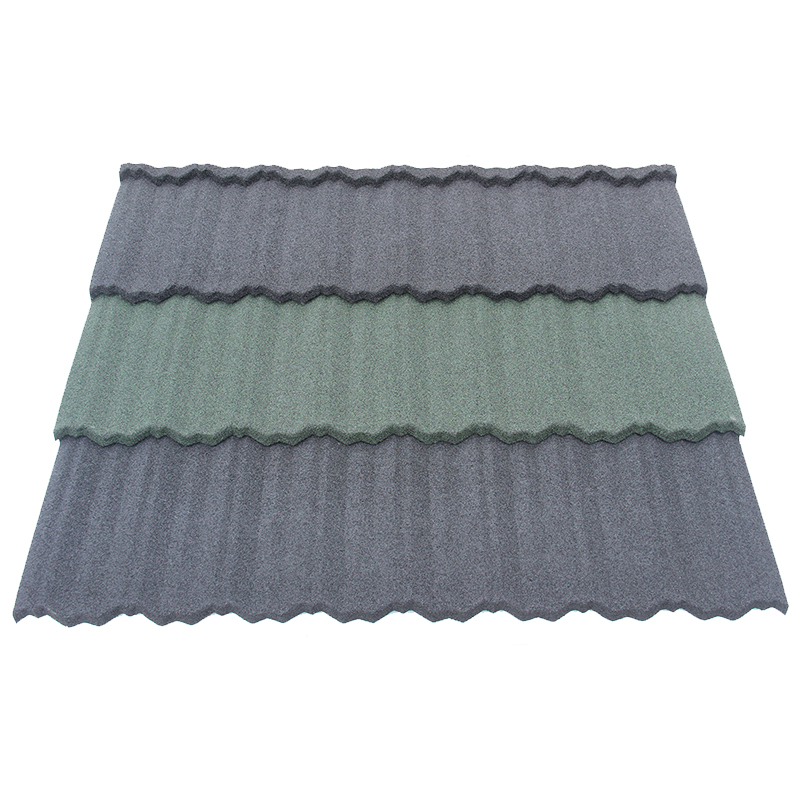
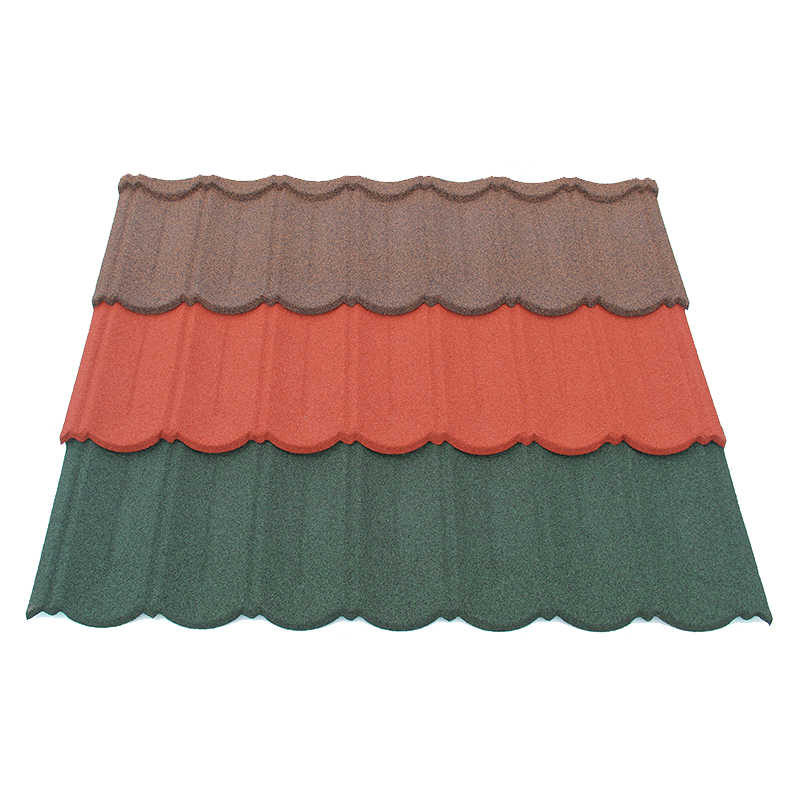
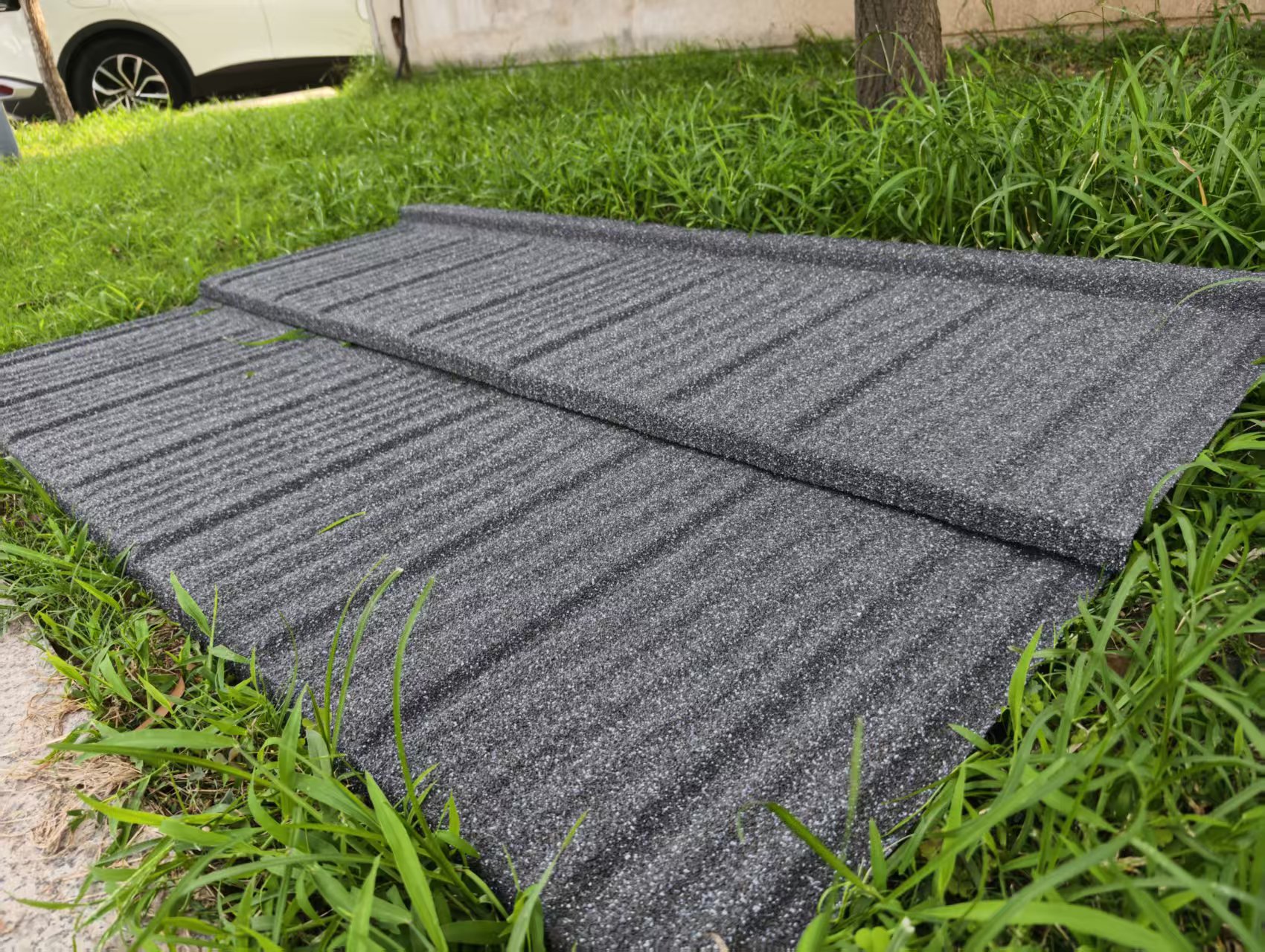
In the structure of stone coated metal roofing tiles, the stone granules provide the primary defense against ultraviolet radiation. Inexpensive brands use surface-dyed sand which bleeds its pigment after only twenty-four months of rain. High-performance tiles utilize basalt rock sintered at temperatures exceeding 800°C. This ceramic-glazing process makes the color an integral part of the stone’s crystalline structure. For a sleek Shingle Tile, this permanent color stability is critical for maintaining the property’s architectural prestige and long-term resale valuation.
The Transparent Overglaze: The Final Shield
The final layer in the structure of stone coated metal roofing tiles is a clear acrylic overglaze. This layer seals the stone granules, providing a glossy finish and additional protection against acid rain and bird droppings. This overglaze also acts as a lubricant during installation, allowing water and debris to wash off the Shingle Tile more easily. A high-quality overglaze ensures that the roof maintains its “curb appeal” and resists algae growth in high-humidity tropical or coastal geographic zones.
Comparative Analysis: Layers vs. Performance Metrics
Strategic procurement requires benchmarking the layering quality against the project’s environmental stress. Use the following matrix to evaluate the structure of stone coated metal roofing tiles during your next tender process. This data-driven approach removes the guesswork from material selection.
| Component Layer | Standard Commercial Spec | Premium Engineering Spec (jcroof) |
|---|---|---|
| Base Steel Shield | AZ40 – AZ90 Aluzinc. | AZ150 Heavy Aluzinc. |
| Adhesive Resin | Water-diluted Acrylic. | 100% Pure High-Solid Acrylic. |
| Stone Pigment | Cold-dyed sand. | 800°C Sintered Volcanic Rock. |
| AFP Coating | Optional / Low Grade. | High-Grade Anti-Fingerprint Shield. |
Professional FAQ: Solving the Structure Dilemma
Effective communication with clients requires a deep understanding of why the structure of stone coated metal roofing tiles varies so significantly between manufacturers. By explaining the “Aluzinc Barrier” and “Sintering Technology,” you shift the procurement focus from unit price to structural longevity. This ensures the building owner understands the value of a high-performance building envelope that will outlast the building’s first mortgage.
Can the Layers Withstand High-Wind Uplift?
The interlocking nature of the structure of stone coated metal roofing tiles provides exceptional wind resistance. Unlike asphalt shingles that rely on chemical strips, tiles like the Bond Tile use a mechanical interlock. When combined with a horizontal “nose-fastening” protocol into the side of the batten, the system utilizes the metal’s shear strength. This allows the roof to survive 200km/h winds, making it a non-negotiable safety specification for storm-prone regions where wind-driven rain is a constant threat.
Do These Layers Require Special Maintenance?
Because the structure of stone coated metal roofing tiles is largely inorganic, maintenance requirements are minimal. The sintered stone surface is naturally resistant to fire and UV decay. However, maintenance crews must be trained to walk only on the reinforced sections of the Bond Tile supported by the battens. Using soft-soled shoes prevents physical trauma to the overglaze and prevents denting the steel core. A simple low-pressure wash every few years is enough to preserve the roof’s aesthetic for several decades.
Final Procurement Action Plan
Success in roofing procurement depends on a shift from “price-buying” to “spec-buying.” Focus your technical audit on Aluzinc GSM, G300 steel ductility, and 800°C sintering benchmarks. These three pillars support a system that will outlast the competition. Partner with manufacturers who provide transparent mill certificates for profiles like Classic, Shingle, or Bond Tile. High-quality structure of stone coated metal roofing tiles is the ultimate hedge against material inflation. Contact our technical team today for a project-specific structural analysis.