
Securing the Top Roofing Materials for Heavy Rain Areas represents a vital strategic imperative for modern commercial builders, architects, and global procurement professionals. When developing properties in geographic regions subjected to torrential downpours, seasonal monsoons, or continuous coastal precipitation, standard building supplies simply fail to deliver adequate long term protection. Excessive moisture rapidly compromises structural integrity, leading to catastrophic interior damage, massive financial liabilities, and complete project failure. Therefore, property developers must prioritize advanced weatherproofing capabilities during the initial architectural specification phase. This comprehensive engineering and sourcing guide provides B2B buyers with actionable intelligence regarding highly moisture resistant structural covers. By thoroughly understanding the underlying material science and drainage mechanics, procurement teams can confidently select engineered solutions that guarantee flawless performance and maximize their overall investment returns.
Understanding Waterproofing Dynamics in High Precipitation Regions
The continuous physical forces exerted by heavy rainfall create immense stress on commercial and residential building envelopes globally. When millions of gallons of water impact a specific surface over an extended period, even microscopic vulnerabilities transform into severe structural liabilities very quickly. Therefore, structural engineers and material sourcing specialists must comprehensively understand how different building products handle extreme fluid dynamics before making massive bulk purchasing decisions. Effective moisture management relies entirely on rapid water shedding capabilities combined with impenetrable multi layered barrier systems. Consequently, mastering these foundational environmental challenges allows professional buyers to specify the absolute best products for highly demanding tropical or coastal construction projects.
The Threat of Moisture Penetration and Pooling Water
Pooling water represents the absolute greatest physical danger to any structural roof system operating in wet climates. When rainwater fails to drain immediately from the surface, it creates massive hydrostatic pressure against the underlying waterproofing layers. Porous traditional materials gradually absorb this standing liquid, which severely degrades their internal structural composition completely over several seasons. Furthermore, trapped moisture creates the absolute perfect breeding ground for destructive mold, mildew, and highly aggressive algae growth. Therefore, procurement teams must strictly avoid materials that retain moisture or lack perfectly smooth engineered shedding surfaces. High performance engineered systems utilize advanced hydrophobic properties that force water droplets to roll off instantly. Ultimately, eliminating standing water completely extends the functional lifespan of the entire commercial building envelope by several decades.
Wind Driven Rain and Structural Uplift Challenges
Heavy precipitation rarely occurs in a completely calm atmospheric environment naturally. Severe seasonal thunderstorms typically combine torrential downpours with incredibly violent wind gusts that push water aggressively upward against the natural roof slope. This wind driven rain easily bypasses standard overlapping budget shingles, forcing liquid directly into the highly vulnerable wooden decking below. Furthermore, massive aerodynamic uplift forces actively attempt to rip the roofing material completely off the structural framing during severe squalls. Therefore, architects must specify deeply interlocking systems designed specifically to resist these complex horizontal weather threats completely. Advanced metal systems utilize concealed mechanical fastening mechanisms that lock each individual panel firmly into place, creating an impenetrable defensive shield. Ultimately, prioritizing mechanical fastening strength prevents catastrophic interior failures during the most violent seasonal weather events.
Evaluating the Top Roofing Materials for Heavy Rain Areas
Navigating the complex global market of building materials requires strict analytical evaluation from highly professional corporate buyers. Not all structural products deliver the necessary baseline performance when subjected to constant extreme precipitation annually. Therefore, procurement managers must compare technical data sheets, laboratory water absorption rates, and long term durability metrics very carefully indeed. The initial material invoice cost often distracts amateur buyers from the highly expensive reality of continuous seasonal maintenance and premature system replacement. Consequently, we will thoroughly analyze the most prominent product categories available today to highlight their true operational value in extremely wet climates.
Advanced Stone Coated Metal Systems
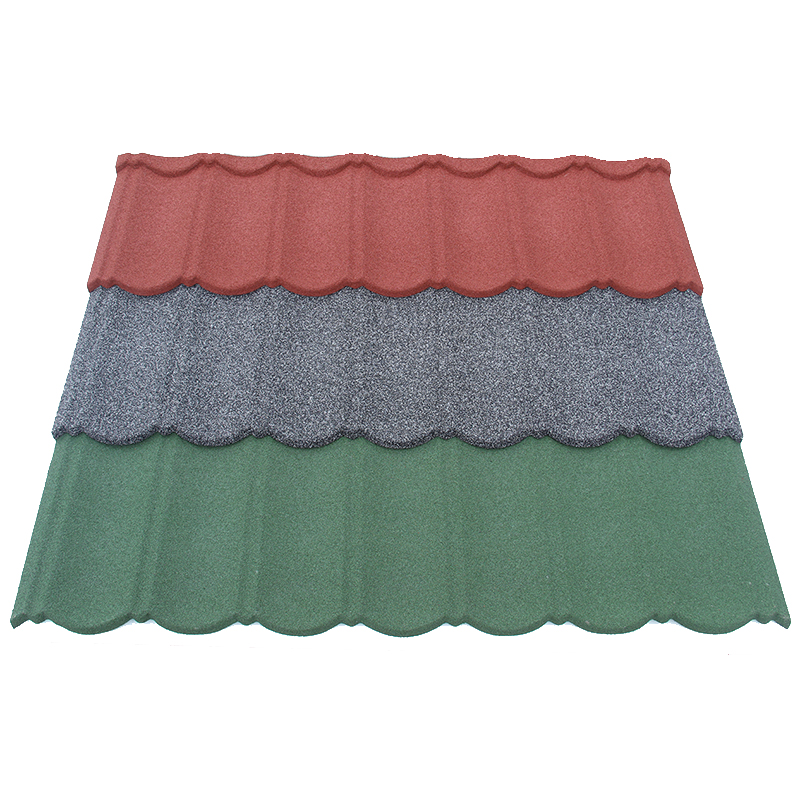
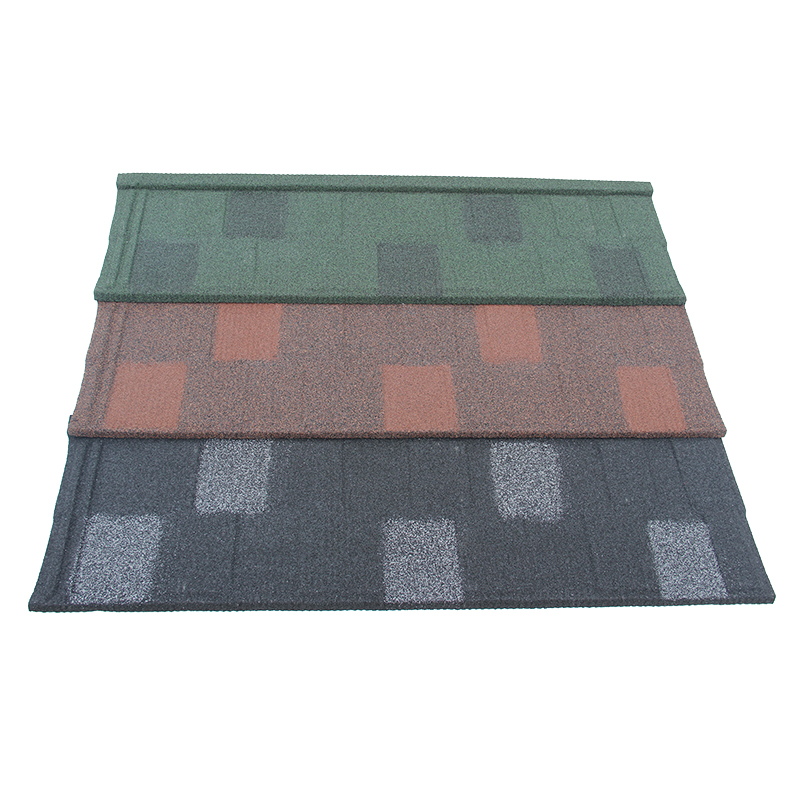
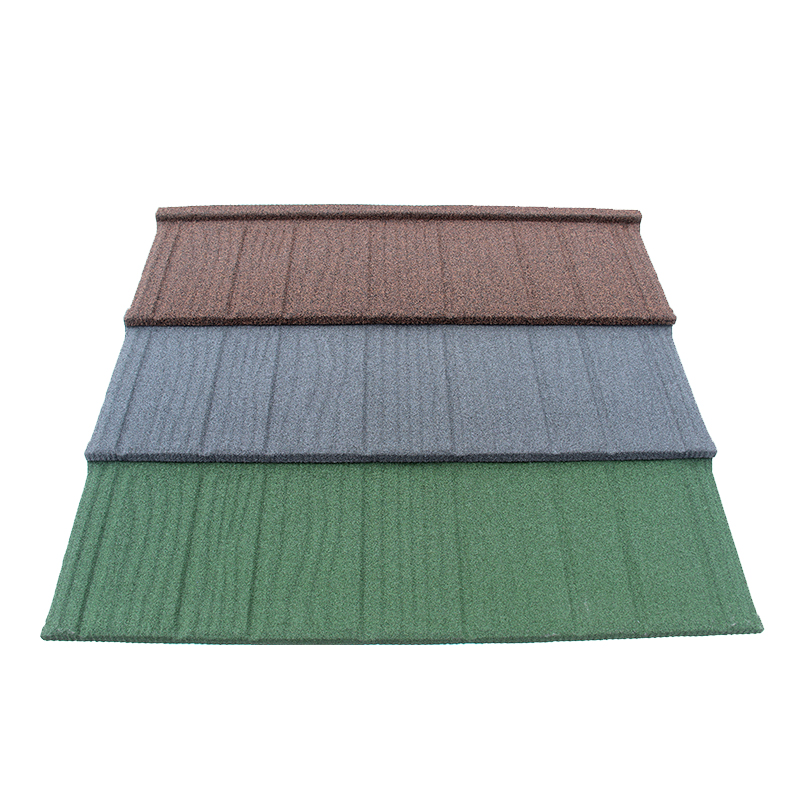
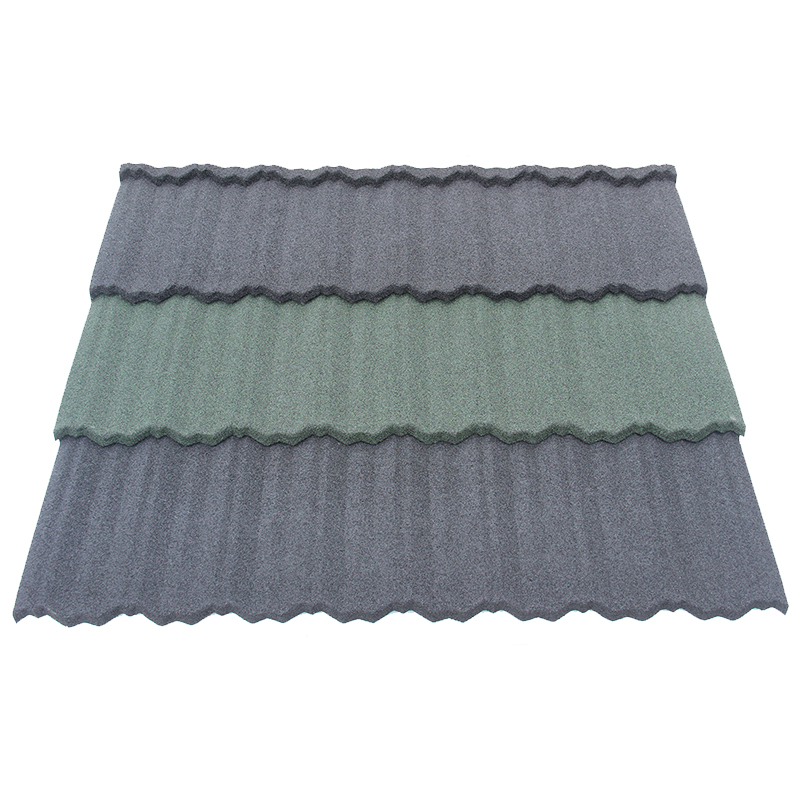
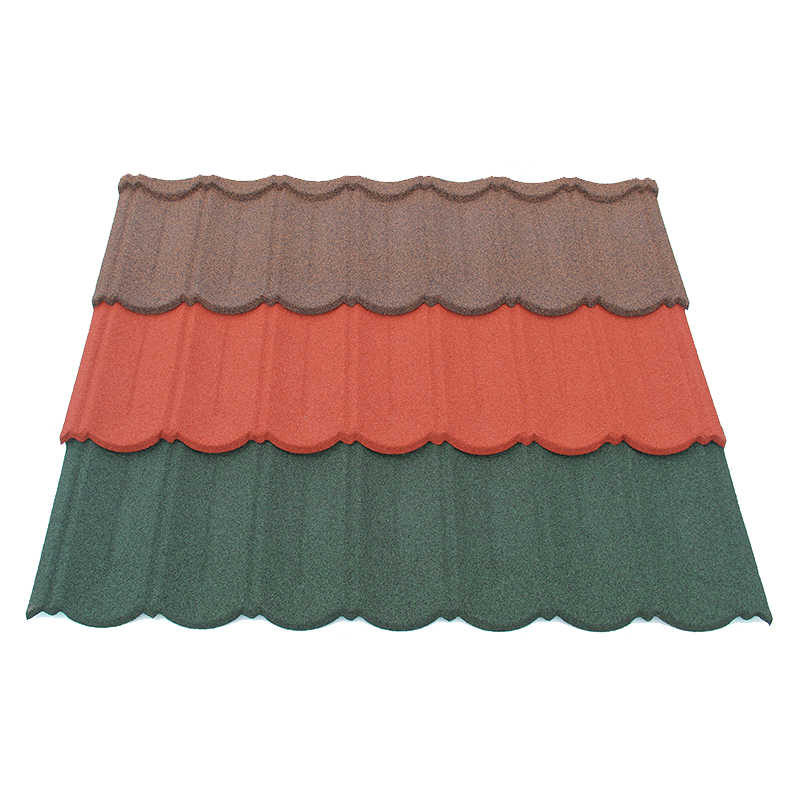
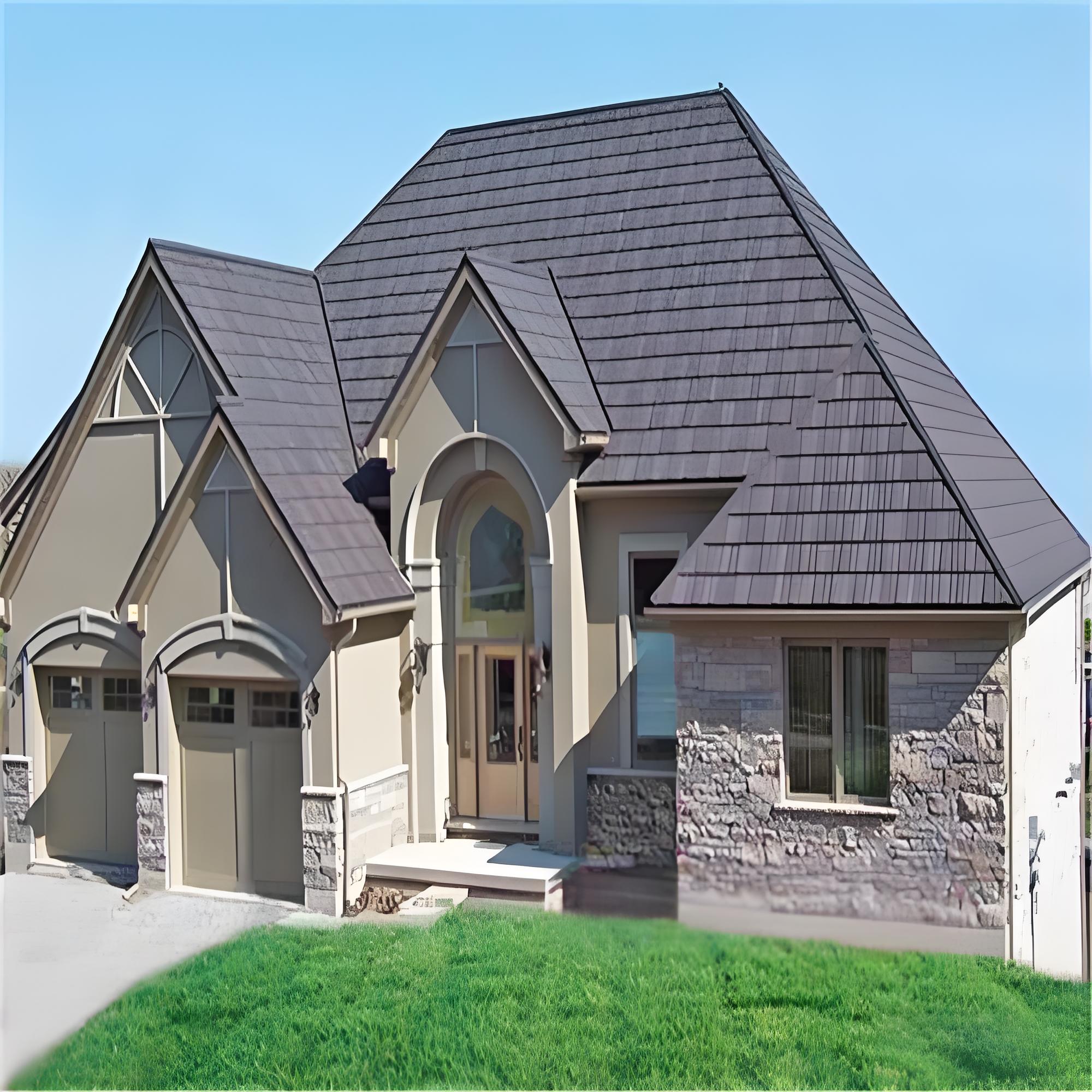
Engineered steel panels undoubtedly provide the highest level of comprehensive protection against severe tropical rainfall today. These premium architectural systems combine the incredible structural strength of hardened steel with highly advanced rust proofing metallic alloy coatings. Consequently, they simply do not absorb any moisture whatsoever, eliminating the dangerous risk of structural rot and heavy water weight accumulation entirely. Leading manufacturers like JCROOF engineered these specific solutions to handle the absolute harshest global weather conditions flawlessly year after year. For massive modern commercial developments, purchasing agents frequently specify the Bond Tile because it offers tremendous overlapping security against horizontal rain penetration. Furthermore, for luxury projects requiring a highly rustic aesthetic in damp forest regions, the Shake Tile flawlessly mimics natural wood without ever suffering from the devastating fungal decay that destroys organic timber quickly.
Traditional Clay and Concrete Profiles
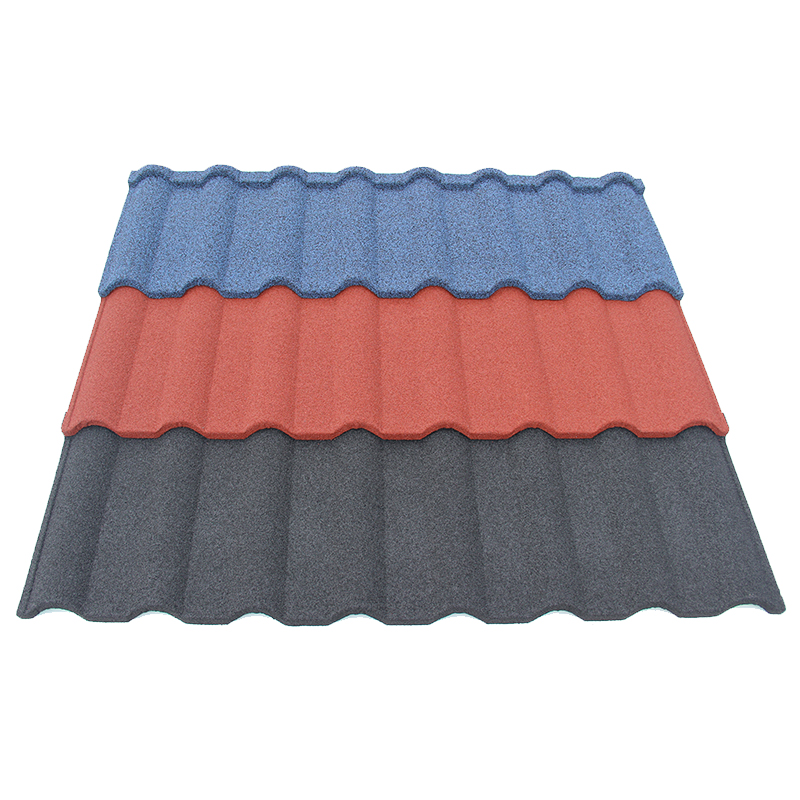
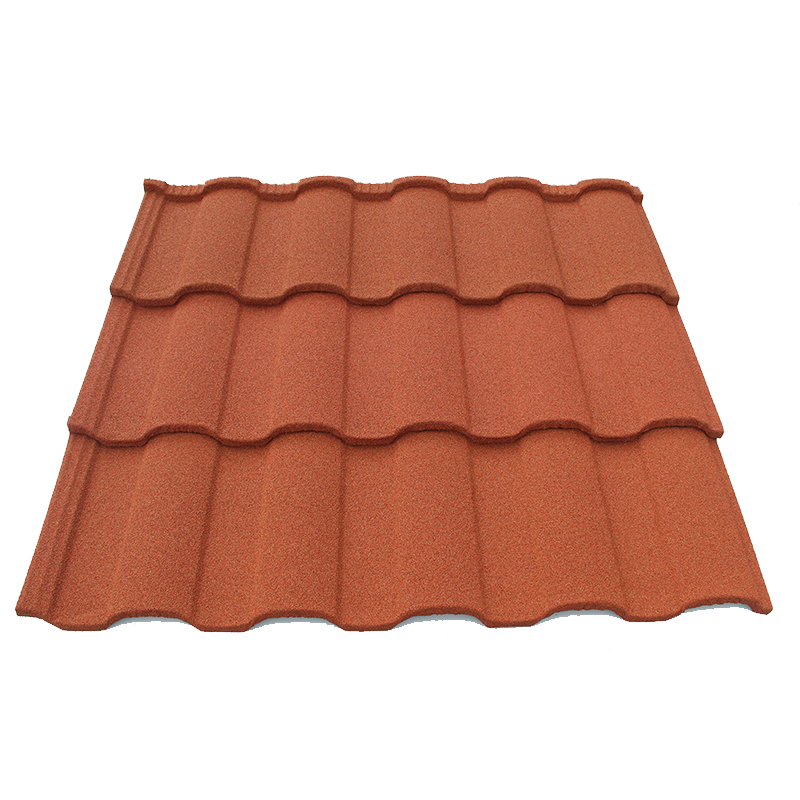
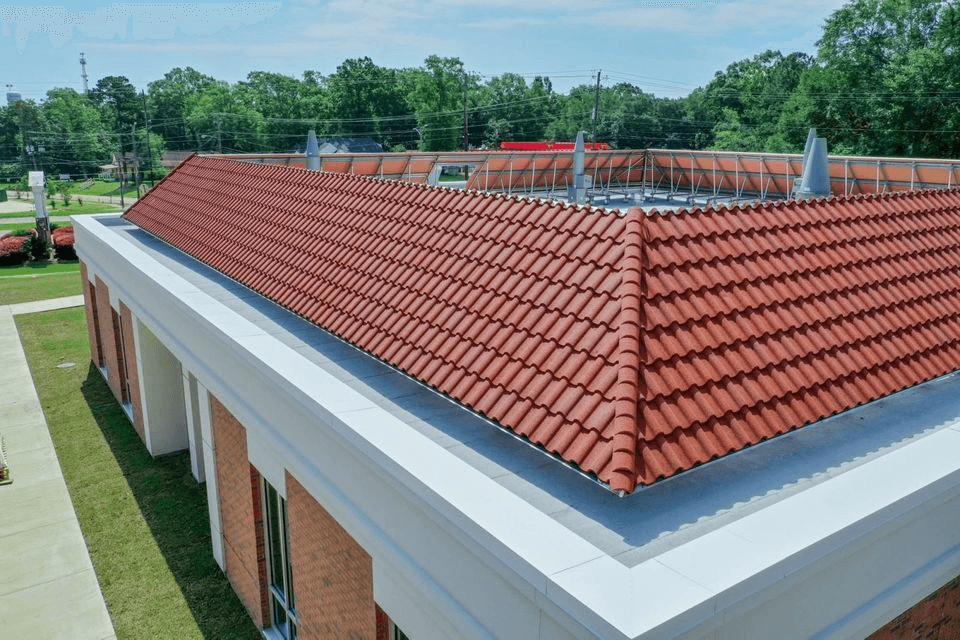
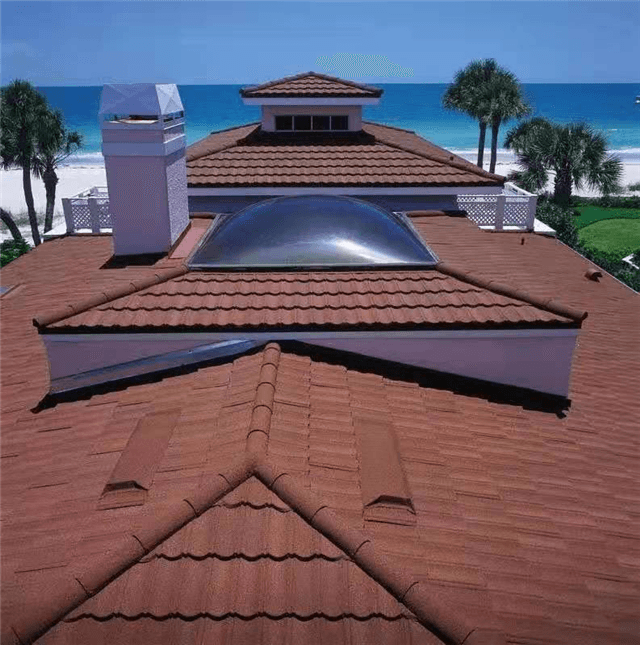
Heavy masonry products maintain significant popularity in certain regional markets primarily due to their historical architectural appeal. However, utilizing these specific dense materials in extremely wet environments presents massive structural engineering challenges. Traditional unglazed clay and standard concrete naturally possess high surface porosity, meaning they absorb very significant amounts of liquid water during extended tropical rainstorms. This constantly absorbed moisture adds immense dead weight to the structural framing, requiring highly expensive structural lumber reinforcements just to support the roof safely. Moreover, the constant cycle of soaking and drying causes these heavy tiles to crack and crumble prematurely over time. Fortunately, modern property developers can achieve the exact same classic Mediterranean aesthetic by utilizing the lightweight Roman Tile instead. This engineered metal alternative sheds water instantly while completely bypassing the highly destructive moisture absorption problems of traditional masonry units.
Standard Asphalt and Synthetic Composites
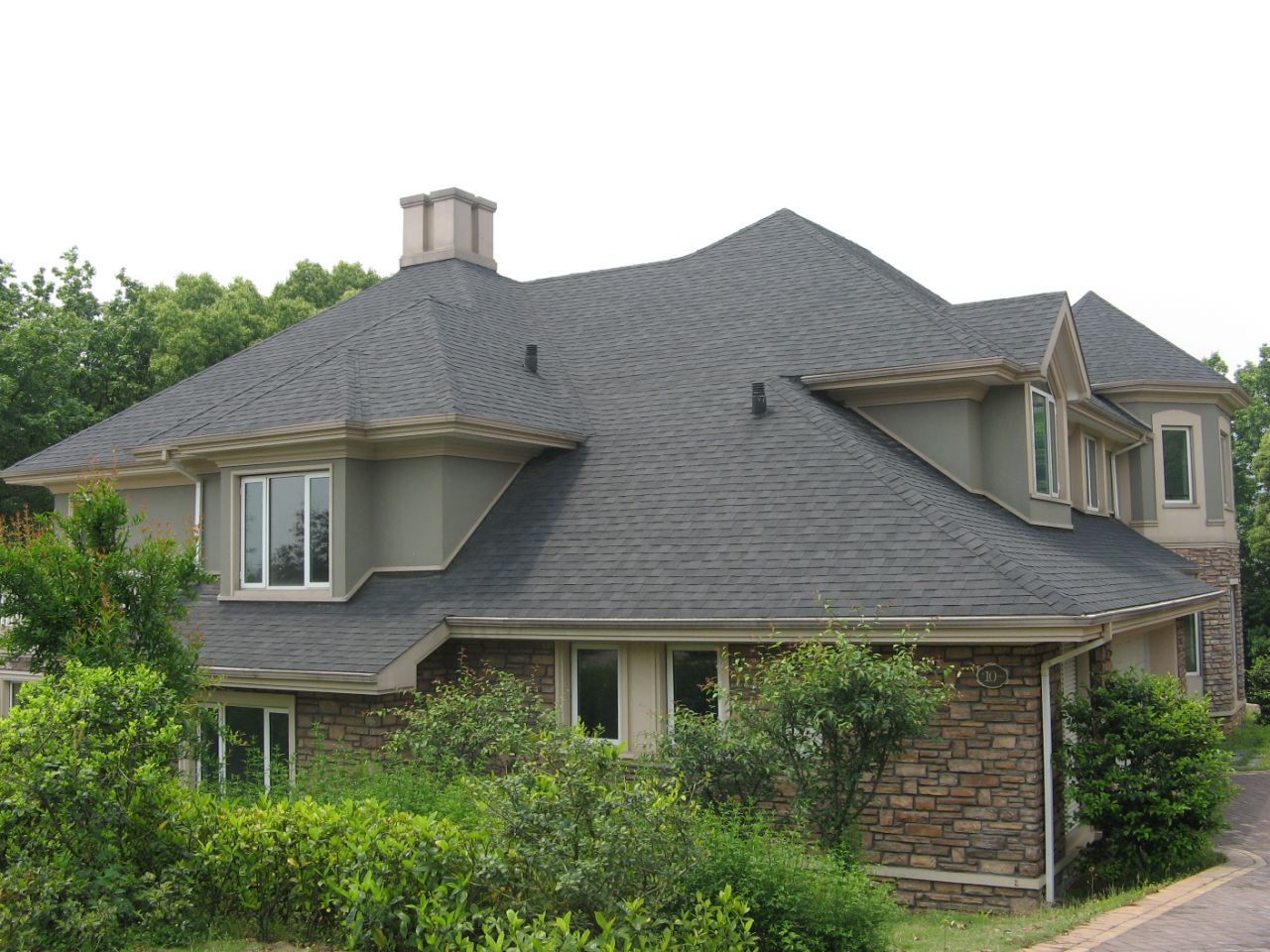
The vast majority of low budget residential construction heavily relies on standard asphalt products globally due to cheap initial pricing. Unfortunately, cheap asphalt materials fundamentally degrade when continuously exposed to high humidity and relentless heavy rainfall. The protective ceramic surface granules wash away rapidly into the gutters, exposing the fragile petroleum base layer to rapid thermal degradation and blistering. Consequently, these inferior budget roofs require complete structural replacement very frequently in wet coastal zones. To provide a permanent lasting solution for budget conscious yet quality driven developers, the Shingle Tile offers an incredibly durable procurement upgrade. It perfectly matches the traditional geometric appearance of standard asphalt while delivering the highly impenetrable weather resistance of structural steel. Ultimately, upgrading to engineered metal prevents the massive ongoing seasonal repair costs associated with failing budget materials completely.
| Material Category | Water Absorption Rate | Wind Driven Rain Resistance | Best Regional Application |
|---|---|---|---|
| Stone Coated Metal | Absolute Zero (0%) | Exceptional (Interlocking Design) | Severe Rain and Tropical Zones |
| Traditional Clay | High (5% to 10% Weight Gain) | Moderate (Requires Heavy Underlayment) | Dry and Arid Climates Only |
| Standard Asphalt | Moderate (Granule Loss Risk) | Poor (Highly Uplift Prone) | Low Budget Temporary Projects |
Mitigating Environmental Degradation in High Moisture Zones
Regions experiencing constant precipitation also suffer from highly elevated atmospheric humidity levels constantly. This unique combination creates a severely aggressive biological and chemical environment that rapidly destroys standard building supplies. Procurement teams must look beyond simple waterproofing and evaluate how surface materials resist secondary environmental threats like aggressive rust and invasive plant life. Specifying materials lacking proper chemical defense mechanisms guarantees premature aesthetic failure and massive structural liabilities. Consequently, understanding these hidden environmental threats allows buyers to source products that maintain their pristine visual appearance and structural integrity indefinitely.
Combating Algae and Fungal Colonization
Constant moisture provides the exact biological conditions required for algae, moss, and aggressive lichen to colonize roof surfaces rapidly. When these destructive organisms attach to porous materials like concrete or standard asphalt, their roots dig deeply into the substrate and cause massive micro fracturing. This biological growth not only looks incredibly ugly, severely reducing commercial property value, but it actually destroys the waterproofing layer completely. Therefore, professional buyers must specify completely nonporous structural covers for high humidity regions. Premium engineered metal tiles feature heavily specialized stone coatings that aggressively resist biological adhesion. This advanced surface technology ensures that heavy rains simply wash dirt and organic spores away naturally, maintaining a perfectly clean roof completely without expensive chemical washing services.
Corrosion Resistance and Material Longevity
The absolute biggest fear when specifying metal construction products in wet environments is catastrophic rust and chemical corrosion. Cheap agricultural steel panels fail miserably in tropical zones because standard galvanization simply cannot withstand continuous moisture exposure. Therefore, commercial procurement managers must demand highly advanced zinc aluminum alloy coatings for all structural exterior steel components. This specific metallurgical combination creates a highly self healing barrier that completely blocks oxygen and water from reaching the raw steel core. By demanding these strict metallurgical specifications, purchasing agents guarantee that their metal structural covers will never rust, even after decades of continuous torrential rain exposure. Ultimately, securing superior corrosion resistance protects the massive financial investment completely.
Critical Engineering Factors for Wet Climate Construction
Selecting exceptional exterior surface materials represents only the very first step in designing a highly resilient building envelope. Structural engineers and project managers must implement a holistic waterproofing strategy that addresses every single potential vulnerability thoroughly. Even the absolute most expensive protective tiles will fail if the underlying drainage architecture is poorly designed or incorrectly installed by untrained labor. Therefore, construction managers must strictly enforce comprehensive local building codes regarding structural slope geometry and secondary moisture barriers. Consequently, analyzing these fundamental engineering principles deeply ensures that the chosen materials perform exactly as intended during catastrophic weather events.
Roof Pitch and Optimal Water Shedding
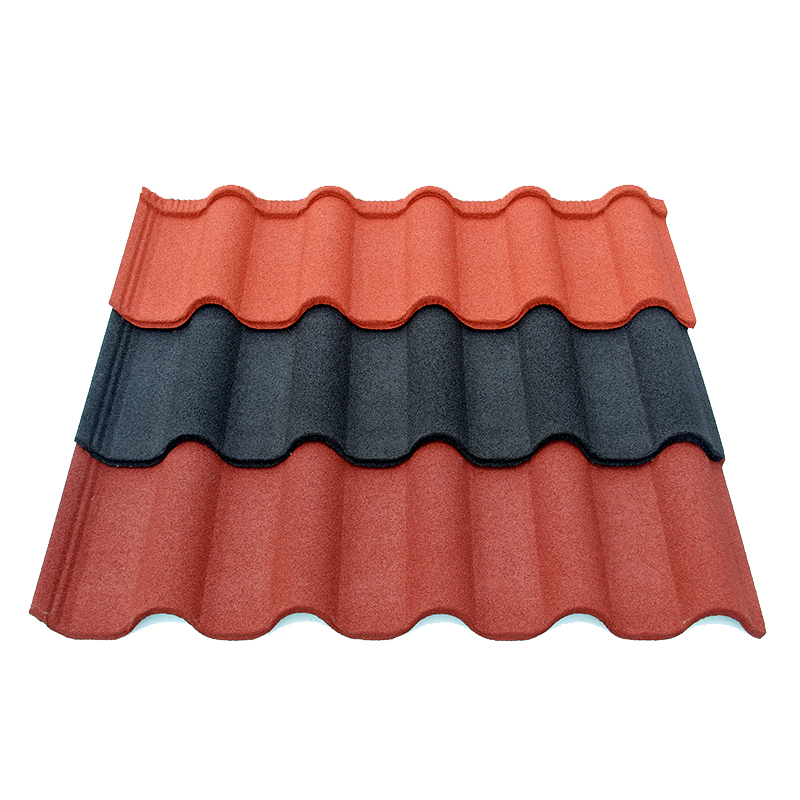
The geometric angle of the structural roof slope dictates the absolute speed at which liquid water safely evacuates the building. Low pitched architectural designs severely struggle in heavy rain environments because water naturally slows down, drastically increasing the massive risk of pooling and reverse capillary action. Therefore, architects designing commercial buildings for tropical or coastal zones must implement steeply pitched rooflines whenever structurally and financially possible. A steeper angle effectively utilizes gravity to force millions of gallons of water off the exterior surface instantaneously. When combined with a highly smooth and aerodynamic profile like the Milano Tile, the shedding velocity increases dramatically. Ultimately, proper geometric slope design prevents standing water from ever having the microscopic opportunity to penetrate the exterior defense layer.
Advanced Underlayment and Secondary Water Barriers
The completely invisible synthetic layers installed directly beneath the primary exterior roofing material provide the ultimate failsafe against moisture intrusion. In geographic areas experiencing torrential seasonal rain, standard felt paper simply disintegrates when exposed to extreme atmospheric humidity. Therefore, procurement teams must source highly advanced synthetic polymer underlayments that remain completely waterproof under severe hydrostatic pressure. Furthermore, specialized self adhering rubberized waterproof membranes must cover vulnerable structural areas like deep valleys, wide eaves, and all structural penetrations. These highly advanced flexible barriers seal tightly around steel installation fasteners, completely preventing microscopic leaks. Ultimately, investing heavily in premium secondary waterproofing materials guarantees absolute interior dryness even if the primary exterior surface sustains accidental physical damage.
Strategic Sourcing and Supplier Selection for Large Projects
Procuring the Top Roofing Materials for Heavy Rain Areas demands highly sophisticated global supply chain management skills. Large scale commercial and residential developments require massive quantities of perfectly consistent structural materials delivered on strict unyielding construction schedules. Therefore, relying on unverified third party brokers or low quality regional factories introduces completely unacceptable levels of financial and logistical risk. Procurement directors must proactively establish direct communications with proven international manufacturing facilities who possess flawless quality control records. Consequently, understanding the absolute key metrics of supplier evaluation allows professional buyers to secure highly profitable and incredibly reliable long term corporate partnerships.
Quality Assurance and Independent Testing
Elite commercial building materials must constantly prove their extreme performance capabilities through highly rigorous independent laboratory testing. Smart corporate buyers never simply trust unverified marketing claims regarding water resistance and wind uplift capacity. Instead, they strictly demand highly detailed certification documents from internationally recognized testing authorities constantly. These intensive laboratory tests simulate the most violent hurricane conditions, blasting the physical materials with extreme water pressure and massive horizontal wind velocities. If a specific product cannot survive these laboratory simulations, it will certainly fail completely during a real tropical storm. Ultimately, strict daily verification of technical testing data protects the entire procurement team from massive legal liability and guarantees a highly successful construction project.
Total Cost of Ownership and Maintenance Returns
Professional B2B buyers always evaluate structural materials based on their comprehensive lifetime financial impact rather than just the initial cheap invoice price. While standard asphalt materials might appear incredibly cheap initially, the constant emergency winter repairs and frequent complete replacements destroy the overall project profitability completely. Conversely, premium engineered structural solutions require an intentionally higher initial capital investment but demand absolutely zero expensive maintenance for many decades. This drastic permanent reduction in seasonal repair expenditures translates directly into massive financial returns for the property management company. By thoroughly calculating the complete total cost of ownership, procurement managers easily justify the strategic financial upgrade to extreme weather solutions. Ultimately, prioritizing absolute quality and supreme durability secures the long term financial health of the entire commercial property portfolio.