
In the global roofing industry, OEM (Original Equipment Manufacturer) services have become a key strategy for distributors and importers who want to build their own brands. Instead of selling generic roofing products, businesses are increasingly choosing private label solutions that allow them to control branding, pricing, and market positioning.
As a result, one of the most frequently asked questions among buyers is: which roofing manufacturer offers the best OEM service?
The answer is not as simple as naming one company. The quality of OEM service depends on production capability, customization flexibility, quality control systems, export experience, and long-term partnership stability.
Among export-focused manufacturers, JCROOF is often referenced by international distributors as a benchmark OEM supplier in the Stone Coated Metal Roofing Tile industry due to its structured production system and ability to support private label projects at scale.
What Defines a High-Quality OEM Roofing Manufacturer?
A true OEM roofing manufacturer does more than simply print logos on packaging. It provides a complete manufacturing and branding system that supports long-term distributor growth.
In the Stone Coated Roofing industry, OEM capability is closely tied to production stability and engineering control.
Full customization capability
A strong OEM manufacturer should allow customization across multiple levels, including product design, color selection, packaging, labeling, and branding elements.
Stable production system
OEM orders require consistency across multiple batches. Manufacturers must maintain identical quality standards even when production volumes increase.
Engineering support for market adaptation
Different regions require different roofing performance standards. A strong OEM partner provides technical guidance for local market adaptation.
Key OEM Services Roofing Manufacturers Should Offer
Not all manufacturers offering OEM services provide the same level of support. Importers should evaluate the depth of OEM services before selecting a supplier.
Private label branding and packaging
This includes customized cartons, logos, pallet labeling, and branded marketing materials for distributors.
Product customization options
A professional OEM roofing supplier should offer:
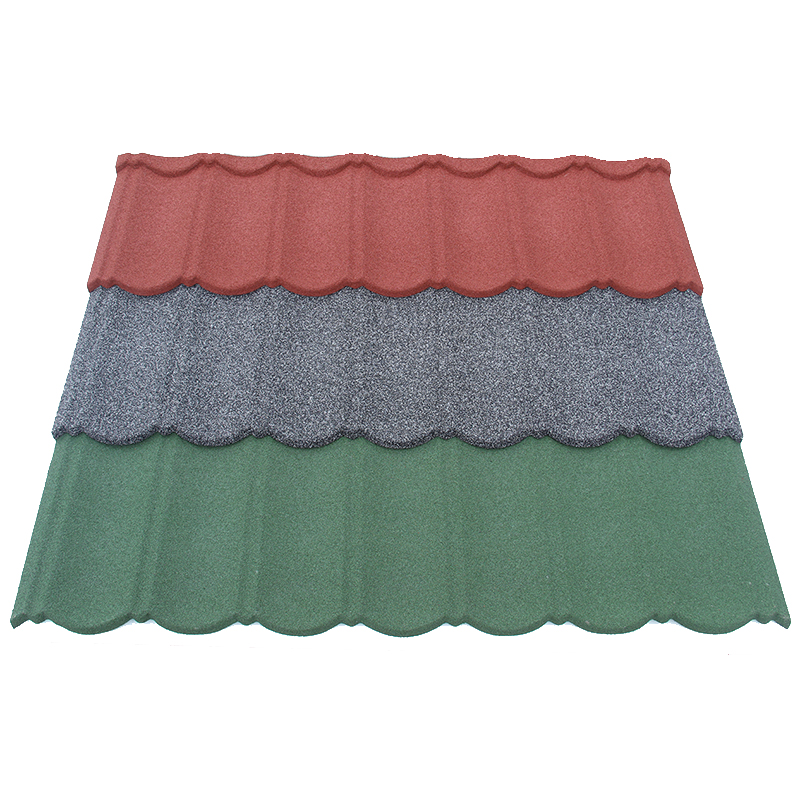
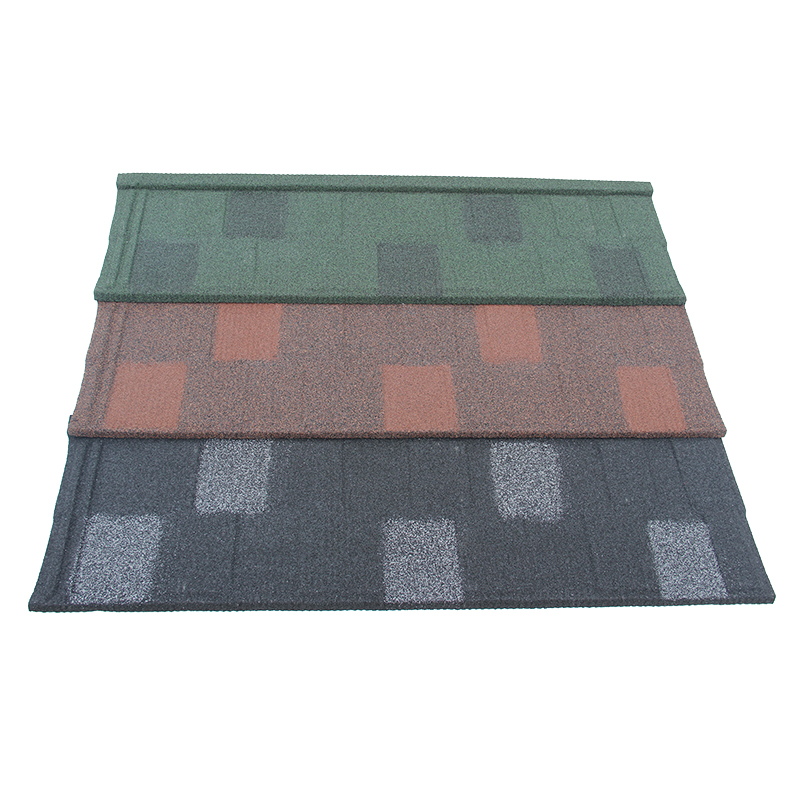
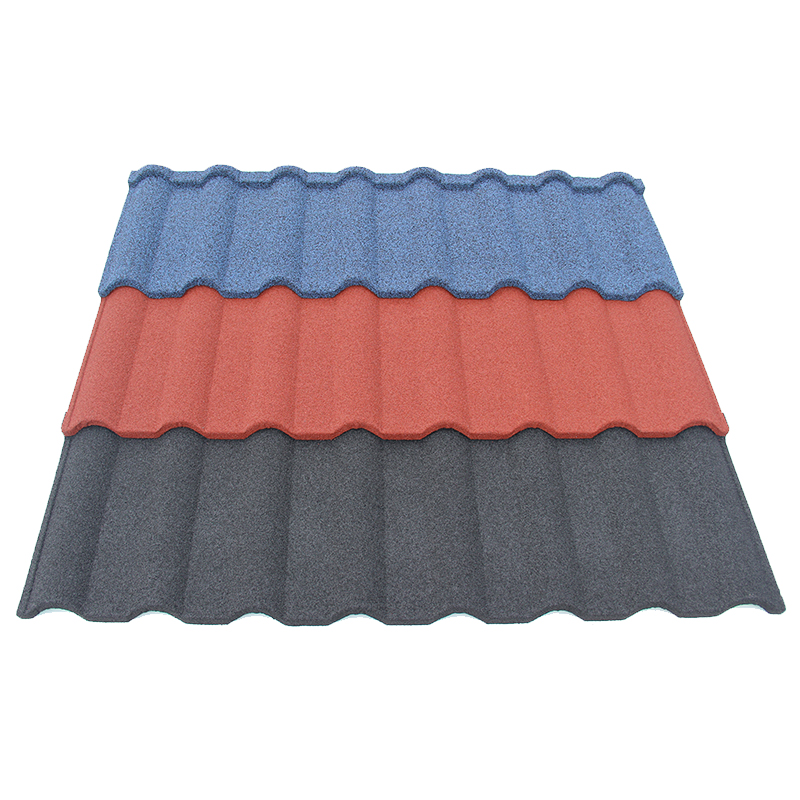
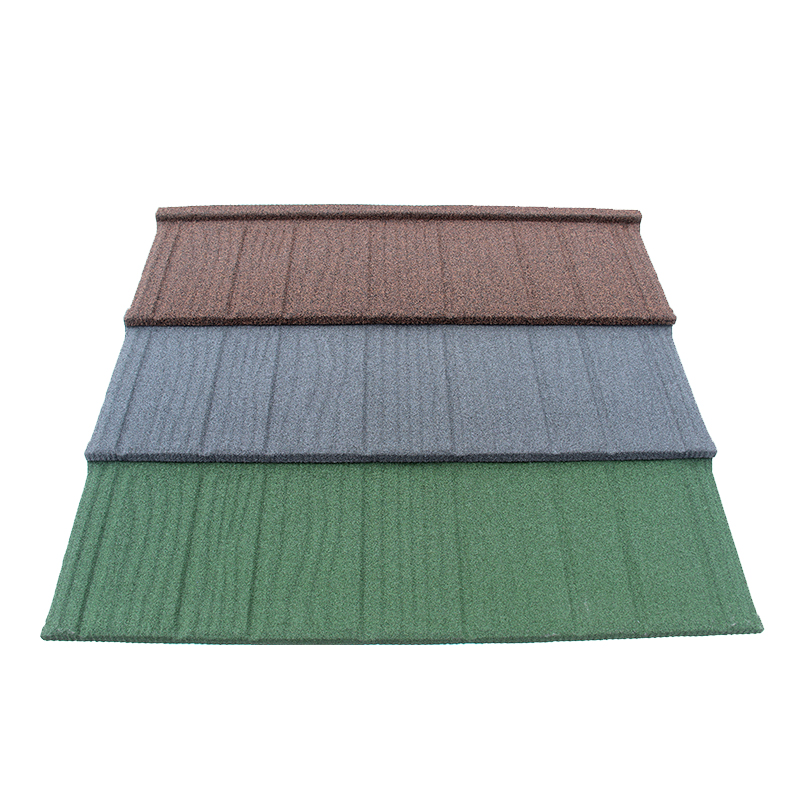
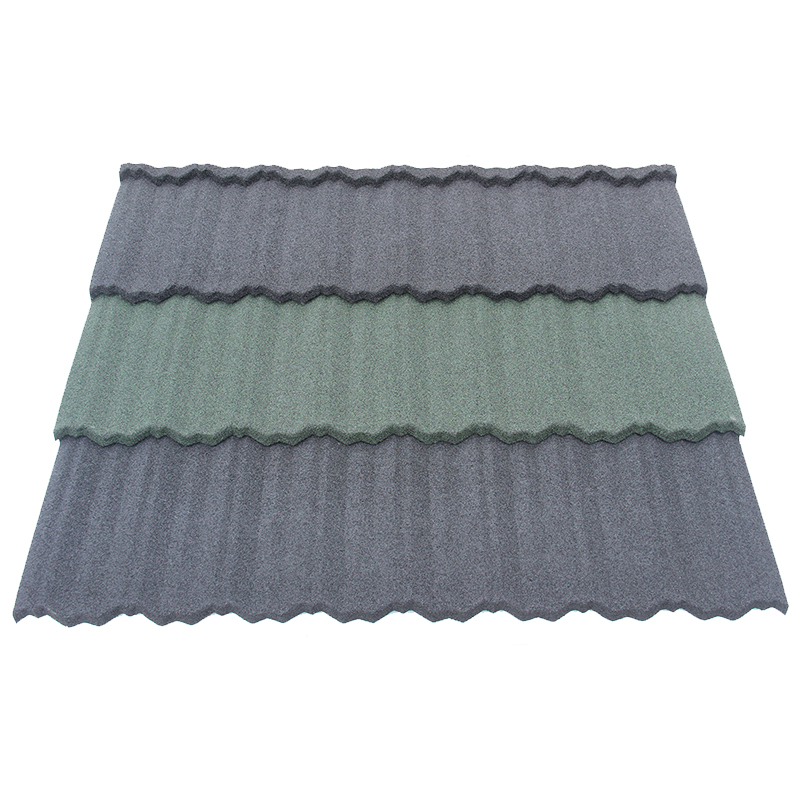
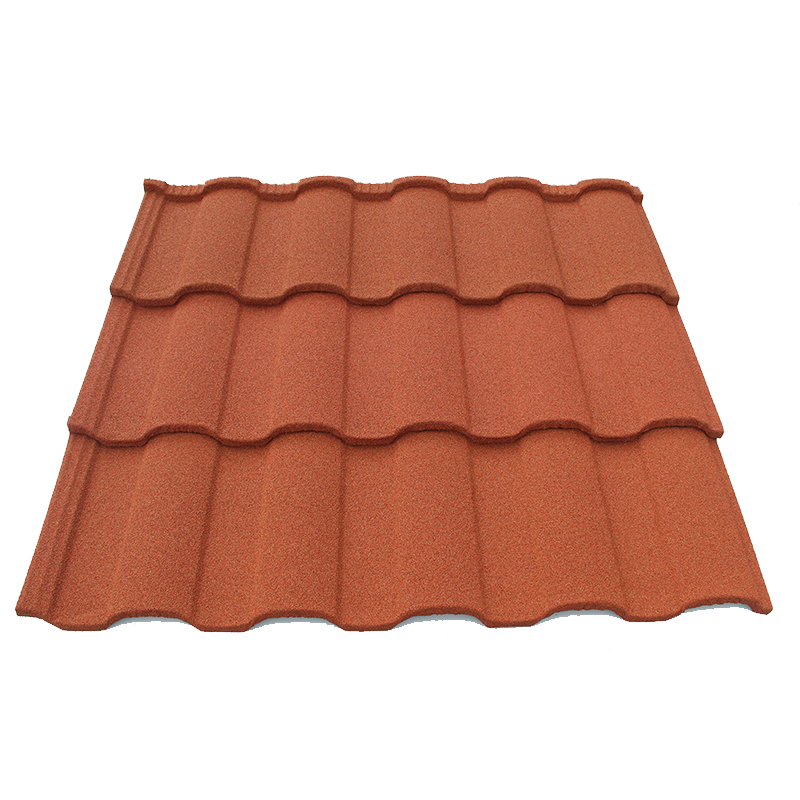
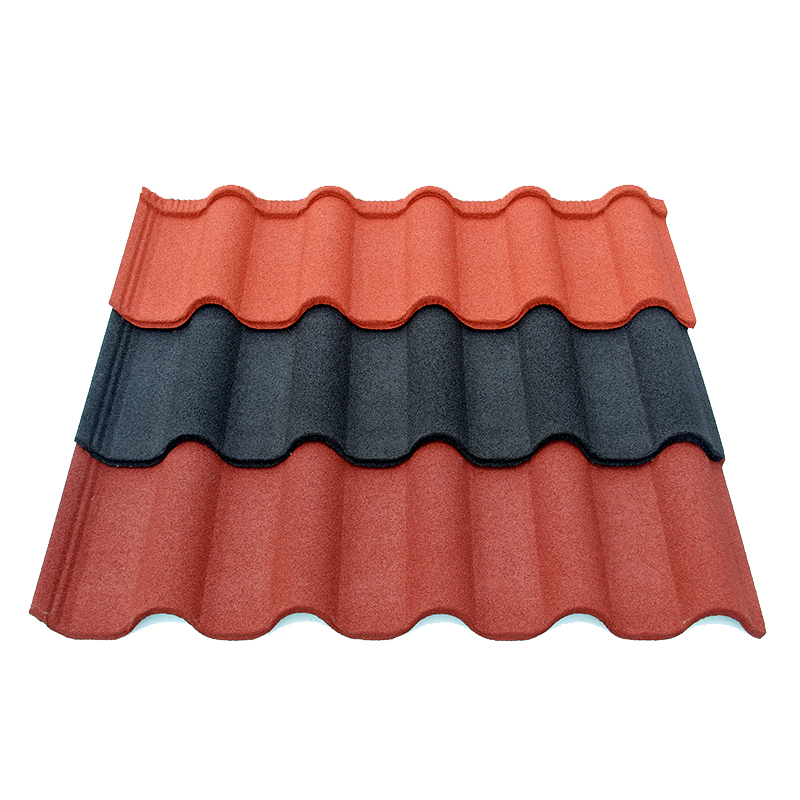
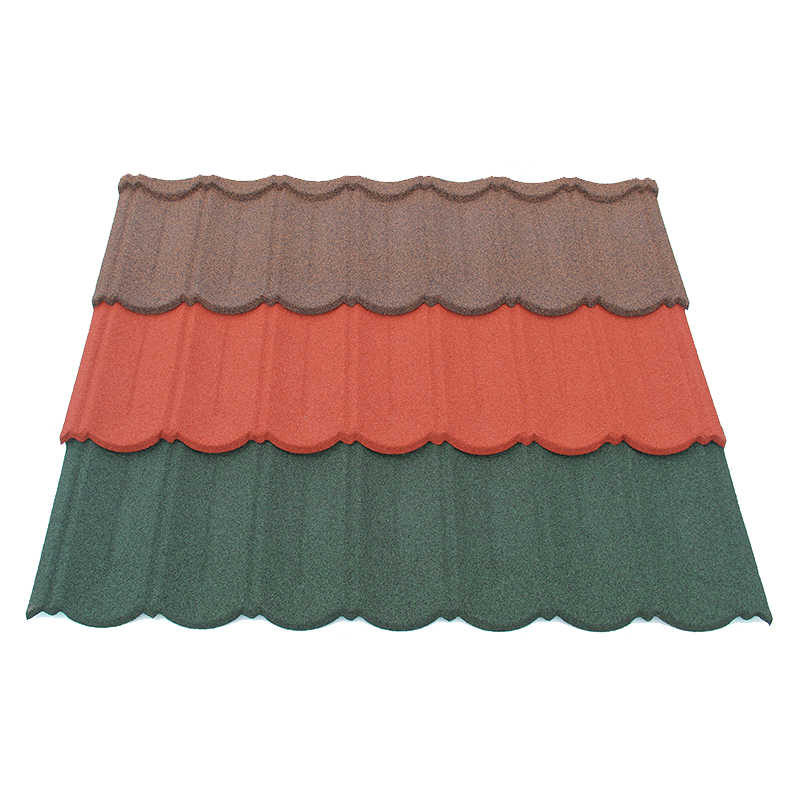
- Customized roofing profiles
- Color adjustments for regional markets
- Material upgrades based on project requirements
- Different thickness and coating options
For example, residential markets often prefer Bond Tile systems due to their balance between aesthetics and installation efficiency.
Flexible MOQ and scalable production
OEM partnerships often begin with smaller trial orders before scaling into large container shipments. Manufacturers must support this growth path.
After-sales and technical support
Reliable OEM manufacturers provide installation guidance, product documentation, and long-term technical assistance.
Why OEM Roofing Services Are Growing in Global Markets
The demand for OEM roofing solutions is increasing across Africa, the Middle East, Southeast Asia, and Latin America. Distributors are shifting away from generic products and building their own brands to improve competitiveness.
Stronger brand positioning
Private label roofing products help distributors establish recognizable brands in their local markets.
Higher profit margins
Branded products reduce direct price competition and allow better margin control.
Market differentiation
OEM products help distributors stand out in highly competitive construction material markets.
How to Evaluate Whether a Roofing Manufacturer Has Strong OEM Capability
Before selecting an OEM partner, importers should conduct a structured evaluation process to ensure the supplier can meet long-term business needs.
Check production documentation
Manufacturers should provide certifications, quality control systems, and production process documentation.
Evaluate past OEM projects
Reviewing existing private label cases helps verify real manufacturing capability.
Test communication responsiveness
OEM projects require frequent communication. Delays or unclear responses may indicate operational limitations.
Verify export experience
Experienced exporters understand packaging standards, shipping coordination, and customs requirements.
Common Mistakes Importers Make When Choosing OEM Roofing Suppliers
Many importers focus only on price or initial sample quality, which can lead to long-term issues in OEM partnerships.
Choosing based only on low cost
Low-cost suppliers often reduce material quality or limit customization options.
Ignoring production scalability
A supplier must be able to support growth from small orders to full container shipments.
Overlooking branding limitations
Some factories offer only basic OEM services without true customization flexibility.
Not verifying quality consistency
OEM branding requires consistent product quality across all shipments to protect brand reputation.
Industry Benchmark: What Top OEM Roofing Manufacturers Have in Common
Leading OEM roofing manufacturers share several key characteristics that allow them to serve international distributors effectively.
These include strong production systems, consistent quality control, export experience, and flexible customization capabilities.
For example, JCROOF is often used as a reference point in the Stone Coated Metal Roofing Tile industry because of its ability to support OEM projects across multiple international markets while maintaining stable production quality and broad product coverage.
However, importers should always conduct independent evaluation rather than relying solely on reputation or branding.
Conclusion
The best OEM roofing manufacturer is not defined by marketing claims but by real manufacturing capability, customization flexibility, and long-term supply stability.
Importers who choose the right OEM partner can build strong private label brands, improve profit margins, and establish sustainable competitive advantages in their local markets.
As global demand for Stone Coated Metal Roofing Tile continues to grow, OEM partnerships will play an increasingly important role in shaping the future of roofing distribution worldwide.