
Sourcing building materials internationally requires careful strategic planning and deep industry knowledge. B2B procurement managers frequently turn to Chinese manufacturers for massive cost efficiencies. However, selecting the right manufacturing partner involves much more than finding the absolute lowest price. Specifically, importing Wholesale Stone Coated Metal Tiles demands rigorous technical evaluation and supply chain oversight. Buyers must navigate a highly complex landscape of varying factory standards and material grades. Therefore, establishing a strict vetting process remains absolutely essential for commercial success. This comprehensive engineering guide outlines the exact steps needed to secure premium materials overseas. Furthermore, it explains how contractors can avoid common pitfalls during the bulk purchasing process. Consequently, developers can protect their capital investments and ensure long-term structural integrity for their real estate portfolios.
Evaluating the Manufacturer’s Technical Capabilities
The foundation of any successful bulk purchase lies entirely in the factory’s technical prowess. Not all manufacturing facilities possess the same level of engineering sophistication or quality control. Consequently, B2B buyers must scrutinize the raw materials long before negotiating final prices. A reliable Chinese supplier will gladly share their detailed material specifications and sourcing origins. Therefore, verifying the steel grade and coating chemistry prevents disastrous future building failures. This technical due diligence separates elite, reliable suppliers from unpredictable, low-tier vendors.
Analyzing the Aluzinc Steel Core
The structural heart of these advanced roofing sheets consists of a highly specialized steel core. Manufacturers must coat this core with a precise aluminum-zinc alloy to prevent rapid degradation. Specifically, this alloy provides exceptional resistance against severe chemical corrosion and saltwater spray. Cheap factories often reduce the thickness of this vital protective layer to increase profit margins. Consequently, their inferior products develop severe structural rust within just a few short years. Therefore, procurement officers must demand a minimum alloy coating weight on all purchase orders. Furthermore, they should verify the tensile strength of the base steel substrate itself. This ensures the roof can easily withstand heavy maintenance foot traffic over the decades. Thus, strict metallurgical standards guarantee a 50-year structural lifespan for the entire commercial building.
Assessing the Acrylic Resin and Sintering Process
The exterior performance of the roof relies heavily on the primary adhesive resin system. High-quality factories utilize premium, UV-stabilized acrylic polymers to bind the stone layer. Consequently, the stone granules remain firmly attached to the steel substrate under extreme weather. Furthermore, elite manufacturers employ a high-temperature sintering process for coloring the stone. This intense thermal process fuses the color pigments directly into the hard volcanic rock. Therefore, the color does not fade or chalk under intense, daily solar radiation. Inferior suppliers frequently use cheap dyed sand that simply washes away during heavy rainstorms. As a result, the roof quickly loses its aesthetic appeal and its vital protective barrier. Procurement teams must request documented laboratory evidence of these specific sintering processes before buying.
| Technical Metric | Low-Tier Factory Standard | Premium Export Standard |
|---|---|---|
| Steel Substrate | Standard Galvanized | High-Tensile Aluzinc Alloy |
| Color Granules | Chemically Dyed Sand | High-Temperature Sintered Basalt |
| Adhesive Binder | Basic Commercial Glue | UV-Stabilized Acrylic Resin |
Navigating Product Selection and Profile Matching
Choosing the correct profile shape directly impacts the project’s overall engineering success. Different architectural designs require specific physical geometries to function correctly and shed water safely. Furthermore, local climate conditions dictate the necessary hydraulic shedding capabilities of the roof deck. Therefore, procurement managers must match the profile exactly to the project’s harsh environmental demands. Supplying the wrong shape can lead to catastrophic water ingress and structural rot. This section explains how engineers match specific designs to extreme environmental demands successfully.
Universal Appeal for Large Projects
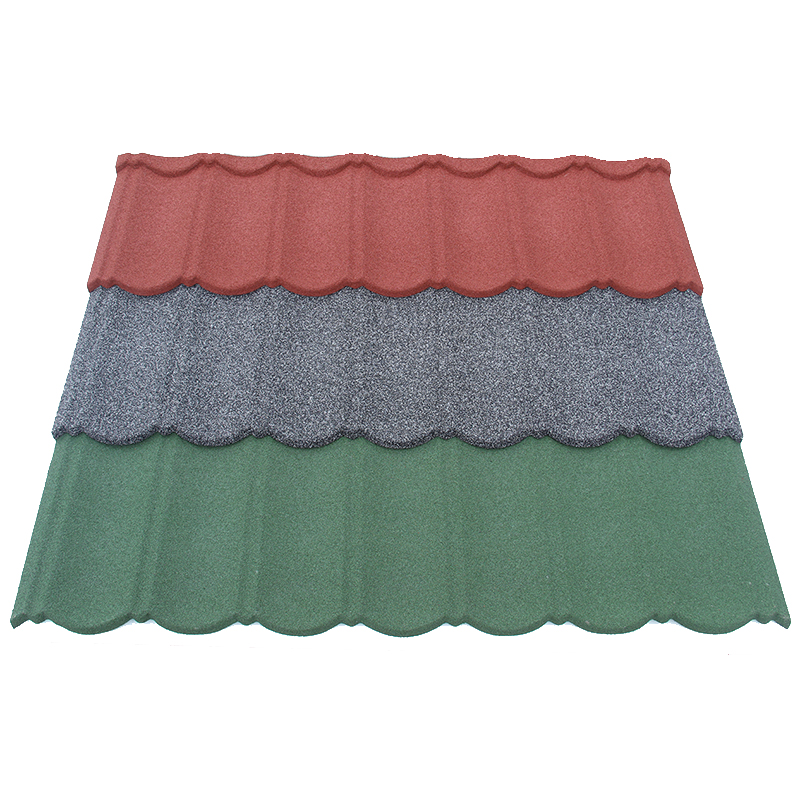
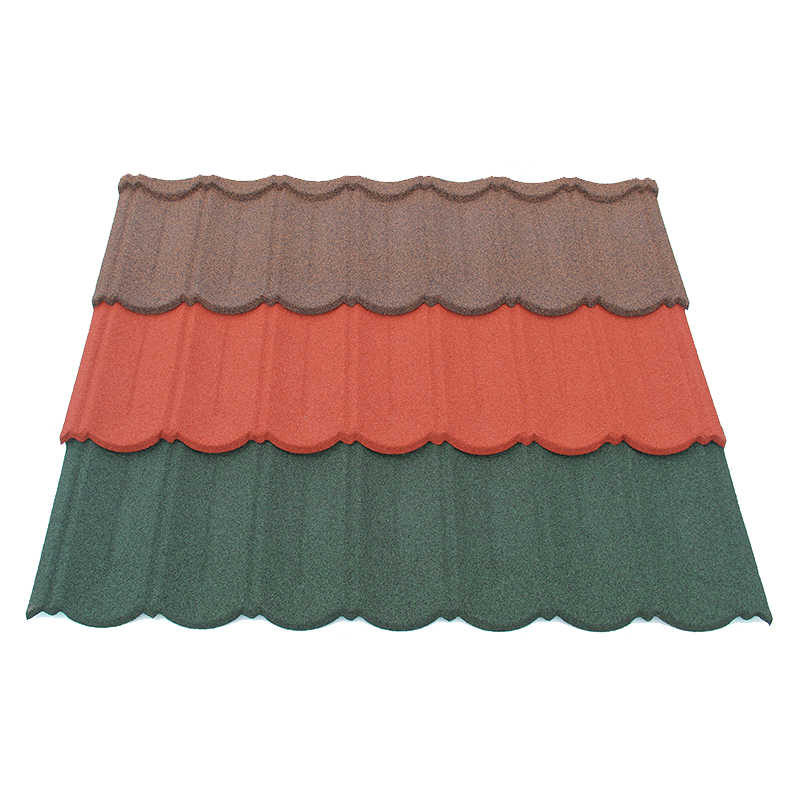
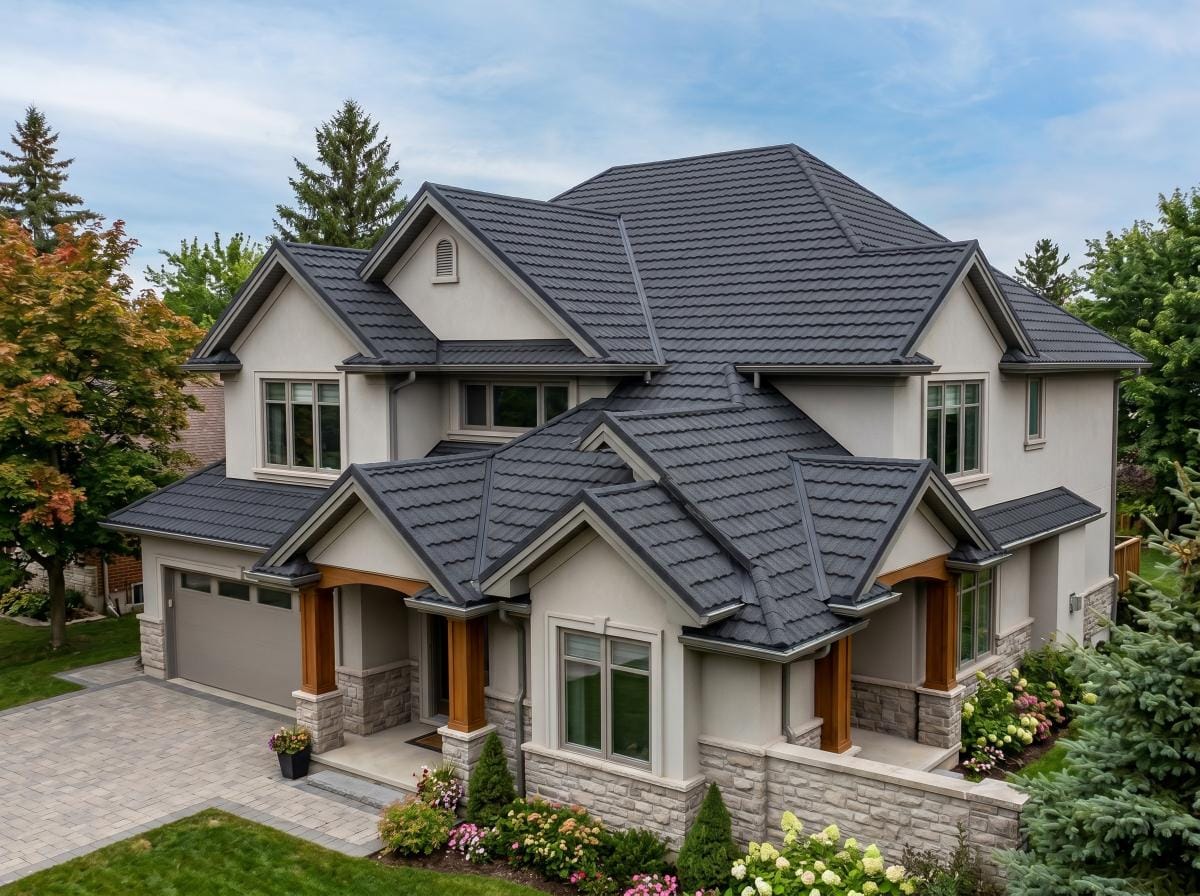
Massive commercial developments often require a highly versatile and universally appealing visual design. Architects need a robust profile that blends seamlessly with diverse residential and commercial building styles. Specifically, the Bond Tile offers a classic, scalloped aesthetic that suits almost any major project. Because of its highly symmetrical shape, installers can align the panels very rapidly on-site. Consequently, expensive hourly labor costs drop significantly across large housing estates and subdivisions. Furthermore, this profile features excellent structural rigidity against extreme hurricane wind uplift. Therefore, developers frequently specify this design for extensive government infrastructure and public housing projects. Bulk buying this specific profile simplifies the overall corporate supply chain immensely.
Deep Channels for High Rainfall
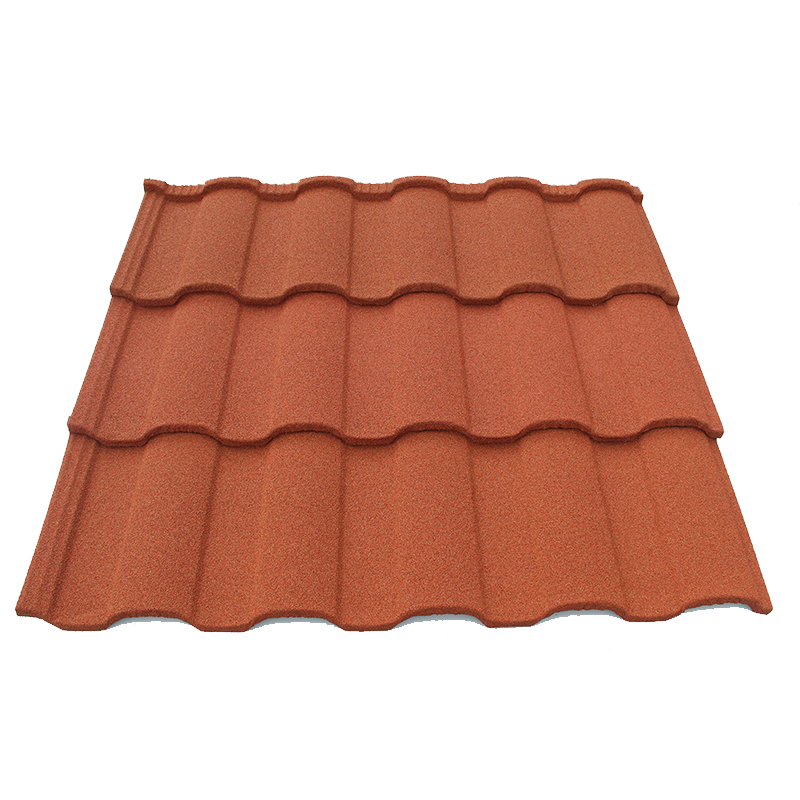
Tropical and coastal regions experience overwhelming volumes of sudden, violent precipitation regularly. Standard flat roofs fail quickly under this extreme, punishing hydraulic pressure. Consequently, engineers require a profile designed specifically for rapid and controlled water evacuation. The Roman Tile provides exceptionally deep valleys for maximum hydraulic drainage capacity. These deep channels direct massive volumes of water quickly and safely to the gutter system. Therefore, the water never backs up underneath the complex overlapping mechanical joints. This extreme drainage capability makes it ideal for monsoon-prone climates and heavy storm sectors. Sourcing this specialized profile ensures that luxury coastal resorts remain completely dry internally.
Understanding Quality Control and Factory Audits
A low unit price means absolutely nothing without strict, continuous factory quality control. B2B buyers face massive financial liability risks if they import defective building materials globally. Consequently, auditing the Chinese supplier’s internal testing procedures remains a mandatory procurement step. A professional factory maintains a dedicated, on-site laboratory for continuous material batch testing. Therefore, examining these rigorous audit trails provides massive confidence in the final delivered product. Consistent quality control guarantees a flawless, leak-proof installation on the demanding job site.
Independent Testing and International Certifications
Global engineering projects demand internationally recognized safety and performance certifications constantly. Procurement managers cannot rely solely on the manufacturer’s internal marketing promises or brochures. Therefore, astute buyers must request independent, third-party laboratory test reports immediately. Specifically, Wholesale Stone Coated Metal Tiles must pass severe wind uplift and brutal fire tests. Documents like CE, ISO9001, and UL certifications prove strict international manufacturing compliance conclusively. Consequently, securing these critical documents represents the first step in the formal vetting process. Without these independent certifications, the finished building might fail local municipal safety inspections entirely. Thus, rigorous documentation verification protects the entire commercial development portfolio proactively.
The Role of Batch Testing and Documentation
Reliable suppliers track their manufacturing quality meticulously across every single production run. They test the acrylic adhesive strength and physical color consistency of every single batch. For example, reputable premium brands like JCROOF provide detailed quality assurance reports for their B2B clients. Because they maintain strict operational oversight, buyers receive perfectly consistent materials every single time. Consequently, installation contractors do not struggle with unsightly mismatched colors on the roof deck. Furthermore, detailed batch tracking allows for rapid, efficient resolution if minor defects ever occur. Therefore, choosing a highly organized, transparent factory minimizes international logistical headaches significantly.
Logistics, Packaging, and Shipping Efficiency
International ocean freight costs impact the total project procurement budget heavily. Inefficient factory packaging drastically increases the final landed cost of all imported building materials. Consequently, procurement teams must optimize their shipping strategies to maintain strict corporate profitability. Metal roofing offers unique, massive logistical advantages compared to heavy, traditional concrete alternatives. Therefore, mastering these complex shipping dynamics separates novice buyers from expert global importers. This section outlines the absolute best practices for international freight management and damage prevention.
Maximizing Container Capacity
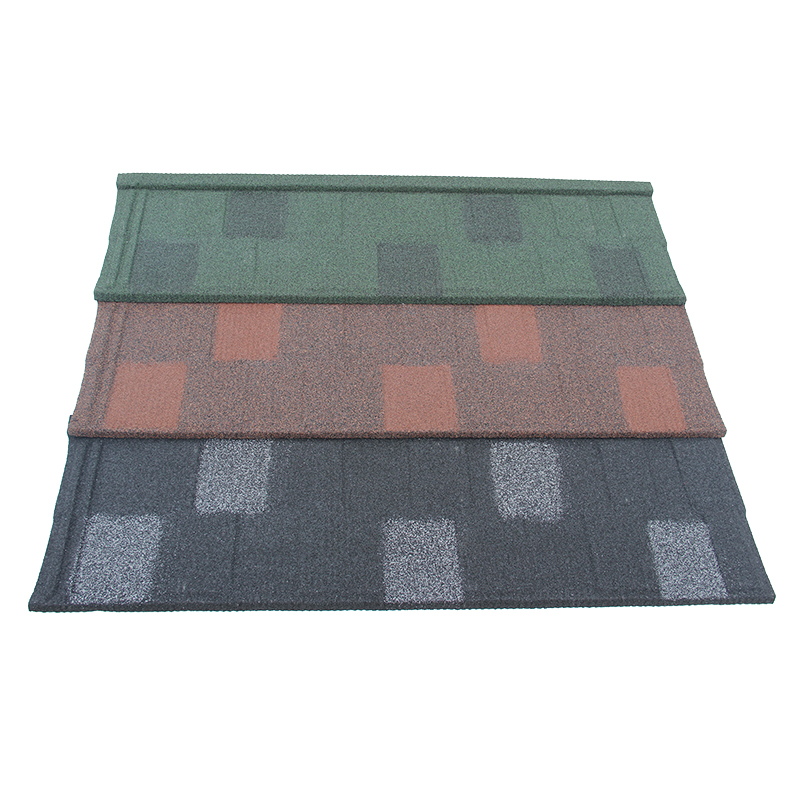
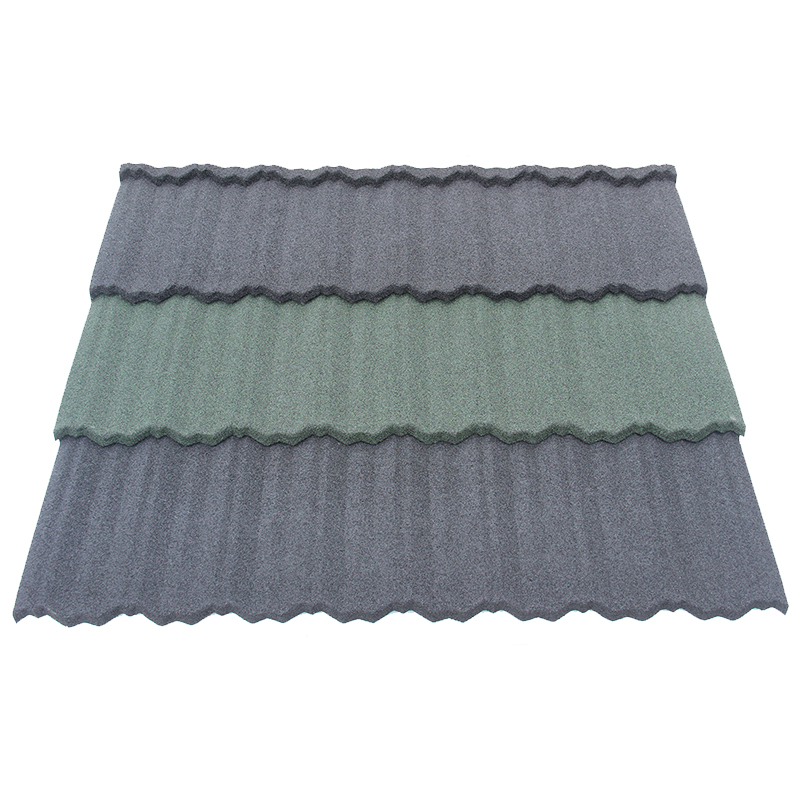
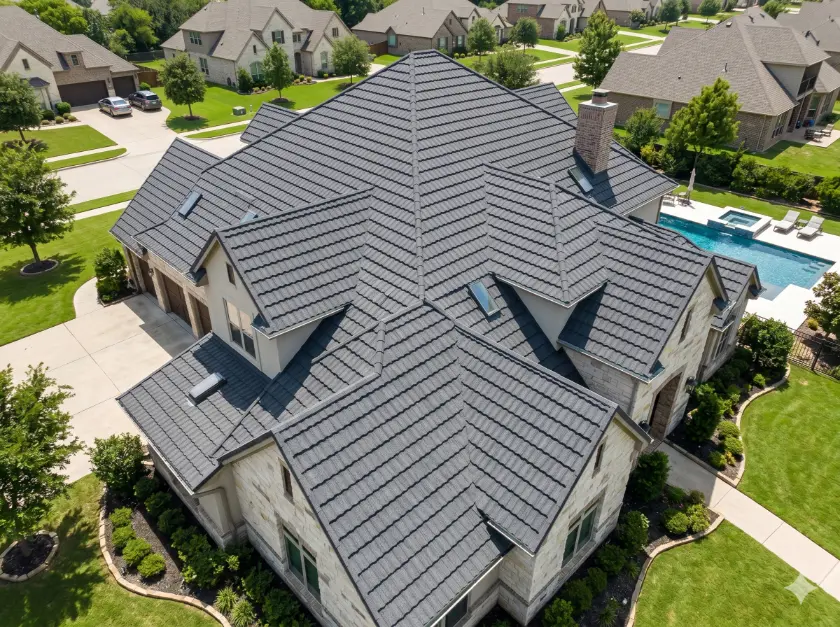
Shipping empty air across the ocean wastes thousands of corporate dollars daily. Buyers must maximize the physical volume of material inside every single shipping container. Specifically, the exceptionally flat geometry of the Shingle Tile allows for incredibly dense pallet stacking. Because the panels sit perfectly flat, the factory packs them very tightly without wasting space. Consequently, a single shipping container holds enough material for several massive commercial buildings. This high-density shipping model slashes the per-square-meter freight cost dramatically for the developer. Therefore, developers increase their project profit margins significantly before construction even begins. Smart B2B buyers always calculate the exact container loading efficiency before finalizing orders.
Protecting Materials During International Transit
The long ocean voyage from China exposes delicate cargo to severe mechanical stress. Rough seas cause poorly packaged wooden pallets to shift and collide violently inside the container. Consequently, the metal panels can suffer deep structural scratches or bent interlocking edges. Therefore, procurement managers must specify incredibly strict packaging requirements in their official purchase orders. Factories must use reinforced wooden pallets and heavy-duty, protective shrink wrap universally. Furthermore, they should insert thick protective foam layers between the individual metal panels. This meticulous, careful packaging ensures the Wholesale Stone Coated Metal Tiles arrive in pristine condition. As a result, the installation crew does not waste expensive time sorting out damaged materials.
Strategic Partnering for Premium Architectural Needs
High-end real estate developments demand exceptional, flawless aesthetic exterior details. Standard industrial roofing simply cannot meet the high visual expectations of wealthy luxury buyers. Consequently, developers must source premium materials that offer both incredible beauty and brawn. Partnering with an advanced, innovative manufacturer unlocks highly specialized architectural solutions immediately. Therefore, buyers can satisfy strict community design requirements without sacrificing critical structural integrity. Sourcing premium, high-end profiles elevates the entire market value of the commercial property.
Replicating Natural Aesthetics Safely
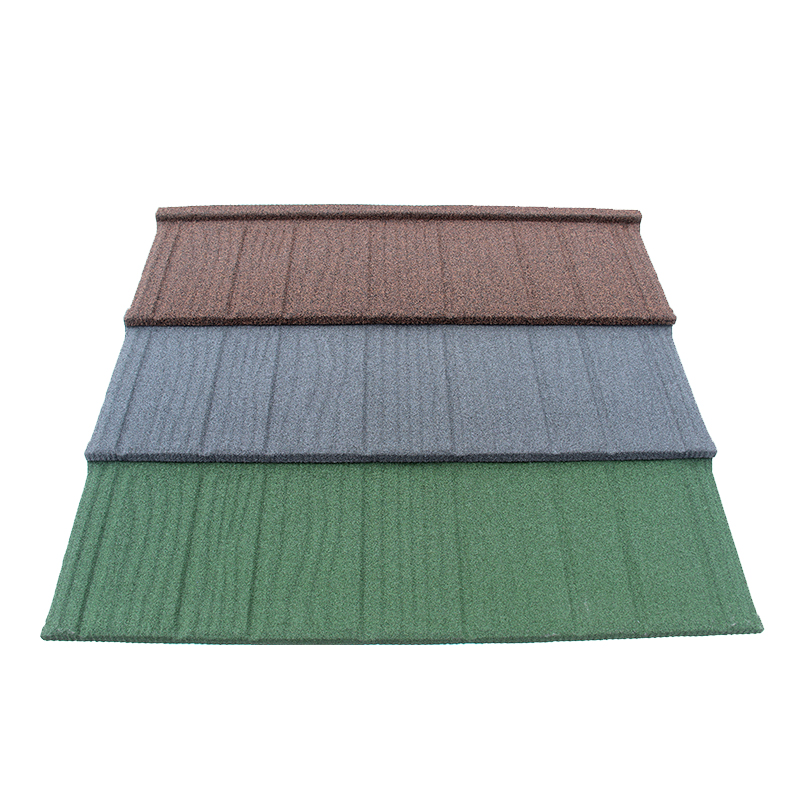
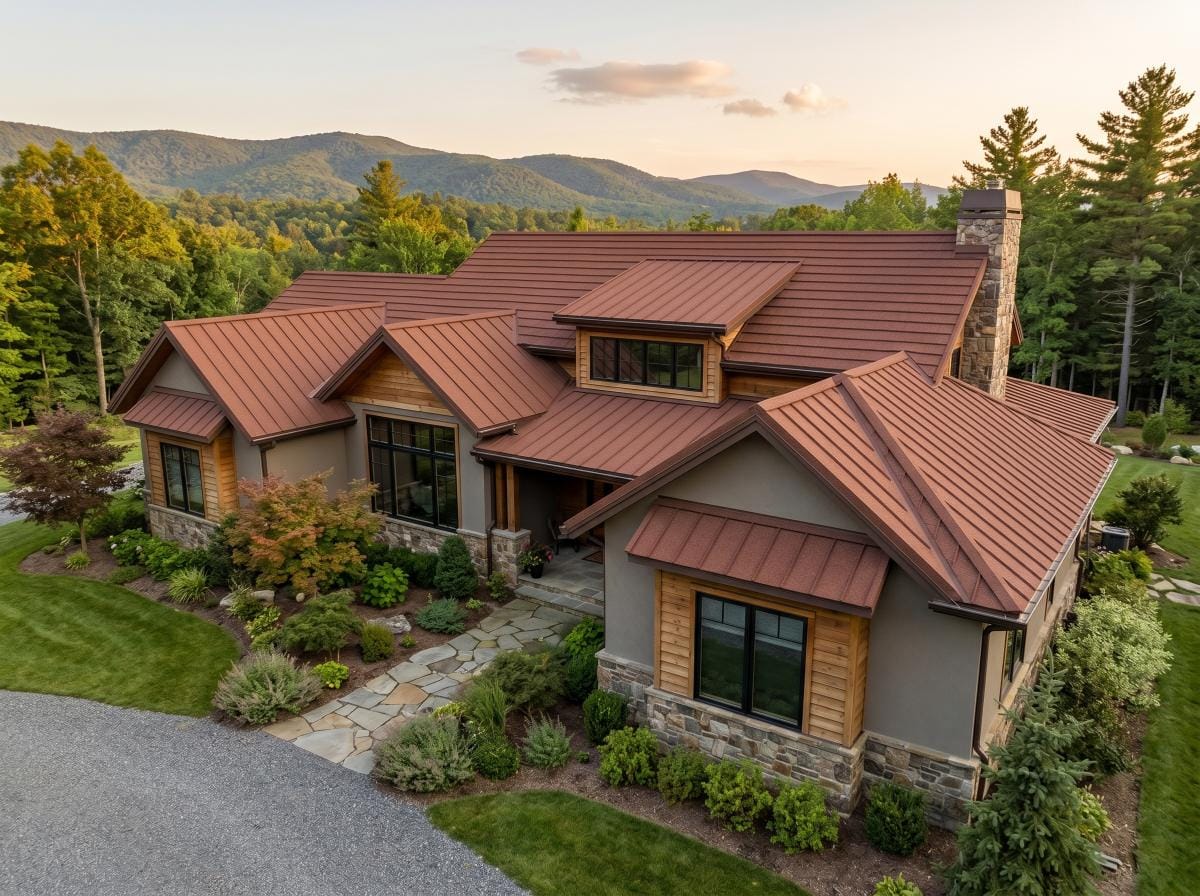
Mountain luxury lodges and remote eco-resorts often require a rustic, natural exterior design. Architects frequently specify natural split wood to achieve this specific, highly desired look. However, natural dry wood presents a massive, unacceptable fire hazard in forested regions. The Shake Tile provides a brilliant, fire-safe engineering alternative for these high-risk projects. It perfectly replicates the rugged, uneven texture of hand-split timber visually. Yet, it offers the absolute, guaranteed fire resistance of industrial-grade steel. Consequently, developers meet strict local forestry fire codes effortlessly and economically. Thus, they deliver a beautiful, rustic commercial building that remains incredibly safe.
Delivering Mediterranean Luxury
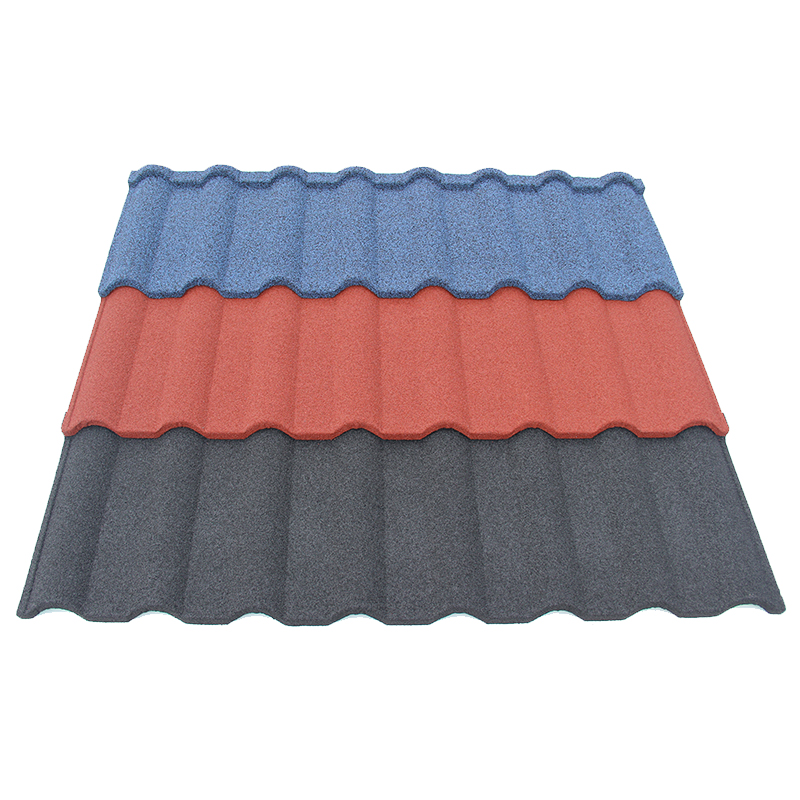
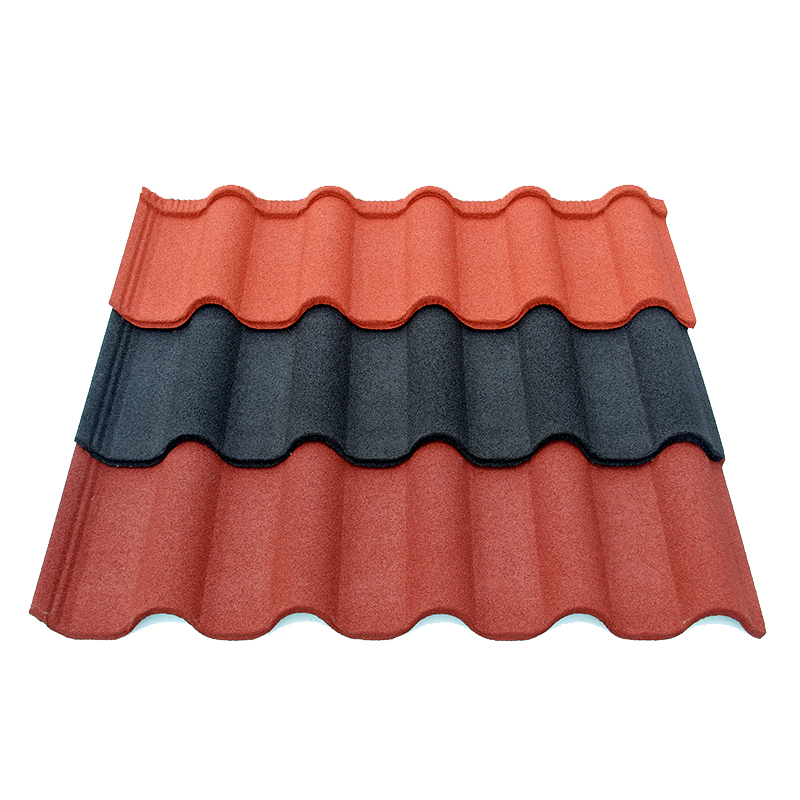
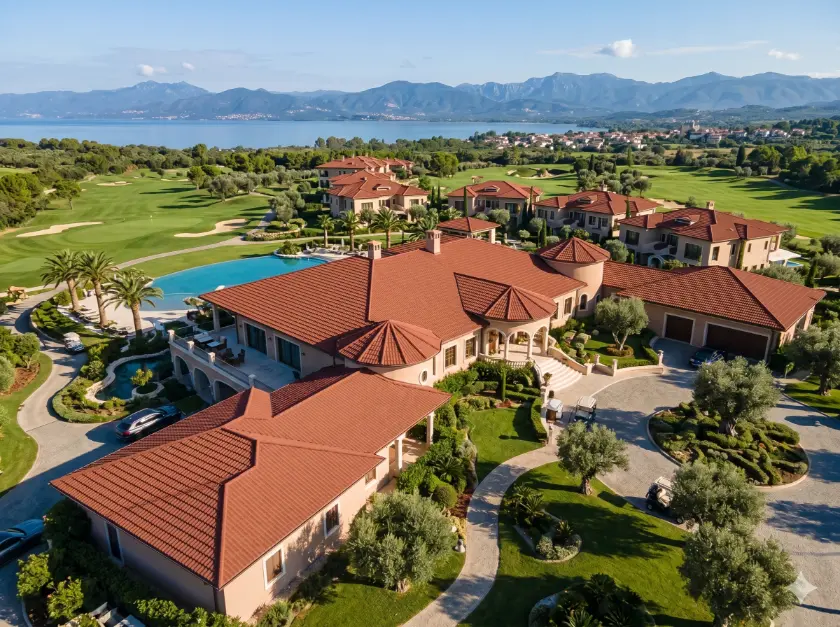
Luxury coastal villas frequently utilize classic, beautiful Mediterranean architectural design themes. These designs require the smooth, sweeping aesthetic curves of traditional clay barrel tiles. However, heavy clay tiles require massive, incredibly expensive structural roof framing supports. The Milano Tile solves this complex engineering dilemma perfectly for modern builders. It perfectly mimics the high-end, luxurious look of heavy Italian masonry visually. Because it utilizes lightweight steel, the building requires significantly less structural timber framing. Consequently, architects achieve the luxurious aesthetic while saving massive amounts of corporate money. Therefore, sourcing this premium profile maximizes the overall financial return on investment.