
In roofing installation, fastening is a critical detail that directly affects system performance. A common question from buyers and even some installers is: can I use standard wood screws instead of specialized roofing nails? While it may seem like a simple substitution, the choice of fastener has significant implications for durability, weather resistance, and warranty compliance.
From a B2B perspective, understanding whether you can use standard wood screws instead of specialized roofing nails is essential for avoiding installation failures and ensuring long-term reliability of stone coated steel roofing systems. The short answer is: in most cases, no—standard wood screws are not a suitable replacement.
Why Fastener Selection Matters in Roofing Systems
To properly evaluate can I use standard wood screws instead of specialized roofing nails, it is important to understand the role of fasteners in a roofing system. Fasteners do more than hold materials in place—they must withstand wind uplift, thermal expansion, and long-term exposure to moisture.
Stone coated steel roofing systems are engineered with specific fastening requirements to ensure proper load distribution and weather sealing.
Using the wrong fastener can compromise the entire roofing system, even if the tiles themselves are high quality.
Main Functions of Roofing Fasteners
- Secure tiles against wind uplift
- Maintain structural stability over time
- Provide weather-tight sealing
- Accommodate expansion and contraction
Standard Wood Screws vs Roofing Nails: Key Differences
When comparing can I use standard wood screws instead of specialized roofing nails, the differences come down to design, material, and performance under roofing conditions.
Although both are used in construction, they are engineered for different purposes.
| Factor | Standard Wood Screws | Roofing Nails / Specialized Fasteners |
|---|---|---|
| Head Design | Small head | Wide head for better holding |
| Corrosion Resistance | Limited (varies) | High (galvanized or coated) |
| Weather Sealing | None | Often includes sealing washers |
| Load Distribution | Lower | Optimized for roofing systems |
This comparison clearly shows why substitution is not recommended in most cases.
Risks of Using Standard Wood Screws in Roofing
Answering can I use standard wood screws instead of specialized roofing nails requires understanding the risks involved. While wood screws may seem strong, they are not designed for roofing environments.
Using them can lead to both short-term and long-term issues that affect the entire system.
Insufficient Holding Power
Smaller heads may not properly secure tiles under wind pressure.
Corrosion Over Time
Standard screws may rust when exposed to moisture, especially in coastal or humid climates.
Water Infiltration
Lack of sealing washers increases the risk of leaks.
Warranty Issues
Using non-approved fasteners can void manufacturer warranties.
When Are Screws Acceptable in Roofing Systems?
While standard wood screws are generally not recommended, certain types of screws are specifically designed for roofing applications. This is an important distinction when discussing can I use standard wood screws instead of specialized roofing nails.
In many modern systems, screws are actually preferred—but only when they are engineered for roofing use.
Approved Roofing Screws
- Self-drilling or self-tapping screws
- Galvanized or coated for corrosion resistance
- Equipped with rubber or EPDM sealing washers
These screws provide both mechanical strength and weather sealing, making them suitable for stone coated steel roofing.
Fastener Selection Based on Roofing Profiles
When evaluating can I use standard wood screws instead of specialized roofing nails, the roofing profile also influences fastener choice and placement. Different profiles require specific fastening approaches to ensure stability.
Contractors typically follow manufacturer guidelines for each profile type.
Application-Based Insights
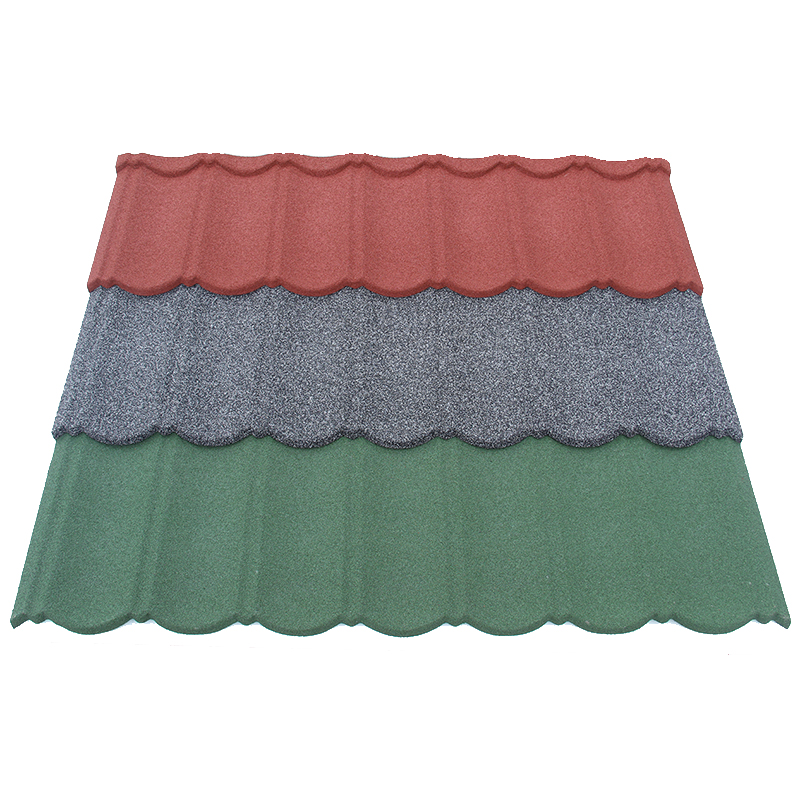
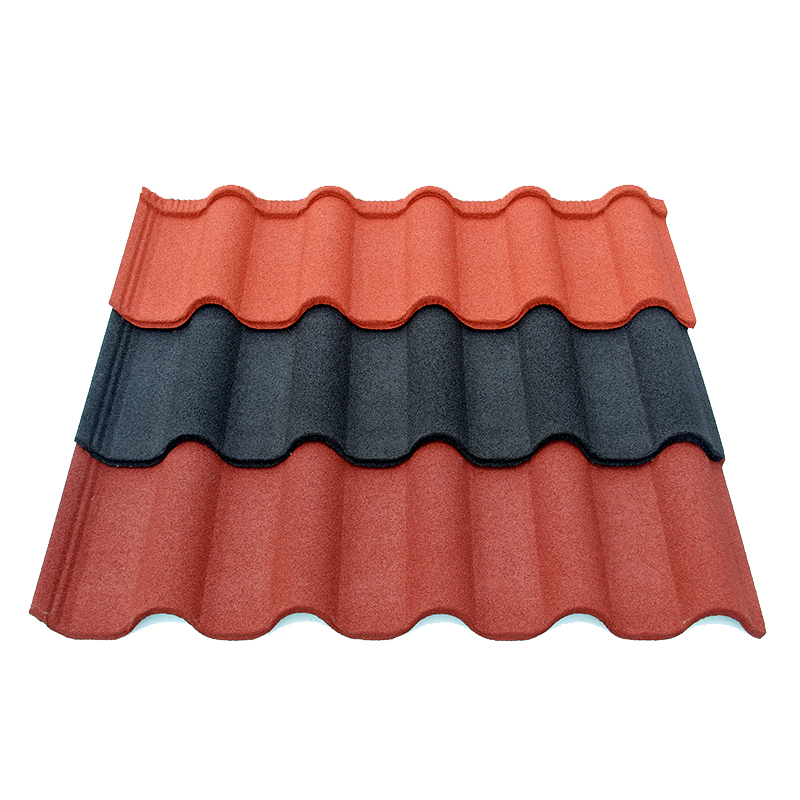
In systems using Bond Tile, fasteners are typically placed in designated overlap zones to ensure secure attachment and consistent alignment.
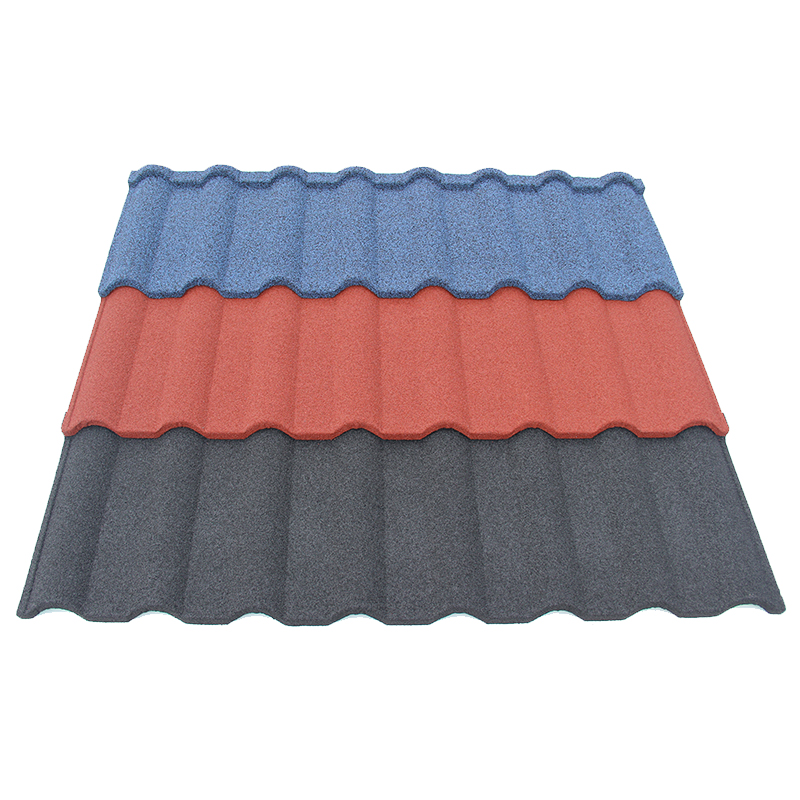
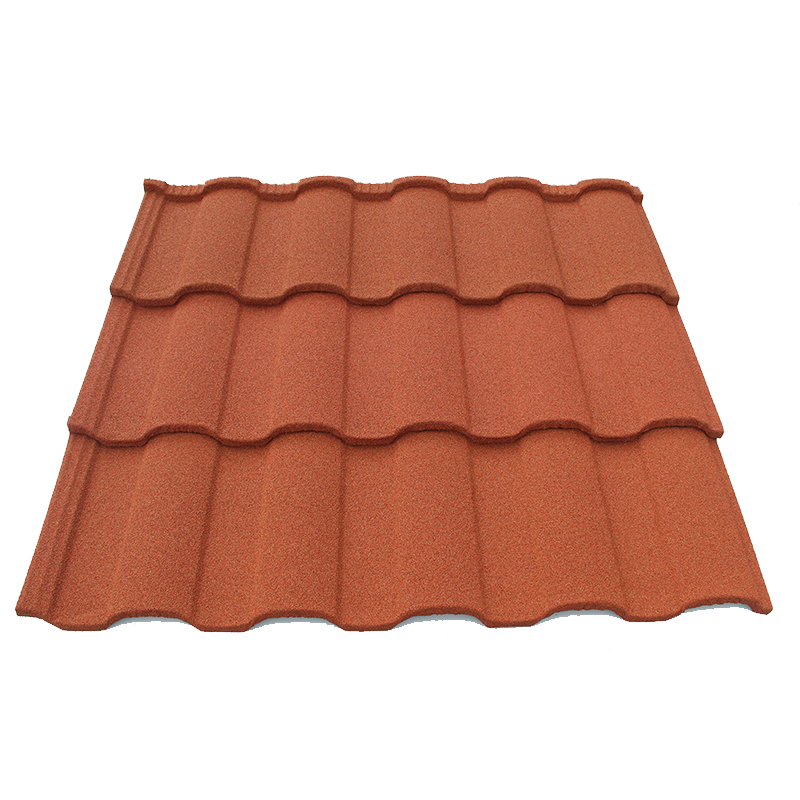
For deeper-profile systems like Roman Tile, proper fastening is critical to maintain structural integrity across curved sections.
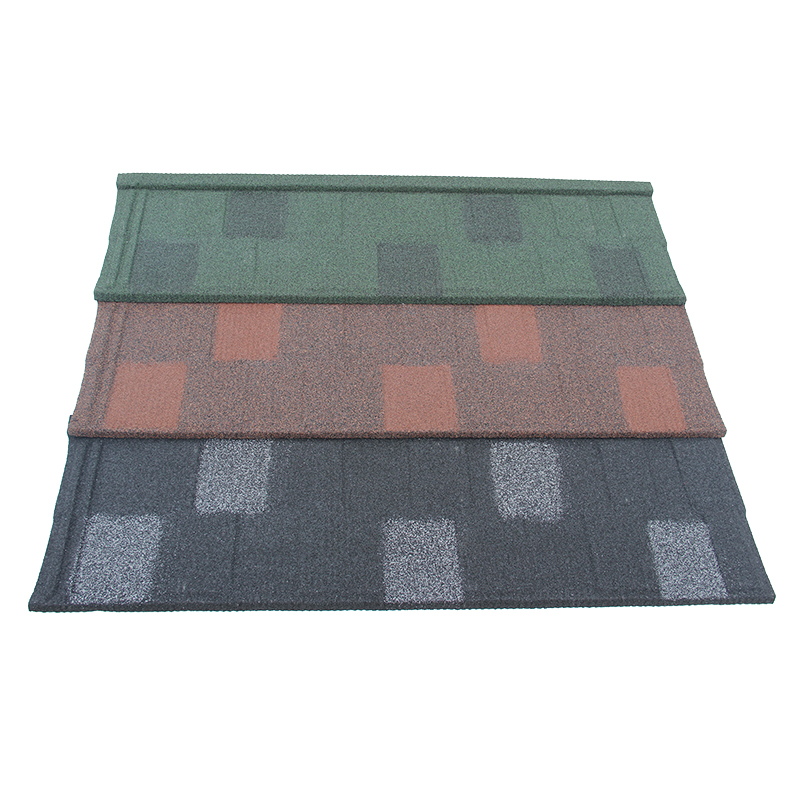
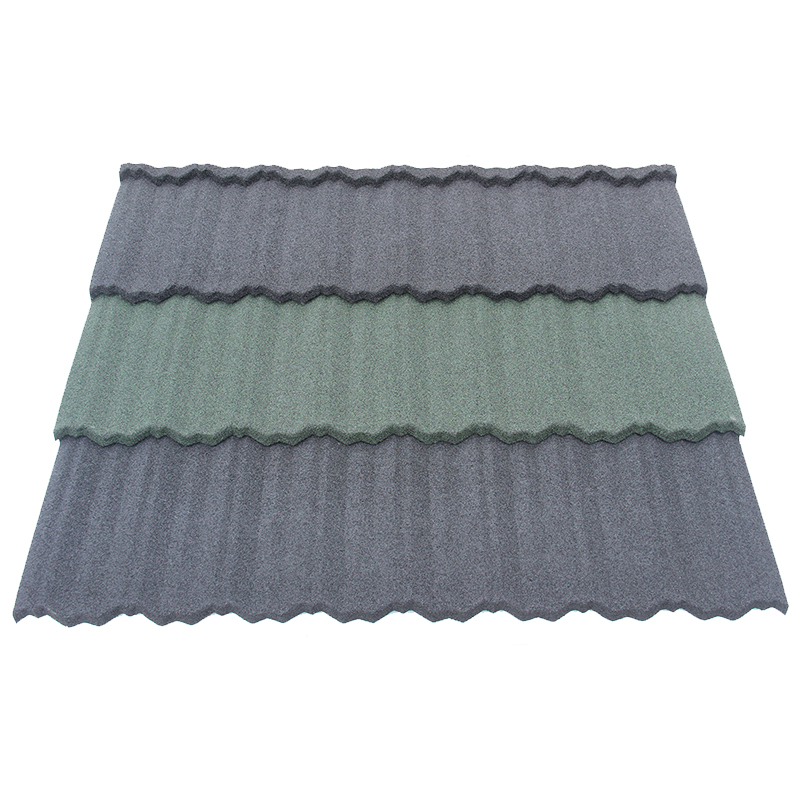
In installations with Shingle Tile, fastening patterns are more uniform, making it easier to maintain consistent performance.
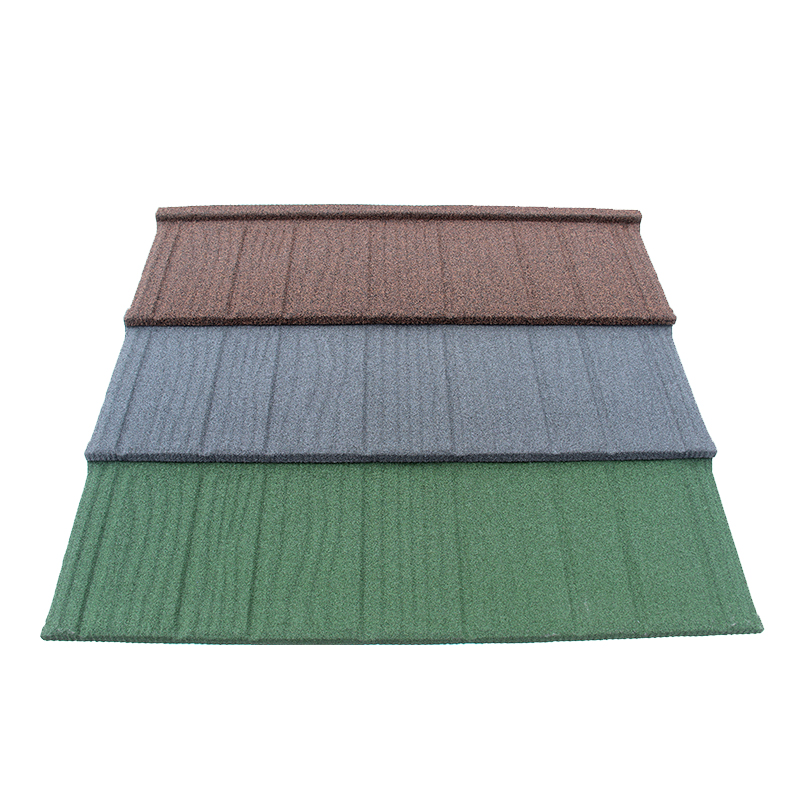
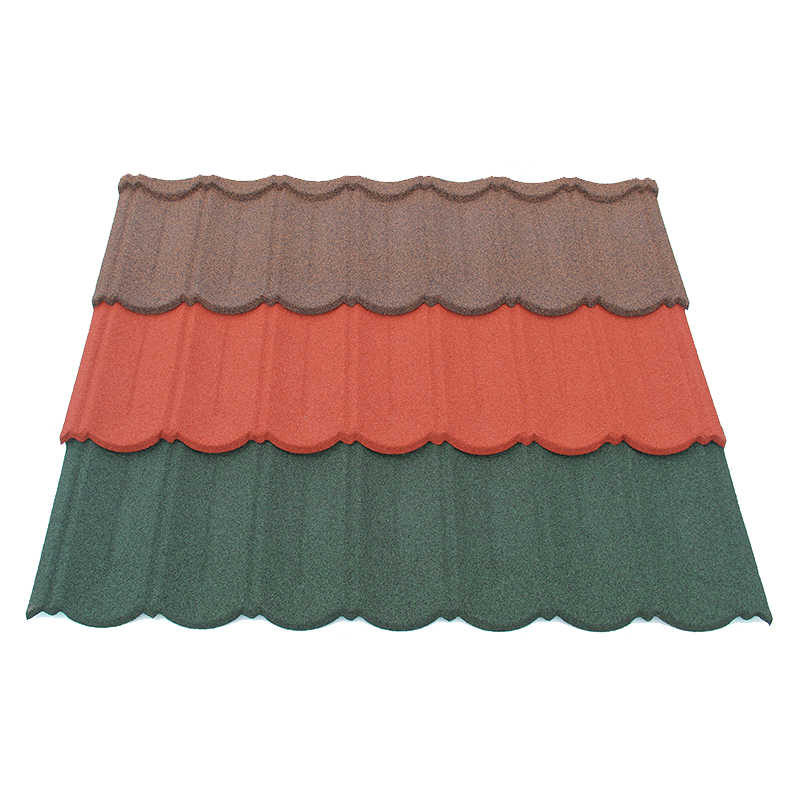
For modern profiles such as Milano Tile, precision fastening is essential, as any misalignment can affect both performance and visual appearance.
Common Mistakes in Fastener Selection
Many installation issues stem from incorrect fastener choices. Understanding these mistakes is key when deciding can I use standard wood screws instead of specialized roofing nails.
Choosing Based on Availability
Using whatever is on hand instead of specified fasteners can lead to system failure.
Ignoring Manufacturer Guidelines
Each roofing system has specific fastening requirements.
Using Uncoated Fasteners
Increases the risk of corrosion and long-term damage.
Over-Tightening Screws
Can damage the coating and reduce sealing effectiveness.
Practical Advice for Contractors and Buyers
For B2B buyers and installers, the answer to can I use standard wood screws instead of specialized roofing nails should always consider system compatibility and long-term performance. Fasteners are a small component but have a large impact on overall roofing quality.
In the industry, manufacturers such as JCROOF typically provide detailed fastening specifications, ensuring that contractors use the correct nails or screws for each roofing system.
Recommended Strategy
- Always use manufacturer-approved fasteners
- Choose corrosion-resistant materials
- Ensure proper sealing for all fasteners
- Train installation teams on correct fastening techniques
Conclusion: Can I Use Standard Wood Screws Instead of Specialized Roofing Nails?
So, can I use standard wood screws instead of specialized roofing nails? In most cases, the answer is no. Standard wood screws are not designed for roofing applications and can lead to structural and waterproofing issues.
For contractors and distributors, the key is to use fasteners specifically engineered for roofing systems. This ensures durability, compliance, and long-term performance, protecting both the project and your reputation.