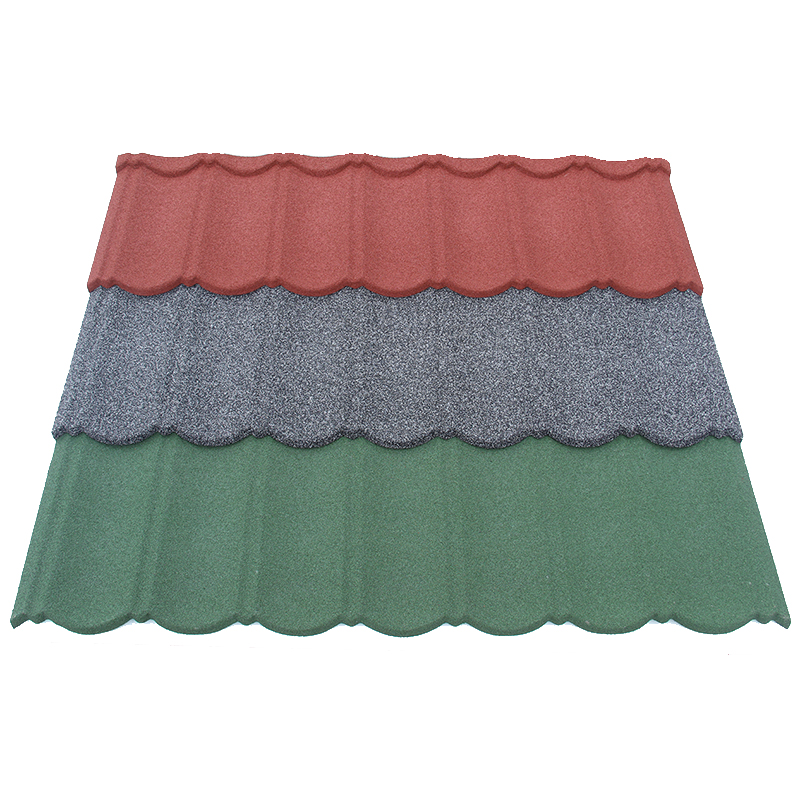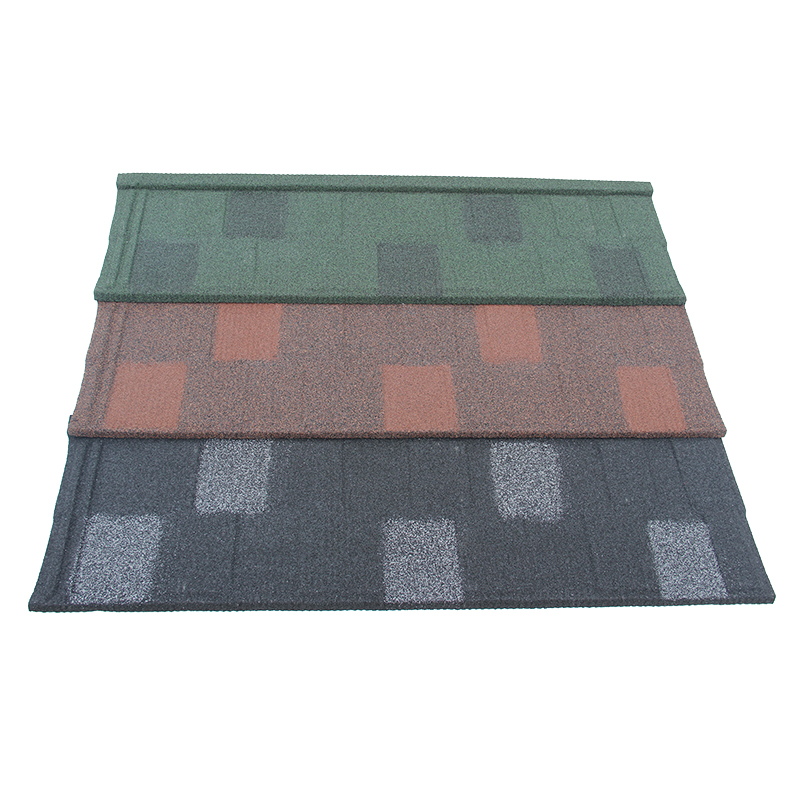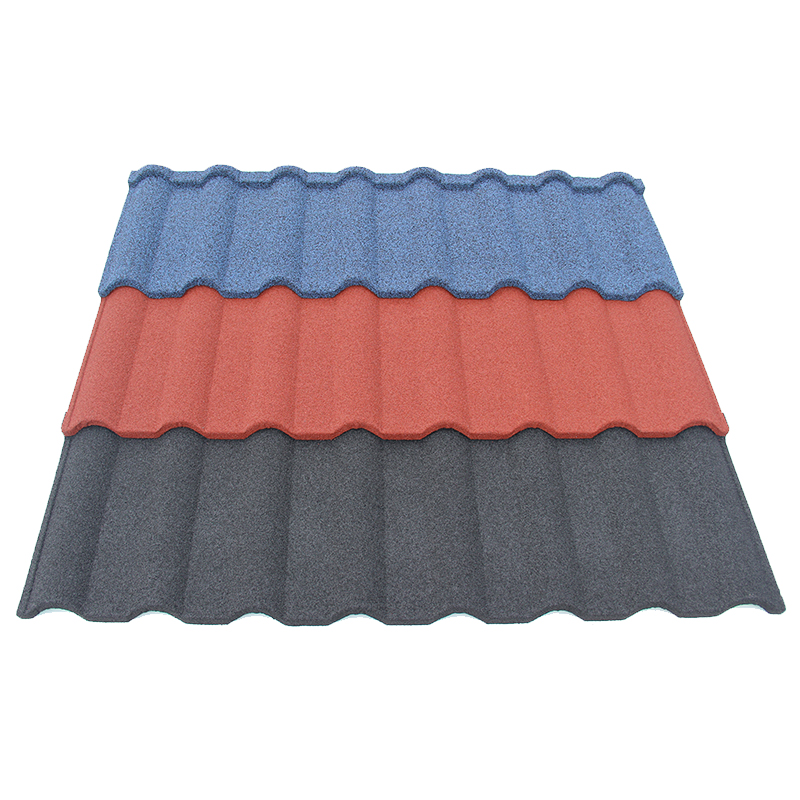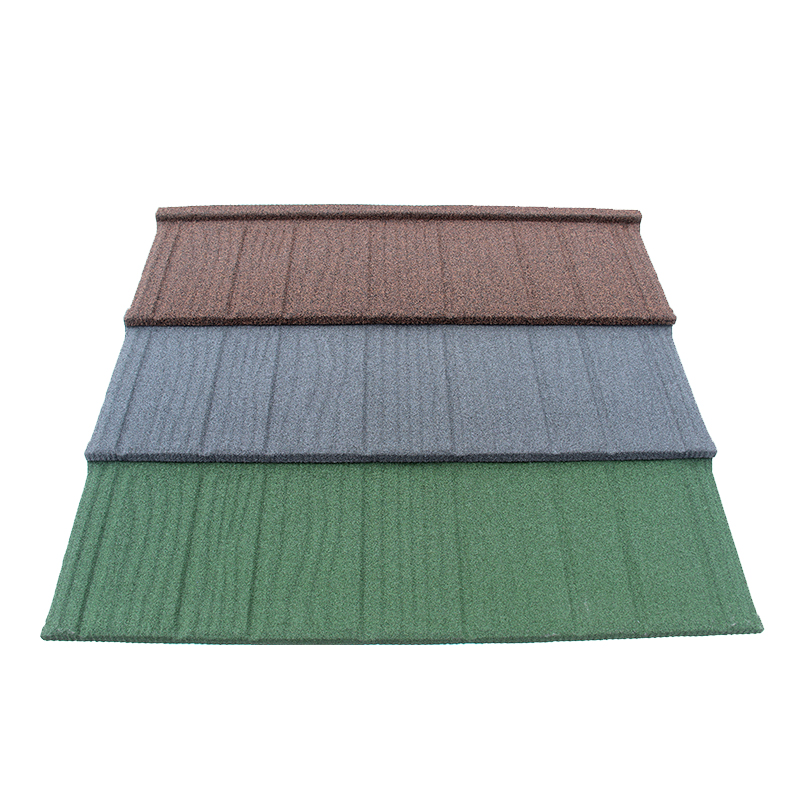

Procuring building materials across international borders requires a forensic commitment to technical compliance. For a professional distributor, understanding the stone coated steel tiles manufacturing standards is the only way to safeguard your capital against substandard batches. While a bond tile may look identical to a lower-priced alternative in a small sample box, the chemical stability of the Aluzinc substrate and the polymer cross-linking density often diverge significantly. This guide decodes the critical engineering benchmarks that dictate the long-term ROI of imported metal roofing systems.
Metallurgical Thresholds: The Foundation of Steel Integrity
The skeletal durability of stone coated steel tiles is defined by the steel base’s tensile strength and its anti-corrosive metallic envelope. High-performance projects typically specify G300 structural steel, which allows the bond tile to maintain its geometric memory after high-pressure stamping. If the steel core is too soft, the roman tile profile will suffer from localized deformation during transport or installation. Importers must verify the mill certificate to ensure the base metal meets the required ductility to handle extreme thermal cycles in desert or tropical climates.
Aluzinc Coating Mass: AZ100 vs. AZ150 Standards
In maritime or high-humidity regions, the protective alloy layer is the most critical component of the stone coated steel tiles. A premium shake tile or shingle tile utilizes a 55% Aluminum-Zinc blend to provide a “self-healing” boundary at the cut edges. JCROOF engineering standards prioritize the AZ150 coating mass, which provides 150 grams of Aluzinc per square meter. This heavy-duty shielding ensures that the bond tile survives the harshest salt-air environments without suffering from edge-creep oxidation or premature core failure.
Gauge Tolerance and Structural Diaphragm Strength
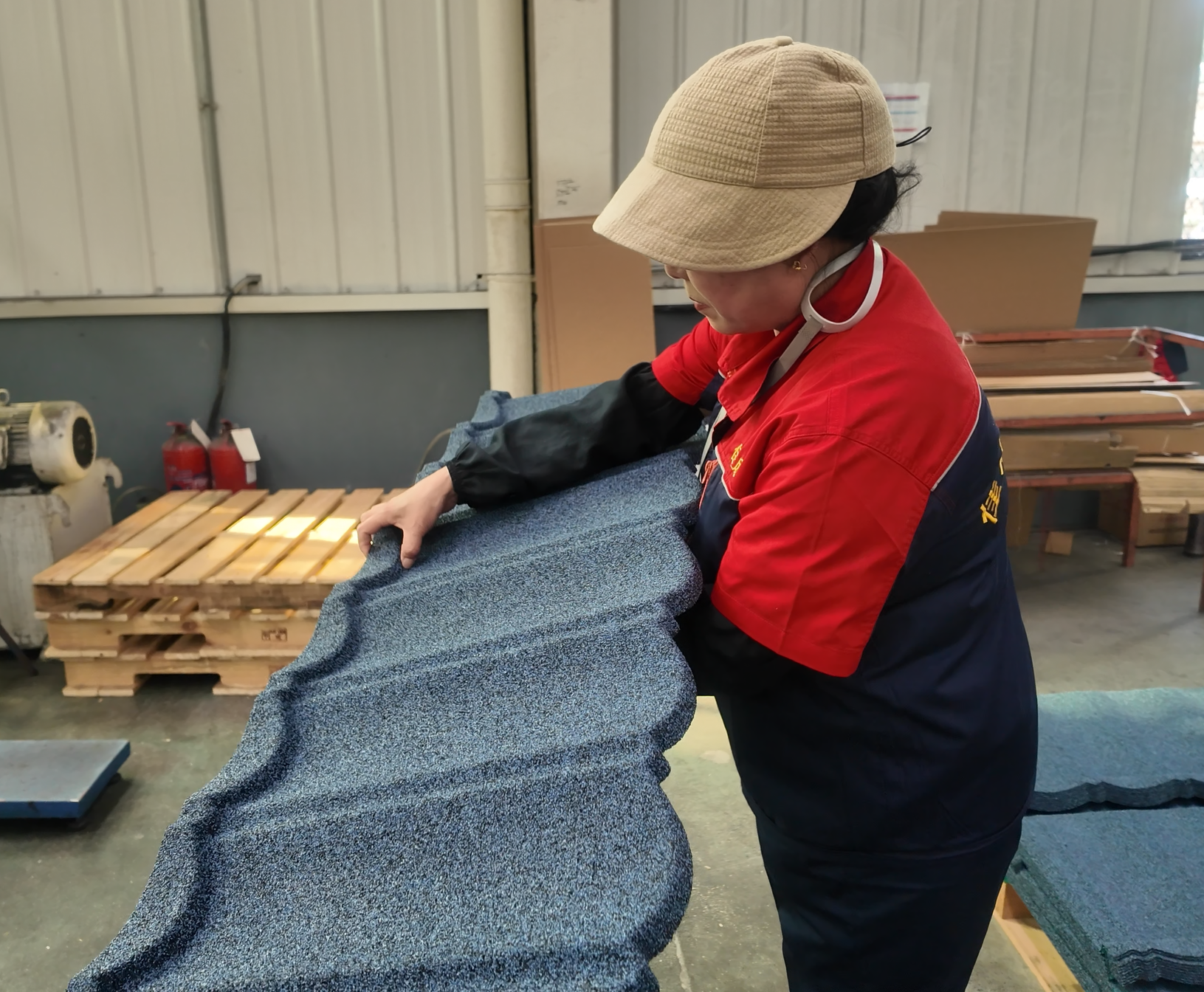
Price-sensitive suppliers often cut costs by thinning the steel gauge beyond acceptable industry tolerances. When importing stone coated steel tiles, a 0.40mm – 0.45mm thickness for a roman tile is the baseline for residential safety. A thinner shingle tile may save on shipping weight, but it lacks the diaphragm strength needed to resist heavy snow loads or concentrated foot traffic. Always audit the “actual thickness” versus the “nominal thickness” of the shake tile to ensure the product matches your structural submittal documents and local building codes.
Adhesive Science: The Chemistry of Granule Retention
The interface between the stone granules and the metallic substrate determines the roof’s aesthetic longevity. Cheap, water-diluted adhesives in some stone coated steel tiles lose their mechanical grip during diurnal temperature swings, leading to “balding.” A high-viscosity acrylic resin ensures that the shingle tile remains flexible yet secure across a 100°C thermal range. This chemical stability is vital for maintaining the deep, textured appearance of the shake tile or bond tile, especially in high-UV geographic zones where resin brittleness is a primary failure mode.
Sintered Stone benchmarks and UV Defense
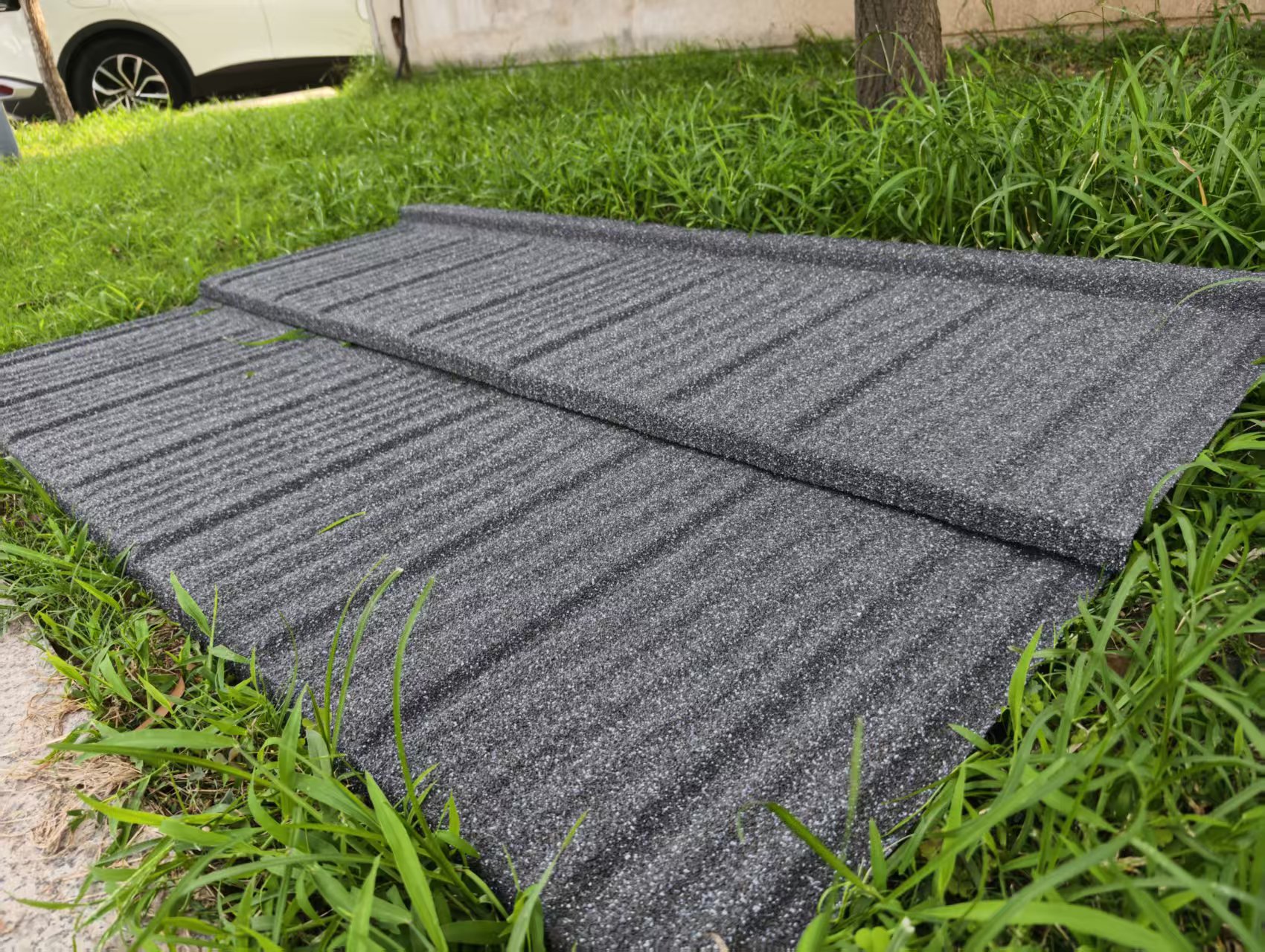
Surface-dyed sand is the invisible enemy of a distributor’s reputation. Inexpensive stone coated steel tiles utilize dyed granules that bleed color after only twenty-four months. Professional standards mandate volcanic rock sintered at 800°C to fuse inorganic pigments into the stone. This ceramic-glazing process ensures that the roman tile or bond tile maintains its architectural prestige for decades. JCROOF laboratory data confirms that sintered stone remains impervious to acid rain and intense solar radiation, preserving the resale value of the building envelope.
Horizontal Fastening: The Wind Uplift Protection Protocol
The mechanical interlocking of a shingle tile or shake tile provides a superior safety shield against hurricane-force winds. Unlike vertical nails that rely on tension, the horizontal “nose-fastening” protocol into the side of the batten places the nail in shear strength. This allows the roman tile to survive wind speeds exceeding 200km/h without panel blow-off. For an international importer, providing a system that survives extreme weather events is the most effective way to minimize long-term warranty liabilities and build a referral-based sales pipeline.
Logistical Efficiency: Maximizing Container Density and ROI
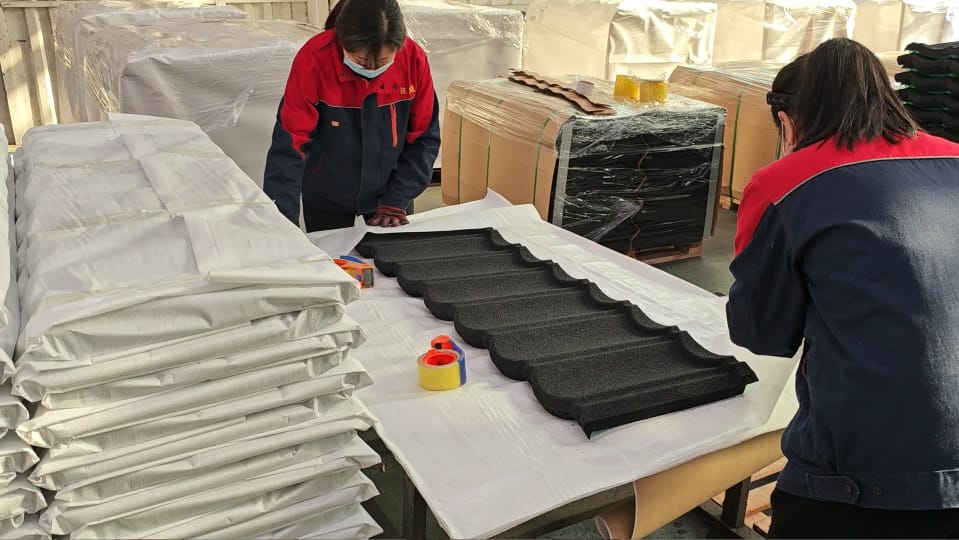
One of the strategic advantages of stone coated steel tiles is their high shipping density compared to clay or concrete alternatives. The modular nature of a bond tile or shingle tile allows for approximately 8,000 to 10,000 square feet of material to fit in a single 20ft container. This minimizes the “landed cost” and maximizes the profit margin for the distributor. Whether you are shipping a shake tile for a luxury villa or a roman tile for a resort, the tight stacking geometry ensures that every cubic meter of ocean freight is utilized efficiently.
| Performance Metric | Commercial Standard Spec | Engineering Grade (JCROOF) |
|---|---|---|
| Base Steel Shield | AZ40 – AZ90 Aluzinc. | AZ150 Heavy Aluzinc. |
| Stone Pigment | Cold-dyed sand particles. | 800°C Sintered Volcanic Rock. |
| Fastening Logic | Vertical (Tension). | Horizontal Nose-Fix (Shear). |
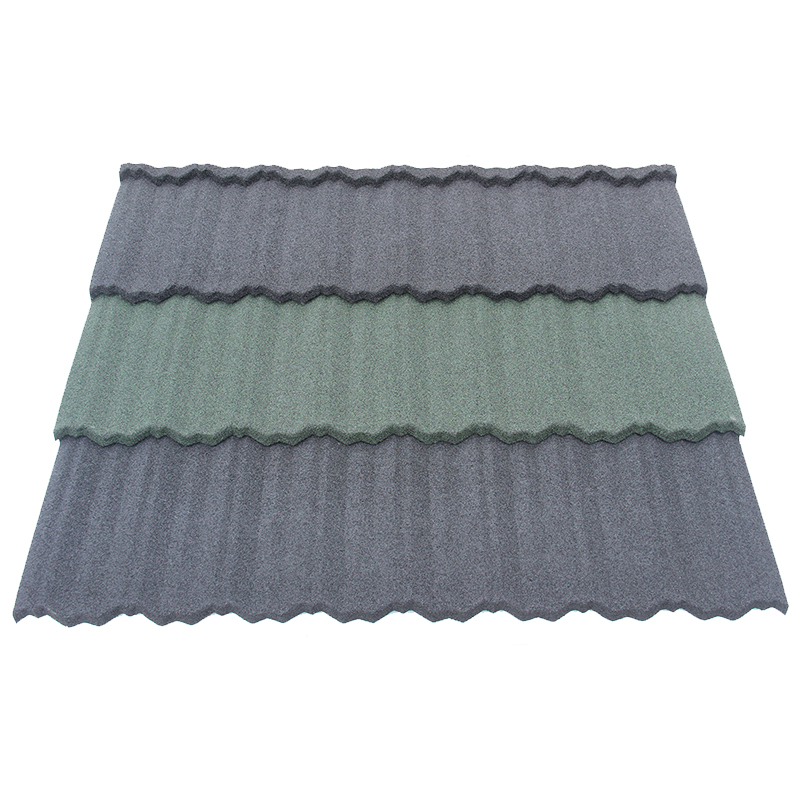
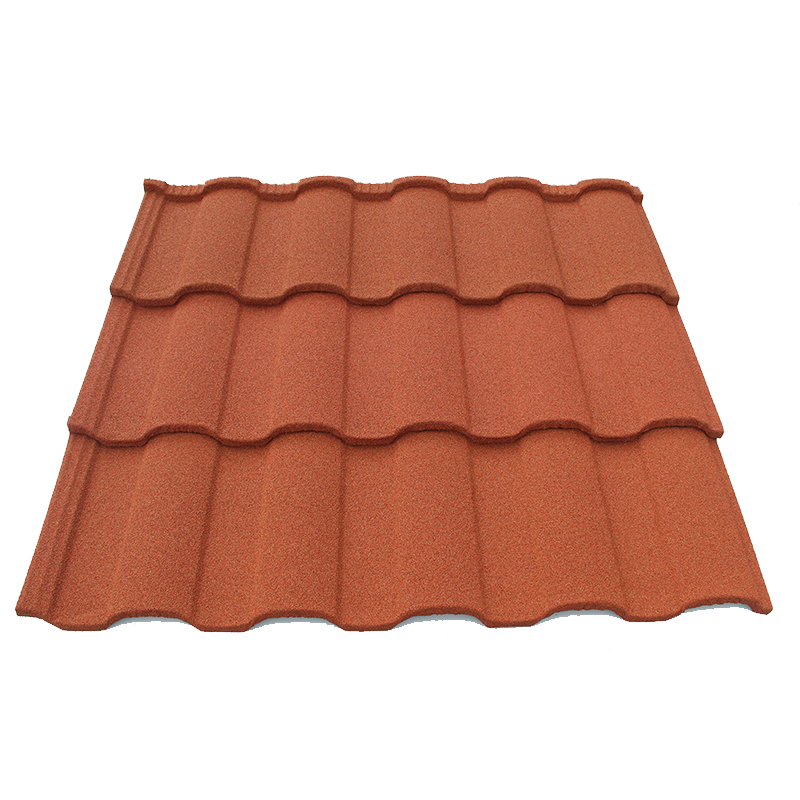
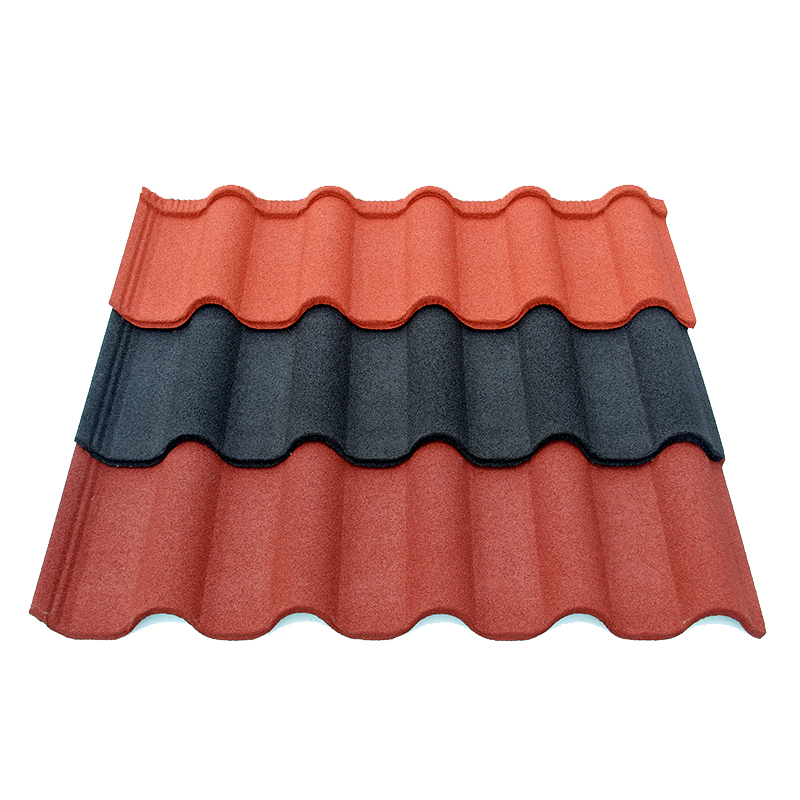
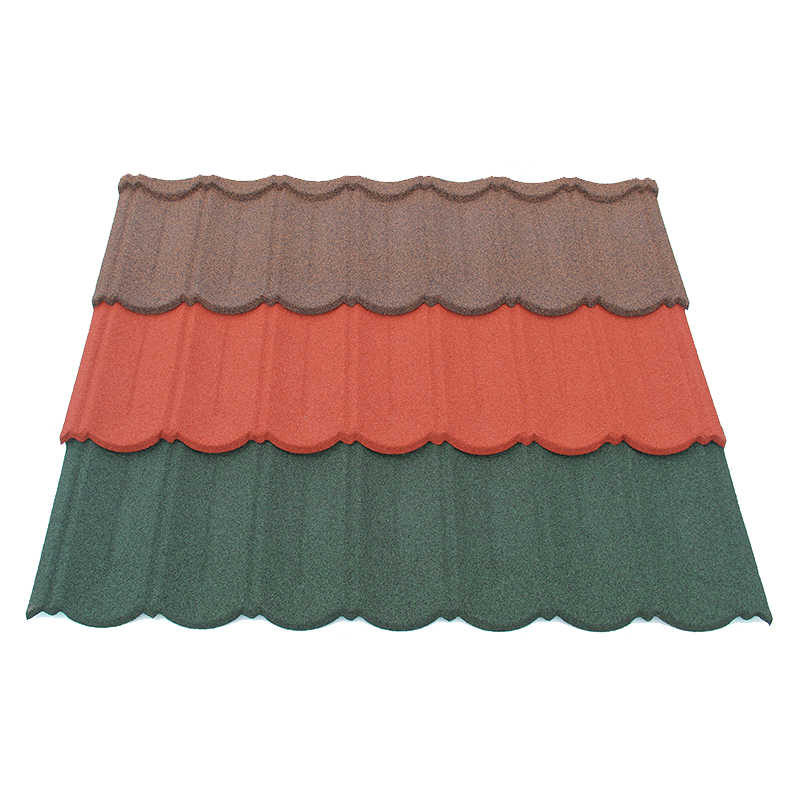
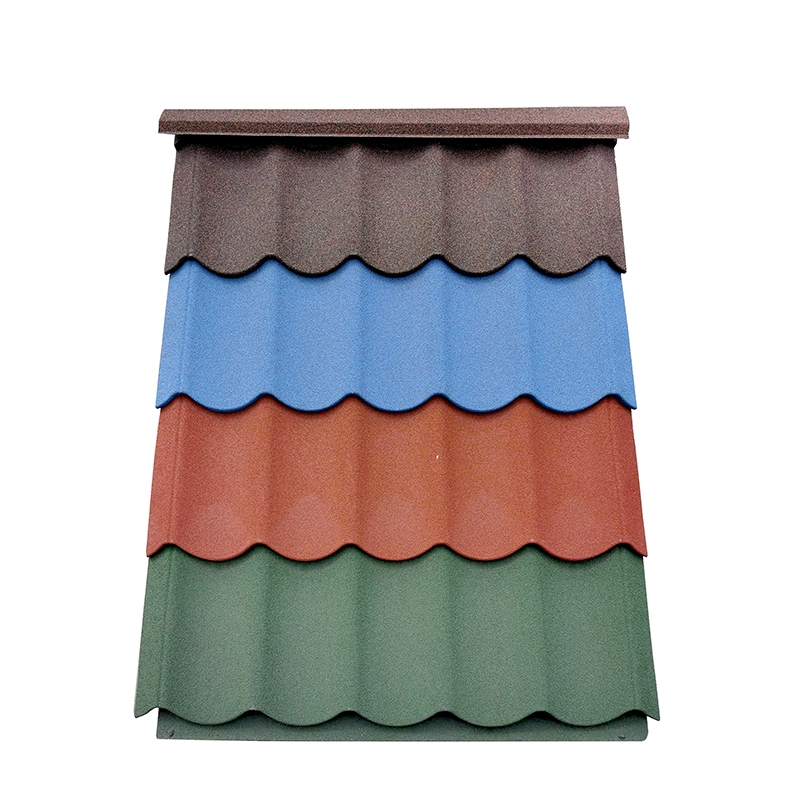
| Tile Profiles | bond tile / roman tile. | shingle tile / shake tile. |
Professional FAQ: Solving the Procurement Puzzle
Effective communication with the factory requires a deep understanding of why the stone coated steel tiles specifications vary across the global market. By focusing on Aluzinc mass and stone sintering technology, you shift the procurement focus from unit price to lifecycle durability. This technical clarity ensures that the shake tile or bond tile you import meets the high expectations of developers and architects, reducing the risk of mid-project disputes and material returns.
Can These Profiles Handle Heavy Site Traffic During Maintenance?
Denting is a risk on high-profile tiles like the roman tile if the installation crew is untrained. Workers must step only on the reinforced sections of the bond tile supported by the battens. Using soft-soled shoes is a non-negotiable requirement for site safety and surface quality. The structural memory of the shake tile and shingle tile provides a slight margin for error, but proper training is the only way to preserve the roof’s aesthetic and structural lifespan for decades without repair.
How to Prevent Condensation Under Metal Tiles?
The batten-mounted design of stone coated steel tiles creates a continuous air gap that acts as a thermal buffer. This “vented cold roof” effect allows moisture to evaporate before it attacks the bond tile or roman tile substructure. This passive ventilation also carries solar heat away from the building, lowering HVAC cooling loads. Whether you specify a shingle tile or a shake tile, this air gap prevents the mold and rot typically associated with direct-to-deck roofing systems in humid tropical climates.
Final Strategic Summary
Success in importing stone coated steel tiles depends on a shift from “price-buying” to “spec-buying.” Focus your technical audit on Aluzinc GSM, G300 steel quality, and 800°C sintering benchmarks for every bond tile or roman tile order. These engineering pillars support a roofing system that will outlast the competition. Partner with manufacturers who provide transparent mill certificates and technical support for profiles like shingle tile or shake tile. High-quality roofing is the ultimate hedge against market volatility. Contact our technical team today for a project-specific structural analysis and import logistical support.