
Procurement for large-scale roofing projects requires a technical distinction between standard profiles and reinforced geometries. The Bond Tile vs. Heavy Duty Bond Tile debate often centers on material thickness, yet the true structural divergence lies in the micro-engineering of the tile’s arc. While both systems utilize an Aluzinc core, the Heavy Duty variant incorporates a strategic reinforcement groove that redefines the roof’s diaphragm strength. Understanding these structural advantages is essential for project managers operating in regions prone to extreme snow loads or high-impact hailstorms. This guide decodes the mechanical differences that dictate long-term building envelope integrity.
The Geometry of Strength: Identifying the Unique Reinforcement Groove
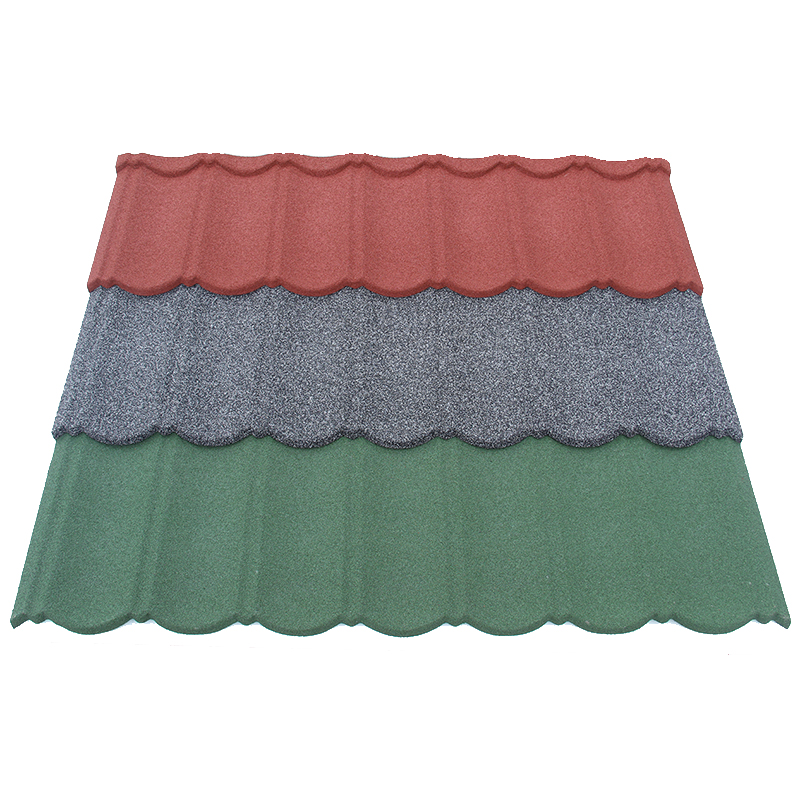
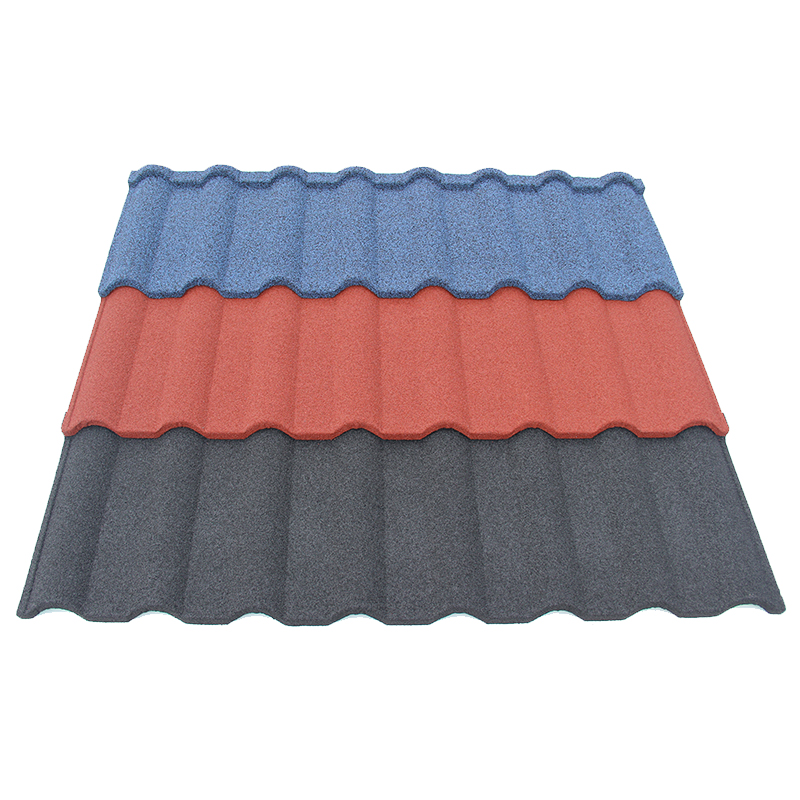
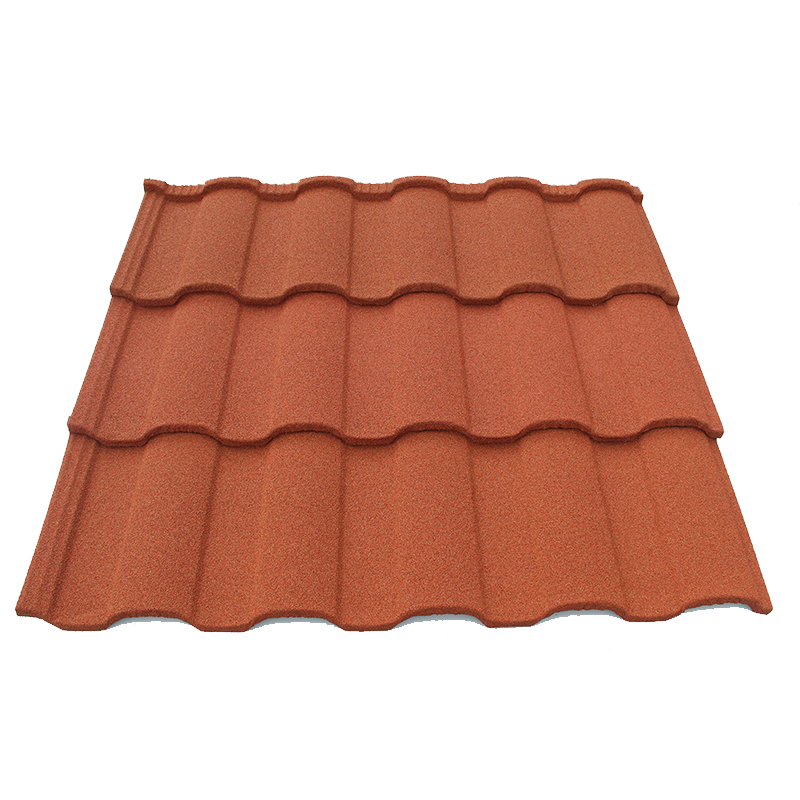
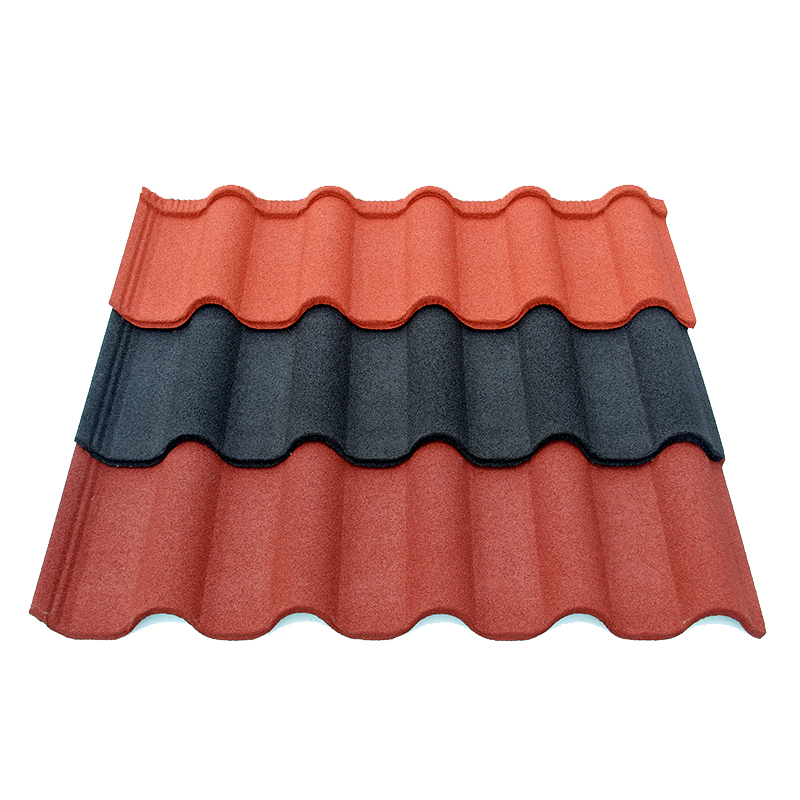
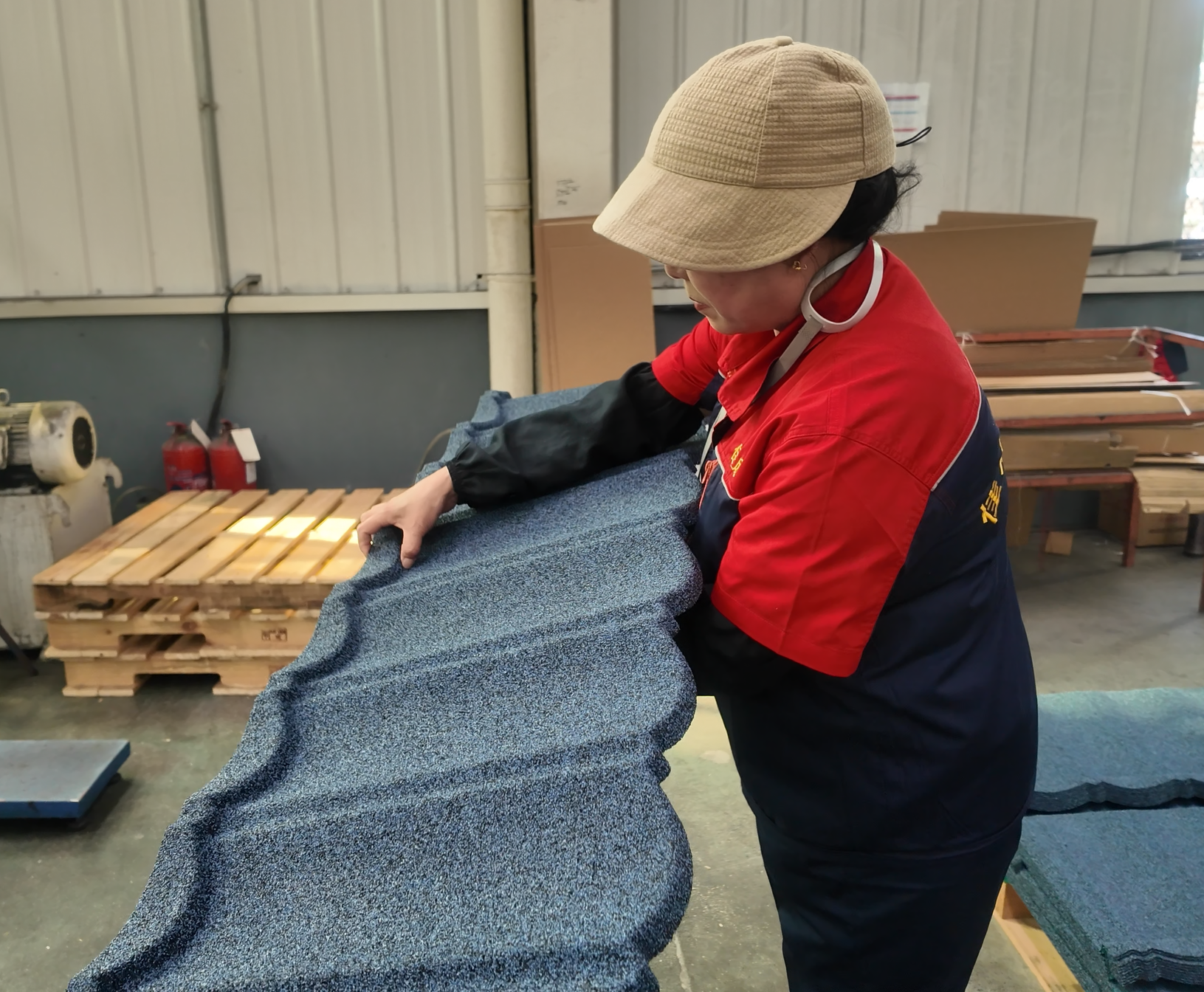
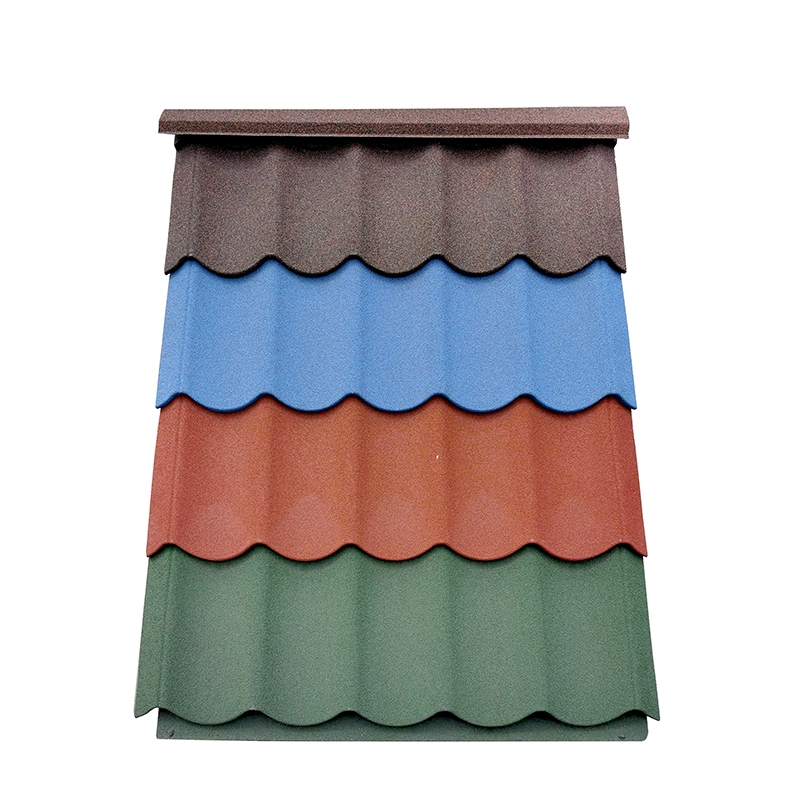
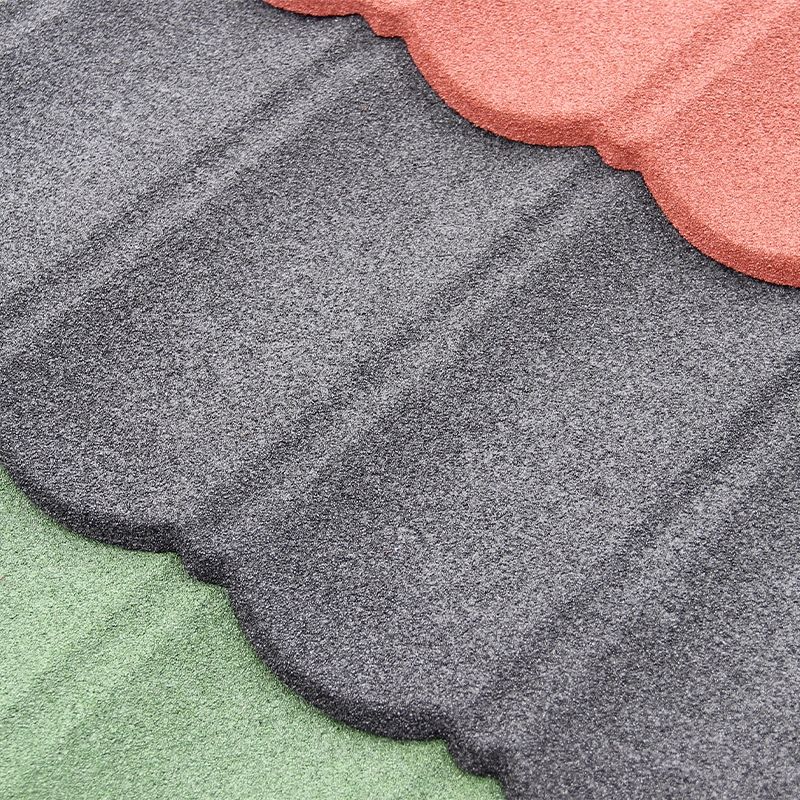
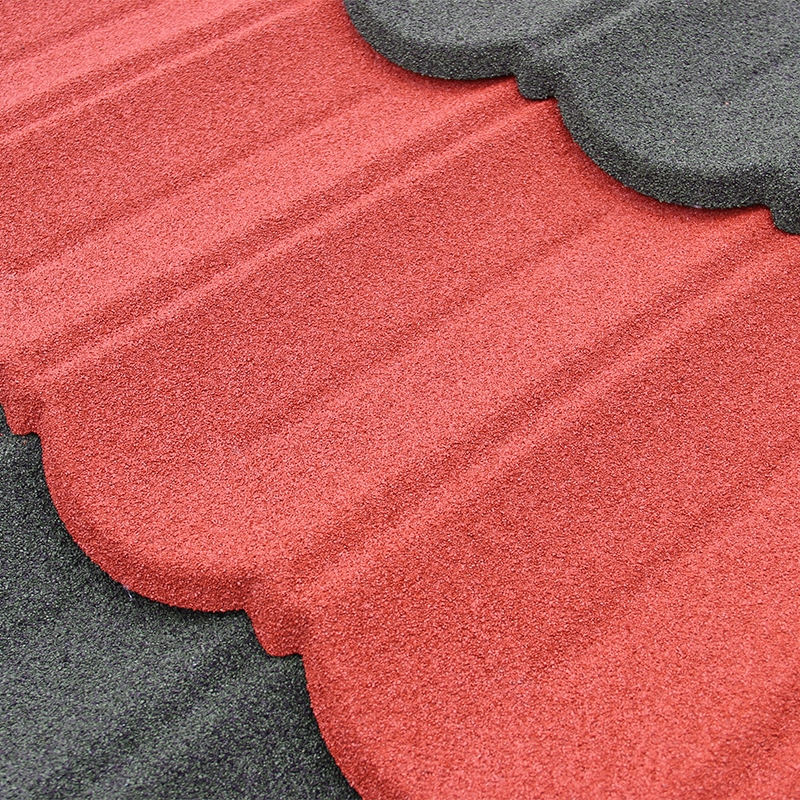
The primary architectural difference in the Bond Tile vs. Heavy Duty Bond Tile comparison is not visible from a distance. Standard Bond Tile utilizes a smooth, traditional circular arc inspired by classic Mediterranean clay. However, the Heavy Duty Bond Tile features a specialized longitudinal groove pressed into the center of each wave profile. This geometric modification increases the section’s moment of inertia, significantly reducing the risk of permanent metal deformation under concentrated weight. Manufacturers like jcroof utilize this high-pressure stamping technique to ensure the tile maintains its structural “memory” even after decades of environmental stress.
Static Load Distribution and Anti-Deformation Logic
In high-altitude projects, snow accumulation creates a persistent vertical force on the roofing system. The structural advantages of the Heavy Duty Bond Tile become evident as the reinforcement groove redistributes this static load across the entire panel surface. This prevents the “oil canning” or sagging effect common in standard profiles when subjected to extreme pressure. By specifying a 0.45mm or 0.50mm G300 steel base, the Heavy Duty variant ensures the roof deck remains perfectly flat, preserving the architectural prestige of the development for a fifty-year lifecycle.
The Interlocking Synergy of Bond Profiles
Both the Bond Tile and its Heavy Duty counterpart utilize a sophisticated modular interlocking system. This horizontal nose-fastening protocol is superior to the vertical nailing seen in asphalt or clay systems. However, the Heavy Duty Bond Tile offers a tighter mechanical fit at the lap joints due to its reinforced profile edges. This precision minimizes the risk of capillary water draw and wind-driven rain penetration during hurricane-force events. For B2B buyers, this extra level of structural security reduces long-term warranty liabilities and site-level remediation costs.
Metallurgical Endurance: AZ150 Aluzinc and Sintered Stone
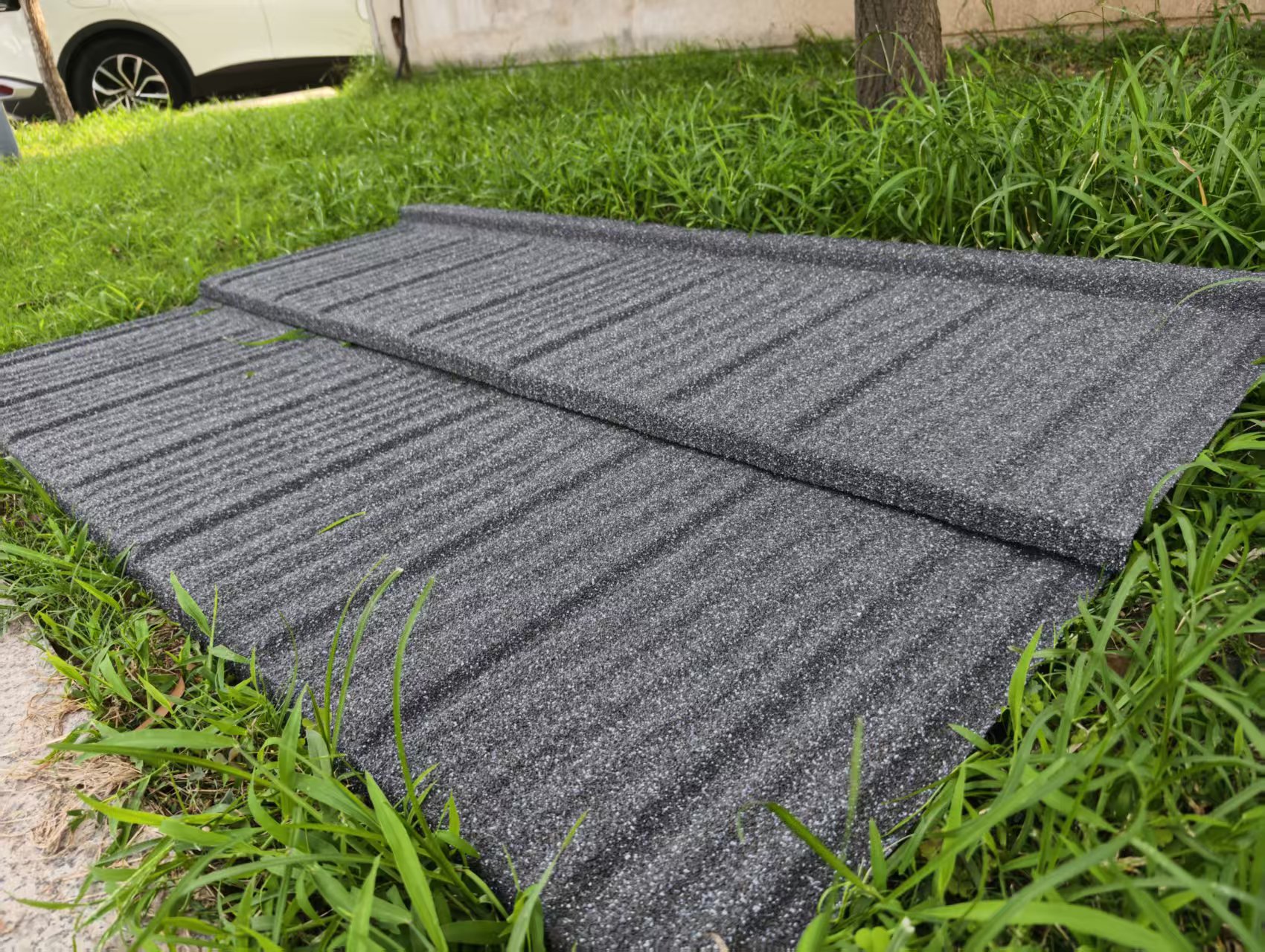
Regardless of the profile, the structure of stone coated metal roofing tiles depends on the chemical density of its protective layers. A standard Bond Tile provides excellent corrosion resistance with an AZ100 Aluzinc shield. For projects requiring the Heavy Duty classification, we recommend an AZ150 coating weight to maximize the “self-healing” boundary at cut edges. This metallurgical specification, combined with volcanic rock granules sintered at 800°C, creates an inorganic barrier that is virtually impervious to UV degradation and acid rain erosion across all jcroof product lines.
Acrylic Cross-Linking and Interface Bonding
The transition between the steel core and the stone surface is managed by a high-viscosity acrylic base coat. In the Bond Tile vs. Heavy Duty Bond Tile context, the adhesion strength must handle the increased mechanical stress of a reinforced profile. Professional-grade tiles utilize 100% pure acrylic resin with high cross-linking density. This ensures the stone matrix remains flexible yet locked in place during 100°C diurnal temperature swings. This chemical stability prevents the “balding” or de-granulation that can compromise the thermal performance of a premium roofing system.
Weight-to-Strength Ratios in Modern Construction
One of the most significant structural advantages of the Bond profile series is the lightweight nature of the panels. Both versions weigh approximately 1.5 lbs per square foot, which is nearly 85% lighter than traditional clay tiles. This allows for a “roof-over” installation where the new Classic Tile or Bond Tile is placed directly over old asphalt shingles. This weight reduction preserves the wooden rafters and eliminates the need for expensive structural reinforcement, significantly lowering the total cost per square foot for commercial renovation projects.
Comparative Matrix: Bond vs. Heavy Duty Specifications
Strategic procurement requires a data-driven comparison of the physical attributes of each profile. Use the following matrix to justify the upgrade to Heavy Duty for high-risk geographic zones.
| Technical Criterion | Standard Bond Tile | Heavy Duty Bond Tile |
|---|---|---|
| Arc Profile | Smooth Mediterranean Curve. | Reinforced Groove Geometry. |
| Deformation Resistance | Standard. | High (Reinforced Rib). |
| Recommended Gauge | 0.40mm – 0.45mm. | 0.45mm – 0.55mm. |
| Best Application | Residential Housing. | Commercial & Extreme Snow Zones. |
Professional FAQ: Solving the Profile Dilemma
Effective communication with clients requires a deep understanding of why the Bond Tile vs. Heavy Duty Bond Tile choice impacts project success. By explaining the “Groove Reinforcement” and “Load Distribution,” you shift the procurement focus from unit price to structural longevity. This ensures the building owner understands the value of a high-performance building envelope that is specifically engineered for their local climate stress.
Does the Heavy Duty Profile Affect Shipping Density?
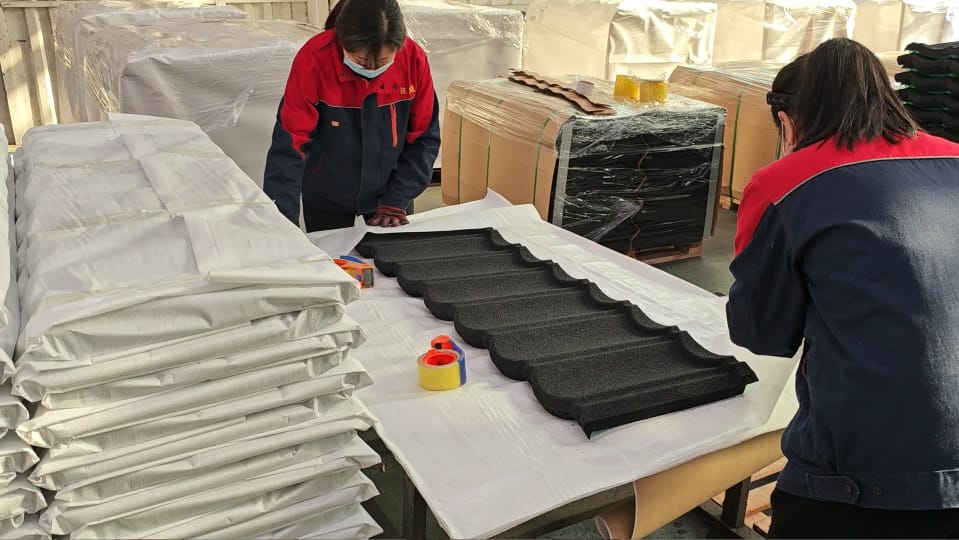
Because the reinforcement groove is precision-engineered, it does not interfere with the stacking modularity of the tiles. Whether you choose a Classic Tile or a Heavy Duty Bond Tile, you can fit approximately 8,000 to 10,000 square feet in a single 20ft container. This high shipping density minimizes the “landed cost” and makes the stone-coated system a highly competitive option for international B2B projects where logistical overheads are a major budget concern.
How to Handle Maintenance Traffic on Bond Profiles
Denting is the primary risk during site-level maintenance for high-profile tiles. Crews must be trained to step only on the reinforced sections of the Bond Tile supported by the battens. Using soft-soled shoes is mandatory. The structural advantages of the Heavy Duty variant provide a slightly higher margin for error during maintenance, but the horizontal “nose-fastening” must still be respected. Proper training preserves the roof’s aesthetic for several decades and prevents localized repair costs.
Final Procurement Action Plan
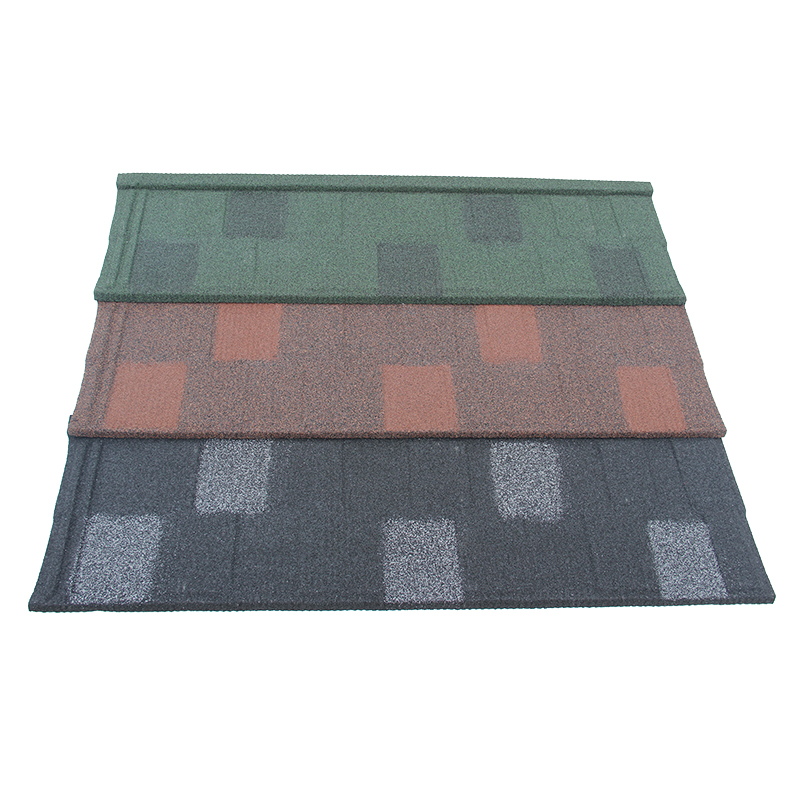
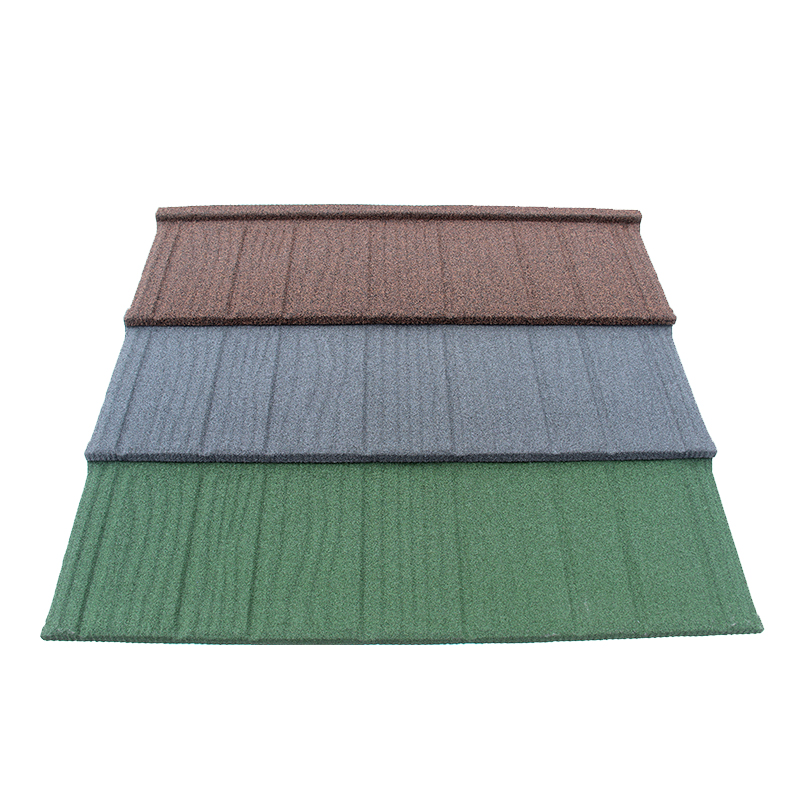
Success in roofing procurement depends on a shift from “price-buying” to “structural-buying.” Focus your technical audit on Aluzinc GSM, G300 steel ductility, and the presence of the reinforcement groove in the Heavy Duty Bond Tile. These pillars support a system that will outlast the competition. Partner with manufacturers like jcroof who provide transparent technical support for profiles like Shingle or Bond Tile. Investing in a reinforced profile today is the ultimate hedge against future climate volatility. Contact our technical team today for a project-specific structural analysis.