

One of the most common concerns from contractors and buyers comparing systems is: is it true that stone coated roofing is very difficult to install compared to standing seam? This question often comes up during project planning, especially when labor cost, installer availability, and timeline are critical factors.
From a professional perspective, the answer is not as straightforward as “yes” or “no.” In reality, stone coated roofing (stone coated steel roofing) and standing seam systems require different skill sets—and in many cases, standing seam is actually more technically demanding to install.
Understanding the Core Installation Differences
To properly answer is it true that stone coated roofing is very difficult to install compared to standing seam, you need to understand how each system is installed. These are fundamentally different roofing approaches.
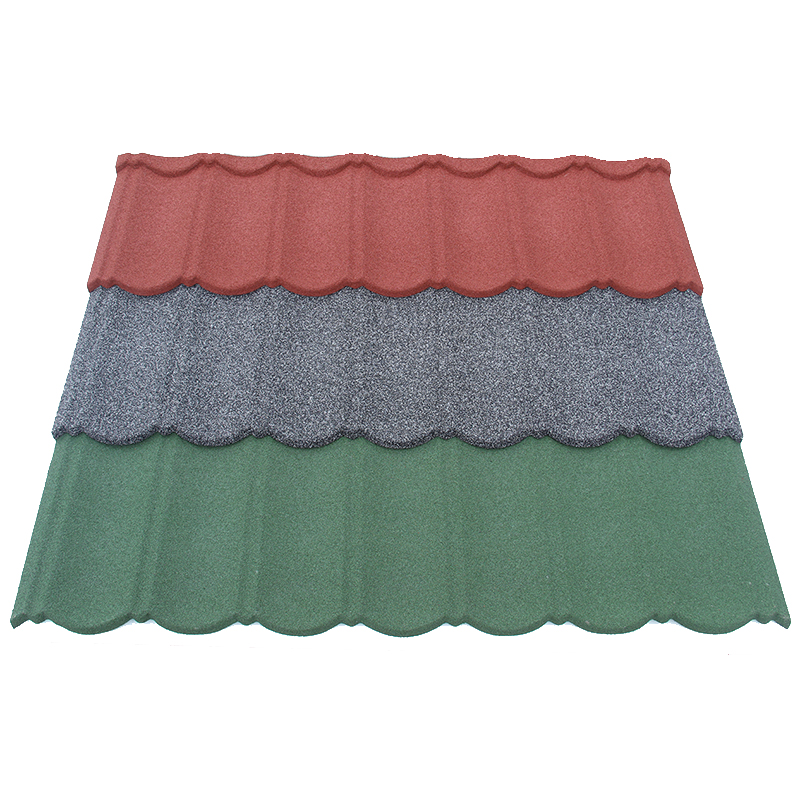
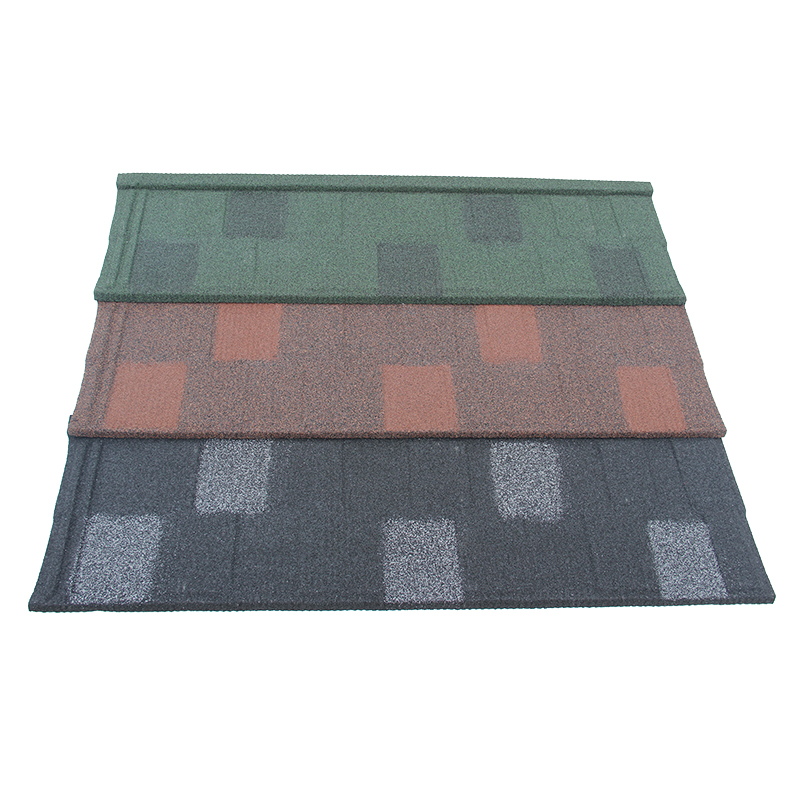
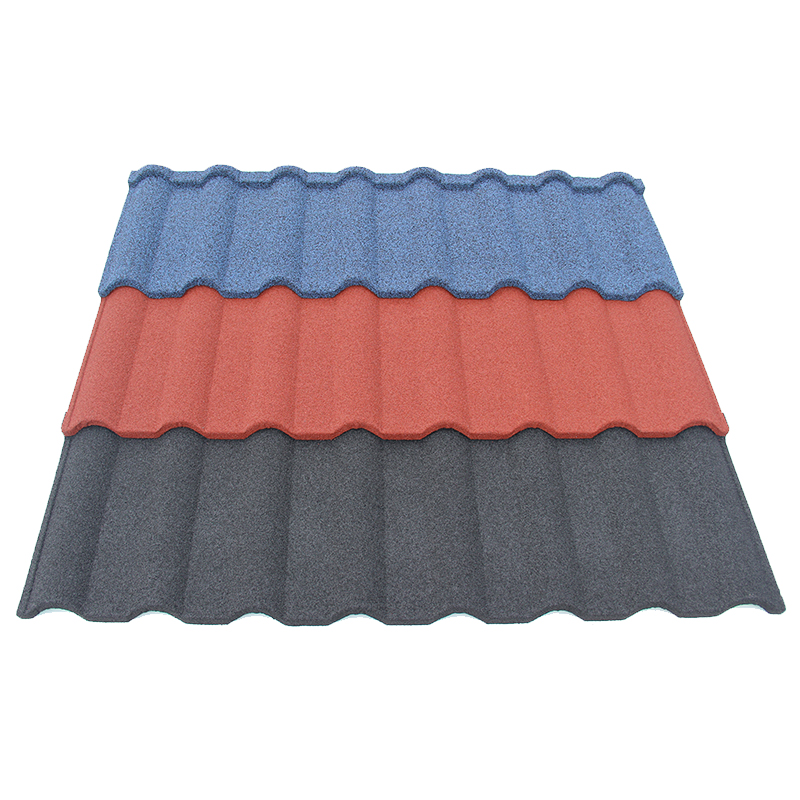
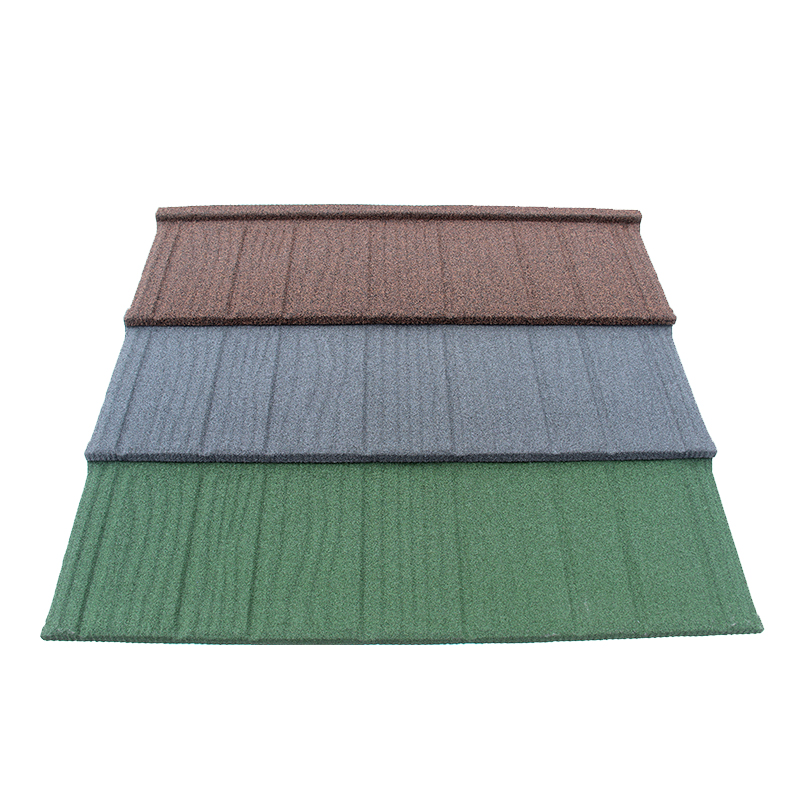
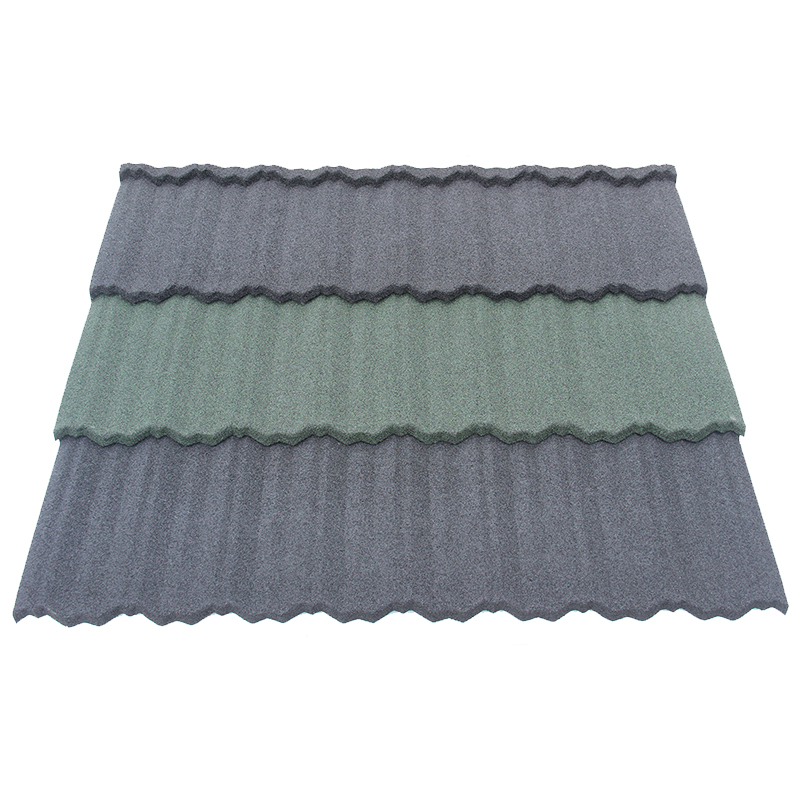
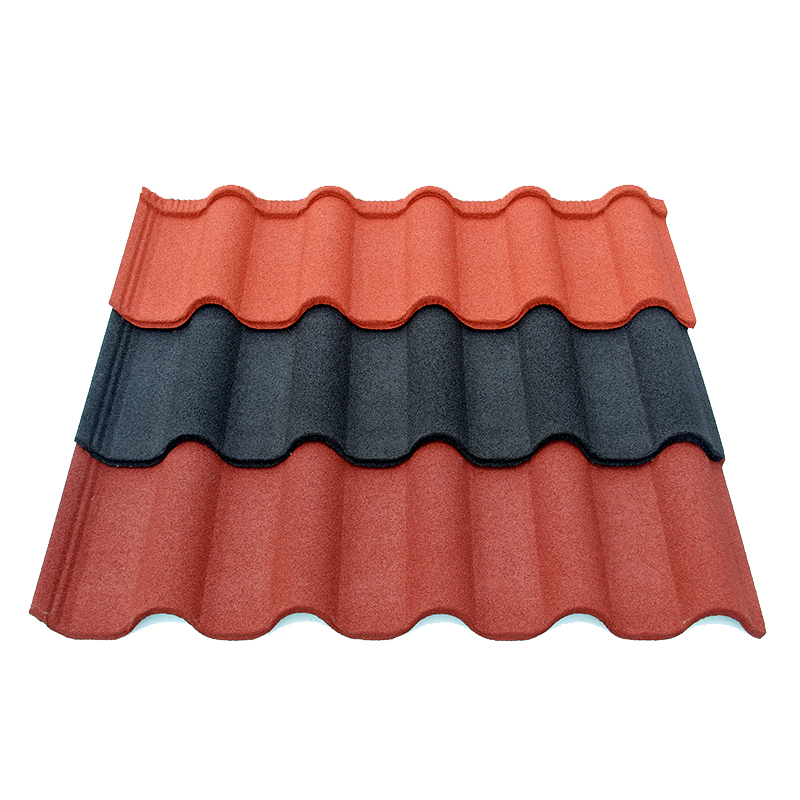
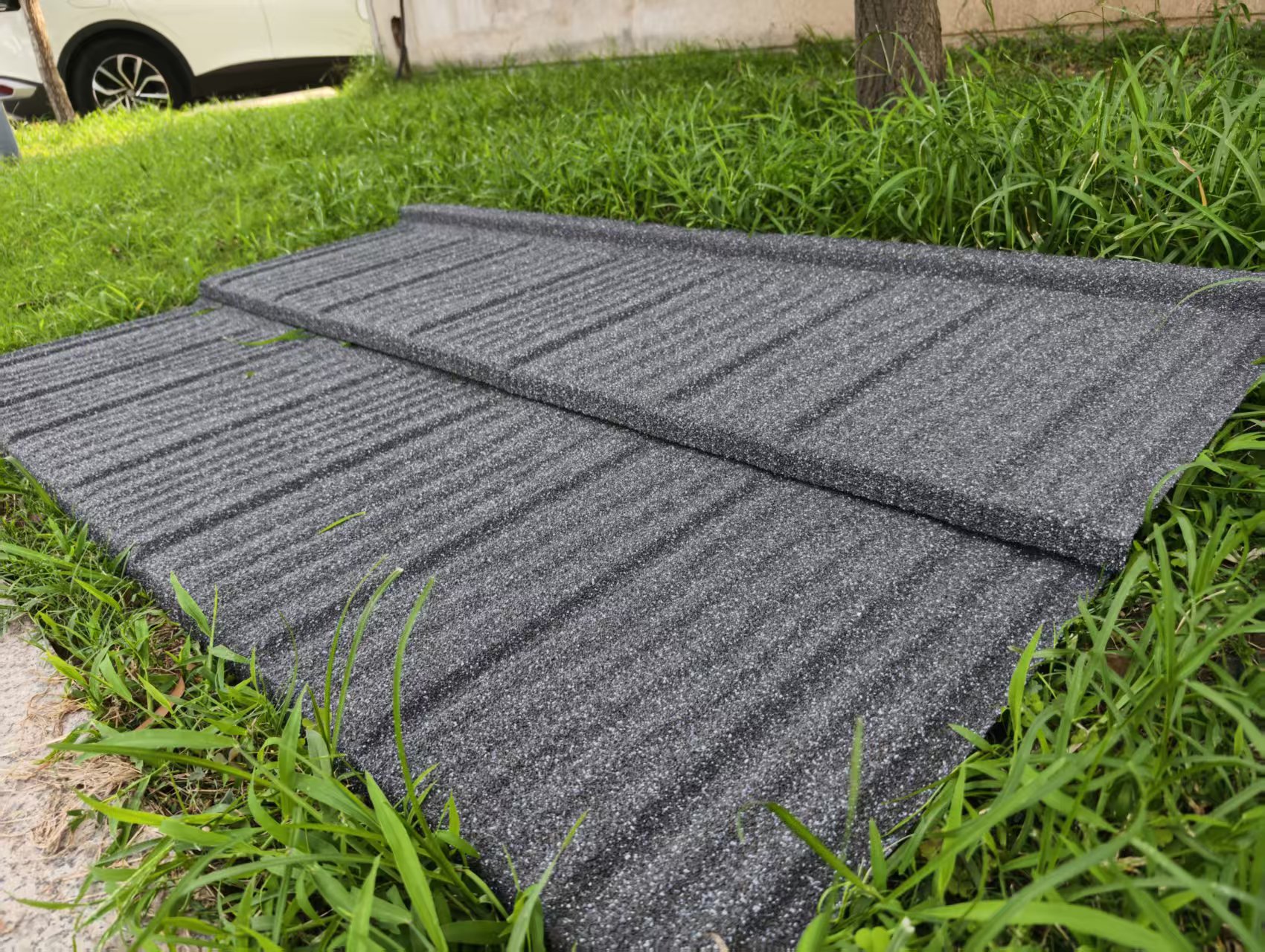
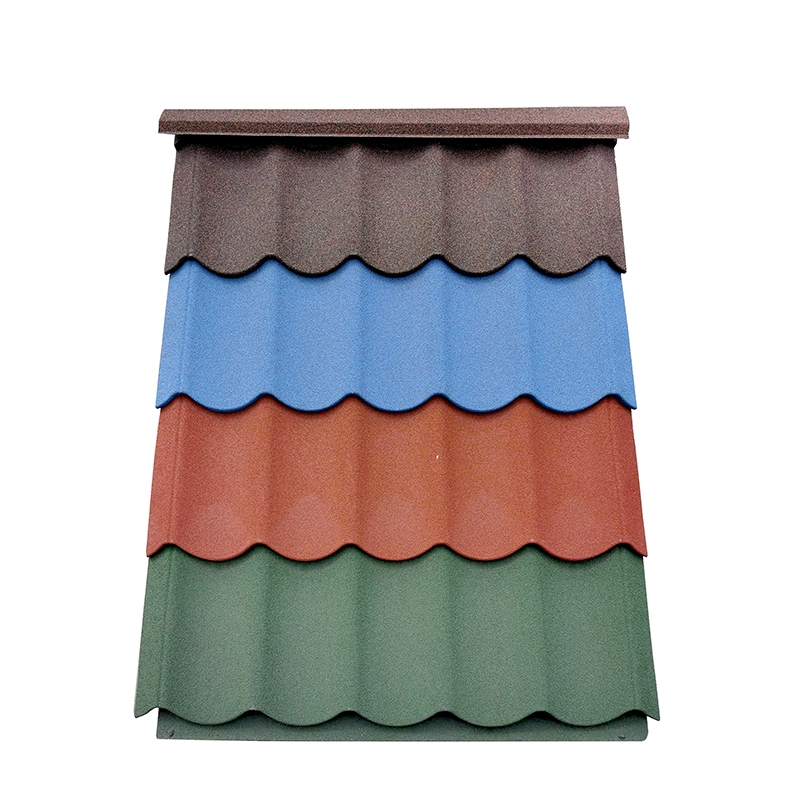
Stone coated metal roofing uses smaller, modular panels installed in overlapping rows, similar to traditional shingles or tiles. Standing seam, on the other hand, uses long vertical panels with concealed fasteners and precise seam connections.
This difference directly impacts installation complexity, required tools, and labor skill level.
Basic Installation Comparison
- Stone coated roofing: modular system, installed piece-by-piece
- Standing seam: large panels, mechanically or snap-locked seams
Which One Is Actually Harder to Install?
When directly comparing is it true that stone coated roofing is very difficult to install compared to standing seam, most experienced contractors will tell you: standing seam is generally more technically demanding.
This is because standing seam requires precision forming, specialized tools, and highly skilled labor to ensure proper waterproofing and alignment.
Standing seam systems often require trained professionals and longer installation times due to their complexity.
Why Standing Seam Is Considered More Complex
- Requires specialized roll-forming or pre-fabricated panels
- Complex flashing and trim details
- Precision seam locking (mechanical or snap-lock)
- Higher risk of leaks if installed incorrectly
In fact, standing seam is widely considered not DIY-friendly and requires experienced installers, which directly increases labor costs.
Where Stone Coated Roofing Can Be Challenging
That said, answering is it true that stone coated roofing is very difficult to install compared to standing seam also requires acknowledging where stone coated systems can be challenging.
While the system is more forgiving, it still requires proper training—especially for achieving consistent alignment and secure fastening.
Key Challenges
- Learning the correct overlap and fastening patterns
- Maintaining visual alignment across rows
- Handling accessories like ridges, valleys, and hips
For example, with Bond Tile, maintaining straight horizontal lines is critical for appearance, especially on large roof areas.
Installation Speed and Efficiency
Another important factor in is it true that stone coated roofing is very difficult to install compared to standing seam is installation speed.
In most residential projects, stone coated roofing can be installed faster once the crew is familiar with the system.
Standing seam installation typically takes longer due to panel handling, seam formation, and detailed flashing work.
Typical Installation Characteristics
- Stone coated roofing: faster learning curve for roofing crews
- Standing seam: slower, more precision-driven process
On complex roofs, this time difference becomes even more noticeable.
How Roof Design Impacts Installation Difficulty
The answer to is it true that stone coated roofing is very difficult to install compared to standing seam also depends heavily on roof design.
Different systems perform better in different scenarios.
Complex Roofs (Valleys, Dormers, Hips)
- Stone coated roofing is often easier to adapt
- Modular pieces simplify detailing
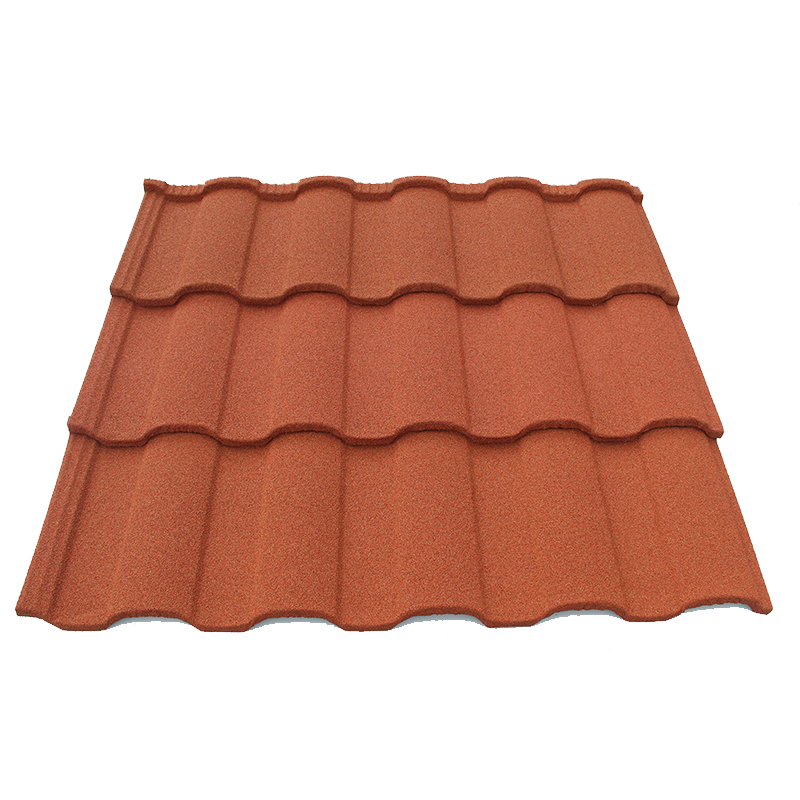
In projects using Roman Tile, the system adapts well to curved and complex roof layouts, reducing installation difficulty in those cases.
Simple, Large Roof Areas
- Standing seam can be efficient on large, open surfaces
- Fewer seams, cleaner layout
Labor Availability and Skill Requirements
One of the most practical answers to is it true that stone coated roofing is very difficult to install compared to standing seam lies in labor availability.
Standing seam installers are generally harder to find and require more specialized training, which increases project risk and cost.
Stone coated roofing, while still requiring training, is more accessible to experienced roofing crews familiar with tile or shingle systems.
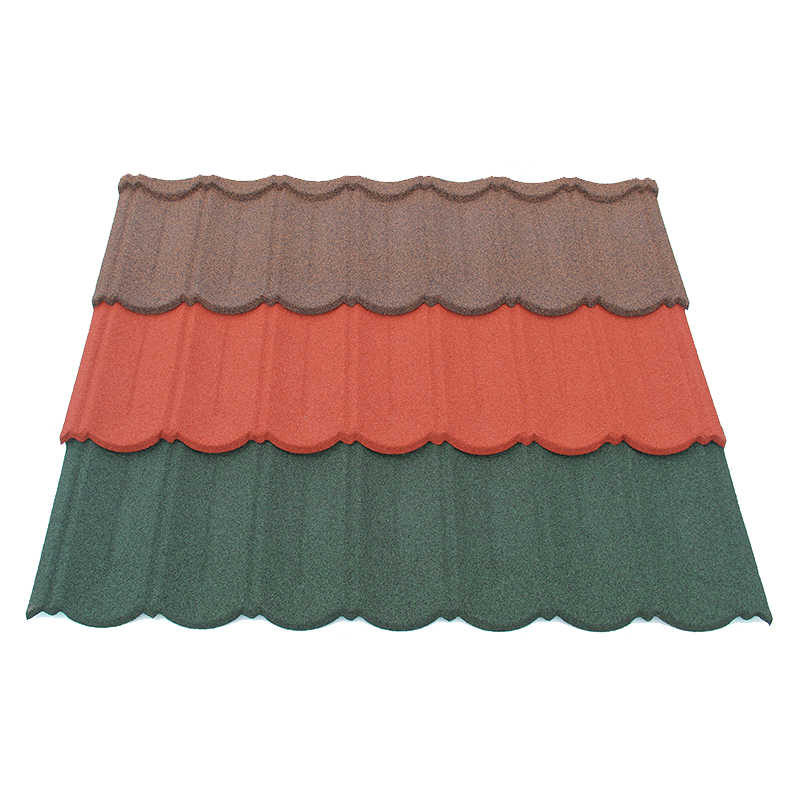
In installations using Shingle Tile, many contractors transition quickly because the installation logic is similar to traditional roofing methods.
Cost Implications of Installation Difficulty
Installation difficulty directly affects labor cost, making this a key factor in project decisions.
Standing seam systems often have higher labor costs due to longer installation time and specialized skill requirements.
| Factor | Stone Coated Roofing | Standing Seam |
|---|---|---|
| Skill Requirement | Moderate | High |
| Installer Availability | Wider | Limited |
| Installation Time | Moderate | Longer |
| Labor Cost | Moderate | Higher |
How Profile Choice Affects Installation
Within stone coated roofing itself, profile choice also influences installation difficulty.
Some designs are more forgiving, while others require more precision.
For example, Milano Tile, with its flatter and more modern design, requires tighter alignment to maintain a clean visual finish compared to deeper profiles.
Common Misconceptions About Installation Difficulty
There are several misconceptions behind the question is it true that stone coated roofing is very difficult to install compared to standing seam.
“Stone Coated Roofing Is Complicated Because It’s Metal”
In reality, it installs more like traditional roofing systems than metal panels.
“Standing Seam Is Easier Because It Uses Fewer Pieces”
Fewer pieces does not mean easier—precision requirements are much higher.
“Both Systems Are Similar in Installation”
They require completely different tools, skills, and workflows.
Practical Advice for Buyers and Contractors
For B2B buyers, developers, and contractors, the key to answering is it true that stone coated roofing is very difficult to install compared to standing seam is understanding your project priorities.
Choosing the right system depends on roof complexity, labor availability, and budget—not just perceived difficulty.
In the industry, manufacturers such as JCROOF often support contractors with installation guidelines and training resources, helping reduce the learning curve for stone coated systems.
Recommended Strategy
- Use stone coated roofing for complex or traditional-style roofs
- Choose standing seam for modern, large-surface designs
- Work with experienced installers for either system
- Factor labor availability into project planning
Conclusion: Is Stone Coated Roofing More Difficult to Install?
So, is it true that stone coated roofing is very difficult to install compared to standing seam? Not really. While stone coated roofing does require proper training, standing seam systems are generally more technically demanding due to precision requirements, specialized tools, and longer installation time.
For most residential and mixed-use projects, stone coated steel roofing offers a more flexible and accessible installation process—especially when dealing with complex roof designs. The key is not which system is “harder,” but which one is better suited to your project conditions.