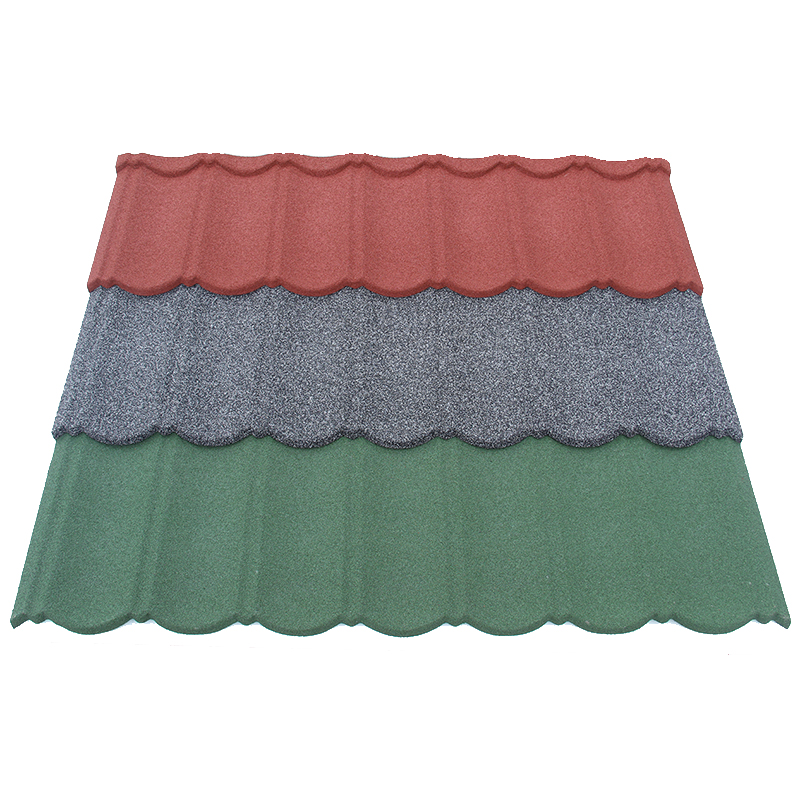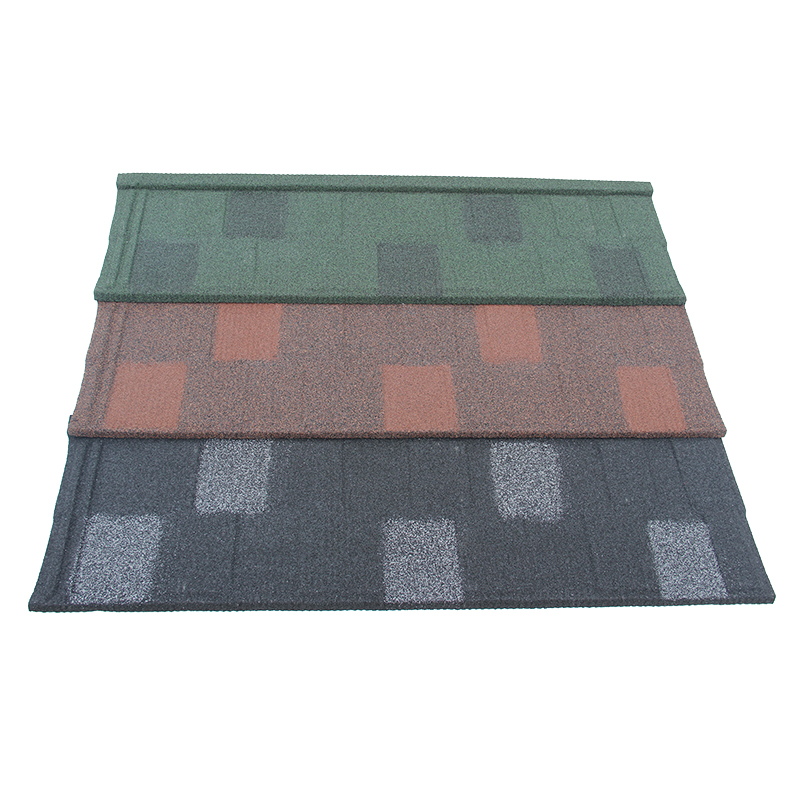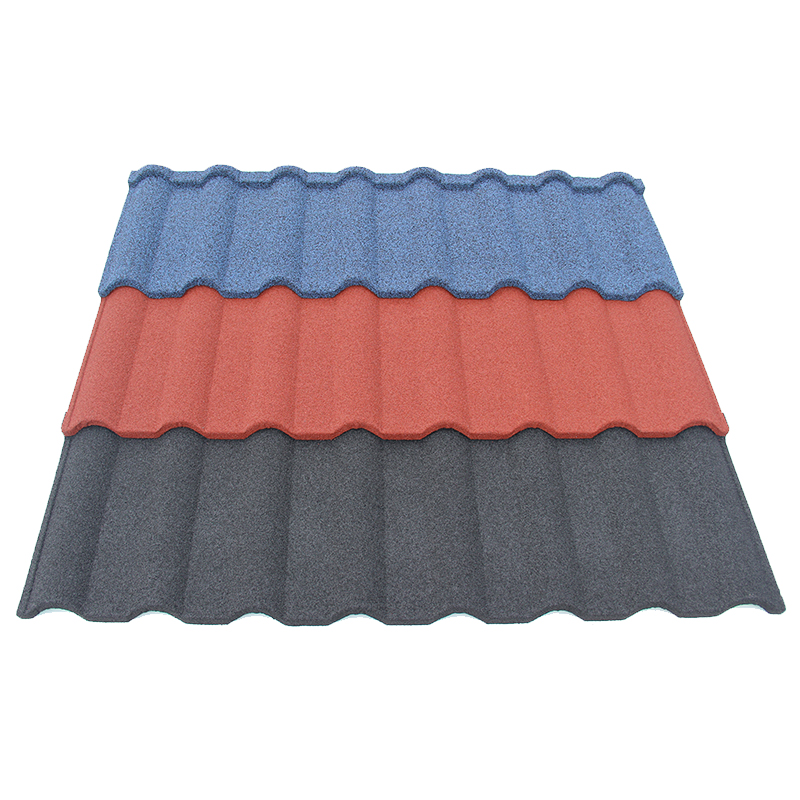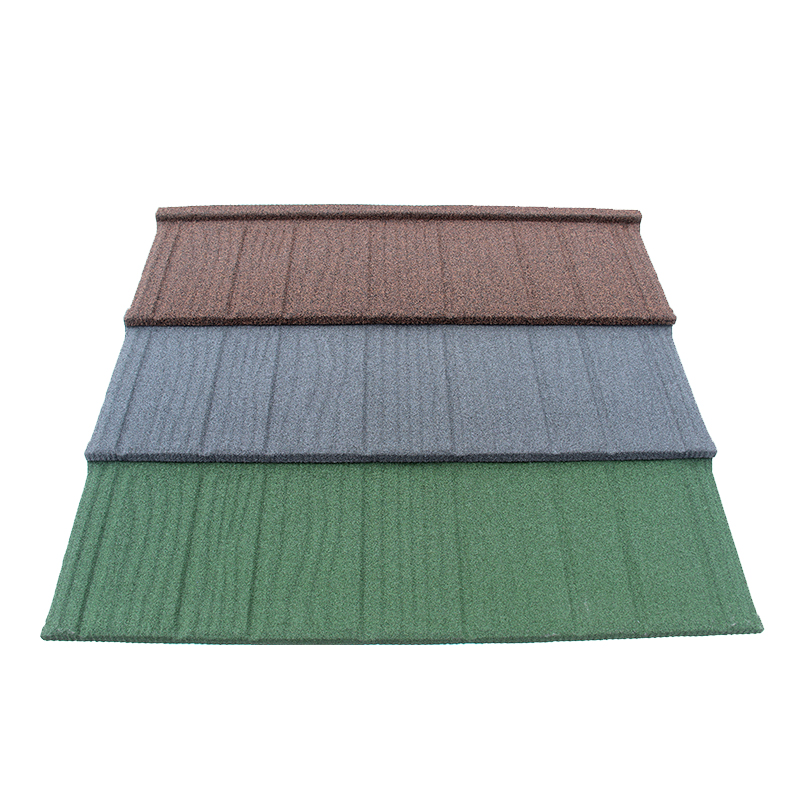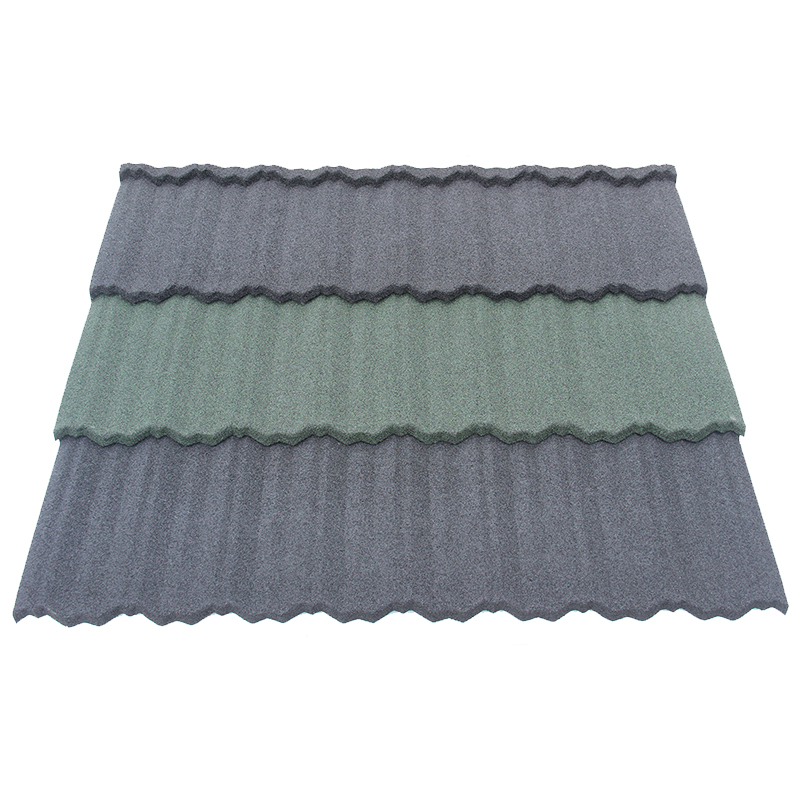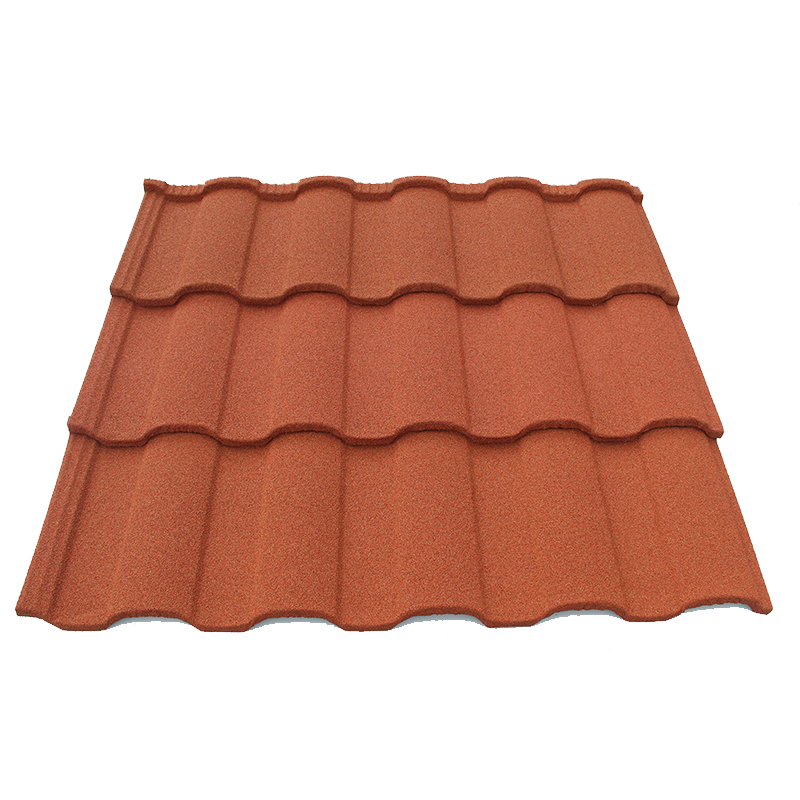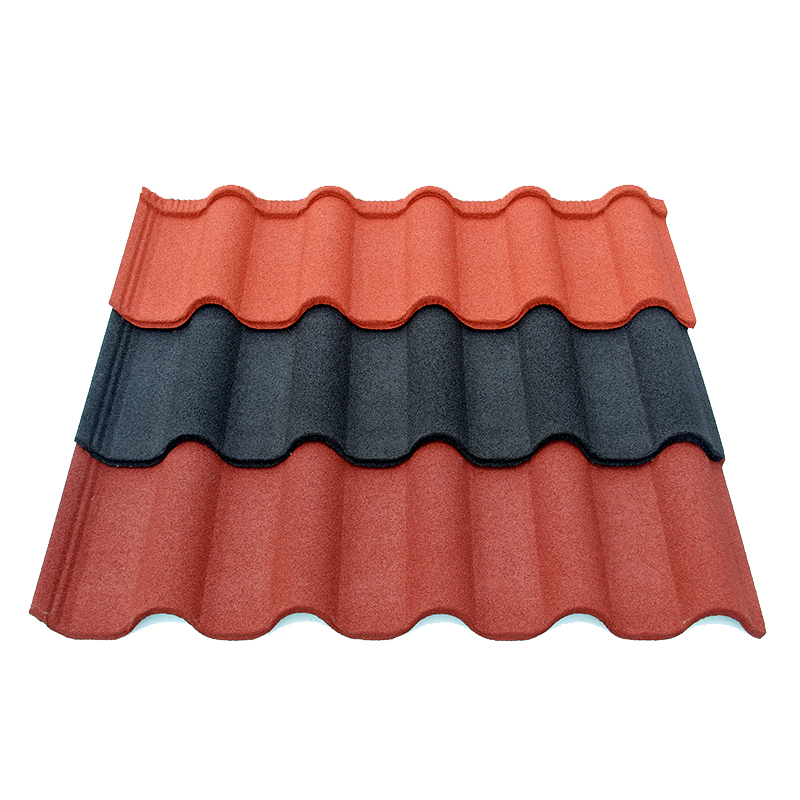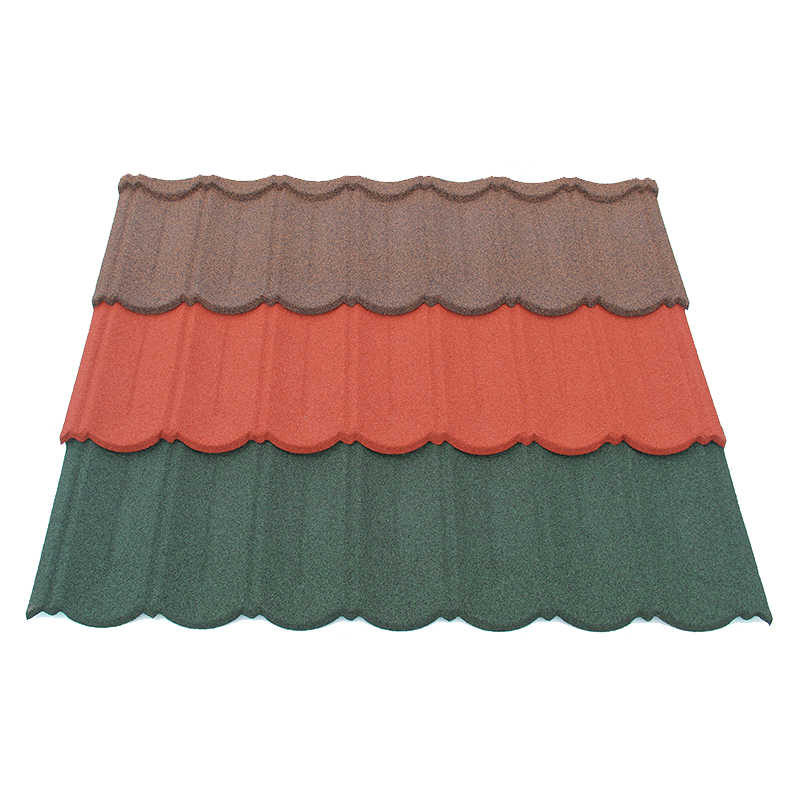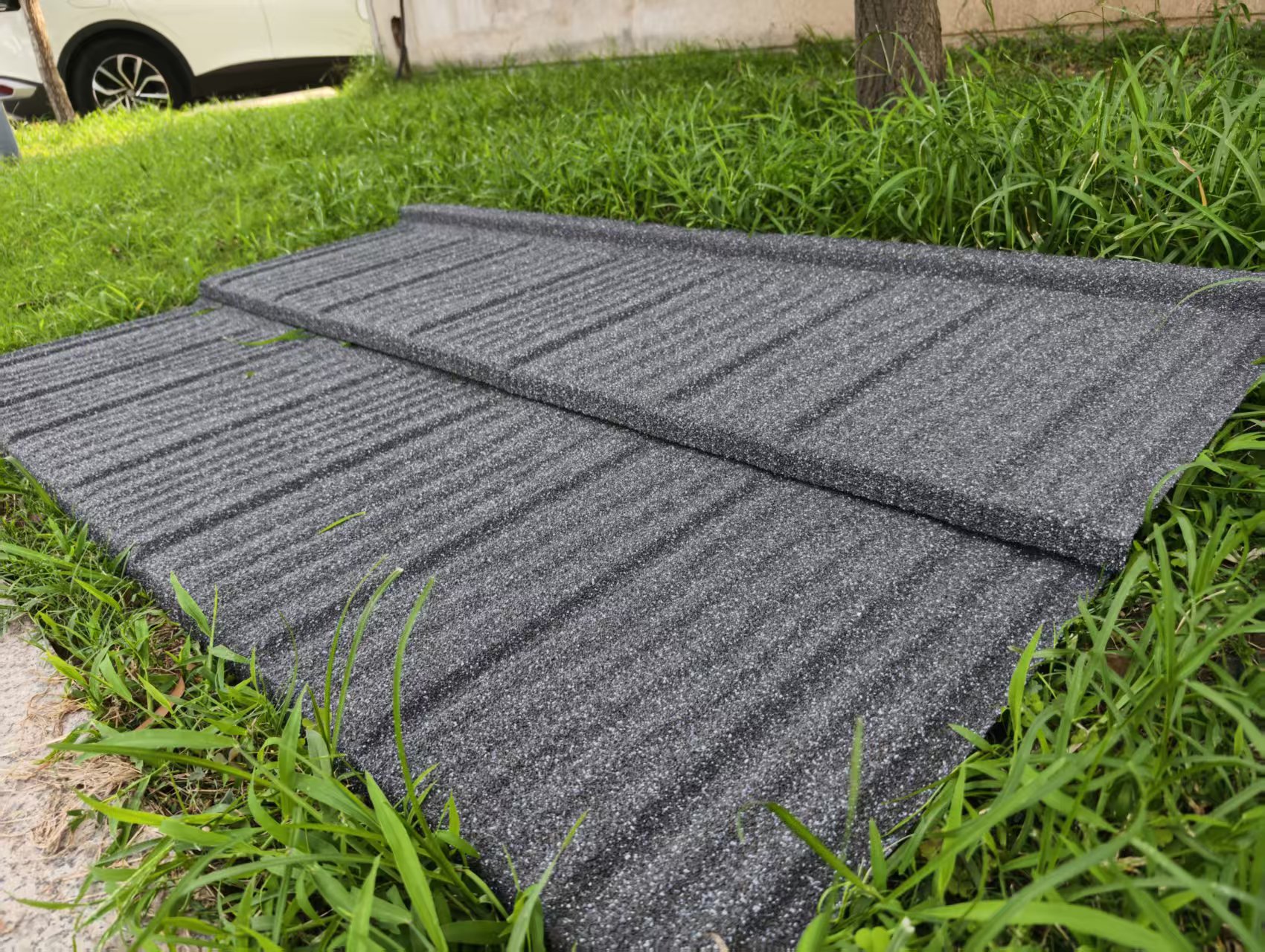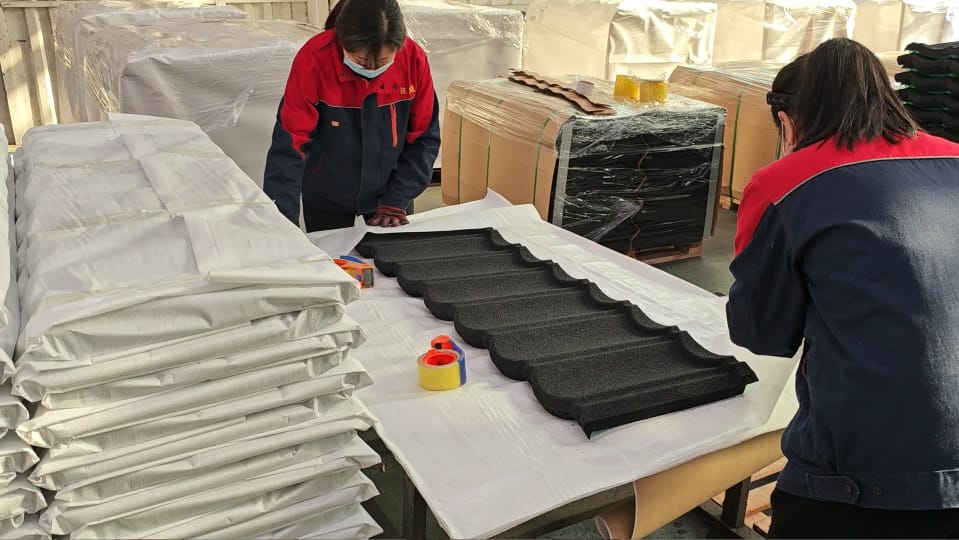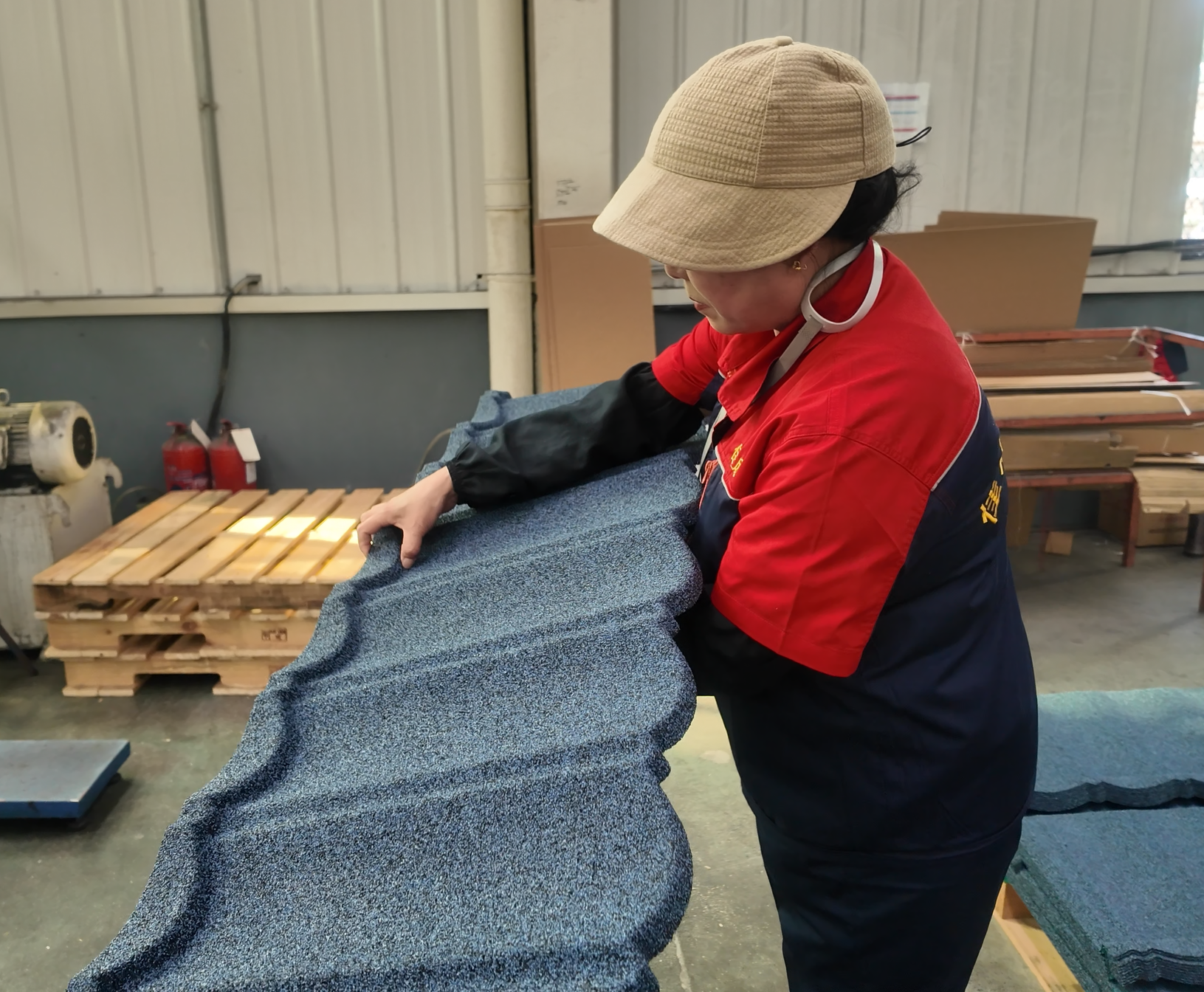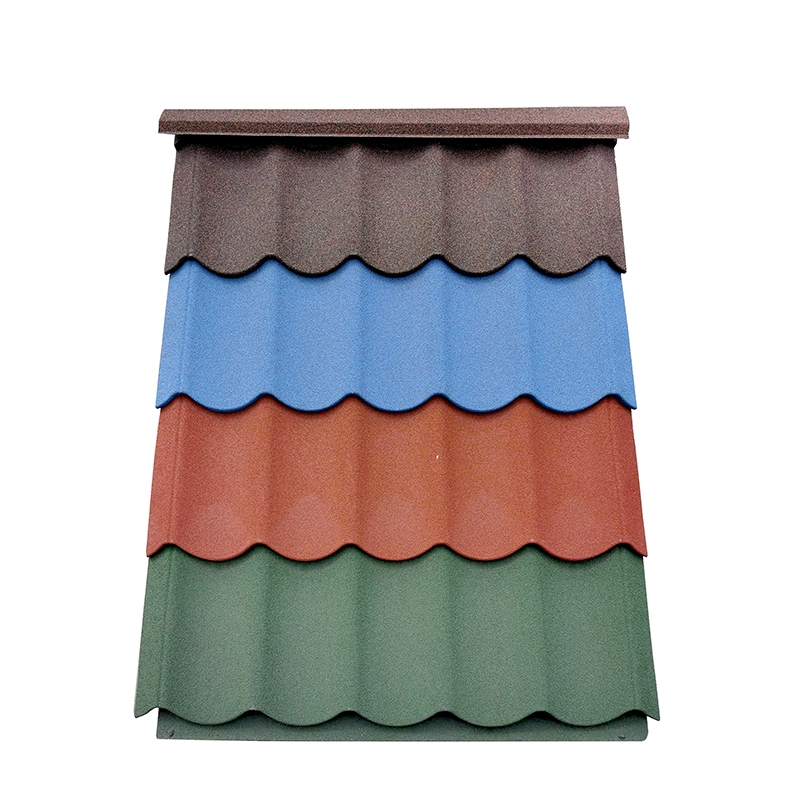

Stone coated roofing (stone coated steel roofing) is often marketed as a “best of both worlds” solution—combining the strength of metal with the look of traditional tiles or shingles. But is it really as perfect as it sounds?
The honest answer: it’s a high-performance roofing system with clear advantages, but it’s not ideal for every project. Understanding both the benefits and the drawbacks is essential before making a decision.
The Biggest Advantages of Stone Coated Steel Roofing
Let’s start with why this product has gained so much popularity in recent years.
1. Long Lifespan (40–70 Years)
One of the strongest selling points is durability. Stone coated steel roofing can last 40–70 years, with many systems backed by 50-year warranties.
This means fewer replacements compared to traditional materials.
Over time, this significantly reduces lifecycle cost.
2. Excellent Weather Resistance
This roofing system is engineered to handle extreme conditions.
- Wind resistance up to 120–160 mph
- Class 4 impact resistance (hail protection)
- Class A fire rating
These features make it ideal for hurricane, hail, and wildfire-prone regions.
In profiles like Bond Tile, the interlocking design further improves wind performance.
3. Lightweight but Strong
Despite its durability, stone coated steel roofing is much lighter than concrete or clay tiles.
This reduces structural load.
It also makes it suitable for retrofit projects without reinforcement.
4. Low Maintenance
Unlike asphalt shingles, this material does not crack, curl, or deteriorate quickly.
Maintenance is minimal—usually just occasional cleaning.
This reduces long-term upkeep costs.
5. Energy Efficiency
Stone coated steel roofing can reflect heat and reduce thermal transfer into the building.
This may lower cooling costs by up to 20–25% in some cases.
In modern designs like Shingle Tile, lighter colors further improve heat reflection.
6. Aesthetic Flexibility
Unlike traditional metal roofs, this system mimics the appearance of:
- Clay tiles
- Wood shakes
- Architectural shingles
This makes it suitable for both modern and traditional architecture.
In classic styles such as Roman Tile, it delivers a premium look without the weight of real clay.
The Real Drawbacks You Should Know
No roofing system is perfect—and this one is no exception.
1. Higher Upfront Cost
This is the biggest barrier for most buyers.
Stone coated steel roofing typically costs 2–3 times more than asphalt shingles.
While it may be cheaper long-term, the initial investment can be difficult to justify for short-term projects.
2. Installation Requires Skilled Labor
This is not a DIY-friendly roofing system.
It requires trained installers familiar with interlocking panels and proper fastening.
Poor installation can lead to leaks or performance issues.
3. Repairs Are More Complex
Unlike shingles, individual panels are not always easy to replace.
The interlocking system means adjacent panels often need to be removed first.
This increases repair time and cost.
4. Gradual Granule Loss (Cosmetic)
Over time, the stone coating may experience some granule loss.
This is usually cosmetic and does not affect waterproofing.
However, it can impact appearance after many years.
5. Limited Installer Availability
Not every roofing contractor is experienced with this system.
This can limit your choice of installers.
It may also increase labor costs in some regions.
6. Potential Denting or Cosmetic Damage
While highly durable, extreme impacts can still cause dents or visible marks.
In some cases, insurance may classify this as cosmetic damage rather than functional damage.
This can affect claim outcomes in hail-prone areas.
What Real Users and Contractors Say
Feedback from real-world users and contractors is mixed—often depending on installation quality.
“If installed correctly it can last past 50 years… less maintenance than other materials.”
“The initial roof will cost two or three times more… repairs can be expensive.”
This highlights an important point: performance is highly dependent on proper installation and contractor expertise.
When It’s a Smart Choice
Stone coated roofing is a strong investment in the following situations:
- Long-term property ownership
- Regions with extreme weather (wind, hail, fire)
- Projects prioritizing durability and low maintenance
- High-end residential or commercial developments
In premium profiles like Milano Tile, it combines durability with strong visual appeal.
When It May Not Be Worth It
It may not be the best option if:
- You plan to sell the property in a few years
- Your budget is limited
- Qualified installers are not available locally
Final Verdict: Is It Worth It?
Stone coated steel roofing is not the cheapest option—but it is one of the most durable and long-lasting.
If you are focused on short-term cost, it may not make sense.
If you are focused on long-term value, performance, and reduced maintenance, it is often worth the investment.
The honest truth: it’s a premium roofing solution that delivers strong returns—but only when used in the right context.