
When it comes to choosing roofing materials, contractors often guide clients toward solutions that balance durability, performance, and long-term value. One common recommendation today is stone coated roofing (stone coated steel roofing) instead of traditional “tin roofs” or basic metal sheets.
While tin roofs may seem like a cheaper and simpler option, they often fall short in areas that matter most—longevity, weather resistance, and overall performance. Understanding why contractors prefer stone coated steel roofing helps explain the shift in modern construction.
What Is a “Tin Roof” Today?
In modern construction, the term “tin roof” is often used loosely. Most so-called tin roofs are actually made from galvanized steel or aluminum sheets rather than pure tin.
These materials are lightweight and inexpensive.
However, they are typically basic panels without advanced coatings or structural design.
Typical Characteristics
- Thin metal sheets
- Minimal surface protection
- Exposed fastener systems
Durability: A Major Difference
Durability is one of the main reasons contractors recommend stone coated steel roofing. Standard tin roofs are more vulnerable to corrosion, denting, and long-term wear.
Stone coated steel roofing is engineered for longevity.
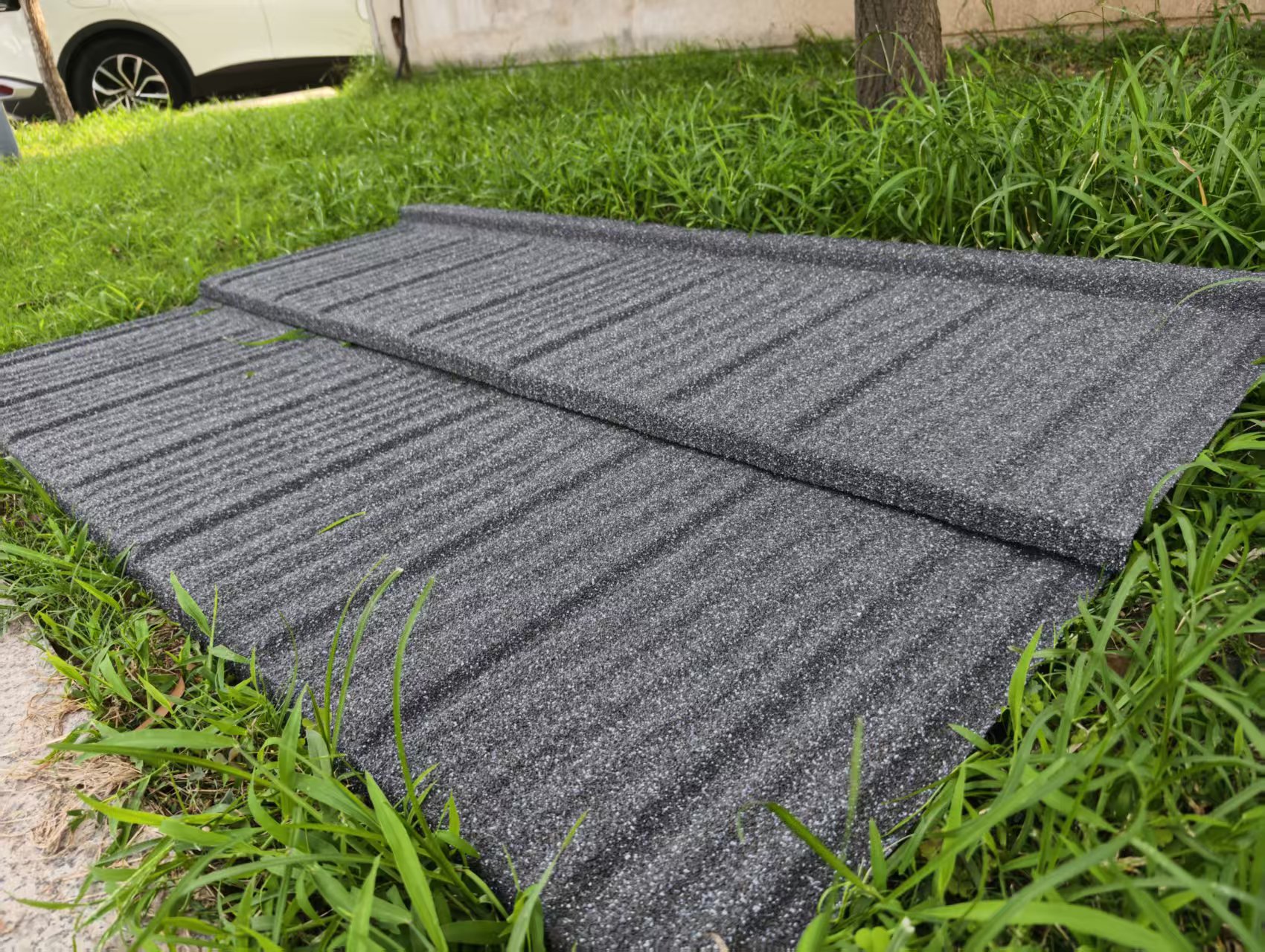
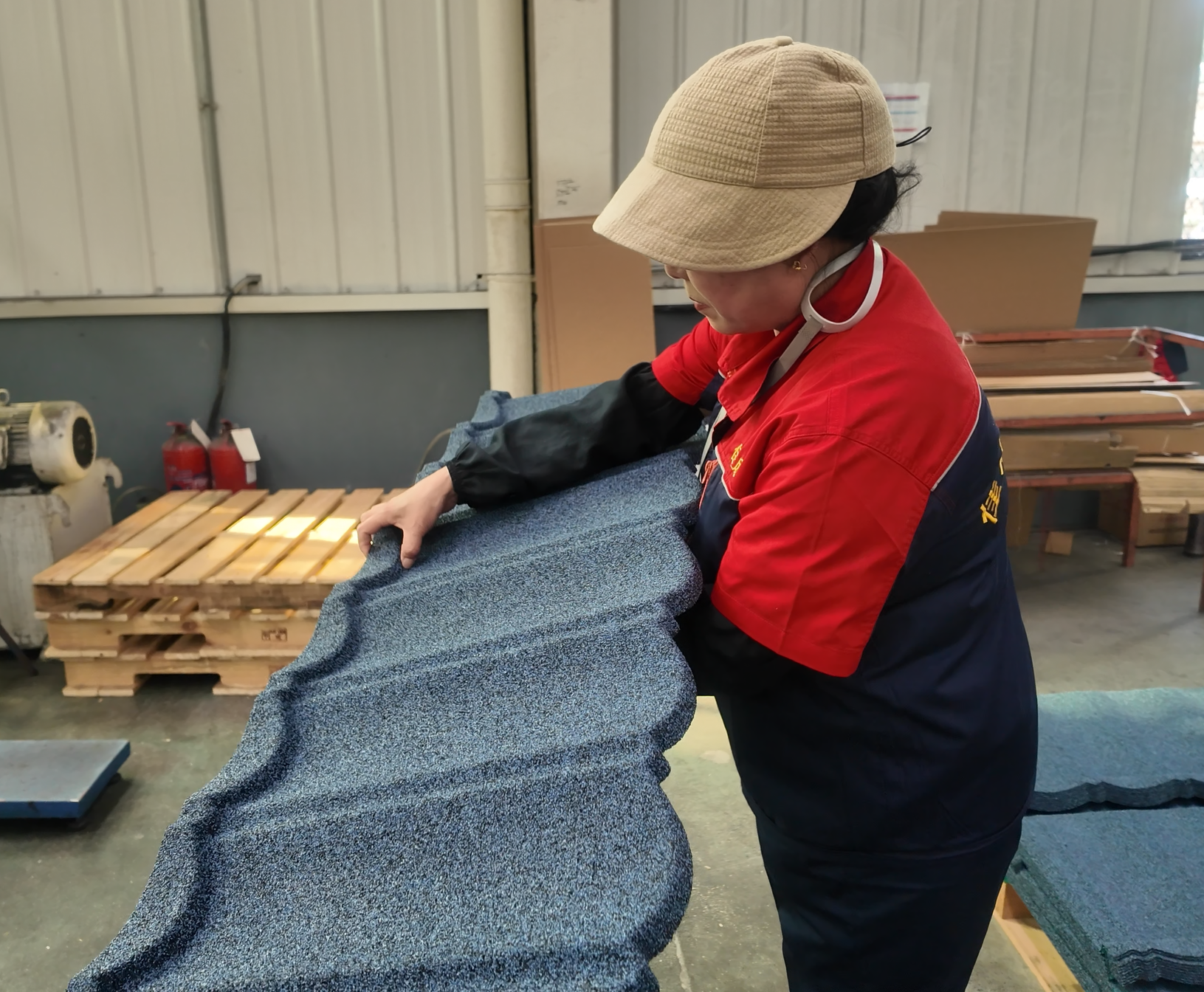
It combines a steel core with protective coatings and stone granules.
Durability Comparison
- Tin roof: 10–20 years typical lifespan
- Stone coated steel roofing: 40–50+ years
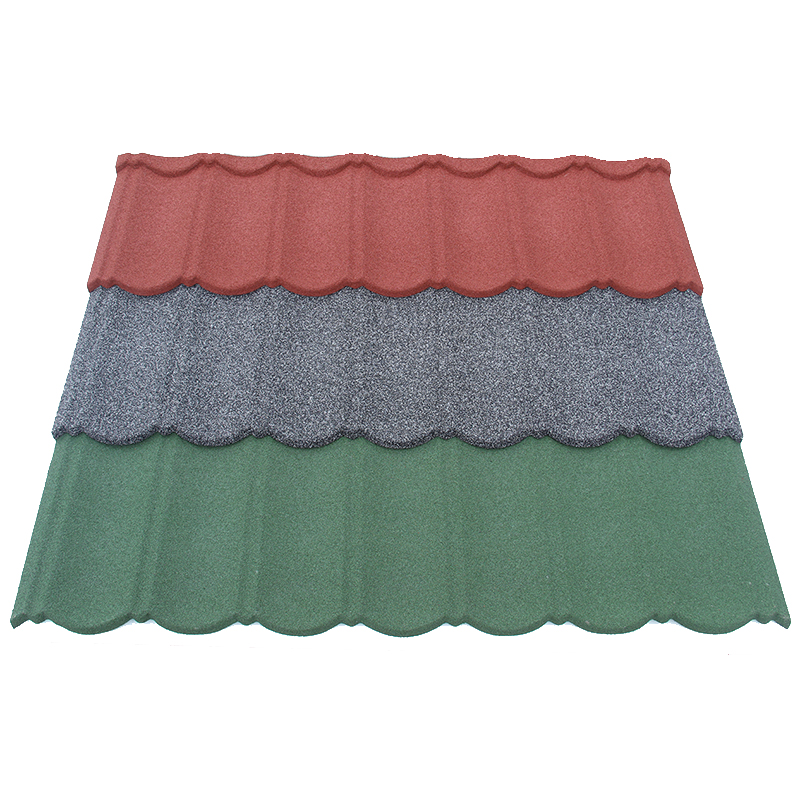
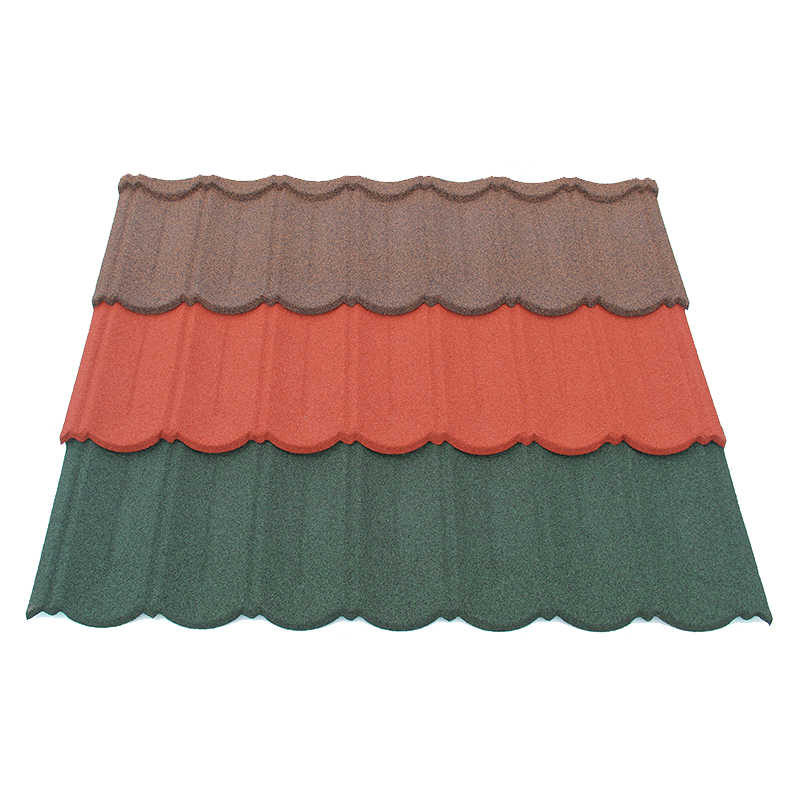
In profiles like Bond Tile, the interlocking structure further enhances durability by reducing exposure to external forces.
Weather Resistance and Protection
Contractors prioritize materials that can withstand harsh weather conditions. This is another area where stone coated roofing clearly outperforms standard metal sheets.
Tin roofs are more prone to wind uplift and water intrusion.
Stone coated systems are designed for secure installation and strong resistance.
Performance Advantages
- Higher wind resistance due to interlocking design
- Better water shedding capability
- Improved resistance to hail and impact
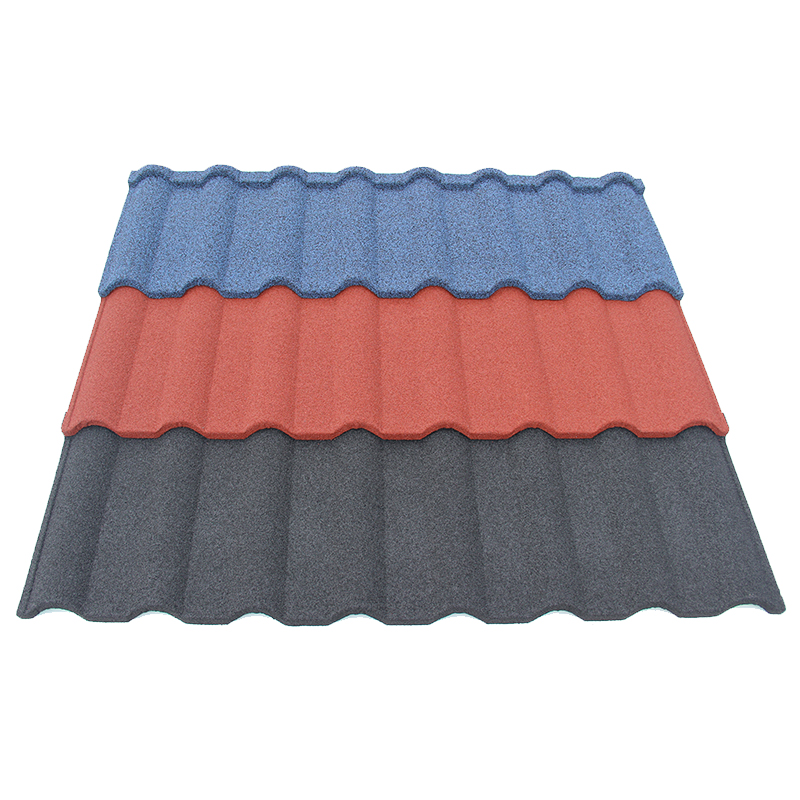
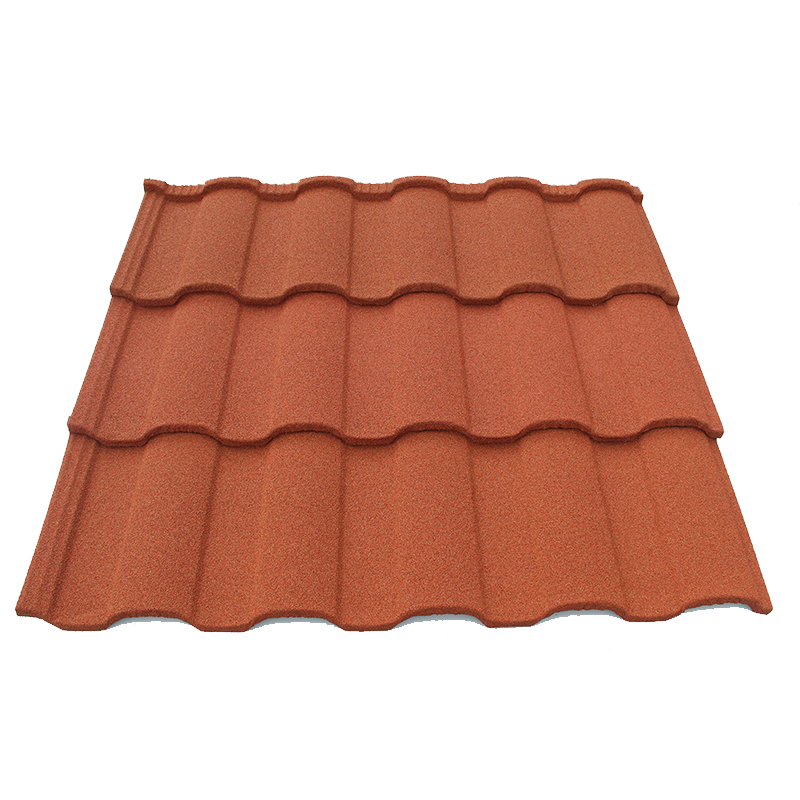
In curved designs like Roman Tile, the shape helps channel water efficiently while maintaining structural strength.
Noise Reduction and Comfort
One common complaint about tin roofs is noise during rain or hail. The thin metal panels amplify sound, which can affect indoor comfort.
Stone coated steel roofing addresses this issue.
The stone granule layer helps absorb sound and reduce noise levels.
This creates a quieter indoor environment compared to standard metal sheets.
Aesthetic Appeal and Design Flexibility
Appearance is another key factor influencing contractor recommendations. Tin roofs typically have a simple, industrial look that may not suit residential or high-end projects.
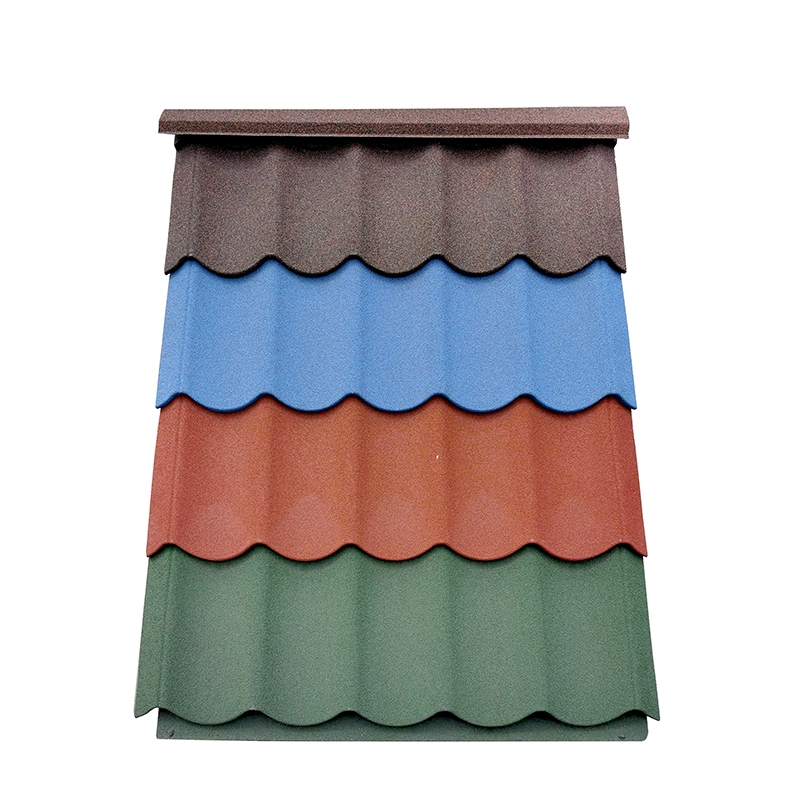
Stone coated roofing offers much greater design flexibility.
It can replicate the look of traditional materials while maintaining modern performance.
Design Options
- Tile-style profiles
- Shingle-style profiles
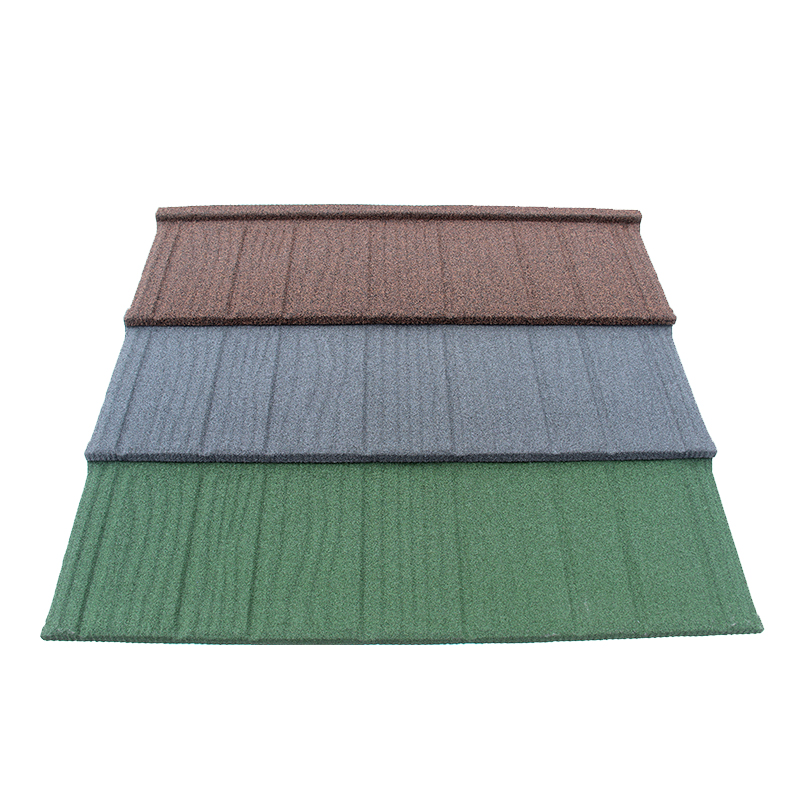
- Wood shake-inspired designs
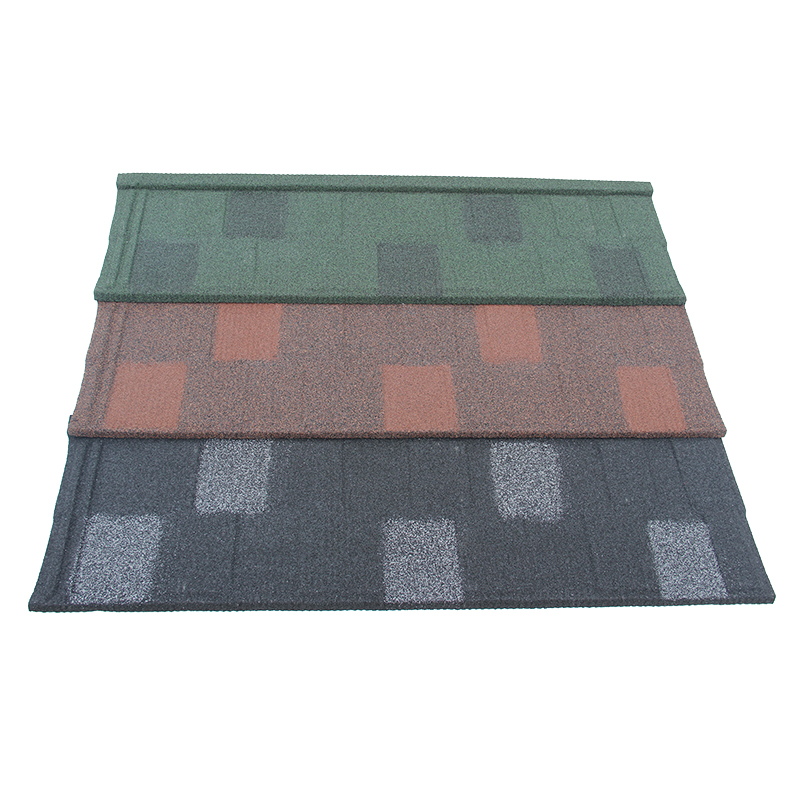
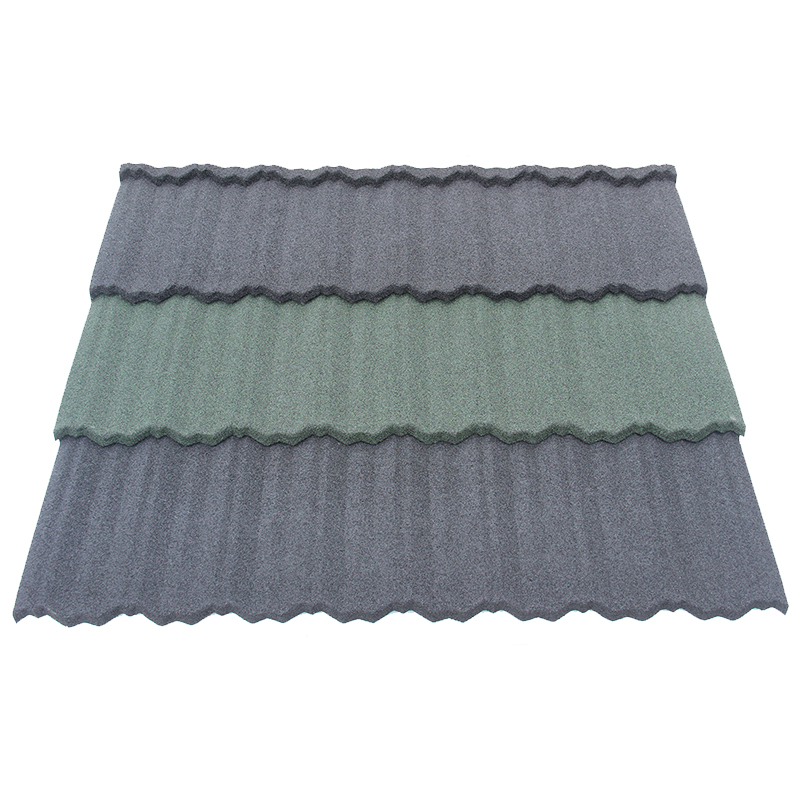
In modern applications using Shingle Tile, homeowners can achieve a clean and contemporary appearance without sacrificing durability.
Installation Quality and System Design
Another important reason contractors prefer stone coated steel roofing is the system-based installation approach. Unlike simple tin sheets, these systems are designed with interlocking panels and controlled fastening points.
This improves installation accuracy.
It also reduces the risk of leaks.
Key Installation Advantages
- Interlocking panel system
- Concealed or protected fasteners
- Consistent alignment across the roof
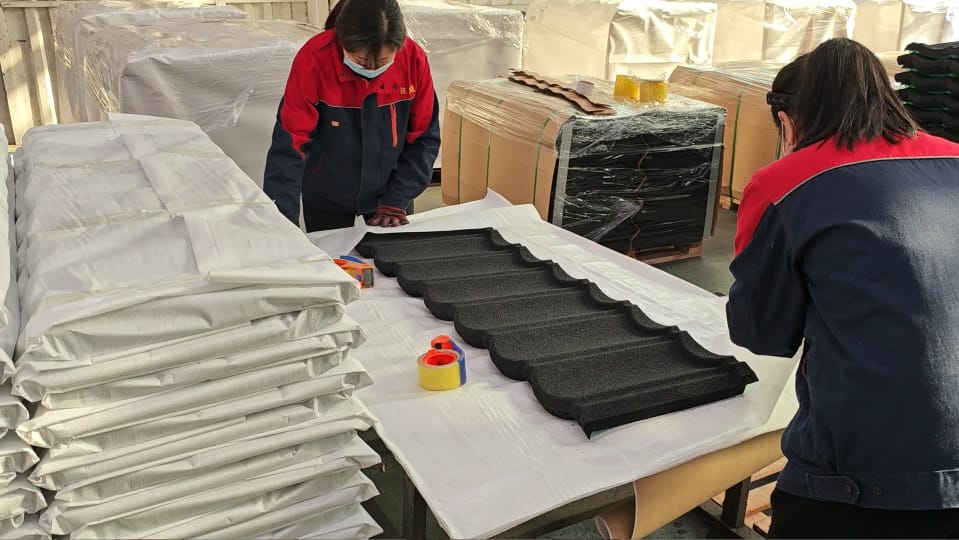
Manufacturers like JCROOF provide complete roofing systems that include tiles and accessories, ensuring better compatibility and performance.
Maintenance and Long-Term Cost
Although tin roofs are cheaper initially, they often require more frequent maintenance and repairs. Issues such as rust, loose fasteners, and panel deformation can increase costs over time.
Stone coated steel roofing requires less maintenance.
It is more resistant to common failure points.
This makes it more cost-effective over the long term.
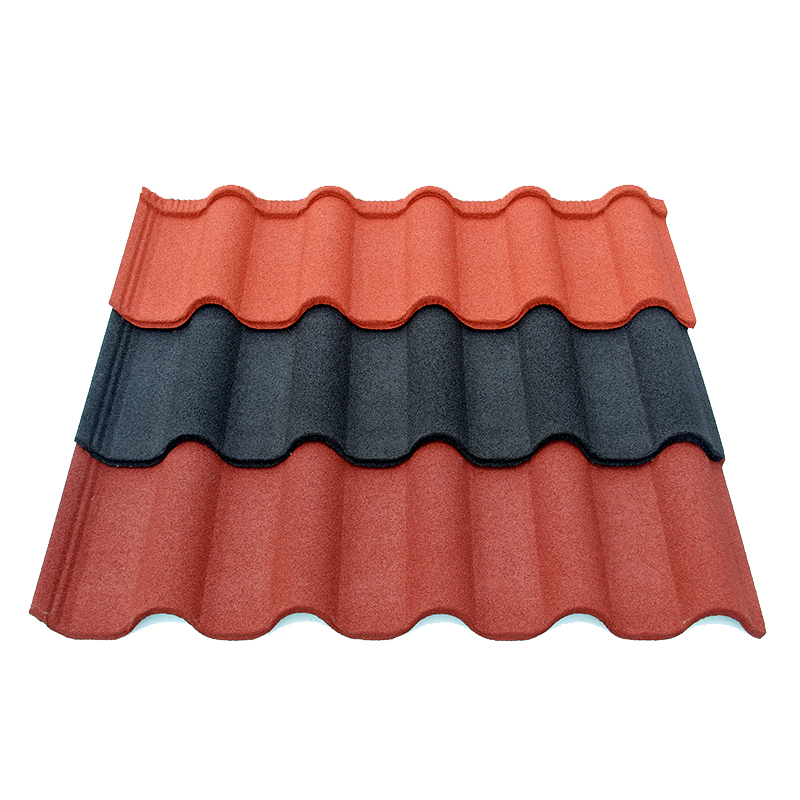
In premium designs such as Milano Tile, durability and low maintenance combine to deliver strong long-term value.
Common Misconception: “Metal Is Metal”
Many people assume that all metal roofing performs the same. This is not accurate.
Basic tin sheets and engineered stone coated steel roofing are fundamentally different products.
The difference lies in design, coating technology, and installation systems—not just material type.
When a Tin Roof Might Still Be Used
Despite its limitations, tin roofing can still be suitable in certain situations.
Typical Use Cases
- Temporary structures
- Agricultural or industrial buildings
- Projects with very limited budgets
However, for residential or long-term applications, contractors generally recommend more durable solutions.
Conclusion: Why Contractors Prefer Stone Coated Steel
The preference for stone coated roofing among contractors is based on practical experience. Compared to standard tin roofs, it offers superior durability, better weather resistance, improved aesthetics, and lower long-term maintenance.
While the upfront cost is higher, the overall performance and lifespan make it a more reliable choice for modern construction projects.
For property owners and developers, choosing stone coated steel roofing is not just about upgrading materials—it is about investing in a roofing system designed for long-term success.