

Choosing the right roofing material for hot climates is not just about aesthetics—it directly affects indoor comfort, energy costs, and long-term durability. Both metal roofing (including stone coated steel roofing) and clay tile are widely used in warm regions, but they perform differently under heat.
So which one is better? The answer depends on how each material handles heat, airflow, and long-term performance.
How Each Material Handles Heat
Clay tile and metal roofing manage heat in completely different ways. Understanding this difference is key to making the right decision.
Clay tile absorbs and slowly releases heat.
Metal roofing reflects heat away from the surface.
Heat Performance Comparison
- Clay tile: thermal mass + natural insulation
- Metal roofing: reflective surface + cool roof coatings
Clay tiles help regulate indoor temperature by absorbing heat during the day and releasing it at night, while metal roofing reflects solar radiation, reducing heat buildup.
Cooling Efficiency and Energy Savings
In hot climates, reducing indoor temperature is a priority. Both materials can improve energy efficiency, but they do so differently.
Clay tile creates a ventilated air gap under the tiles.
Metal roofing reduces heat gain through reflection.
Energy Efficiency Insights
- Clay tile: natural ventilation + insulation effect
- Metal roofing: up to 25% reduction in cooling costs with reflective coatings
Modern metal roofs with reflective coatings can significantly lower cooling costs by reducing heat absorption.
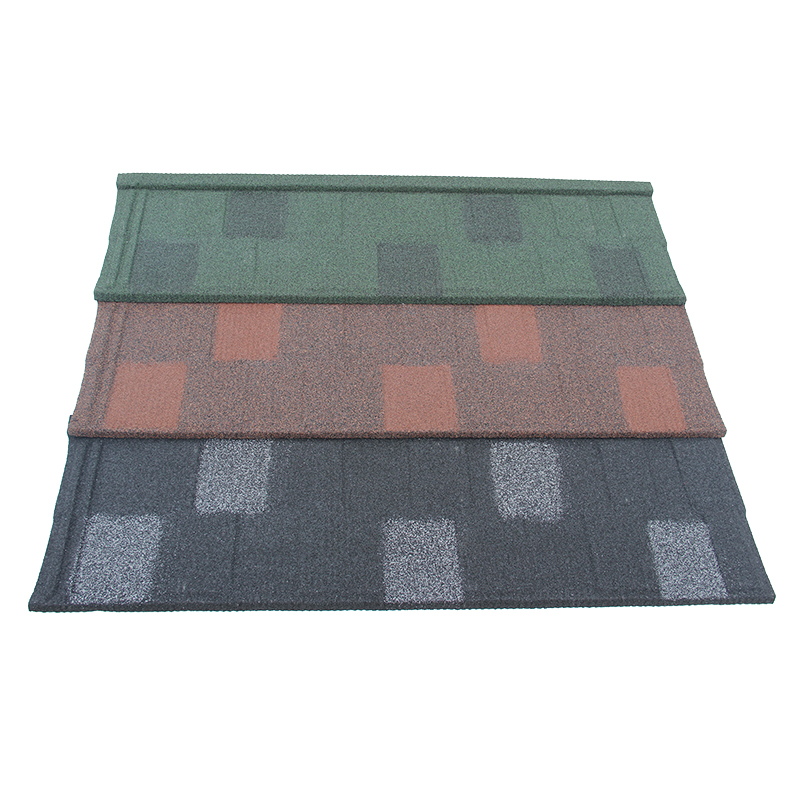
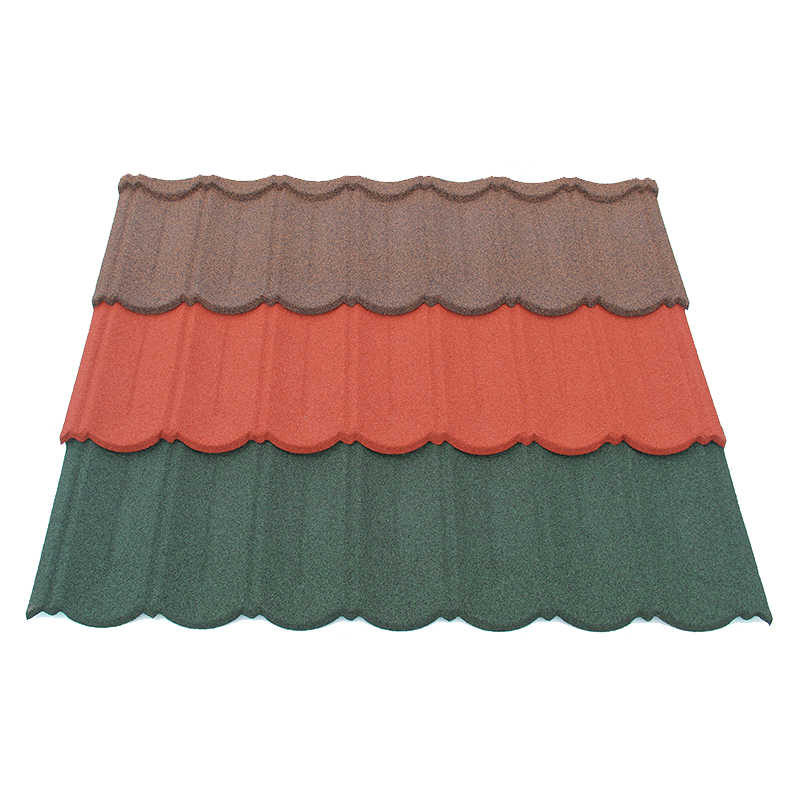
In designs like Shingle Tile, lighter colors further enhance heat reflection and improve thermal performance.
Durability Under Intense Sunlight
Hot climates often come with strong UV exposure and temperature fluctuations. Roofing materials must maintain performance over time.
Clay tile performs well in stable hot climates.
Metal roofing performs well across a wider range of conditions.
Durability Comparison
- Clay tile: can last 50–100+ years but may crack under impact
- Metal roofing: 40–70 years with strong resistance to weather stress
While clay tiles are long-lasting, they are more brittle and can crack from impact or improper handling, whereas metal roofing is more impact-resistant.
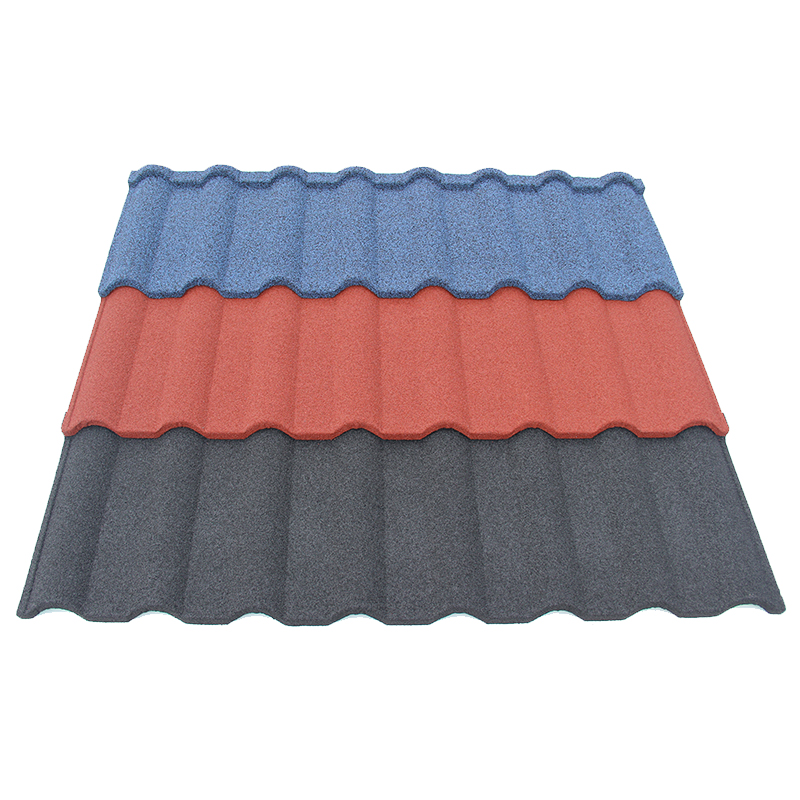
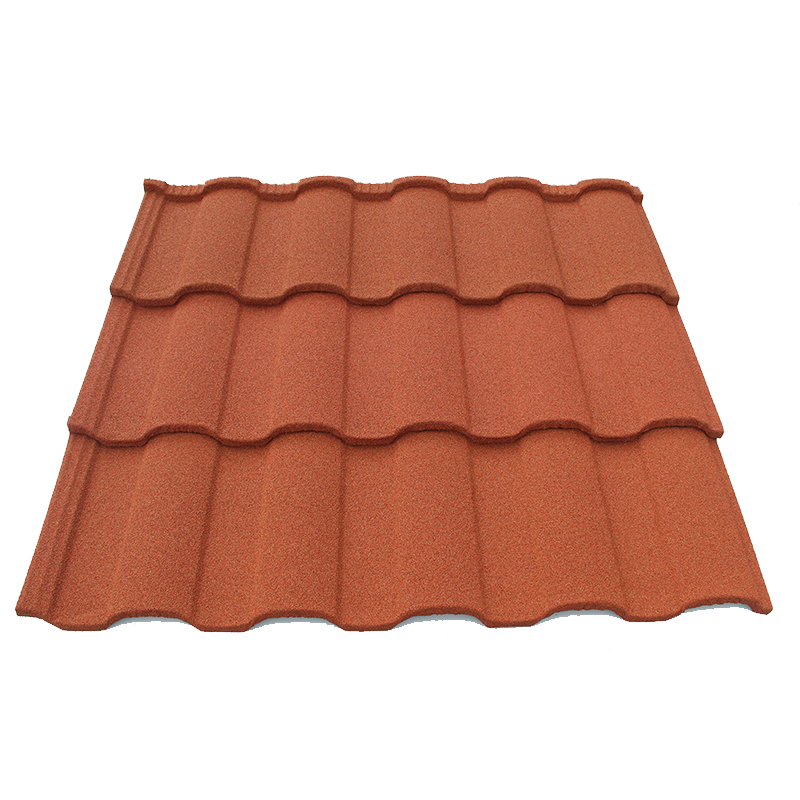
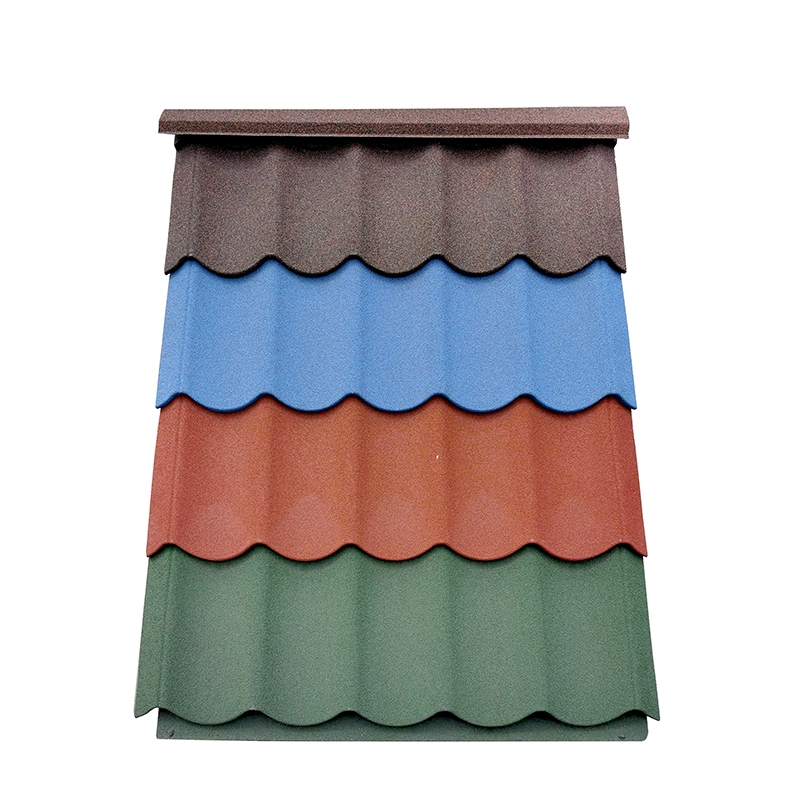
In curved profiles like Roman Tile, stone coated steel combines traditional appearance with improved durability.
Weight and Structural Impact
Roof weight is especially important in hot regions where large-span structures are common.
Clay tile is significantly heavier.
Metal roofing is lightweight and flexible.
Weight Comparison
- Clay tile: 850–1200 lbs per square
- Metal roofing: 100–150 lbs per square
This difference can affect structural requirements and installation costs, especially in retrofit projects.
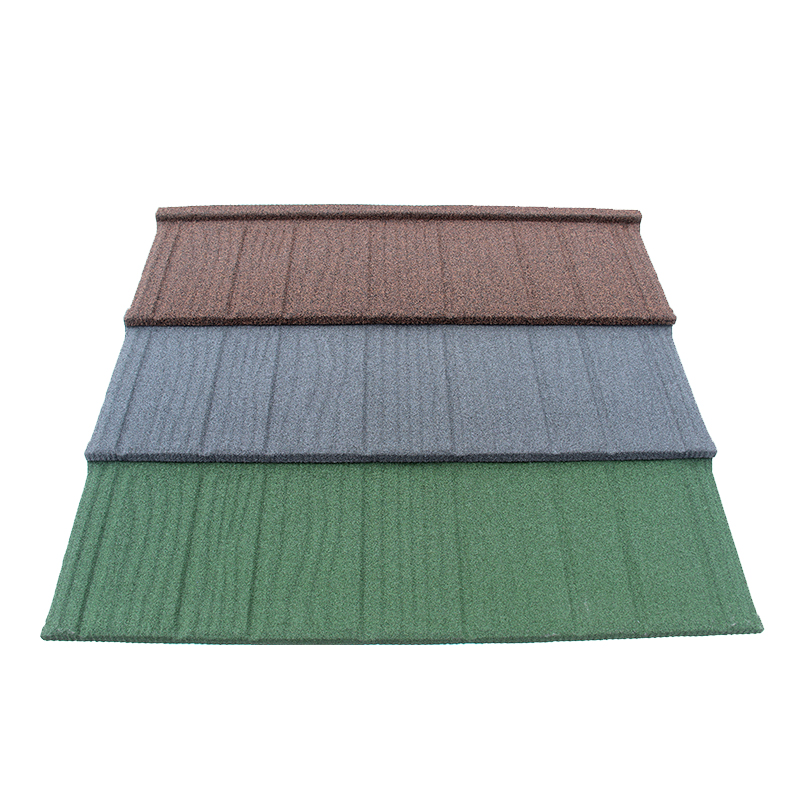
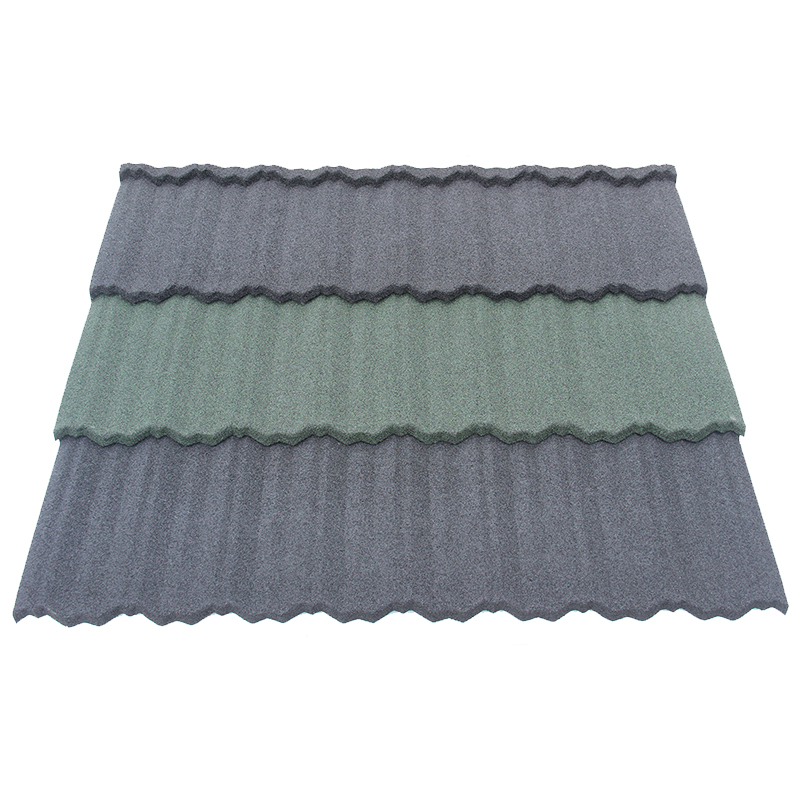
In structured profiles like Bond Tile, lightweight metal roofing reduces stress on the building while maintaining visual appeal.
Performance in Extreme Conditions
Hot climates are often accompanied by strong winds, storms, or occasional impact events. Performance under these conditions is critical.
Clay tile is stable but fragile.
Metal roofing is flexible and impact-resistant.
Key Differences
- Wind resistance: metal roofs often rated up to high wind speeds
- Impact resistance: metal performs better against hail and debris
- Fire resistance: both materials are non-combustible
Metal roofing generally performs better in extreme weather due to its flexibility and resistance to impact damage.
Maintenance and Long-Term Practicality
Maintenance requirements also influence which material is better suited for hot climates.
Clay tiles require careful handling to avoid breakage.
Metal roofing requires less frequent repairs.
Maintenance Comparison
- Clay tile: low maintenance but fragile when walked on
- Metal roofing: low maintenance and more durable under foot traffic
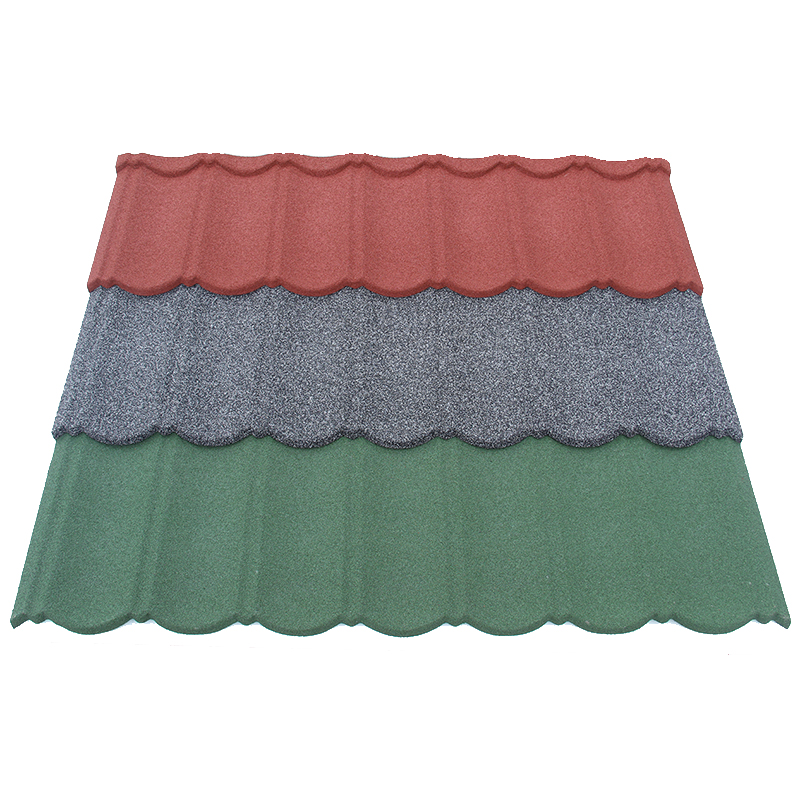
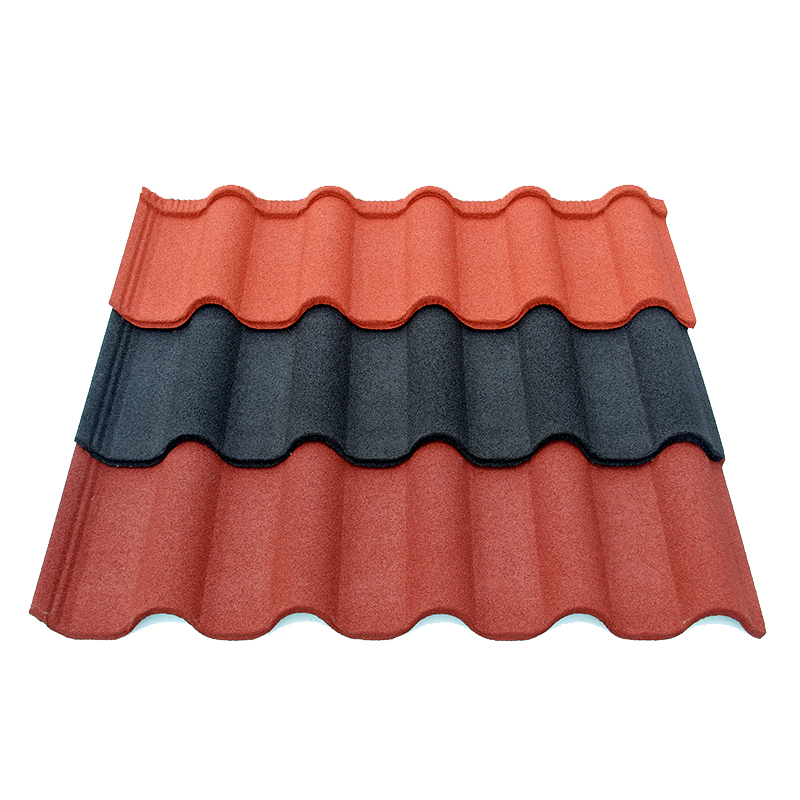
In premium applications such as Milano Tile, stone coated metal roofing offers long-term durability with minimal upkeep.
Aesthetic Considerations in Hot Regions
Appearance still plays an important role, especially in regions with strong architectural traditions.
Clay tile is iconic in Mediterranean and tropical designs.
Metal roofing offers more design flexibility.
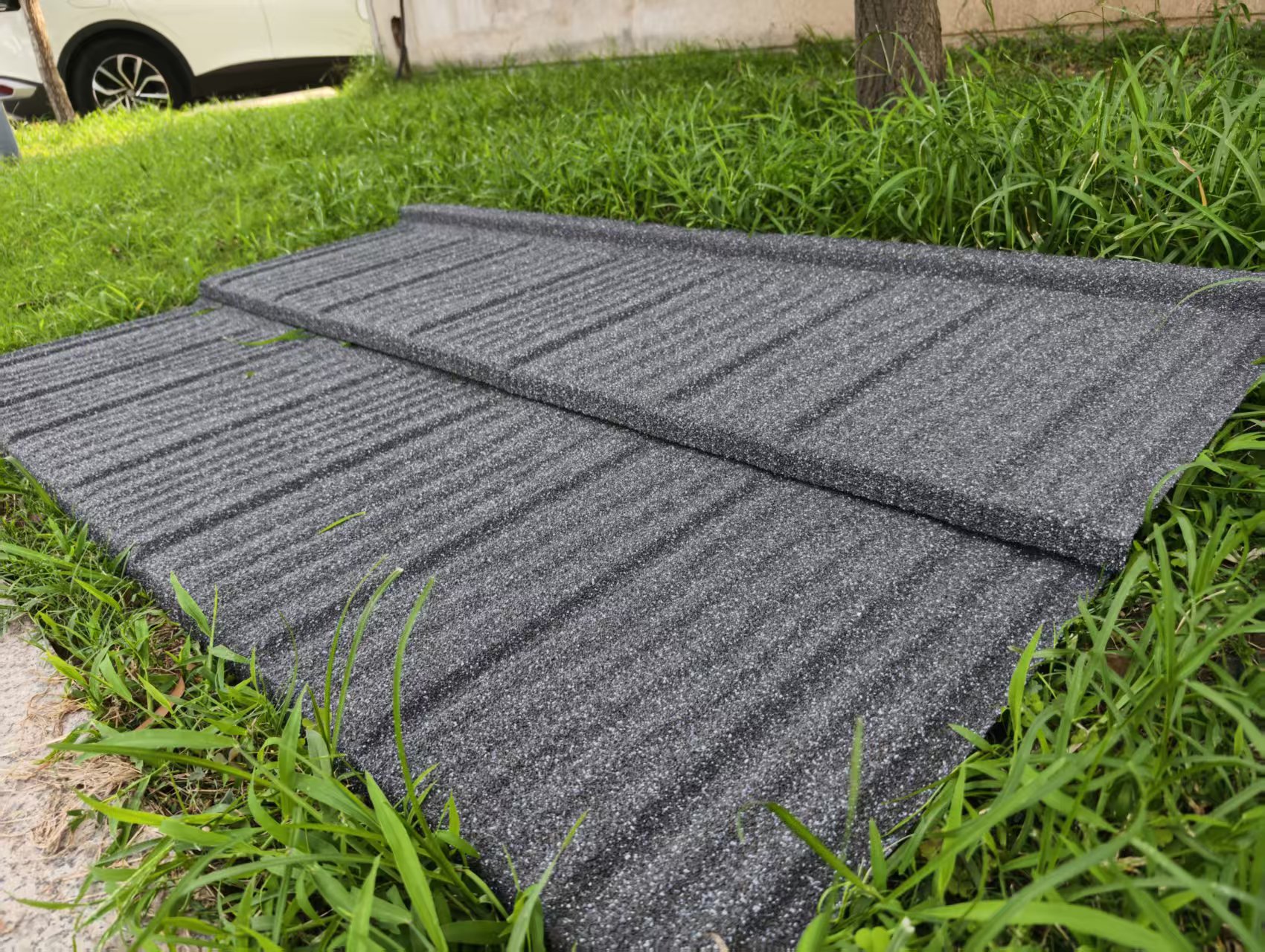
Modern stone coated steel roofing can replicate the look of clay tile while providing improved performance.
Which Is Better for Hot Climates?
The answer depends on priorities:
Choose Clay Tile If:
- You prioritize natural insulation and traditional aesthetics
- You are in a stable, dry, and consistently hot climate
- Structural support for heavy roofing is not an issue
Choose Metal Roofing If:
- You want better overall durability and lower structural load
- You need strong performance in varied or extreme conditions
- You are looking for energy efficiency through heat reflection
Conclusion: Tradition vs Performance
Clay tile remains an excellent choice for hot climates due to its natural thermal properties and timeless appearance. However, metal roofing—especially stone coated steel roofing—offers a more balanced solution by combining heat reflection, durability, and lightweight structure.
For modern construction and long-term performance, metal roofing is often the more versatile and practical option. For traditional aesthetics in stable climates, clay tile still holds strong appeal.