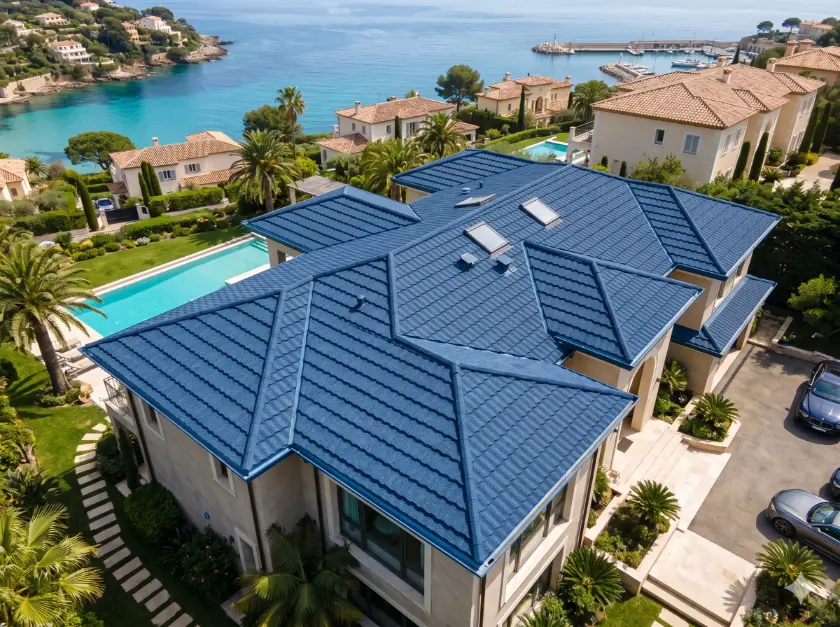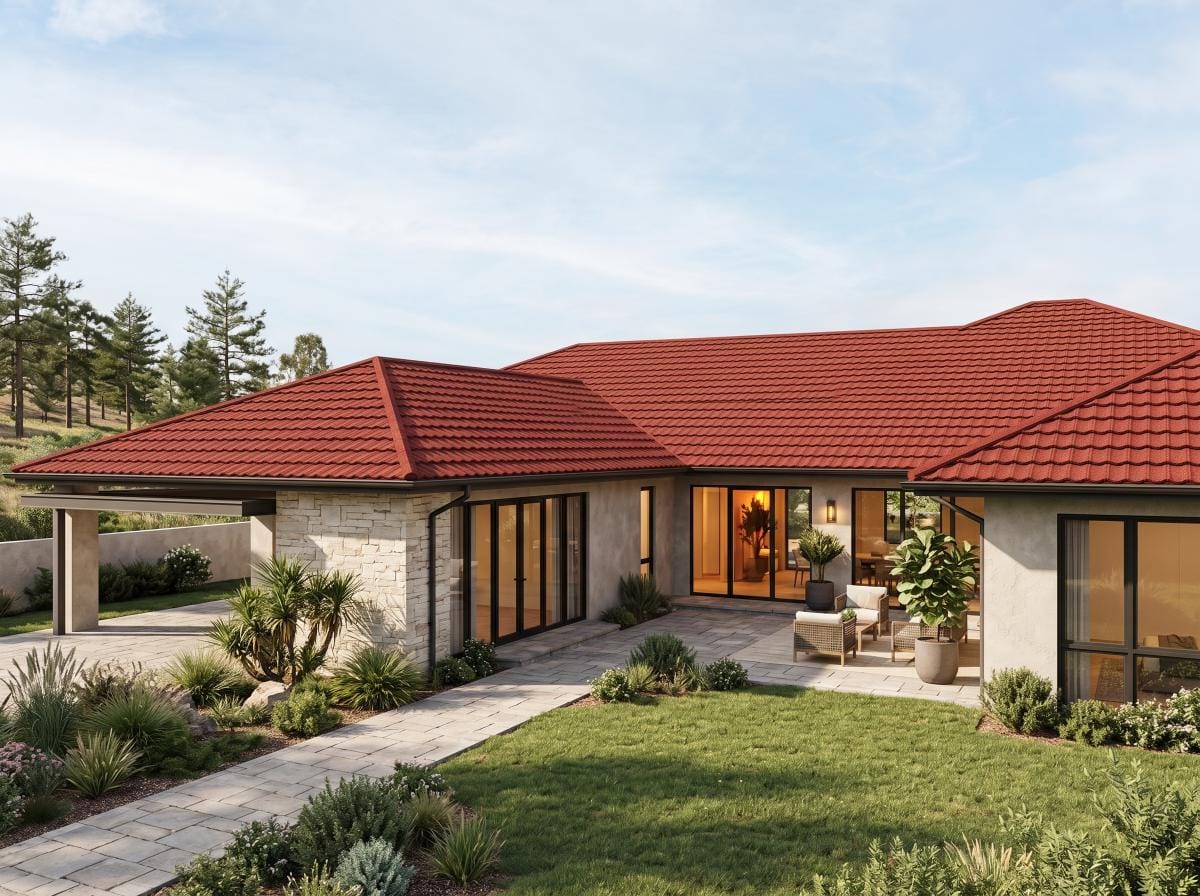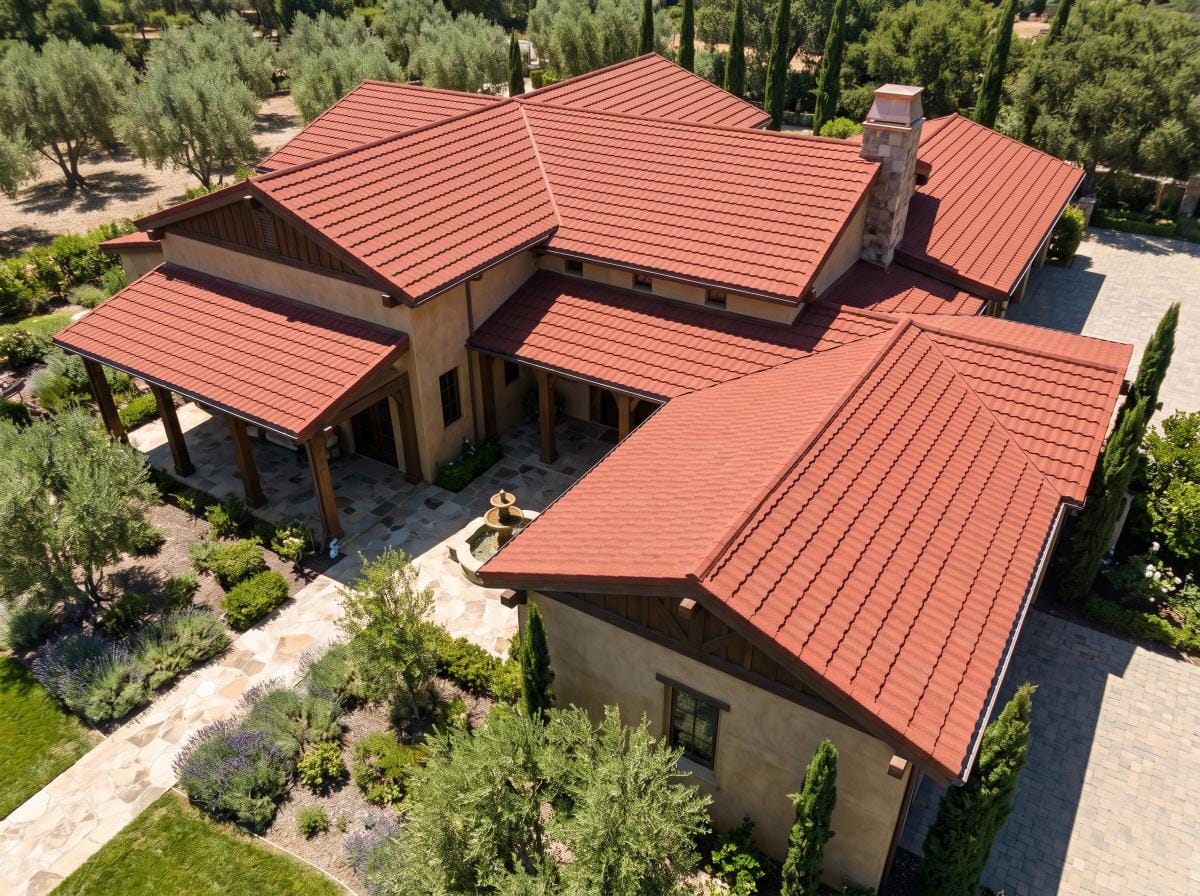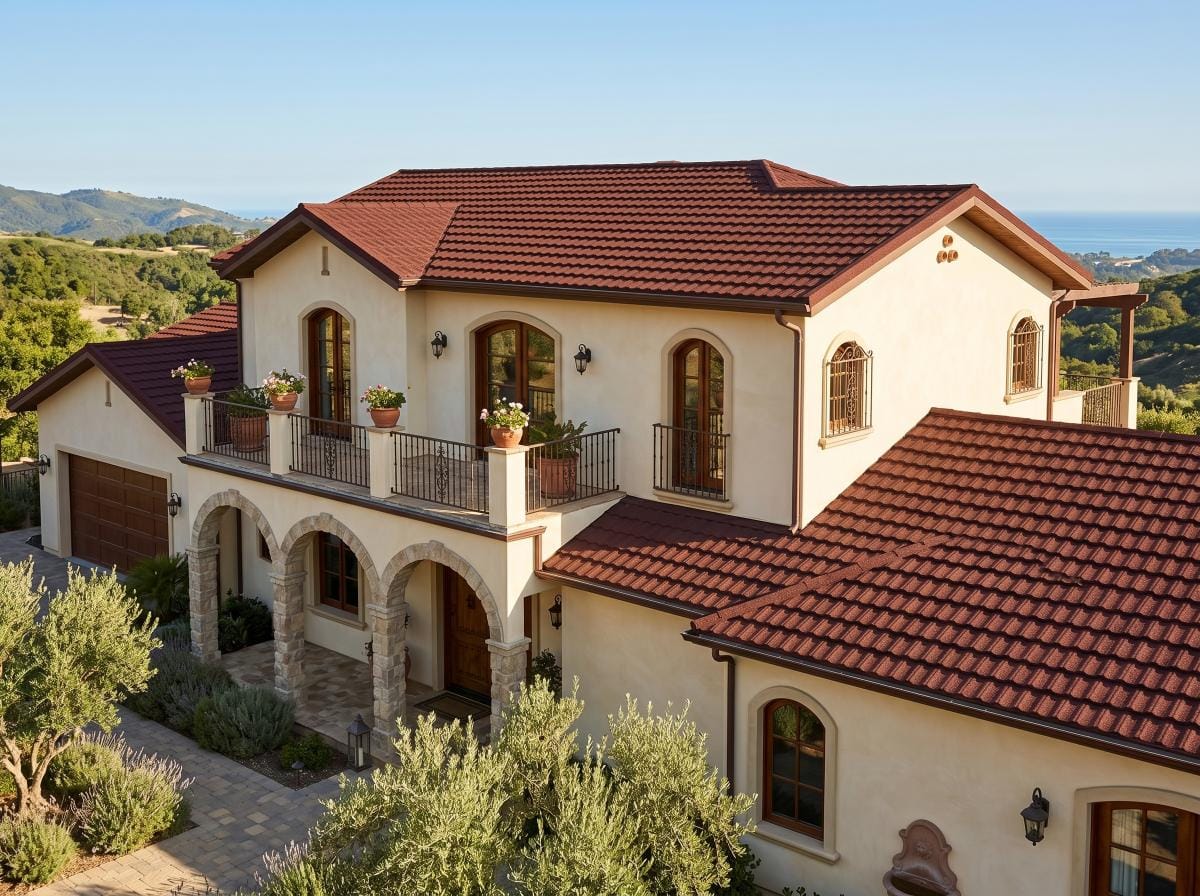


In real-world procurement and installation scenarios, stone coated metal roofing tile systems are generally considered highly durable and low-maintenance. However, across large-scale residential and commercial projects, performance issues still appear—not because the material is weak, but because of installation errors, supply inconsistencies, or system design gaps.
For B2B buyers, contractors, and distributors, these problems are not theoretical. They directly affect warranty claims, client satisfaction, and long-term brand reputation. Understanding what actually goes wrong in the field is far more valuable than marketing descriptions of product durability.
This guide breaks down the most common failure points in stone coated roofing systems and provides practical, field-tested solutions that can be applied during procurement, installation, and maintenance stages.
1. Surface Wear, Granule Loss, and Early Aging
One of the most visible issues in stone coated roofing systems is surface degradation over time. This usually appears as uneven granule loss, fading, or patchy discoloration. While minor shedding is normal during early handling, excessive or accelerated wear indicates deeper quality or process issues.
What causes this problem
- Weak adhesive bonding during manufacturing
- Inconsistent curing temperature control
- Rough handling during transport or installation
How to fix it in real projects
- Replace severely affected sheets in early stage installation
- Request adhesion test reports from supplier batches
- Improve on-site handling and storage procedures
Field insight
In high-quality production systems such as those managed by JCROOF, adhesion strength is controlled through standardized coating processes to reduce batch variation and improve long-term surface stability.
2. Water Leakage at Joints and Overlaps
Leakage is one of the most common complaints in roofing projects, but in stone coated systems, it is rarely caused by the tile surface itself. Instead, it is almost always related to installation accuracy at overlaps, fasteners, or underlayment layers.
Main failure points
- Incorrect overlap alignment between tiles
- Over-tightened or misplaced fasteners
- Missing or low-quality waterproof underlayment
How to fix it effectively
- Reinstall misaligned sections with correct overlap depth
- Replace damaged or incorrect fasteners
- Upgrade underlayment system in vulnerable zones
Profile sensitivity note
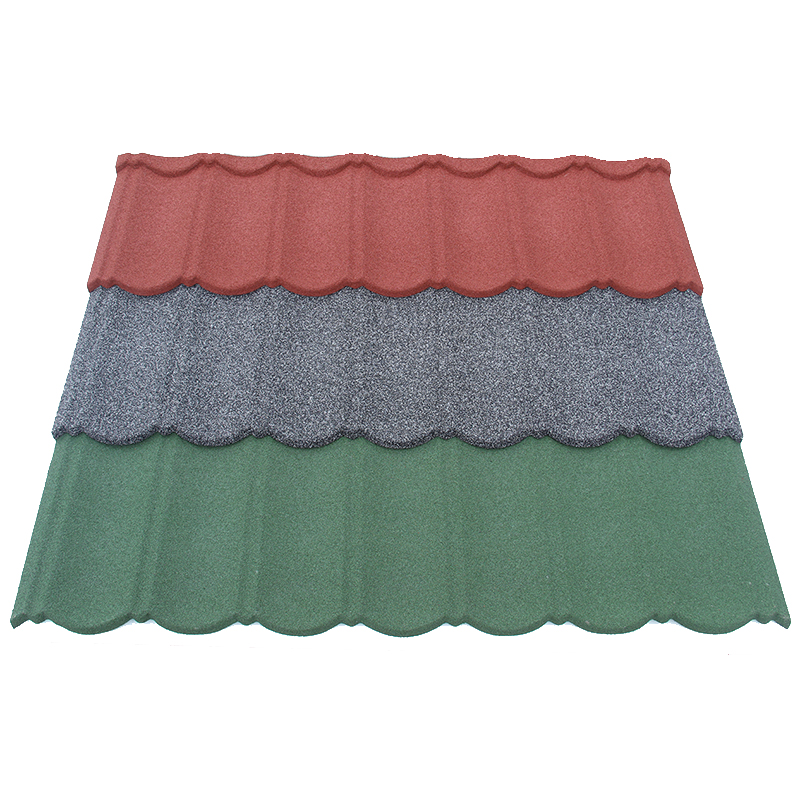
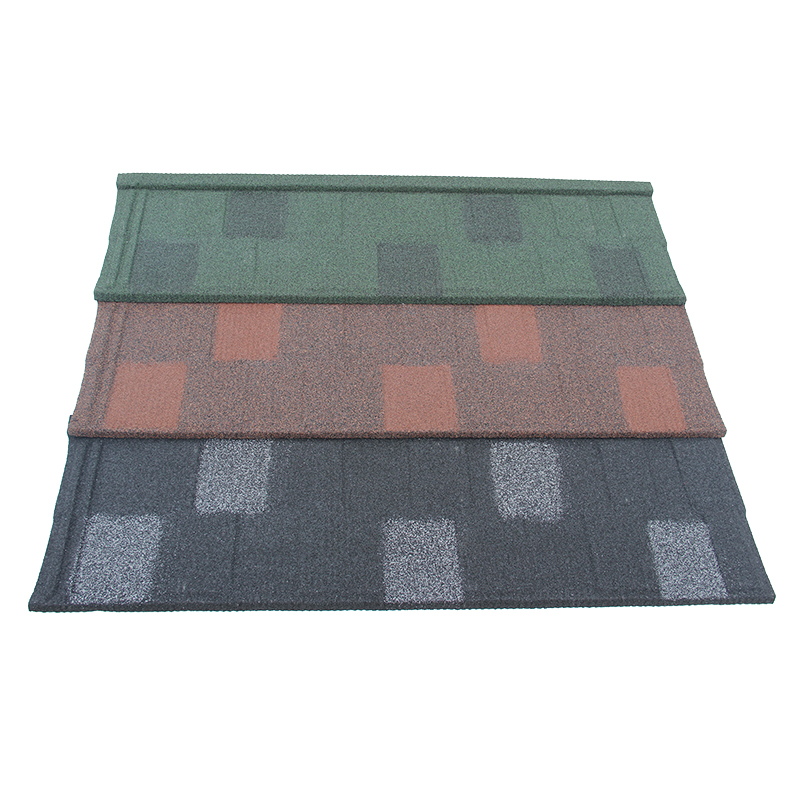
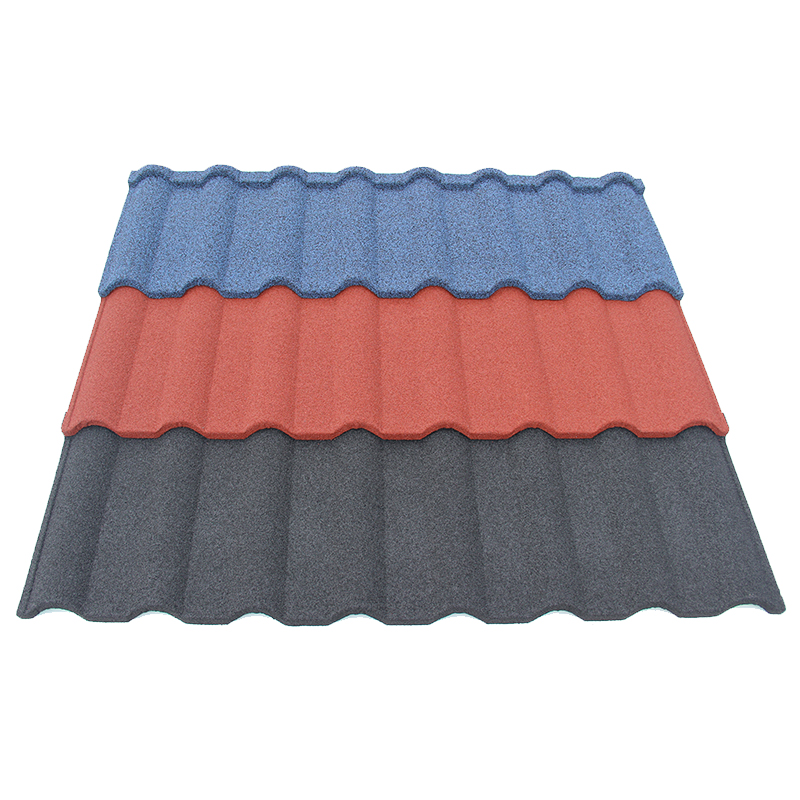
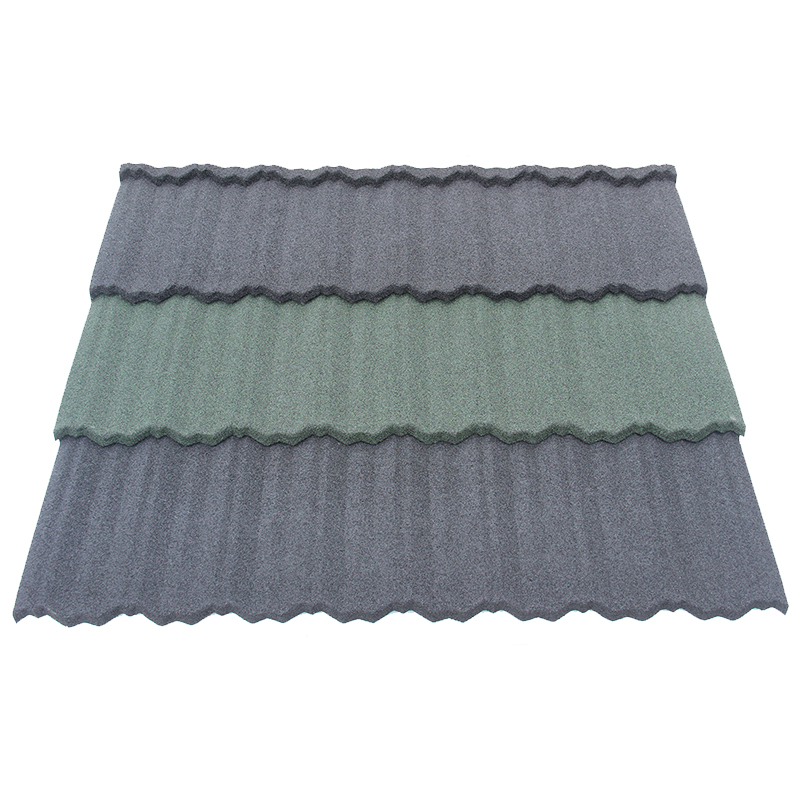
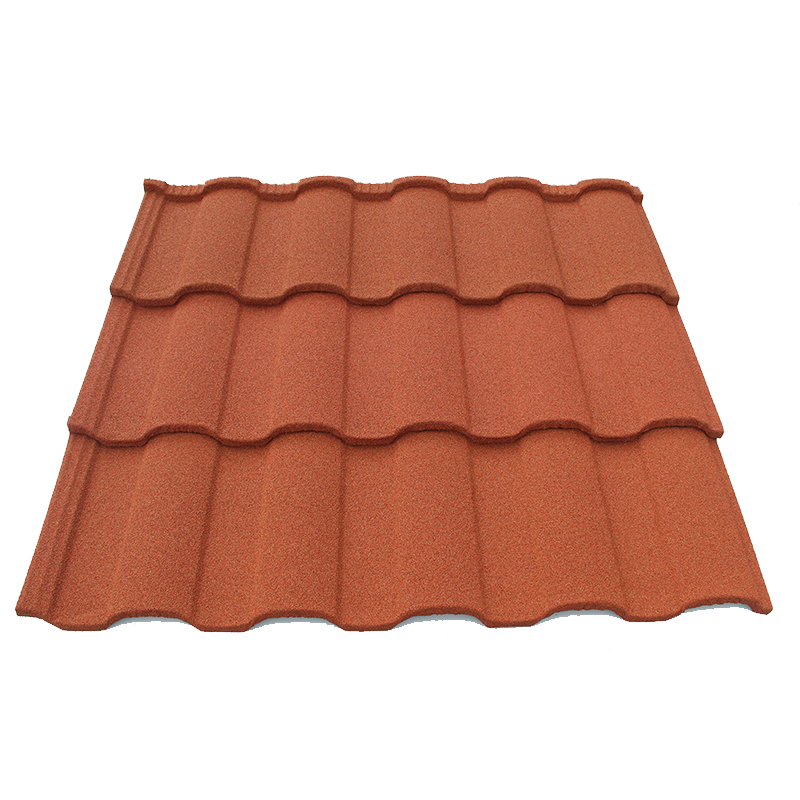
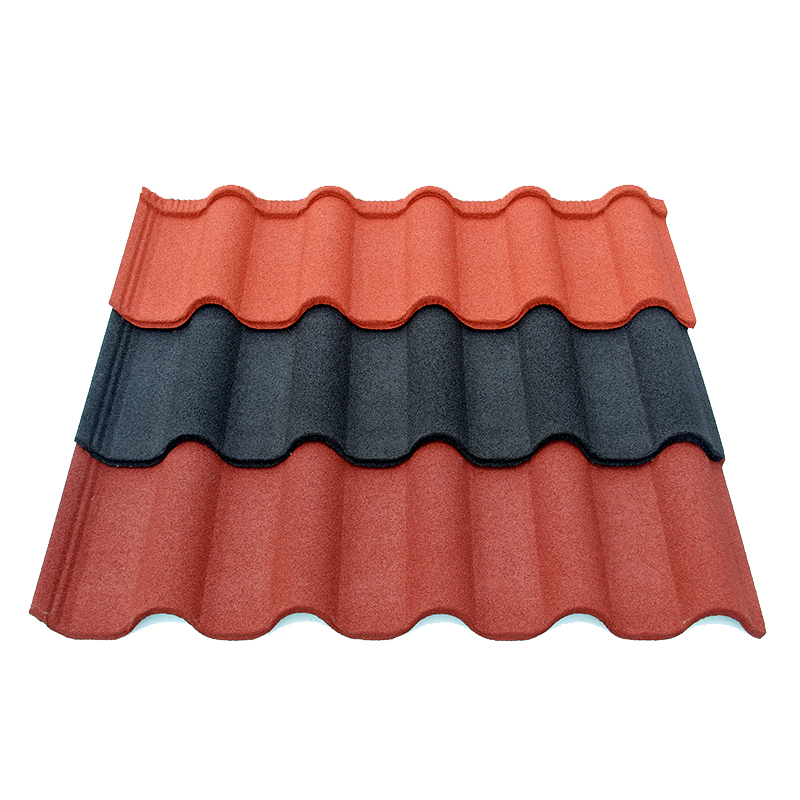
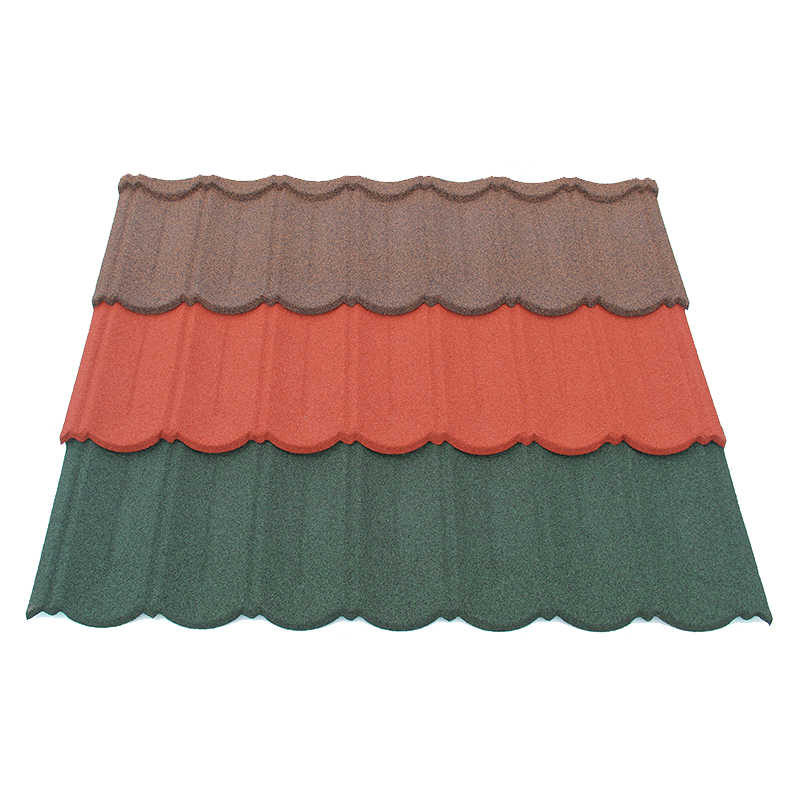
Some profiles such as Roman Tile and Shingle Tile rely heavily on precise interlocking geometry, meaning small installation deviations can significantly increase leakage risk if not controlled properly.
3. Rust Formation at Cut Edges and Fastener Points
Even though stone coated roofing uses corrosion-resistant substrates, localized rust can still appear in exposed areas such as cut edges or poorly protected fastener points. This is typically a localized installation-related issue rather than a full system failure.
Root causes
- Unsealed cut edges after trimming
- Low-quality or incompatible screws
- Surface coating damage during installation
Repair and prevention
- Apply anti-corrosion sealant on exposed metal edges
- Replace fasteners with coated corrosion-resistant types
- Improve cutting and handling procedures on site
Best practice
In controlled manufacturing systems like JCROOF production lines, substrate protection and coating uniformity are strictly managed to minimize corrosion risk before installation even begins.
4. Noise Issues During Heavy Rainfall
Rain noise is one of the most misunderstood issues in metal roofing systems. In properly installed stone coated metal roofing tile systems, noise levels are generally low. Problems occur when the system is installed without proper acoustic layering or structural separation.
Main causes
- Missing insulation or acoustic underlayment
- Direct metal-to-structure contact
- Improper batten spacing or installation gaps
How to resolve it
- Add or upgrade insulation layer beneath roofing system
- Introduce vibration-damping separation materials
- Standardize installation spacing and fastening method
Real project observation
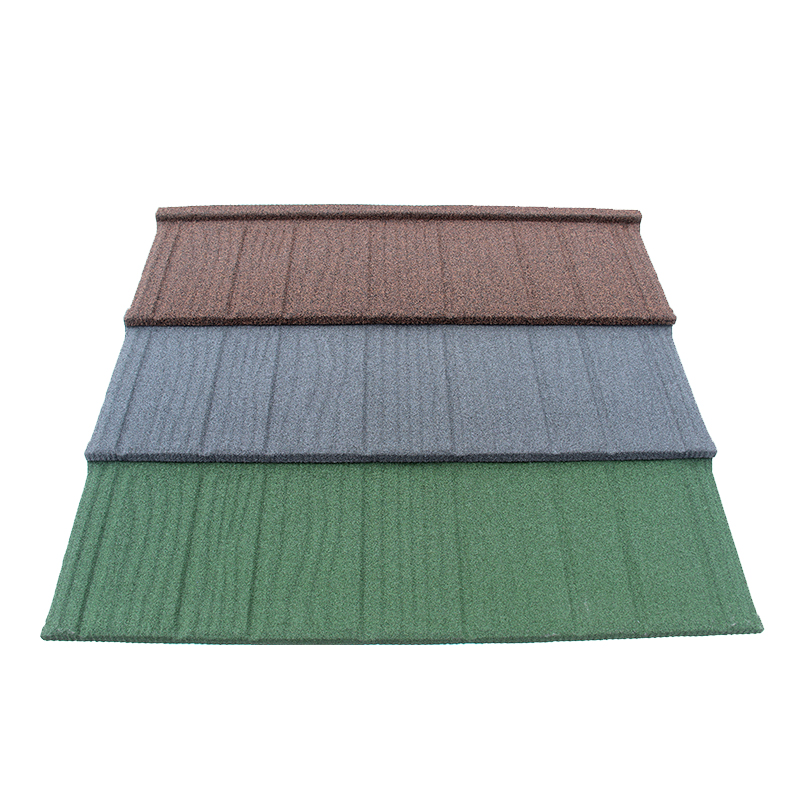
In field applications, profiles like Shake Tile often perform better acoustically when paired with proper insulation systems due to their layered surface structure.
5. Panel Misalignment and Wind or Thermal Movement
Over time, some roofing systems may show slight movement, misalignment, or edge lifting. This is usually related to installation quality, fastening density, or thermal expansion not being properly accounted for during design and installation.
Common triggers
- Insufficient fastener density across roof surface
- Improper alignment during installation layout
- Lack of expansion allowance for temperature changes
How to correct and prevent
- Re-secure affected sections with correct fastener spacing
- Follow manufacturer-recommended installation grid
- Inspect roof after extreme weather events
Design note
Profiles such as Milano Tile and Bond Tile are often preferred in standardized projects because their geometry supports more predictable alignment behavior during large-scale installation.
Conclusion: Most Problems Come from System Design, Not Material Failure
In real procurement and construction practice, most issues associated with stone coated metal roofing tile systems are not caused by inherent material defects. Instead, they are the result of installation errors, missing system components, or inconsistent supply quality.
When properly specified, manufactured, and installed, these systems are highly stable, durable, and low-maintenance. Working with controlled production partners such as JCROOF and enforcing strict installation standards significantly reduces the likelihood of field failures.
For B2B buyers, the key takeaway is simple: roofing performance is not just about the product—it is about the entire system working correctly as one engineered structure.