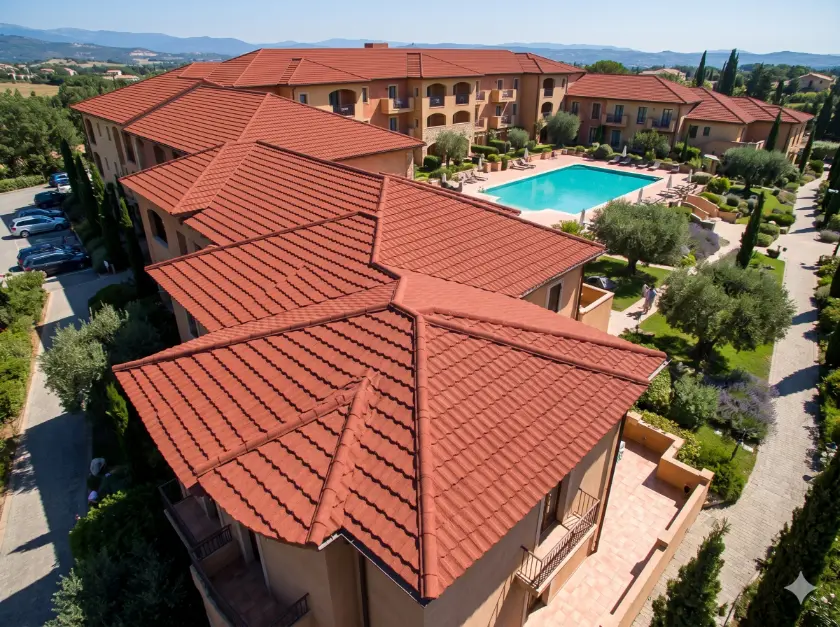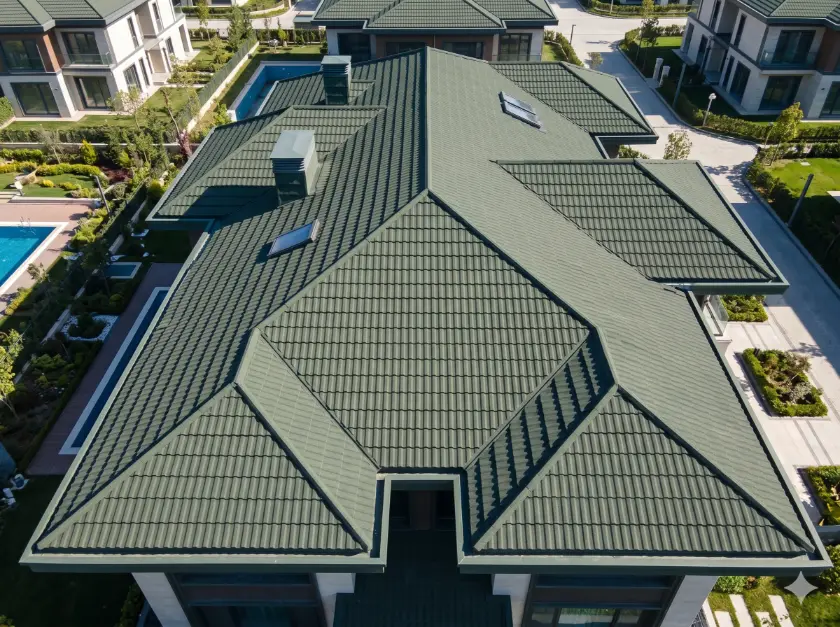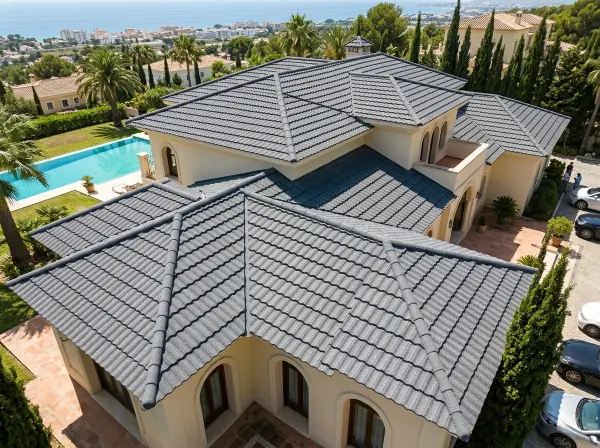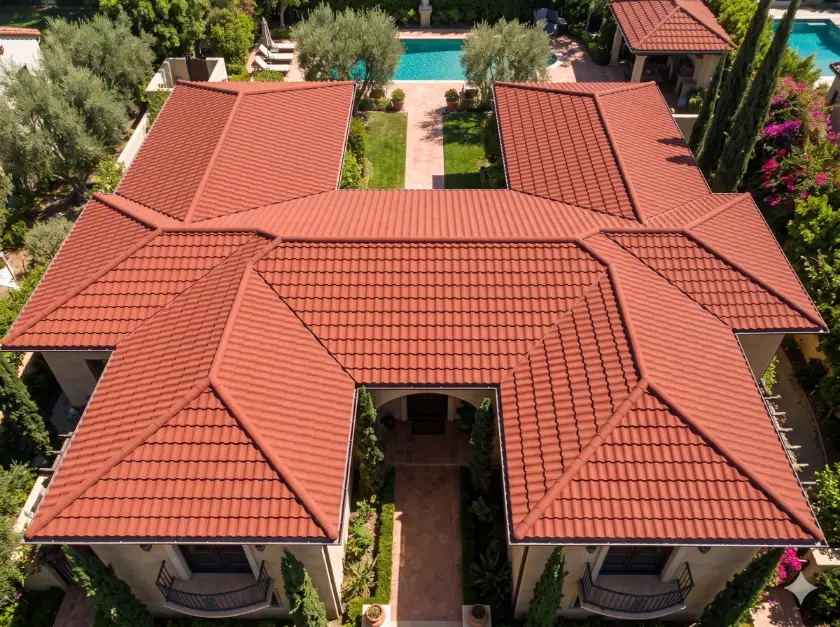

In 2026, an increasing number of architects, developers, and B2B buyers are prioritizing stone coated steel roofing over traditional materials. While aesthetic appeal is important, the decision is driven by measurable performance, lifecycle cost savings, and long-term reliability. Understanding why professionals are making this switch can help procurement teams justify investments in large-scale projects.
This article breaks down seven key reasons why stone coated metal roofing tile systems are becoming the preferred choice, with insights into material performance, operational advantages, and practical selection strategies.
1. Exceptional Durability in Extreme Conditions
Stone coated steel roofing systems are designed to withstand high winds, heavy rain, and hail without significant damage. Unlike asphalt shingles that may crack or lift, these roofs maintain structural integrity even under extreme weather.
The steel core provides strength, while the stone granule coating protects against UV degradation and impact. For architects and developers, this ensures buildings are both safe and compliant with regional building codes.
Durability advantages
- High resistance to wind uplift and storm damage
- Impact protection from hail and falling debris
- UV-resistant granule layer prevents fading and deterioration
Profile application
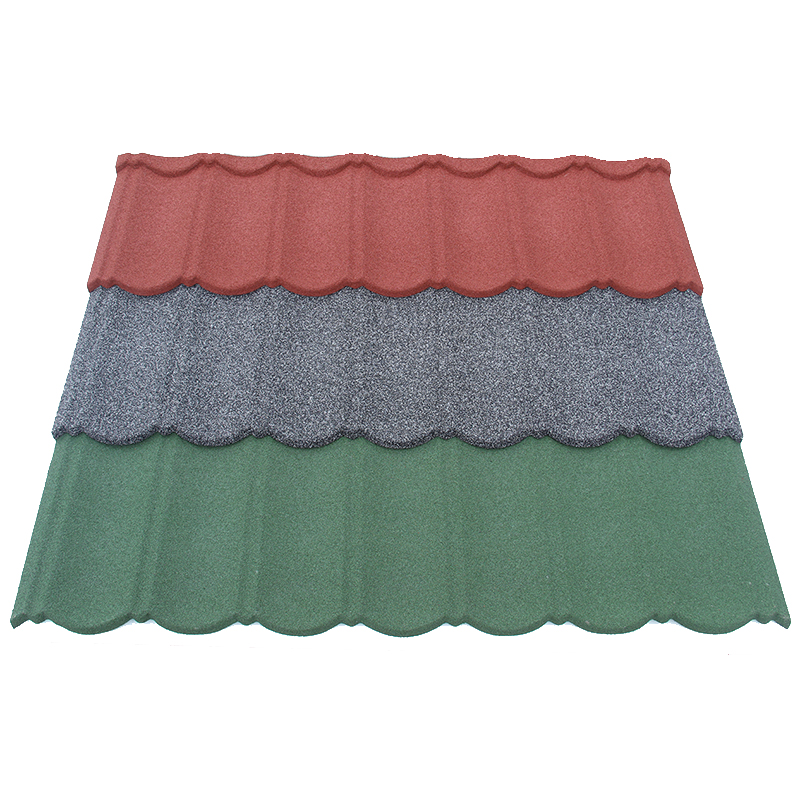
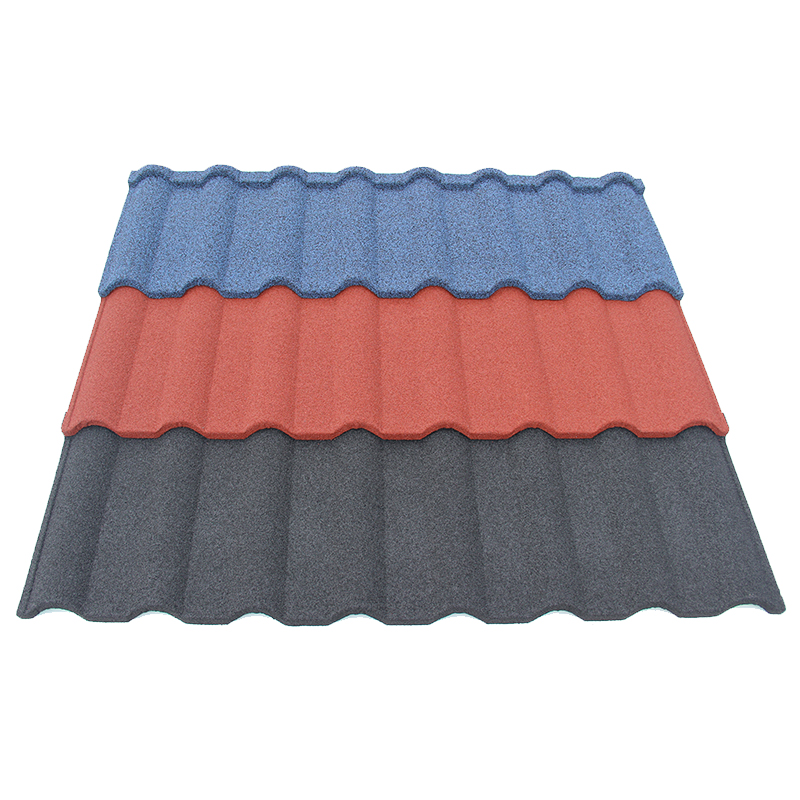
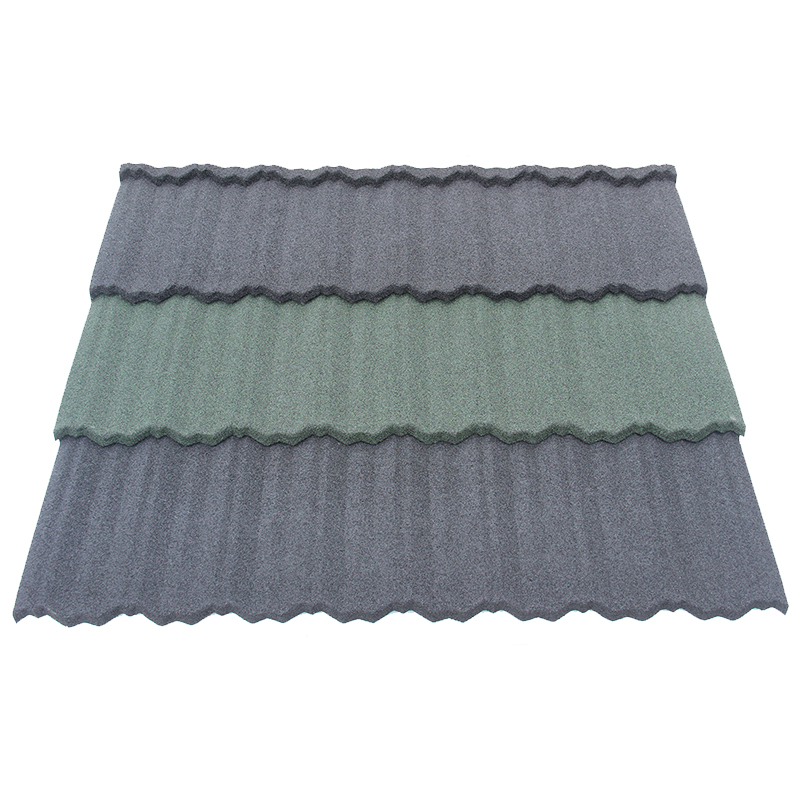
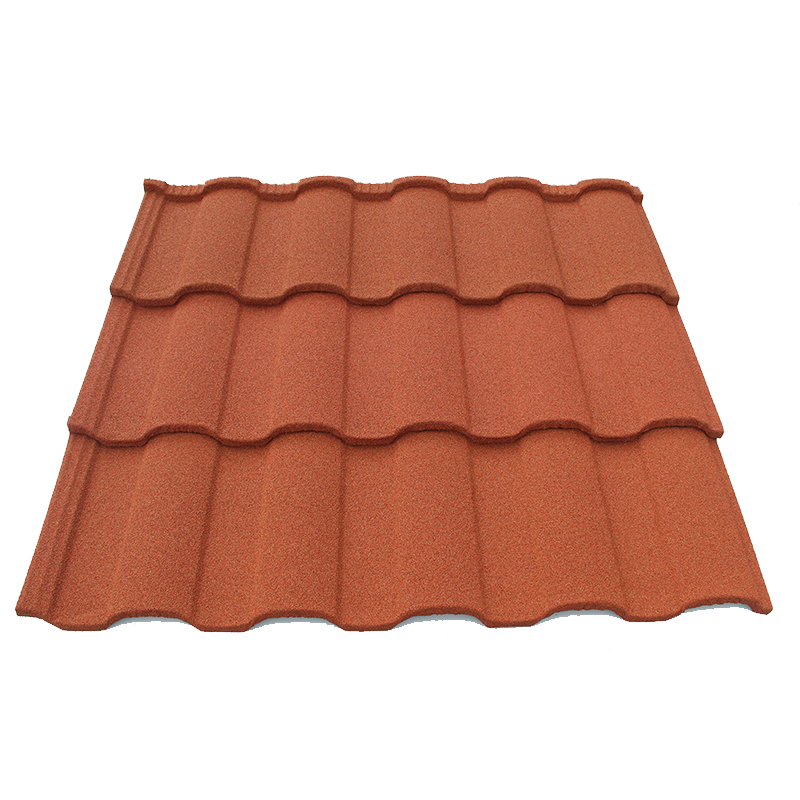
Flat profiles like Bond Tile offer excellent load distribution, while decorative profiles such as Roman Tile combine structural resilience with architectural appeal.
2. Long-Term Cost Savings and Lifecycle Value
Although stone coated steel carries a higher upfront cost, the long-term savings are substantial. Asphalt roofs often require multiple replacements over 50 years, while a properly installed stone-coated system can last decades with minimal maintenance.
For procurement teams, calculating total cost of ownership highlights the financial benefits of investing in high-quality, durable roofing systems.
Financial impact
- Minimal replacement cycles reduce labor and material costs
- Lower maintenance frequency decreases operational disruption
- Predictable lifecycle cost improves project budgeting
Profiles in cost strategy
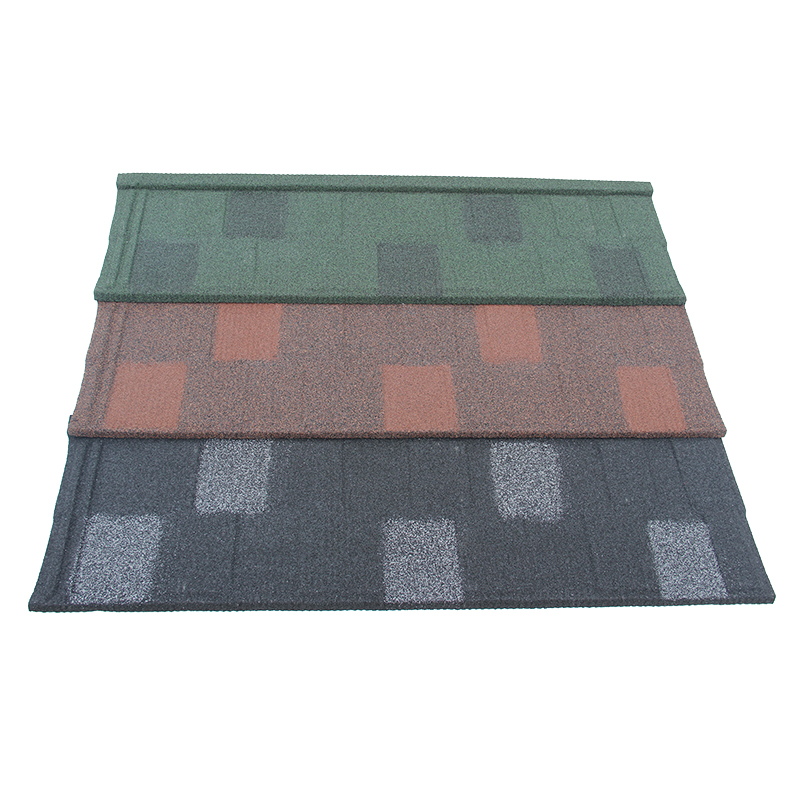
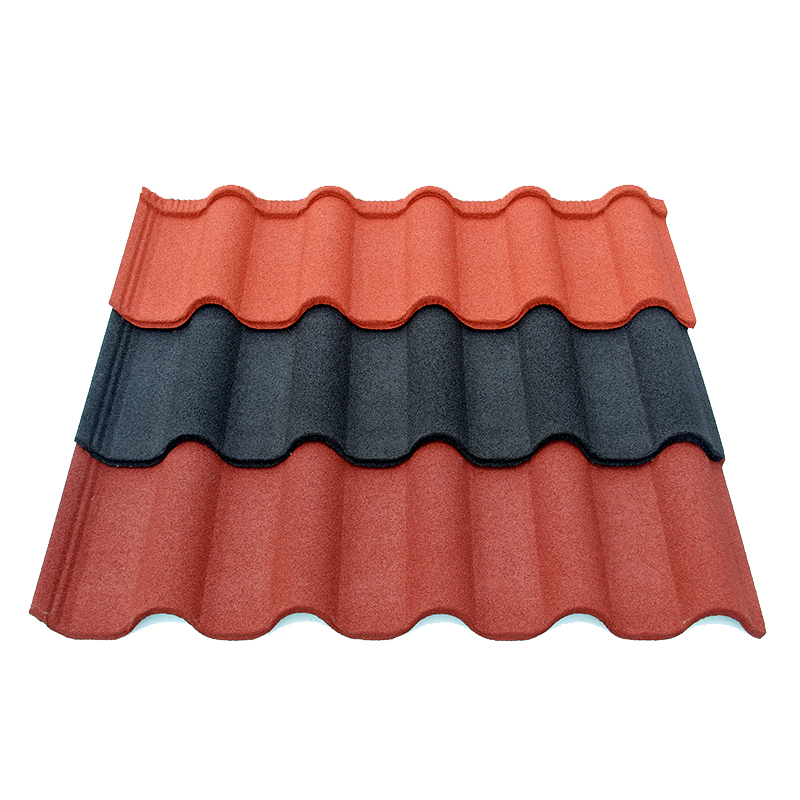
Options like Shingle Tile or Milano Tile balance installation efficiency with long-term durability, helping architects design cost-effective yet visually appealing roofs.
3. Lightweight Yet Structurally Strong
Stone coated steel panels are significantly lighter than concrete or clay tiles. This reduces structural load on buildings, which can lower material costs in supporting structures and simplify installation.
Lightweight roofing also improves safety during installation and reduces transportation and handling challenges, a key consideration for multi-story commercial projects.
Structural benefits
- Lower dead load on roof trusses and frames
- Safer handling for installation crews
- Reduced engineering requirements for structural support
Profile selection
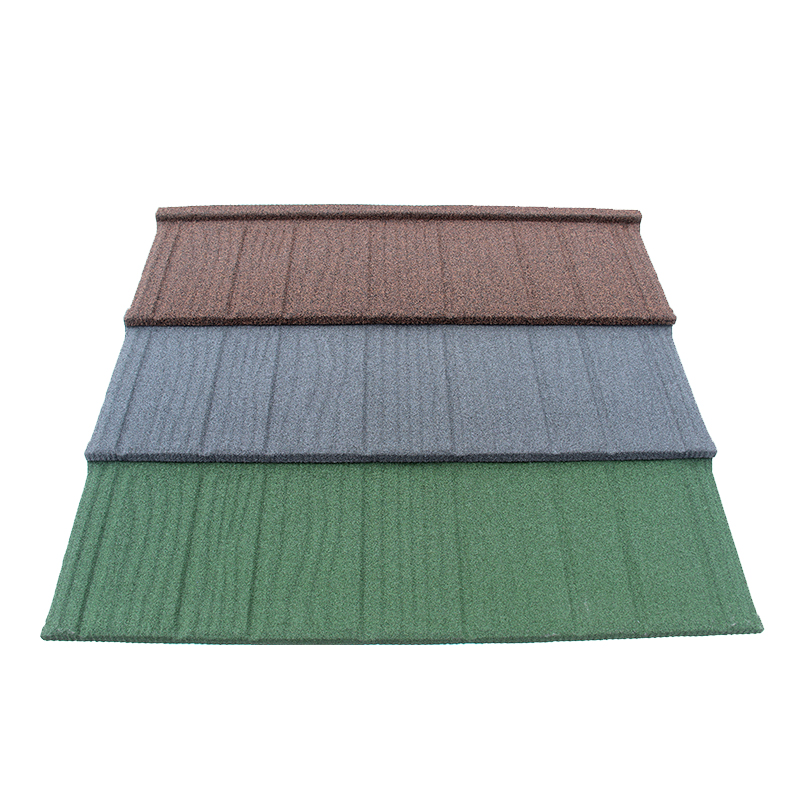
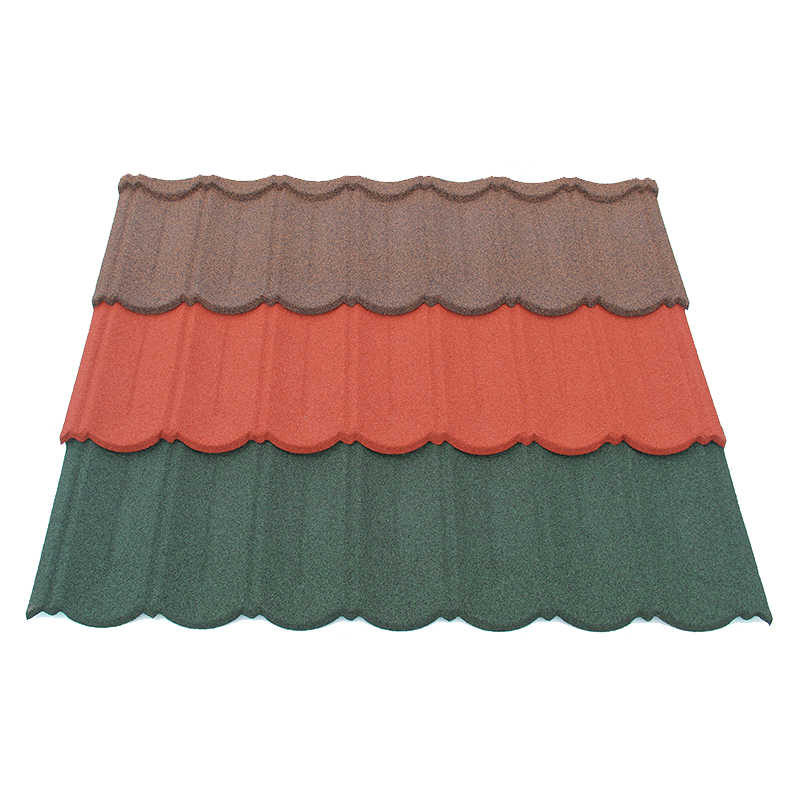
Profiles such as Shake Tile provide textured aesthetic appeal without significantly increasing panel weight, ideal for heritage-style or high-end residential projects.
4. Superior Energy Efficiency
Stone coated steel roofing systems reflect more solar heat than traditional asphalt shingles, improving building thermal efficiency. Reflective coatings reduce cooling loads, lowering energy bills in warm climates.
This feature supports sustainability goals and can contribute to green building certifications such as LEED, which are increasingly important in modern architectural projects.
Energy efficiency highlights
- Reflective stone granules minimize solar heat absorption
- Lightweight steel panels reduce thermal bridging
- Enhanced ventilation compatibility improves overall energy performance
5. Minimal Maintenance Requirements
Unlike traditional materials that require frequent inspections and patching, stone coated steel roofs demand minimal maintenance. Routine cleaning and periodic inspections are generally sufficient to maintain aesthetic and functional performance.
This is particularly advantageous for commercial or institutional buildings, where maintenance scheduling can disrupt operations or incur additional labor costs.
Maintenance advantages
- Resistant to cracking, granule loss, and warping
- Easy cleaning of debris, bird droppings, and tree sap
- Long-lasting color reduces repainting frequency
Profiles and maintenance
Flatter profiles like Bond Tile simplify cleaning and inspection, while intricate options like Roman Tile or Milano Tile require careful handling but offer premium architectural aesthetics.
6. Aesthetic Versatility for Modern Designs
Stone coated steel roofing is available in a wide range of colors, textures, and profiles, allowing architects to achieve both traditional and contemporary looks. The system can mimic clay, slate, or wood roofing without compromising durability.
This versatility is a key driver for specifying stone coated systems in projects where visual impact and branding are critical.
Design flexibility
- Multiple tile profiles and textures available
- Color stability over decades
- Customizable layouts for complex roof geometries
Profile integration
Selecting profiles like Shingle Tile, Shake Tile, or Milano Tile enables architects to create signature looks while maintaining performance and durability standards.
7. Trusted Brand Reliability
Choosing high-quality manufacturers ensures material consistency, warranty compliance, and post-installation support. Reputable suppliers provide validated performance data, installation guidelines, and lifecycle documentation.
For architects and procurement teams, selecting verified manufacturers reduces project risk and guarantees expected long-term performance.
Manufacturer considerations
- Proven track record in quality control
- Comprehensive warranties covering structural and surface performance
- Technical support for installation and maintenance
Brand example
Industry leaders such as JCROOF combine high-quality stone granule coatings with precise steel fabrication, giving architects confidence in specifying systems for large or high-profile developments.
Conclusion: Stone Coated Steel Is a Strategic Choice for 2026
For modern architectural projects, stone coated metal roofing tile systems offer an unbeatable combination of durability, low maintenance, energy efficiency, aesthetic versatility, and long-term cost savings. By distributing the right profiles—Bond Tile, Shingle Tile, Roman Tile, Shake Tile, and Milano Tile—throughout a project, architects achieve both functional performance and visual appeal.
Partnering with reputable manufacturers like JCROOF ensures consistent quality and predictable long-term performance, making stone coated steel a strategic, future-proof roofing solution.