
For architects, facility managers, and B2B buyers, understanding roofing lifespans is more than an academic exercise—it drives procurement, cost planning, and long-term building performance. Traditional materials like asphalt, clay, or wood often require repeated replacements over a few decades, whereas modern metal systems, particularly stone-coated steel, can last an entire building’s lifetime.
This guide dives into the hidden factors that determine roof longevity, highlighting why metal roofing systems have become the top choice for professionals seeking durability, low maintenance, and predictable lifecycle costs.
Material Science: Why Metal Outperforms Conventional Roofing
Metal roofing panels are engineered to resist environmental stressors that degrade conventional materials. Stone-coated steel, for example, features a high-strength steel substrate, corrosion-resistant coatings, and protective stone granules that shield against UV exposure and impact damage.
These layers work together to maintain structural integrity over decades, reducing the risk of leaks, cracking, or warping that often afflict asphalt shingles or clay tiles.
Key durability features
- Corrosion resistance prevents rust even in coastal environments
- Impact and hail resistance reduces repair frequency
- UV and heat protection preserves color and surface integrity
Profile integration
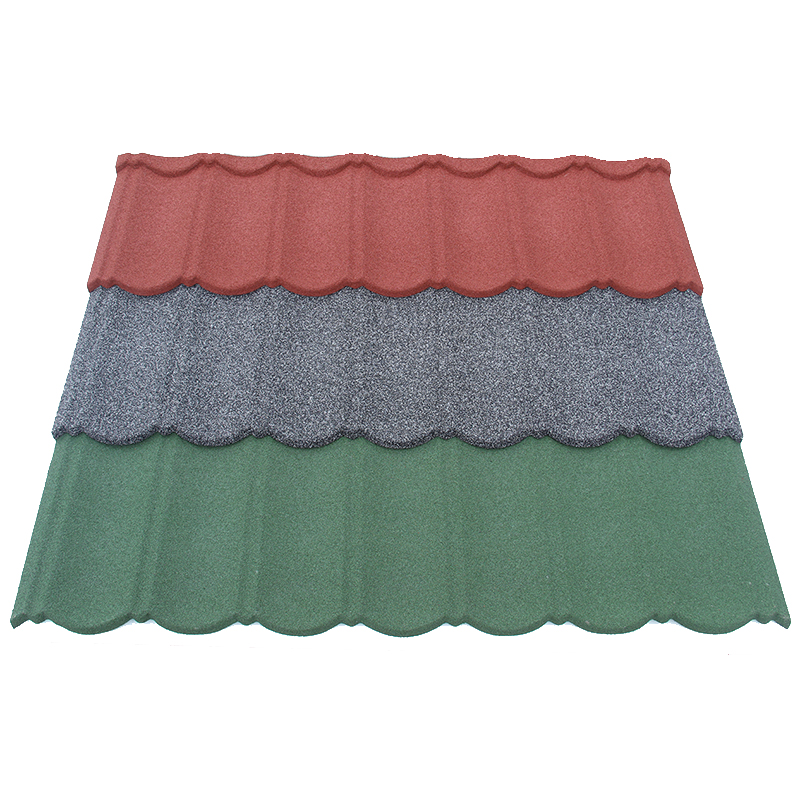
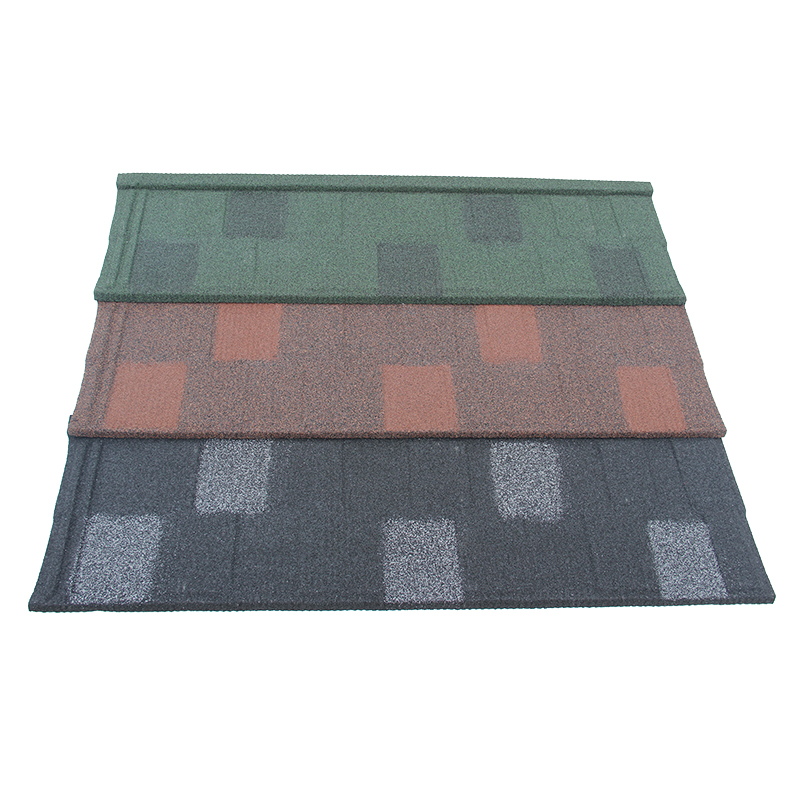
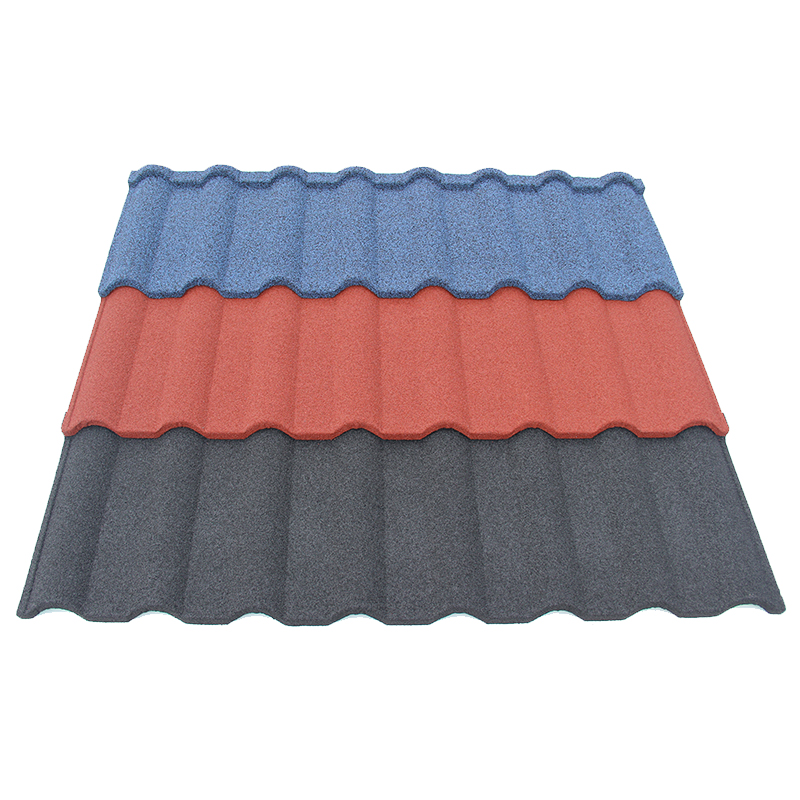
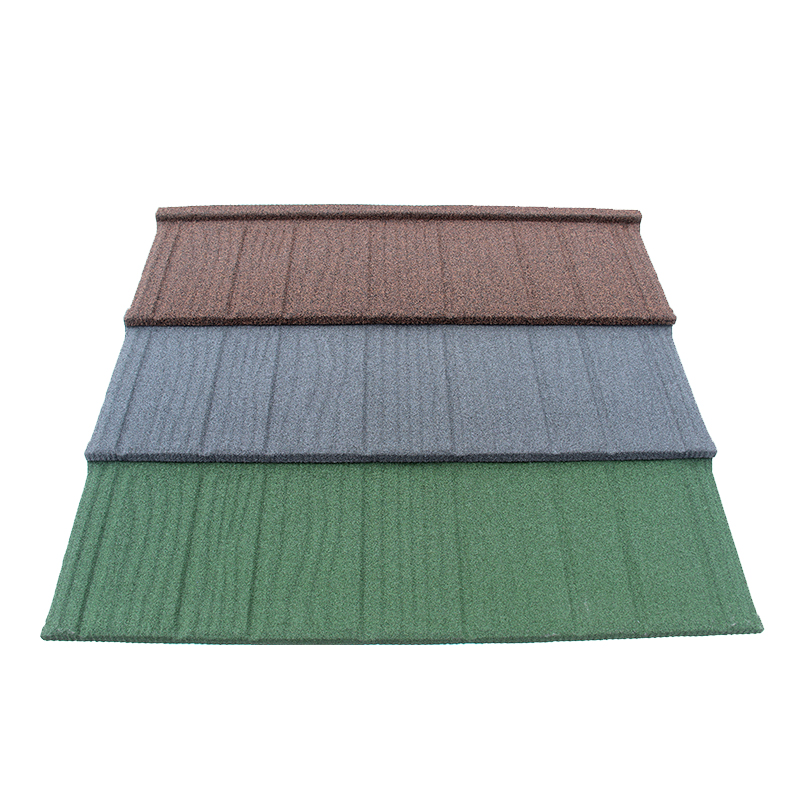
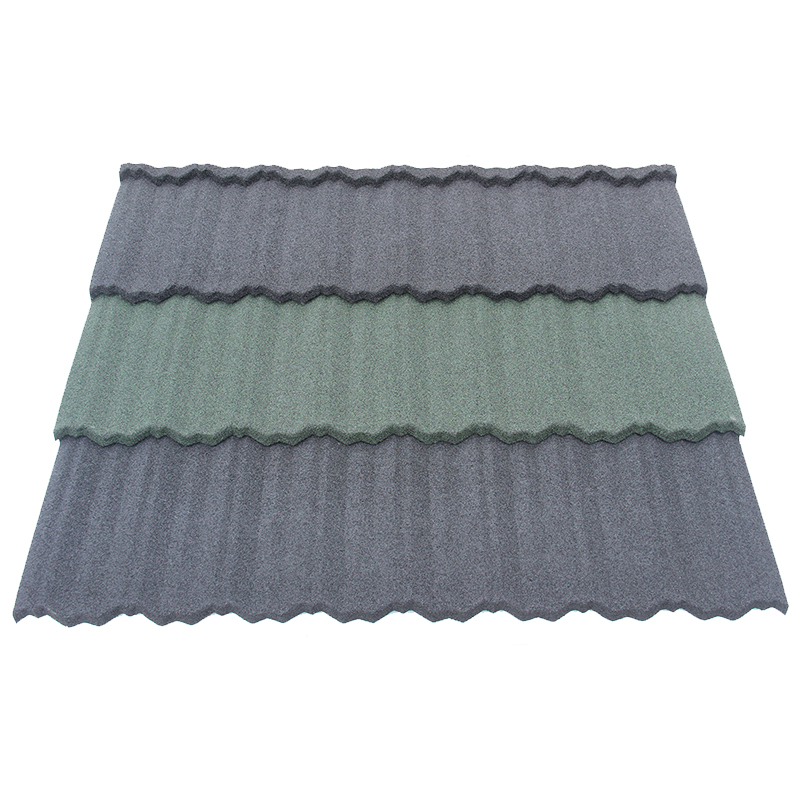
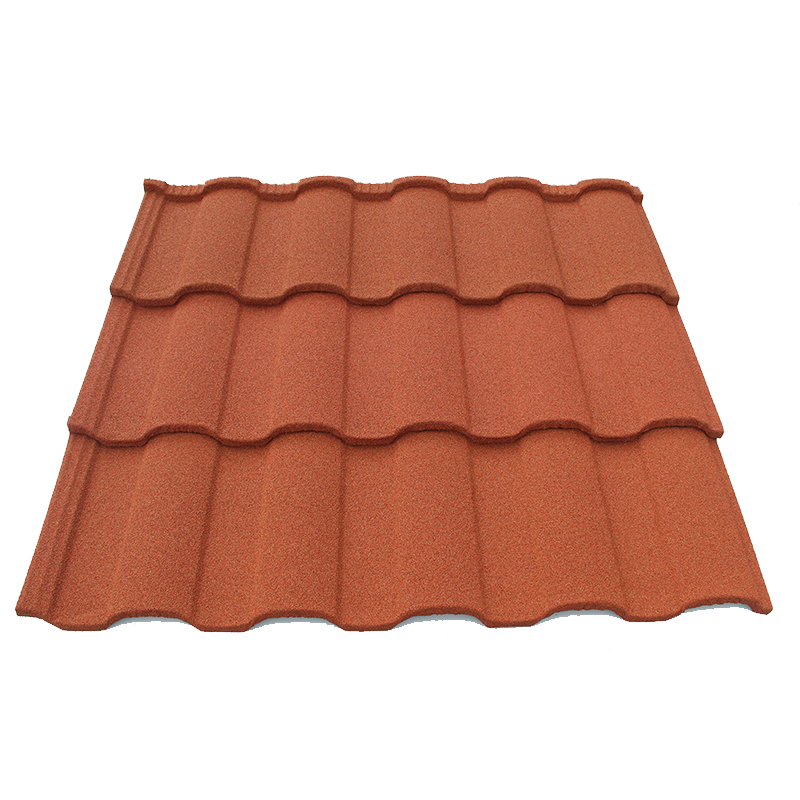
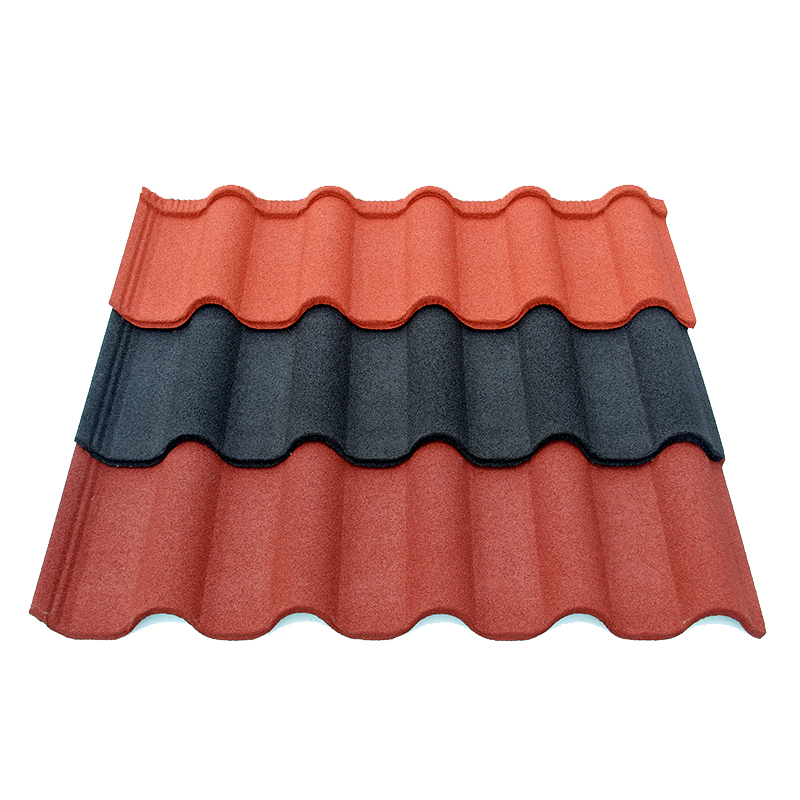
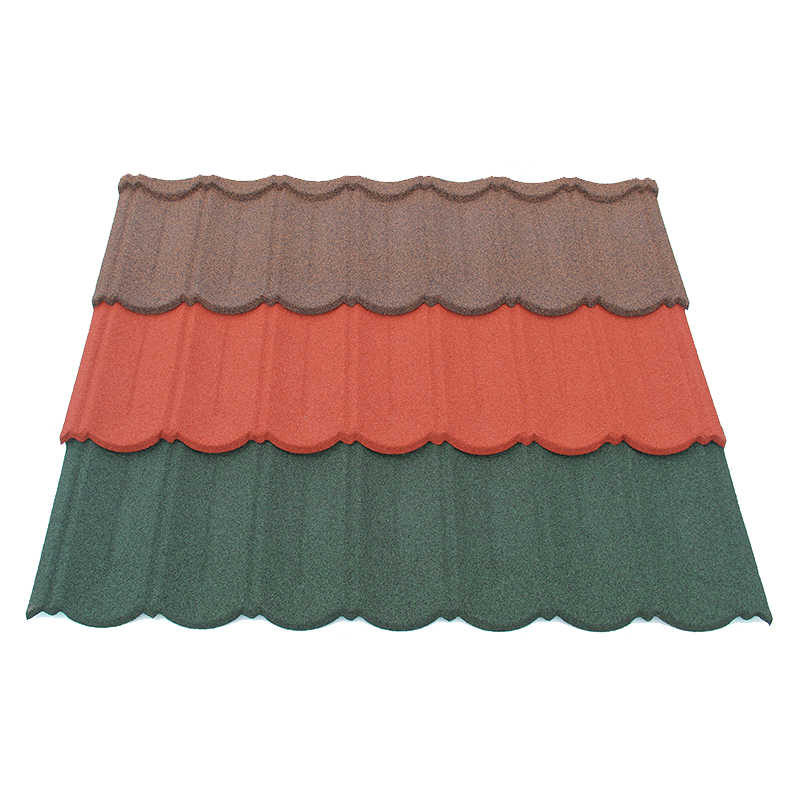
Using profiles such as Bond Tile and Shingle Tile ensures uniform load distribution, while visually distinct options like Roman Tile, Shake Tile, and Milano Tile combine aesthetic appeal with engineered durability.
Lifecycle Cost Advantages Over Traditional Roofing
While asphalt shingles and clay tiles may have lower upfront costs, their shorter service life necessitates multiple replacements over 50 years, driving up total cost of ownership. Stone-coated steel panels often require zero or one replacement, drastically reducing long-term expenses.
For B2B buyers, calculating lifecycle cost rather than initial price ensures smarter budgeting and improves ROI across large-scale developments.
Cost comparison over 50 years
| Roof Type | Initial Cost | Replacement Cycles | Maintenance | Total 50-Year Cost |
|---|---|---|---|---|
| Asphalt Shingles | Low | 2–3 times | Moderate–High | High |
| Clay Tiles | Medium–High | 1–2 times | Moderate | Medium–High |
| Stone Coated Steel | High | 0–1 times | Low | Lower overall |
Maintenance Frequency and Operational Impacts
Frequent maintenance drives hidden costs in conventional roofs, including labor, inspections, and operational disruption. Stone-coated metal roofs require only periodic cleaning and light inspections, significantly reducing these overheads.
For commercial properties or high-density housing, this low-maintenance profile ensures fewer operational interruptions, improving efficiency and safety.
Maintenance comparison
- Minimal inspection and cleaning required
- Resistant to cracking, granule loss, and warping
- Color and surface durability reduces repainting needs
Profile impact on maintenance
Simpler profiles like Bond Tile or Shingle Tile ease routine inspection, while more elaborate profiles such as Roman Tile, Shake Tile, and Milano Tile provide architectural value without compromising durability.
Environmental and Energy Benefits
Metal roofing systems, particularly stone-coated steel, are lighter than clay or concrete, reducing structural stress and making installation safer and faster. Additionally, reflective granules enhance thermal efficiency, lowering heating and cooling costs.
These factors contribute to environmentally friendly construction, aligning with green building standards and improving sustainability ratings.
Operational advantages
- Reduced structural load for safer, faster installation
- Reflective surfaces lower energy consumption
- Durable materials reduce landfill waste from frequent replacements
Procurement insight
Sourcing from trusted manufacturers such as JCROOF guarantees consistent material performance, reliable warranties, and long-term support for large-scale projects.
Conclusion: Metal Roofing as a Strategic Long-Term Investment
Stone-coated metal roofing systems offer unmatched durability, minimal maintenance, and predictable lifecycle costs compared to asphalt shingles, clay, or wood. Properly specifying and sourcing profiles—Bond Tile, Shingle Tile, Roman Tile, Shake Tile, and Milano Tile—ensures a combination of aesthetic appeal and structural performance.
For architects, developers, and B2B buyers, investing in stone-coated steel today can eliminate roof replacement concerns for decades, providing long-term ROI and operational peace of mind.