
One of the most persistent misconceptions in the construction industry is that metal roofing creates a loud, drumming sound during heavy precipitation. For B2B procurement officers and developers, this “noise myth” often acts as a barrier to adopting more durable materials. However, modern engineering has completely solved this acoustic challenge. Unlike the thin, bare corrugated iron sheets used in industrial sheds, Stone Coated Metal Roofing utilizes a sophisticated multi-layered design to neutralize sound. Consequently, these systems provide a quiet, tranquil interior environment even during intense tropical downpours. Understanding the physics of sound dampening is essential for developers who want to combine the longevity of steel with the acoustic comfort of traditional masonry.
The Acoustic Engineering of Layered Metal Systems
Sound is a vibration that travels through materials; the thinner and flatter the material, the more it resonates. Bare metal sheets act like a drum skin, amplifying the kinetic energy of raindrops. Stone Coated Metal Roofing disrupts this resonance through “mass-damping” and surface irregularity. The core steel is encased in thick layers of Aluzinc and acrylic resins, which add mass and change the natural frequency of the panel. Therefore, the vibration caused by rain is absorbed before it can turn into audible noise. This engineering approach ensures that the roof remains a silent protector of the building’s occupants.
The Disruptive Power of Sintered Stone Granules
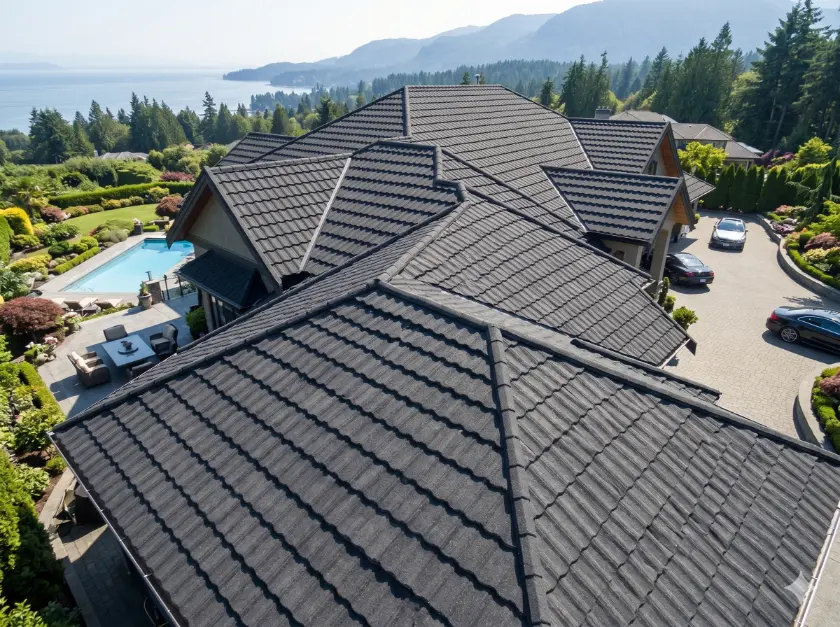
The exterior stone layer serves as the primary acoustic buffer in the roofing assembly. When a raindrop hits a flat surface, it creates a clean, sharp impact sound. Specifically, the volcanic stone granules on Stone Coated Metal Roofing create a rough, uneven surface that breaks up the impact energy of every drop. Instead of one synchronized “thump,” the energy is scattered and diffused across millions of tiny stone facets. Consequently, the sharp “ping” of rain on metal is converted into a dull, barely audible whisper. Manufacturers like JCROOF utilize high-density granules to ensure this acoustic performance remains consistent over the 50-year life of the project.
Thermal and Acoustic Decoupling via Batten Systems
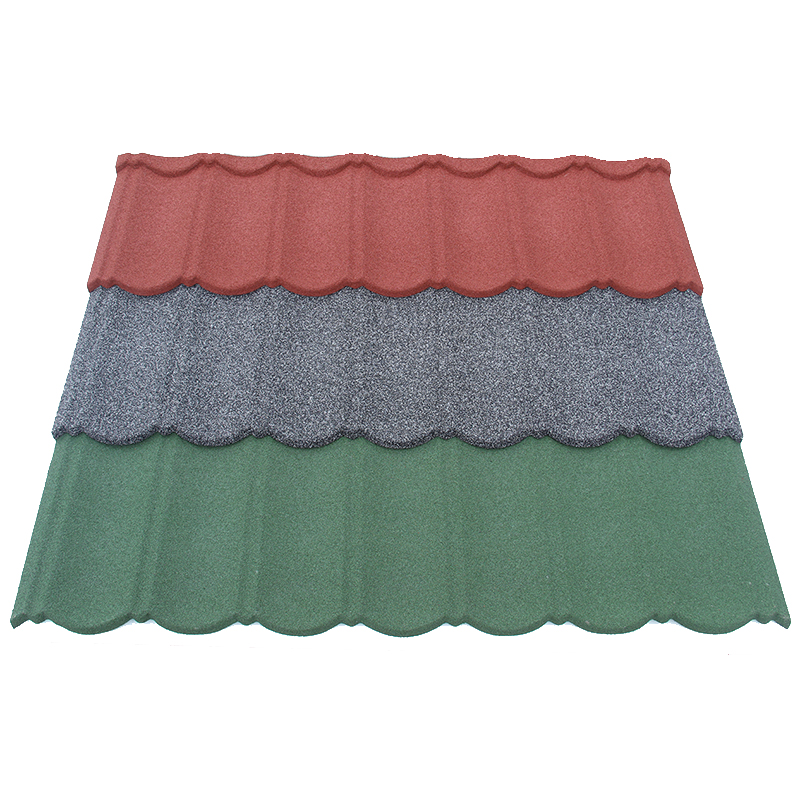
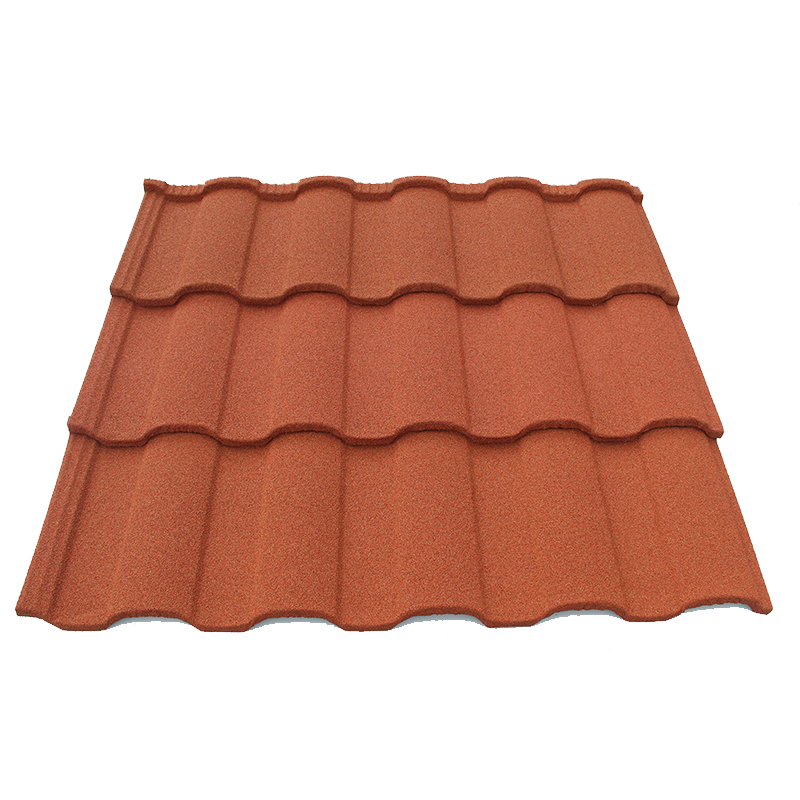
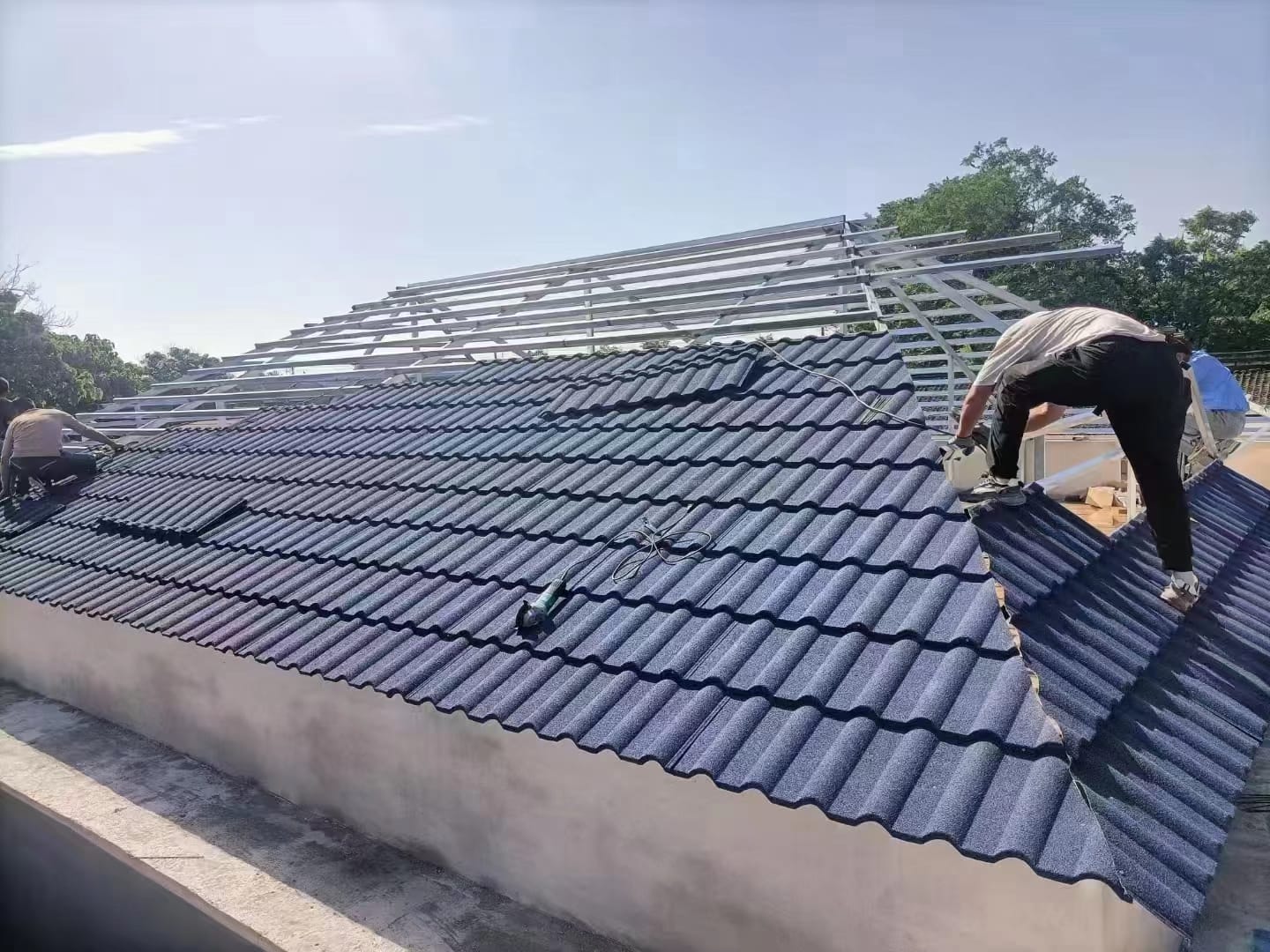
Beyond the material itself, the installation method provides a secondary layer of sound insulation. When contractors install the Bond Tile profile, they typically use a batten system that creates a structural air gap between the roof deck and the metal panels. This air gap acts as an acoustic decoupler, preventing the direct transmission of vibrations into the building’s structural rafters. Furthermore, the combination of the stone-coated surface and this ventilated air space creates a more effective sound barrier than traditional asphalt shingles. For instance, in luxury residential projects, this quiet performance is a key selling point for high-end buyers who demand a premium living experience.
Quantifying Interior Comfort: Metal vs. Traditional Materials
When evaluated in controlled laboratory settings, the acoustic performance of stone-coated steel is nearly identical to that of clay or concrete tiles. For B2B procurement managers, this data is vital for debunking client concerns regarding noise. In many cases, the combination of the stone-coated panel and the ceiling insulation makes the roof quieter than a standard masonry roof. Consequently, the building maintains a peaceful atmosphere during hailstorms or heavy rain. This ensures that hotels, schools, and hospitals can provide a comfortable environment without the need for expensive additional soundproofing materials.
Lifecycle Benefits of Silent Roofing Technology
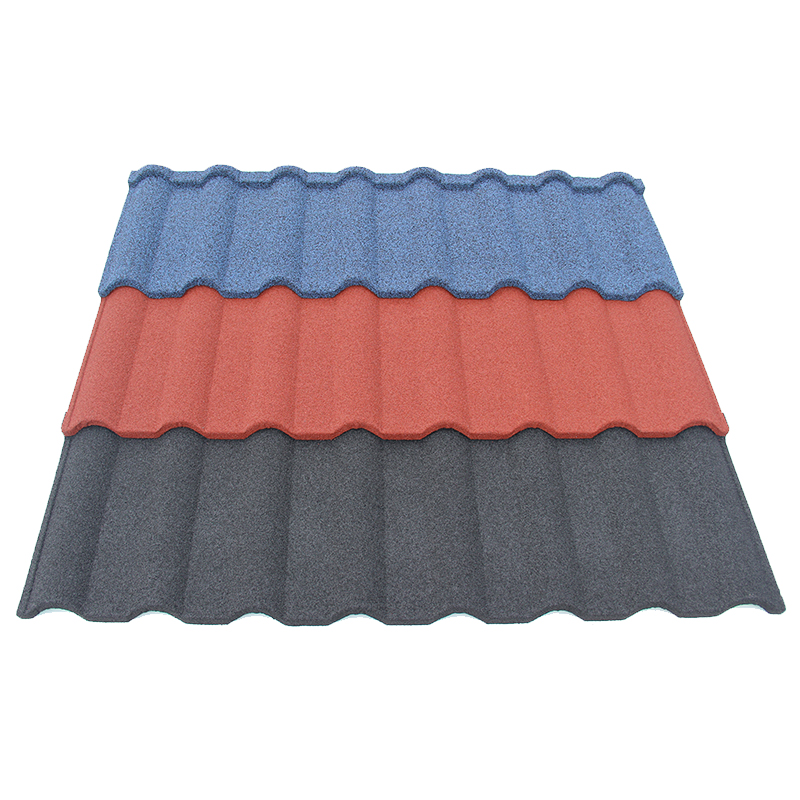
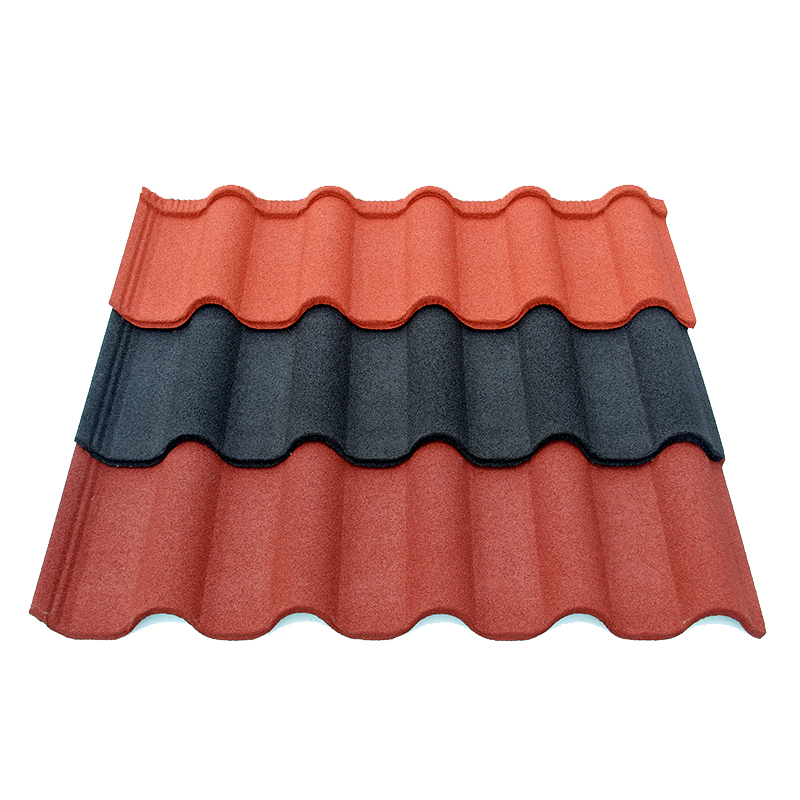
- Enhanced Occupant Comfort: The quiet surface of the Milano Tile ensures that heavy rain does not disrupt sleep or focus.
- Reduced Structural Vibration: Proper fastening prevents the “chatter” or rattling often associated with low-quality metal sheets.
- Market Value Retention: Quiet roofing is a hallmark of high-quality engineering, increasing the long-term desirability of the asset.
- All-Weather Performance: The Roman Tile ridges help break up wind noise in addition to dampening rain impact.
Acoustic Comparison and Impact Sound Levels
| Roofing Material | Impact Noise Suppression | Primary Acoustic Mechanism | Interior Sound Level (Heavy Rain) |
|---|---|---|---|
| Bare Corrugated Steel | Very Low | None (Resonant) | 70 – 80 dB (Loud) |
| Concrete/Clay Tiles | High | Mass/Density | 40 – 50 dB (Quiet) |
| Stone Coated Metal Roofing | Very High | Mass Damping & Diffusion | 38 – 48 dB (Very Quiet) |
Architectural Styles Designed for Acoustic Excellence
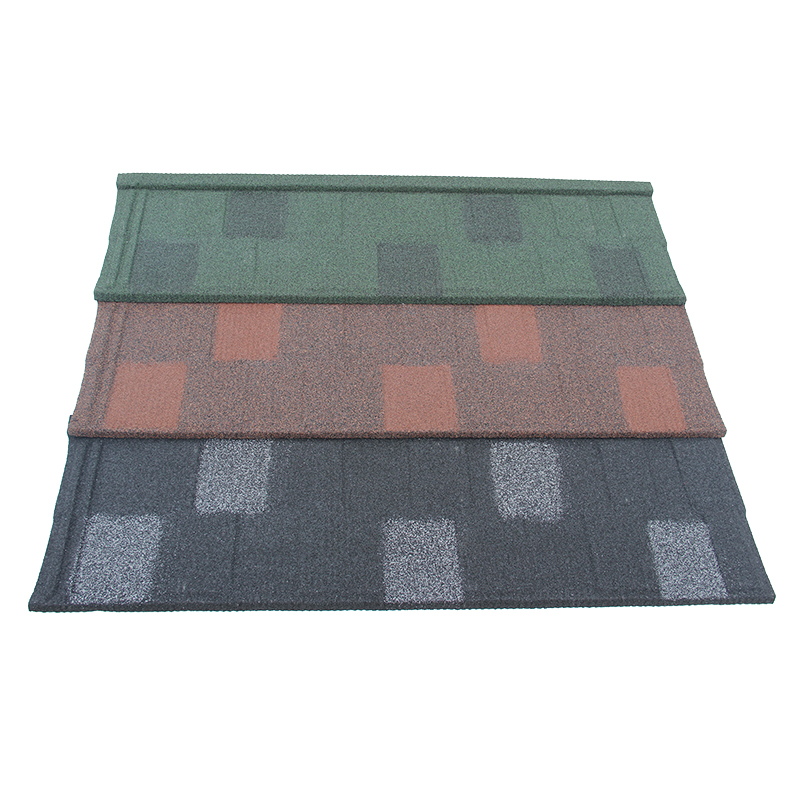
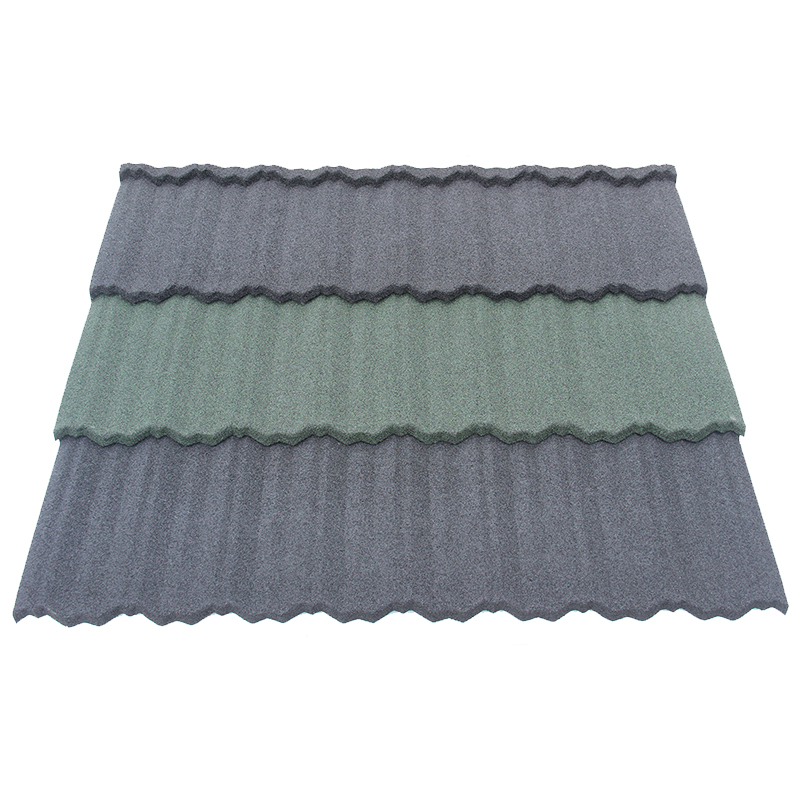
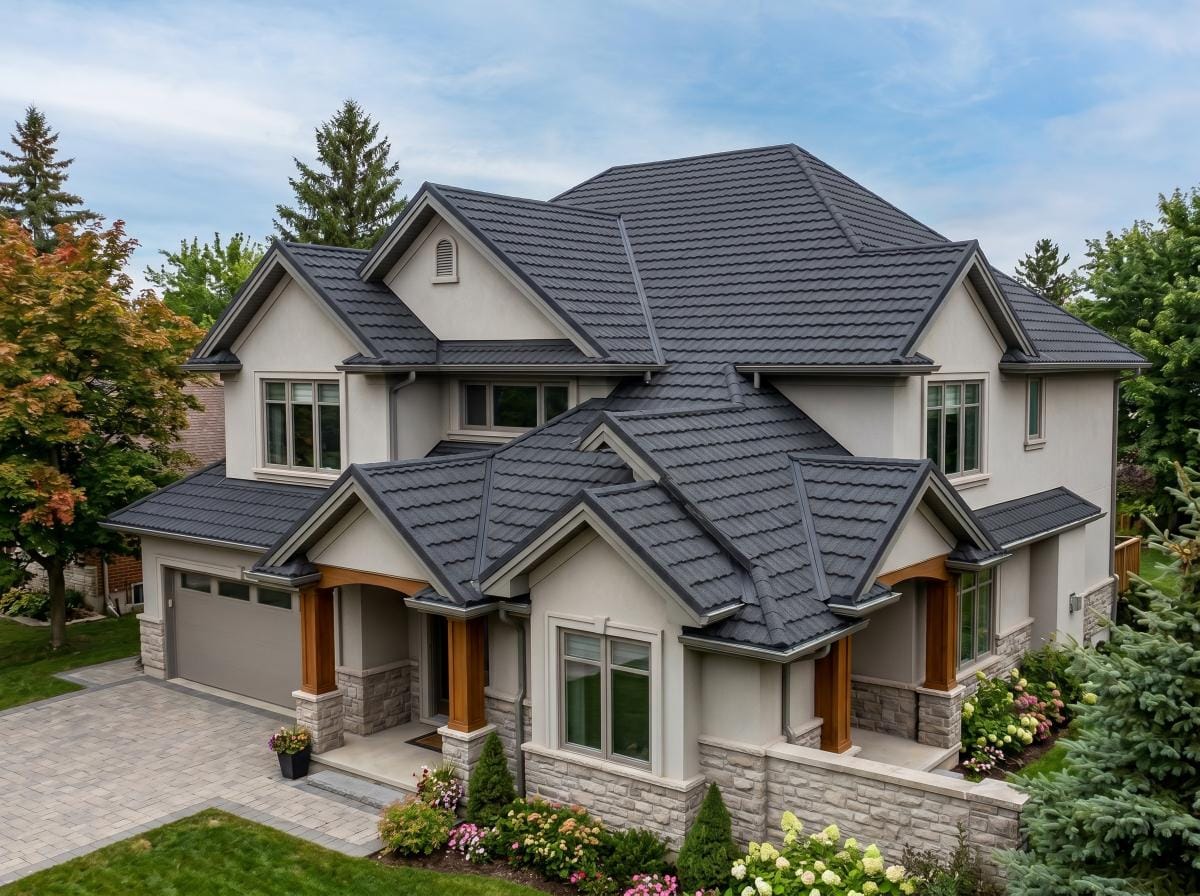
Modern roofing profiles are engineered to manage air and sound flow simultaneously. The Shingle Tile profile, for example, offers a sleek, modern look while its low-profile design minimizes wind-whistling during storms. Because these panels are interlocked and fastened at multiple points, there is no risk of the “rattling” noise that occurs with traditional metal roofing. This mechanical stability is essential for commercial office buildings where a quiet environment is necessary for productivity. By choosing stone-coated systems, architects can specify bold, metal designs without the acoustic compromises of the past.
Rustic Aesthetics with Modern Soundproofing
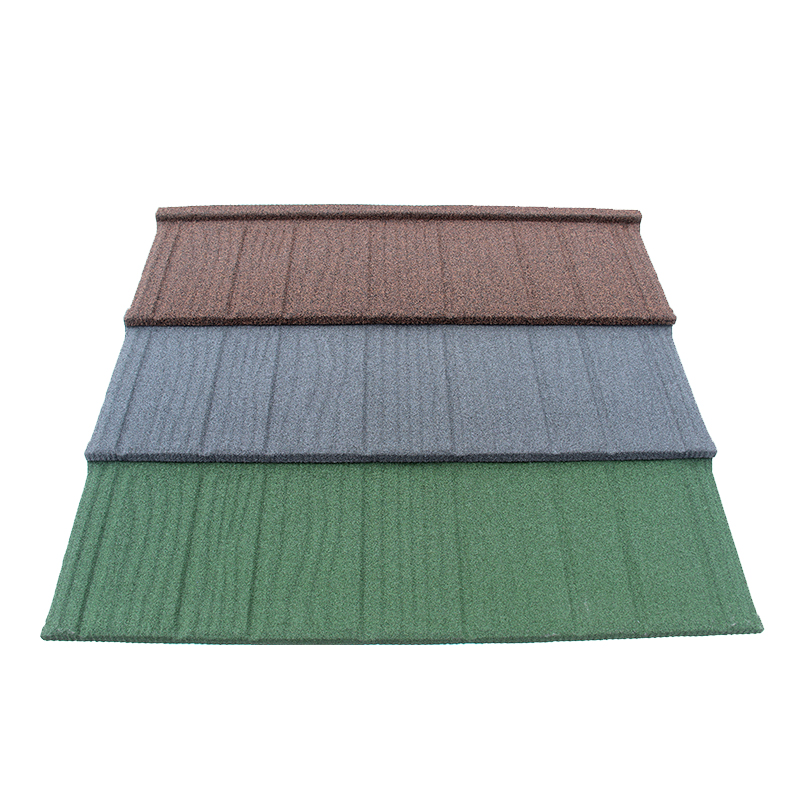
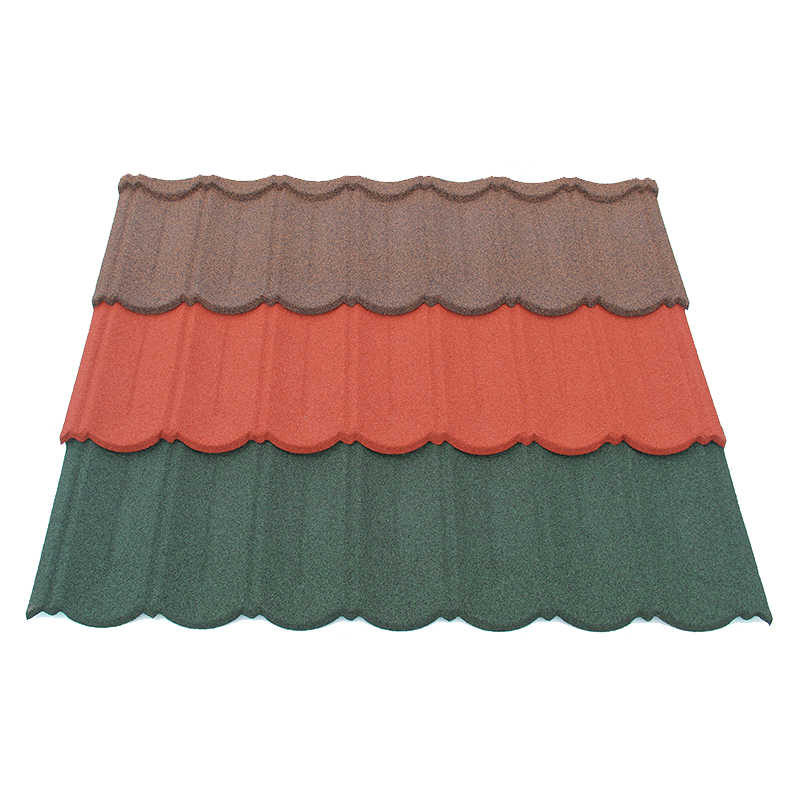
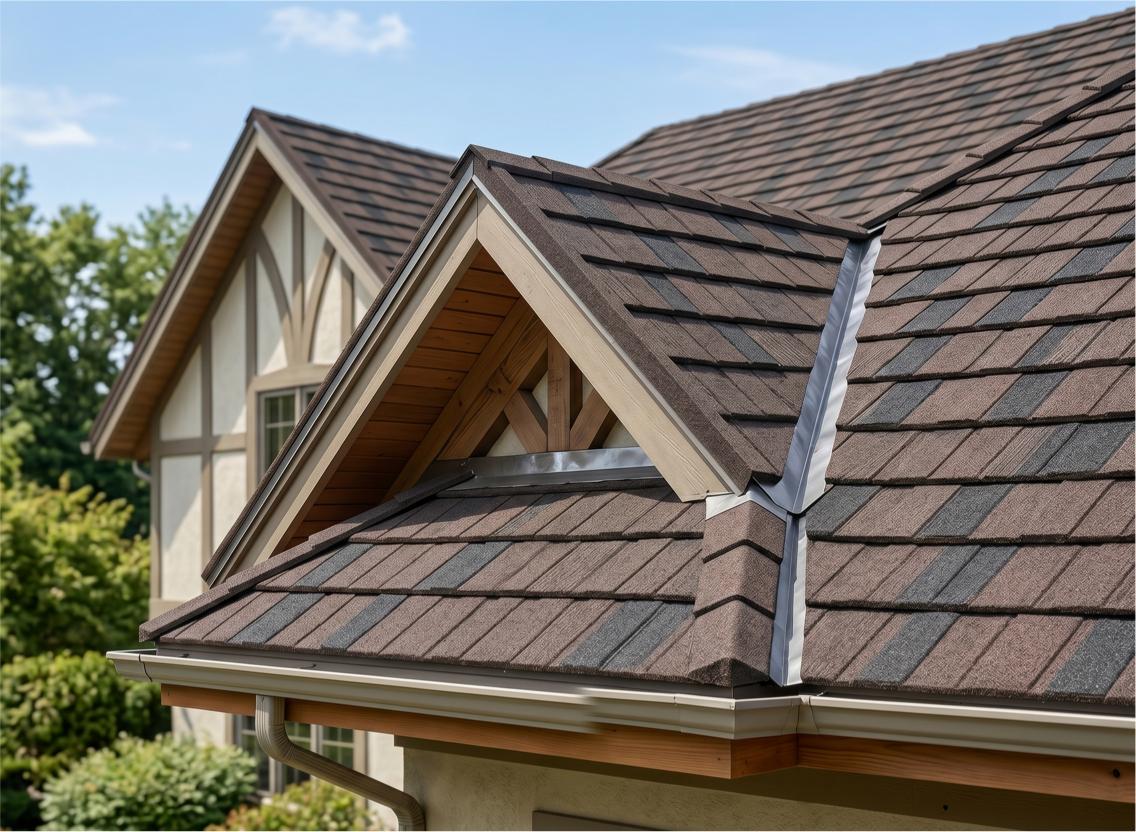
For projects requiring a traditional look, the Shake Tile profile provides the rugged aesthetic of hand-split wood with the silent performance of an engineered system. Natural wood can often become noisy during rain as the wood fibers swell and shift. Specifically, the metal version remains dimensionally stable and acoustically inert. Furthermore, the deep-profile designs create natural baffles that break up the sound of wind gusts. Consequently, developers of premium mountain lodges or eco-resorts can offer guests a tranquil stay even in the most rugged weather conditions. This combination of visual appeal and acoustic comfort makes it the premier choice for luxury B2B developments.
Procurement and Technical Verification for Acoustic Projects
When sourcing Stone Coated Metal Roofing for sound-sensitive projects like libraries or luxury villas, procurement managers should verify the thickness of the acrylic base coat. A thicker base coat provides better mass-damping and ensures the stone granules stay embedded to provide maximum sound diffusion. Furthermore, the choice of underlayment plays a role in the total acoustic system. Using a high-quality breathable membrane beneath the battens can further reduce noise transmission. Professional suppliers provide detailed technical data on the decibel-reduction capabilities of their products, allowing engineers to make informed decisions.
Ensuring a Successful, Quiet Installation
The quietness of a metal roof depends heavily on the quality of the installation. If the panels are not properly interlocked or if the fasteners are loose, the roof can vibrate during wind or rain. Therefore, it is critical to use the recommended fastener density and ensure that all overlapping joints are secure. Specifically, audit the installation manuals for JCROOF products to ensure that the batten spacing is optimized for acoustic stability. By sourcing high-specification materials and following professional installation protocols, B2B buyers can permanently debunk the noise myth and deliver a world-class, silent roofing solution for their clients.