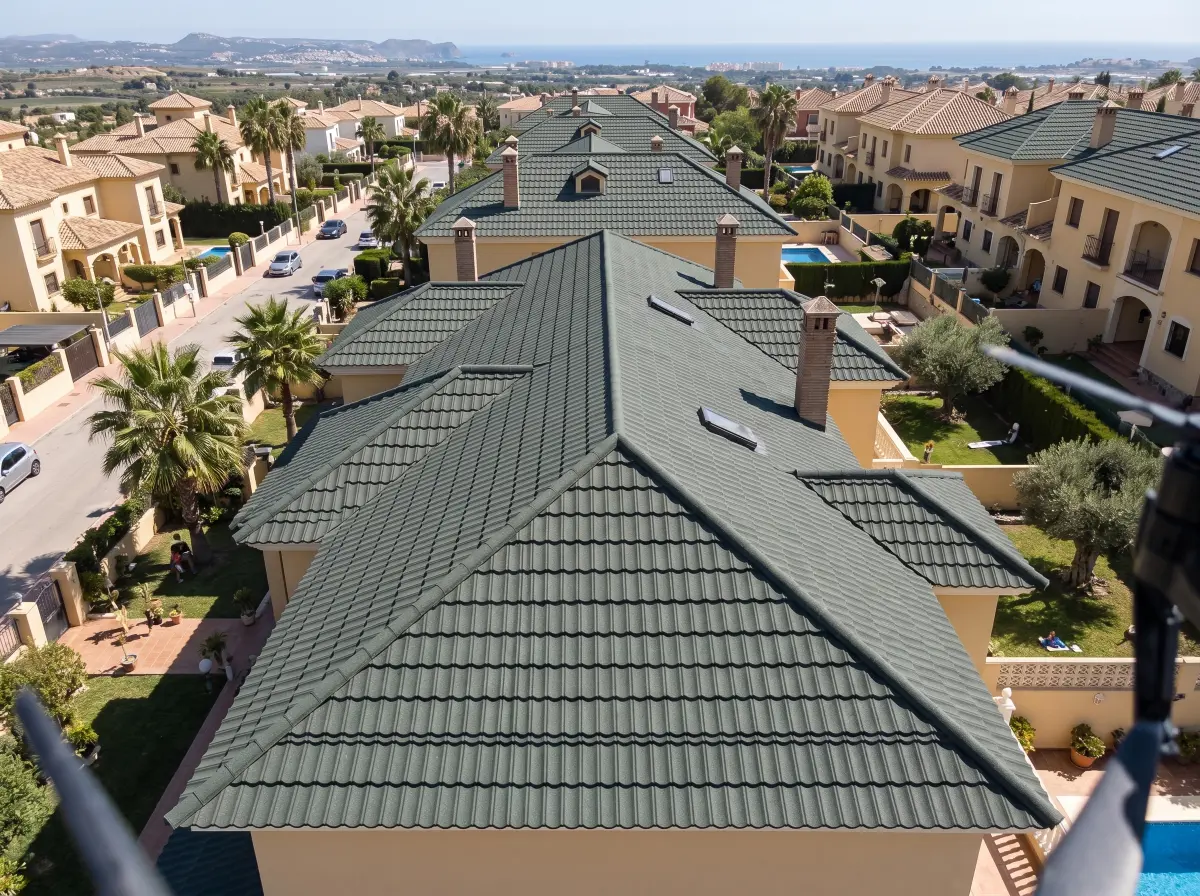

Commercial construction budgets face constant pressure from volatile global supply chains. Procurement managers spend weeks negotiating material prices to protect project profitability. However, many buyers completely ignore the massive financial drain of physical transportation. Heavy building materials consume exorbitant amounts of fuel and trigger expensive shipping surcharges. Lightweight Steel Roofing Systems offer a brilliant engineering solution to this logistical nightmare. These advanced materials drastically reduce transportation overhead while accelerating the entire development timeline. Therefore, astute B2B developers leverage this weight advantage to secure a massive competitive edge in the real estate market. This guide breaks down the precise logistical mechanisms that generate these significant cost savings.
The Financial Mechanics of Dead Weight in Global Procurement
International shipping operates on strict weight and volume limitations. Freight companies charge severe financial penalties when cargo exceeds standard weight limits. Traditional clay or concrete tiles present a massive dead weight burden for any commercial shipment. Consequently, you hit the maximum container weight limit long before you fill the actual physical space. Lightweight Steel Roofing Systems reverse this inefficient dynamic completely. Their incredibly low mass allows logistics teams to utilize every cubic meter of shipping space efficiently. Thus, developers optimize their freight spend and protect their capital reserves.
Overcoming High Ocean Freight Penalties
Ocean freight represents a major line item in any international development budget. Shipping heavy masonry requires double the number of standard shipping containers to transport the same coverage area. Consequently, importers pay double the port fees, customs processing charges, and container rental rates. Procurement officers solve this issue by specifying advanced metal solutions. The highly versatile Bond Tile packs tightly into high-density pallets. Therefore, a single cargo container holds enough roofing material to cover an entire suburban subdivision. This incredible shipping density slashes the landed cost per square meter dramatically.
Domestic Transport and Fuel Consumption
The logistical expenses continue long after the cargo clears the coastal port. Moving heavy materials across domestic highway networks consumes massive quantities of expensive diesel fuel. Furthermore, local trucking companies charge premium rates for hauling maximum-weight flatbed trailers. Modern metal roofs eliminate these excessive domestic trucking costs entirely. Distributors transport these lightweight pallets using standard, economical delivery trucks safely. Consequently, the general contractor reduces the total transportation budget significantly. This saved capital allows developers to upgrade interior finishes or improve site landscaping.
Maximizing Container Density and Packaging Efficiency
Supply chain efficiency relies heavily on intelligent factory packaging strategies. Poorly packaged goods waste valuable container space and suffer severe transit damage. Elite manufacturers design their pallets specifically to maximize standard global shipping dimensions. They compress the panels safely to eliminate any empty air pockets between the layers. Therefore, B2B buyers receive the absolute maximum material volume for their freight investment. This meticulous attention to packaging geometry separates world-class suppliers from amateur exporters completely.
Pallet Stacking and Volume Optimization
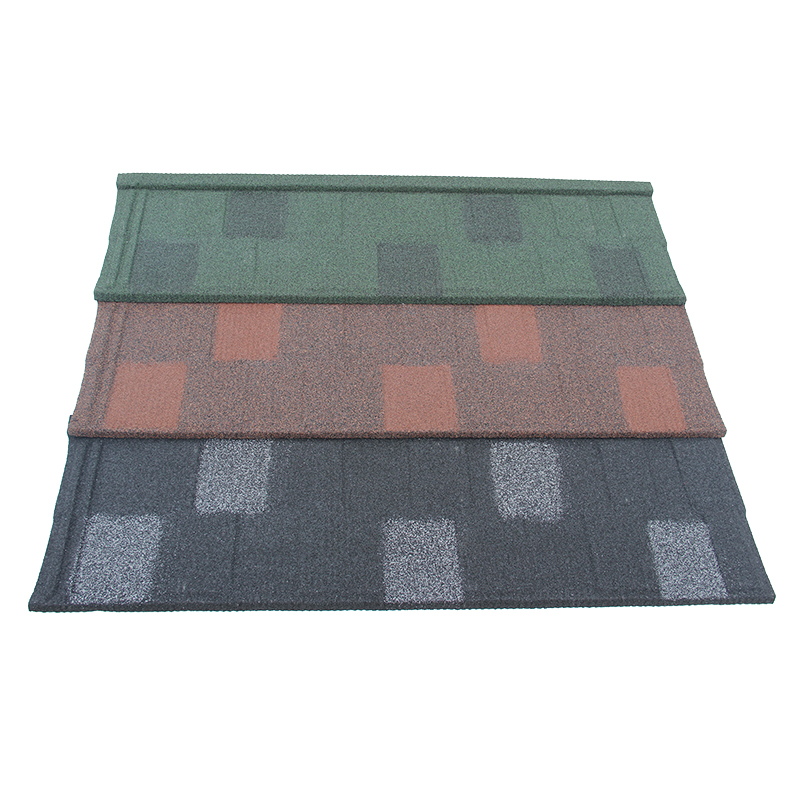
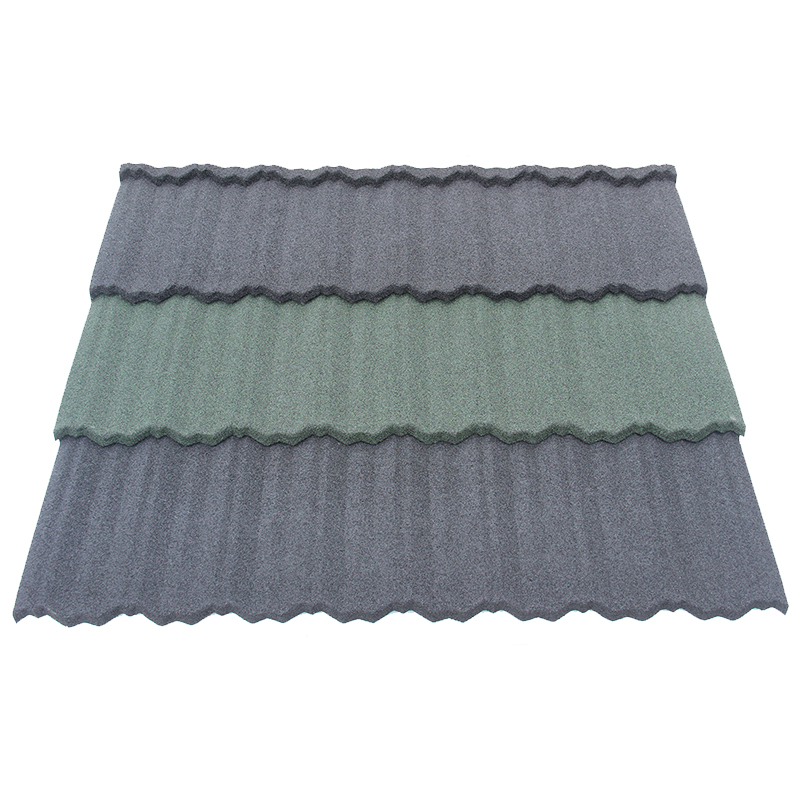
Architectural shape dictates how efficiently a factory can pack the final product. Flat, streamlined profiles offer the absolute highest shipping density available in the industry. For instance, the sleek Shingle Tile allows warehouse teams to stack pallets exceptionally high without causing crushing damage. The flat geometry nests together perfectly, leaving zero wasted space inside the shipping crate. Consequently, buyers transport massive quantities of material very economically. This volume optimization is absolutely critical for massive commercial roofing contracts where margins remain razor-thin.
Reducing Breakage and Transport Waste
Fragile materials like concrete shatter easily during turbulent ocean voyages or rough truck transit. Buyers routinely order ten percent extra material simply to account for this inevitable shipping breakage. This accepted waste destroys tight procurement budgets instantly. Premium suppliers like JCROOF manufacture highly durable panels that survive rough transit effortlessly. They utilize tough AZ150 Aluzinc steel cores that resist bending and crushing perfectly. Furthermore, they apply 100% pure acrylic resin glue to hold the high-temperature sintered colored sand securely. Therefore, the panels arrive at the job site in absolutely pristine condition. You only pay for the material you actually install on the building.
| Logistics Variable | Traditional Heavy Masonry | Lightweight Steel Systems |
|---|---|---|
| Container Weight Limit | Reached before container is full | Optimized perfectly with volume |
| Transit Breakage Rate | High (5% – 10% expected waste) | Zero (Ductile steel core) |
| Domestic Trucking Needs | Multiple heavy-duty flatbeds | Fewer standard delivery trucks |
| On-Site Staging Difficulty | Requires massive clearance | Compact and highly maneuverable |
Accelerating On-Site Material Handling and Staging
Arriving at the commercial construction site represents only half of the logistical battle. Contractors must move massive pallets around the active property safely and efficiently. Heavy staging destroys newly poured driveways and crushes expensive commercial landscaping rapidly. Lightweight Steel Roofing Systems streamline this critical on-site material handling phase flawlessly. Workers maneuver these compact pallets easily using small, inexpensive site forklifts. Consequently, the staging process never blocks other vital construction activities. This operational fluidity keeps the entire job site moving forward at maximum velocity.
Eliminating Heavy Lifting Machinery
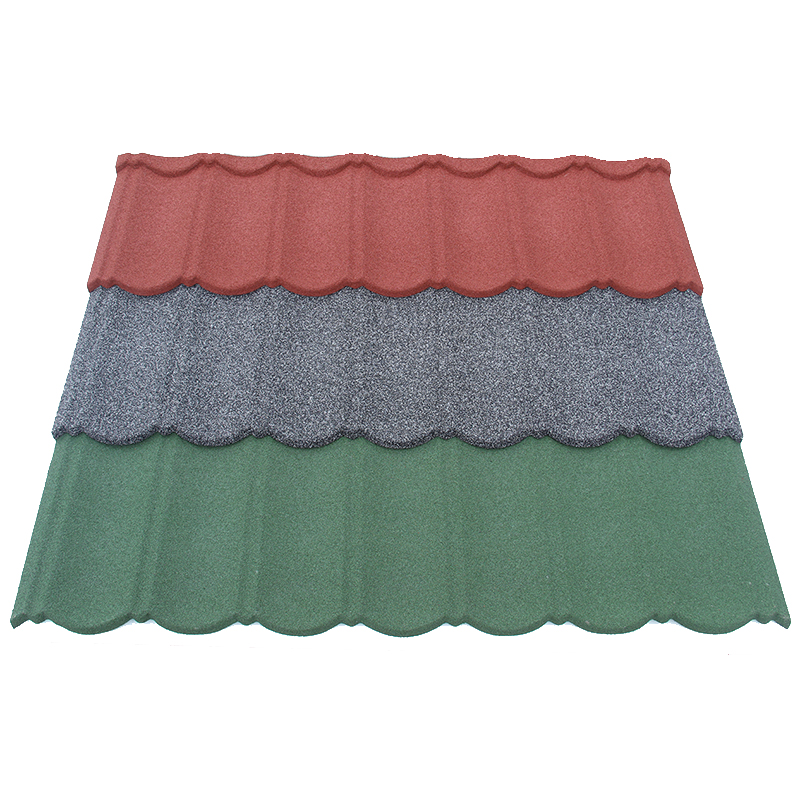
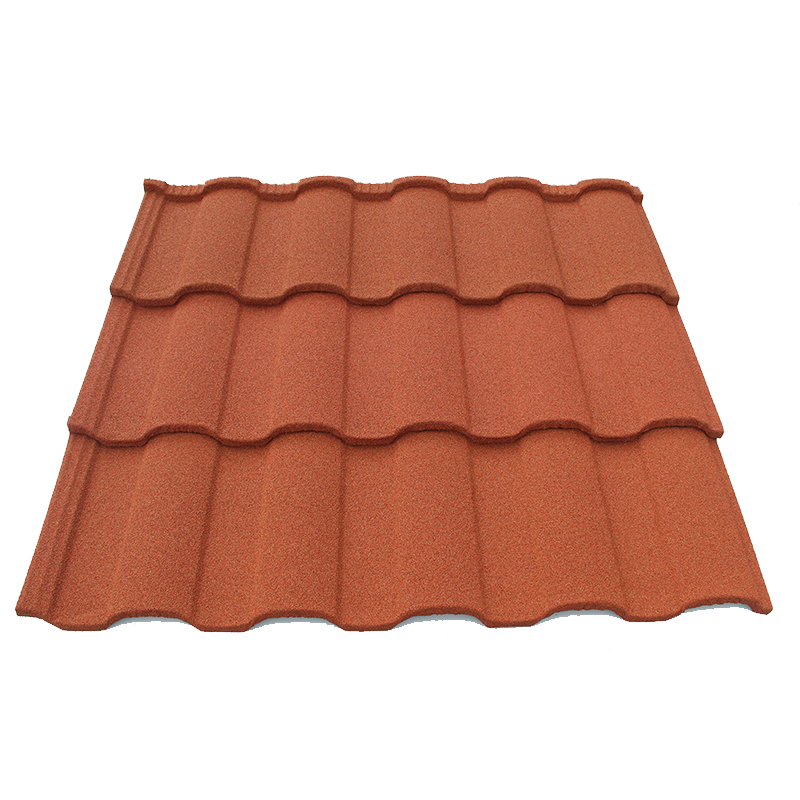
Hoisting heavy pallets onto a commercial roof requires massive, expensive lifting cranes. Crane rentals consume thousands of dollars daily and require highly specialized operators. Furthermore, crane setup demands massive safety perimeters that paralyze the rest of the job site. The deep-channeled Roman Tile weighs incredibly little compared to traditional clay alternatives. Consequently, standard roofing crews carry these panels up a ladder manually with absolute ease. Therefore, the general contractor eliminates the heavy crane rental budget completely. This massive cost reduction boosts the final profit margin of the entire development.
Reducing Labor Fatigue and Turnaround Time
Physical exhaustion slows down manual roofing labor significantly throughout the workday. Workers lifting heavy concrete blocks require frequent breaks to avoid severe muscular injuries. This constant resting extends the roofing schedule by several weeks on large commercial projects. Lightweight materials change the physical dynamics of the labor force entirely. Installers handle the steel panels swiftly without experiencing dangerous physical burnout. Consequently, the roofing crew covers massive square footage every single day. Thus, developers close the building envelope rapidly and secure their interior assets from sudden weather changes.
Structural Framing Savings and Safety Compliance
The total weight of the roof dictates the engineering requirements for the underlying building structure. Heavy exterior materials force architects to design incredibly dense, expensive wooden roof trusses. Building these massive timber skeletons requires specialized carpentry labor and excess raw materials. Lightweight Steel Roofing Systems relieve this massive dead load instantly. As a result, structural engineers safely reduce the size and frequency of the supporting roof beams. This deliberate reduction in structural framing saves developers a massive amount of upfront capital.
Downsizing Roof Rafter Requirements
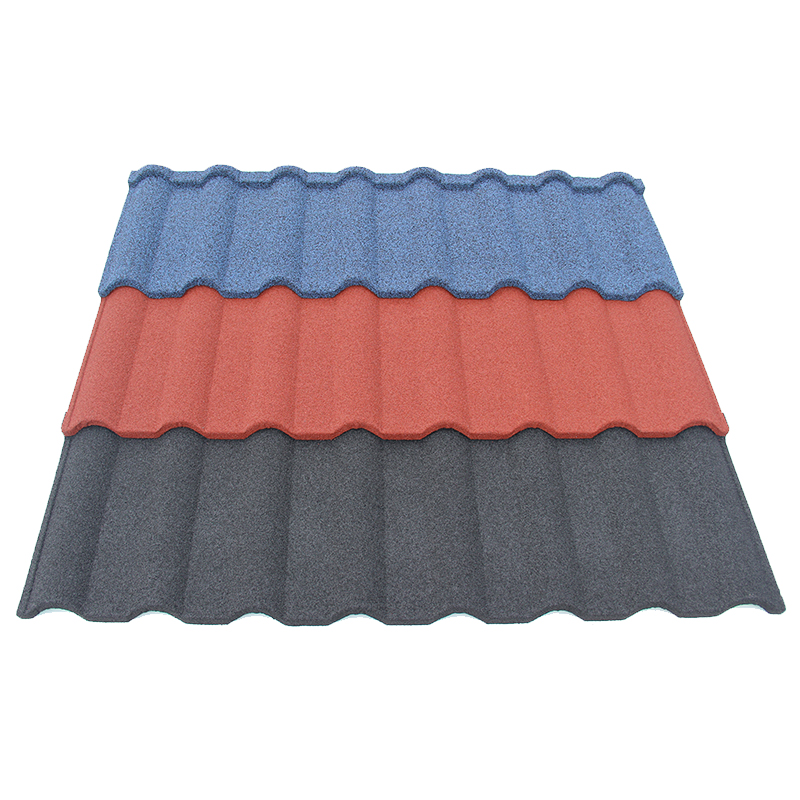
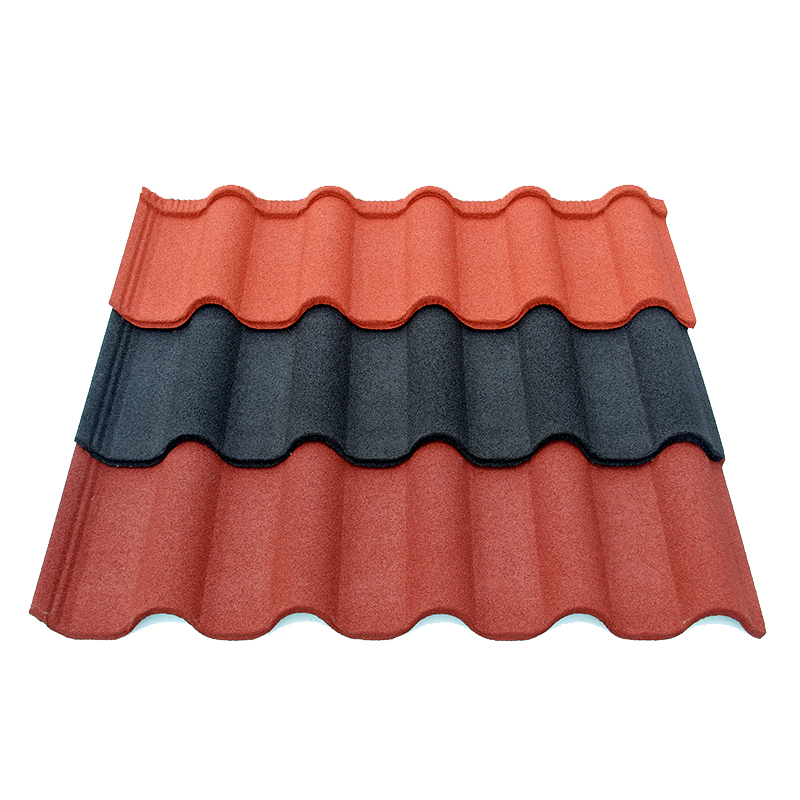
Architects calculate dead loads meticulously to ensure total building safety over time. Heavy Mediterranean architecture usually requires substantial, highly expensive structural reinforcement. The elegant Milano Tile solves this engineering dilemma perfectly. It replicates the luxurious curves of classic Italian clay visually while remaining incredibly light. Therefore, developers achieve the premium architectural look without paying for massive structural timber upgrades. Consequently, procurement officers stretch their budgets further while satisfying strict aesthetic community zoning laws. This intelligent material choice creates tremendous value for luxury real estate investors.
Enhancing Seismic Resilience
Earthquakes present a unique logistical and engineering threat to heavy commercial buildings. A massive, heavy roof acts like a violent pendulum during a major seismic event. This severe lateral movement frequently causes catastrophic wall failure and building collapse. Lightweight metal panels reduce this dangerous top-heavy pendulum effect dramatically. The interlocking steel acts as a flexible, secure structural diaphragm. Therefore, the building moves safely and cohesively during an active earthquake. Building inspectors in seismic zones heavily favor these safe, advanced engineering solutions.
Common Procurement Errors in Logistics Management
Novice procurement managers frequently misunderstand the complexities of global supply chain management. They focus exclusively on the initial factory unit price while ignoring the surrounding logistical realities. Consequently, hidden freight charges and unexpected handling fees destroy their strict purchasing budgets. Mastering these logistical variables separates professional B2B buyers from amateur importers completely. Strategic sourcing requires a comprehensive analysis of the entire delivery lifecycle. By avoiding common purchasing mistakes, developers protect their investments and ensure timely project completion.
Ignoring True Landed Cost Calculations
Many buyers approve purchase orders based solely on the cheapest factory quote available. Unfortunately, cheap materials often lack efficient packaging designs. Consequently, the buyer pays exorbitant freight rates to ship inefficiently packed, bulky cargo. Smart procurement officers always calculate the total landed cost precisely. They analyze the exact shipping density before signing any international contracts. Therefore, they realize that slightly higher quality panels actually cost less once delivered safely to the site. This analytical approach guarantees massive financial efficiency for the corporate buying team.
Sourcing Mismatched Accessories
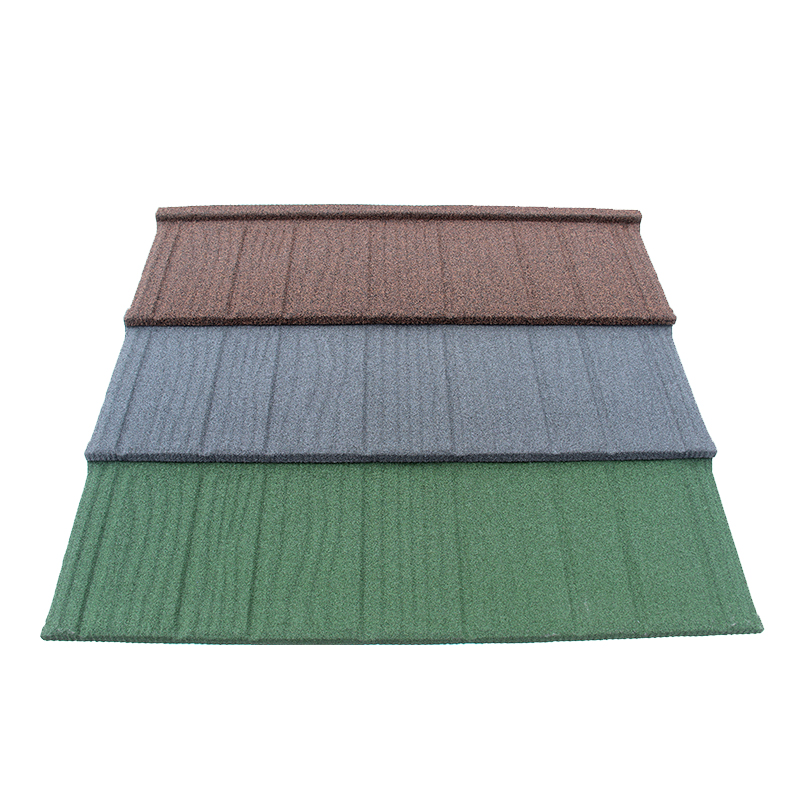
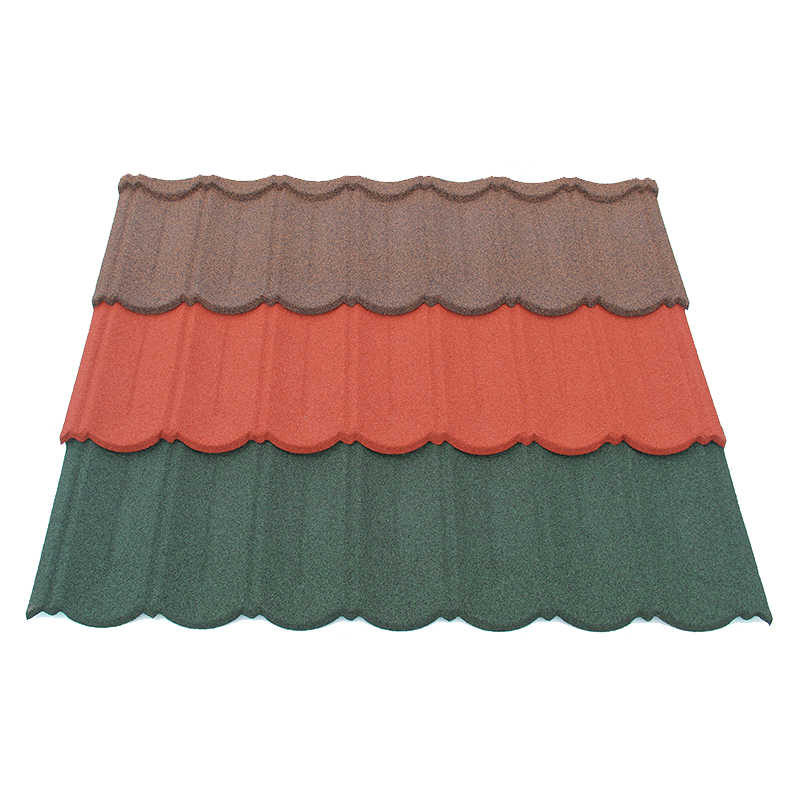
A leak-proof commercial roof operates as a complete, highly integrated weather system. Trying to save money by sourcing generic accessories locally creates massive logistical delays. Installers waste expensive hours attempting to force mismatched flashings to fit the main panels. Furthermore, these forced connections always leak during the first heavy rainstorm. The rugged Shake Tile requires perfectly matched, factory-pressed ridge caps to maintain its watertight seal. Procurement managers must order complete, unified systems directly from the primary manufacturer simultaneously. Consequently, the installation crew works rapidly without waiting for emergency parts deliveries.