
Commercial real estate development requires striking aesthetics continuously globally. However, natural wood shake introduces massive corporate liabilities instantly. Therefore, developers increasingly specify Stone Coated Metal Roofs instead. This advanced cladding provides the authentic rustic look perfectly. Consequently, B2B procurement teams eliminate catastrophic fire risks entirely. Furthermore, this structural upgrade slashes massive insurance premiums annually. Thus, understanding this material substitution is absolutely vital for developers. Indeed, protecting luxury forest resorts requires advanced industrial metallurgy safely. As a result, commercial portfolios maintain high valuations effortlessly over time. Ultimately, specifying non-combustible materials guarantees long-term real estate profitability safely. This B2B engineering guide analyzes the massive differences between these materials.
1. The Catastrophic Fire Risk of Natural Wood Shake
Natural timber acts as highly combustible fuel during dry summer seasons globally. Consequently, a single errant spark destroys massive luxury developments instantly. Therefore, building codes increasingly prohibit organic wood in heavy forest zones entirely. Thus, developers face massive legal and financial hurdles utilizing traditional shake materials. Furthermore, insurance conglomerates refuse to underwrite these dangerous wooden structures routinely. As a result, specifying real timber jeopardizes the entire commercial project funding immediately. Indeed, mitigating fire hazards is the primary directive for modern B2B procurement globally. Therefore, architects must source completely non-combustible alternatives strictly and continuously.
Combustibility and Spreading Embers
Wildfires generate massive, high-velocity ember storms during peak burn seasons. Consequently, these glowing embers travel miles through the air rapidly. Therefore, they land directly on dry commercial roofs constantly. Natural cedar shake ignites almost instantly upon contact with these hot embers. As a result, the entire corporate facility becomes fully engulfed in flames quickly. Furthermore, this fire spreads rapidly to adjacent commercial structures seamlessly. Thus, utilizing organic timber endangers entire residential subdivisions entirely. Indeed, the kinetic danger of spreading embers is absolutely terrifying for property managers. Therefore, completely eliminating exterior fuel sources is an absolute engineering mandate.
Insurance Penalties and Zoning Restrictions
Global insurance underwriters penalize massive fire risks incredibly heavily today. Consequently, properties utilizing natural wood shake face astronomical annual insurance premiums. Therefore, the Net Operating Income of the commercial asset drops significantly. Furthermore, strict municipal zoning boards ban combustible materials in wildland-urban interfaces outright. As a result, developers cannot legally build luxury lodges using traditional timber. Thus, securing necessary building permits requires specifying a Class A fire-rated material instead. Indeed, advanced metallurgy solves this massive bureaucratic hurdle flawlessly. Therefore, smart B2B buyers avoid combustible organics to streamline the entire permitting process entirely.
2. Engineering the Authentic Rustic Aesthetic in Steel
Replicating natural timber requires highly advanced industrial manufacturing capabilities completely. Therefore, flat steel panels simply cannot provide the required organic visual depth natively. Consequently, elite manufacturers utilize massive hydraulic presses to stamp deep wood-grain textures. Thus, the resulting metal panels mimic authentic hand-split cedar absolutely flawlessly. Furthermore, thick layers of sintered basalt chips enhance this natural aesthetic significantly. As a result, the commercial property blends seamlessly into the surrounding wilderness effortlessly. Indeed, advanced metallurgy delivers breathtaking beauty without any structural compromise globally. Therefore, developers satisfy strict architectural guidelines while utilizing indestructible industrial steel completely.
Three-Dimensional Texturation and Geometry
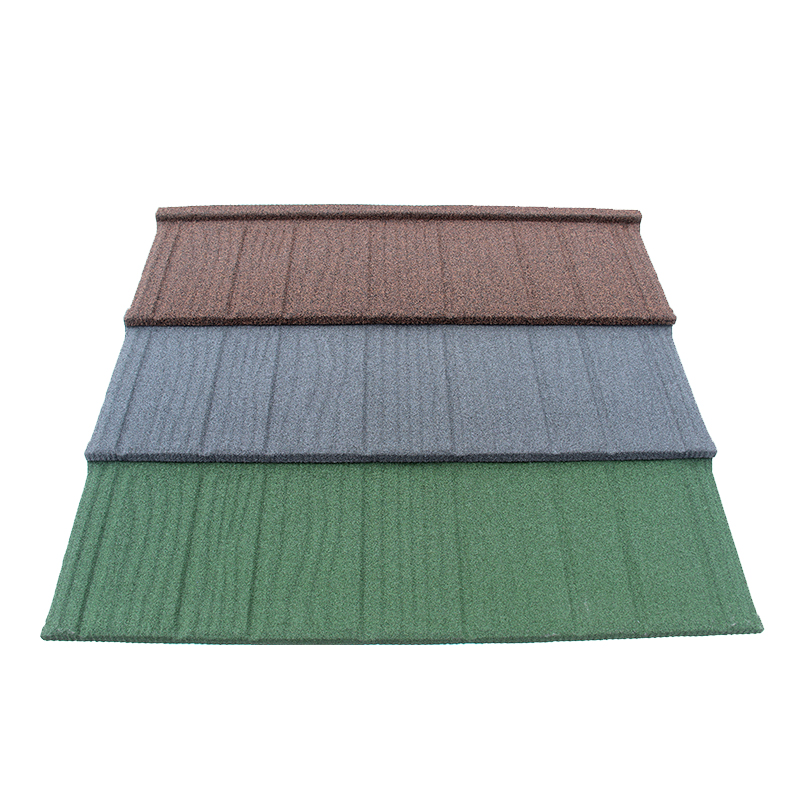
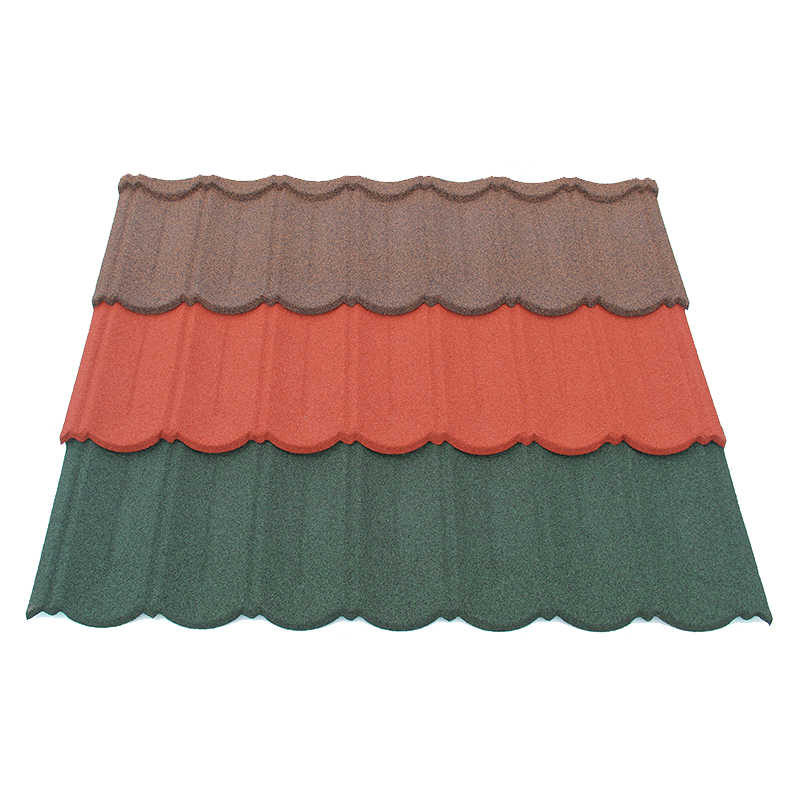
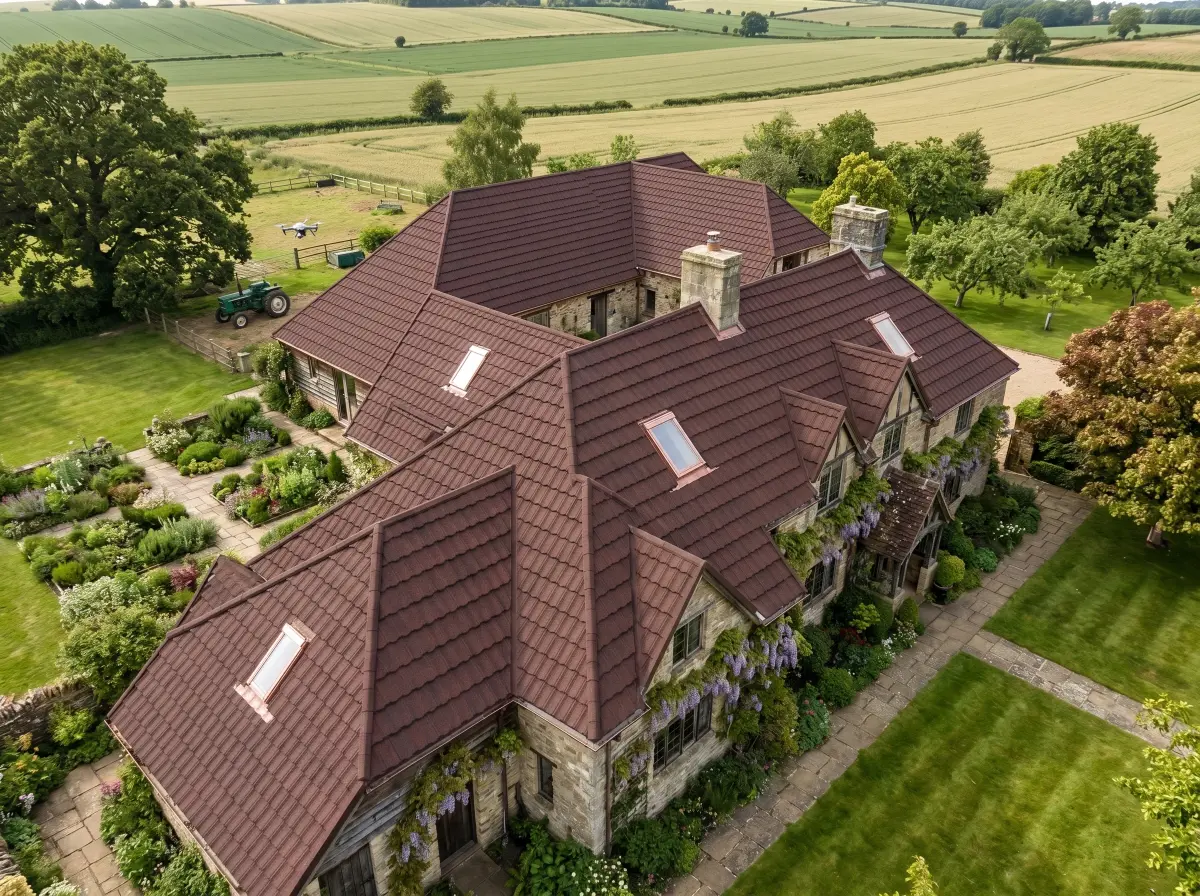
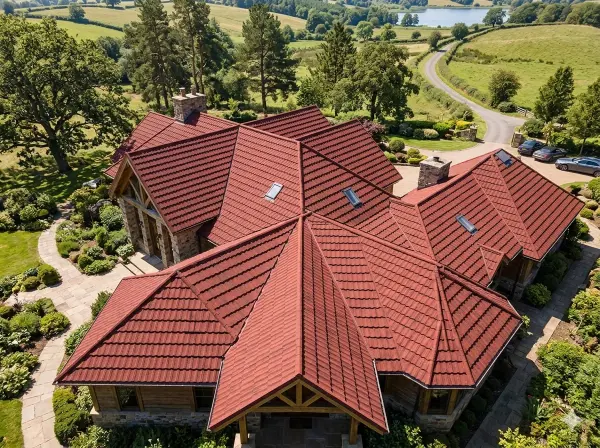
Creating organic realism requires complex, three-dimensional geometric stamping constantly. Therefore, manufacturers design highly specialized molds to replicate rough timber exactly. Specifically, the heavy-duty Shake Tile utilizes this deep texturing to project rustic luxury effortlessly. Its rugged profile mimics the uneven, organic splits of real wood perfectly. As a result, the commercial building achieves a highly prestigious, authentic woodland aesthetic. Furthermore, this deep texturing scatters harsh sunlight beautifully via diffuse reflection. Thus, the roof avoids the cheap, glossy look of standard industrial metal completely. Indeed, geometric texturation is the absolute key to aesthetic deception globally.
Color Blending for Organic Realism
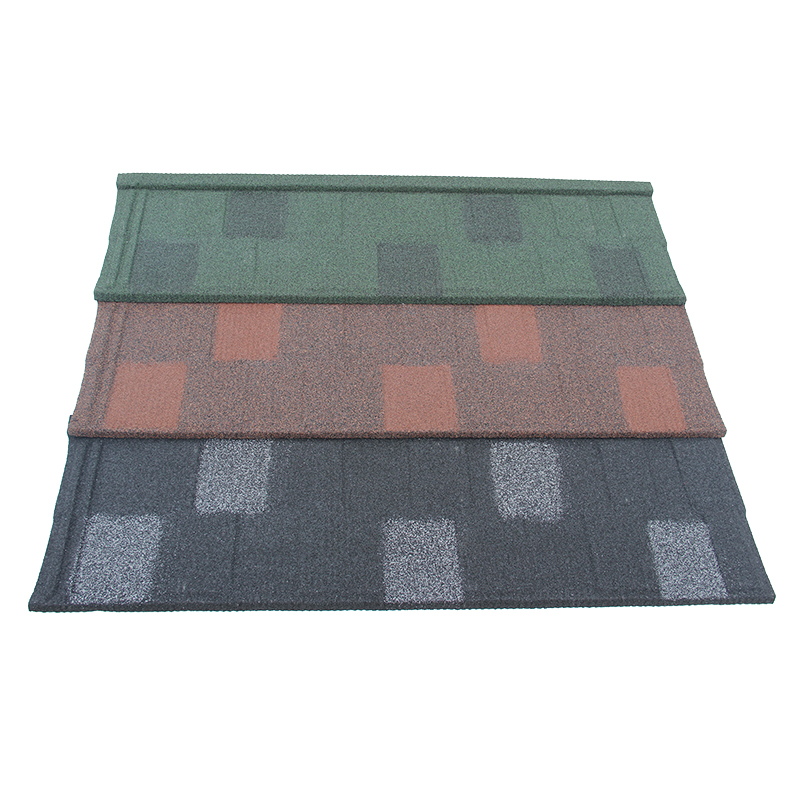
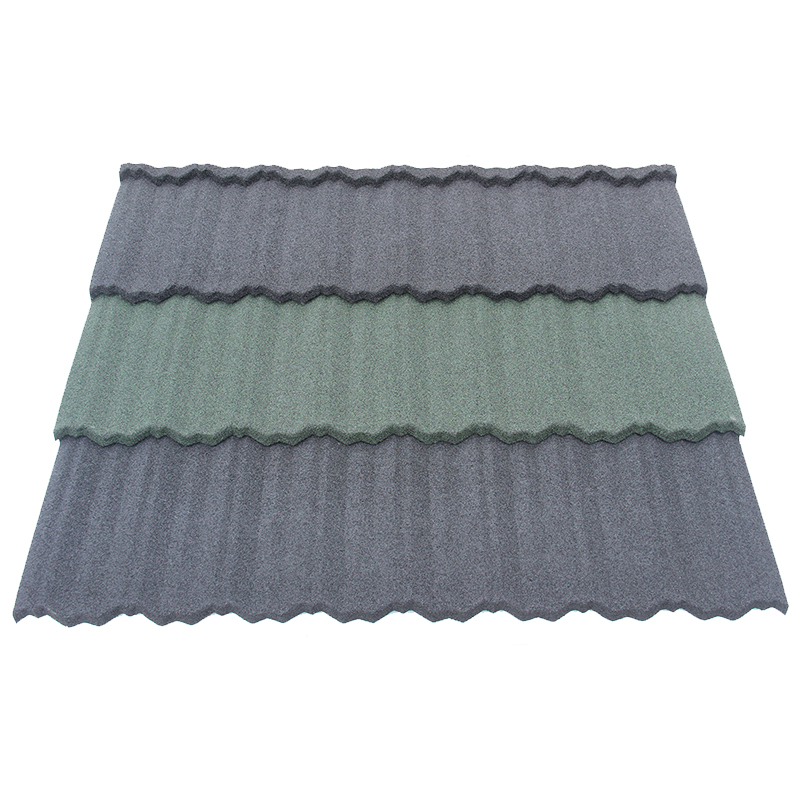
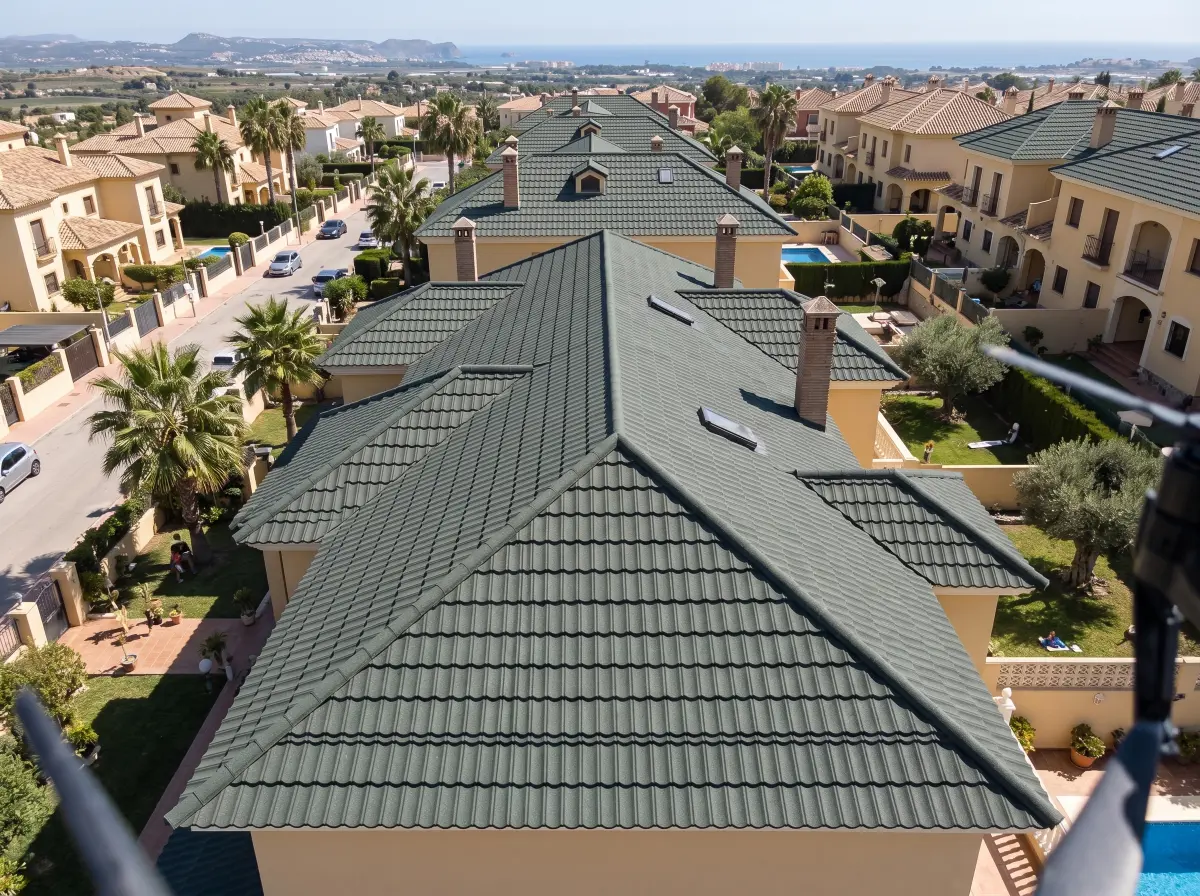
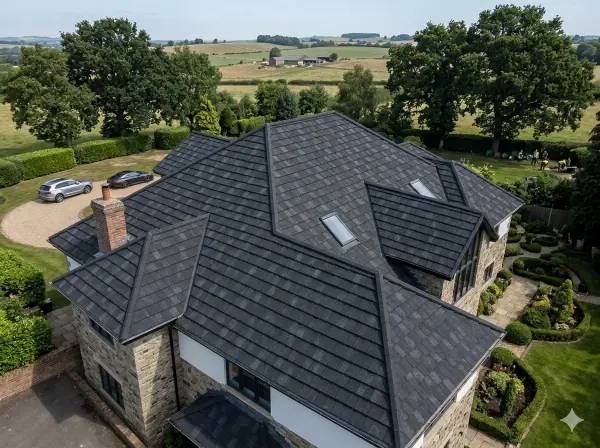
Monotone colors destroy the illusion of natural timber instantly and permanently. Consequently, real wood exhibits complex shades of brown, gray, and deep cedar naturally. Therefore, elite factories blend multiple colors of sintered basalt chips together precisely. As a result, the advanced steel panels match the visual complexity of nature perfectly. Thus, the commercial roof looks incredibly rich and highly sophisticated from any angle. Contrastingly, a flat Shingle Tile requires solid, dark monotones to project modern corporate minimalism instead. Therefore, applying multi-tone blends specifically to textured profiles maximizes the rustic aesthetic efficiently. Indeed, precise color engineering is a mandatory B2B procurement requirement for luxury lodges.
3. Long-Term Durability and Biological Rot Prevention
Organic wood deteriorates rapidly when exposed to continuous moisture and biological spores. Therefore, natural shake roofs require incredibly expensive chemical treatments annually to survive. Consequently, facility managers face massive, ongoing operational expenses continuously globally. However, advanced steel cladding eliminates this biological degradation entirely and permanently. Thus, the real estate asset secures a fifty-year lifespan without costly maintenance. Furthermore, pure acrylic resin prevents destructive black algae from anchoring globally. As a result, the corporate property remains perfectly pristine and highly profitable. Therefore, specifying steel over wood is an incredibly intelligent financial decision continuously.
Moisture Resistance and Capillary Action
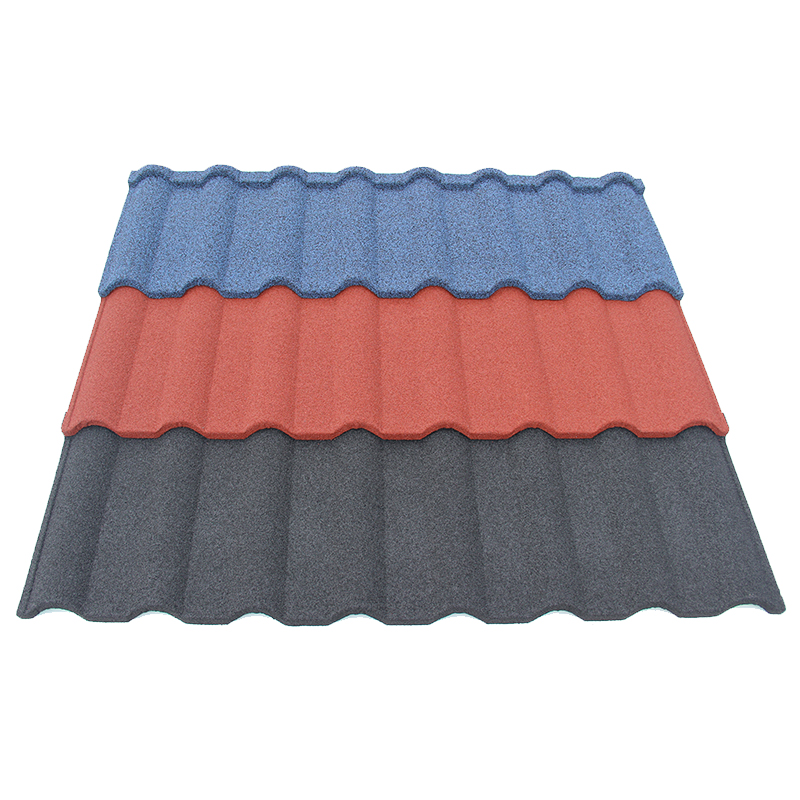
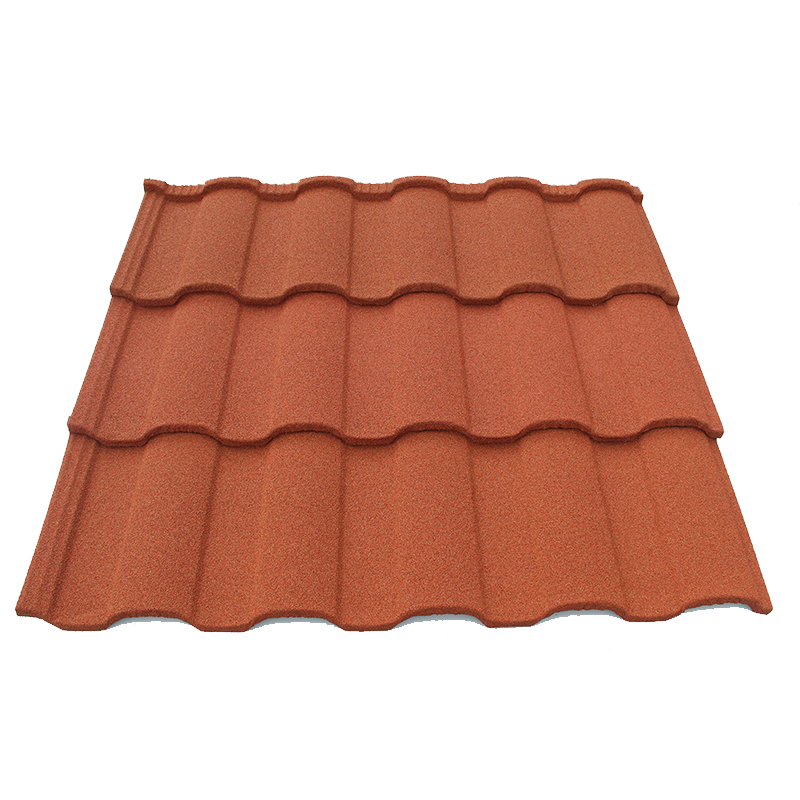
Natural cedar absorbs massive volumes of heavy rainwater incredibly quickly globally. Consequently, the timber swells, warps, and eventually cracks under thermal stress continuously. Therefore, this cracked wood allows dangerous water to penetrate the commercial attic space. However, Stone Coated Metal Roofs provide an absolute, impenetrable waterproofing barrier flawlessly. The interlocking steel seams prevent dangerous capillary action during severe driving rainstorms completely. While a deeply channeled Roman Tile manages massive tropical monsoons, rustic profiles handle heavy snow effortlessly. As a result, the interior corporate facility remains perfectly dry and secure permanently. Thus, the developer avoids catastrophic, highly expensive interior mold remediation completely.
Wind Uplift and Structural Rigidity
Wooden shingles warp and loosen over time, becoming incredibly vulnerable to wind uplift. Consequently, severe storms rip these fragile organic pieces off the building easily. Therefore, the commercial structure loses its primary weather defense mechanism instantly. However, advanced metal panels utilize a highly secure, concealed horizontal fastening system. As a result, the steel sheets resist massive hurricane-force winds absolutely flawlessly. For instance, the legendary Bond Tile utilizes a distinct single-line groove for ultimate industrial kinetic strength. Thus, specifying advanced metal guarantees absolute aerodynamic stability during violent weather events globally. Indeed, structural rigidity protects the massive B2B capital investment continuously.
4. B2B Procurement and Supply Chain Reliability
Securing premium building materials requires a highly vetted, industrial supply chain strictly. Therefore, buying from unreliable third-party brokers introduces massive quality control risks globally. Consequently, developers receive mismatched colors and substandard steel cores frequently. Thus, partnering directly with elite, factory-direct manufacturers is absolutely mandatory globally. As a result, procurement officers guarantee absolute batch consistency for massive corporate orders. Furthermore, direct partnerships ensure incredibly rapid global shipping timelines constantly. Indeed, intelligent sourcing dictates the ultimate success of the massive construction project. Therefore, bypassing middlemen secures the corporate real estate master plan effortlessly.
Ensuring Factory-Direct Manufacturing Quality
Large-scale luxury developments demand absolute structural and cosmetic perfection constantly. Therefore, B2B buyers must audit their overseas manufacturing partners with extreme technical prejudice. Specifically, JCROOF operates exclusively as an elite factory-direct B2B industrial exporter globally. They leverage 11 years of dedicated manufacturing experience to deliver flawless quality perfectly. Furthermore, their massive weekly production capacity of 200,000 pieces guarantees rapid global fulfillment. Consequently, they enforce a strict wholesale policy with a 1 container minimum order quantity. As a result, developers secure absolute batch consistency for massive commercial subdivisions reliably. Thus, partnering with an established expert eliminates dangerous supply chain bottlenecks entirely.
Verifying the Aluzinc Steel Core Metallurgy
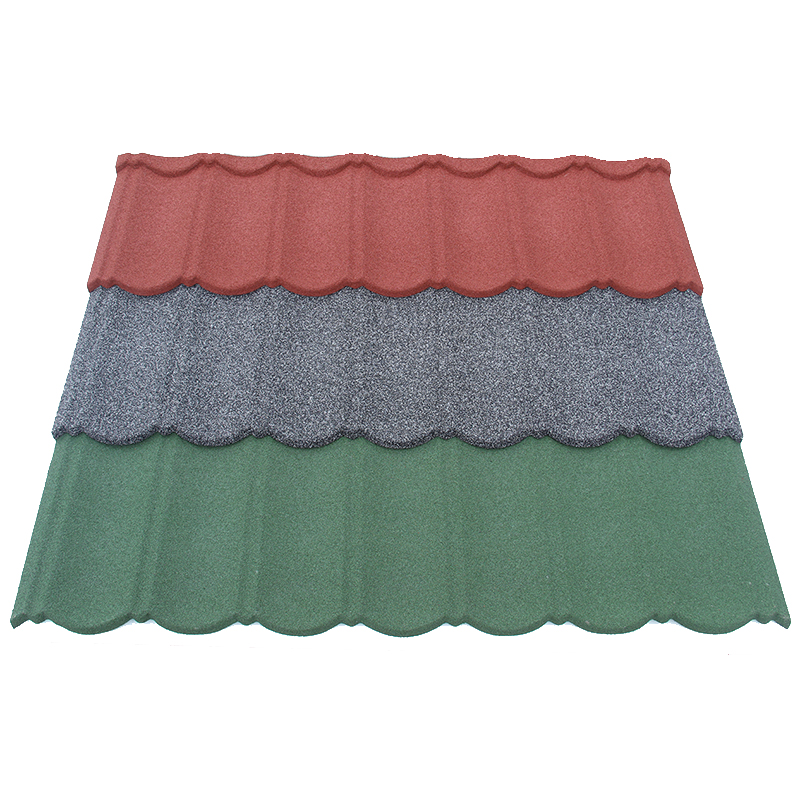
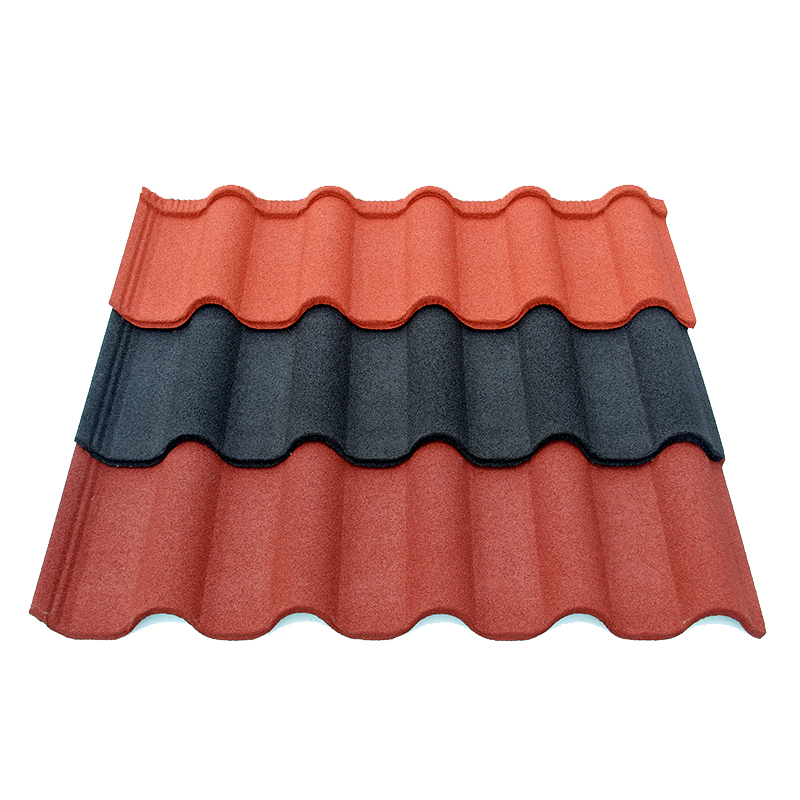
The survival of the rustic aesthetic depends entirely on the underlying metallic core continuously. Therefore, procurement officers must demand authentic AZ150 Aluzinc steel exclusively globally. Cheap galvanized steel rusts rapidly, destroying the beautiful architectural design instantly and permanently. Consequently, B2B buyers must request official laboratory testing documentation from their suppliers continuously. Coastal developers specifying the sweeping Milano Tile understand this strict metallurgical requirement perfectly. As a result, the metal panels survive harsh environmental conditions without premature cosmetic failure. Thus, the developer protects their massive capital investment from catastrophic material failure completely. Indeed, verifying metallurgy secures the legally binding fifty-year commercial warranty flawlessly.
| Architectural Metric | Natural Wood Shake | Stone Coated Metal Roofs |
|---|---|---|
| Combustibility & Fire Risk | Extreme. Acts as highly volatile fuel for wildfires. | Zero. Achieves an absolute Class A fire safety rating. |
| Biological Rot & Moisture | High. Absorbs water, breeds algae, and rots quickly. | Zero. Pure acrylic resin blocks spores and repels moisture. |
| Corporate Maintenance OPEX | Massive. Requires expensive annual chemical treatments continuously. | Zero. Self-cleaning surface requires absolutely no maintenance. |
| Structural Lifespan | Short. Typically fails completely within 15 to 20 years. | Permanent. Delivers a legally backed 50-year operational lifespan. |
| Insurance & Permitting | Difficult. Penalized heavily by global commercial insurance underwriters. | Streamlined. Earns massive premium discounts for structural safety. |