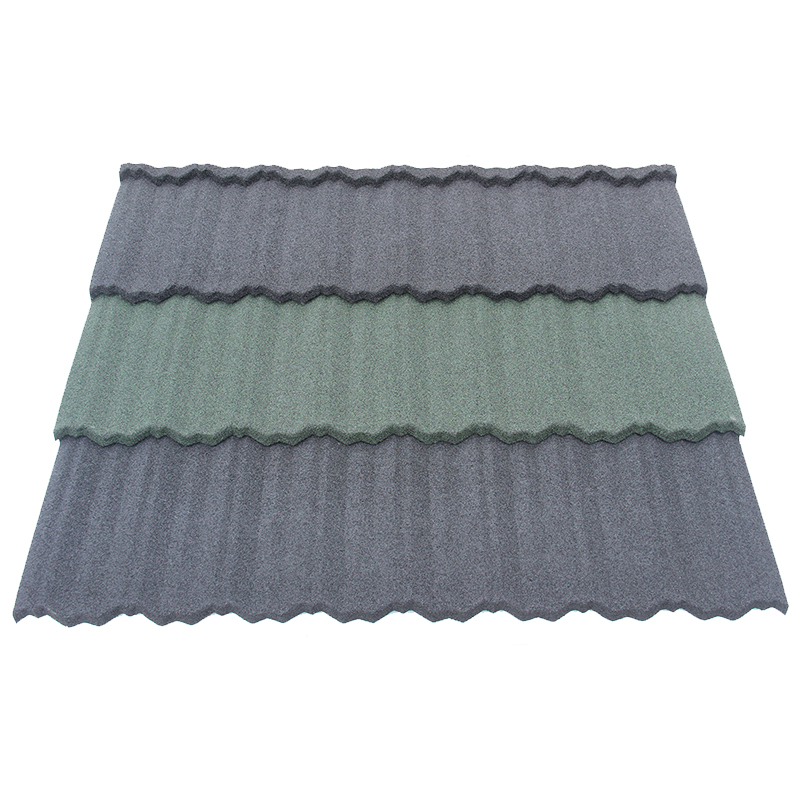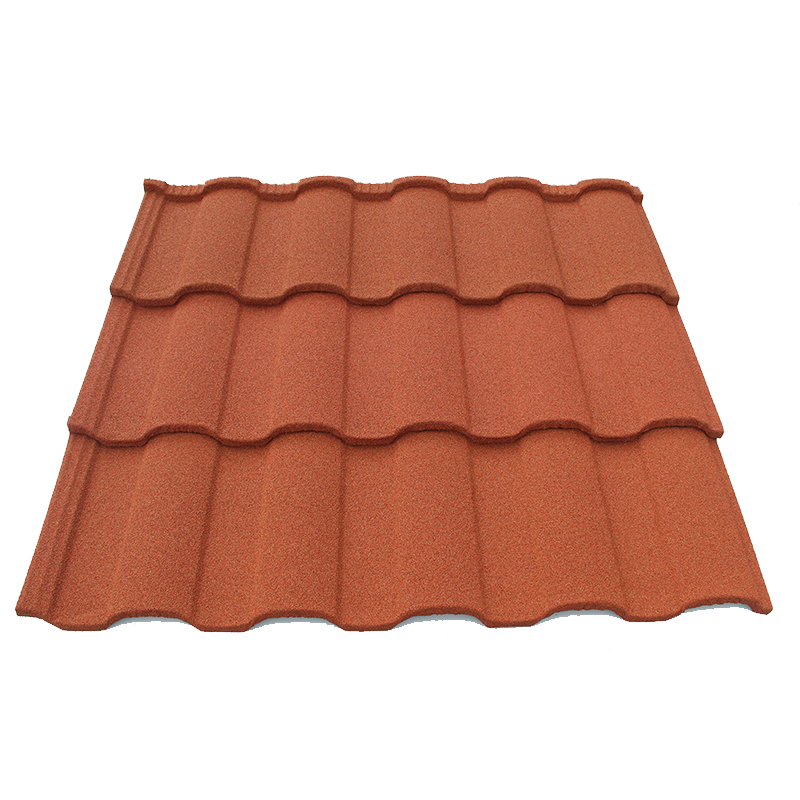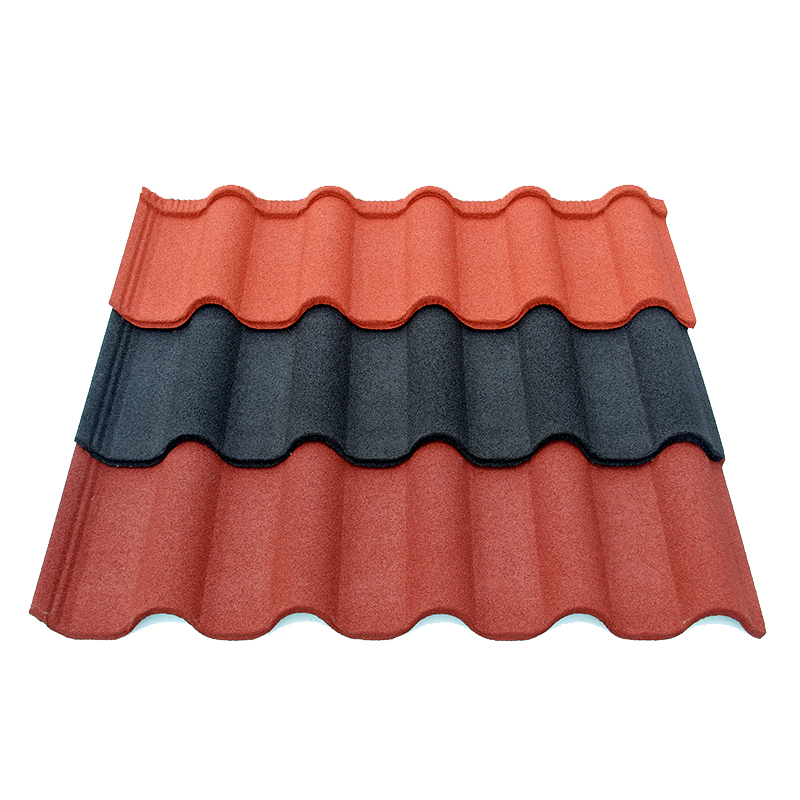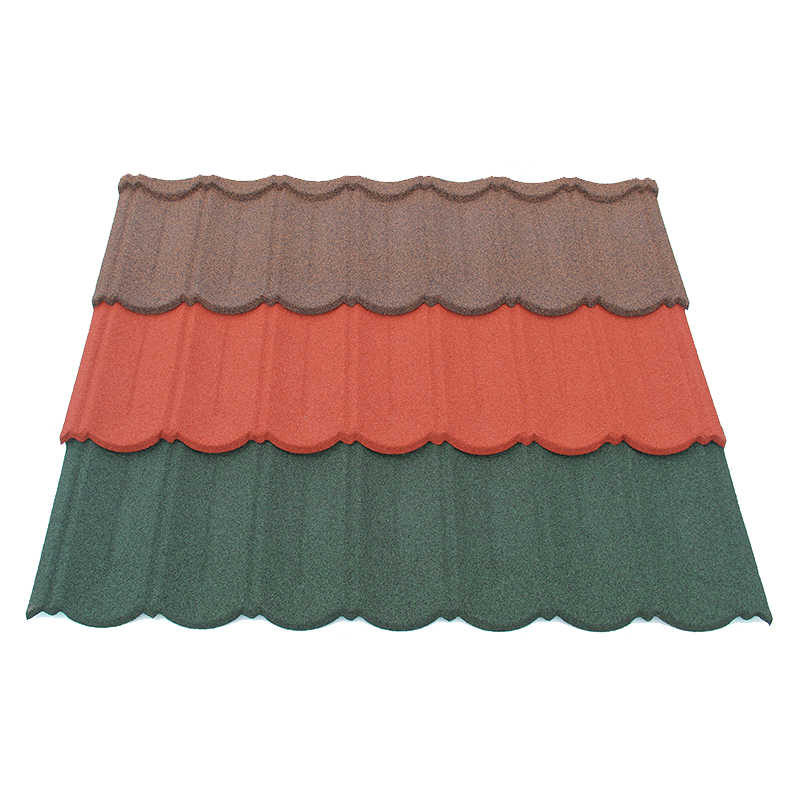

Commercial real estate portfolios carry massive financial liabilities continuously. Consequently, global insurance conglomerates scrutinize every structural detail before underwriting a commercial policy. The roof is universally recognized as the absolute most vulnerable component of any building envelope. Traditional roofing materials fail rapidly under severe weather, triggering massive insurance payouts globally. Therefore, actuaries heavily penalize properties utilizing outdated, fragile exterior cladding. However, proactive developers combat these astronomical operational expenses by specifying Stone Coated Steel Tiles strictly. This advanced industrial metallurgy virtually eliminates catastrophic weather-related damage completely. As a result, commercial property owners secure massive, compounding discounts on their annual insurance premiums. This B2B financial guide explains the precise actuarial mechanics behind these massive corporate savings. Ultimately, intelligent procurement transforms the commercial roof from a massive liability into a highly profitable financial asset.
The Actuarial Mathematics of Commercial Roof Insurance
Insurance underwriters calculate commercial premiums based strictly on mathematical risk probability. Consequently, materials that shatter, rot, or blow away easily carry the highest financial penalties globally. Therefore, developers must source materials engineered specifically to survive extreme kinetic and thermal trauma. Advanced steel cladding fundamentally alters this risk equation in favor of the property owner. Thus, the building is reclassified into a much lower actuarial risk tier instantly. Indeed, securing this favorable classification drops annual operating expenses massively. Consequently, B2B buyers must prioritize these specific structural ratings during the initial procurement phase entirely.
Class 4 Impact Resistance Against Catastrophic Hail
Severe hailstorms destroy traditional asphalt and heavy clay roofs completely within minutes. Consequently, insurance companies lose billions of dollars annually replacing shattered commercial roofs globally. Therefore, underwriters demand the highest possible impact rating for properties located in notorious hail alleys. Advanced stone coated panels achieve an absolute Class 4 Impact Resistance rating flawlessly. The highly ductile Aluzinc steel core absorbs massive kinetic energy without fracturing or cracking entirely. As a result, the protective building envelope remains perfectly watertight even after violent hailstorms. Thus, insurers gladly slash annual premiums because the risk of total structural replacement drops to nearly zero.
Eliminating the Biological Decay Liability
Insurance companies despise materials that rot, degrade, and require constant chemical maintenance. Traditional wood shake and porous clay absorb heavy moisture, leading to catastrophic internal mold liabilities quickly. However, premium steel panels utilize a 100% pure acrylic resin overglaze to block biological spores entirely. Consequently, the commercial roof never suffers from accelerated rot or structural decay over its lifespan. As a result, the insurance underwriter views the asset as permanently secure and incredibly stable. Thus, the property owner avoids punitive premium hikes associated with aging, deteriorating infrastructure completely.
Fire Safety and Wildfire Risk Mitigation
Wildfires present an existential, catastrophic threat to luxury resorts and sprawling suburban tracts globally. Consequently, insurance carriers frequently refuse to underwrite properties utilizing combustible organic materials entirely. Therefore, developers cannot legally build or insure massive commercial projects using natural wood shake. Thus, securing a totally non-combustible exterior cladding is an absolute financial and legal necessity. Indeed, mitigating fire hazards secures massive corporate funding and guarantees smooth municipal permitting simultaneously.
Securing an Absolute Class A Fire Rating
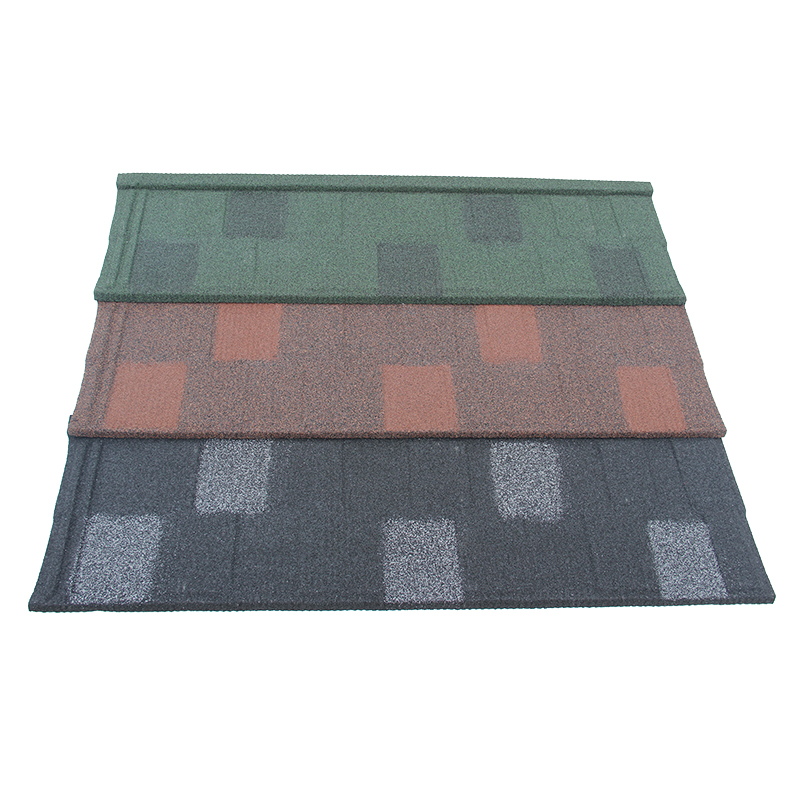
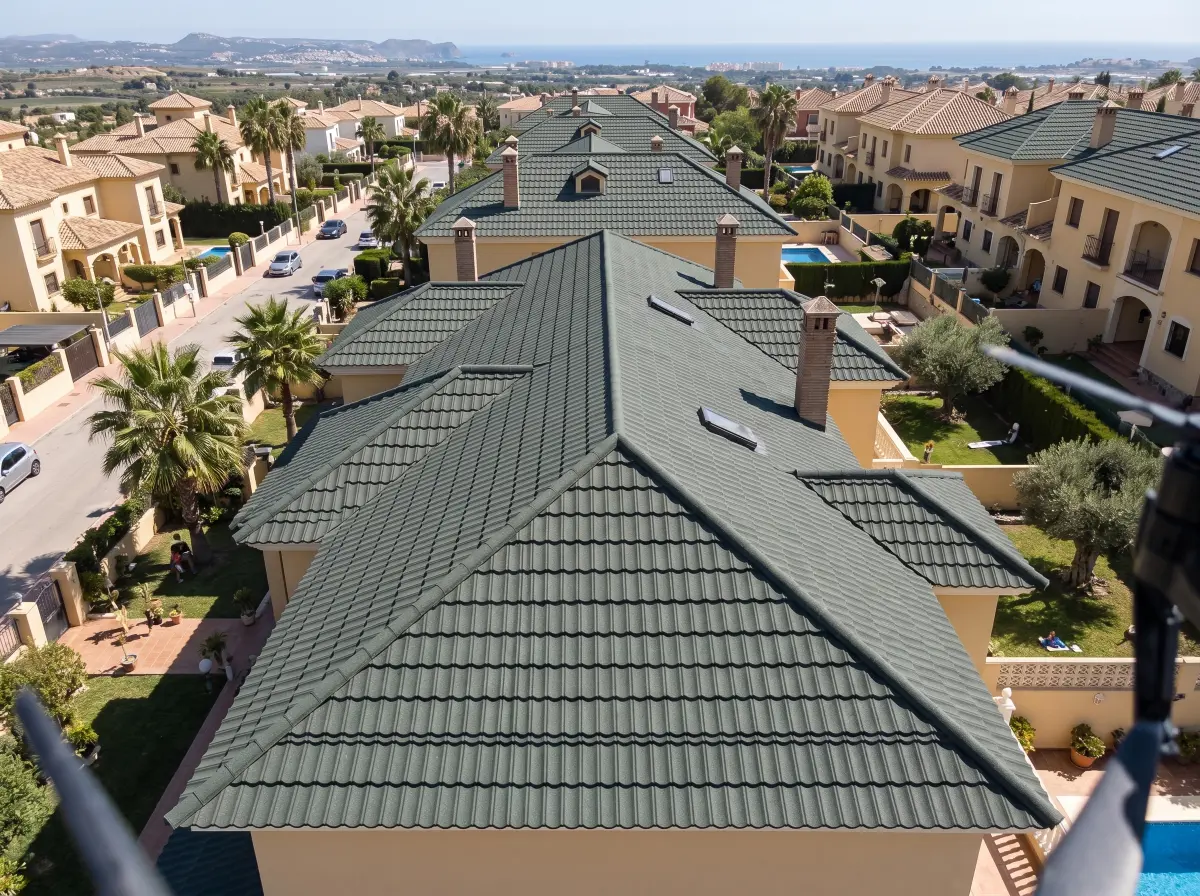
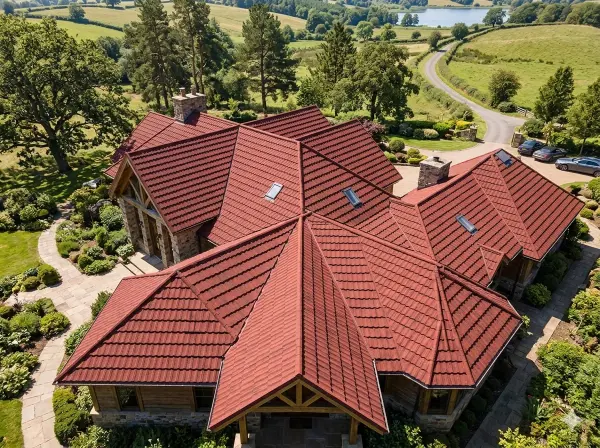
Advanced metal roofing systems provide the ultimate defense mechanism against aggressive spreading embers. Because the heavy-duty Aluzinc steel core is fundamentally non-combustible, the roof cannot ignite globally. Consequently, the entire commercial facility achieves an absolute Class A fire safety rating instantly. As a result, developers safely build luxury forest retreats and alpine lodges without enduring massive insurance penalties. A rugged Shake Tile profile mimics natural wood perfectly, satisfying aesthetic requirements while guaranteeing absolute fire immunity. Thus, property managers secure maximum corporate curb appeal alongside massive premium discounts continuously.
Preventing Interior Fire Penetration
Beyond resisting exterior embers, the interlocking nature of advanced steel tiles prevents fire from penetrating the commercial attic. Traditional heavy clay tiles often crack or shift, allowing violent flames to enter the underlying structural timber directly. However, the secure, overlapping steel panels create a continuous, impenetrable metallic armor across the entire deck. Consequently, even if adjacent structures are burning violently, the commercial asset remains completely protected. Thus, insurance underwriters recognize this superior containment capability and reward the property owner financially. Indeed, structural fire containment is a massive corporate B2B advantage.
Extreme Wind and Hurricane Defense Mechanics
Coastal real estate developments face constant, terrifying threats from extreme hurricane-force winds annually. Consequently, roof blow-offs trigger the most expensive commercial insurance claims globally due to subsequent interior flooding. Therefore, preventing aerodynamic failure is the highest priority for both the developer and the insurance carrier. Thus, the mechanical fastening system dictates the ultimate insurability of the commercial property entirely.
Aerodynamic Stability via Tile Battens
Surviving massive tropical winds requires absolute structural rigidity continuously. Therefore, the underlying framing mechanics must be executed flawlessly globally. It is a critical engineering fact that interlocking tiles require tile battens for proper installation. Consequently, this raised timber grid provides the exact mechanical anchor points needed to secure the steel panels permanently. As a result, the commercial roof resists extreme aerodynamic uplift effortlessly, satisfying the strictest insurance inspector audits completely. Thus, strict adherence to this batten requirement guarantees that the aerodynamic integrity of the entire commercial structure remains totally uncompromised during violent storms.
The Power of Concealed Fastening
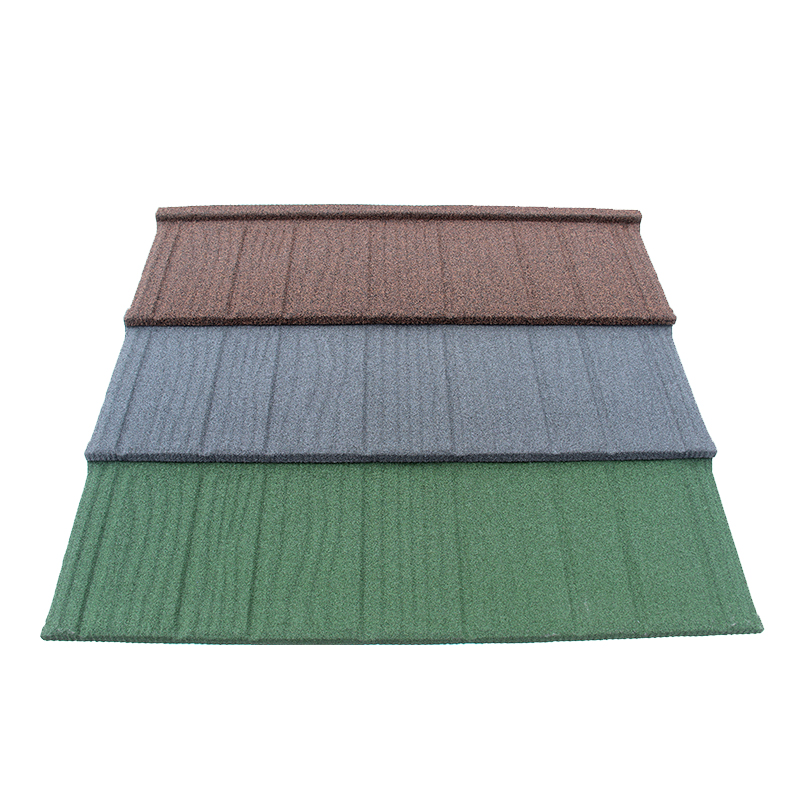
Traditional roofs utilize exposed nails that rust, loosen, and fail under extreme wind pressure quickly. However, advanced systems utilize a highly secure, completely concealed horizontal fastening method globally. Consequently, the fasteners are driven directly into the tile battens through the nose of the panel. As a result, hurricane-force winds cannot pry the flat steel sheets apart easily. A heavy-duty Bond Tile utilizes its distinct single-line groove to add massive kinetic rigidity to this secure system. Thus, insurers recognize that the roof will not separate from the commercial trusses during a Category 4 event. Indeed, concealed fastening translates directly into massive corporate insurance savings.
Securing Reliable B2B Procurement for Insurance Compliance
Securing premium insurance discounts requires proving the authenticity and quality of the building materials continuously. Therefore, buying from unreliable third-party brokers introduces massive compliance risks globally. Consequently, substandard galvanized steel or counterfeit panels will fail actuarial audits instantly and disastrously. As a result, partnering directly with elite, factory-direct manufacturers is absolutely mandatory to secure the corporate financial return.
The Importance of Factory-Direct Sourcing
Large-scale luxury developments demand absolute structural and cosmetic perfection to satisfy global insurance underwriters constantly. Therefore, B2B buyers must bypass unreliable brokers and partner directly with proven industrial facilities. Specifically, partnering with an elite factory-direct exporter like JCROOF guarantees this strict compliance. Operating from a massive 10,000-square-meter production facility, they maintain a highly reliable weekly production capacity of 140,000 pieces. Consequently, they deliver absolute batch consistency and documented metallurgical quality for massive commercial real estate developments reliably. Thus, developers eliminate compliance risks entirely and easily provide insurance auditors with verified factory documentation.
Warranty Validation and Actuarial Audits
Insurance companies heavily weigh the manufacturer’s warranty when calculating long-term commercial premiums. A legally binding 50-year structural warranty proves to the actuary that the manufacturer stands behind the product completely. However, this warranty is only valid if authentic materials are sourced and installed perfectly. Therefore, purchasing directly from massive industrial experts ensures the Aluzinc core and pure acrylic resin meet all required global standards. As a result, the property owner easily passes rigorous actuarial inspections flawlessly. Thus, smart B2B procurement transforms the commercial roof into a highly lucrative, heavily discounted financial asset perfectly.
| Insurance Risk Metric | Standard Commercial Roofing (Asphalt/Wood) | Stone Coated Steel Tiles |
|---|---|---|
| Hail Impact Resistance | Weak. Shatters easily, leading to total roof failure. | Absolute Class 4. Ductile steel core absorbs massive kinetic energy. |
| Combustibility & Fire Risk | Extreme risk with wood shake. Penalized heavily by actuaries. | Absolute Class A rating. Non-combustible metallurgy secures massive discounts. |
| Aerodynamic Uplift (Wind) | High risk. Exposed nails loosen, causing catastrophic blow-offs. | Maximum stability. Concealed fasteners secured securely into tile battens. |
| Long-Term Decay Liability | Guaranteed failure within 15-20 years. Triggers premium hikes. | Zero. Pure acrylic resin prevents mold and guarantees a 50-year lifespan. |
| B2B Supply Chain Compliance | Inconsistent sourcing fails rigorous insurance audits frequently. | 10,000 sqm factory producing 140,000 pieces weekly guarantees certified, auditable materials. |