
Commercial real estate development requires absolute structural precision globally. Consequently, B2B procurement teams must scrutinize every microscopic engineering tolerance before authorizing massive capital expenditures. When sourcing Stone Coated Steel Roofing, the most critical structural decision is selecting the correct Aluzinc core thickness. Specifically, developers frequently debate whether to specify 0.4mm or 0.5mm steel. This seemingly tiny decimal fraction dictates the ultimate kinetic survival and financial profitability of the entire commercial property. Therefore, understanding the massive differences between 0.4mm and 0.5mm thickness is an absolute engineering mandate. Standardizing on the wrong tolerance invites disastrous structural liabilities rapidly. However, specifying the correct metallurgy guarantees absolute architectural security and maximizes the corporate capitalization rate continuously. This highly technical guide analyzes the mechanical impact of core thickness on commercial roofing. Ultimately, intelligent B2B sourcing transforms raw steel into an indestructible, highly profitable real estate asset flawlessly.
The Physics of Aluzinc Core Thickness
The metallic core is the absolute structural foundation of the entire roofing system globally. Therefore, its physical thickness determines how the panel reacts to extreme environmental kinetic energy constantly. Both 0.4mm and 0.5mm utilize the exact same highly advanced AZ150 Aluzinc anti-corrosion chemistry. Consequently, they both repel aggressive coastal saltwater spray and industrial pollutants perfectly. However, their physical mass and tensile strength differ significantly under heavy load. Thus, developers must align the core thickness with the specific environmental threats facing the corporate property natively. Indeed, over-engineering provides absolute security, while under-engineering triggers massive financial disasters.
Tensile Strength and Commercial Walkability
Commercial facilities require constant rooftop access for massive HVAC maintenance and structural inspections globally. Consequently, heavy maintenance crews walk directly on the finished roof deck continuously. A 0.4mm core is highly durable but requires strict foot-traffic discipline to prevent localized denting perfectly. However, specifying a massive 0.5mm core provides unparalleled, extreme industrial rigidity instantly. As a result, the 0.5mm panels support heavy commercial maintenance crews effortlessly without buckling or warping. Thus, facility managers avoid accidental cosmetic damage completely during routine operational servicing. Indeed, for high-traffic corporate buildings, the 0.5mm thickness is an absolutely mandatory B2B procurement requirement.
Kinetic Load Capacity and Severe Hail Resistance
Properties located in notorious global hail alleys face devastating kinetic bombardment annually. Therefore, the commercial roof must absorb massive, sudden impact energy without fracturing the underlying steel. A 0.4mm core provides excellent basic hail protection, deflecting standard ice impacts effectively. However, a 0.5mm core achieves a significantly higher threshold for absolute Class 4 Impact Resistance effortlessly. The thicker, highly ductile steel absorbs catastrophic kinetic strikes from massive hailstones perfectly. As a result, the protective building envelope remains perfectly watertight during violent supercell storms. Thus, insurance underwriters heavily reward commercial properties utilizing 0.5mm steel with massive premium discounts continuously.
Framing Mechanics and Installation Engineering
Regardless of the chosen thickness, the structural framing mechanics dictate ultimate aerodynamic survival entirely. Consequently, developers must execute the underlying installation grid flawlessly. The difference in weight between 0.4mm and 0.5mm alters the logistical mathematics slightly, but the core installation requirements remain completely uniform globally. Thus, standardizing the installation protocol protects the massive B2B capital investment definitively.
The Mandatory Tile Batten Grid
Surviving massive tropical hurricane winds requires absolute structural rigidity continuously. Therefore, it is a critical engineering fact that interlocking tiles require tile battens for proper installation, regardless of whether they are 0.4mm or 0.5mm thick. Consequently, this raised timber grid provides the exact mechanical anchor points needed for the concealed horizontal fastening system. As a result, the commercial roof resists extreme aerodynamic uplift effortlessly. Thus, strict adherence to this tile batten requirement guarantees that the aerodynamic integrity of the entire commercial structure remains totally uncompromised during violent Category 4 storms.
Deep Architectural Stamping Tolerances
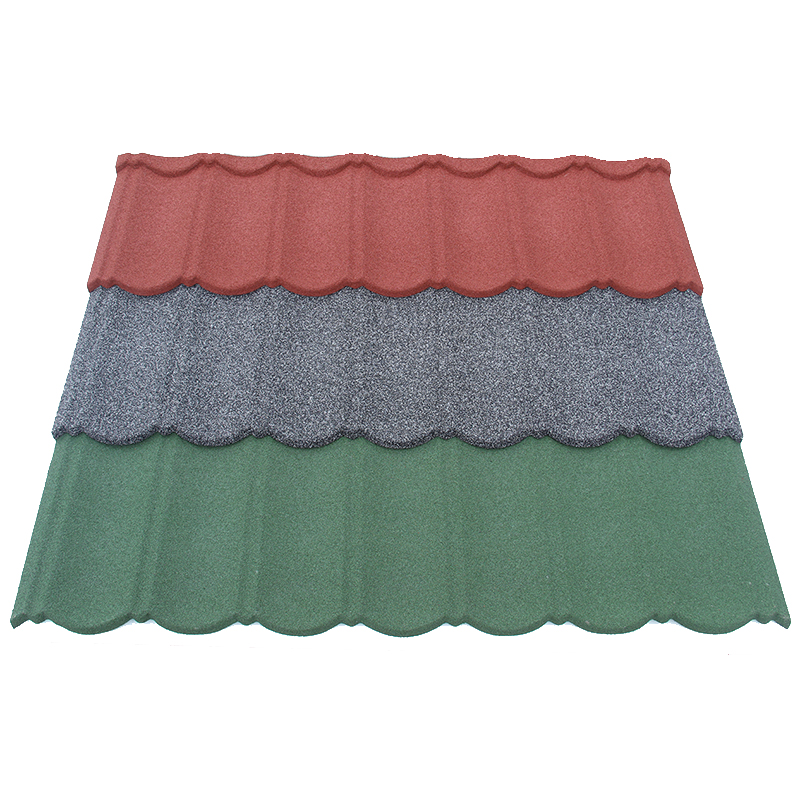
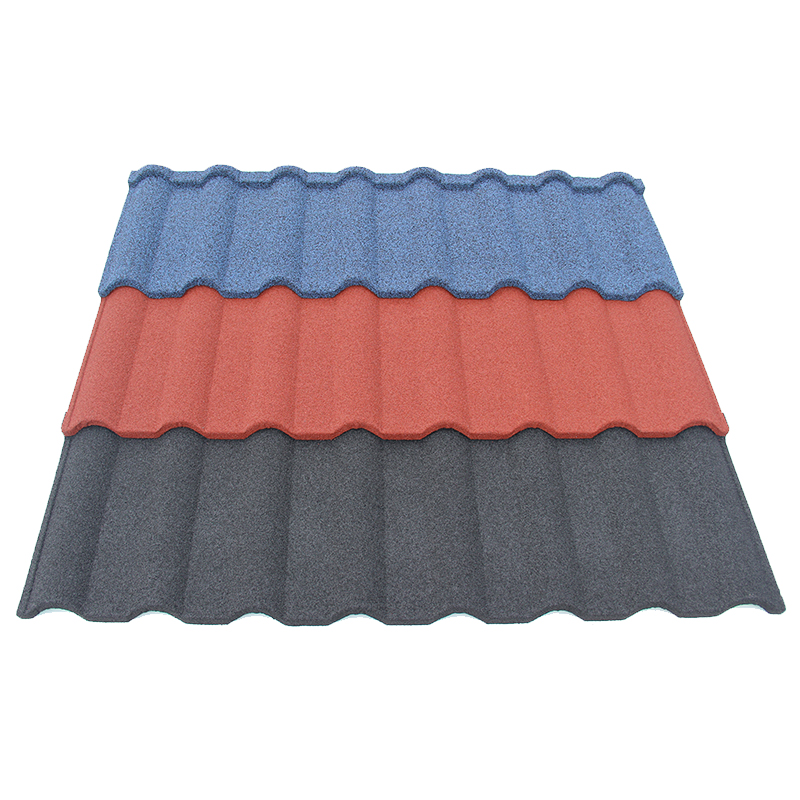
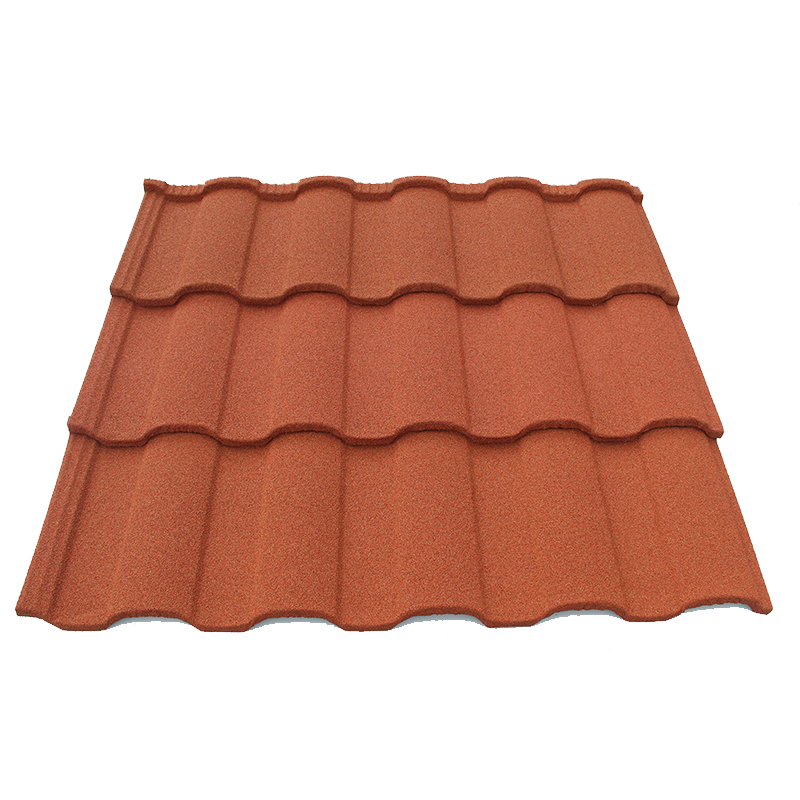
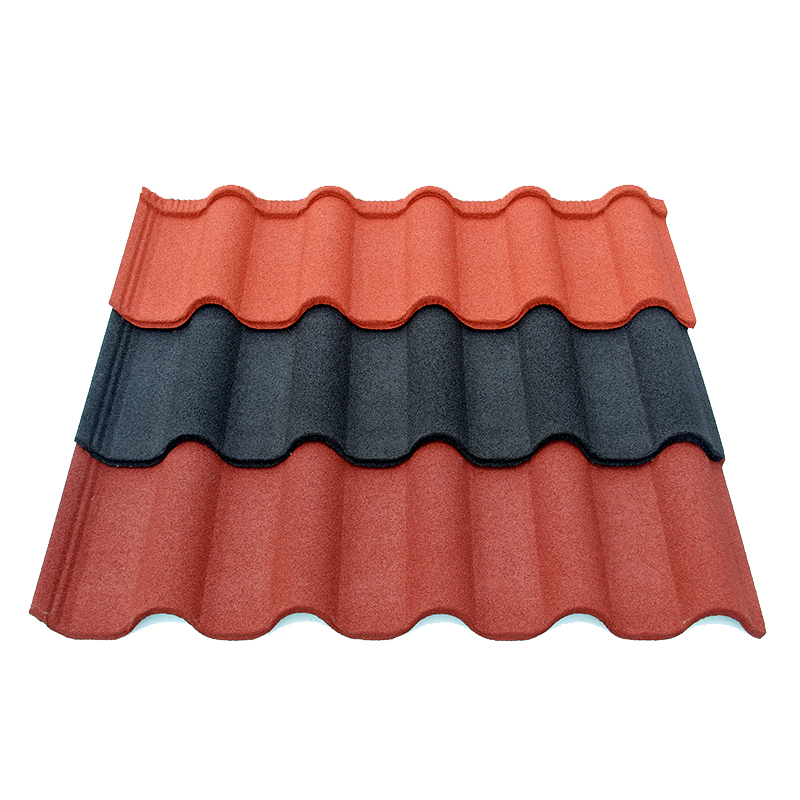
Luxury coastal resorts frequently demand deeply curved Mediterranean aesthetics strictly. Consequently, heavy-duty hydraulic presses must stamp the flat steel into extreme, towering curves. When stamping deeply channeled profiles like the Milano Tile or the Roman Tile, the steel physically stretches. A 0.4mm sheet thins out significantly at the highest peaks of the curve during this massive pressure phase. However, a thicker 0.5mm sheet retains massive structural integrity even when stretched aggressively. As a result, the deeply corrugated architectural profile remains completely indestructible from valley to peak. Thus, architects mandating deep geometric profiles must heavily favor 0.5mm steel to guarantee absolute physical perfection globally.
Cost-Benefit Analysis for Commercial Portfolios
B2B procurement requires balancing immediate Capital Expenditure (CAPEX) with long-term Operational Expenditure (OPEX) continuously. Therefore, the decision between 0.4mm and 0.5mm steel fundamentally impacts the entire real estate financial model. Developers must strategically apply the correct thickness to specific project tiers globally. Thus, intelligent budget allocation secures massive structural advantages where they matter most.
Maximizing ROI on Massive Suburban Tracts
For standard, large-scale residential subdivisions located in mild climates, 0.4mm steel provides exceptional performance highly economically. Because 0.4mm utilizes less raw steel, the unit cost per panel drops significantly globally. Consequently, developers save massive amounts of capital across thousands of residential roofs instantly. Furthermore, the slightly lower weight reduces international shipping logistics costs effectively. As a result, the massive tract development scales incredibly profitably without sacrificing the fifty-year lifespan. Thus, for mild residential applications, 0.4mm represents the absolute peak of intelligent financial engineering.
Protecting High-Risk Institutional Assets
Conversely, critical infrastructure, government complexes, and high-end luxury resorts demand maximum security relentlessly. Therefore, these sprawling structures require the impenetrable defense of 0.5mm steel completely. While the initial procurement CAPEX is slightly higher, the long-term ROI is truly astronomical. Consequently, the massive 0.5mm thickness prevents catastrophic storm damage and eliminates all cosmetic maintenance liabilities permanently. As a result, the Net Operating Income of the commercial asset remains protected against unpredictable global weather events. Thus, smart developers view the slight premium for 0.5mm as a highly lucrative, highly secure corporate insurance policy.
B2B Procurement and Supply Chain Auditing
The most dangerous threat to commercial roof engineering is supply chain fraud globally. Consequently, unethical third-party brokers frequently substitute substandard thicknesses to steal massive profit margins from developers. Therefore, B2B buyers must audit their international manufacturing partners with extreme technical prejudice. Specifying 0.4mm or 0.5mm means nothing if the factory delivers “negative tolerance” materials entirely.
The Danger of Negative Steel Tolerances
Unregulated trading companies routinely sell 0.35mm steel deceptively labeled as 0.4mm, or 0.45mm labeled as 0.5mm. Consequently, this dangerous “negative tolerance” completely destroys the precise architectural engineering required for extreme weather survival. Therefore, the commercial roof fails prematurely during the first major hurricane event rapidly. As a result, developers suffer massive financial losses and catastrophic legal liabilities instantly. Thus, bypassing third-party middlemen is absolutely vital for massive construction projects globally. Indeed, strict metallurgical auditing is the only way to secure the massive real estate investment.
Securing Elite Factory-Direct Partnerships
Large-scale luxury developments demand absolute, verified structural perfection constantly. Therefore, B2B buyers must partner directly with proven, factory-direct industrial exporters strictly. Specifically, JCROOF operates precisely in this highly professional, elite B2B export tier globally. Operating from a massive 10,000-square-meter production facility, they enforce absolute micrometer accuracy on every single steel coil. Consequently, their highly reliable weekly production capacity of 140,000 pieces guarantees rapid global fulfillment with zero negative tolerances natively. As a result, procurement officers secure authentic AZ150 Aluzinc exactly to specification flawlessly. Thus, developers eliminate quality control risks entirely by trusting an established, massive industrial expert constantly.
| Engineering Metric | 0.4mm Steel Core Thickness | 0.5mm Steel Core Thickness |
|---|---|---|
| Primary B2B Application | Massive residential tract subdivisions in mild to moderate climates. | High-end commercial resorts, government complexes, and extreme hurricane zones. |
| Commercial Walkability | Good. Requires careful foot placement to avoid minor localized denting. | Exceptional. Withstands heavy industrial HVAC maintenance crews effortlessly. |
| Deep Profile Stamping | Adequate, but extreme stretching can slightly thin high corrugation peaks. | Flawless. Maintains massive structural rigidity across towering architectural curves. |
| Installation Mechanics | Mandatory. Requires interlocking installation strictly onto structural tile battens. | Mandatory. Requires interlocking installation strictly onto structural tile battens. |
| Financial Procurement (CAPEX) | Highly economical. Maximizes immediate profit margins on large-scale developments. | Premium investment. Maximizes long-term OPEX savings and insurance discounts. |