
Commercial real estate portfolios require absolute structural waterproofing constantly. Indeed, water intrusion represents the most destructive force in property management. A single commercial roof leak destroys expensive interior assets rapidly. Furthermore, it disrupts high-paying corporate tenants and halts daily operations. As a result, unseen water damage rots structural timber completely silently. Therefore, B2B procurement officers must identify these root failure causes. Relying on outdated, non-metal building materials guarantees massive financial liabilities. Traditional asphalt, heavy clay, and natural wood degrade predictably over time.
Consequently, they cannot withstand relentless atmospheric punishment indefinitely without maintenance. To eliminate these massive structural risks, developers must upgrade their cladding. Specifically, sourcing Stone coated metal roof panels provides the ultimate solution. This advanced industrial metallurgy offers an impenetrable, watertight shield globally. Ultimately, understanding exactly why non-metal systems fail empowers B2B buyers completely. You can make highly profitable, secure capital asset decisions flawlessly. Therefore, we must analyze the exact engineering failures of traditional materials.
1. The Accelerated Degradation of Commercial Asphalt
Asphalt shingles dominate cheap residential construction markets across the globe. However, they fail miserably under intense commercial real estate demands constantly. Asphalt fundamentally relies on volatile petrochemicals that break down quickly. Consequently, they offer an incredibly short structural lifecycle in harsh climates. Using asphalt on a massive corporate asset invites constant reactive repairs. Therefore, facility managers face skyrocketing Operational Expenditure (OPEX) funding these fixes. Ultimately, this material choice drains the corporate budget year after year.
Thermal Shock and Mineral Granule Loss
First and foremost, asphalt absorbs massive amounts of solar radiation daily. Extreme temperature fluctuations cause severe thermal shock across the roof continuously. Furthermore, the materials expand and contract violently during peak summer months. This aggressive movement dislodges the protective surface granules very rapidly. Consequently, once the granules wash away, the bare asphalt bakes. Ultraviolet radiation turns flexible petrochemicals into brittle, cracked liabilities immediately.
As a result, this severe degradation creates thousands of microscopic leak vectors. Water penetrates these tiny cracks and drips directly into the building. Therefore, the structural integrity of the roof deck is compromised entirely. Facility managers must enact emergency repairs to stop the interior flooding. Ultimately, thermal shock guarantees the rapid, premature failure of asphalt systems.
Curling, Wind Uplift, and Capillary Action
Moreover, as the asphalt loses its volatile oils, it physically curls. The edges of the shingles lift upward, breaking the watertight seal. Wind-driven rain easily pushes underneath these curled, distorted aesthetic edges. Specifically, this phenomenon, known as capillary action, pulls water inside. Consequently, high-velocity winds will eventually tear these brittle shingles off entirely. Sleek corporate campuses require flawless geometric alignment securely and permanently.
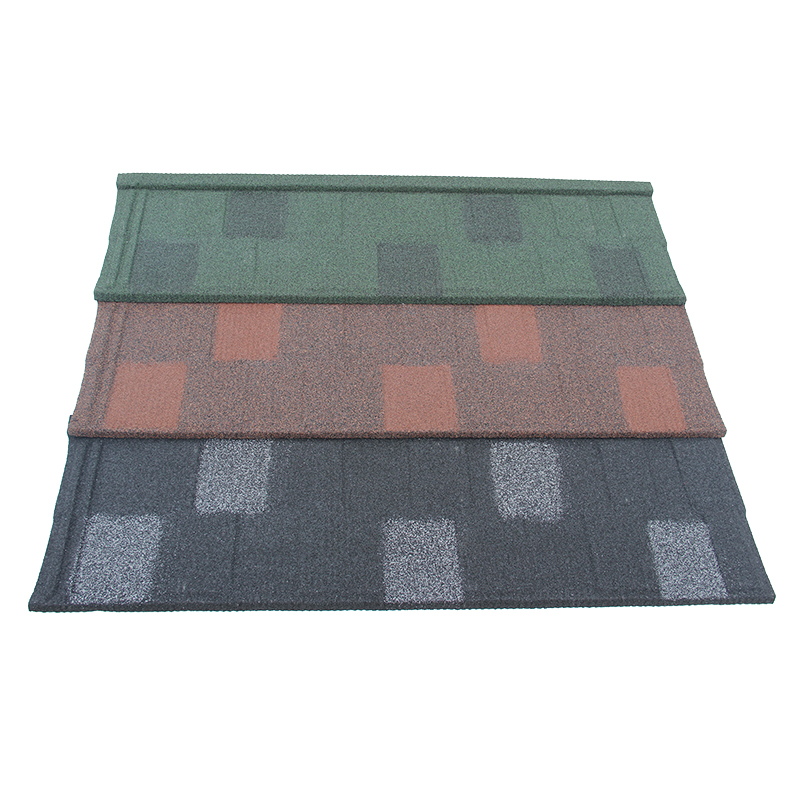
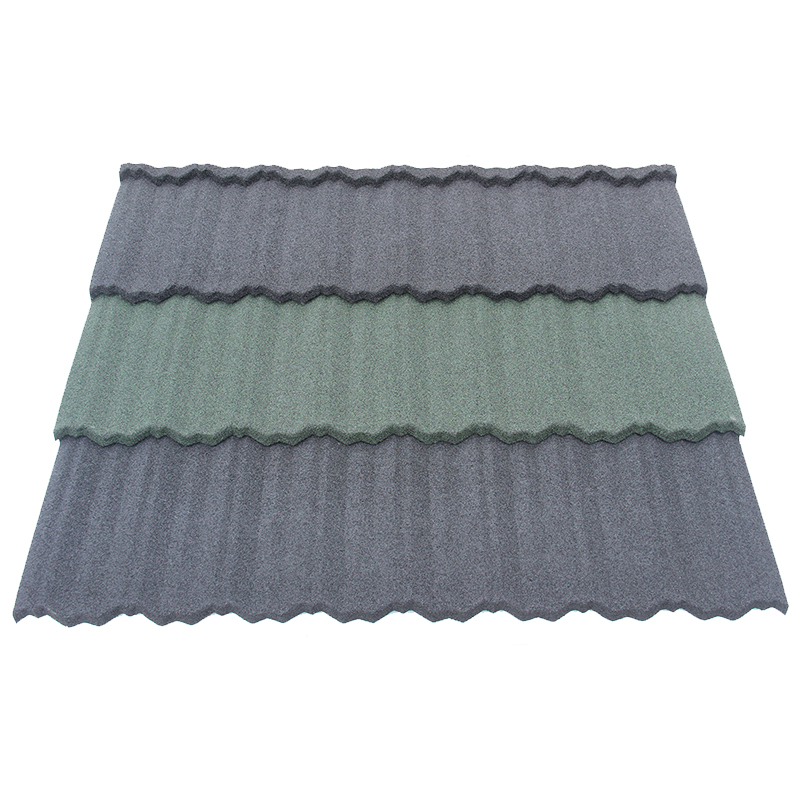
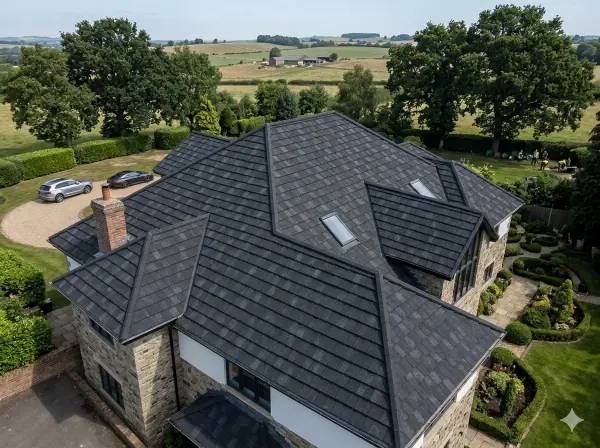
Therefore, commercial developers should specify a modern Shingle Tile profile instead. Made from rigid steel, this exact profile never curls or warps. Indeed, it maintains absolute flush alignment and impenetrable waterproofing permanently. Consequently, water evacuation remains highly efficient during the heaviest seasonal rainstorms. You completely eliminate the severe risk of capillary water intrusion natively.
2. Structural Fracturing in Heavy Clay and Concrete
Heavy masonry materials project an aura of historical luxury globally. For example, many coastal resorts utilize authentic clay tiles for prestige. However, clay and concrete are extremely porous and inherently fragile materials. They introduce massive structural weight and severe hydrological vulnerabilities continuously. Relying on heavy masonry guarantees astronomical timber framing costs initially. Furthermore, it ensures frequent leak repairs throughout the building’s operational lifespan. Therefore, B2B buyers must evaluate these kinetic risks very carefully.
Moisture Absorption and Freeze-Thaw Fracturing
First, clay and concrete absorb heavy airborne moisture like a sponge. In colder alpine or desert climates, this trapped water freezes overnight. Consequently, when water freezes, it expands violently inside the dense masonry. This constant freeze-thaw cycle shatters traditional clay tiles from within completely. As a result, massive cracks allow rainwater to bypass the cladding entirely. Facility managers must replace shattered tiles immediately to prevent interior flooding.
Therefore, this creates an extremely dangerous, high-cost maintenance loop globally. Ultimately, porous materials are fundamentally unsuited for varying, harsh commercial climates. Furthermore, finding matching replacement tiles years later is incredibly difficult. This logistical hurdle prolongs structural exposure and increases interior water damage. Indeed, specifying porous materials guarantees severe future maintenance headaches.
Kinetic Vulnerability and Mortar Degradation
Additionally, traditional masonry relies on heavy mortar beds for proper installation. Over time, building settlement and severe thermal shifting crack this mortar. Once the mortar fails, the heavy tiles slide completely out of place. Consequently, this movement creates massive, gaping holes in the building envelope. A sweeping Mediterranean aesthetic does not have to be structurally fragile.
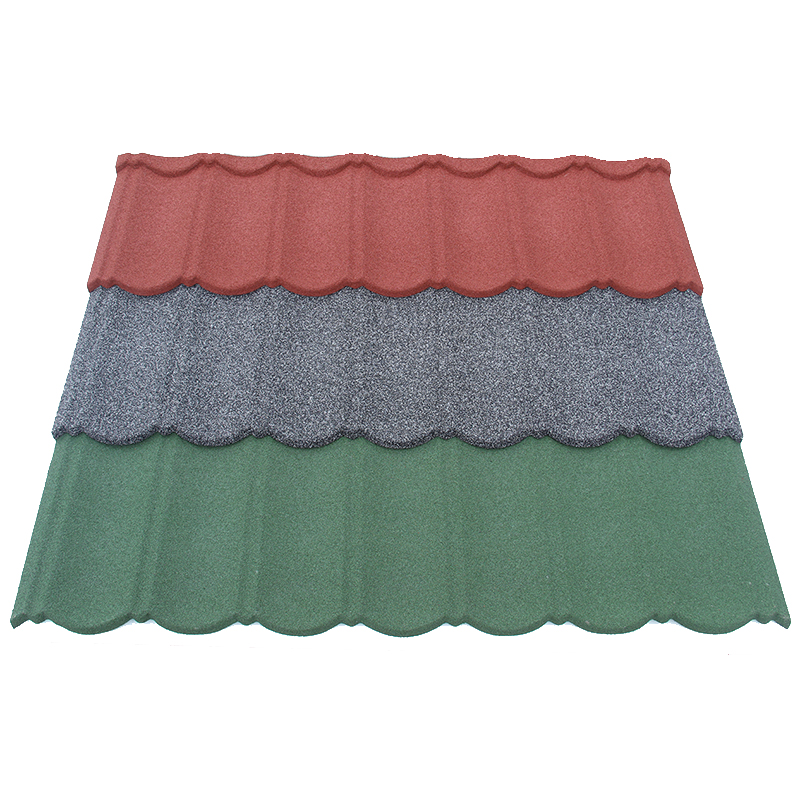
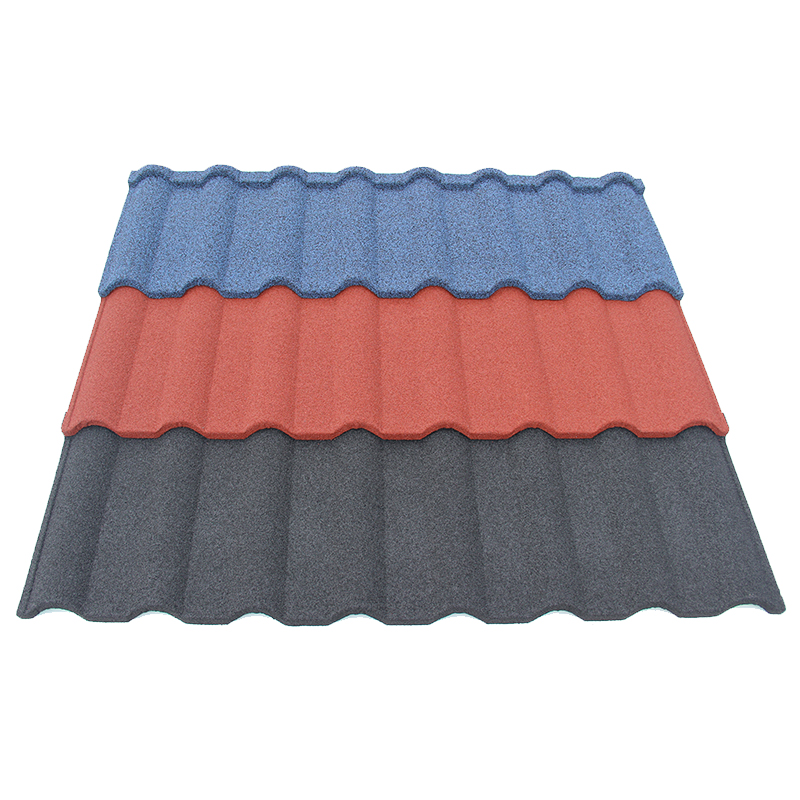
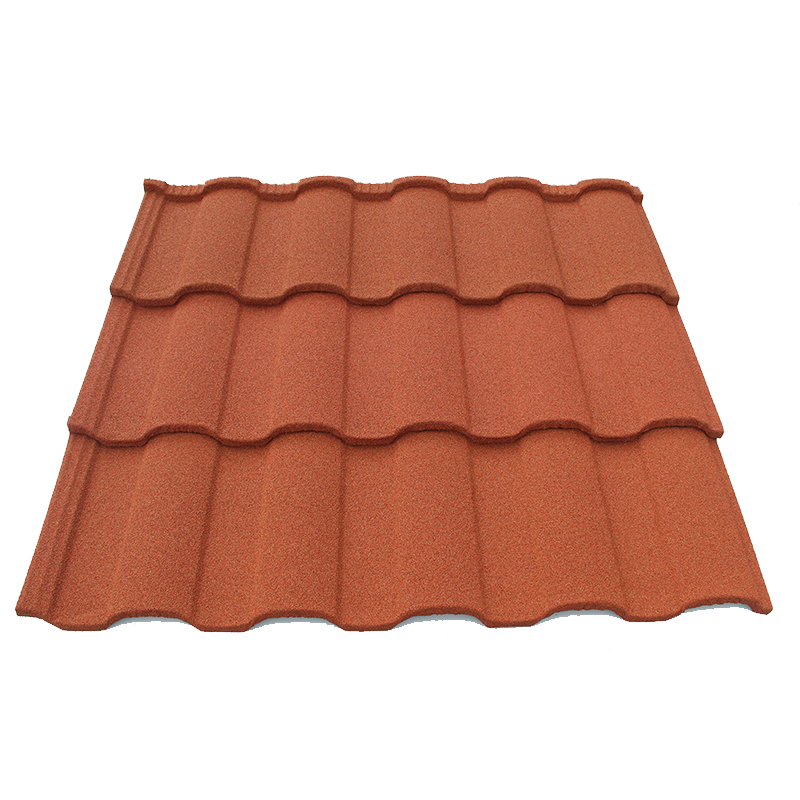
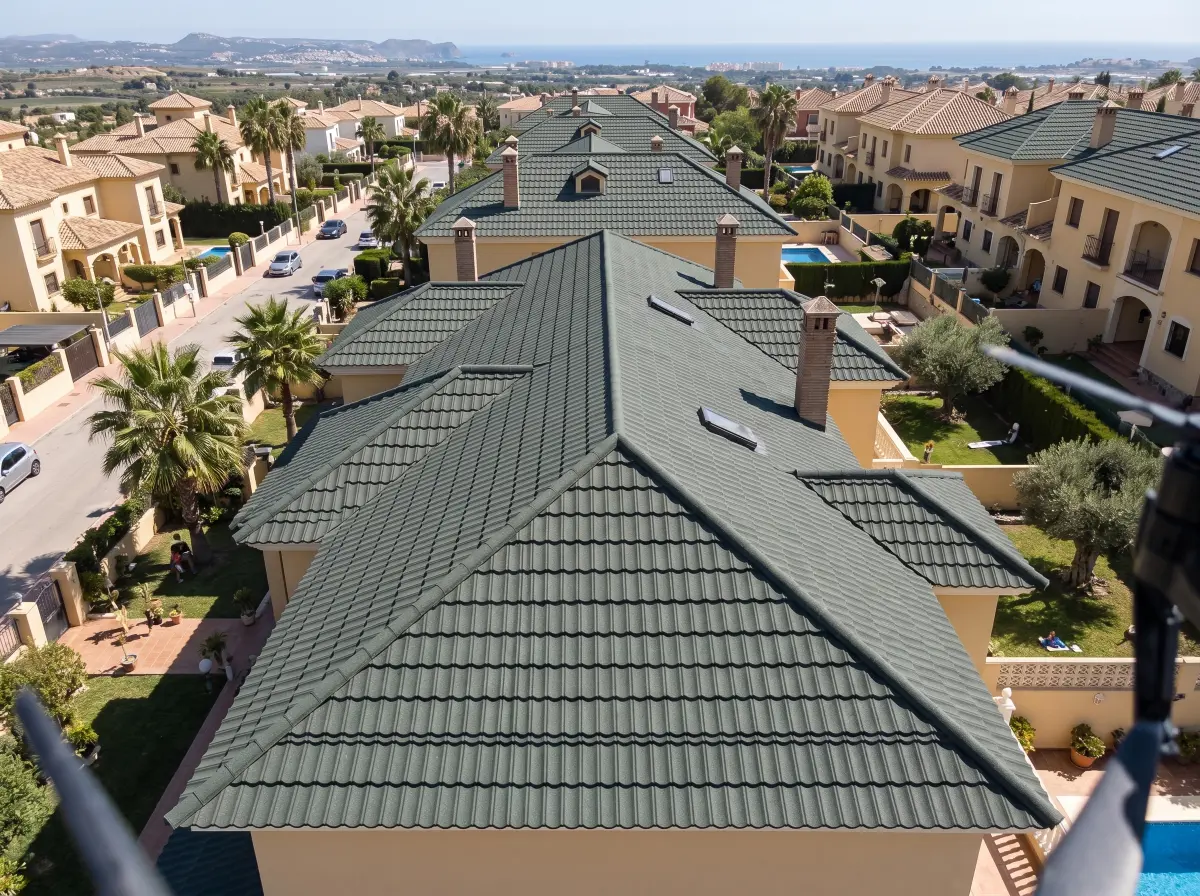
You can specify a premium Milano Tile to achieve this safely. For instance, it provides deep architectural curves without catastrophic kinetic vulnerabilities. Indeed, the underlying steel core simply cannot shatter under kinetic stress. Therefore, you secure the prestigious aesthetic while guaranteeing absolute structural waterproofing. Ultimately, advanced metallurgy completely outlasts fragile, traditional masonry materials.
The Drainage Weaknesses of Traditional Shapes
Furthermore, heavy downpours overwhelm traditional masonry profiles frequently and disastrously. Authentic barrel tiles often feature inconsistent geometric dimensions natively. Consequently, these manufacturing inconsistencies create uneven drainage valleys across the deck. During heavy monsoons, water backs up under the horizontal overlapping tiles. To evacuate massive water volumes safely, micrometer precision is absolutely mandatory.
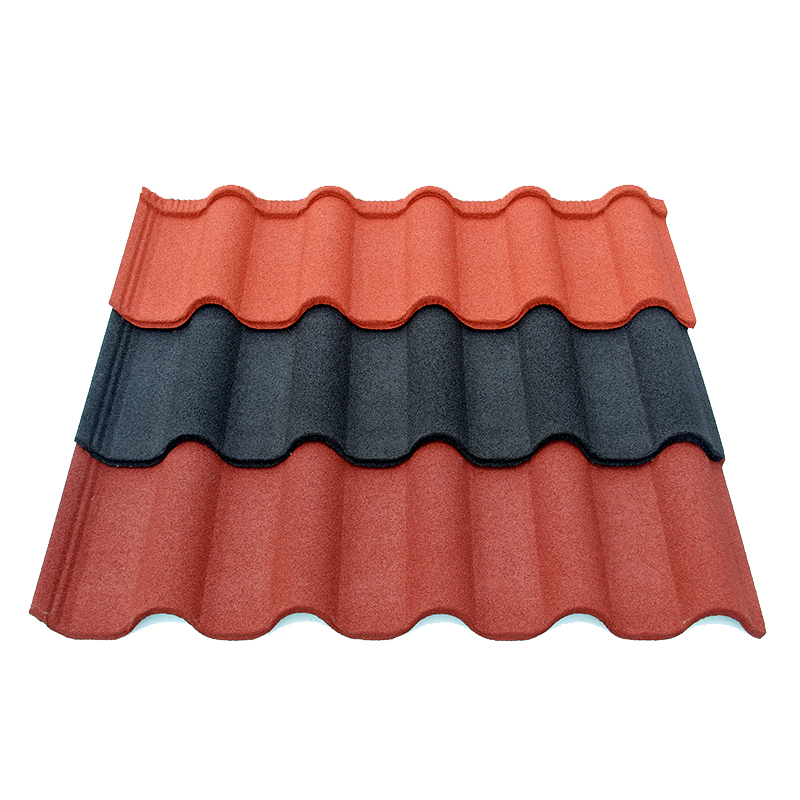
A deeply channeled Roman Tile pressed from industrial steel solves this. Specifically, its exact manufacturing tolerances ensure rapid, flawless water evacuation downward. Therefore, structural flooding is prevented completely during severe tropical storm events. Furthermore, the overlapping steel seams prevent any vertical water penetration. Indeed, precision engineering dictates the ultimate success of commercial roof drainage.
3. The Biological Vulnerability of Natural Wood Shakes
Luxury forest retreats often demand rustic, organic architectural aesthetics entirely. Consequently, developers historically specified natural wood shakes for high-end alpine projects. However, natural timber is an organic material that decomposes naturally. It represents a massive biological and financial liability for facility managers. Specifying natural wood guarantees massive ongoing maintenance expenses for the corporation. Therefore, modern procurement officers strictly avoid raw timber for exterior cladding.
Fungal Rot and Constant Airborne Moisture
Primarily, wood absorbs heavy ambient moisture continuously without a chemical barrier. This trapped water creates a perfect breeding ground for organic spores. Black algae, moss, and aggressive fungal rot anchor deeply into timber. Consequently, as the fungus consumes the timber, the roof dissolves completely. As a result, the wood splits and allows rain to pour inside.
Facility managers must constantly apply highly toxic chemical treatments to compensate. Furthermore, this ruins lean operating budgets and poisons the surrounding soil. Indeed, maintaining natural wood is an exhausting and expensive corporate endeavor. Therefore, organic materials have no place in lean, modern B2B procurement. You must specify synthetic or metallic alternatives for long-term viability.
Eradicating Fire Liabilities in Institutional Buildings
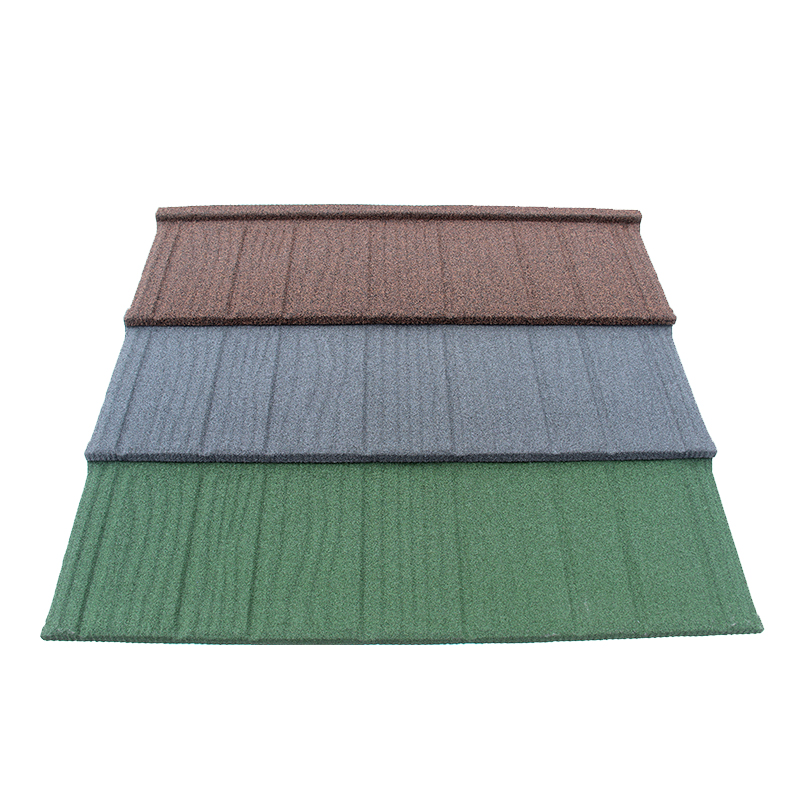
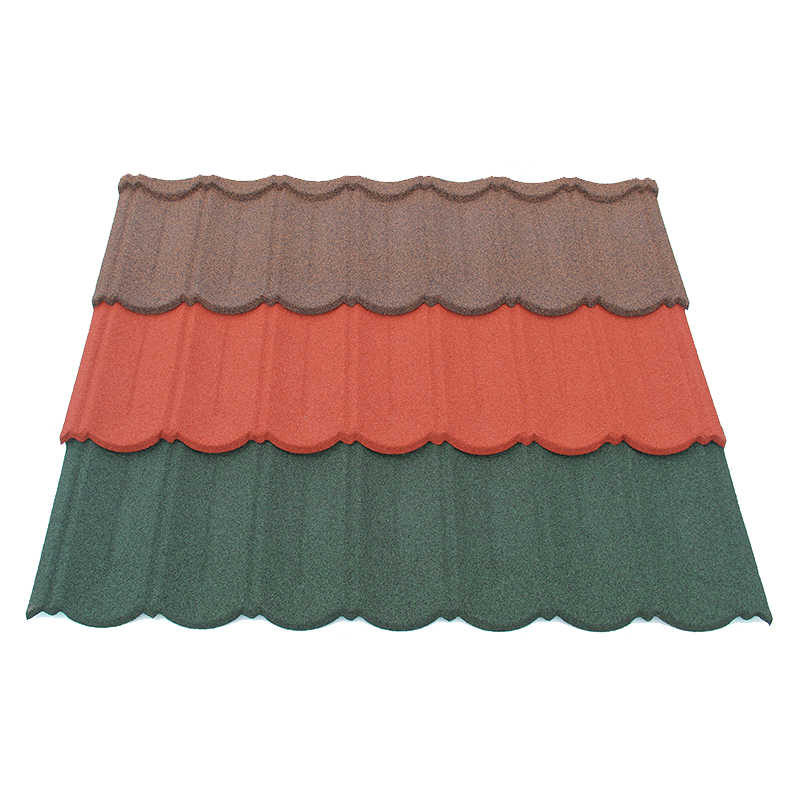
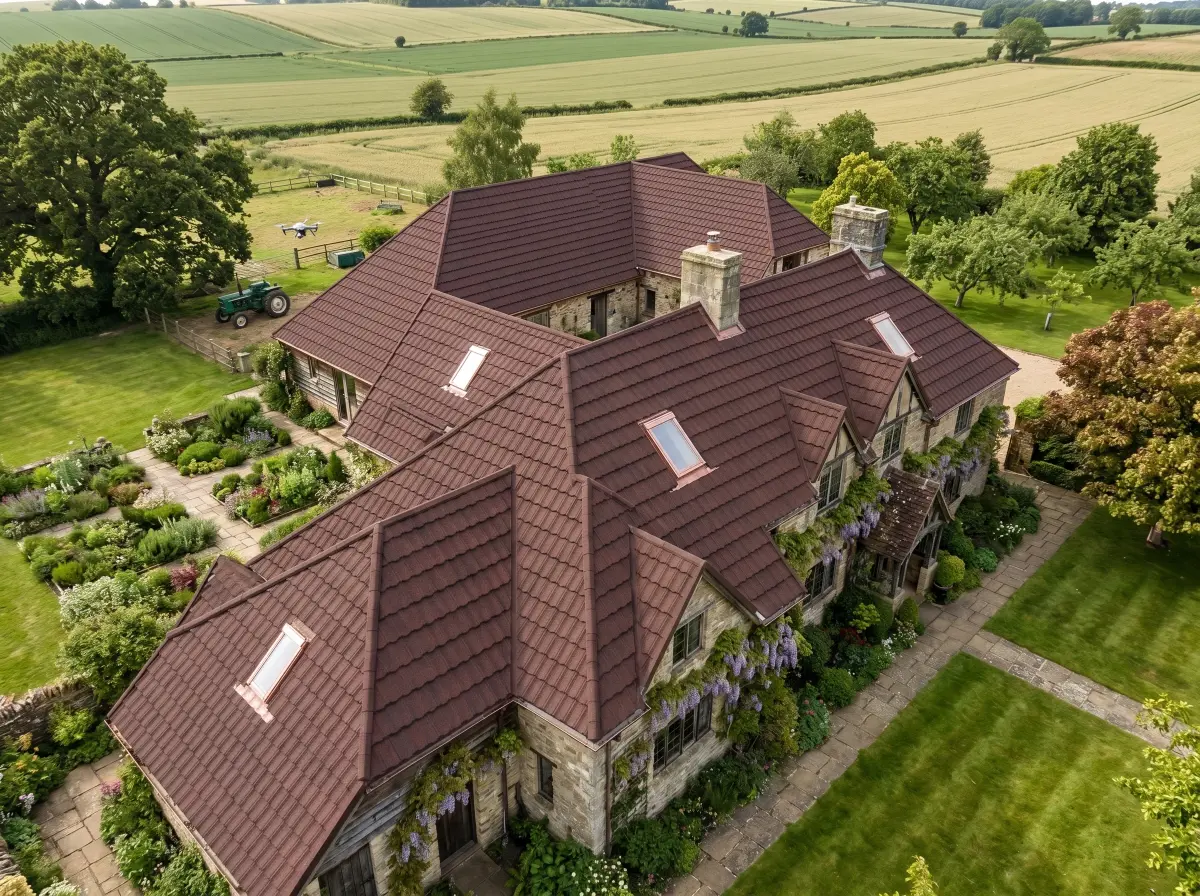
Moreover, dried natural wood represents a catastrophic and unacceptable fire liability. A single stray ember can ignite the entire commercial facility instantly. Consequently, insurance underwriters penalize buildings utilizing natural wood roofs heavily. You can achieve this exact rustic aesthetic safely using advanced metallurgy today. For example, a heavily textured Shake Tile mimics natural wood perfectly.
It provides breathtaking organic beauty with an absolute Class A fire rating. Therefore, your commercial property remains highly secure against fire threats. Additionally, your corporate insurance premiums drop massively due to reduced risk. Furthermore, the steel panels require absolutely zero toxic chemical treatments. Ultimately, you protect both the environment and your massive corporate asset.
4. The Flawed Mechanics of Exposed Fastener Systems
Many budget commercial roofs fail purely due to their fastening methods. Even basic metal roofs frequently utilize exposed fastener systems natively. Installers drive cheap rubber-washer screws directly through the flat panel surface. This installation method punctures the primary water barrier thousands of times intentionally. Consequently, it is a fundamentally flawed engineering approach that guarantees leaks. Therefore, understanding fastener physics is crucial for any B2B buyer.
Thermal Expansion and Fastener Back-Out
Commercial building envelopes expand and contract constantly under intense solar radiation. This daily thermal movement places immense stress on exposed mounting screws. Over time, this microscopic shifting causes the screw holes to wallow. Consequently, the screws eventually loosen and back out of the decking. Furthermore, the cheap rubber washers dry rot under intense UV rays.
As a result, every single exposed screw becomes an active water funnel. This guarantees massive interior ceiling stains and ruined corporate assets. Indeed, exposed fasteners are the leading cause of premature metal failure. Therefore, procurement teams must reject any system utilizing exposed vertical screws. You must demand superior aerodynamic and fastening engineering globally.
The Necessity of Concealed Fasteners and Tile Battens
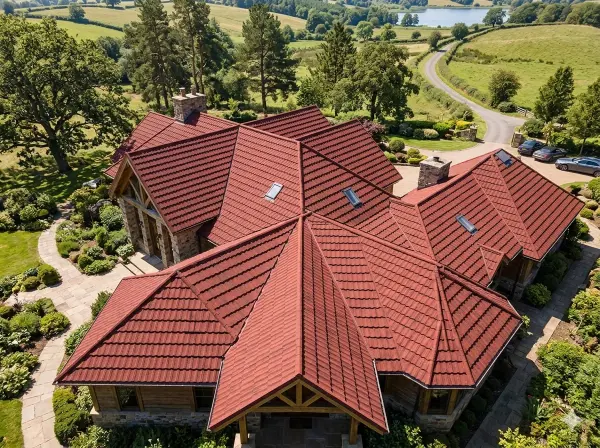
Conversely, advanced architectural cladding eliminates exposed fasteners completely and permanently. Professional installers mandate the use of structural tile battens strictly. They fasten the panels horizontally into the front nose securely. Consequently, this conceals the fastener entirely under the overlapping panel above. For heavy-duty industrial warehouses, specifying a robust Bond Tile is essential.
When secured properly to a raised batten grid, the roof becomes impenetrable. Specifically, this exact engineering detail eliminates water intrusion pathways completely. Therefore, the commercial facility remains perfectly watertight during Category 4 hurricanes. Furthermore, the horizontal fastening method provides massive resistance against wind uplift. Ultimately, concealed fasteners ensure the 50-year lifespan of the commercial roof.
5. Strategic B2B Procurement to Eliminate Water Liabilities
Preventing commercial roof leaks starts entirely in the B2B procurement phase. B2B buyers must demand highly engineered, permanent architectural assets strictly. You must audit the global supply chain to eliminate substandard materials. Identifying elite manufacturing partners secures your massive long-term capital investment. Furthermore, intelligent financial planning transforms your roof into an indestructible stronghold. Eliminating cheap materials maximizes your long-term capitalization rate effortlessly.
Securing the AZ150 Aluzinc Advantage
First, the structural survival of the roof depends entirely on its core. You must demand authentic AZ150 Aluzinc steel strictly in global procurement. Specifically, this aluminum-zinc alloy provides massive native resistance against red rust. The zinc chemically sacrifices itself to seal exposed cut edges flawlessly. Consequently, it completely prevents the microscopic oxidation causing pinhole leaks.
Strict metallurgical auditing secures the legally binding 50-year warranty effortlessly. Therefore, do not accept cheap galvanized steel from unregulated trading brokers. Indeed, true B2B asset protection requires premium industrial metallurgy absolutely. Furthermore, verifying independent laboratory testing is a mandatory procurement step. You must confirm the chemical composition before issuing any purchase orders.
Auditing the Supply Chain and Manufacturing Scale
Finally, large-scale commercial developments demand absolute structural perfection constantly. Therefore, B2B buyers must partner directly with proven industrial facilities globally. Specifically, JCROOF operates precisely in this highly professional B2B manufacturing tier. They maintain an incredibly reliable weekly production capacity of 140,000 pieces. As a result, this massive scale guarantees rapid global maritime fulfillment.
Furthermore, they achieve this volume without sacrificing micrometer manufacturing accuracy. Trusting an established industrial expert eliminates massive quality control risks entirely. Ultimately, your commercial real estate portfolio deserves flawless execution and absolute waterproofing. Therefore, choose your manufacturing partners with extreme technical prejudice. Secure your corporate assets with world-class, impenetrable steel architecture.
| Vulnerability Metric | Non-Metal Systems (Asphalt/Clay/Wood) | Stone Coated Metal Roof Panels |
|---|---|---|
| Primary Leak Vector | Material cracking, biological rot, and severe thermal warping. | Eliminated. Steel core provides permanent, impenetrable kinetic waterproofing. |
| Moisture Absorption | High. Materials act like sponges, triggering freeze-thaw fracturing. | Zero. Non-porous pure acrylic resin blocks moisture completely. |
| Fastener Security | Poor. Frequently relies on vertical nailing that backs out rapidly. | Maximum. Concealed horizontal fasteners lock into structural tile battens. |
| Maintenance OPEX | Astronomical. Requires constant patching, replacement, and chemical cleaning. | Minimal. Secures a 50-year structural lifespan with zero reactive maintenance. |
| Long-Term Reliability | Weak. Fails structurally under intense UV rays and heavy rain. | Elite. AZ150 Aluzinc core withstands massive atmospheric punishment effortlessly. |