
Commercial real estate portfolios require rigorous, systematic structural upkeep constantly. Winter storms and heavy seasonal snow loads stress exterior building envelopes severely globally. Consequently, as the weather warms, facility managers must execute precise spring cleaning protocols natively. A Stone coated roof provides incredible, indestructible protection for massive corporate assets. However, maximizing this fifty-year structural lifespan requires strict, intelligent operational maintenance continuously. Neglecting routine spring inspections creates hidden vulnerabilities that invite catastrophic interior water damage. Therefore, B2B procurement officers and facility directors must establish standard operating procedures meticulously. This comprehensive engineering guide explores the exact physics and chemistry of proper rooftop maintenance natively. Ultimately, understanding these B2B maintenance protocols protects your massive capital investment flawlessly. You can ensure your commercial property remains highly profitable and structurally secure for decades.
1. The Physics of Spring Debris and Kinetic Clearance
Winter weather deposits massive amounts of physical debris across massive commercial roof decks predictably. Heavy tree branches, sharp ice shards, and dead organic matter accumulate in structural valleys continuously. Consequently, facility managers must clear this kinetic debris promptly during their annual spring cleaning. Allowing debris to fester traps moisture directly against the architectural cladding indefinitely. Therefore, executing a careful, highly methodical physical clearance protocol is an absolute corporate mandate. This initial maintenance step prevents severe mechanical damage and preserves the underlying structural steel perfectly.
Safe Navigation over Structural Battens
Before any maintenance crew steps onto the commercial building envelope, they must understand rooftop physics. Advanced interlocking panels require raised structural tile battens for proper, secure installation natively. Installers secure the panels into this timber grid, leaving empty airspace between the battens. Consequently, workers must step precisely on the panel nose directly over the supporting batten always. Stepping into the unsupported airspace causes the steel to flex, permanently denting the profile globally.
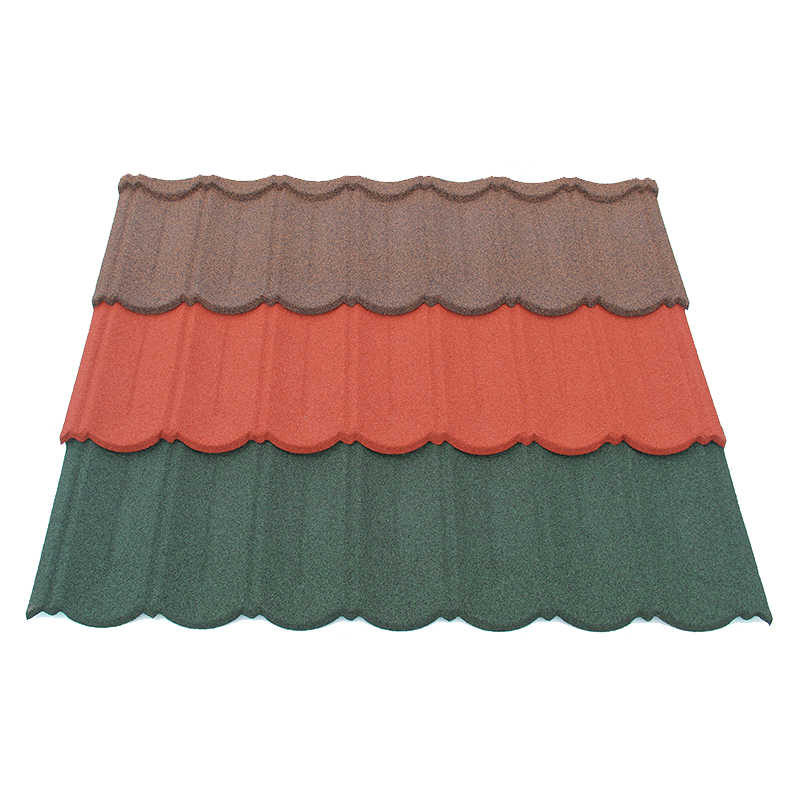
For heavy-duty industrial warehouses, a robust Bond Tile offers extreme kinetic rigidity natively. Its unique structural groove design absorbs massive mechanical impact exceptionally well. However, proper foot placement is still absolutely mandatory to protect the architectural investment globally. Facility directors must educate all contractors regarding these specific kinetic weight limits continually. Enforcing safe rooftop navigation prevents accidental, highly expensive structural fracturing completely.
Removing Organic Matter and Heavy Branches
Furthermore, maintenance crews must remove fallen branches and sharp debris with extreme caution. Dragging heavy, abrasive objects across the metal panels destroys the protective chemical coatings instantly. The sharp edges will slice through the acrylic resin, exposing the raw steel core underneath natively. Therefore, workers must physically lift and carry all heavy debris off the commercial roof safely.
Use soft-bristled brooms to sweep away accumulated autumn leaves and dried pine needles carefully. Consequently, this gentle physical clearance removes moisture traps without scratching the beautiful mineral surface. Ultimately, meticulous physical handling prevents catastrophic cosmetic and structural degradation natively. It preserves the protective chemical barrier, ensuring the commercial facility remains perfectly watertight continuously.
2. Chemical Integrity and Soft Washing Protocols
Corporate aesthetics dictate the overall market valuation of luxury commercial real estate assets completely. Airborne dust, industrial exhaust, and winter grime accumulate on the building envelope predictably. Consequently, spring cleaning often requires a light washing protocol to restore maximum visual prestige natively. However, utilizing incorrect cleaning techniques destroys the advanced chemical engineering of the panels instantly. Therefore, facility managers must mandate strict soft washing procedures for all external maintenance contractors globally. Protecting the microscopic chemical layer ensures the commercial property retains its luxurious curb appeal for decades.
The Danger of Extreme High-Pressure Washing
The most catastrophic maintenance mistake involves using industrial high-pressure power washers globally. Highly pressurized water jets easily slice through the protective acrylic resin layer instantly natively. Consequently, the immense pressure blasts the colored stone granules completely off the underlying metallic substrate. Ignorant cleaning crews cause massive, irreversible cosmetic destruction in a matter of minutes continuously.
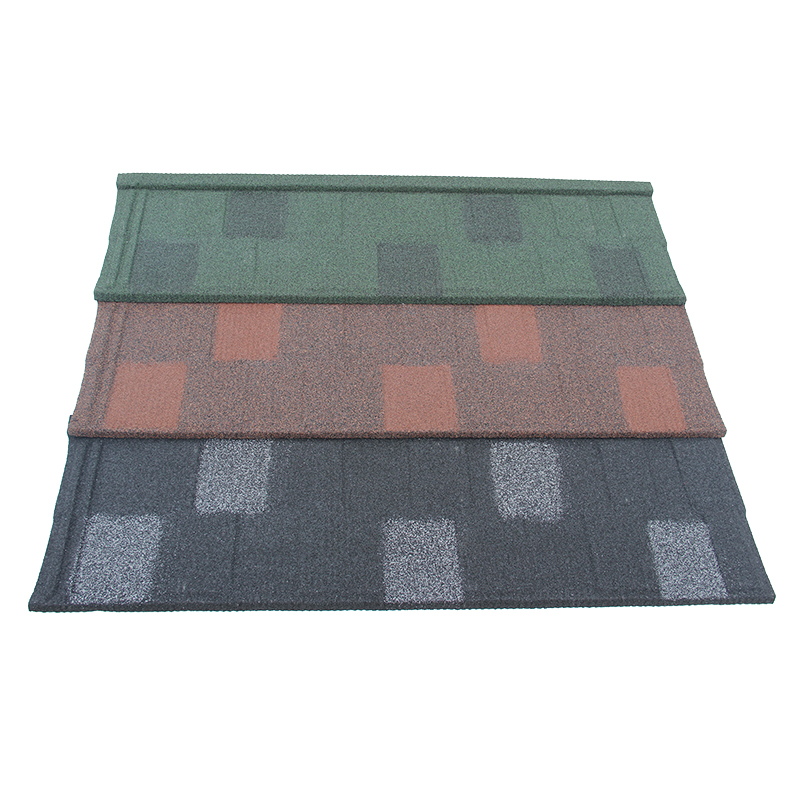
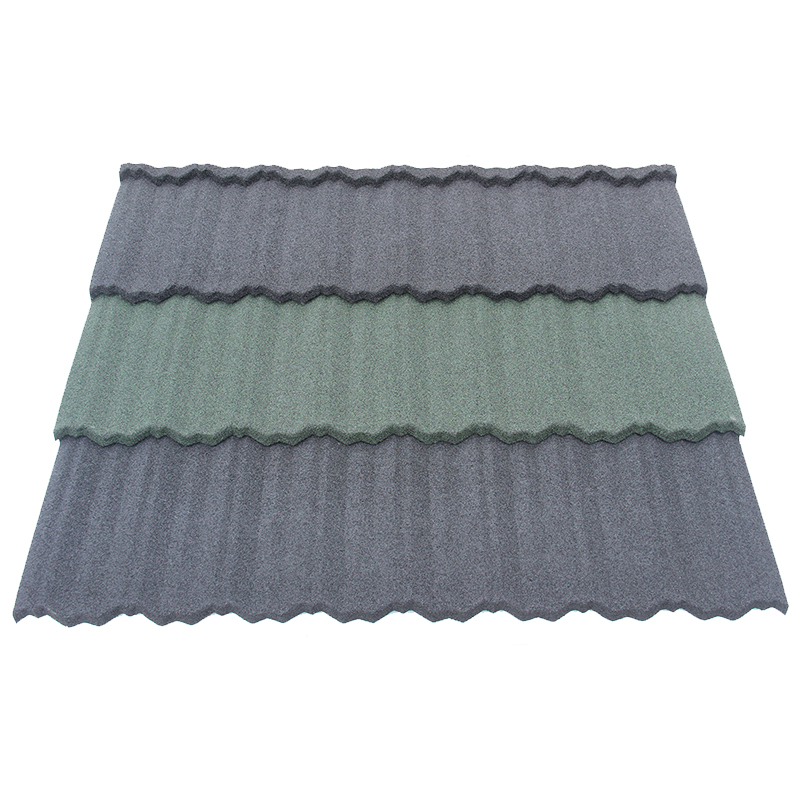
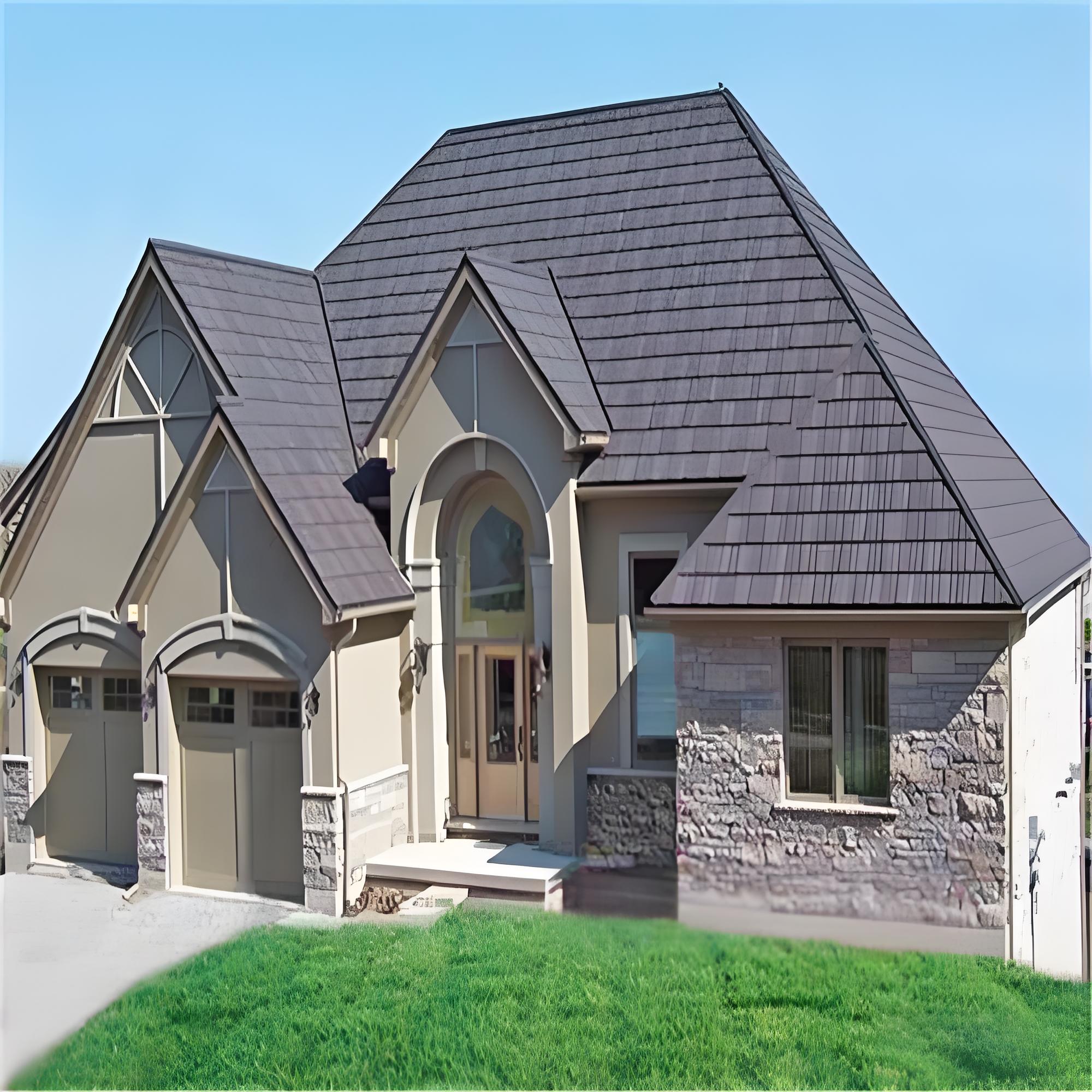
A heavily textured Shake Tile mimics natural hand-split timber beautifully for luxury eco-lodges natively. However, blasting this specific textured profile ruins the organic aesthetic and exposes the bare steel rapidly. Therefore, facility directors must strictly forbid high-pressure equipment on their commercial roofs entirely. Ignorance in this specific maintenance phase guarantees massive cosmetic failure and voids the corporate warranty permanently.
Preserving the Pure Acrylic Resin Glaze
Instead of destructive pressure, crews must utilize gentle, low-pressure hoses for spring cleaning. Premium architectural panels feature a 100% pure, UV-stabilized acrylic resin glaze natively. This pure acrylic creates a completely non-porous, highly sterile exterior surface across the cladding globally. Consequently, heavy scrubbing or harsh industrial chemical solvents are absolutely never required for maintenance.
Mild, neutral soap mixed with clean water dissolves stubborn winter grime effortlessly and safely. Therefore, washing the roof with a soft sponge and a standard garden hose is highly effective. Ultimately, this gentle protocol preserves the chemical glaze, ensuring a permanently shiny, self-cleaning commercial surface. Gentle washing safeguards your massive B2B capital expenditure perfectly and efficiently.
3. Hydrological Inspections for Optimal Water Evacuation
Efficient hydrological management is the primary engineering function of any massive commercial building envelope. The roof must route massive volumes of high-velocity spring rainwater downward rapidly and efficiently. If winter debris clogs the structural drainage pathways, water inevitably backs up under the overlaps. Consequently, this standing water triggers devastating capillary action, rotting the underlying structural timber silently. Therefore, conducting a rigorous hydrological inspection is a vital component of annual spring maintenance globally. Facility managers must guarantee all drainage channels flow perfectly clear to prevent catastrophic interior flooding.
Clearing Deep Drainage Valleys
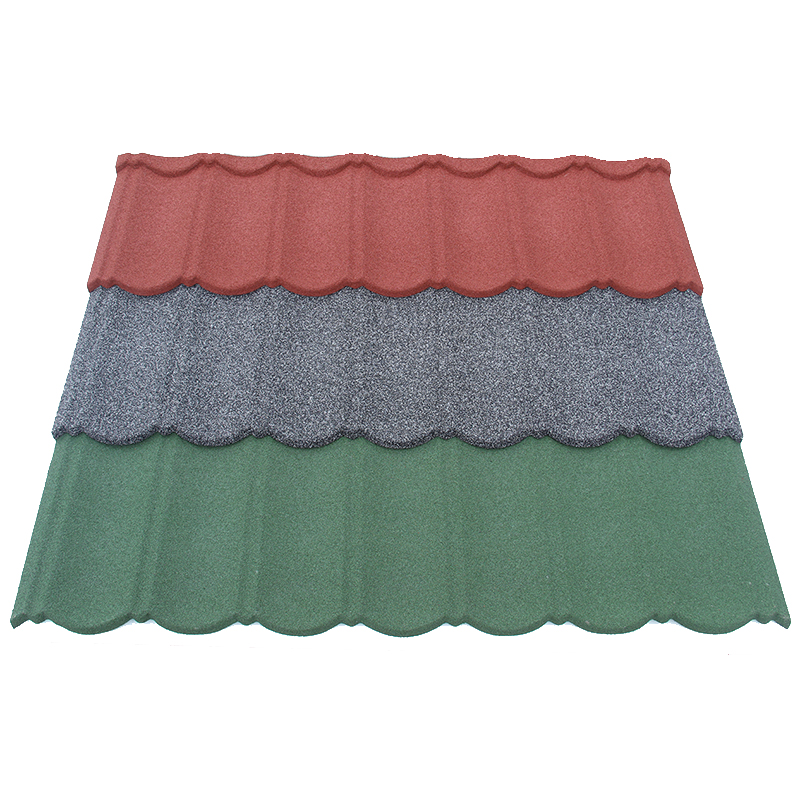
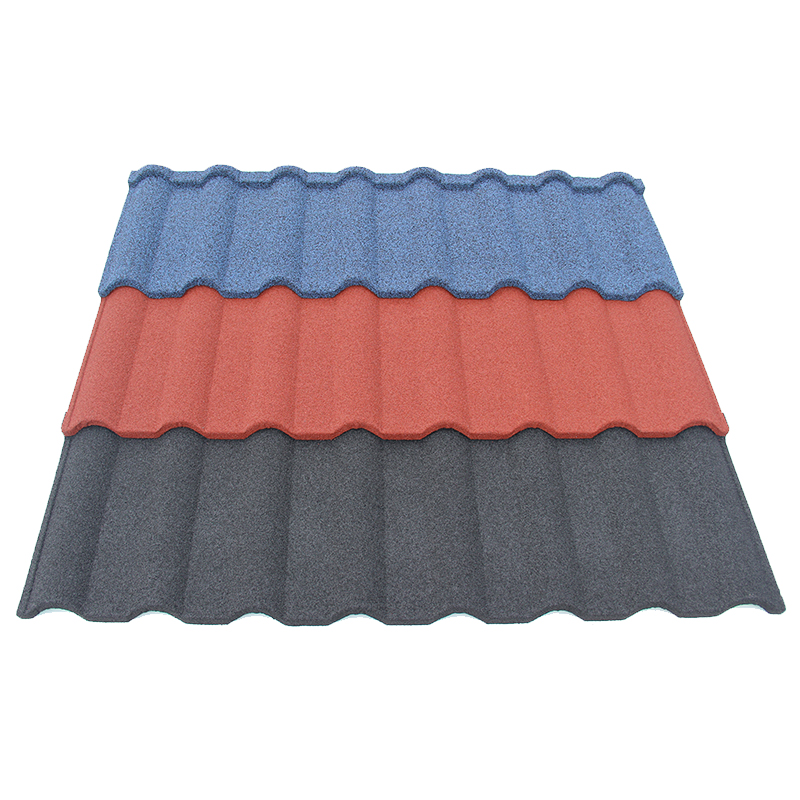
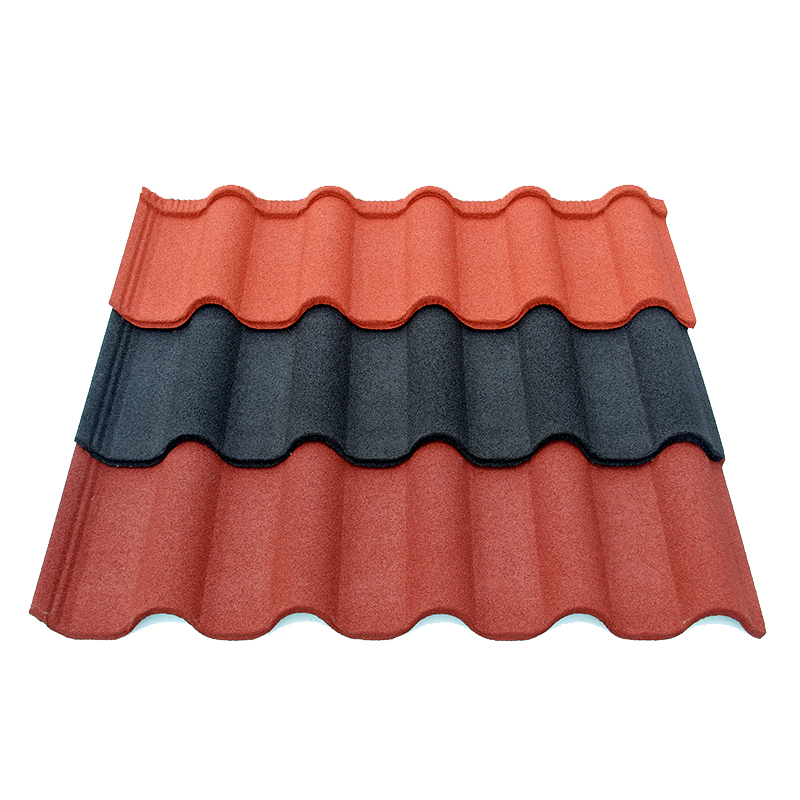
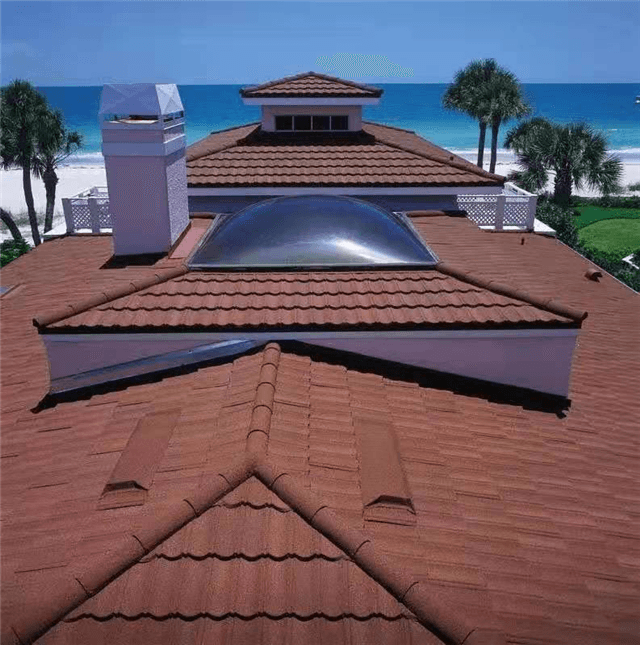
Complex commercial roofs feature intersecting planes that create critical structural drainage valleys natively. These specific valleys channel massive volumes of water toward the commercial gutter system constantly. A deeply channeled Roman Tile routes massive tropical monsoons downward highly efficiently globally. Its exaggerated curves evacuate severe volumes of rainwater away from the building interior safely.
However, if pine needles and autumn leaves clog these deep valleys, the hydrological efficiency fails entirely. The trapped water will eventually crest the structural seams, bypassing the architectural cladding completely. Therefore, maintenance crews must manually clear every single structural valley during the spring inspection. Consequently, this ensures the intricate geometric channels can handle severe spring thunderstorms without overflowing safely.
Checking Flush Alignments and Interlocks
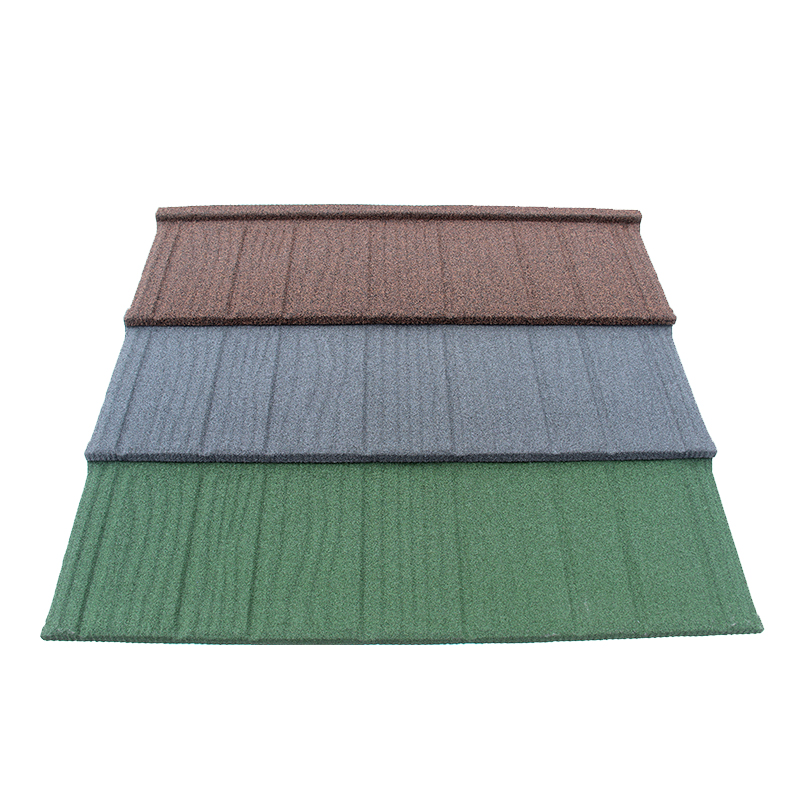
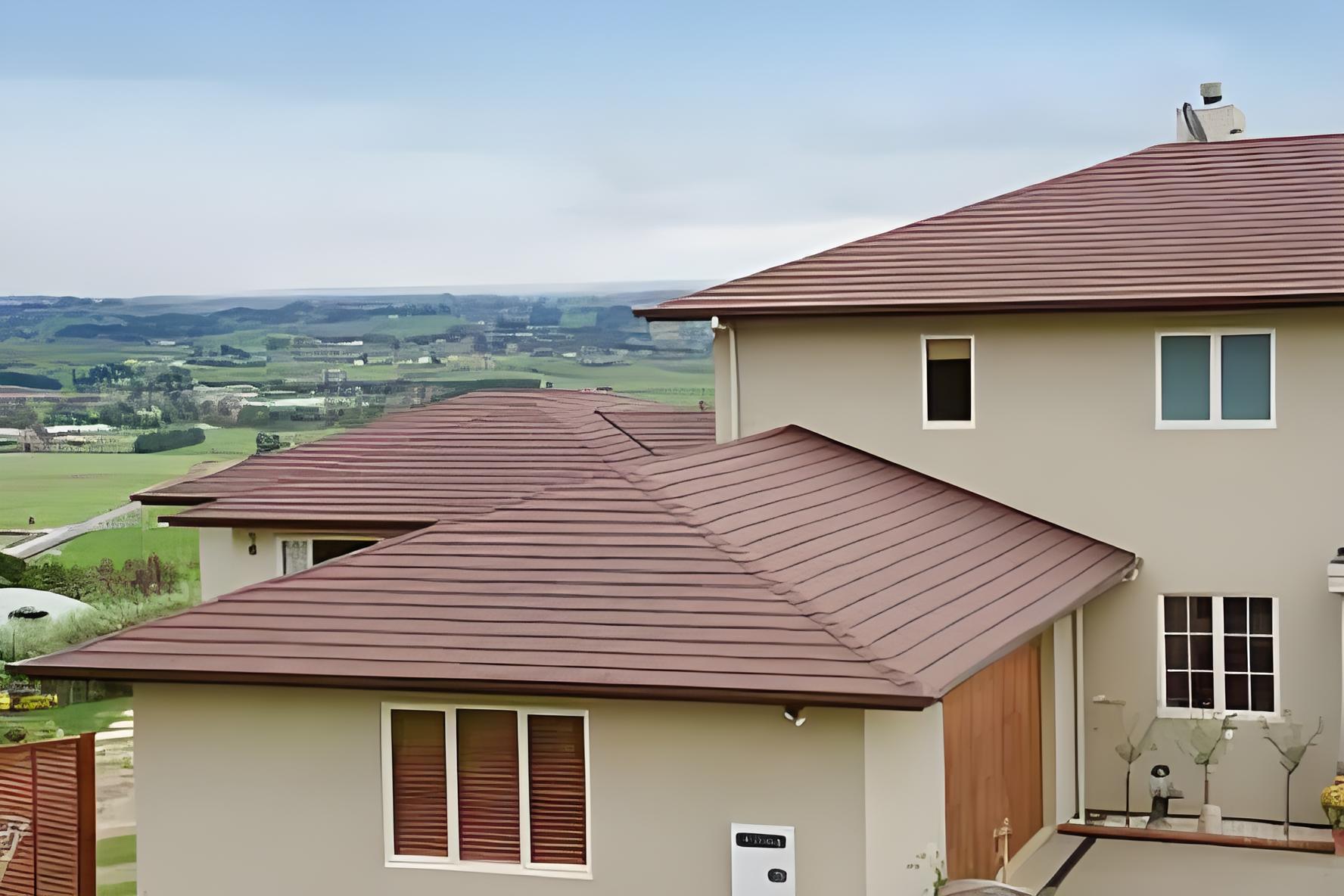
Furthermore, extreme winter thermal expansion and severe ice accumulation can occasionally shift overlapping panels slightly. A sleek, modern Shingle Tile delivers flawless flush alignment for minimalist corporate campuses natively. If heavy ice dams distort this highly precise flush alignment, the horizontal seams lose their watertight integrity immediately. Capillary action will subsequently draw rainwater directly into the corporate facility.
Therefore, inspectors must visually audit the horizontal and vertical interlocking edges closely during spring cleaning. They must verify that every single panel remains firmly locked into the underlying structural battens securely. Consequently, detecting and correcting minor geometric shifts prevents massive capillary water intrusion later in the year. Rigorous geometric auditing secures the structural watertight seal perfectly continuously.
4. Aesthetic Audits and Preparing for Summer UV
Spring cleaning serves as the perfect operational window to audit the overall architectural aesthetic globally. Following a brutal winter, facility managers must verify that the building envelope retains its premium colors. As the spring transitions into summer, intense ultraviolet (UV) radiation will attack the commercial property relentlessly. Therefore, confirming the integrity of the UV defense layer is absolutely critical for long-term valuation. Detecting substandard materials early allows procurement teams to enact warranty claims before massive failures occur. Ultimately, proactive aesthetic auditing protects the corporate brand and justifies premium international lease rates continually.
Color Stability and Sintered Basalt
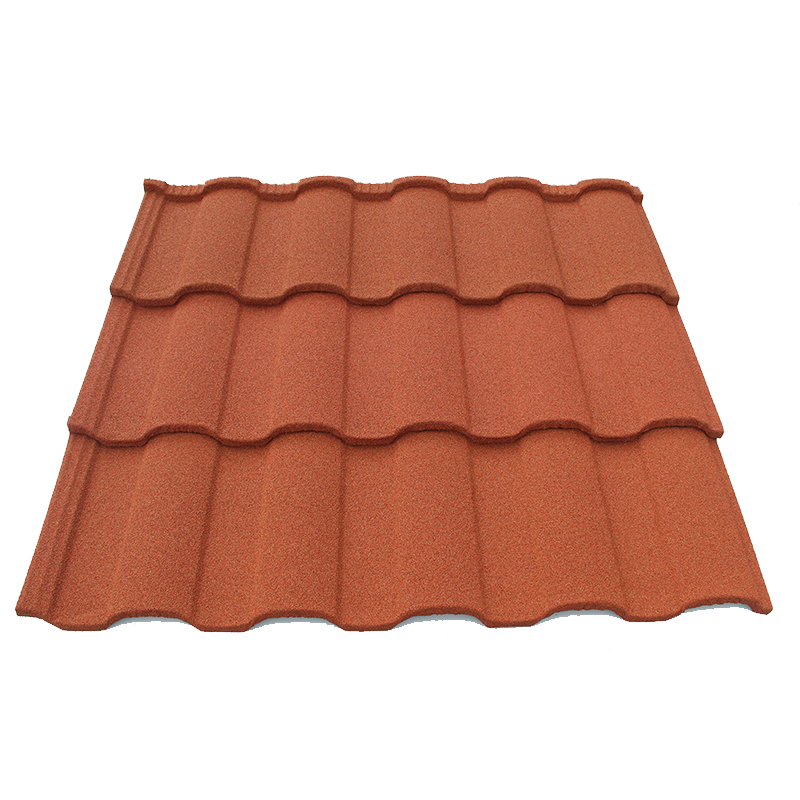
High-end luxury developments require specific historical aesthetics to justify premium international corporate lease rates globally. A sweeping Milano Tile projects massive Mediterranean prestige and historic wealth effortlessly across coastal estates. Consequently, the deep terracotta colors must remain highly vibrant despite harsh atmospheric punishment natively.
Elite panels utilize high-temperature sintered basalt chips that actively deflect harmful UV rays constantly. During the spring audit, inspectors should verify that these mineral colors have not faded or bleached. Therefore, confirming this absolute color permanence ensures the luxury property maintains its elite visual prestige seamlessly. Substandard chemically dyed sand will show obvious signs of extreme fading during this inspection.
Securing the AZ150 Aluzinc Advantage
Additionally, inspectors must look for any microscopic signs of red rust or structural oxidation carefully. True commercial-grade panels utilize authentic AZ150 Aluzinc steel natively for their underlying metallic core. This advanced aluminum-zinc alloy provides active cathodic protection, sealing any exposed cut edges flawlessly and permanently. It prevents rust perfectly.
If the spring audit reveals rust spots, it indicates the original supplier utilized cheap, galvanized steel deceptively. Consequently, the procurement team must investigate the initial supply chain immediately to address this massive liability. Ultimately, a clean, rust-free spring inspection validates your intelligent B2B material sourcing strategy completely. Proper metallurgy guarantees the roof remains indestructible for five decades.
5. Standardizing Corporate Maintenance Contracts
Ad-hoc maintenance schedules guarantee premature structural failure across massive commercial real estate portfolios inevitably. Facility directors cannot rely on reactive, uncoordinated cleaning efforts to protect multi-million dollar corporate assets. Consequently, B2B organizations must formalize their spring cleaning protocols into strict, legally binding maintenance contracts globally. Standardizing these procedures ensures that every subcontractor handles the architectural cladding with extreme technical precision continuously. Therefore, establishing rigorous corporate guidelines is the final step in securing your massive capital investment. Intelligent operational management transforms your commercial roof into an indestructible, zero-maintenance corporate stronghold entirely.
Training Facility Managers and Subcontractors
Procurement officers must include strict rooftop navigation and soft washing protocols in all maintenance contracts natively. You must force third-party HVAC technicians, painters, and cleaners to sign specific corporate liability waivers globally. If an untrained contractor dents the panels by walking incorrectly, they must pay for the structural replacement immediately. This strict financial accountability prevents massive carelessness.
Furthermore, you must provide all external vendors with an official walkability diagram for your specific architectural profile securely. Consequently, educating your vendors is the ultimate corporate defense against accidental mechanical damage natively. Proactive facility management preserves the massive long-term ROI of the commercial property permanently. Proper training eliminates structural liabilities flawlessly.
Vetting the Factory Supply Chain
Ultimately, routine spring maintenance is exponentially easier when you procure premium materials initially globally. Large-scale commercial developments demand absolute structural perfection and verified batch consistency constantly. Therefore, B2B buyers must partner directly with proven, factory-direct industrial manufacturing facilities natively. Verifying the global source guarantees superior chemical and metallurgical quality.
Specifically, JCROOF operates precisely in this highly professional, elite B2B manufacturing tier reliably. With 11 years of dedicated experience, they deliver heavy-duty panels that withstand severe winter storms effortlessly globally. Consequently, sourcing from an established industrial expert minimizes your spring maintenance requirements massively. Reliable global supply chains guarantee your commercial real estate assets remain pristine and indestructible for decades.
| Spring Maintenance Task | Dangerous Protocol (Avoid) | Correct B2B Engineering Standard |
|---|---|---|
| Kinetic Debris Removal | Dragging heavy, abrasive branches across the panels, severely scratching the glaze. | Physically lifting debris and utilizing soft-bristled brooms for gentle clearance. |
| Cosmetic Washing | Using extreme high-pressure washers that blast the mineral stone chips completely off. | Executing a low-pressure soft wash using a standard hose and mild, neutral soap. |
| Rooftop Navigation | Stepping blindly into the unsupported airspace between the underlying structural battens. | Stepping precisely on the front nose of the panel directly over the rigid batten grid. |
| Hydrological Inspection | Ignoring deep drainage valleys, allowing massive debris to clog the gutters entirely. | Manually clearing all geometric channels to guarantee rapid, high-volume water evacuation. |
| Aesthetic Auditing | Failing to check for rust spots or severe UV fading caused by cheap, substandard materials. | Verifying the absolute integrity of the pure acrylic resin and AZ150 Aluzinc steel core. |