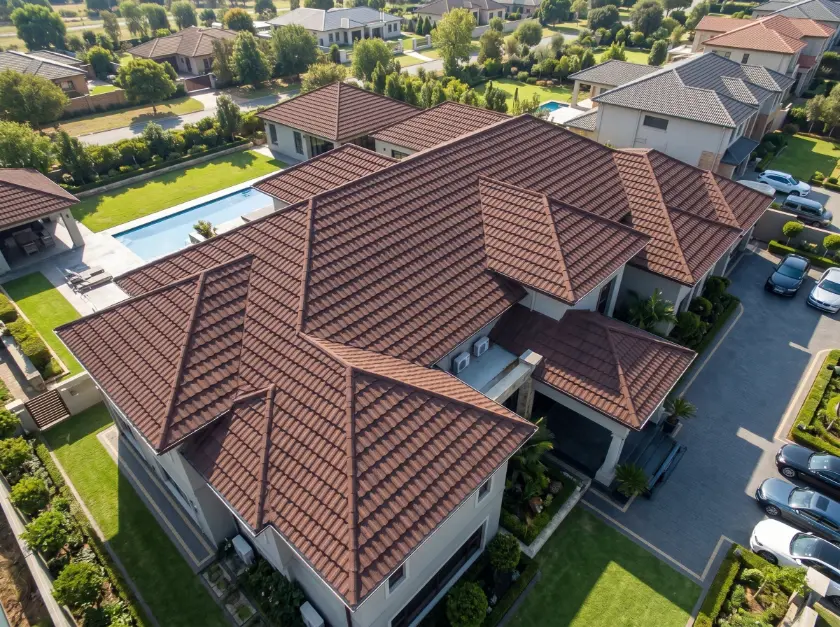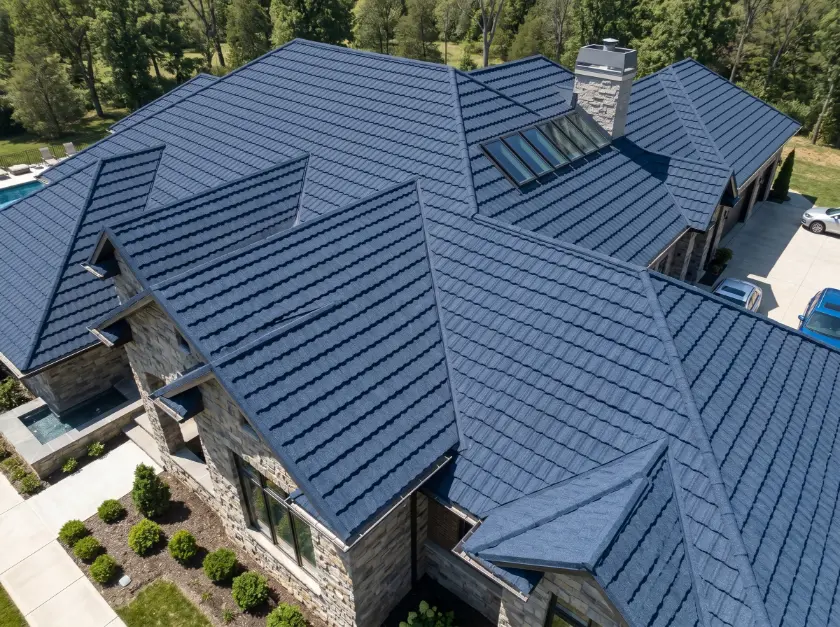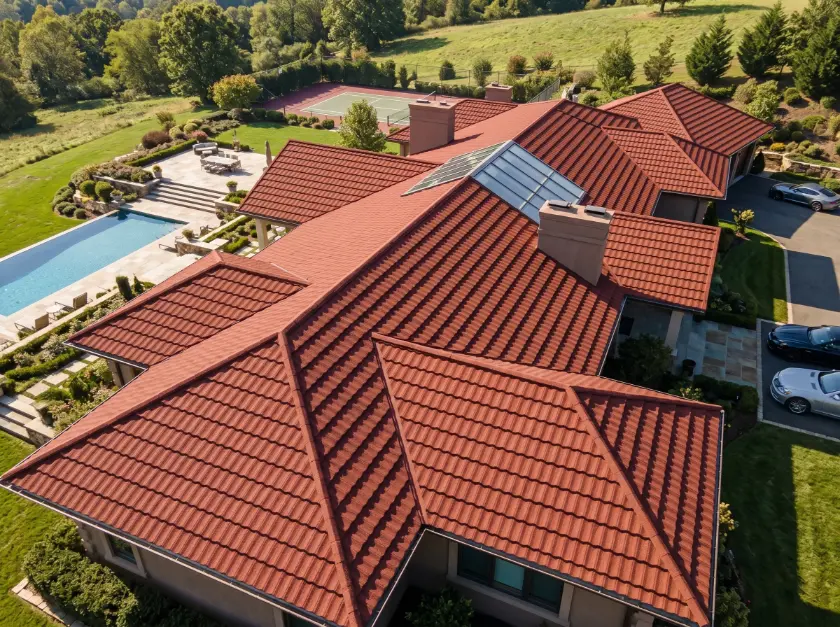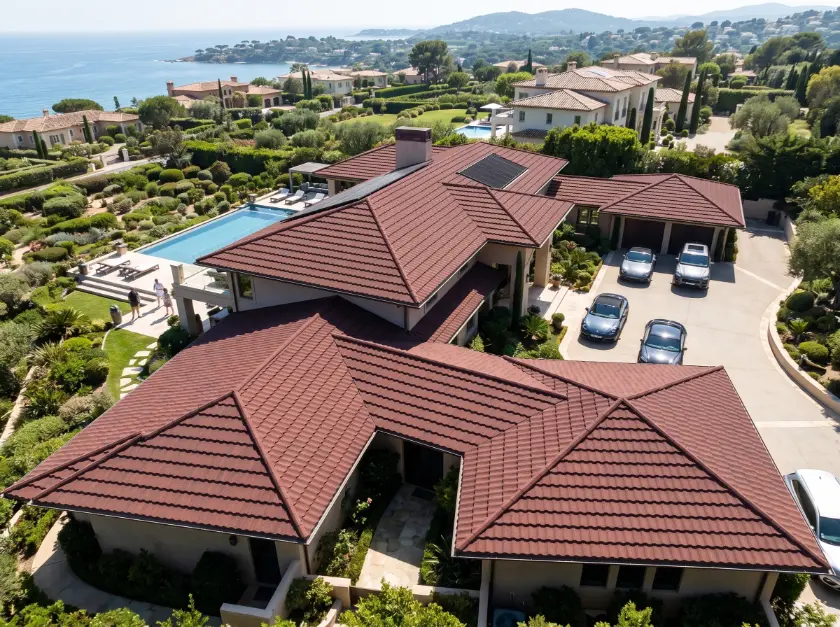

Global commercial real estate portfolios face devastating atmospheric threats and severe environmental punishment annually. Consequently, facility managers must execute precise engineering audits immediately following extreme weather events globally. Inspecting your roof after a major storm is an absolute financial mandate to protect massive corporate assets natively. Failing to identify microscopic structural breaches guarantees catastrophic interior water damage and highly expensive mold remediation eventually. Therefore, B2B procurement officers and developers must understand exactly what to look for during these critical post-storm evaluations. Upgrading to advanced Stone coated steel roofing provides the ultimate defense, but even premium materials require intelligent inspection natively. This comprehensive engineering guide explores the precise kinetic, hydrological, and chemical audits required after violent monsoons and hurricanes. Ultimately, executing this professional B2B inspection protocol protects your long-term capital investments seamlessly and highly profitably.
1. The Engineering Mechanics of Storm Damage
Severe atmospheric events exert immense dynamic forces against commercial building envelopes continuously and predictably globally. Consequently, understanding the exact physics of this environmental punishment is crucial for accurate damage assessment natively. High-velocity winds, torrential rain, and rapid barometric pressure changes stress the architectural cladding to its absolute mechanical limits. Therefore, inspecting your roof after a major storm requires a highly systematic approach to identifying specific aerodynamic and hydrological failures. Facility managers must look far beyond obvious cosmetic damage to uncover hidden structural vulnerabilities globally. Proactive engineering audits prevent massive secondary failures from destroying the corporate asset natively.
Identifying Extreme Wind Shear and Uplift
Category 5 hurricanes and super typhoons generate massive negative air pressure across the commercial roof deck natively. This intense aerodynamic uplift actively attempts to tear the architectural panels completely off the structural timber globally. Therefore, inspectors must evaluate the integrity of the fastening system meticulously after severe wind events natively. If cheap, exposed vertical fasteners were utilized, you will likely discover wallowed-out screw holes and loose panels immediately. Conversely, advanced metal panels lock horizontally into structural battens, providing massive concealed-fastener resistance against these devastating wind forces. Consequently, auditing this horizontal lock guarantees the facility remains aerodynamically secure globally.
Detecting Hidden Capillary Water Intrusion
Furthermore, intense wind-driven rain frequently forces moisture upward against gravity during severe tropical monsoons natively. This dangerous physical phenomenon is known as capillary action in fluid dynamics and advanced structural engineering globally. During your post-storm audit, you must check the horizontal and vertical overlapping seams meticulously for any moisture penetration natively. If severe thermal expansion or extreme wind distorted the precise geometric alignment, capillary water intrusion is highly probable. Therefore, ensuring these interlocking edges remain perfectly flush blocks wind-driven moisture completely and permanently across the corporate facility. Identifying microscopic geometric shifts prevents devastating interior corporate flooding entirely natively.
2. Structural and Material Degradation Analysis
Beyond massive aerodynamic stress, severe storm systems frequently unleash massive kinetic bombardment and abrasive debris natively. Consequently, the commercial building envelope absorbs tremendous physical punishment that can shatter brittle, traditional masonry materials instantly globally. Therefore, conducting a rigorous material degradation analysis is an absolute corporate mandate for facility directors natively. You must identify specific kinetic impact zones and evaluate the microscopic integrity of the protective chemical coatings globally. Neglecting this physical audit invites rapid structural oxidation and devastating biological rot during the subsequent operational months natively. Early detection transforms a potential catastrophic failure into a minor, highly manageable maintenance task.
Assessing Kinetic Hail Bombardment
Devastating supercell thunderstorms frequently produce massive, high-velocity hailstones that destroy commercial roofs instantly globally. If your facility utilizes traditional heavy clay or concrete tiles, a severe hailstorm will cause catastrophic, widespread fracturing natively. Inspectors must walk the roof carefully, looking for shattered masonry that exposes the underlying wooden deck entirely globally. However, premium steel cladding boasts an absolute Class 4 Impact Resistance rating, absorbing this massive kinetic energy safely natively. Therefore, inspecting advanced metallurgical systems primarily involves checking for deep, abnormal cosmetic denting rather than catastrophic structural shattering. Confirming kinetic resilience protects the fifty-year lifespan of the commercial property natively.
Evaluating Debris Impact and Coating Scratching
Additionally, violent storm winds snap massive tree branches and hurl abrasive environmental debris across the roof deck natively. Consequently, this flying debris presents a severe blunt kinetic threat to the architectural cladding continuously globally. Inspectors must look for deep gouges or scratches that slice through the pure acrylic resin glaze completely natively. If falling timber strips the sintered basalt chips away, the raw metallic core becomes exposed to aggressive atmospheric moisture globally. Therefore, identifying and sealing these deep abrasive scratches promptly prevents localized red rust from compromising the massive commercial asset. Meticulous aesthetic audits ensure the chemical barrier remains completely impenetrable natively.
3. Practical Application: Post-Storm Architectural Audits
B2B procurement requires matching specific visual aesthetics to exact environmental engineering needs seamlessly across massive global portfolios. Different geographical regions and architectural styles demand vastly different structural profiles to satisfy local zoning requirements continuously. Therefore, the post-storm inspection protocol must adapt to the specific geometry of the installed architectural cladding natively. Inspecting a sleek urban tech park requires vastly different analytical techniques than auditing a sprawling, luxurious coastal resort globally. Let us examine how specific architectural profiles handle severe storm damage and dictate unique post-storm inspection procedures natively. Customized auditing protects massive capital investments effortlessly across diverse international markets.
Modernizing Minimalist Corporate Campuses
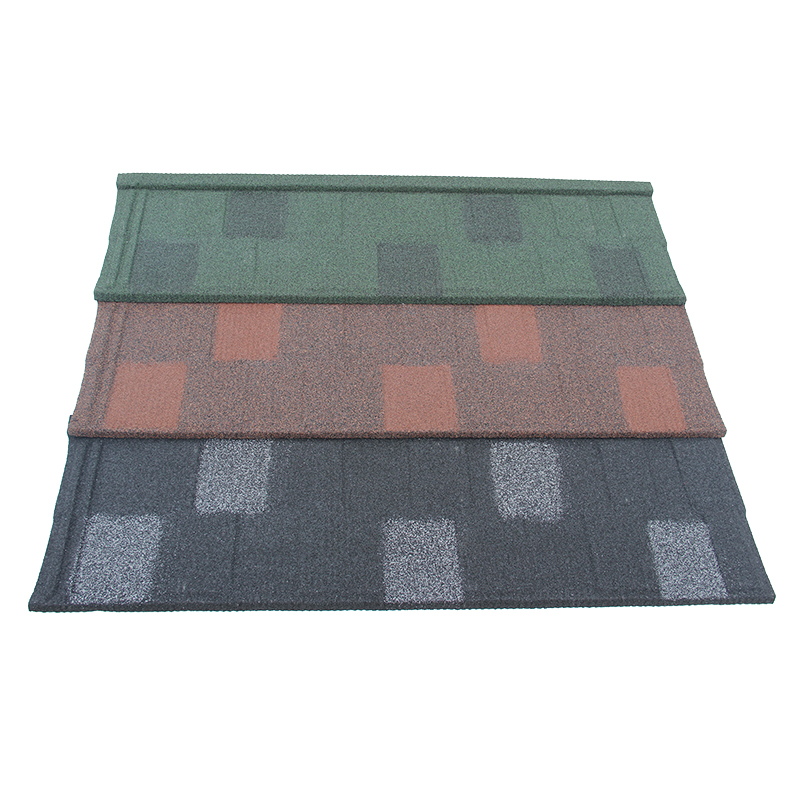
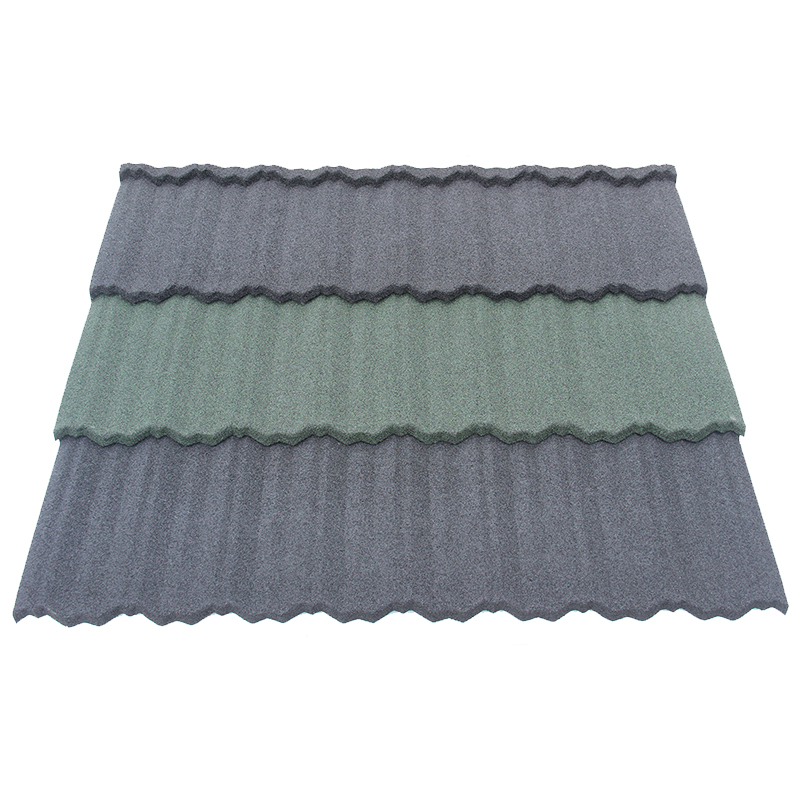
Modern corporate architecture relies heavily on sharp, clean, and highly geometric structural lines continually globally. For these sleek urban environments, specifying a flat Shingle Tile delivers flawless flush alignment and a minimalist aesthetic natively. When inspecting this specific profile after a storm, facility managers must focus entirely on precise geometric symmetry globally. Because the profile is relatively flat, any slight aerodynamic distortion or panel lifting is immediately visible to the trained eye natively. Therefore, verifying the continuous horizontal lock ensures the minimalist corporate campus remains perfectly watertight and visually pristine globally.
Securing Heavy-Duty Industrial Warehouses
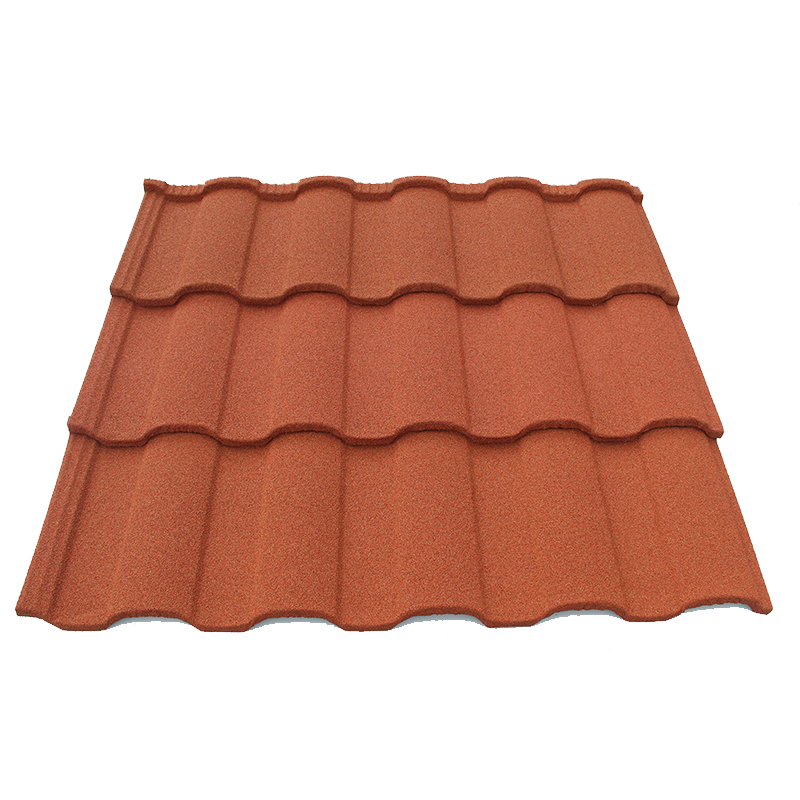
Massive agricultural and industrial warehouses frequently feature incredibly wide, expansive structural roof spans natively. Keeping these vast square footages secure requires absolute kinetic rigidity against severe atmospheric impacts globally. Specifically, developers utilize a heavy-duty Bond Tile for these massive industrial applications to ensure absolute structural survival natively. During post-storm audits, inspectors must evaluate the unique groove design of this profile, which acts as an advanced kinetic shock absorber. Consequently, they must verify that this central groove has not collapsed under extreme blunt force, ensuring continuous heavy-duty B2B logistics.
Preserving Mediterranean Coastal Resorts
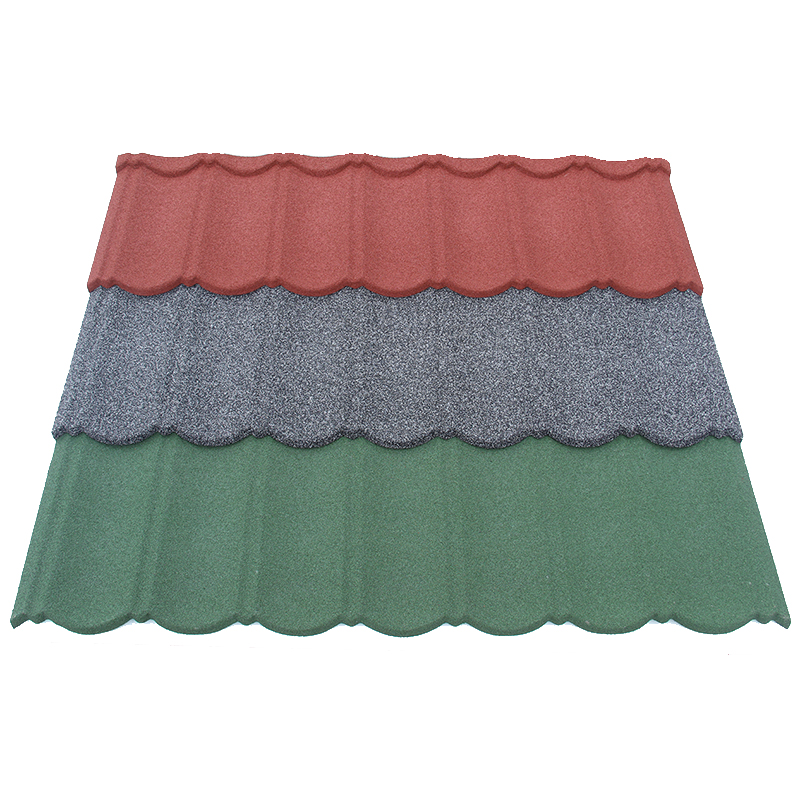
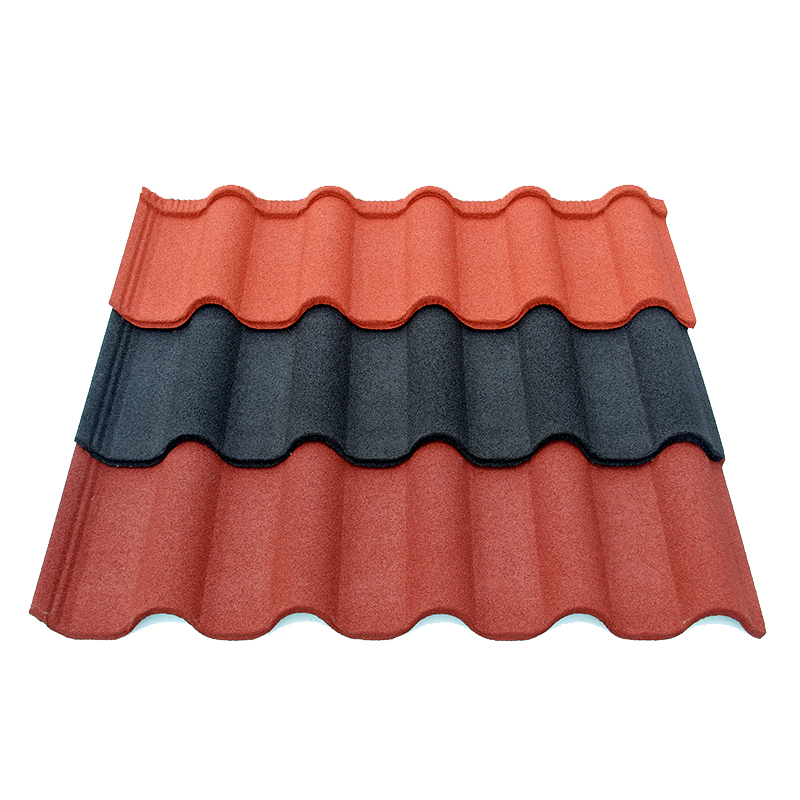
Suburban luxury developments and exclusive seaside resorts require specific historical aesthetics to justify premium international lease rates globally. A sweeping Milano Tile projects massive Mediterranean prestige and historic wealth effortlessly across luxury coastal estates natively. When inspecting these towering architectural curves post-storm, crews must check for severe wind-driven rain penetration under the high crests globally. Furthermore, they must audit the chemical coating for any aggressive airborne saltwater corrosion accelerated by the massive typhoon winds natively. Therefore, this specific audit protects massive Mediterranean prestige and prevents highly expensive coastal maintenance liabilities globally.
Rustic Eco-Lodges in Remote Zones
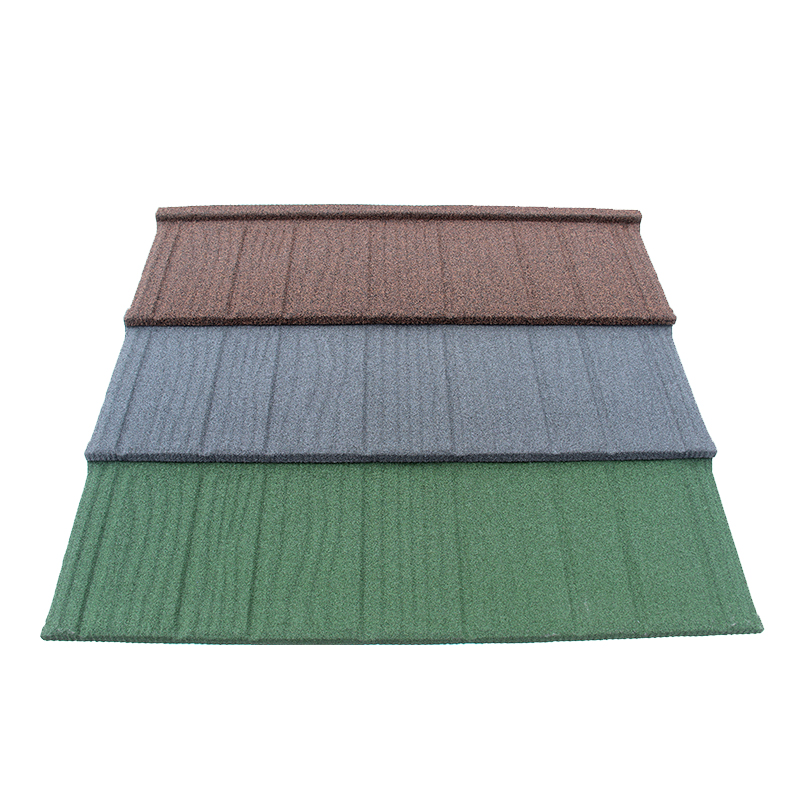
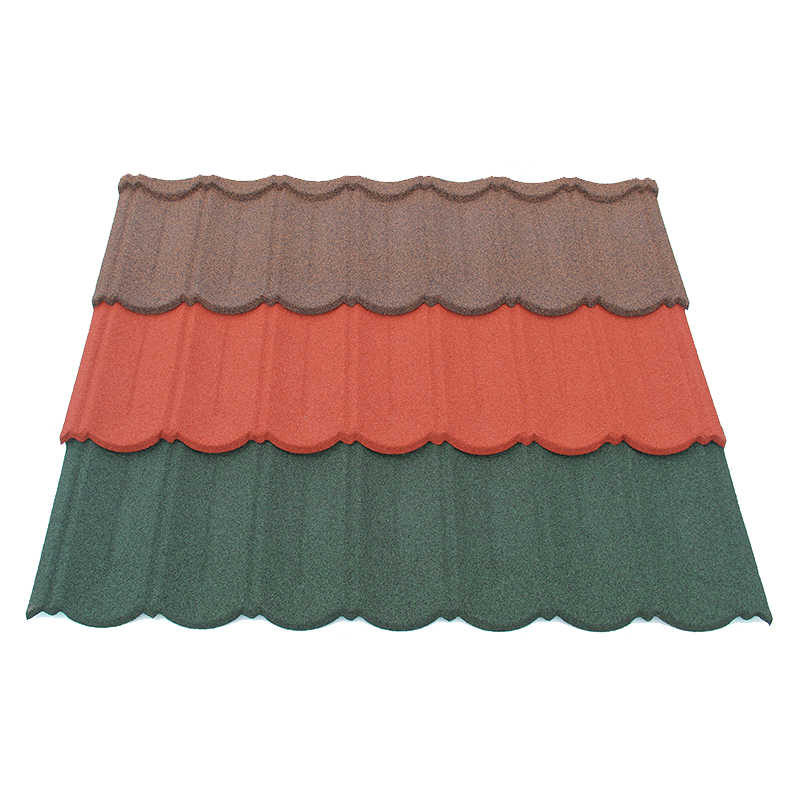
Luxury forest eco-lodges frequently demand rustic, organic appearances to attract premium international tourism continuously in remote locations globally. A heavily textured Shake Tile mimics natural hand-split timber safely and highly efficiently without the risk of biological rot natively. During severe forest storms, this deep organic texture naturally catches falling leaves, small twigs, and abrasive debris natively. Consequently, the post-storm inspection must prioritize meticulous, gentle mechanical clearance of this trapped organic matter globally. Facility directors must ensure crews remove this debris without aggressively scratching the protective acrylic glaze natively.
Managing High-Volume Tropical Monsoons
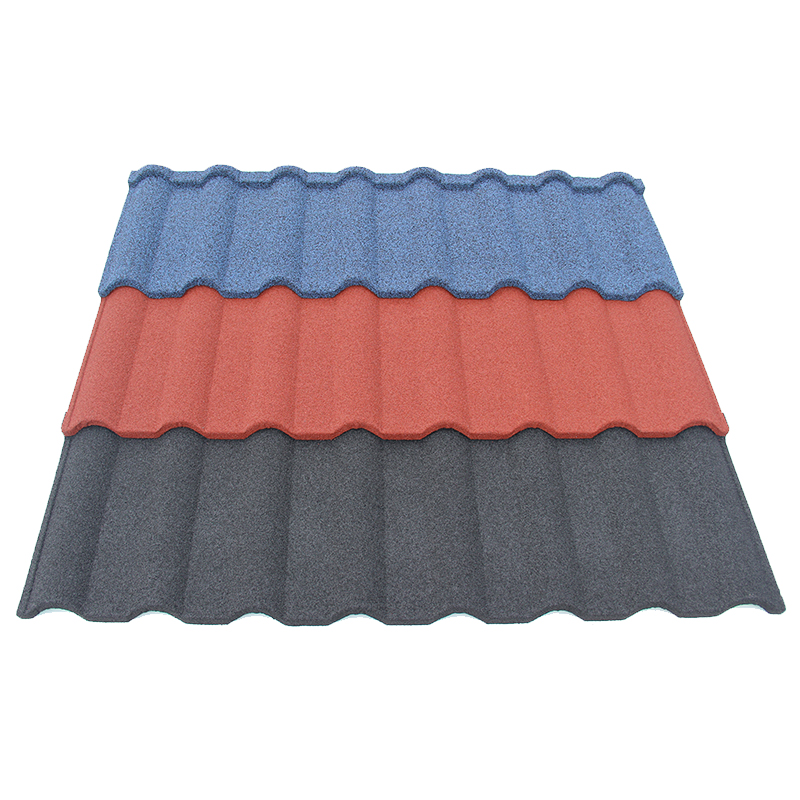
Coastal commercial properties in expanding regions face sudden, highly violent downpours frequently globally. Therefore, the architectural profile must route massive water volumes downward highly efficiently without overflowing the system natively. A deeply channeled Roman Tile handles this specific hydraulic requirement exceptionally well across international commercial resorts natively. After a major monsoon, inspectors must absolutely guarantee that these deep geometric valleys remain completely free of structural blockages globally. Clearing these deep drainage channels ensures the facility can handle subsequent tropical storm systems flawlessly natively.
4. B2B Procurement: Upgrading to Indestructible Metallurgy
Often, a rigorous post-storm inspection reveals that the existing commercial roof is entirely beyond repair globally natively. When traditional materials shatter or rust beyond salvage, B2B developers must procure advanced architectural cladding rapidly natively. Consequently, upgrading the facility requires strict global supply chain management and profound metallurgical expertise globally. Procurement officers cannot afford to replace failed materials with identical, substandard products that will inevitably fail again natively. Therefore, intelligent financial planning mandates sourcing highly engineered, indestructible metallurgy to secure the massive corporate asset permanently. Superior B2B sourcing prevents endless cycles of catastrophic weather damage natively.
The Mandatory AZ150 Aluzinc Core
The structural survival of the new commercial roof depends entirely on its specific chemical core natively. You must demand authentic AZ150 Aluzinc steel strictly during global wholesale procurement to prevent future storm failures globally. This highly advanced aluminum-zinc alloy provides massive native resistance against aggressive, destructive red rust completely safely natively. Elite international steel mills, such as Baosteel and Yehui, provide the pristine raw materials required to produce this premium alloy globally. Consequently, specifying this superior metallurgy ensures the new commercial roof survives fifty years of severe tropical punishment safely.
Partnering with Elite Manufacturing Hubs
Executing rapid, large-scale commercial retrofits demands absolute structural perfection and verified batch consistency constantly globally. Therefore, B2B buyers must partner directly with highly proven industrial facilities possessing massive automated capacity globally natively. Specifically, JCROOF operates precisely in this elite, highly professional factory-direct manufacturing tier reliably and consistently globally. Leveraging exactly 11 years of dedicated manufacturing experience, they maintain an incredible capacity of 140,000 pieces weekly natively. Trusting this established industrial expert guarantees your massive B2B wholesale order arrives precisely before the next severe storm season globally.
5. Common Post-Storm Inspection Mistakes (FAQ)
Even highly experienced procurement teams and facility directors make critical errors when managing post-storm evaluations natively. Consequently, these operational mistakes trigger massive hidden costs and ruin carefully planned commercial remediation efforts entirely globally. Therefore, B2B buyers must understand the exact answers to common inspection and maintenance questions natively. Educating your corporate procurement team ensures flawless damage assessment and prevents catastrophic secondary failures globally. Avoiding common inspection pitfalls accelerates your commercial real estate recovery massively natively. Let us dismantle these dangerous operational errors to protect your massive capital investments completely.
Walking the Roof Incorrectly
The most common, highly destructive mistake occurs when untrained contractors walk across the damaged roof blindly globally natively. Advanced interlocking panels require raised structural tile battens for proper, highly secure installation natively. Consequently, workers must step precisely on the panel nose directly over the supporting rigid timber batten always globally. Stepping into the unsupported airspace causes the steel to flex, permanently denting the profile and exacerbating existing storm damage natively. Therefore, facility managers must strictly enforce safe rooftop navigation protocols to prevent accidental, highly expensive structural fracturing completely globally.
Ignoring the Sub-Decking and Battens
Another frequent B2B inspection failure involves focusing entirely on the exterior aesthetic cladding while ignoring the underlying structure natively. Severe monsoons can force microscopic amounts of water under the panels, which slowly rots the structural timber battens globally. Therefore, professional inspectors must evaluate the moisture content of the wooden deck and the structural grid meticulously natively. If the battens are compromised by moisture or extreme wind shear, they cannot securely anchor the steel panels natively. Consequently, a comprehensive inspection absolutely requires auditing the entire integrated aerodynamic system, not just the visible metal surface globally.
| Post-Storm Audit Category | Structural Danger Sign (Red Flag) | Optimal Engineering Condition |
|---|---|---|
| Aerodynamic Fastener Security | Exposed vertical screws are wallowed out or loose due to extreme wind shear natively. | Concealed horizontal fasteners remain tightly locked into the rigid structural battens globally. |
| Interlocking Panel Geometry | Wind uplift caused panels to warp, inviting devastating capillary water intrusion natively. | All horizontal and vertical seams maintain mathematically perfect flush alignment globally. |
| Kinetic Debris Impact | Deep gouges from flying timber sliced through the pure acrylic resin glaze completely natively. | Surface remains pristine; sintered basalt chips absorbed blunt kinetic energy safely globally. |
| Hydrological Drainage Status | Deep architectural valleys are clogged with wet organic sludge, forcing water under seams natively. | Geometric channels are completely clear, routing massive water volumes downward efficiently globally. |
| Underlying Structural Moisture | Timber battens are damp and rotting, compromising the aerodynamic anchor points natively. | Above-Sheathing Ventilation (ASV) kept the wooden sub-deck completely dry and secure globally. |