

Stone coated metal roof vs asphalt shingles noise insulation is a question that comes up often once buyers move past lifespan and cost comparisons. A roof that performs well structurally but turns every rainstorm into an indoor noise event creates a real quality-of-life problem. Thermal performance matters just as much, since a roof that traps heat drives up cooling costs year after year. This guide breaks down how these two materials actually compare on noise reduction and heat management, and which project types benefit most from each approach.
Why Noise and Thermal Performance Matter as Much as Durability
Most roofing comparisons focus on lifespan, cost, and weather resistance. Noise and thermal comfort rarely get equal attention despite affecting daily living experience directly. A homeowner who replaces a quiet asphalt shingle roof with a metal system that amplifies rain noise has made a functional upgrade that creates a new problem. Understanding these comfort factors before purchase prevents this kind of trade-off from becoming a regret.
Rain Noise Affects Living Quality More Than Most Buyers Expect
Metal roofing has a long-standing reputation for amplifying rain noise, which concerns buyers used to the quieter sound profile of asphalt shingle. This reputation is not entirely unfounded, but it depends heavily on installation details that most general comparisons overlook entirely.
Thermal Performance Compounds Over the Building’s Lifetime
A roof that absorbs and retains heat increases cooling costs every summer for decades. The cumulative financial impact of poor thermal performance often exceeds the upfront price difference between competing materials, particularly in hot or tropical climates.
Breaking Down the Noise and Thermal Differences Between These Two Materials
Stone coated metal roofing and asphalt shingles handle noise and heat differently at every layer of the installation. The comparison is not simply metal versus shingle at the surface level. Underlayment, ventilation, and profile design all contribute significantly to the final comfort outcome. The table below outlines how these two materials compare across the key comfort factors.
| Comfort Factor | Asphalt Shingles | Stone Coated Metal Roofing Tile |
|---|---|---|
| Rain Noise Without Underlayment | Moderate, granule surface absorbs some impact | Higher without proper underlayment and battens |
| Rain Noise With Proper Underlayment | Low to moderate | Comparable to asphalt, significantly reduced |
| Surface Heat Absorption | Higher, dark asphalt absorbs heat readily | Lower, reflective granule coating reduces absorption |
| Thermal Performance With Ventilation | Moderate, depends heavily on attic ventilation | Strong, coating and air gap design reduce heat transfer |
Rain Noise: Where the Real Difference Comes From
Stone coated metal roofing installed over a proper underlayment and batten system produces significantly less rain noise than bare metal sheet. The granule coating absorbs surface impact energy, while the underlayment and air gap beneath the tile reduce transmission to the structure below. Asphalt shingle’s granule surface also absorbs some impact, but it lies flat against the deck without the additional air gap a batten system creates.
Surface Heat Absorption and Reflective Coating
Standard dark asphalt shingle absorbs a substantial share of incoming solar radiation, which raises surface temperature and transfers heat into the attic space below. A stone coated metal roofing tile with a reflective granule coating reflects more of this energy, reducing surface temperature and lowering the thermal load on the building’s cooling system.
Ventilation Design and Its Role in Thermal Comfort
Neither material delivers strong thermal performance without adequate attic ventilation. However, stone coated metal roofing’s batten installation method naturally creates an air gap that assists passive heat dissipation, giving it a structural advantage over flat-installed asphalt shingle in high-heat conditions.
How These Comfort Differences Play Out Across Project Types
Noise and thermal comfort priorities shift depending on the building’s use, climate, and construction type. The following examples show how these differences translate into real project decisions.
Coastal Homes With Frequent Heavy Rain
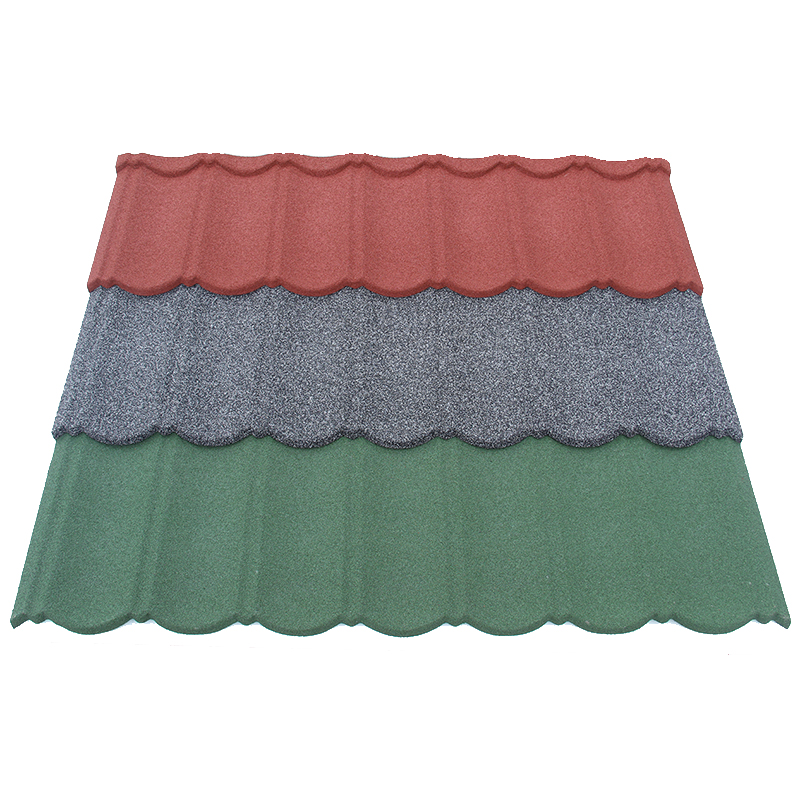
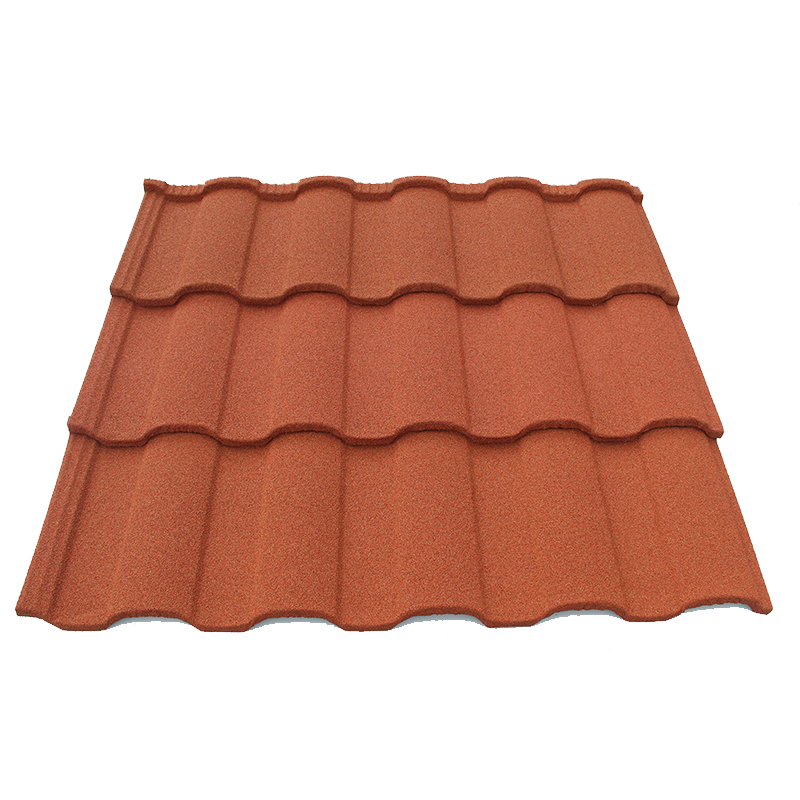
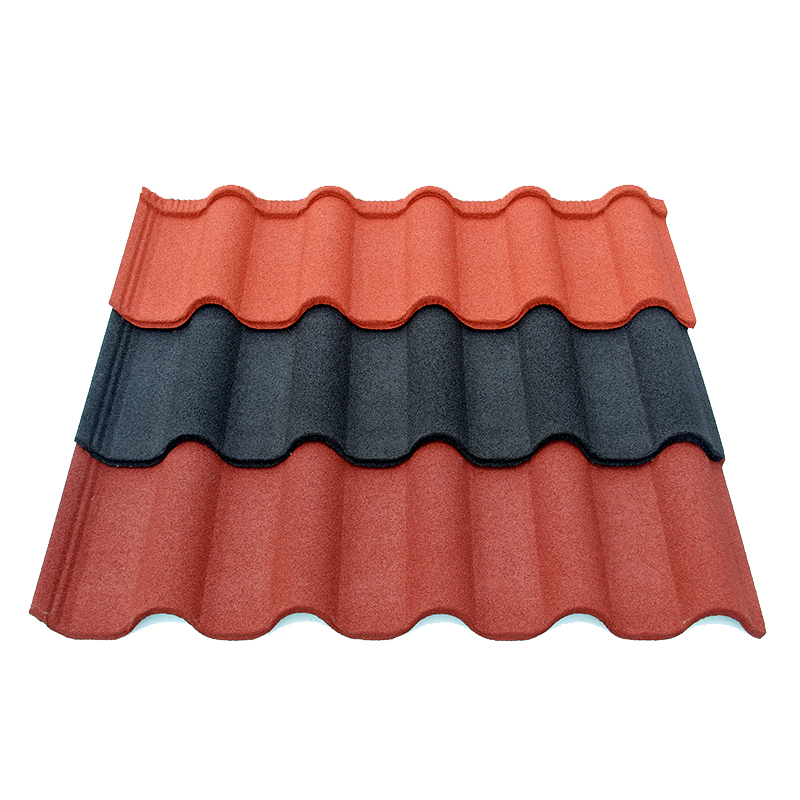
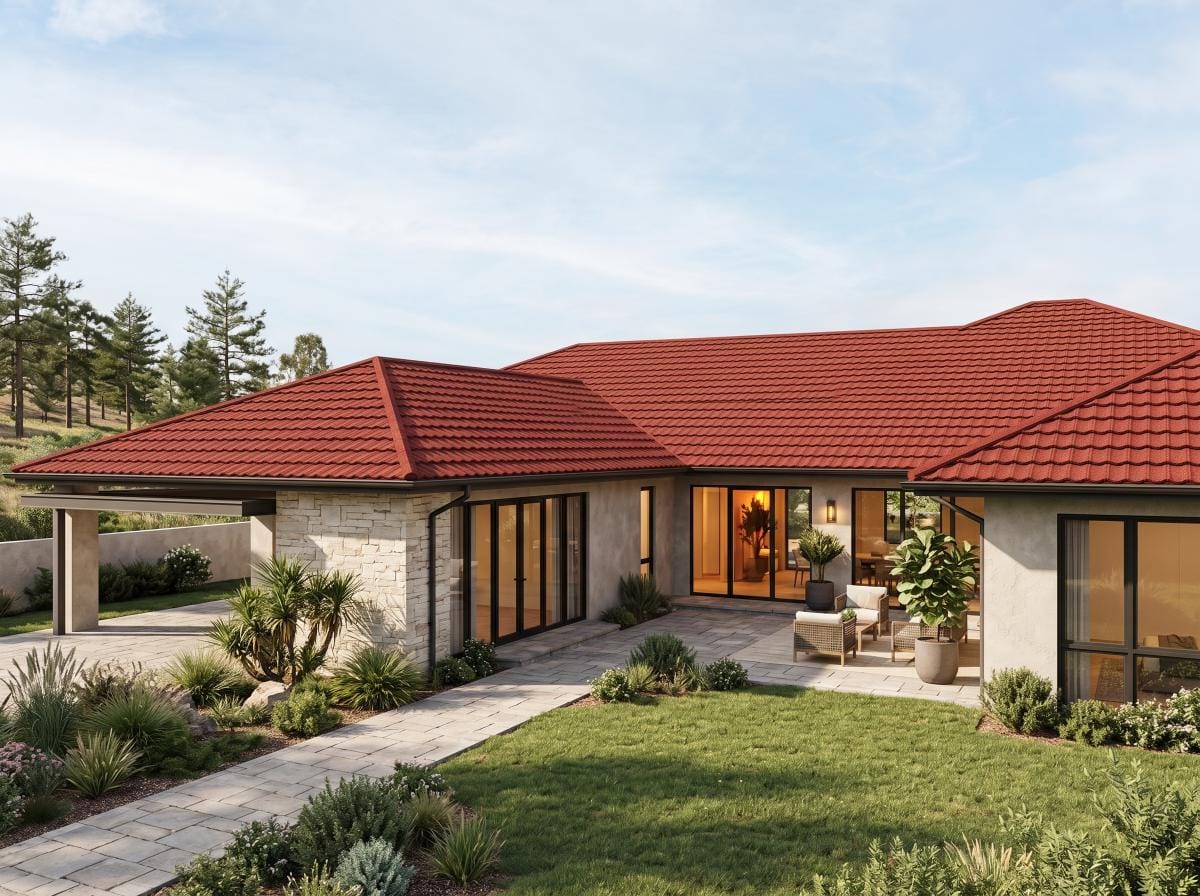
Coastal properties in high-rainfall regions benefit most from the noise reduction that proper underlayment brings to a stone coated system. A Bond Tile installation with quality underlayment and battens delivers rain noise performance comparable to asphalt while adding the corrosion resistance coastal conditions demand.
Hot Climate Residential Projects
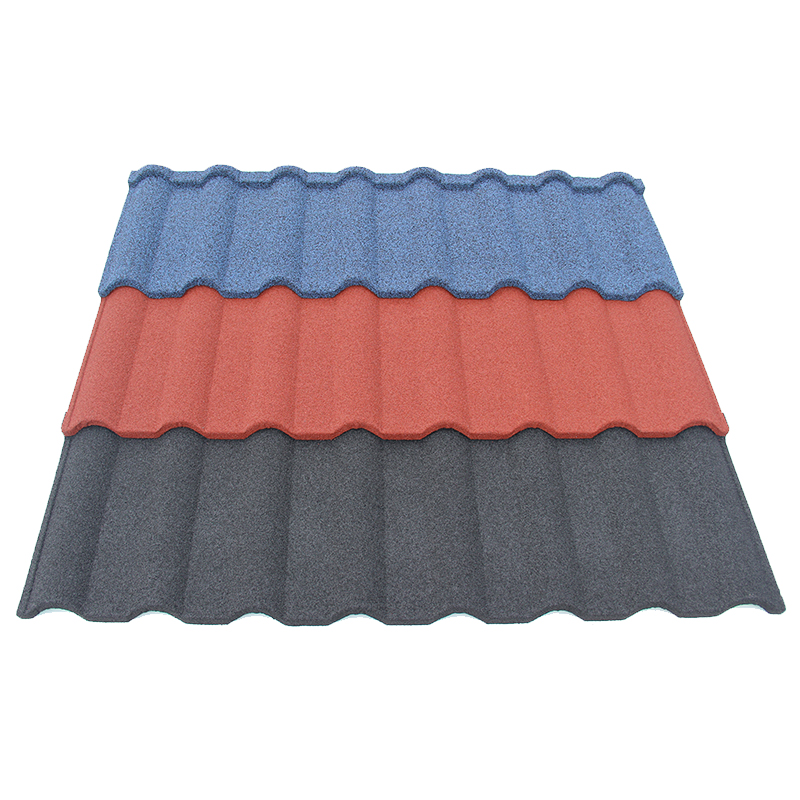
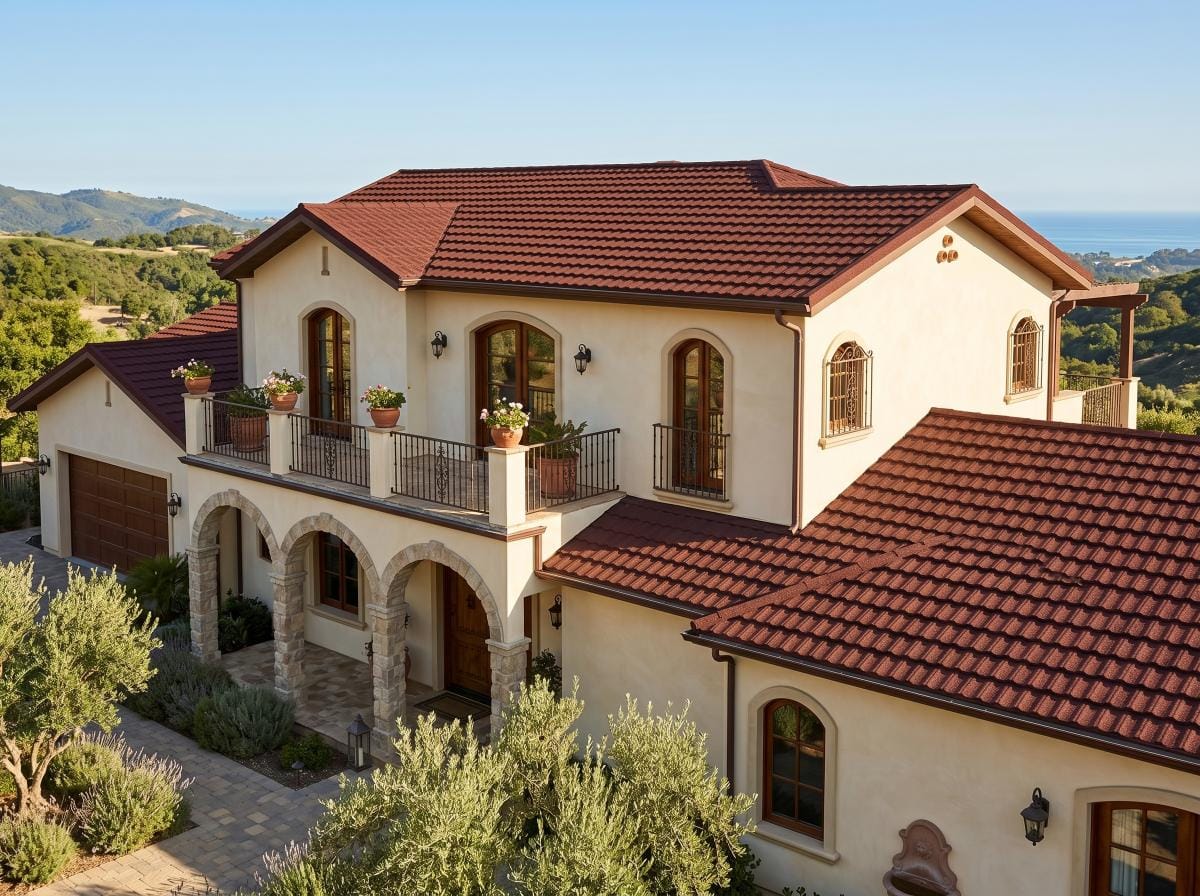
Homes in tropical or desert climates gain the most from stone coated roofing’s thermal reflection advantage. A Roman Tile profile with a light-colored reflective coating reduces surface temperature significantly compared to dark asphalt shingle, lowering cooling loads through peak summer months.
Suburban Renovation Projects Prioritizing Quiet
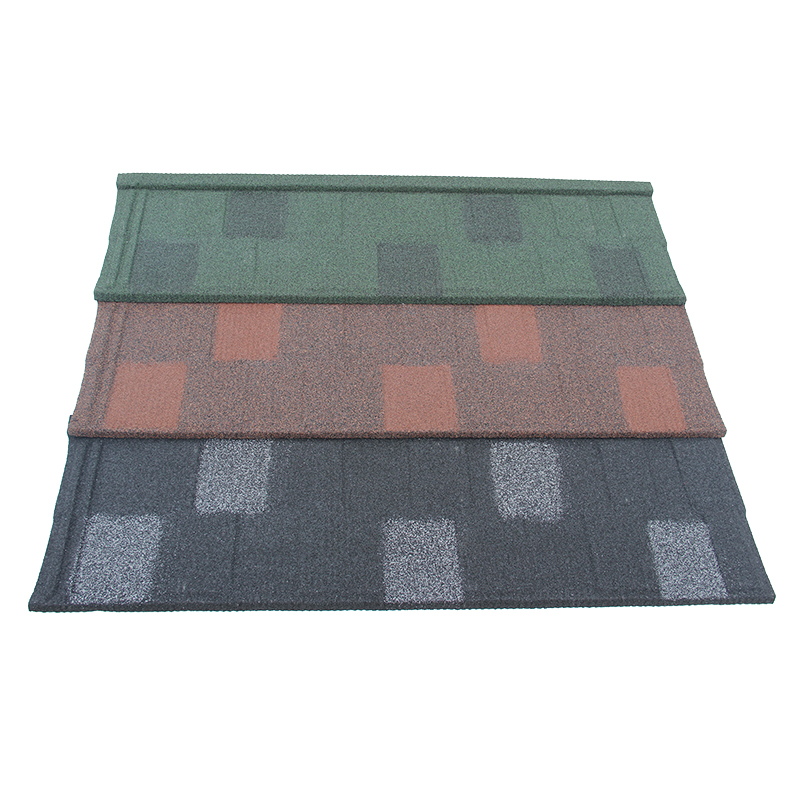
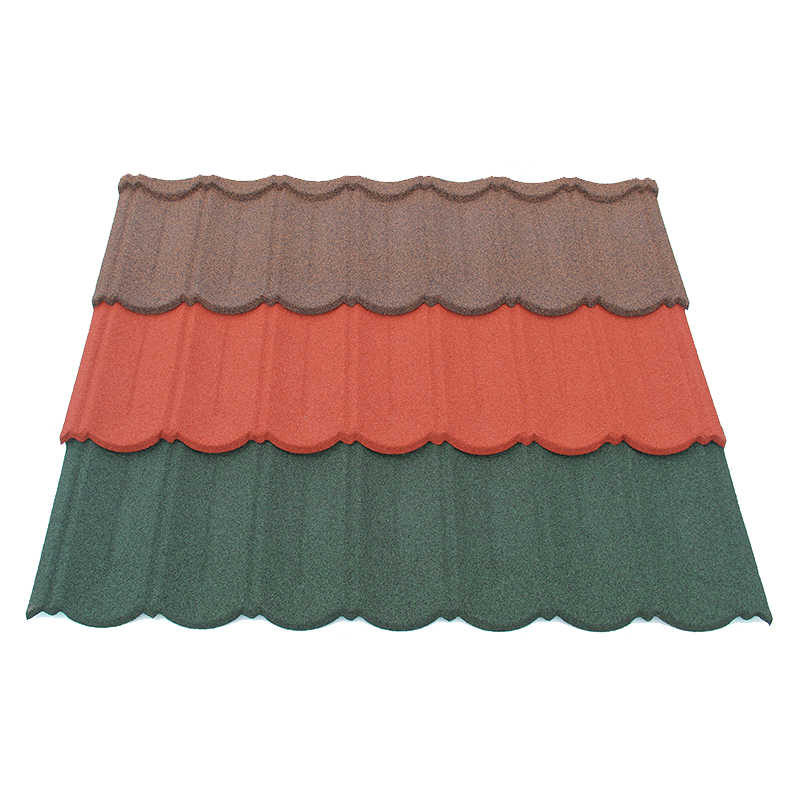
Homeowners replacing asphalt shingle and concerned about rain noise should confirm underlayment and batten specifications before choosing a stone coated system. A Shingle Tile profile installed with acoustic underlayment performs quietly enough that most occupants notice no meaningful change from their previous asphalt roof.
Architectural and Design-Focused Builds
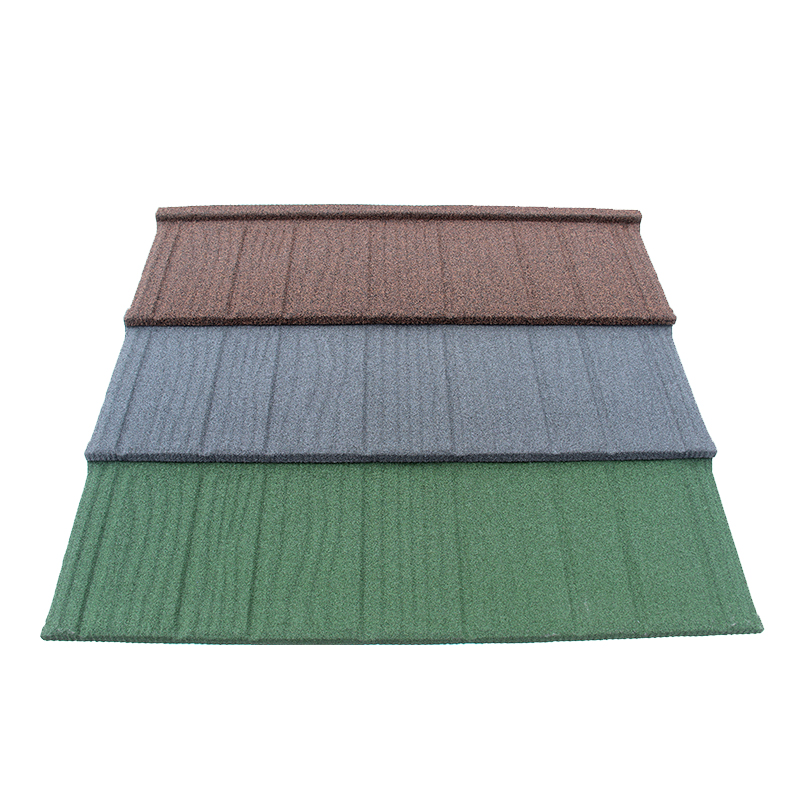
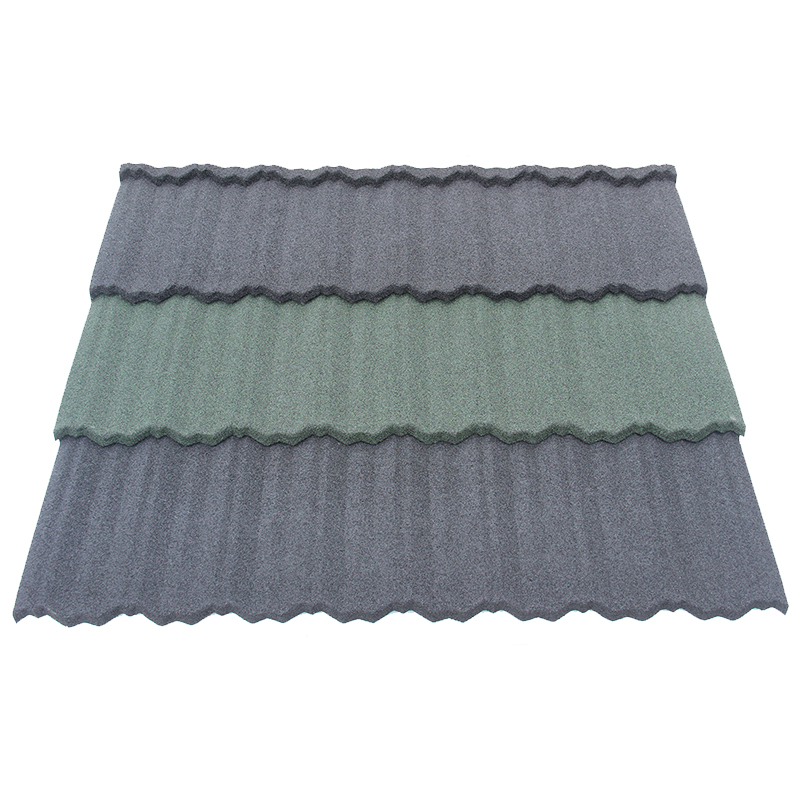
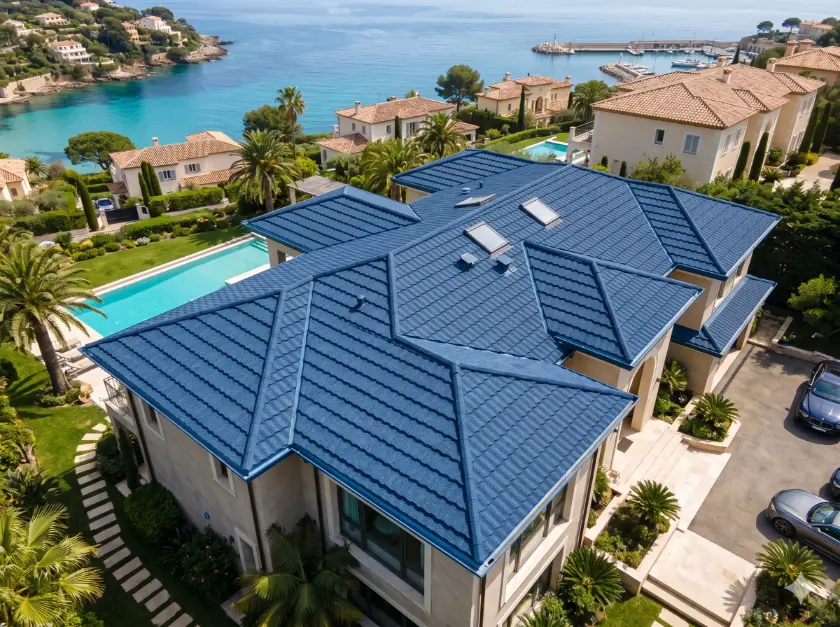
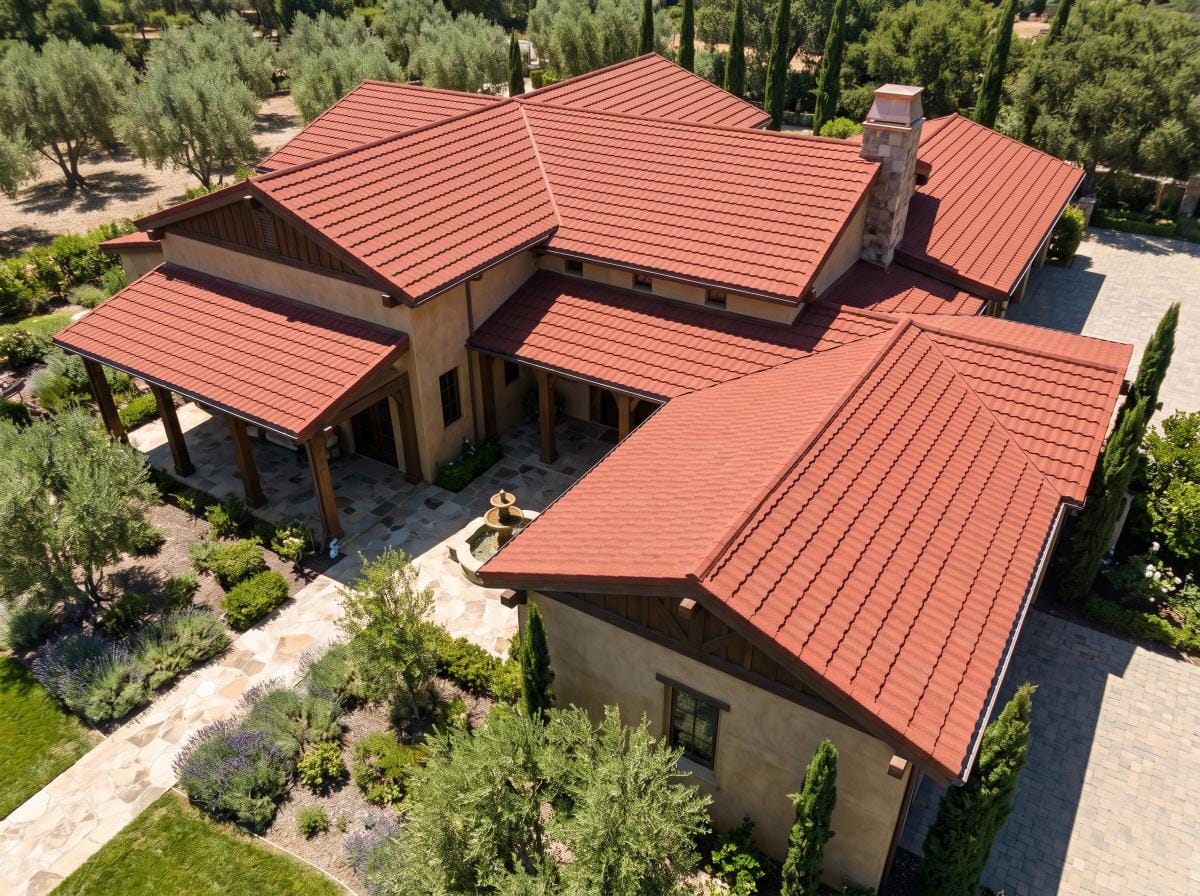
Design-focused projects that also prioritize thermal comfort sometimes work with suppliers such as JCROOF to specify a Milano Tile profile with a light reflective coating, balancing aesthetic goals with measurable thermal performance improvement over standard asphalt. Rustic-style builds choosing a Shake Tile profile gain similar thermal benefits, since the granule coating reflects more heat than dark asphalt shingle regardless of the surface texture.
Common Misconceptions About Metal Roof Noise and Heat
Several widely held beliefs about metal roofing noise and thermal performance mislead buyers during the comparison process. Clearing these up leads to more accurate expectations before installation.
Believing Metal Roofing Is Always Noisy
This assumption applies to uninsulated metal sheet installed directly on a flat deck. Stone coated metal roofing tile installed over proper underlayment and battens performs very differently. Buyers should evaluate installation specifications, not just material category.
Assuming Asphalt Shingle Always Performs Better on Noise
Standard asphalt shingle without quality underlayment also transmits significant rain noise, particularly as the shingle ages and granules loosen. The comparison is not as straightforward as material type alone suggests.
Overlooking Ventilation as the Primary Thermal Variable
Neither material controls heat effectively without adequate attic ventilation. Buyers who upgrade roofing material without addressing ventilation often see little improvement in indoor thermal comfort despite the material change.
- Confirm underlayment and batten specifications before comparing noise performance
- Request reflectivity data for specific coating colors, not general product claims
- Assess attic ventilation before assuming a material change will improve thermal comfort
- Compare thermal performance data specific to your climate zone
- Ask for acoustic underlayment options if noise reduction is a priority
Making the Right Choice Based on Comfort Priorities
Choosing between stone coated metal roofing and asphalt shingles on noise and thermal grounds comes down to matching installation specifications to comfort priorities. Material category alone does not determine the outcome. Proper underlayment, ventilation design, and coating color all contribute significantly to the final result.
Questions to Ask Before Making a Comfort-Based Roofing Decision
Ask for specific underlayment and batten requirements for any stone coated metal roof vs asphalt shingles noise insulation comparison. Confirm reflectivity ratings for the coating color under consideration and verify ventilation design matches the building’s thermal needs.
Stone coated metal roofing and asphalt shingles compare differently on noise and thermal performance than most buyers expect. Proper installation specifications close much of the noise gap, while coating reflectivity and ventilation design together determine the real thermal outcome. Buyers who evaluate these details consistently make comfort-based roofing decisions that hold up through years of actual occupancy.