


Stone coated metal shingles reroofing starts with a competent review of the existing roof and the proposed replacement system. Confirm what must come off, what may remain, and which local requirements apply. Then source the exact panels and parts for that accepted scope. A light panel does not establish that an existing roof is suitable.
For importers and project buyers, early product choices can shape the whole order. Yet a supplier may know little about the building behind an inquiry. Therefore, give the project context before seeking a firm offer. Keep site findings and product records linked throughout the buying process.
The aim is a clear supply package that the local project team can assess and use. It should identify the roof system, required parts, open questions, and approval owners. Buying attractive shingles alone leaves many of those decisions unresolved.
Define the stone coated metal shingles reroofing scope
First, state what the project intends to replace. Reroofing can involve removing the existing covering or retaining specified layers under an accepted design. These routes need different work and review. Do not let the same broad word hide a change in the quoted scope.
Separate replacement from a proposed overlay
Ask the contractor to describe removal and retained layers in writing. Also identify the basis for any proposal to cover existing roofing. The actual condition, product instructions, and local requirements must support that plan. An example from another building cannot settle your project.
Avoid assuming that battens make any existing roof suitable for an overlay. Likewise, direct-to-deck describes a support arrangement rather than blanket permission to retain old layers. The batten and direct-to-deck guide explains why the exact assembly documents matter. Use it to frame questions for the project team.
A supplier’s statement that a product suits reroofing still needs context. Ask which existing roof types and arrangements the relevant documents address. Then check those limits against the proposed work. Leave any mismatch open until the responsible reviewer resolves it.
Give the project a shared brief
Record the location, building use, roof layout, and known existing covering. Include the intended finish and the project team’s contact details. Also show the current stage of assessment. A preliminary inquiry should not imply that site approval is already complete.
Name who owns the site inspection, technical review, supply scope, and installation contract. Some roles may sit with the same business, but still need clear duties. Then state who can approve a change. The buying team should know where to send unanswered questions.
If the owner plans solar equipment, rooflights, or other later work, mention it early. Ask the project team to consider how those needs affect the roof proposal. Do not assume a future opening can use any available flashing. A complete brief helps avoid late changes to ordered parts.
Obtain a competent existing roof assessment

Ask a qualified local roofing professional to assess the existing roof within the project’s required scope. They should identify what they checked and what remains unknown. Further specialist review may be needed for structural or other concerns. Purchasing staff should use those findings rather than make their own capacity judgment.
Record findings and unresolved conditions
Request a written account of the covering, layers, deck, supports, and visible problem areas. Also ask how the review addresses signs of leaks or earlier repairs. Keep its limits clear. A brief visual visit may not establish every hidden condition.
If further investigation is needed, let competent professionals plan and perform it. Do not treat a sales photograph as a substitute. The buyer’s role is to record the result and its effect on the order. Keep technical conclusions with their named source.
Where deck repairs or other work remain uncertain, show them as open items. Agree how the contractor will price and approve changes after further findings. An unknown repair cost should not appear as zero. This helps the owner understand the true state of the budget.
Check the local approval route
Ask the local project team which permits, inspections, and product records the jurisdiction requires. Confirm who obtains them and at what stage. Also identify any relevant planning or appearance restrictions through the appropriate parties. Rules from another country or city do not automatically apply.
A foreign test report may help product review without completing the local approval process. Ask the qualified reviewer to explain its relevance and limits. Do not treat a certification logo as permission to install over existing roofing. The approval route needs to match the actual building and system.
Keep any conditions of acceptance with the design and purchase records. These may affect product selection or the work scope. If the roof proposal changes later, ask whether the earlier review still applies. A new panel or support detail can reopen an accepted question.
Match the proposed shingles to a documented assembly
Identify the exact maker, model, finish, and offered version before comparing quotes. Then request the current installation guide and supporting records. The documents should describe the proposed roof arrangement. Similar looking shingles may use different parts and fixing details.
Read evidence for its stated conditions
QAI’s CERus-1008 evaluation provides a useful example of scoped reroofing evidence. It identifies named Unified Steel products and distinguishes assembly conditions in its tables. Those conditions concern the listed products. They do not approve an overlay using another manufacturer’s shingles.
Use that reading approach for the actual product under review. Check the named profile, substrate, roof layers, fixing arrangement, and limitations. Then ask the project adviser whether the evidence supports the proposed use. Do not lift one favorable rating out of a different assembly.
For a Shingle Tile request, ask the supplier for the current proposed specification and relevant documents. Include the known existing roof details. Keep any claimed reroofing suitability limited to the confirmed scope. A general product page cannot resolve site conditions by itself.
Complete the junction and support package
Existing roofs bring fixed walls, edges, openings, and drainage points into the new design. Ask the project team to review how the replacement system meets them. Retaining old flashings should also need an assessed basis. Do not assume a part remains suitable because it is already on site.
Use the shingle junction accessory guide to organize the proposed supply list. Name the required parts, codes, quantities, and drawing references. Also identify locally supplied items. A shipment described as complete needs a detailed scope behind that word.
The project reviewer should assess the actual deck, support arrangement, and fastening documents together. Avoid prescribing these details from a general buying article. Instead, record which accepted drawing controls each question. Then include those references in the final order file.
Compare the full project cost and delivery plan
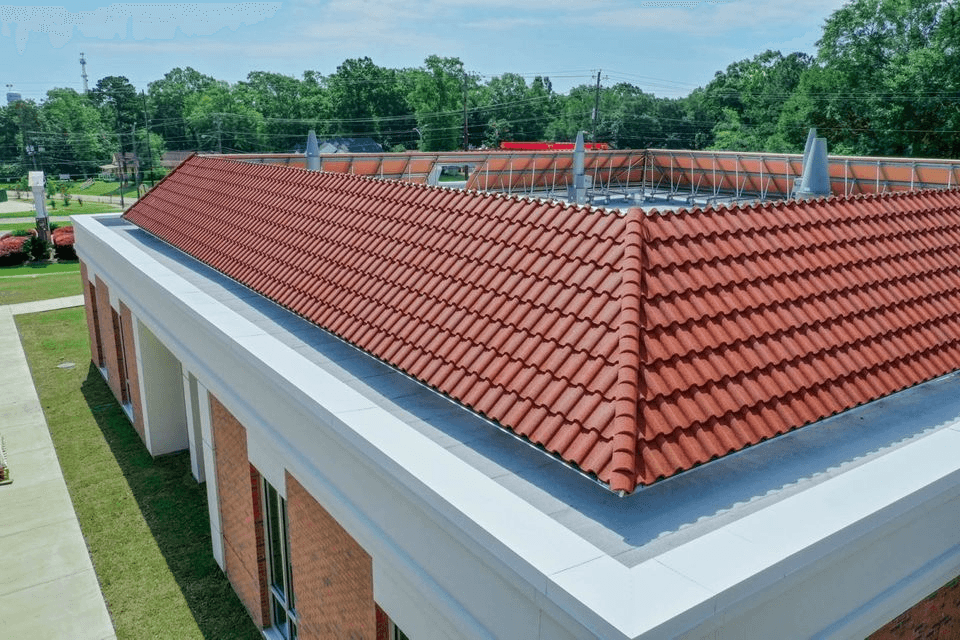
Build the budget from the accepted work scope. Separate roofing goods, transport, site work, and any open allowances. This makes two offers easier to compare. A lower panel price can sit beside a larger cost for missing parts or preparation.
Show each cost and its owner
Ask the contractor to price removal, disposal, deck work, access, and installation where relevant. The supplier should state its goods, packing, and delivery basis. Also record who handles shortages or damaged goods. Do not leave these duties between separate contracts without an owner.
Use the same roof area and product coverage basis across offers. Keep cuts, layout needs, and agreed spare quantities visible. A container quantity may differ from the amount one project needs. Record the balance in the stock plan rather than hiding it in roof coverage.
| Buying issue | Record needed before commitment |
|---|---|
| Existing roof | Assessment findings, limits, and open work. |
| Proposed assembly | Exact product and accepted document references. |
| Supply scope | Panels, parts, quantities, and excluded items. |
| Site scope | Removal, repairs, access, and installation duties. |
| Cost | Confirmed prices, estimates, and open allowances. |
| Timing | Approval, production, delivery, and site dependencies. |
If an offer assumes an overlay, show that assumption prominently. Do not compare it with full removal as though both cover the same work. First ask whether each route has an accepted project basis. Only then compare the price and practical differences.
Link delivery to site readiness
Ask the contractor which product decisions must close before work starts. Also identify the storage and delivery arrangements for the site. An occupied building may need a carefully coordinated work sequence. Let the local contractor plan protection and access for the actual conditions.
Confirm the supplier’s proposed schedule and the decisions on which it depends. Avoid turning an estimated production date into a guaranteed site start. Freight, inspection, and local work each have their own scope. Keep the schedule updated when those conditions change.
When discussing an order with JCROOF, send the project brief and proposed product list together. Ask the supplier to state its offered version and open document questions. Keep the reply with the quote. A clear inquiry improves the record without replacing local roof assessment.
Release the order and retain a usable project record
Before release, check that the final quote matches the accepted product and project scope. Reconcile its codes, finish, parts, and drawing revisions. Also identify any conditions that must close before installation. A purchase order should not disguise unresolved design questions as supplier instructions.
Control changes when existing conditions differ
Agree a process for findings that change the accepted plan. The responsible professional should assess the issue and proposed response. Then record the effect on product, parts, cost, and timing. A site discovery should not lead to an informal material substitution.
If another shingle or support method becomes necessary, review its documents before accepting it. Check whether earlier evidence and approvals still apply. Also update the installer and receiving teams. Each should work from the same current record.
On receipt, compare the goods with the order and packing list. Record mismatched codes, damage, or shortages while keeping the items identifiable. Ask the responsible team to assess any proposed substitute. A logistics problem should not quietly change the approved roof detail.
Keep records for care and later work
Retain the supplied product identity, final drawings, relevant inspections, and warranty terms. Also give the owner the applicable care and access guidance. A broad material name does not explain how to maintain the completed system. Future contractors need the actual roof records.
Before later additions or repairs, the owner should consult suitable professionals using those records. Ask how changes affect the roof and any applicable warranty duties. Do not infer safe access or attachment points from a marketing image. Clear records make that later review easier.
After completion, gather confirmed supply and installation questions from the project team. Use them to improve the next sourcing brief. Keep lessons linked to the relevant product and conditions. This supports repeat business without turning one successful job into a universal overlay claim.
Sourcing shingles for an existing roof? Send us an inquiry with your destination, proposed profile, and assessed project needs. Our team will reply and help clarify the supply documents.












