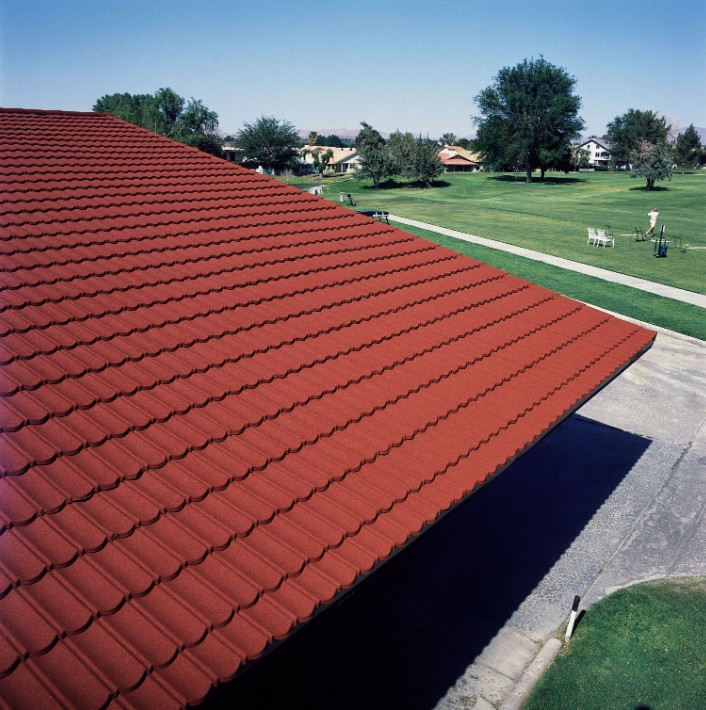
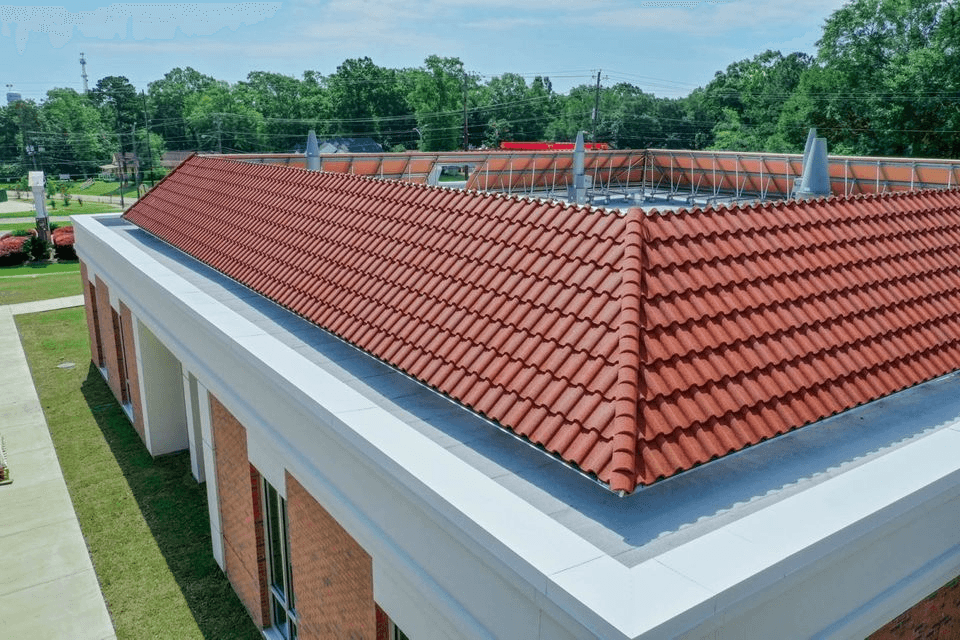
When comparing stone coated shake roofing wood look colors, start with the tone and contrast your customers want. Shortlist a few shades, then check them on full panels in the same light. Approve each finish against a named physical sample before you release the order.
A wood look can range from a warm brown to a muted gray with brown accents. Those descriptions help start a search. The finish code and accepted sample are what let the buyer and supplier agree on a specific choice.
For a distributor, each shade needs a clear place in the range. A shade that suits one project may have little use as regular stock. Use customer requests and actual samples to decide where each choice belongs.
Shortlist stone coated shake roofing wood look colors

Start by asking what customers mean by wood look. They may picture the warm tone of fresh wood or the cooler look of an aged roof. Ask which parts of the look matter most to them.
Use clear descriptions when you speak with a supplier. For example, a buyer might ask for a medium brown with a soft gray accent. A second buyer might prefer a gray-brown that reads as one broad tone.
Treat these descriptions as a brief for the first samples. The named shades in a brochure may differ from the tones the buyer has in mind. Use the supplier’s current codes as soon as you have a shortlist.
Give each shade a role in the range
Review recent dealer requests and quotes if you have them. Note which tones recur and which came from a single project. Keep firm demand separate from the shades you want to test.
A warm brown may be worth showing to customers who ask for a rich wood tone. A muted blend may suit those who want a softer look. Compare samples with the walls and trim they plan to keep.
Ask which finishes the supplier offers on Shake Tile. Confirm the available combinations for the order before you put them in a catalog. One clear sample per proposed line helps dealers explain the range.
Give each added shade a job and a plan for stock. You can use a separate project route when a color has demand only for a named job. Private label roofing product range guide
Separate the main tone from the accents
Write down the main tone first. Then look for lighter or darker flecks and note how much they stand out. Two samples can read as brown from afar while showing different accents up close.
Agree whether each option should read as one tone or a visible mix. A subtle blend can look calm at a distance. A more marked blend can show distinct patches across the same view.
Use a full sample to explain what the terms mean for this offer. Color names alone leave room for different guesses about shade and contrast. Solid and blended roof color guide
View the shortlisted shades in the same light
Set the panels next to each other. Keep their faces at the same angle and compare clean, dry surfaces. Move the whole set together if you want to compare a second light condition.
Choose the main viewing conditions before the final review. Write down the location, light, and distance you plan to use. That record helps the buyer and supplier repeat the comparison when they need to.
DECRA warns that light and digital displays can affect how its shake colors appear. Treat screen images as a way to build the shortlist. Check the actual finish before the buyer signs off. DECRA metal shake colors
Compare with the fixed parts of the building
Put the samples beside the siding, brick, stone, or trim they will meet. If you have small pieces of those materials, use them in the same light. Compare against the finishes that the project will keep.
Decide which surface should draw the eye. A customer may want the roof to blend with the walls. Another may prefer a darker roof that stands out from pale trim.
Avoid judging a shade in isolation when the concern is how two surfaces work together. Note which wall or trim sample you used. Include that reference in the review so later photos make sense.
Check the full face and the wider group
Look at a full panel to see how the shade sits on the raised parts and grooves. Then step back to see how the main tone reads. Check a group of panels when the buyer wants to judge the broad blend.
When a shadow seems like a change in color, compare the same area under the same light. Use a second view to see how the shadow moves. Keep the color comments tied to what you saw.
If the buyer prefers one sample in a close view and another at a distance, record both findings. Agree which view matters most for the sale. The chosen reference should reflect that choice.
Turn the shortlist into a clear color approval

Ask the supplier to name the finish and source of each panel. Record whether it comes from current stock or a proposed trial. If the sample differs from the planned order, ask which parts still need a new review.
When you send the shortlist to JCROOF, include the target tone, profile, and intended market. Ask which current finishes suit that brief. Keep the supplier’s reply with the sample details.
Use a separate decision for each accepted finish. Record the buyer code, supplier code, and sample version. Add the date, reviewer, and comparison method so a new team can use the same reference later.
Record the shade and contrast you accept
| Approval field | Detail to record |
|---|---|
| Main tone | Name the broad shade the buyer sees. |
| Accent tones | Describe any visible flecks or secondary shades. |
| Contrast | Record whether the buyer accepts a soft or strong mix. |
| Physical sample | Name the panel code and sample version. |
| Review setup | Record the light, distance, and sample angle. |
| Visible parts | List the accessory finishes included in the review. |
Use the table to describe your decision in plain terms. If you accept some visible change across a blend, agree how reviewers will judge it. Attach the accepted panel or group to that record by its code.
The approval may also use measured color if the parties agree a suitable method. Have the technical team name the tool, setup, and points to check. State how the reading will inform the decision.
Review the parts seen beside the panels
Ask which ridge, edge, or other visible parts the order includes. Decide whether the buyer expects the same finish or accepts a close tone. Compare the parts together when that relationship matters.
A part with a curved face can reflect light in a different way. Record the effect you accept on that part as well as its finish code. Have the technical team check fit and use separately.
Keep the final list with the purchase order. This gives the supplier the correct shade references for both panels and visible parts. A signed approval has more value when it shows each item it covers. Custom roofing color approval guide
Keep the approved palette usable in sales and stock
Give each finish a single buyer code. Use it in the catalog, quotes, order lines, and stock records. A sales name can help people remember a shade, while the code ties the name to the accepted sample.
Show the sample identity on dealer boards and in the master product list. Mark screen images as a preview where the color choice is critical. Give the sales team a clear route to the current physical reference.
If the buyer wants a special shade, ask for a current quote for that finish and quantity. Check any sample, setup, or packing charges with the supplier. Add each confirmed cost to the actual offer.
Carry the approval through receipt
Tell the receiving team which finish and lot details to record. If the color raises a concern, check the identity and viewing setup first. Then compare the affected pieces with the agreed reference.
Keep any disputed stock traceable while the teams review it. Save the lot details, sample code, and photos of the setup. Describe the change in terms of tone, accent, or contrast so the supplier can respond.
If the shade becomes part of a repeat order, send the earlier order and accepted sample code. Ask which product details still apply. Keep any new decision with the new order.
Update the palette when a shade changes
When the supplier proposes a new shade or blend, check which dealer samples and catalog images it affects. Record when the change takes effect. Give the sales and stock teams a way to tell the versions apart.
Keep earlier reference panels labeled and separate from current ones. This helps when a customer asks about an older order. Review the retained sample’s condition before you use it to compare new goods.
After launch, check sales and quote requests by finish code. Add or drop a shade based on what buyers actually ask for and use. Keep the physical reference and records in step with those changes.
Choosing wood-look shades for a shake range? Send us an inquiry with your profile and target tones. Our team will reply and help you plan the sample review.