


Start a stone coated shake roofing fire documentation review with the exact product and the proposed roof build. Ask what the project requires and which files show that the proposed system meets it. Match the panel, deck, layers below the panel, and installation details to those files. Hold the order if a key part of the proposed build falls outside the evidence.
The name of a roof profile tells you how it looks. The fire evidence needs to tell you much more about the roof. A label such as Class A can be useful when the report also states which build it covers. So ask for the full record and the conditions that come with it.
This review can begin before the buyer has a final price. A missing file may change which parts the team needs to order. It may also change who must check a proposed alternative. Give the supplier a list of evidence needs when you request the first quote.
Identify the claim the project needs
Ask which kind of fire performance the project calls for
Have the designer write down the required performance and the basis for it. Include the project location, the building use, and the part of the roof that the requirement covers. Ask what form of proof the reviewer accepts. Then send those needs to each bidder in the same format.
In the United States, roof covering tests under UL 790 or ASTM E108 address fire exposure from outside the building. A fire resistance rating for a roof construction addresses a different question. UL Solutions lists these as separate roofing tests. Ask the project team to name the test and rating that apply to the job.
A quote might refer to the metal sheet or to the complete roof build. Ask which item the claim describes. Find the product code on the quote and in the supporting document. If the two codes differ, ask for a written link between them and have the reviewer check it.
| Claim on a quote | Evidence question |
|---|---|
| External roof fire class | Which exact assembly and test method support the class? |
| Fire resistance in hours | Which roof construction and test or design record show that duration? |
| Approval for use | Which authority issued it, and what limits apply? |
| A named underlayment | Does the evidence allow it with the proposed covering and deck? |
Give each document a role in the review
A product data sheet can identify the panel and show the finish options. An installation guide shows the steps and parts that the supplier calls for. A test report or listing can describe the build and the scope of its result. Put the files side by side and check that the key names match.
Ask the supplier to give the report number, date, and issuer. Where a listing exists, find the current entry from the issuer or its directory. Also ask whether the project accepts the type of evidence offered. A file from another market may need extra review before the team can use it.
Match stone coated shake roofing fire documentation to the assembly
Review the panel, deck, and layer below the tile
Write the proposed roof build in order, from the deck to the outer panel. List the deck type, underlayment, and any battens or layers between them. Include attachment and joint details when the evidence states them. Check each line against the document for that assembly.
UL’s guide to roofing underlayments explains how the underlayment can affect fire performance over a combustible deck. It also describes why a roof covering listing may name specific underlayments. Use that point when you review an offer with an alternate layer. Ask for a record that covers the proposed combination.
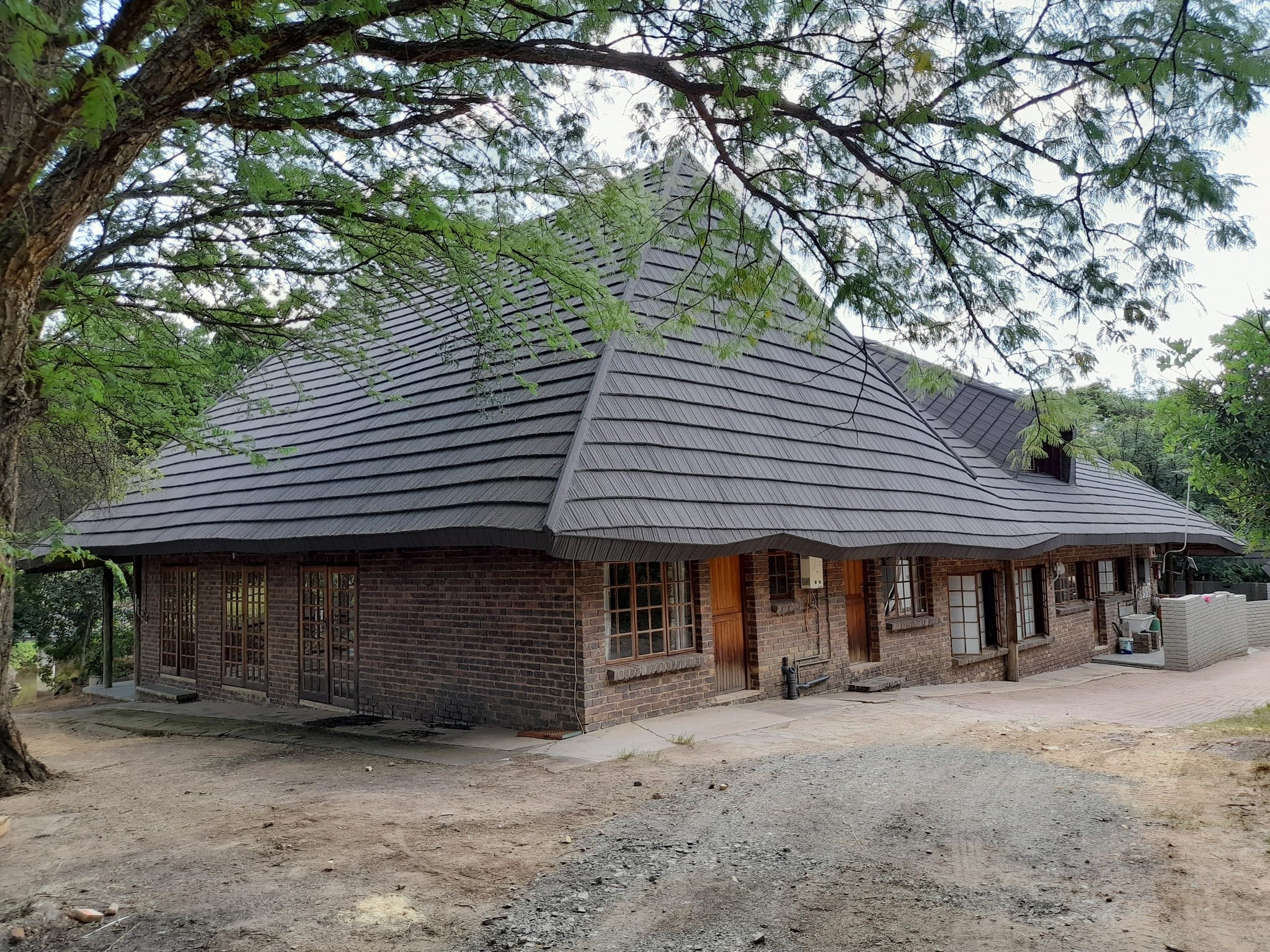
Use the Shake Tile profile to identify the product under discussion with the supplier. The shake roofing specification guide covers the broader file set to request. Ask for a marked drawing of the proposed roof build. Then have the design team review the offer against the evidence and the local project requirements.
Check the conditions and the reach of the result
Read any tables, notes, and drawings that define the scope. Look for different conditions for different deck types or installation methods. Ask the reviewer to identify which section covers the proposed system. Put the relevant page or figure in the purchase file.
The product code can look right while a detail still needs review. For example, a plan might show battens while the file describes a different arrangement. The buyer can flag the gap and send both drawings to the reviewer. Keep it open until the team has clear evidence for the build.
Also ask how the main roof joins other parts. An eave, valley, or wall junction may need its own design review. A roof covering classification answers a specific question about the test or listing scope. The project team still needs to review other paths for fire exposure as part of the building design.
Resolve substitutions before buying
Treat a different part as a change to the offer
Suppose a supplier prices a panel with one underlayment and later offers a different roll. The two rolls may have similar trade names or serve the same broad use. Ask for the full name and code on the new label. Then check whether the current evidence covers that alternate part.
Apply the same method to a change in panel, roof deck, or installation layout. Ask the supplier which documents need to change and who will review the new set. Have the design team record its decision against the proposed parts. Then update the quote before anyone buys the new items.
When discussing supply with JCROOF, identify the panel and finish on the quote before asking for documents. Include the roof section and the proof required for your project. Ask which parts the supplier offers and which parts come from local trades. Then keep those answers with the evidence review.
Set a clear way to close a gap
Create a short issue list when a claim, part code, or drawing is unclear. Give each issue a person and a due date. Ask whether the supplier can provide evidence, change the offer, or state a clear exclusion. This gives the reviewer a choice between complete proposals.
A useful change record captures what the team first planned and what it now proposes. It also records why the team made the change. Add the file that supports acceptance and the person who signed off. Send the approved revision to everyone who will order or install parts.
If the reviewer needs additional evidence, agree on a release point for that item. Keep a separate list of parts the team has already accepted. Then make sure the order record shows which scope can proceed. A clear split can help the project avoid using a quote with unresolved assumptions.
Keep evidence tied to the shipment
Check what the crew will receive and install
Include the exact panel and part codes on the order and packing list. If a local supplier provides the deck or underlayment, give that trade the same evidence and drawings. Ask who will confirm each part at receipt. Record any substitution before material moves to the roof.
Keep the approved installation guide with the site copy of the drawings. Ask the contractor to flag differences between the planned build and the actual roof. The shake roof ridge and hip guide can help you prepare questions for the roof edges. Use the project documents and qualified review to settle those details.
If the field team finds a mismatch, record the labels, location, and affected roof area. Send those facts to the person who controls the approved build. Ask whether the shipment can still serve another approved location. Keep items with uncertain status separate until the reviewer gives direction.
For example, give the buyer one line for the panel and another for each named layer below it. Write the evidence page beside the line it supports. If the roof plan calls for a different part, flag that line with the new code. The reviewer can then see the change without reading the whole file again.
Keep translated files with the original records when a project team works in more than one language. Ask who will check that key names and limits agree across both copies. Copy the issuer’s product code as it appears in the original. Use the exact code on the order and in the site file.
Hand over a complete record
Save the accepted report, listing, drawing, and material codes in one folder. Add the final version of the parts list and any approved changes. Give the owner enough detail to identify the system during maintenance. Also keep a record of who can answer questions about future replacement parts.
Use the file set for the next order if the project adds another roof phase. Check that the product and the assembly still match the evidence before reusing it. Keep a note of each review date and any revised document. That way the team can explain which evidence applied when the material went to site.
Need help gathering documents for a specific shake roofing offer? Send us an inquiry with the panel, roof section, and evidence your project requires. Our specialists will reply and help you review the supply details.












