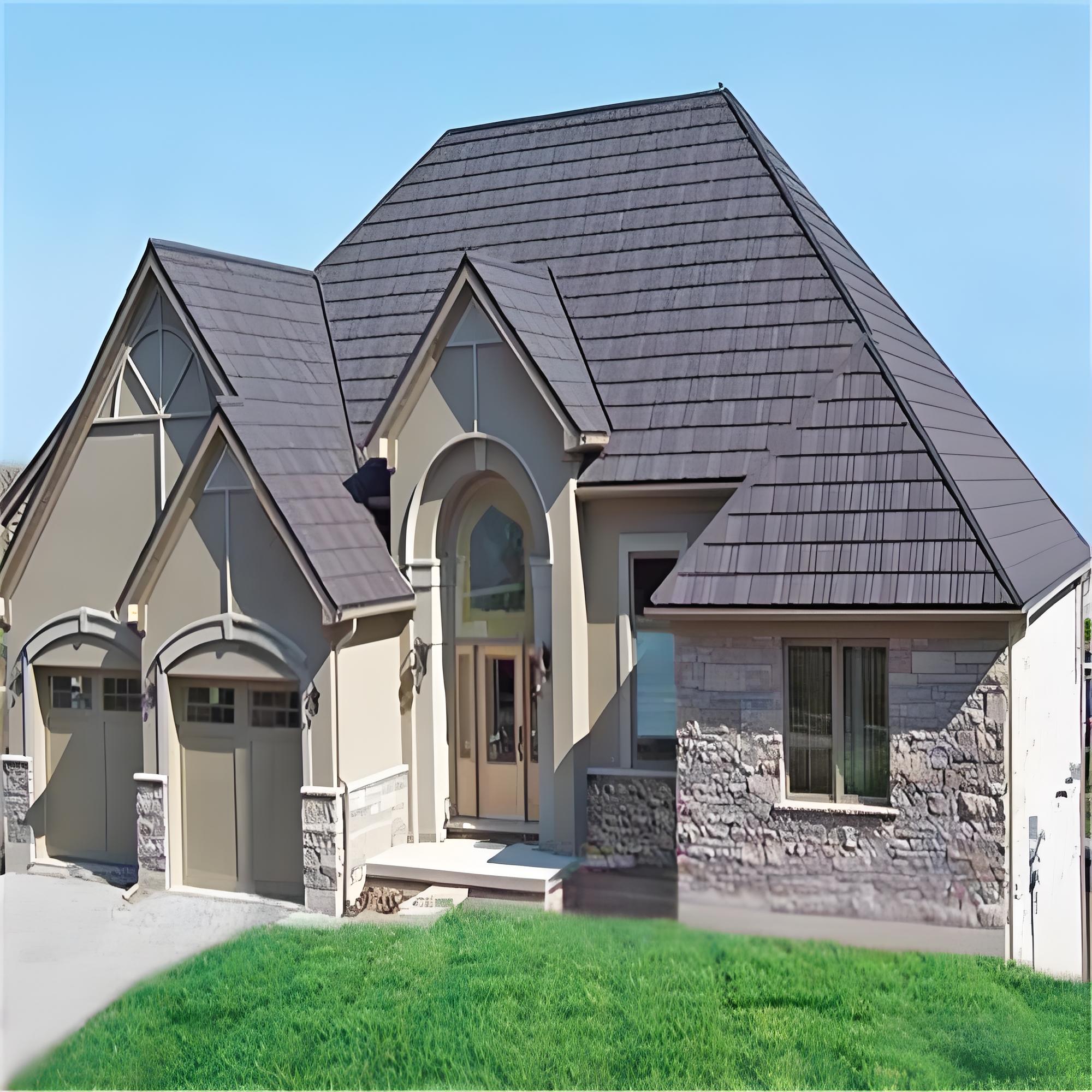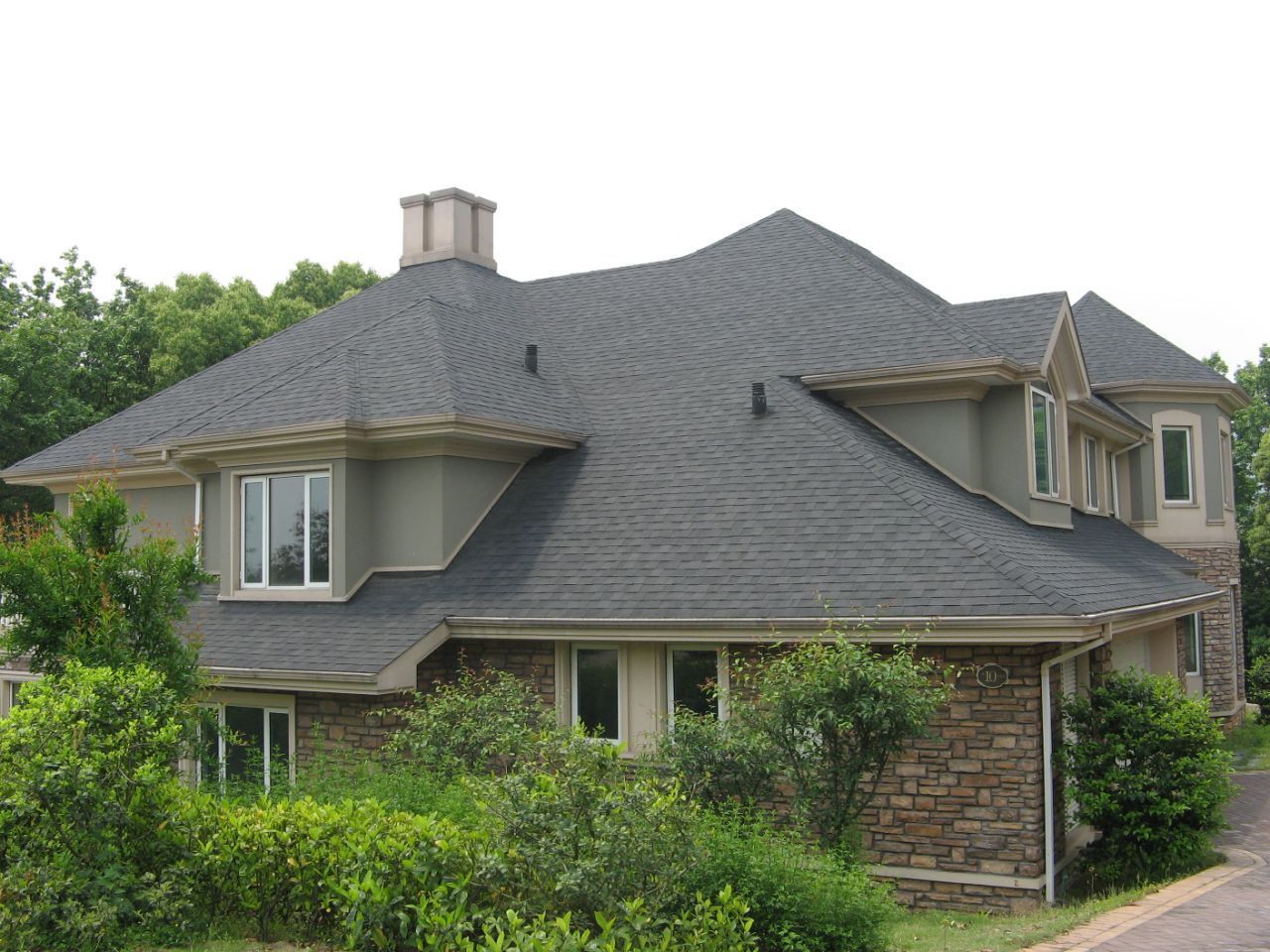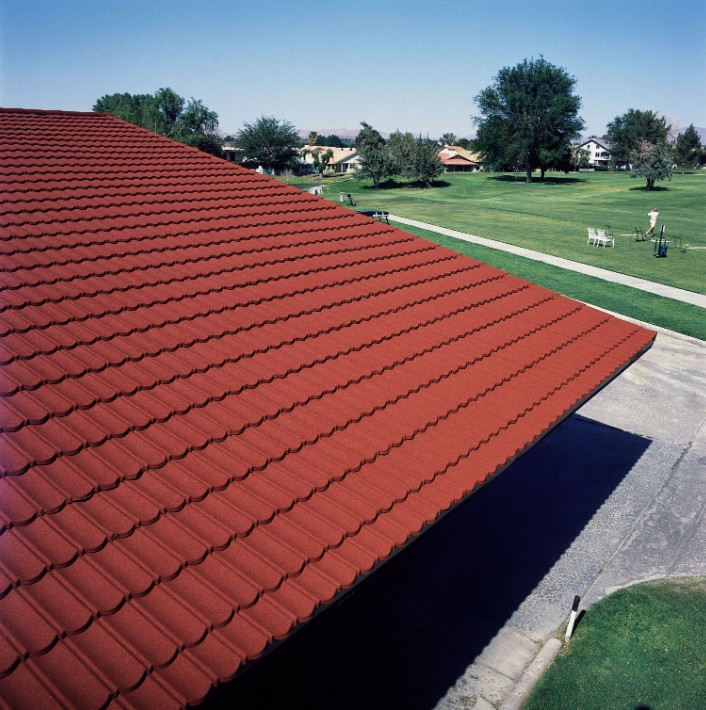


When sourcing stone coated steel roofing for wooden frame houses, ask how the exact tile connects to the proposed support. Give the supplier a roof plan and the designer’s description of the layers beneath the tile. Have the project designer check that the proposed system suits the actual frame.
A tile catalog can help your team choose a look and start a quote. To approve the roof package, the team also needs a section drawing, the tile manufacturer’s instructions, and project-specific design documents. Ask for the same evidence when a light steel frame is under consideration.
What to request for stone coated steel roofing for wooden frame houses
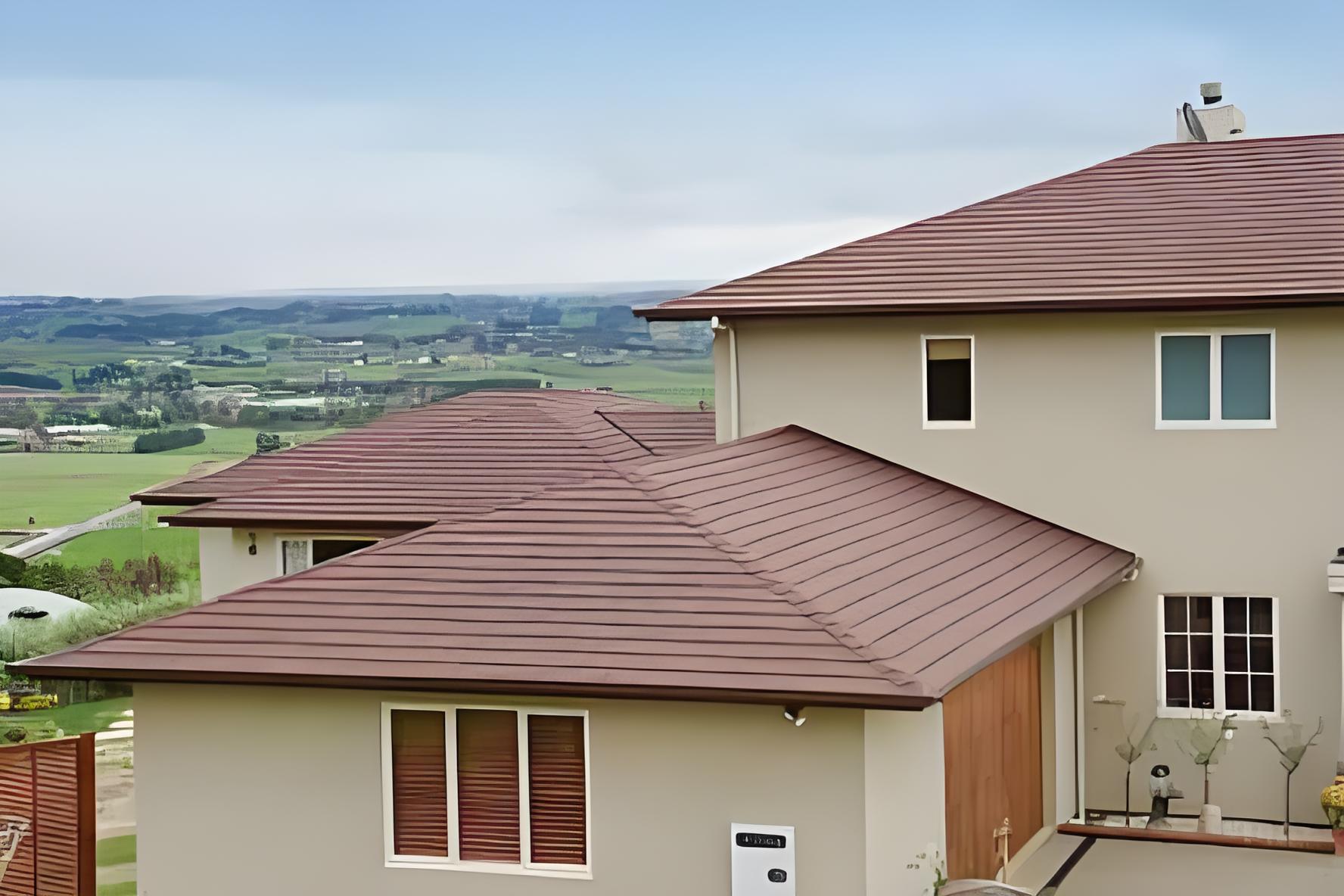
Start with the support section
A roof section shows how the covering, its supports, and the frame relate to each other. Send the supplier the latest section with its drawing number and revision date. Flag any layers still under review so the quote states which arrangement it uses.
Two homes with timber frames can have different roof sections. One may show a continuous deck, while another may use a different support layout. The section lets the supplier identify where its published roof tile instructions apply and where questions remain.
Ask the supplier to name the exact tile, the document revision, and the sections that cover the proposed assembly. If the supplier offers an alternative, request a separate description and a price for that option. The designer can then review each assembly against the same project requirements.
Match the tile name to the right guide
The support method can vary within a single brand. DECRA publishes a guide for its Tile and Shake products on battens. It also publishes a direct-to-deck guide for its named XD products. DECRA Tile and Shake guide · DECRA XD guide
Use that example when checking which documents accompany a quote. Ask the selected tile manufacturer to identify the guide for its own product. Give the designer the same guide with the project drawings, so both records refer to the proposed roof.
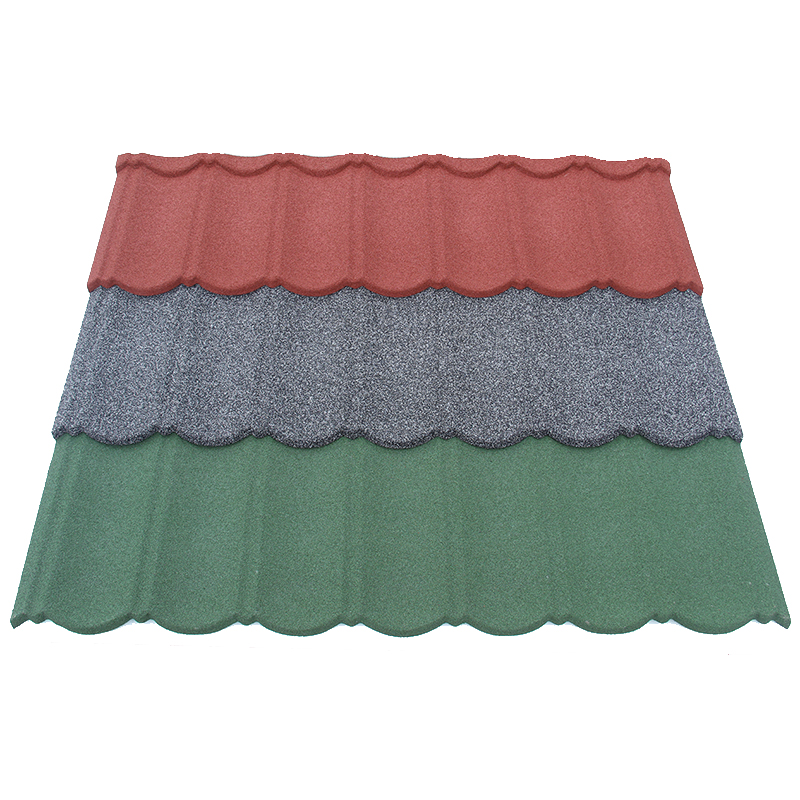
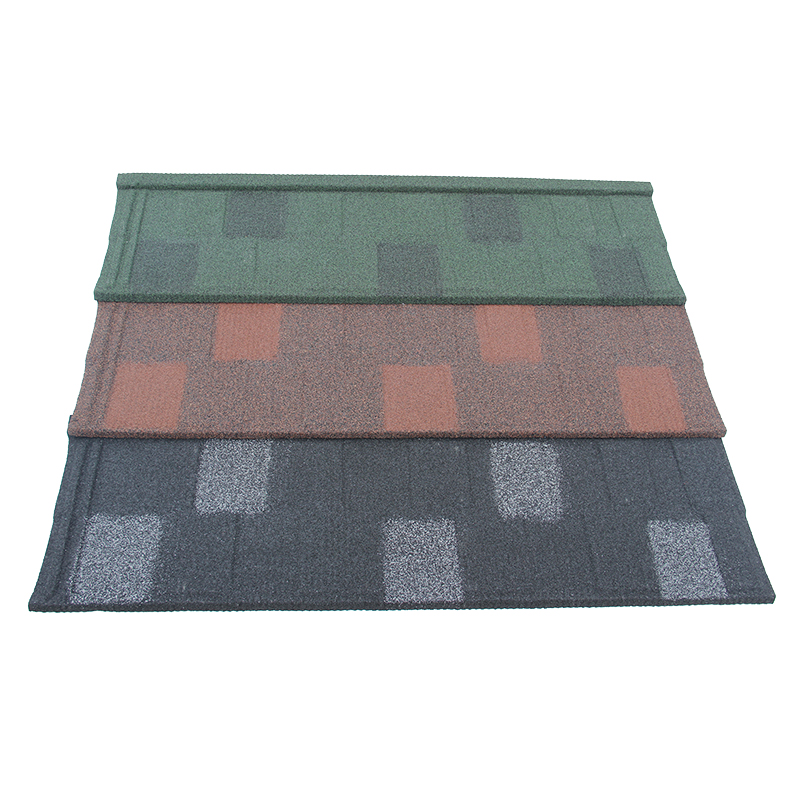
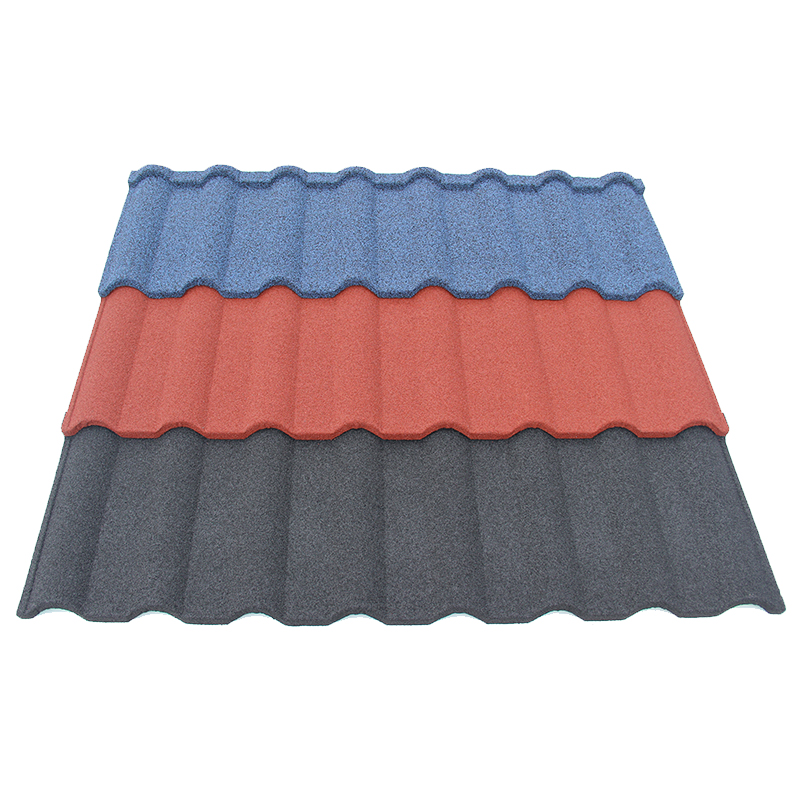
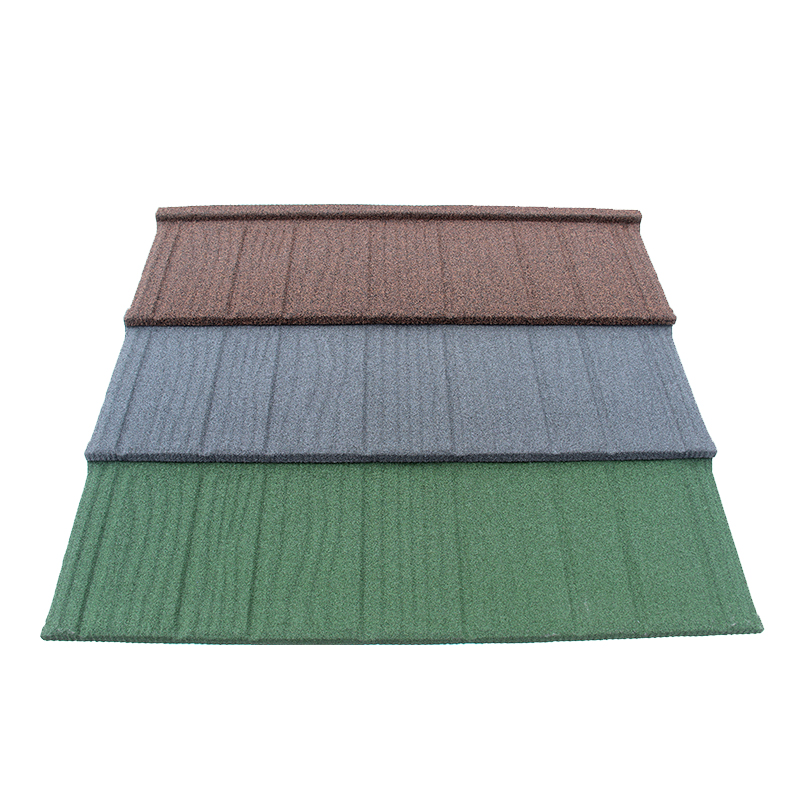
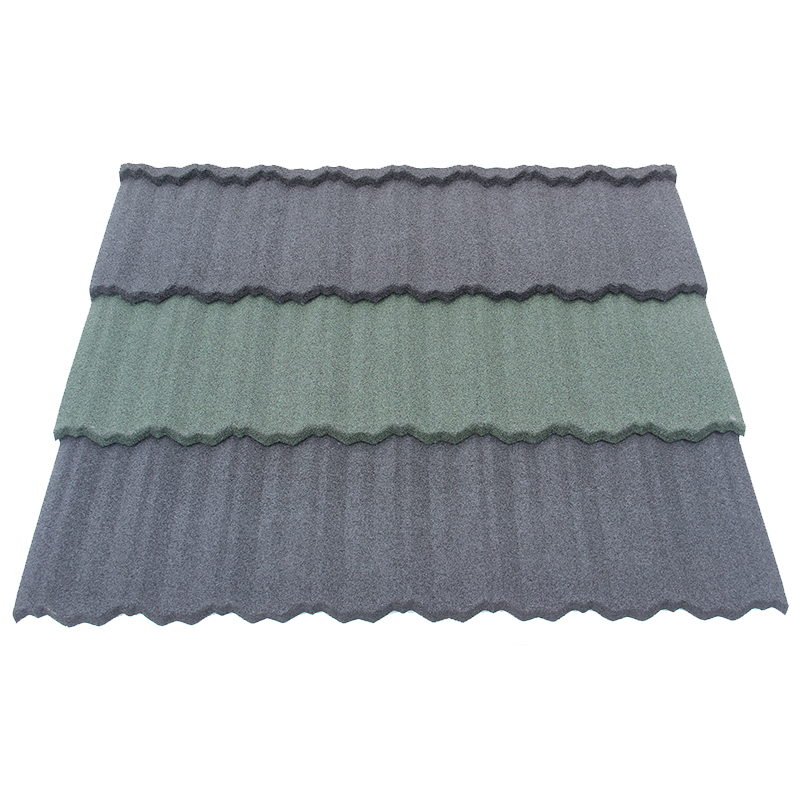
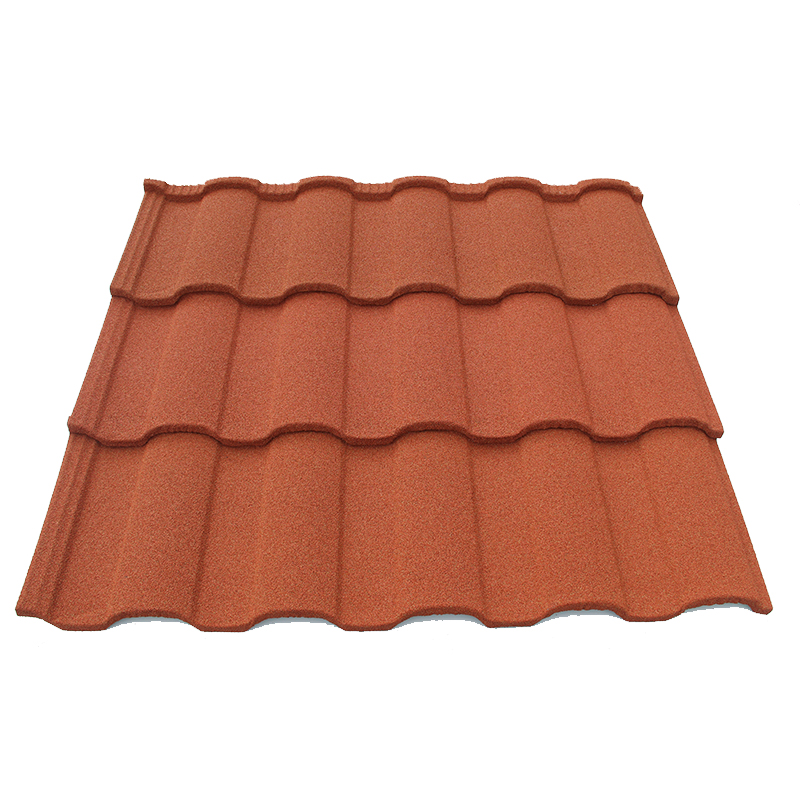
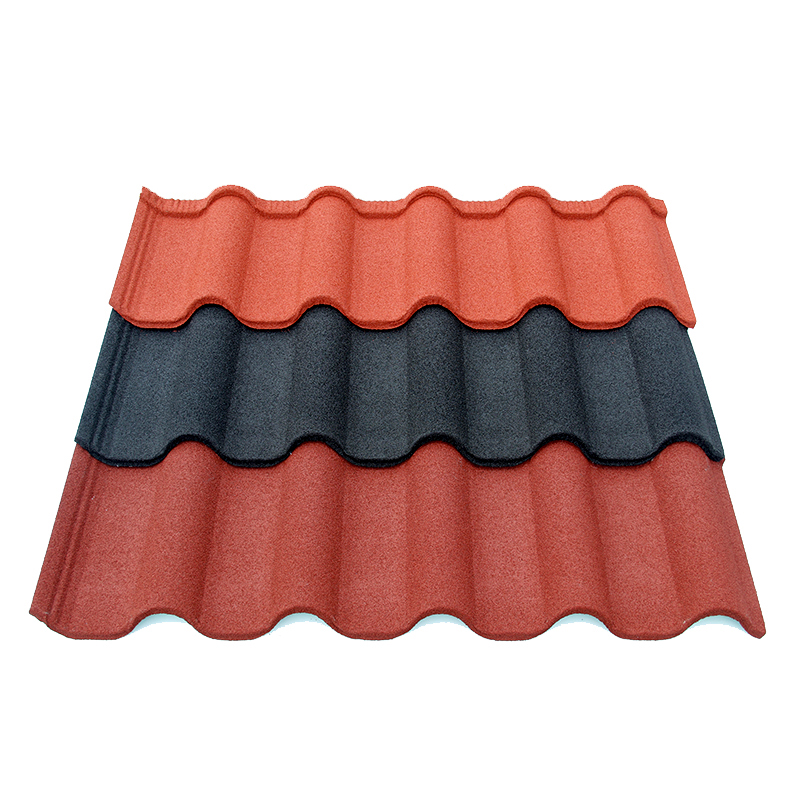
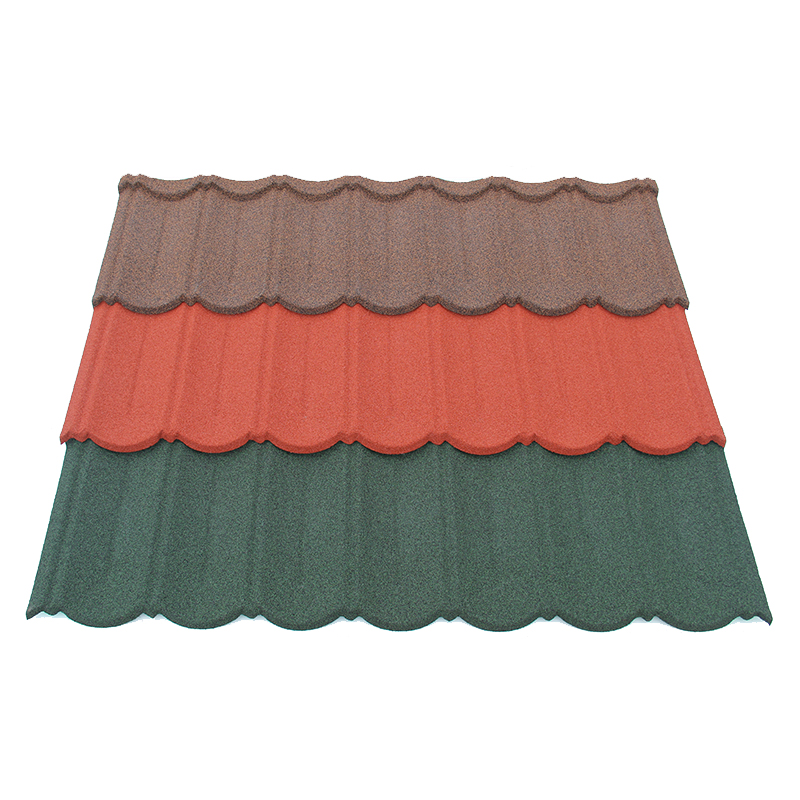
When you shortlist designs, ask for a sample and the matching documents for each model. A raised curve or a flat face helps you judge appearance from the ground. Check the product reference separately, since the sample label will carry through to the order. Guide to stone coated roof tile profiles
Compare the timber and light steel roof proposals
Keep the quote assumptions visible
The tile may look the same in two quotes while the support work differs. Ask each bidder for a short list of what the roof cover package includes. Have them identify deck, battens, underlay, fasteners, and trims as separate items wherever those parts apply.
For both frame options, the designer needs to see where the proposed roof supports and connections meet the frame. Send questions about support changes back to the people who will sign off on the roof design. Ask the supplier to confirm which items it can document for that assembly.
Substitutions can affect the work of several trades. A change to the proposed support may alter the drawings the framing or roof crew needs. Record who reviews the change and which estimate must be updated before the buyer takes it into account.
Keep test reports in context
If a supplier offers a test report or product approval, ask for the document and identify the product it covers. Check the stated assembly and any limits with the designer. The designer can then judge relevance to the planned roof and location.
Ask for the weight basis behind each bid. A covering-only figure and a figure for several layers describe different scopes. The designer can use the item list to see which loads belong in the project assessment.
Write down open points next to the drawing or report they concern. For example, one bid may list a test report while its quote uses a different product code. Ask the bidder to confirm the code and identify the evidence that applies.
Assign the review before placing an order
The designer should approve the roof assembly and its connections for the site and structure. The supplier can explain the tile system it quotes and give the designer its current product documents. The buyer can check that the accepted package appears clearly in the order.
Name the people responsible for these tasks in your request for quotes. When one contact handles several roles, ask who has authority to approve each kind of change. Keep those approvals with the project record and share them with the crew.
Check the parts that meet the roof edges and joints
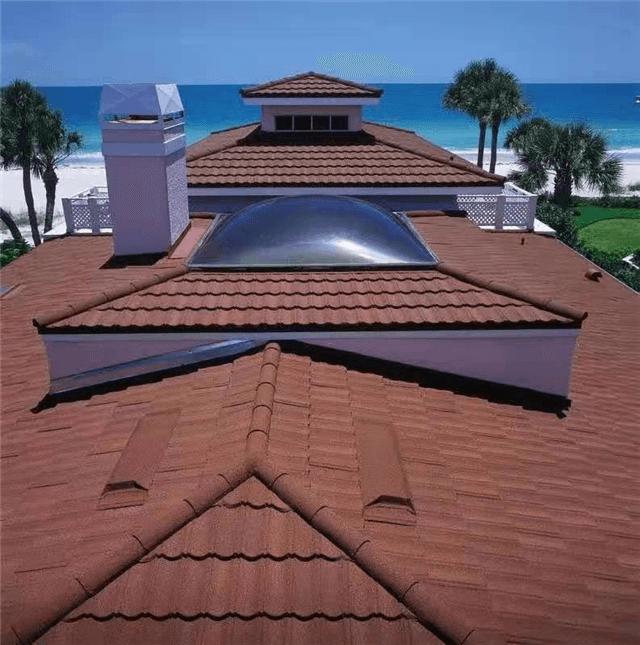
Mark the areas that need their own details
A simple roof drawing may show a large area of tile and leave the edges open for review. Mark eaves, gables, hips, valleys, ridges, and penetrations where they appear on your plan. Ask who supplies or coordinates each relevant detail.
Pay close attention to transitions where different parts of the building meet. An entry roof can meet an upper wall, while an extension may tie into an older roof. Ask the designer and supplier which documents cover the proposed transition.
Use the roof plan to flag short runs, changes in slope, and intersections for the takeoff. The estimator can then show where the quantities for cut pieces and trim come from. Stone coated metal shingle roof layout guide
Name the parts on both the drawing and the quote
A short part list can help the installer and the buyer read the drawings in the same way. Put the tile and accessory codes next to the bid line for each item. Where a part comes from a different trade, name that trade in the quote record.
Ask the supplier to show how it identifies the product on cartons and packing lists. If each pallet serves a separate roof area, agree on the marks buyers should expect. The receiving team can compare those marks with the latest order before materials go to site.
Check color and finish by exact reference if the job has more than one roof area. Ask which trim finish has been priced with the main tiles. Note any sample that needs approval, and keep a record of its product code.
Take the accepted details into the purchase order
Make the final scope easy to check
Ask JCROOF for profile references and current product documents for the tile you are considering. For example, a quote for the Bond roof tile should name Bond and identify the guide used. Compare a second bid on that basis if it offers the Milano roof tile.
List the drawing, quote, product guide, and finish sample with a reference for each. If a bid relies on a drawing marked for review, record when you need the released version. Compare the final price against that version before you commit the order.
Ask how the estimator counts tile coverage and which measurements were used. Flat plan area and sloped roof area serve different purposes, so record the basis of the takeoff. Get the main tiles, trims, and other supplied parts listed separately.
Ask the estimator to identify which allowances apply to each roof area. Give the team a way to spot a porch or garage that was priced under a separate drawing. When two bids count those areas differently, ask both bidders to show their scope on the same plan.
A tender may allow multiple options with different roof tile profiles. Ask each bidder to show which documents it used and which items it excluded. Milano roof tile tender specification guide
Document changes before release
Consider a house quoted first with timber framing, then revised to use light steel. The buyer can carry over the chosen tile color as a request. The designer and supplier need the revised section to review support and connection details.
If the change also moves a valley or adds a short roof run, return the plan to the estimator. Ask for an updated materials list with the drawing revision attached. Then review which items the first quote had included for those areas.
For a reroof, give the project team the available records for the old structure. Ask who will document conditions discovered on site and where the findings will be recorded. If the work order depends on those findings, leave time for review before release.
Check what the site team receives
Send the crew the accepted drawings and product guide as part of the job handover. Include the accessory list and note how the customer approved the color. Give the crew a named contact for questions about changes or records that disagree.
If parts arrive across multiple deliveries, record the items delivered and check them against the order. Keep package labels and delivery notes where the team can retrieve them later. This gives the buyer a reference when ordering a replacement or planning another phase.
A clear handover also records which other trades provide parts or prep work. For example, the tile quote may identify an edge detail that depends on work under a separate contract. Share the current drawing with the team responsible for that part.
Send us an inquiry with the frame type, roof drawings, and preferred tile profile. Ask for the product documents, matching accessory list, and a quoted scope for your designer to review.