

Stone coated roof tiles quote comparison Southeast Asia starts with the same product schedule and final handover point. Local materials, an installed roof bid, and China export supply describe different scopes. Separate those scopes before comparing totals. Then add the missing costs with dated estimates from the parties handling them.
For Cambodia, Myanmar, and Laos, the buyer also needs a clear importer and route. A regional sales price cannot settle the entry process for all three countries. Nor does a customs record prove that a roof panel suits the building. Keep product and installation acceptance with the responsible project team.
Build the stone coated roof tiles quote comparison Southeast Asia baseline

Send bidders the same roof plan and drawing revision. Name the profile, finish, panel quantities, and required edge details. Ask for the quoted specification and supporting records. A photograph can show appearance, but it cannot define the full product or roof package.
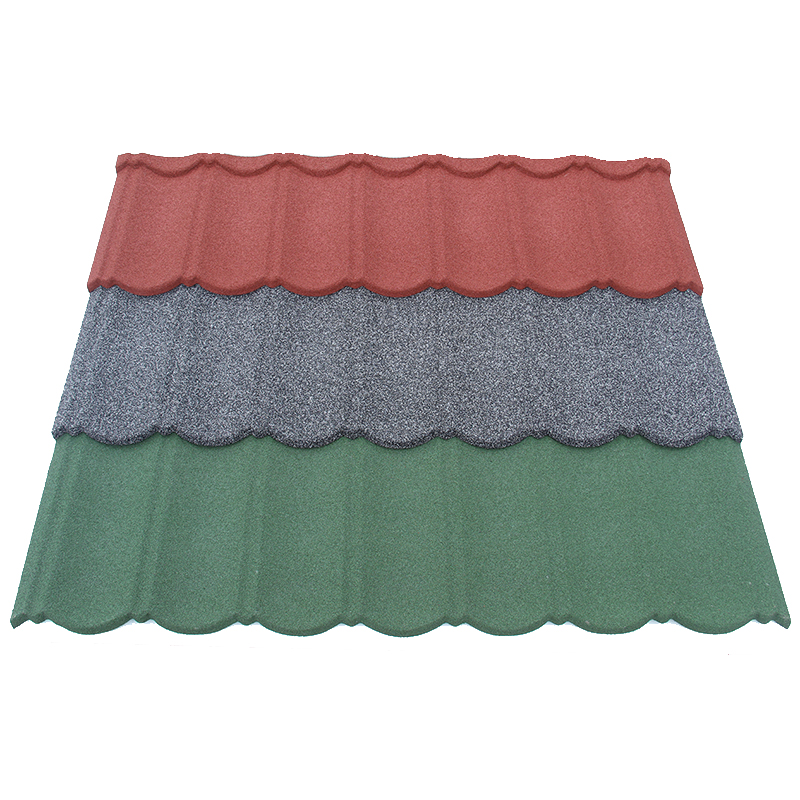
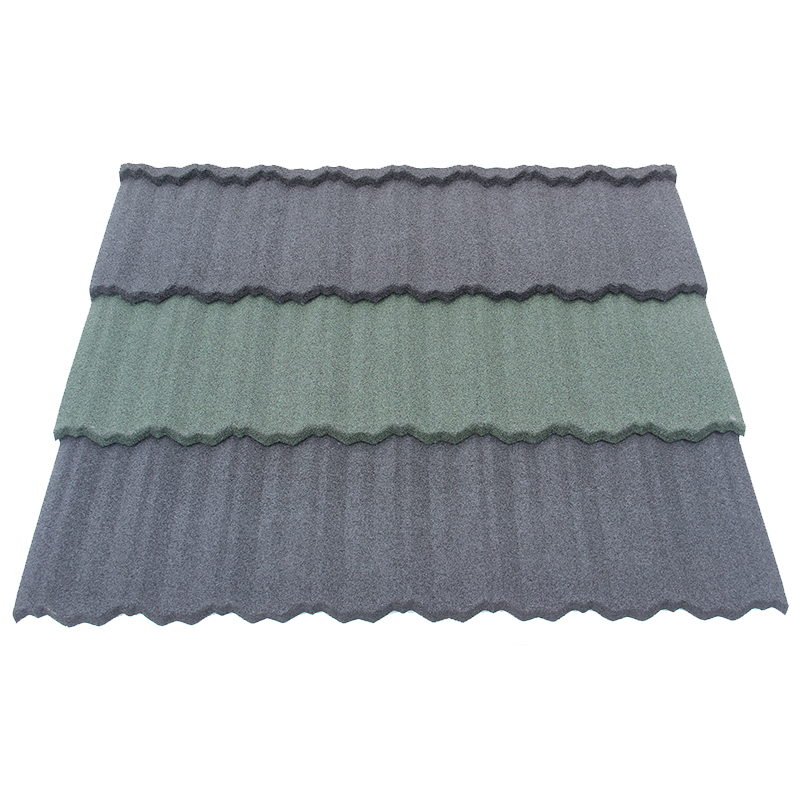
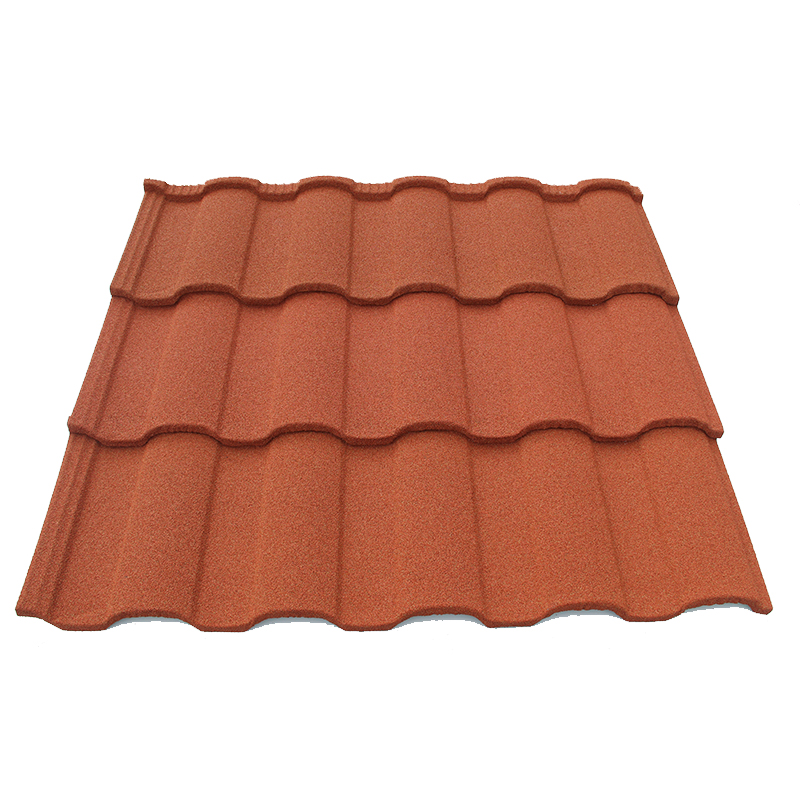
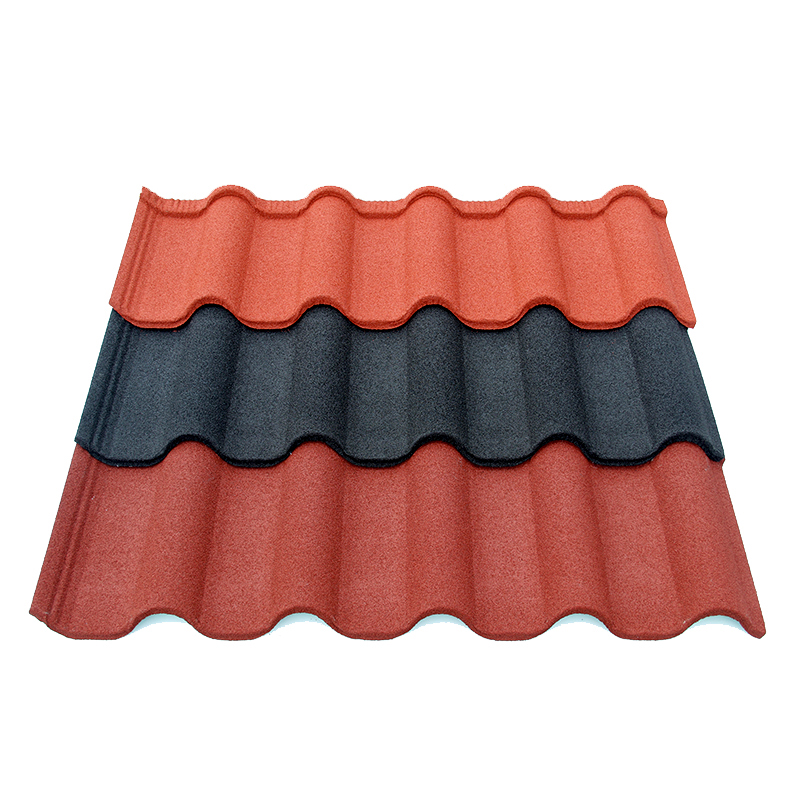
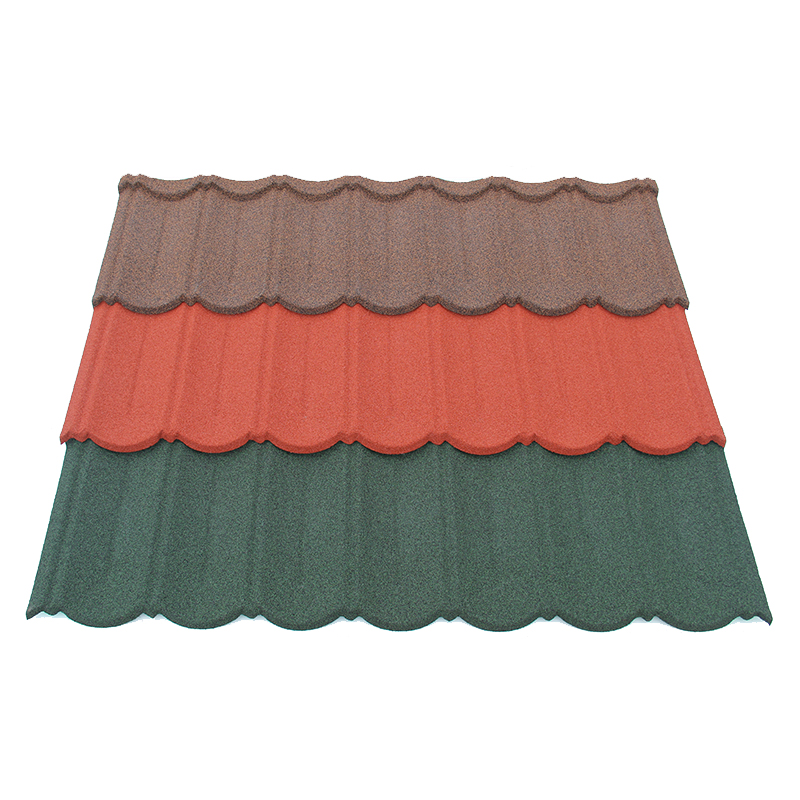
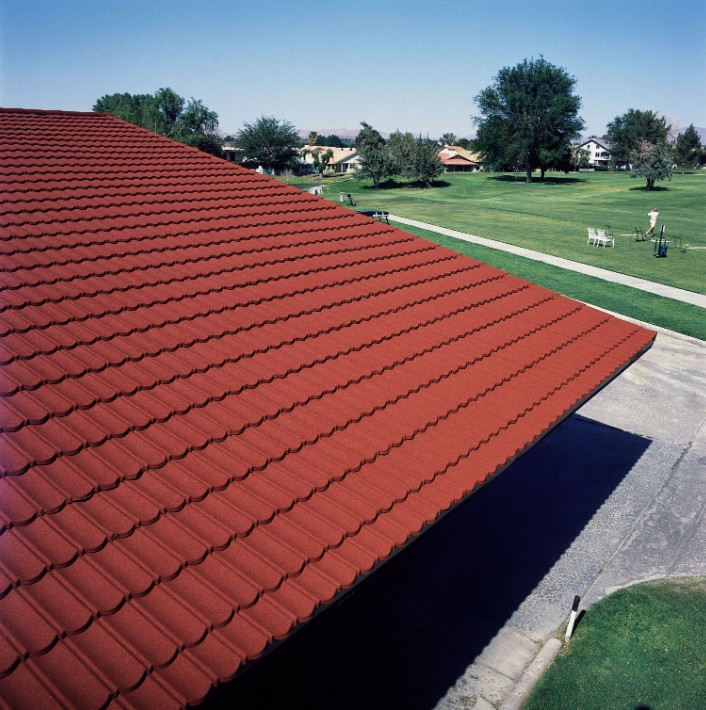
For example, the Milano tile product page gives an inquiry a named profile reference. Confirm the actual version offered before using its dimensions in the quantity schedule. Keep proposed alternatives on separate lines. Similar shapes do not establish equal effective cover, accessory fit, or accepted installation details.
Use effective cover and clear units
Ask whether the seller prices a piece, square meter, pack, or complete roof area. Keep full panel size apart from effective covered area. Then record cutting allowances and spare stock as separate quantities. This lets the buyer trace how the order grew from the measured roof plan.
The price per square meter guide explains the link between tile price and effective cover. Use it before comparing different panel prices. A lower piece price is useful only when the required piece count is also known.
Check trims in the same way. Ask whether each line uses pieces, lengths, or sets. Record the detail drawing used to select that item. Do not assume that a local trim fits an imported profile because its general name matches.
Name the endpoint before adding freight
Write the precise delivery or collection point beside every offer. A seller’s warehouse, a border handover, and the project site are different endpoints. Ask who handles unloading at the agreed point. If the buyer handles it, obtain a separate estimate before comparing totals.
The Southeast Asia sourcing guide covers choosing suppliers and import routes. This worksheet starts after those options have been shortlisted. Its purpose is to compare the cost and scope of those options without concealing unfinished tasks.
Check the country and proposed entry route
The following country checks identify tasks that may sit outside a supplier’s price. They do not assign a tariff code or promise customs clearance. Ask the appointed importer and broker to confirm the actual product requirements. Keep their advice tied to the quoted product, origin, and route.
Cambodia
Cambodia’s National Trade Repository guide describes commercial registration, tax registration, and customs declaration steps. It also provides routes to commodity and procedure information. Ask which business will act as the importer for this roofing order. Confirm that its broker has reviewed the proposed product description.
For a local material offer, ask whether the goods are already cleared and where the buyer receives them. Do not assume a shop’s advertised price includes delivery, unloading, or installation. Request a dated written offer with the exact panel version and available quantity confirmed.
For China export supply, show who prepares the shipment records and who files the local entry. Obtain current estimates for clearance and local transport. If a land route is proposed, name the actual border and final receiving point. A freight price with an unnamed border leaves a major comparison gap.
For an installed bid, define the contractor’s work independently. Ask who reviews the imported panel, edge package, and supporting records. Keep roof preparation, access, and disposal visible where the job needs them. Product supply and roof work should meet at an agreed acceptance point.
Myanmar
Myanmar’s Ministry of Commerce TradeNet guidance describes online applications for trade licenses, permits, and related registration records. This page explains the system’s role. It does not establish that every roof tile requires the same approval or will receive one. Ask the importer to confirm the current route for the actual quoted goods.
Separate application work from approval status. If a quotation includes an agent’s fee, ask what service that fee covers. Record which step must be complete before booking or payment. Do not treat an application receipt as completed permission for the shipment.
Also ask the appointed bank and forwarder to confirm the proposed payment and transport arrangements. Record their dates, conditions, and current availability. This is a transaction check, rather than an assumption about every Myanmar shipment. A low export price cannot resolve an unconfirmed payment or delivery route.
For local supply, ask for the exact stock reference and handover location in writing. For installed work, request the named panel and a clear work schedule. If either changes, ask for a revised bid. Keep the earlier version marked as superseded so the comparison remains traceable.
Laos
The Lao Trade Portal import guide separates registration, licensing, technical measures, and customs declarations. It says licensing depends on the product. Ask the importer to check the proposed panel against the relevant measures. A broad description such as metal roofing is not enough to settle that review.
Then compare the actual transport chains. One offer may stop at a regional seaport while another reaches a Lao receiving point. List onward transport, border work, and final delivery as separate stages. Ask who handles each stage and where responsibility changes.
For a local seller’s quotation, confirm whether the price includes those stages already. Also ask whether delivery is to a yard or to the building site. Keep access and unloading assumptions beside the amount. A delivered price needs an exact place to have a useful meaning.
Before ordering imported stock, ask the installer to accept the proposed material schedule and documents. Obtain a separate roof work price on that basis. Keep any extra handling or checking tasks visible. This prevents a supply saving from being compared with a labor bid for another system.
Keep material, installed, and export offers separate

A clean comparison starts with three columns. Each should show the same accepted product scope and the same final endpoint. Add estimates for the stages that a bidder excludes. Leave unknown amounts open rather than treating them as zero.
| Comparison line | Local material supply | Installed roof bid | China export supply |
|---|---|---|---|
| Panels | Named version and count | Named version and count | Named version and count |
| Trims and details | Itemized goods | Itemized goods and work | Itemized export package |
| Transport | Exact receiving point | Exact site arrangement | Named export handover |
| Import tasks | Confirm included scope | Confirm included scope | Appointed importer and broker |
| Labor | Separate accepted bid | Defined work schedule | Separate accepted local bid |
| Uncertain work | Written gaps | Written allowances | Written destination gaps |
Keep the currency and quote date visible
Preserve every original amount and stated currency. Add a common comparison currency using a recorded rate source and date. Keep payment charges separate where they apply. Do not mix an old freight estimate with a current goods price without flagging the different dates.
Ask when the supplier fixes the price. Quantity changes, final finish selection, or freight booking may trigger a revised offer. Request those conditions in writing. Then ask for a new total when an agreed input changes.
Price roof work from a defined scope
An installed bid should state whether it includes removal, roof preparation, trims, and site cleanup. Ask how the contractor handles uncertain repairs. A unit allowance needs a defined unit and approval trigger. The buyer should know who authorizes extra work and how the cost is recorded.
Use the roof tile quotation guide to organize the material schedule before seeking bids. For an inquiry to JCROOF, include the destination, panel version, and quantities. Request the proposed supply handover and supporting records. Keep local importing and installation tasks with the parties appointed for them.
Approve the total with its open conditions
Rank complete scopes together. If one offer still lacks freight or local labor, identify it as incomplete. Show fixed amounts, estimates, taxes, and provisional work on separate lines. The apparent lowest goods price may still leave the buyer with the largest unpriced task list.
Define shipment acceptance before delivery
Agree who counts packs and checks labels and visible condition. Identify who records shortages or damage and who receives the report. Keep photographs and packing records with the order. Ask how a replacement request would be reviewed, without assuming free replacements or a fixed response time.
Also confirm the storage and receiving plan with the site team. A delivery date is useful only when the receiving party can accept the load. Record any unloading or handling work outside the transport estimate. Ask for its price before the final comparison is signed off.
Finally, attach unresolved items to the preferred offer. Name the owner and due date for each. These may concern document acceptance, a confirmed route, or a revised installed scope. Close them in writing before committing the order. The result is a purchase decision built on traceable costs and responsibilities.
Comparing roof tile quotes for these markets? Send us an inquiry with your country, delivery point, and quantities. Our team will reply and help you clarify the material supply scope.