
Global commercial real estate relies heavily on premium building materials. The roof acts as your primary defense against harsh weather. Therefore, sourcing materials correctly is an absolute financial mandate. Procurement officers face immense pressure to maintain lean construction budgets. However, the international supply chain is highly fragmented today. Finding a reliable commercial metal roofing supplier is incredibly difficult. Many unregulated brokers masquerade as elite industrial manufacturing partners. Buying from these high-risk entities destroys massive capital investments rapidly. It also triggers catastrophic building failures on a global scale. This comprehensive auditing guide highlights five critical warning signs. Avoiding these red flags secures your real estate portfolio completely. It ensures your assets remain highly profitable and structurally indestructible.
1. The Illusion of Scale in Global Manufacturing
The greatest threat to procurement is the retail broker. These middlemen often pose as direct, large-scale manufacturers falsely. Scaling massive commercial projects requires absolute batch consistency globally. It also demands strict delivery timelines and unified quality control. When you choose the wrong commercial metal roofing supplier, you invite chaos. You introduce massive logistical bottlenecks into your construction master plan. Therefore, verifying actual industrial scale is an immediate necessity. A lack of transparent capacity is a catastrophic warning sign. You must halt all contract negotiations if scale is unverified.
Auditing Factory Footprint and Real Volume
Legitimate B2B success requires partnering with massive industrial operations. If a supplier lacks a dedicated facility, walk away immediately. A true industrial partner operates a massive 10,000-square-meter production hub. Elite suppliers maintain a weekly capacity of 140,000 pieces reliably. This massive volume ensures rapid global fulfillment for your projects. You must ask for verifiable capacity metrics and video tours. If they delay or deflect, they are likely a broker. A lack of scale means they will outsource your order. This results in a disastrously inconsistent final product.
The Danger of Mixed Batch Deliveries
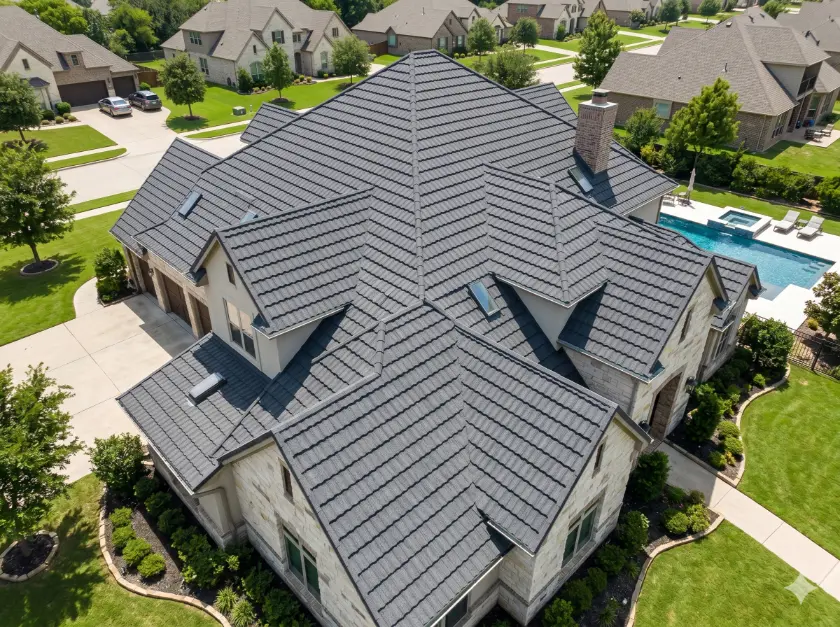
Brokers must source panels from multiple tiny workshops simultaneously. Consequently, shipped containers will feature wildly inconsistent stone textures. You will also notice mismatched granule colors and disastrous tolerances. For instance, ordering a robust Bond Tile requires uniform steel thickness. If thickness varies across pallets, kinetic strength drops significantly. Interlocking edges stamped on different machines will not match perfectly. This fatal error causes severe wind uplift during storms. True batch consistency is the hallmark of a singular manufacturing line.
2. Metallurgical Evasion by a Commercial Metal Roofing Supplier
The structural survival of any roof depends on its core. This metallic substrate dictates how the envelope handles extreme impacts. It also determines resistance against relentless atmospheric corrosion over decades. Cheap factories routinely substitute high-performance alloys with substandard galvanized steel. They do this simply to pad their own profit margins. You must audit the metallurgy rigorously before signing any contracts. Ignoring this step transforms a durable asset into a massive liability.
Refusal to Provide AZ150 Verification
Some suppliers avoid technical questions about their steel metallurgy completely. Others refuse to provide independent laboratory test reports entirely. This secretive behavior is a massive red flag for procurement officers. Elite suppliers utilize AZ150 Aluzinc steel exclusively for their panels. This specific aluminum-zinc alloy provides massive native corrosion resistance. It offers active cathodic protection to heal exposed cut edges. An unreliable commercial metal roofing supplier often pushes cheap galvanized steel. This dangerous substitution actively endangers your massive real estate capital investment.
Structural Fatigue in Coastal Environments
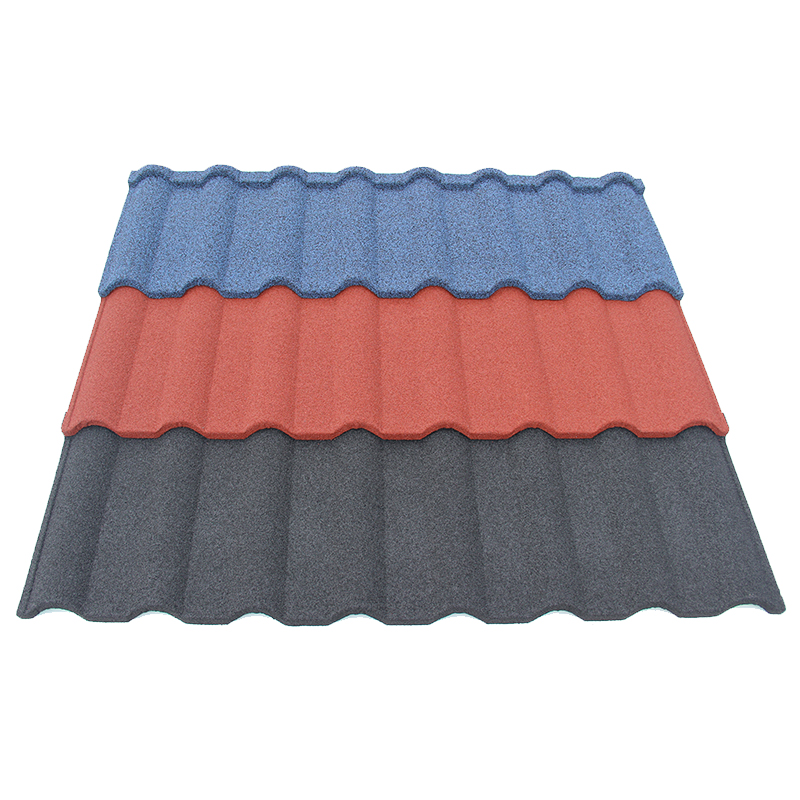
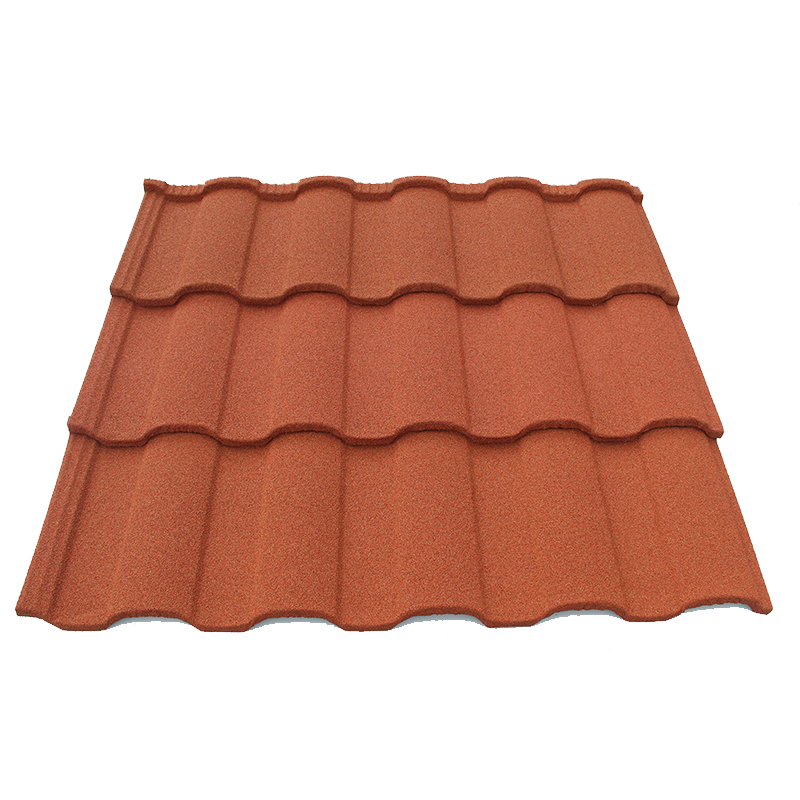
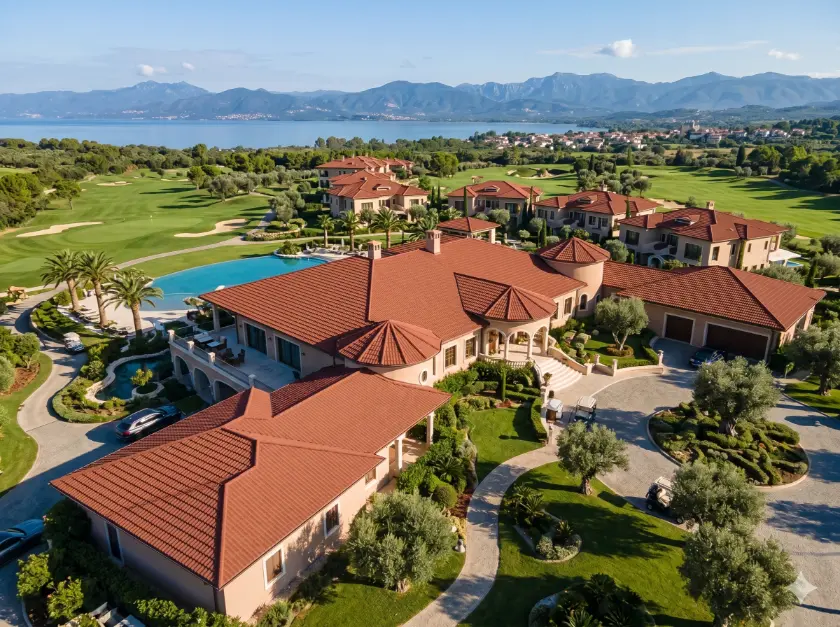
Tropical island developments subject buildings to aggressive atmospheric punishment. The air contains microscopic sodium chloride particles that penetrate cladding. These salt particles violently attack the underlying metal substrate constantly. Deeply corrugated profiles, like the Roman Tile, require maximum core integrity. This specific profile channels massive tropical rainfall away from the roof. If sub-standard steel is used, rust pools at drainage points. Standing water and salt spray quickly eat through thin metal. Validating the Aluzinc core secures the 50-year operational lifespan definitively.
3. Cosmetic Shortcuts and Substandard Chemical Coatings
Maintaining vibrant corporate curb appeal is tied to material science. Uncompromising chemical engineering of external coatings is absolutely essential. Substandard suppliers actively cut corners on their manufacturing lines daily. They utilize cheap paint, dyed river sand, and inferior adhesives. Consequently, tropical ultraviolet radiation destroys these temporary pigments incredibly rapidly. This transforms a premium architectural asset into a visual liability. Identifying these cosmetic shortcuts is essential to protecting your property. You must protect the long-term capitalization rate of your investments.
Chemical Dyes vs. High-Temperature Sintered Basalt
A massive red flag occurs concerning the exterior mineral layer. Your commercial metal roofing supplier must detail the exact chemical formulation. Authentic architectural customization requires high-temperature sintered basalt chips exclusively. Industrial kilns must fire inorganic pigments directly into volcanic rock. This process happens at temperatures exceeding 800 degrees Celsius constantly. If stone chips bleed color in water, they are dyed. This cosmetic failure transforms a luxury development into a chalky mess. It completely destroys the property’s market value and aesthetic prestige.
The Biological Threat of Weak Acrylic Resins
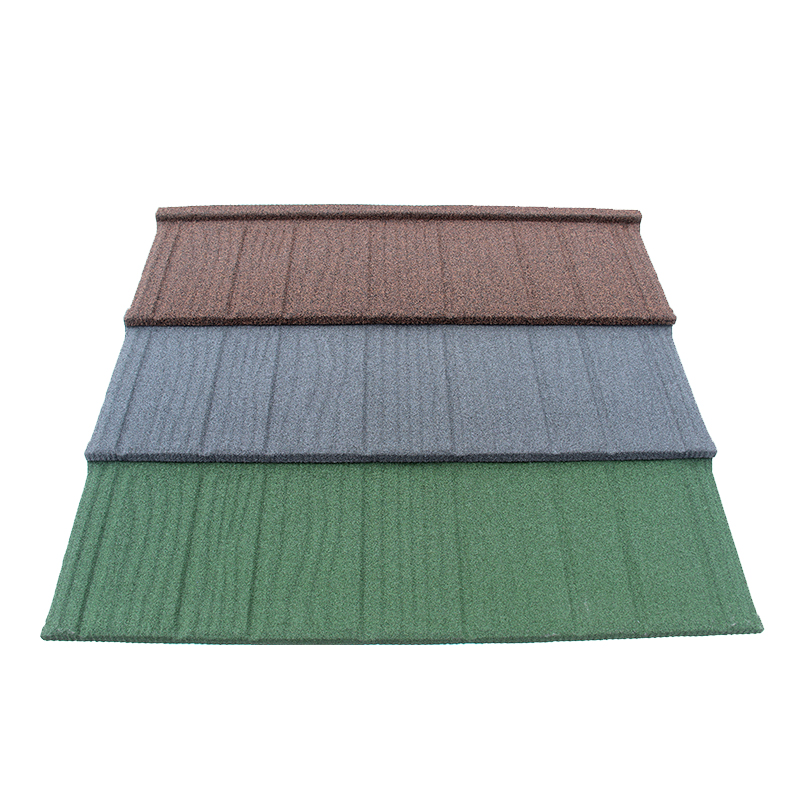
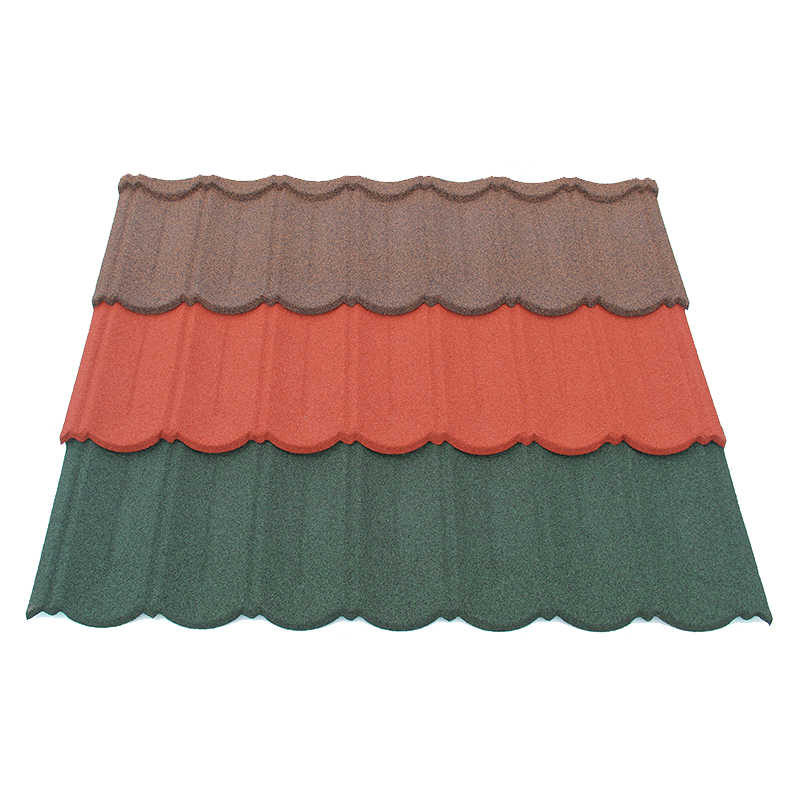
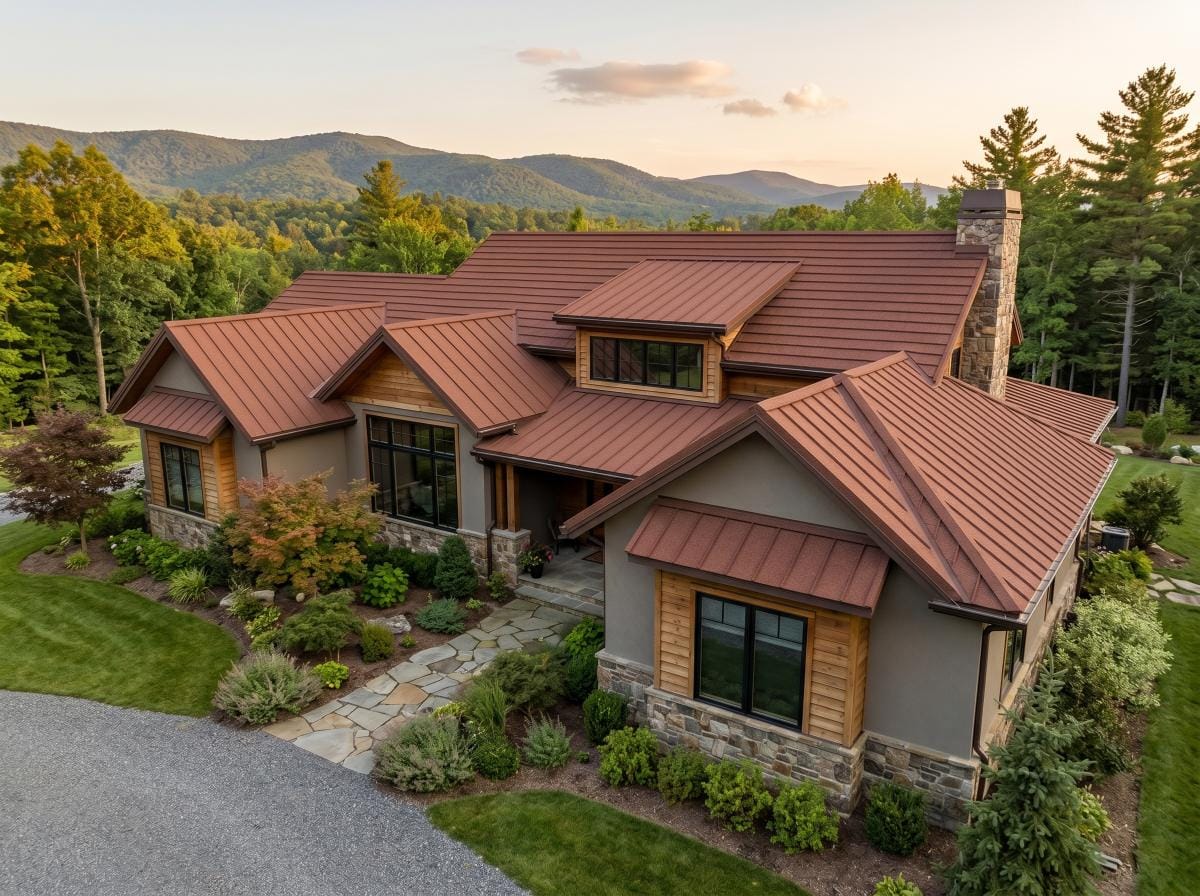
The transparent polymeric overglaze locks the entire system together safely. This layer is critical for biological defense and moisture management. The supplier must utilize a pure, UV-stabilized acrylic resin always. This resin anchors the stones and prevents airborne moisture penetration. A heavily textured Shake Tile mimics natural hand-split timber beautifully. However, if the manufacturer uses a porous adhesive, it degrades. Aggressive black algae will anchor directly to the porous sand. This ruins the organic aesthetic and creates massive cleaning expenses.
4. Disregarding Aerodynamic Physics and Installation Tolerances
A supplier selling materials without understanding structural physics is dangerous. Commercial roofing acts as a complete, dynamic aerodynamic system always. It is not just a static collection of overlapping sheets. If a partner provides vague installation manuals, they lack engineering knowledge. Ignoring basic building physics inevitably leads to immediate structural failures. It also leads to massive property damage and denied insurance claims. Partnering with ignorant suppliers puts your entire facility at kinetic risk.
Failing to Mandate Structural Tile Battens
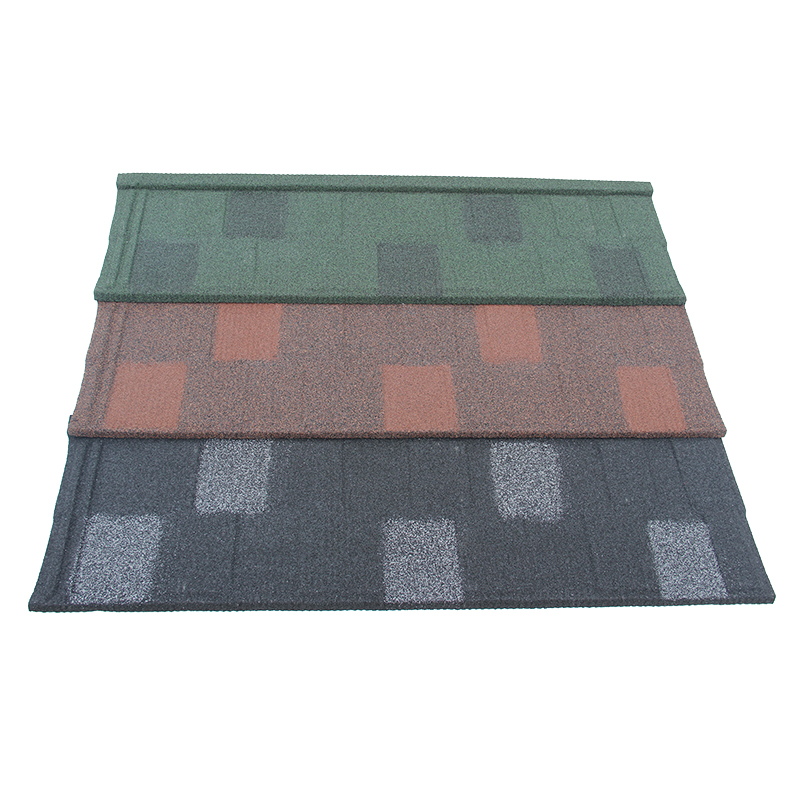
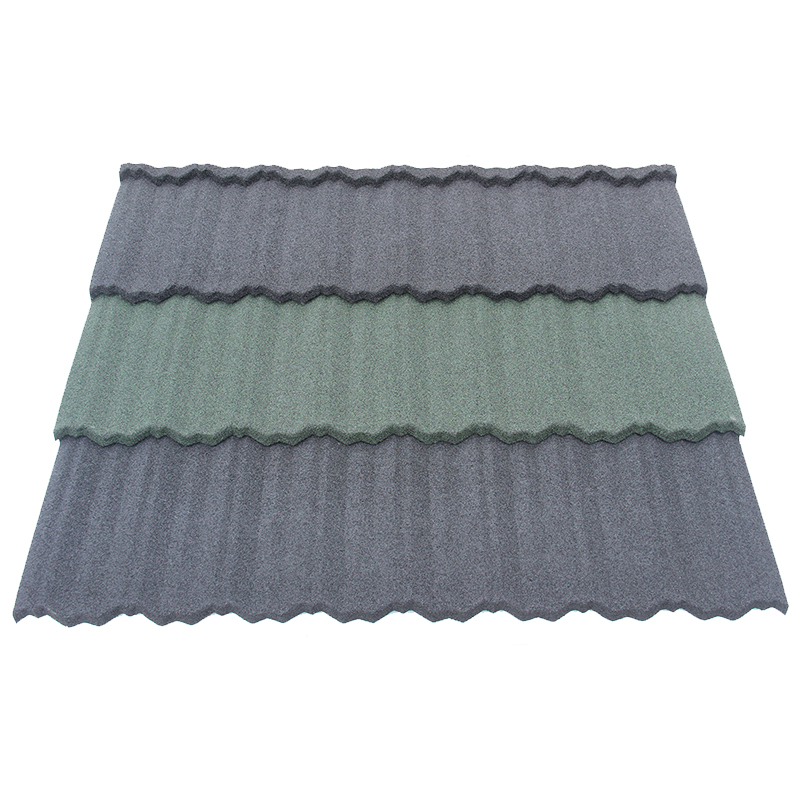
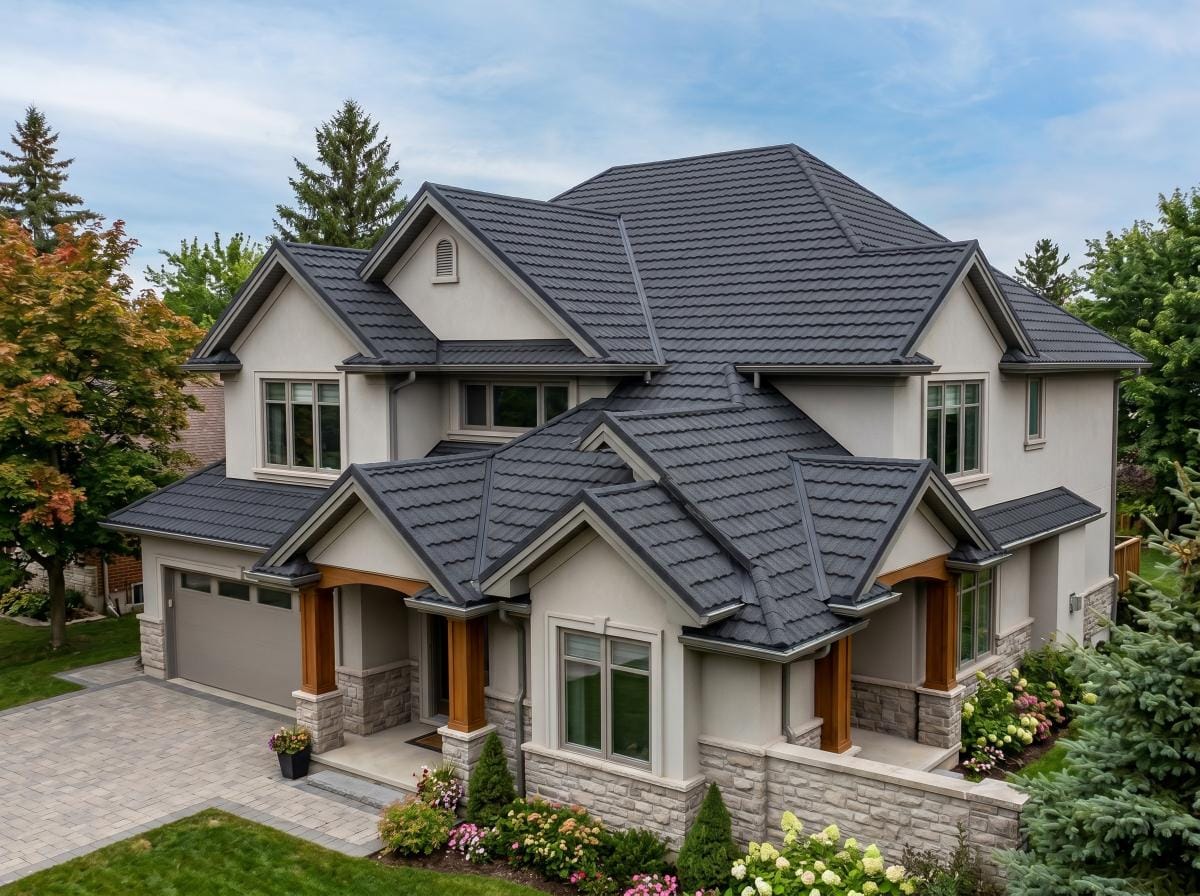
Advanced interlocking metal systems require structural tile battens for installation. This raised timber grid provides exact mechanical anchor points securely. For sleek corporate campuses utilizing a minimalist Shingle Tile, precision matters. Flush geometric alignment secured directly to battens is absolutely mandatory. If a commercial metal roofing supplier skips battens, they ignore aerodynamics. Adhering to the batten requirement guarantees resistance against aerodynamic uplift. It also provides vital thermal ventilation to slash corporate HVAC costs.
Geometric Integrity in Deep Profile Stamping
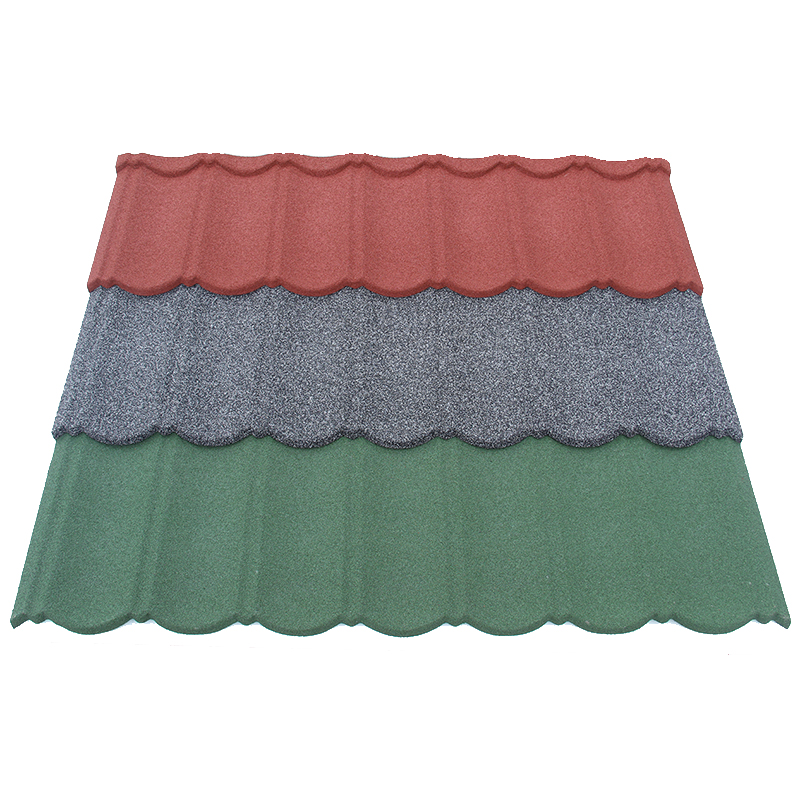
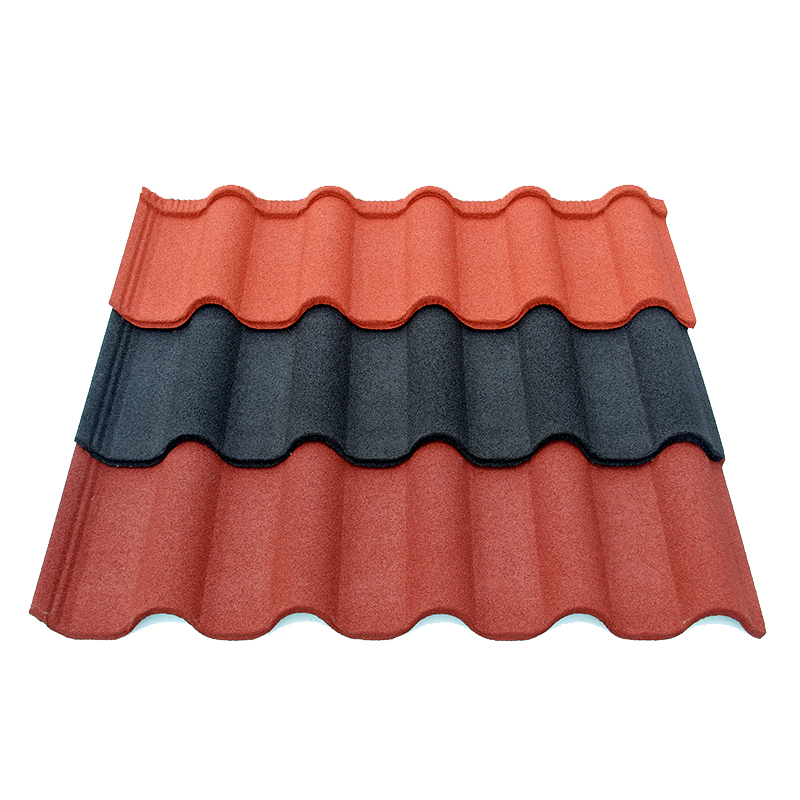
The stunning visual depth of a roof requires hydraulic stamping. However, engineers must calculate this pressure perfectly during manufacturing. Classic Mediterranean designs, like the sweeping Milano Tile, require extreme pressure. This massive tonnage forms their iconic, high-arched aesthetic curves perfectly. If a supplier misunderstands stretching tolerances, peaks become dangerously thin. This leads to immediate kinetic failure under heavy foot traffic. An elite supplier inherently mandates specific core thicknesses for deep profiles.
5. A Lack of Industry Pedigree and Fragmented Lines
The global construction supply chain features many opportunistic trading companies. These brokers sell substandard building materials to unsuspecting overseas developers. Then, they immediately close down to avoid massive corporate warranty claims. They often reopen under a new brand name weeks later. Therefore, a supplier without established history represents an incredible liability. Fifty-year corporate warranties mean nothing if the factory disappears rapidly. You must audit the corporate history of your supply chain partners.
Vetting Brand History and Warranty Validity
Procurement officers must seek highly dedicated industry experts exclusively. Avoid generic building material aggregators who sell highly fragmented product lines. An elite B2B partner operates under a respected, unified brand identity. For instance, JCROOF possesses at least 11 years of specialized manufacturing expertise. This pedigree proves they have refined their advanced stamping technology. It also shows they perfected their global maritime logistics over decades. Choosing a proven commercial metal roofing supplier guarantees long-term warranty validity.
Precision Execution for Modern Architectural Demands
An established industry pedigree guarantees well-maintained manufacturing molds constantly. Stamping dies must be frequently updated to prevent dimensional drift. A supplier lacking pedigree will deliver warped panels with jagged edges. This massive defect forces the installation crew to bend panels violently. This aggressive manipulation breaks the acrylic seal immediately upon installation. It also causes capillary water leaks during the first major rainstorm. Only dedicated manufacturers invest in constant, expensive re-tooling operations globally.
| Procurement Audit Category | Dangerous Supplier Red Flags | Elite Factory-Direct Standards |
|---|---|---|
| Manufacturing Scale | Broker hiding behind local workshops. Results in varied steel core thicknesses. | Dedicated 10,000 sqm facility. Delivers 140,000 pieces weekly flawlessly. |
| Core Metallurgy | Pushes basic galvanized steel. Refuses independent lab testing completely. | Utilizes AZ150 Aluzinc steel. Guarantees long-term cathodic corrosion defense. |
| Chemical Coatings | Uses cheap PE paint and dyed sand. Fades instantly under UV exposure. | Specifies sintered basalt chips and pure acrylic resin for permanent colors. |
| Structural Engineering | Ignores aerodynamic physics. Provides vague, generic installation guides. | Mandates strict use of tile battens. Secures maximum wind uplift defense. |
| Industry Pedigree | Newly formed trading company. Lacks verifiable corporate warranty history. | Unified brand with 11+ years experience. Provides direct maritime fulfillment. |