For Milano vs Roman metal roof tiles, compare the curve, installed cover, and edge details for the exact panels offered. Both profiles can suit a roof brief that calls for the look of curved clay tiles. Their individual drawings and samples will show which one fits the design and supply plan.
Ask the supplier to pair each quote with a product drawing and parts list. Then check both options against the same roof plan. A comparison on that basis helps the buyer see what changes with the profile.
Start with the views that the owner will see most often. A front elevation may make the curve and lower edge easy to judge. A roof plan will show where ridges, hips, valleys, and walls affect the order.
Compare the shape of Milano vs Roman metal roof tiles
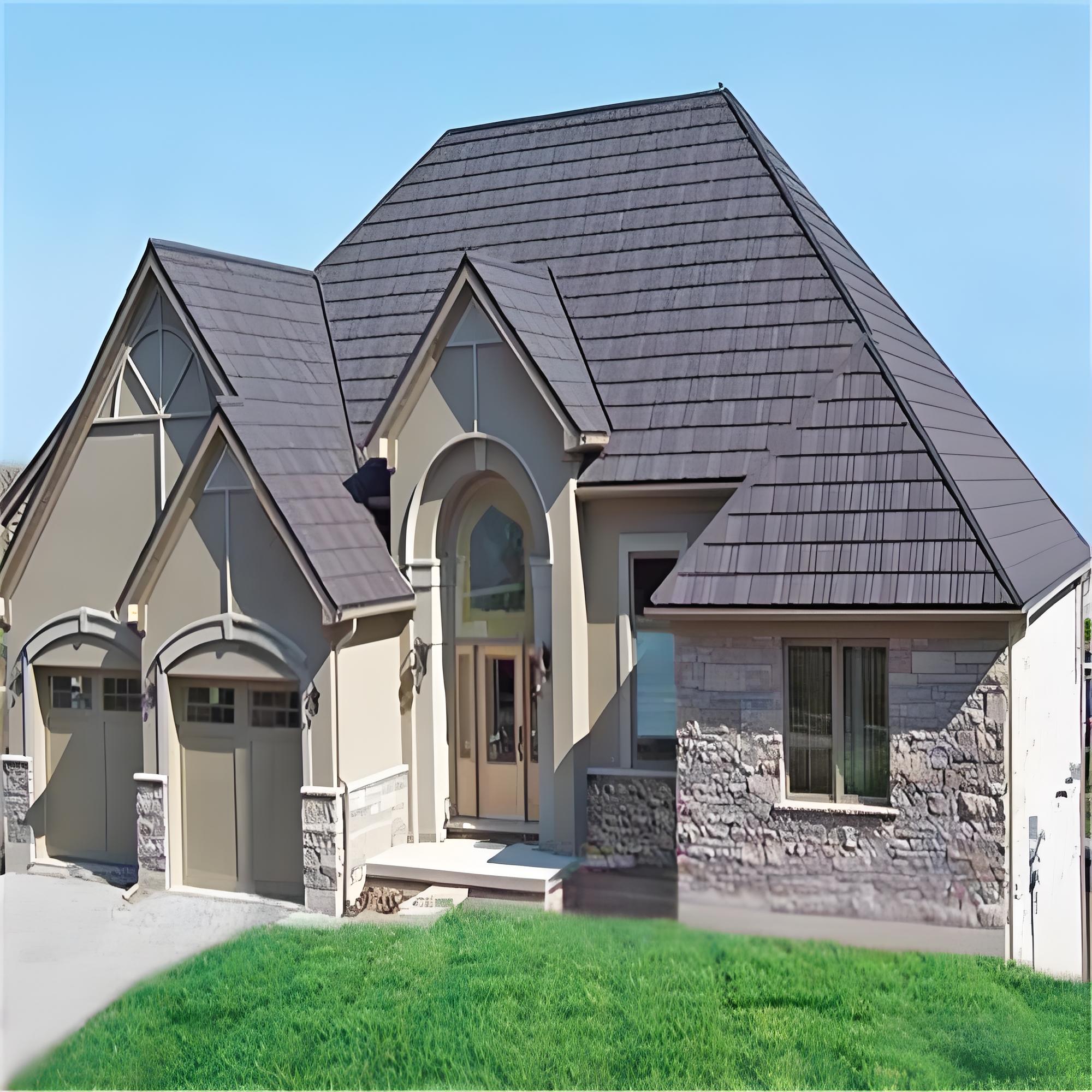
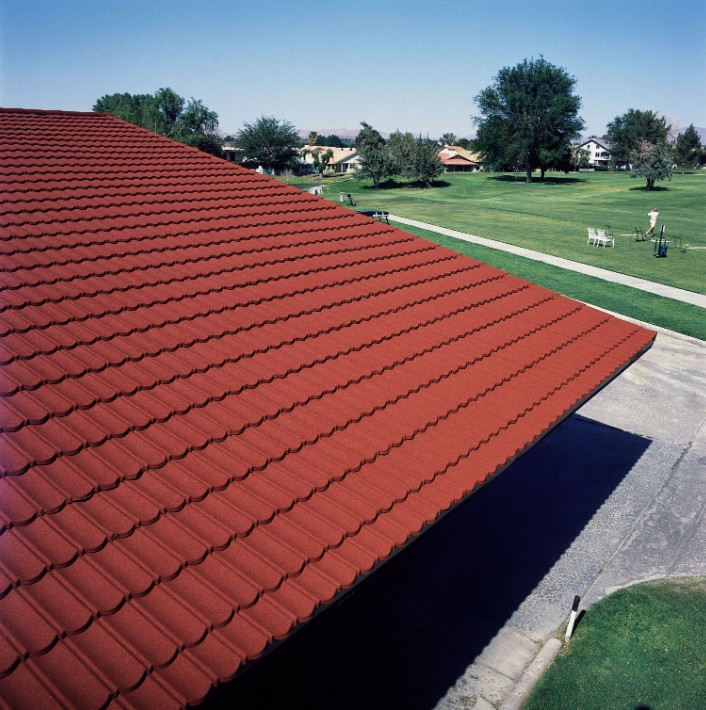
Look at the end view of each panel first. Note the rise of the curve, the width between high points, and the shape at the lower edge. These details affect the rhythm you see across a row.
Next, look at the same panels from farther back. A curve that seems deep on a table may read differently once several rows sit together. Use similar light and viewing angles for both options.
GERARD describes its Milano as a profile inspired by traditional Roman tile design. That description shows why the two names can point to a similar design brief. The page illustrates the shape of GERARD’s own panel. GERARD Milano profile
Request views that show the full panel
Ask for a face view, an end view, and a wider view across several tiles. Identify the finish in each view. A strong blend can make the curve seem more pronounced, so compare similar tones when you want to judge form.
Review the Milano Tile for its curved form and the shape shown in its current drawing. Review the Roman Tile for its sweeping arch. Put both samples beside the same exterior finishes before choosing the preferred look.
If the buyer sends a photo of a clay roof, ask which detail they want to carry into the design. The color, curve, and lower edge may each matter for a different reason. Record the chosen priority with the sample request.
Check the effect near the edge of the roof
Take a wider view of the eave or rake detail proposed for each product. Ask the supplier to show how the panel and the visible trim meet. This check helps the buyer see the curve as it will appear at the boundary.
Send a junction drawing if the architect plans to keep existing trim or change part of the roof. Ask the project team to review the actual parts and proposed method. Keep the result with the profile decision.
Use the same roof drawings for both offers so the team can trace the reason for any difference. This approach also helps when buyers compare other panel shapes for a building. Guide to stone coated roof tile profiles
Read the cover figures with the drawings
On the product pages, Milano lists an overall size of 1,340 × 420 mm. Roman lists an overall size of 1,300 × 420 mm. Their listed effective lengths also differ.
| Published field | Milano Tile | Roman Tile |
|---|---|---|
| Overall size | 1,340 × 420 mm | 1,300 × 420 mm |
| Effective size | 1,290 × 370 mm | 1,250 × 370 mm |
| Listed cover per panel | 0.48 m² | 0.46 m² |
These are published product page figures for the named panels. Ask for the current drawings and cover basis for the exact versions on the quote. Use that basis to make the takeoff.
Use the installed cover in the field estimate
Start with the roof area measured on the slope. Then use the confirmed installed cover to estimate the panels for each roof plane. This gives the estimator a starting count for the broad areas of the roof.
Review the cut layout at hips, valleys, and short runs next. A drawing may show where the cut from one place can serve another. Ask the installer to check which pieces they can use within the stated fitting rules.
If a quote gives a count per square meter, ask how the supplier worked it out. Product pages can show cover rounded to two decimal places. Use the agreed drawing and takeoff method when you convert the final count into an order.
Keep the panel sizes tied to the roof plan
On a simple roof, compare the planned rows and the number of panels across each row. On a roof with several wings, ask for separate counts by plane. This makes later revisions easier when one wing changes.
Record the drawing version and the roof plan date with each count. If a supplier updates the panel drawing, check whether the same count still fits. Then update the quote and the purchase order together.
When the proposed panel changes, ask which trim counts or cut assumptions need a fresh review. Keep the changes with the revised takeoff. This lets the site team see which order belongs to which plan.
Compare the parts that finish each roof
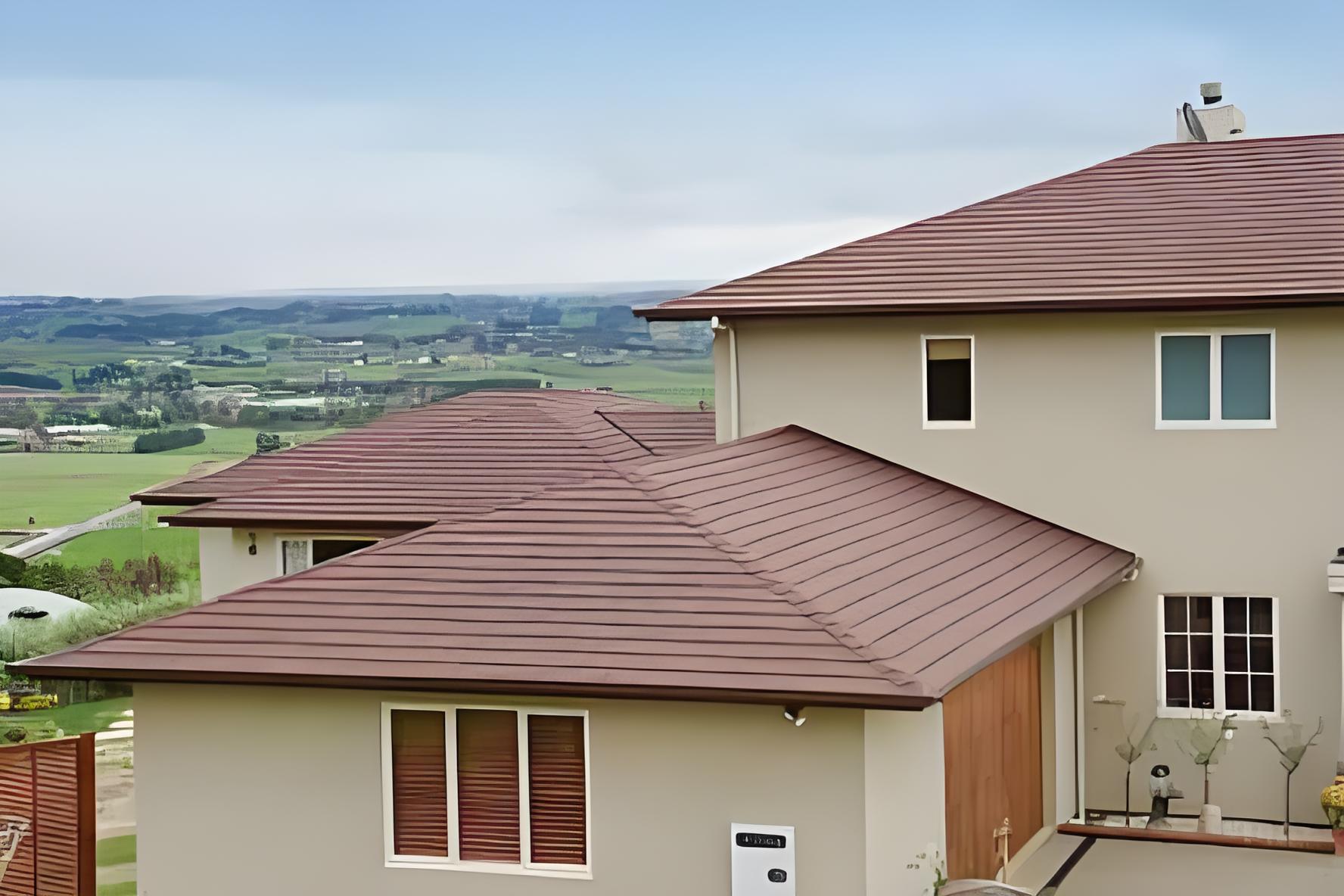
List the details at the ridge, hips, eaves, rakes, and wall junctions. Add valleys and any roof openings shown on the plan. Ask the supplier to name the parts for each detail on both offers.
Check whether the quote counts those parts by piece, length, or pack. Then ask how much useful cover each piece gives after joints. A shared unit makes the two bills of materials easier to compare.
When you discuss the project with JCROOF, send the roof plan and both panel references. Ask for the drawings, parts list, and the terms that apply to each option. The project team can use those records for its detail review.
Put a code beside each part
A color name can help identify the look of a ridge or trim. The part code links that finish to a specific shape and use. Ask the supplier to show both on the list.
If one part appears on both offers, ask for the fitting detail that confirms how it serves each panel. Check any changes in the visible curve near the ridge or edge. Keep the accepted detail with the order records.
Separate the parts supplied with the panels from those the installer will source locally. Name the party who will supply each item before the quote closes. This makes it easier to compare complete roof budgets. Guide to stone coated roofing accessory costs
Review the actual system for the project
Ask for the installation guide and relevant reports for the panel and parts on the quote. Have the project reviewer check the proposed roof slope, support, and fixing details. Record which document version they used.
If the project needs evidence for a rating, match the report to the named product and assembly. Ask the qualified reviewer to check the conditions and scope of that evidence. Resolve any open point before the buying team releases the order.
Compare quotes using the same roof and delivery basis
Give both suppliers the same roof plan, finish request, quantity basis, and destination. Ask for the field panels and accessories on separate lines. Show packing and delivery on the same basis so the buyer can see the full scope.
At an equal unit price, more installed cover reduces the field panel cost per square meter. The final order also reflects cuts, extra stock, and the parts required for each roof detail. Compare those totals before choosing an offer.
Ask the estimator to show how the order count differs from the first area estimate. Then check which costs apply to the full supply package. The price guide explains how to compare quotes using effective coverage and named parts. Stone coated roof tile profile prices
Work through a simple cover example
Suppose you start with 96 m² of roof area and use the rounded cover figures above. Dividing by 0.48 gives 200 Milano panels. Dividing by 0.46 gives about 209 Roman panels after rounding up to whole pieces.
These counts show how the cover figure affects an area estimate. For the order, use the confirmed cover and count the rows and cuts on the actual plans. Then check the pack count and list any spare panels the owner wants to keep.
Approve the sample and the matching records
Record the profile, finish, and sample code that the buyer approves. Put the chosen drawing and parts list beside that decision. This makes the visual choice clear to the supplier and the technical team.
If the project team proposes the second profile after the first approval, reopen the checks that depend on the shape. Start with the panel count, visible edge, and relevant parts. Update each document before issuing the revised order.
Before dispatch, give the receiving team the order codes and pack details. They can use those records to check each item on arrival. Keep the accepted sample available when the team needs to check the finish.
Comparing Milano and Roman for a project? Send us an inquiry with your roof plan and preferred finish. Our specialists will reply and help you review the options.