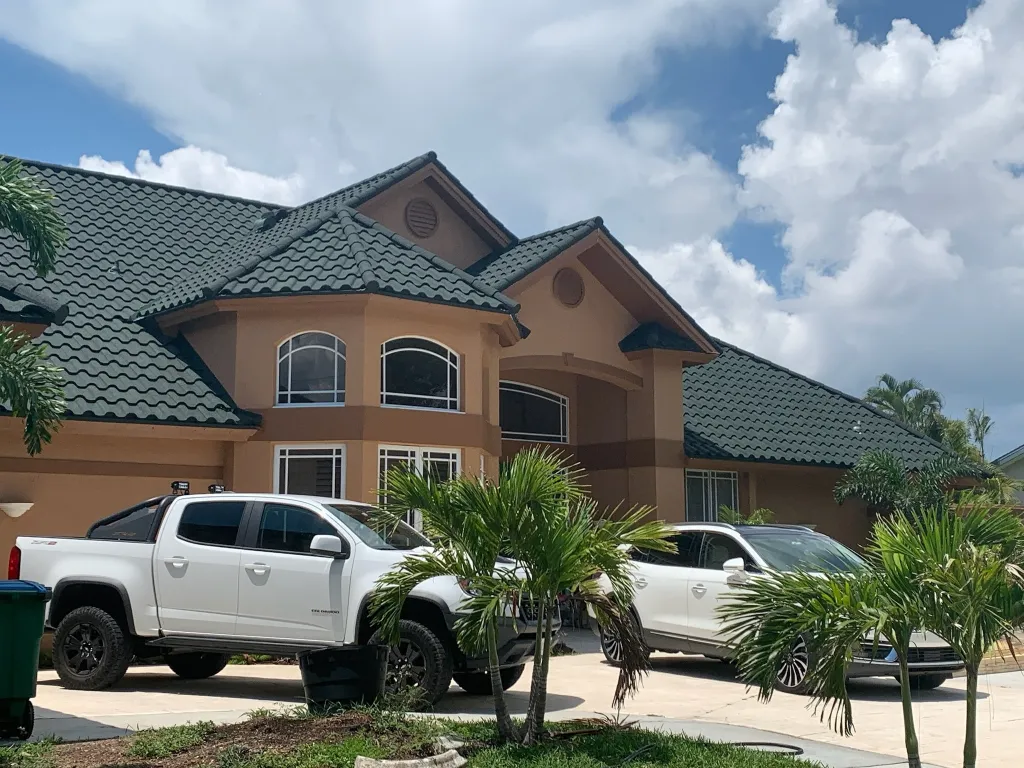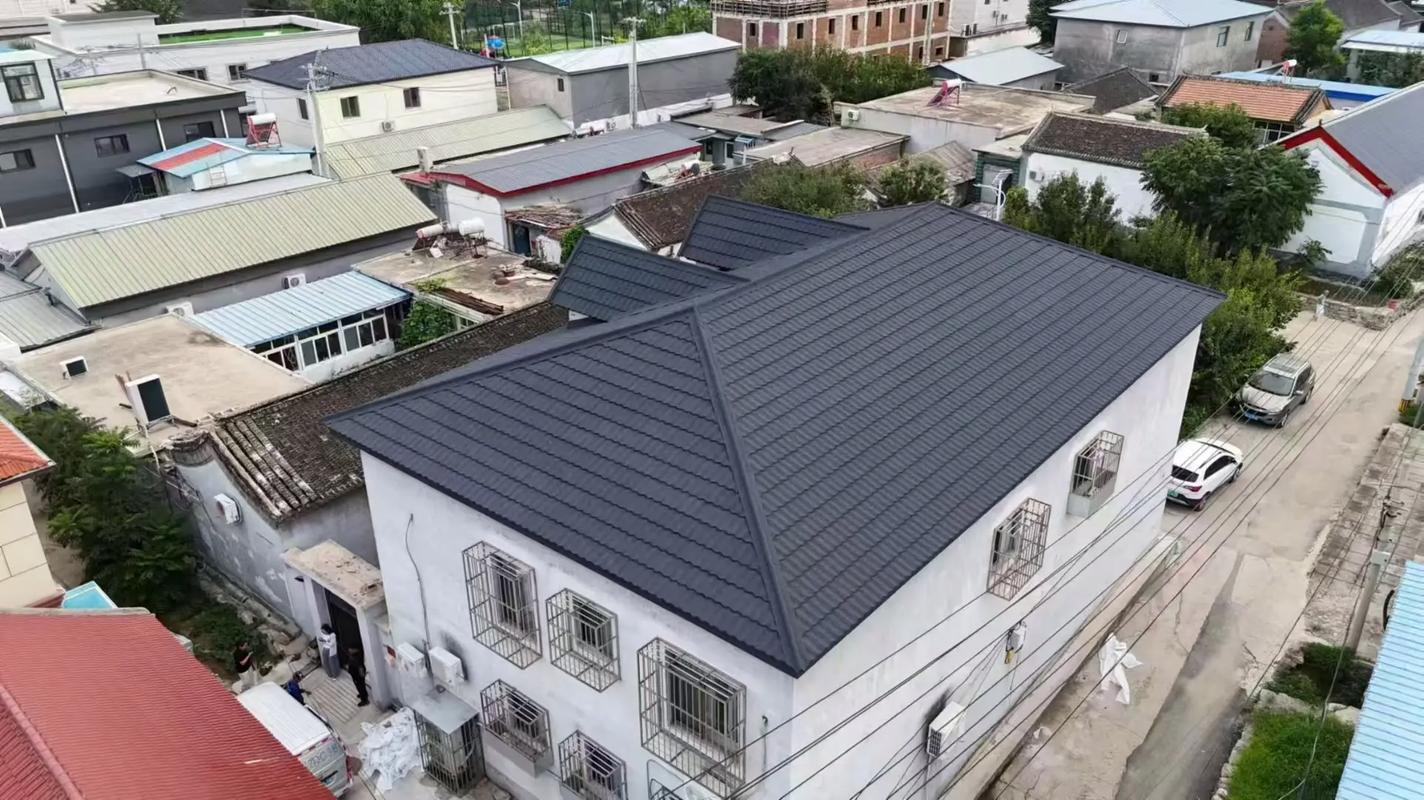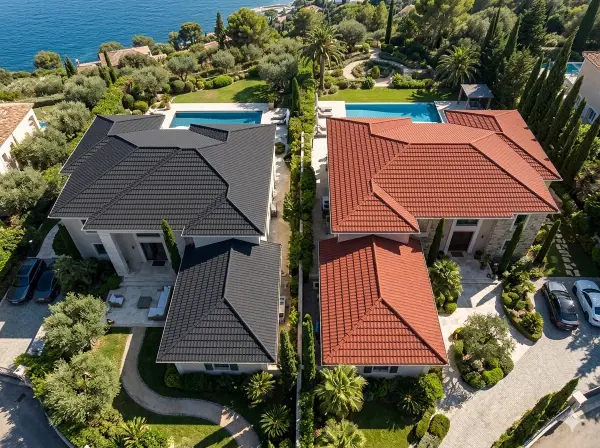


Stone Coated Metal Roof Tiles for Coastal Homes: Salt Air Performance Guide
Coastal developers and facility managers constantly balance aesthetics, durability and budget when they choose a roof system. Salt laden sea breezes accelerate corrosion, cause staining and shorten the life of many conventional products. Stone coated metal roof tiles coastal installations provide a rare combination of classic look and extreme resistance. This guide explains how the system works, which tile profiles suit different project goals and how to keep the roof performing for decades.
Understanding Salt Air Impact on Roofing Materials
When a building sits within a few miles of the ocean, airborne salt crystals settle on every exposed surface. The salt attracts moisture, creates an electrolyte layer and speeds up metal oxidation. In addition, coastal climates often feature rapid temperature swings that expand and contract roofing panels. The combination of corrosion and thermal movement can cause fastener loosening, coating blistering and premature leaks.
Corrosion Mechanism
Salt particles dissolve in rain or dew, forming a thin conductive film. When this film contacts bare steel, electrons flow from the metal to the salt solution, pulling iron atoms away and forming rust. The process continues until the protective coating fails.
Moisture Ingress
Even a high grade paint cannot stop water that finds its way through seams, fastener holes or damaged flashings. Once water reaches the metal substrate it accelerates rust and can cause localized softening of the panel.
Thermal Cycling
Coastal regions experience hot summer days and cool sea breezes in the evening. Metal expands in heat and contracts in cold. Repeated movement stresses joints, fasteners and the stone coating itself. A product that tolerates this movement without cracking or delaminating is essential.
How Stone Coated Metal Roof Tiles Resist Coastal Conditions
Stone coated metal roof tiles are built in three distinct layers that work together to block the effects described above. The core is a cold rolled steel sheet that provides structural strength. Over the steel a zinc rich primer creates a sacrificial barrier that corrodes before the steel does. The final layer is a mineral stone coating that mimics the look of traditional tile while shielding the metal from moisture and UV radiation.
Coating Composition
The stone coating typically contains a blend of silica sand, calcium carbonate and polymer binders. The mineral particles are large enough to shed water and small enough to create a uniform surface. Laboratory testing shows that the coating can withstand up to 150,000 salt spray cycles before any loss of adhesion.
Panel Design
Each tile measures 12 inches by 12 inches and weighs roughly 4 pounds. The profile includes a built‑in lip that overlaps the tile below, forming a water shed without the need for additional sealants. The interlocking shape also reduces wind uplift, a frequent concern in exposed coastal sites.
Edge Detailing
All edges receive a sealed metal flash that prevents water from traveling behind the tile. The flash is welded to the panel and covered with a thin stone strip, eliminating exposed fastener heads that could become corrosion points.
Selecting the Right Tile Profile for Coastal Projects
While the core technology stays the same, different tile profiles address distinct architectural preferences and performance priorities. Below is a quick overview of the five most popular profiles offered by leading manufacturers.
Bond Tile
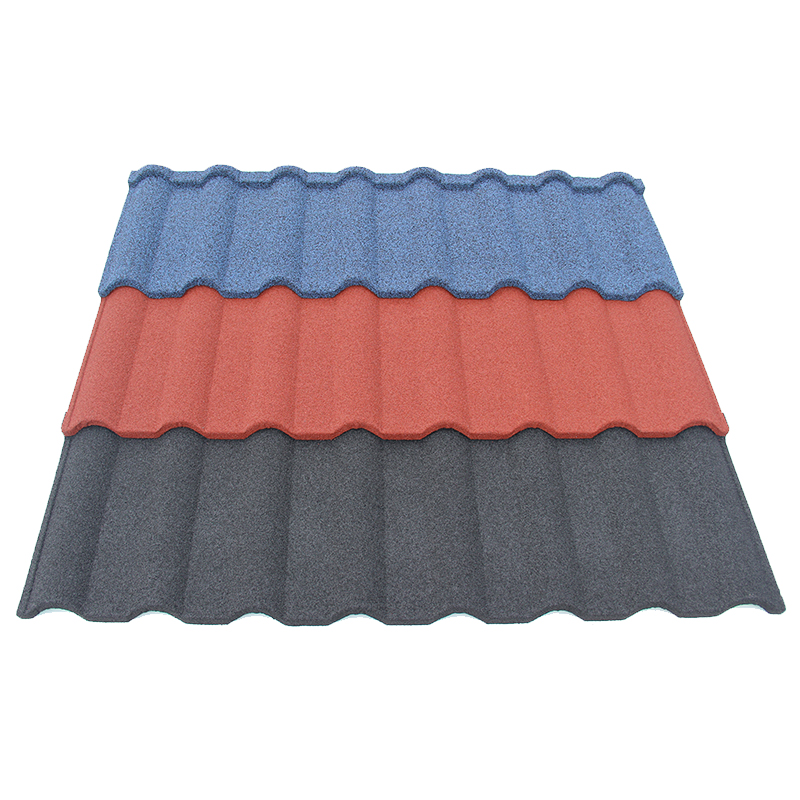
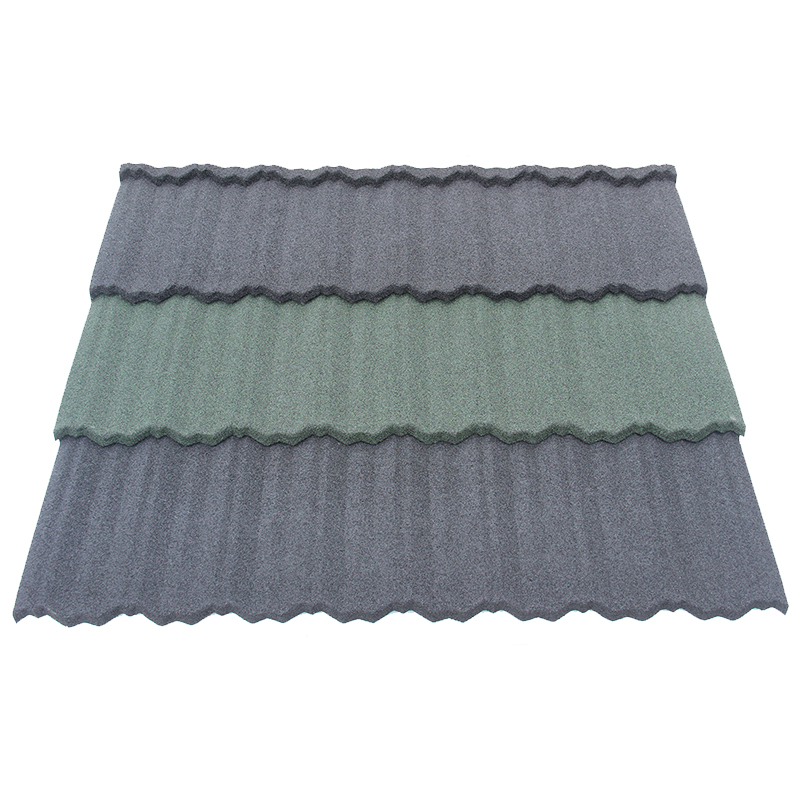
The Bond Tile features a low profile with a subtle shadow line that works well on modern beach houses. Its flat surface reduces wind turbulence and the stone coating is available in slate grey and terra cotta. Bond Tile provides a seamless look without the deep recesses that can trap debris.
Roman Tile
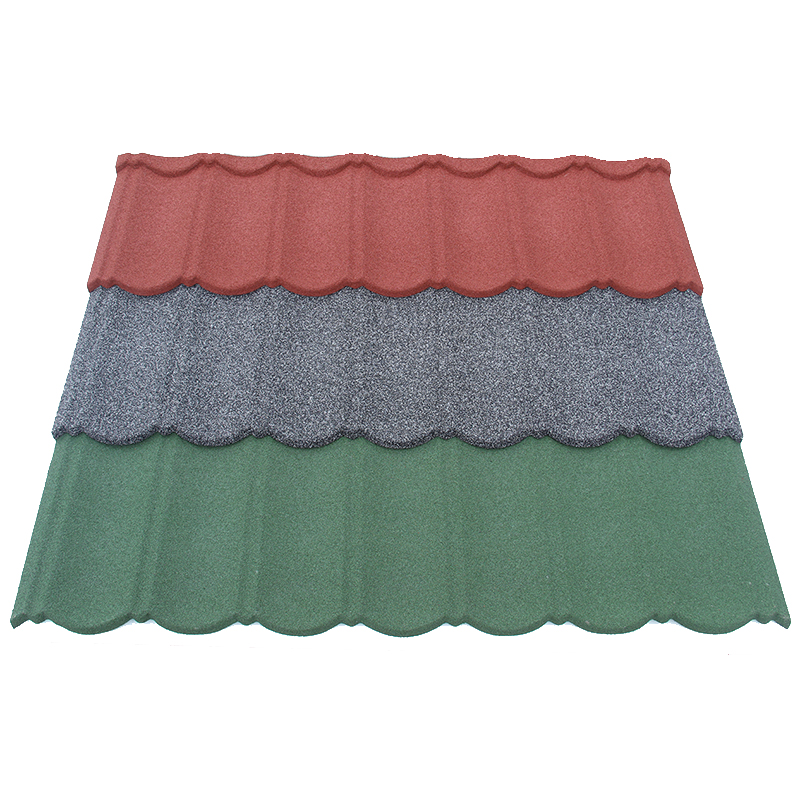
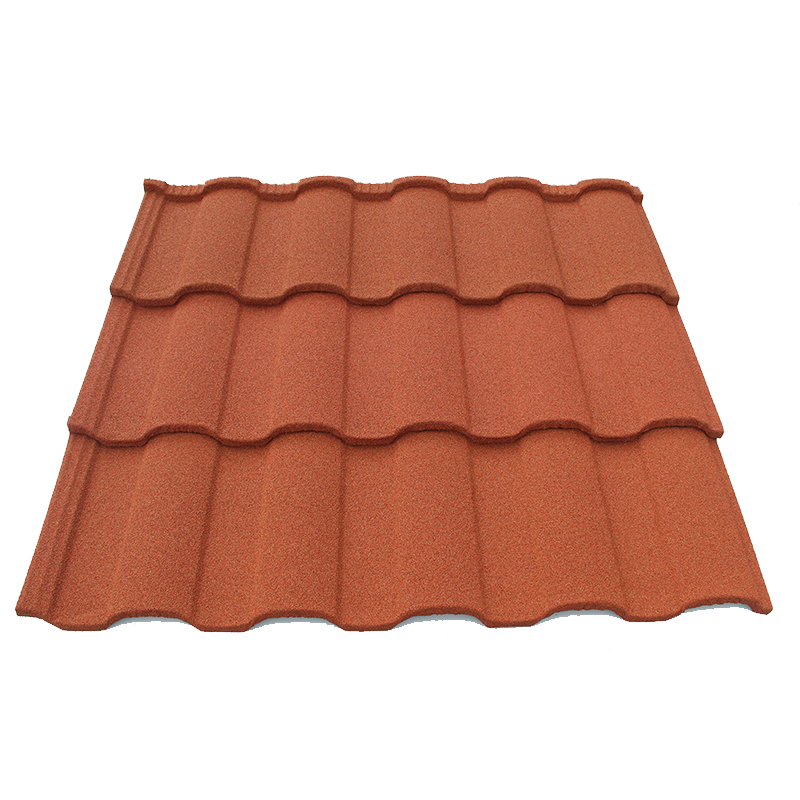
Roman Tile mimics the classic Mediterranean roof shape. The curved edges create a deep channel that directs water away from seams. This profile is popular for luxury waterfront villas where visual impact matters as much as durability.
Shingle Tile
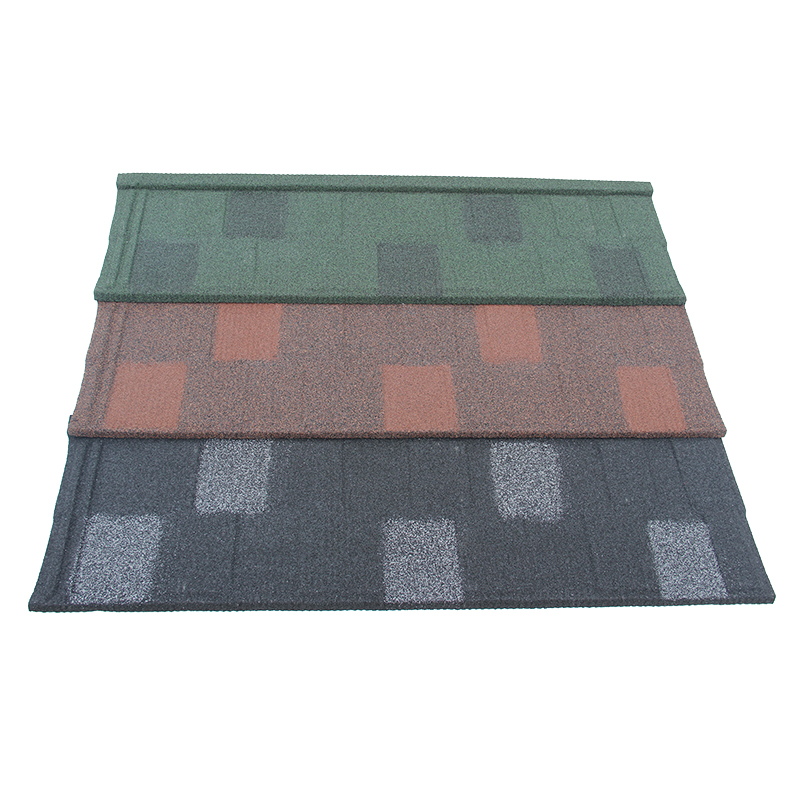
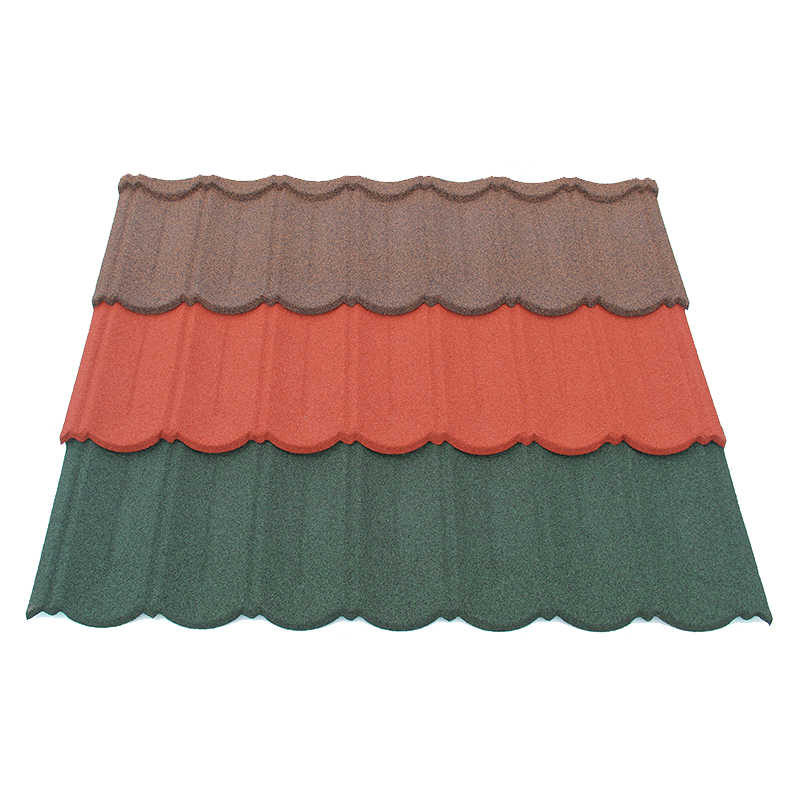
Shingle Tile offers a traditional shingle appearance with the benefits of metal. The overlapping design allows installers to work quickly on steep roofs. The stone coating resists staining even after years of exposure to sea spray.
Milano Tile
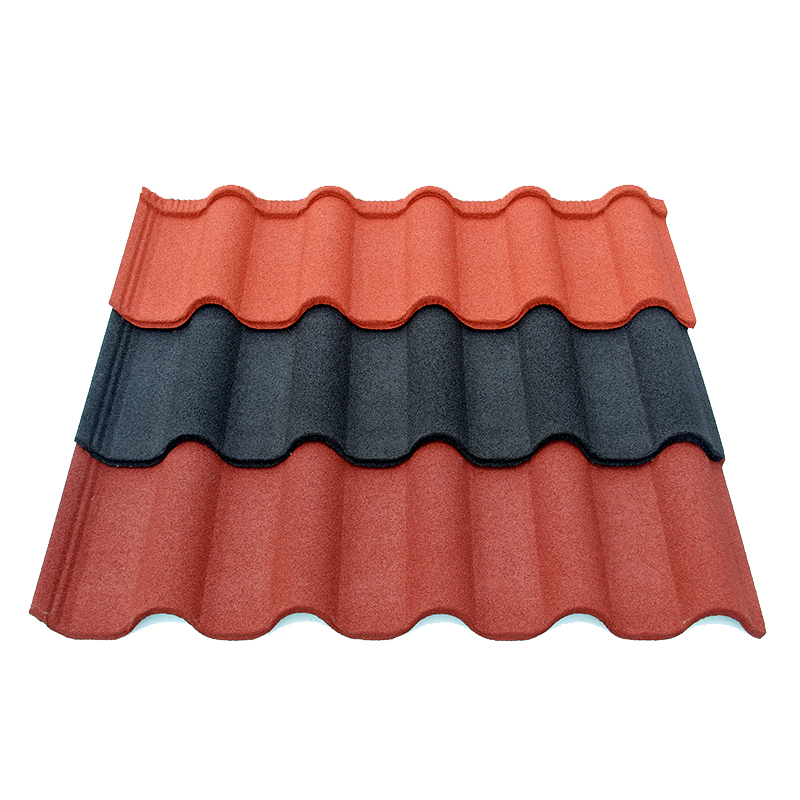
Milano Tile combines a rectangular shape with a raised ridge that adds depth. The ridge acts as a secondary drainage path, an advantage on flat roof sections that receive occasional ponding after storms. The product is often specified for commercial beachfront properties.
Shake Tile
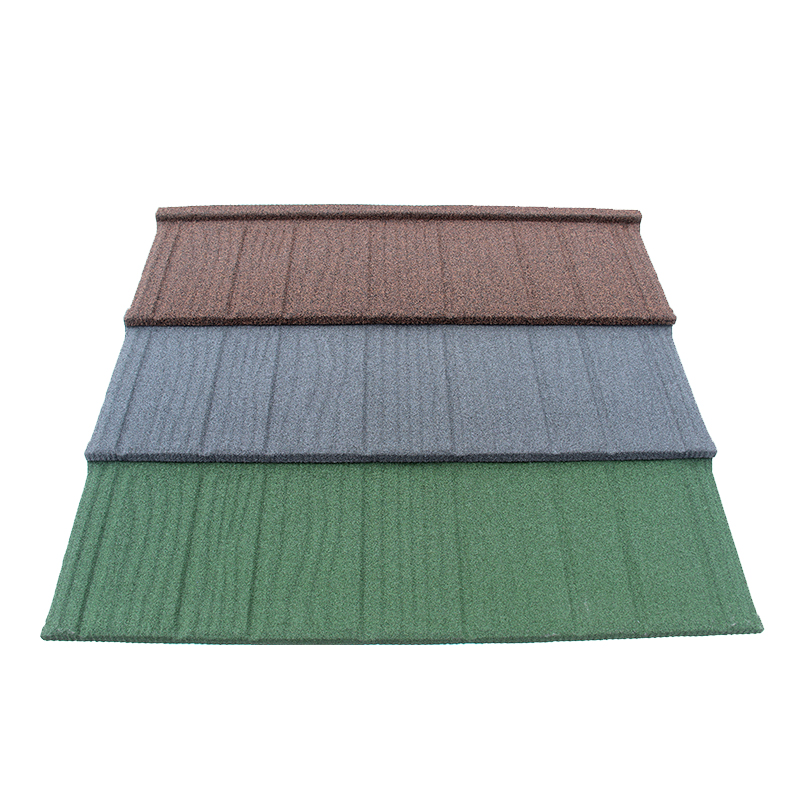
Shake Tile reproduces the rustic look of wooden shakes while delivering metal longevity. The irregular surface helps break up wind flow, reducing uplift forces on high rise coastal structures. Shake Tile also comes in a weathered brown that blends with natural dune surroundings.
Installation Best Practices for Salt Air Environments
Even the most resilient roof can fail if installed incorrectly. Contractors who work on coastal projects should follow these proven steps.
Fastening Methods
Use stainless steel or hot dip galvanized screws with neoprene washers. Place fasteners no more than 24 inches apart along the ridge and 18 inches along the eave. This spacing distributes loads evenly and prevents panel warping caused by uneven expansion.
Flashing Details
All roof penetrations vents, skylights and chimneys require custom metal flashings that match the tile profile. Seal the flashings with a marine grade silicone that remains flexible after years of temperature change.
Ventilation Strategy
Provide a continuous ridge vent and soffit openings to allow air to flow beneath the deck. Proper ventilation reduces condensation, which otherwise could settle on the stone surface and attract salt deposits.
Maintenance and Life Cycle Cost Analysis
Coastal owners often ask how the total cost of stone coated metal compares with asphalt shingles or concrete tile. The table below outlines typical expenses over a 30 year period, based on data from independent roofing studies.
| Feature | Stone Coated Metal Tile | Traditional Asphalt Shingle | Concrete Tile |
|---|---|---|---|
| Initial material cost (per square foot) | $12.50 | $4.00 | $9.00 |
| Installation labor (per square foot) | $6.00 | $3.00 | $7.00 |
| Average lifespan (years) | 45 | 20 | 30 |
| Annual maintenance cost | $0.10 | $0.30 | $0.15 |
| Life cycle cost (30 years) | $555 | $690 | $720 |
The numbers show that despite a higher upfront price, stone coated metal delivers a lower total cost because it requires fewer repairs and lasts longer. For a 2,500 square foot coastal home, the total 30 year cost difference can exceed $100,000 when you factor in labor, disposal and roof downtime.
Inspection Schedule
Schedule a visual inspection after every major storm. Look for loose fasteners, cracked stone or water stains on interior ceilings. A professional roofing contractor should perform a detailed check at least once every five years.
Cleaning Guidelines
Rinse the roof with low pressure water from a hose or a soft‑bristled brush. Avoid power washers that can chip the stone coating. If salt buildup appears, a mild detergent solution applied with a sponge will remove the residue without harming the surface.
Repair Procedures
Replace damaged panels with matching profiles. Because each tile is a complete unit, a single broken piece does not compromise the surrounding area. Seal any fastener holes with marine grade epoxy before reinstalling the tile.
Making the Procurement Decision
When you compare product data, installation guidelines and life cycle costs, stone coated metal roof tiles emerge as the most logical choice for homes exposed to salt air. The material resists corrosion, the design sheds water efficiently and the long term savings outweigh the initial expense. Moreover, the variety of profiles Bond Tile, Roman Tile, Shingle Tile, Milano Tile and Shake Tile lets architects preserve the visual language of the project while meeting performance goals.
For procurement teams, the next steps are clear:
- Request samples of the preferred profiles and verify stone color match with the building palette.
- Confirm that the supplier provides stainless steel fasteners and marine grade flashing.
- Include a maintenance clause in the contract that outlines inspection frequency and cleaning responsibilities.
- Calculate the total cost of ownership using the table above to demonstrate value to finance stakeholders.
By following this guide, developers and owners can protect their investment, meet local building codes and deliver a roof that looks great even after decades of exposure to the sea.
For more technical resources and a full product catalog, visit JCROOF.
Articles You May Be Interested In
What Certifications Should a Stone Coated Roofing Manufacturer Have?
The Definitive Guide to the Top 10 Stone Coated Metal Roof Tile Manufacturers in China