
Stone Coated Steel Roof Cost Per Square Foot A Comprehensive Procurement Guide
Procuring a new roofing system requires a clear understanding of the total investment. For commercial developers and residential contractors, the stone coated steel roof cost per square foot often appears higher than traditional asphalt shingles or basic galvanized steel. However, this price reflects a complex layering of materials designed to eliminate the common failures of cheaper alternatives. When you analyze the cost over a fifty year lifespan, the value proposition shifts from the initial purchase price to the total cost of ownership. This guide breaks down the pricing variables, material compositions, and installation factors that influence your final quote.
Analyzing the Stone Coated Steel Roof Cost Per Square Foot
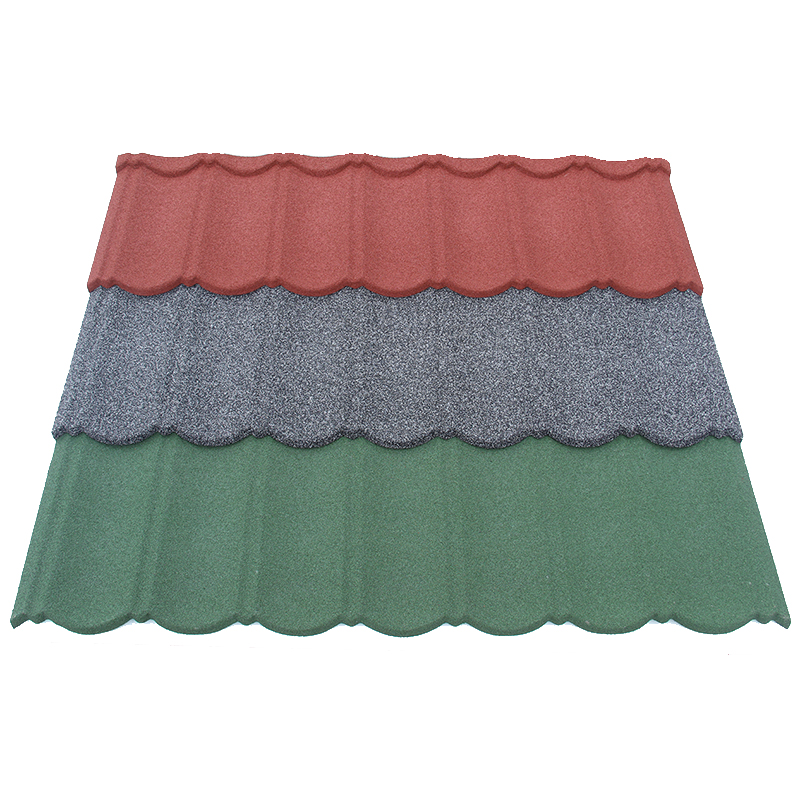
The current market price for stone coated steel roofing typically ranges from 12 to 25 dollars per square foot for materials alone. When you add professional installation, the total project cost usually lands between 15 and 35 dollars per square foot. These numbers vary based on the complexity of the roof pitch, the local labor market, and the specific profile you choose. Unlike standard metal sheets, these tiles feature a heavy duty steel core bonded with ceramic granules and a protective acrylic coating. This multi layer approach prevents rust and UV degradation, which justifies the premium price point compared to basic metal roofing.
Buyers must distinguish between the cost of the raw material and the fully installed system. A project with steep slopes or complex valleys requires more flashing and specialized safety equipment, which increases the labor portion of the bill. Most contractors charge by the square, which equals 100 square feet. If your roof is 2000 square feet, you are dealing with 20 squares of material. Understanding this measurement helps you compare quotes from different suppliers more accurately.
Material Grade and Steel Thickness
The gauge of the steel directly impacts the price. Thicker steel provides better impact resistance and structural rigidity. Most premium stone coated products use high strength steel that resists denting from hail. If a supplier offers a price that seems too low, check the steel thickness. Thinner steel may warp under extreme heat or buckle under heavy snow loads. Investing in a higher gauge steel reduces the risk of long term structural failure and maintains the aesthetic integrity of the building.
The Role of Coating and Granules
The stone coating is not just for looks. It serves as a sound dampener and a thermal shield. The process involves applying a high grade adhesive and embedding natural stone chips. This layer protects the metal from the harsh effects of the sun and rain. A thicker, more uniform coating of granules prevents the metal from expanding and contracting too rapidly, which stops the paint from cracking. This engineering detail ensures the roof lasts decades without requiring a full replacement.
Comparative Cost Analysis Table
| Roofing Material | Estimated Material Cost per Sq Ft | Average Lifespan | Maintenance Level | Long Term Value |
|---|---|---|---|---|
| Asphalt Shingles | 2 to 5 dollars | 15 to 20 years | High | Low |
| Standard Metal Sheets | 6 to 12 dollars | 30 to 50 years | Medium | Medium |
| Stone Coated Steel | 12 to 25 dollars | 50 plus years | Low | High |
| Clay Tiles | 10 to 20 dollars | 50 to 100 years | Medium | Medium |
Factors That Influence Metal Roof Cost and Installation
The total cost of a roofing project involves more than just the tiles. You must account for the underlayment, the ventilation system, and the trim work. A common mistake in procurement is focusing only on the stone coated steel roof cost per square foot while ignoring the peripheral components. For instance, high temperature synthetic underlayment is essential for metal roofs because the steel surface reaches temperatures that would melt standard felt paper. Using the wrong underlayment leads to leaks and voids the manufacturer warranty.
Labor costs fluctuate based on the region and the skill level of the crew. Installing stone coated tiles requires a different technique than installing shingles. Workers must ensure a tight seal at the laps to prevent wind uplift. If the installation team lacks experience with this specific product, they may waste material through incorrect cuts or cause damage to the coating. Paying a slightly higher rate for certified installers saves money by avoiding costly repairs two years down the road.
Roof Pitch and Complexity
A simple gable roof is the most affordable to install. However, many modern luxury homes or commercial buildings feature multiple dormers, valleys, and hips. Every valley requires specialized flashing and extra sealant to ensure water flows away from the structure. Steep pitches require scaffolding and safety harnesses, which adds to the daily labor rate. When requesting a quote, provide a detailed roof plan so the contractor can calculate the exact amount of waste material needed. Usually, a 10 to 15 percent waste factor is standard for complex designs.
Selection of Tile Profiles
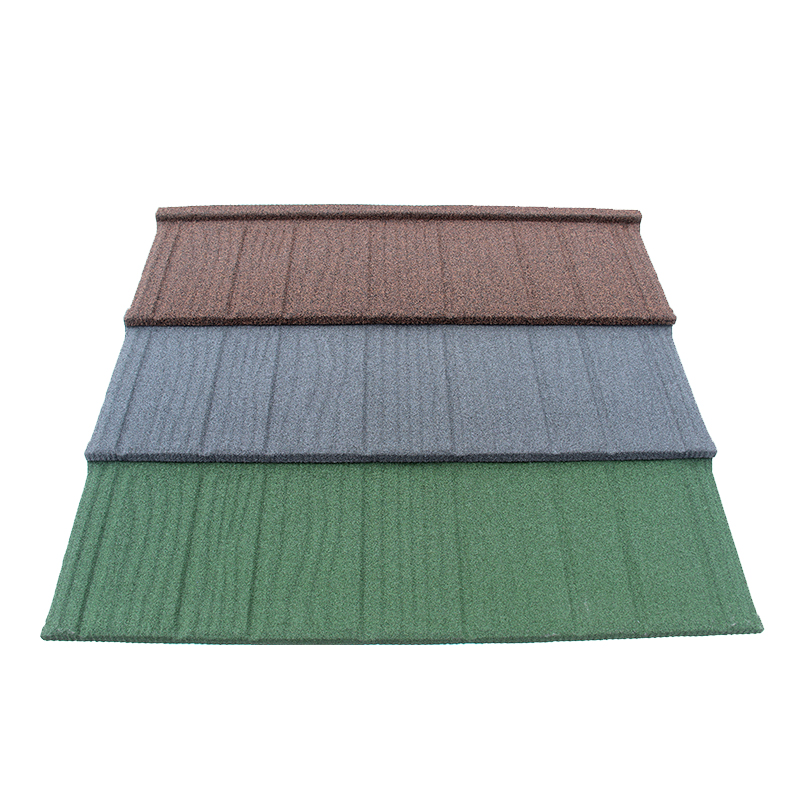
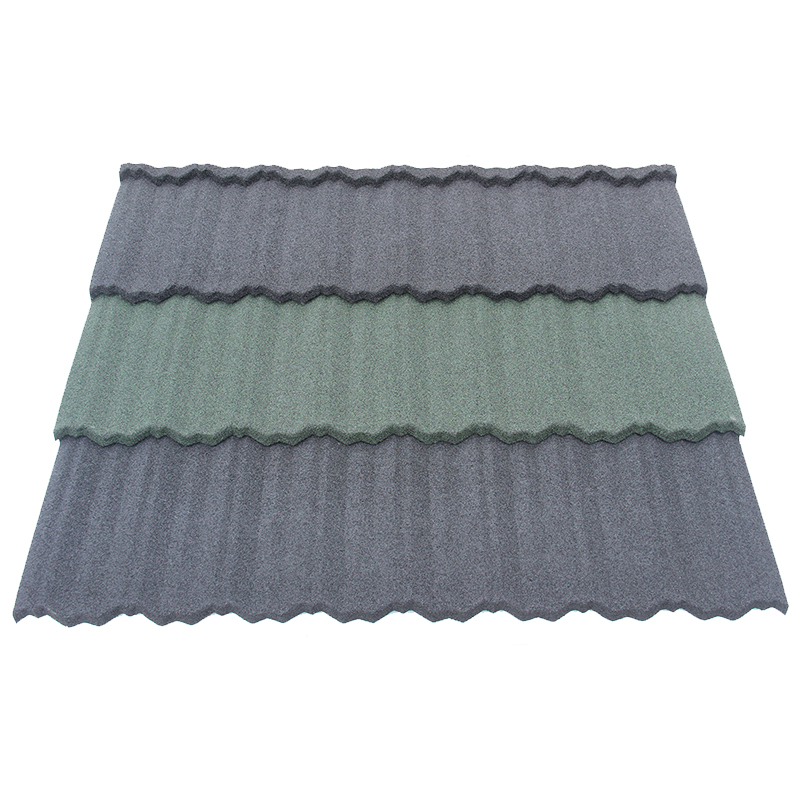
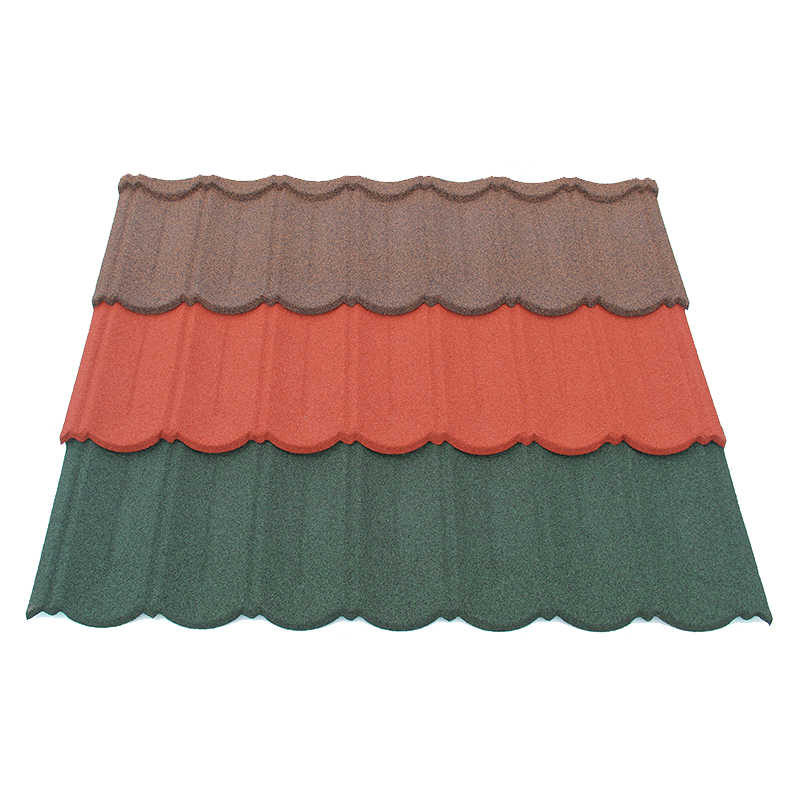
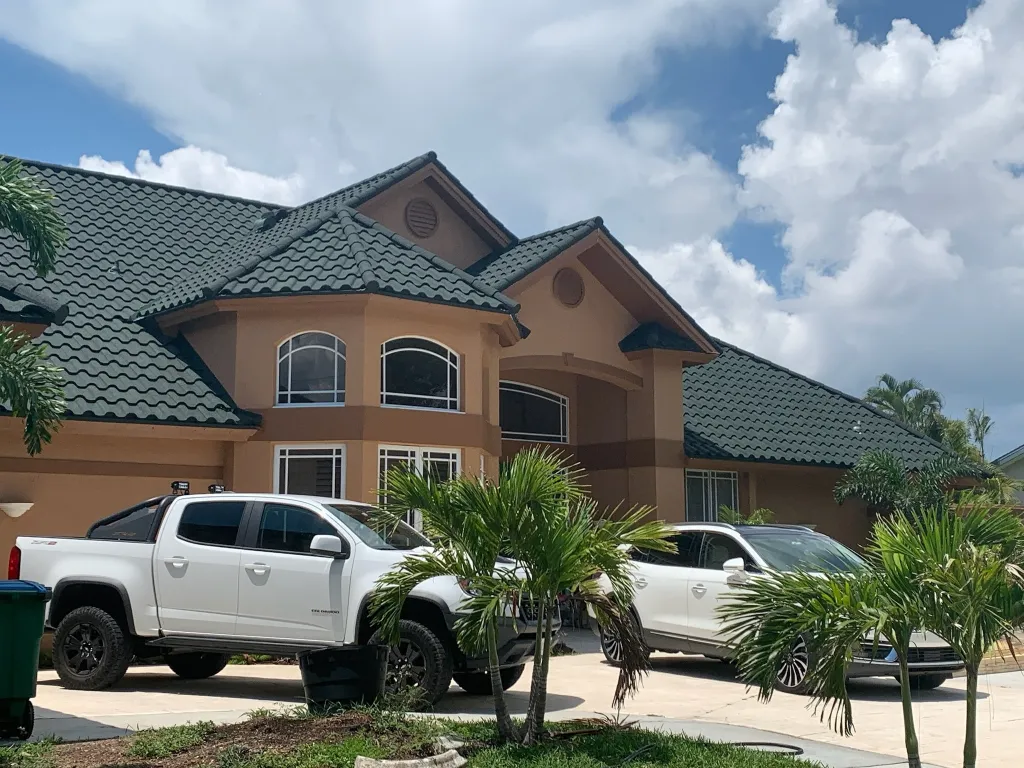
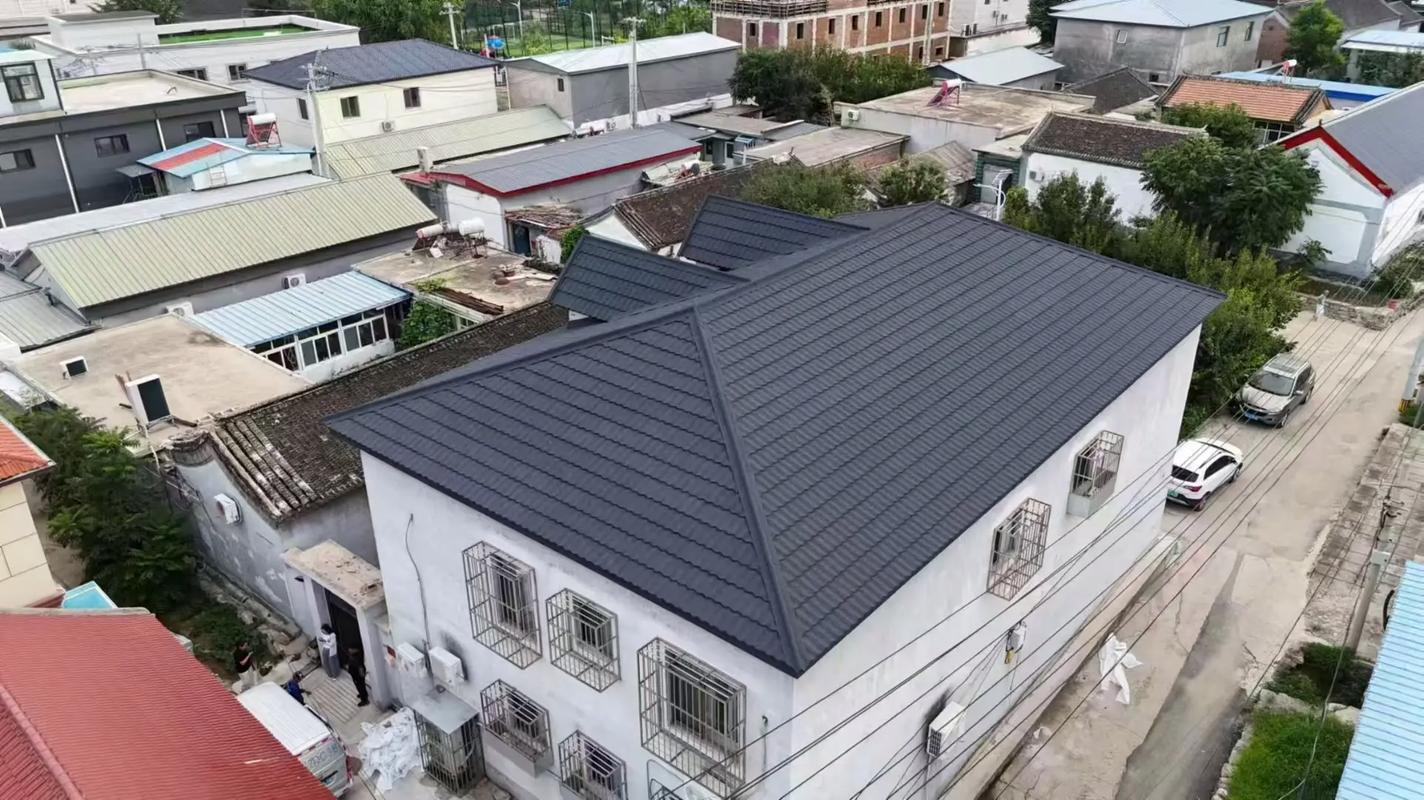
The visual style you choose impacts the price. Some profiles require more steel and more granules than others. For example, the Bond Tile is a compact, low profile tile that suits modern roof lines and simplifies installation.
Ventilation and Ridge Caps
Proper airflow prevents heat buildup in the attic, which protects the roof deck from rotting. You must invest in quality ridge vents and gable vents. Stone coated steel roofs need specific venting solutions that match the aesthetic of the tiles. If you ignore ventilation to save a few hundred dollars, you risk trapping moisture. This moisture can lead to condensation on the underside of the steel, causing premature corrosion of the roof deck. Always bundle the ventilation system into the initial procurement budget.
Evaluating Long Term ROI and Procurement Decisions
Smart procurement focuses on the lifecycle cost rather than the upfront price. While the stone coated steel roof cost per square foot is higher than asphalt, the maintenance requirements are nearly zero. You do not need to replace these tiles every fifteen years. When you factor in the cost of three asphalt roof replacements over fifty years, the stone coated steel option becomes the cheaper choice. Additionally, these roofs often increase the resale value of a property. Appraisers recognize the durability and luxury appeal of stone coated metal, which translates to a higher market price for the building.
Energy efficiency also plays a role in the financial return. The light colored granules reflect a significant portion of solar radiation. This reduces the cooling load on the HVAC system during summer months. Commercial owners often see a noticeable drop in electricity bills after switching to a reflective metal roof. This operational saving offsets the initial investment over time, making the project a self funding improvement in the long run.
Weight and Structural Requirements
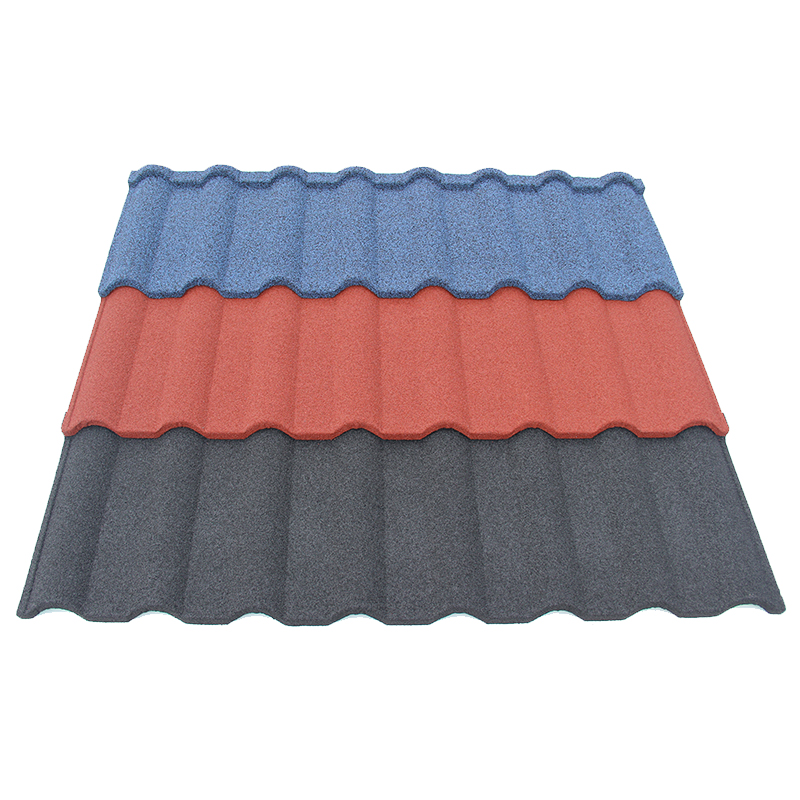
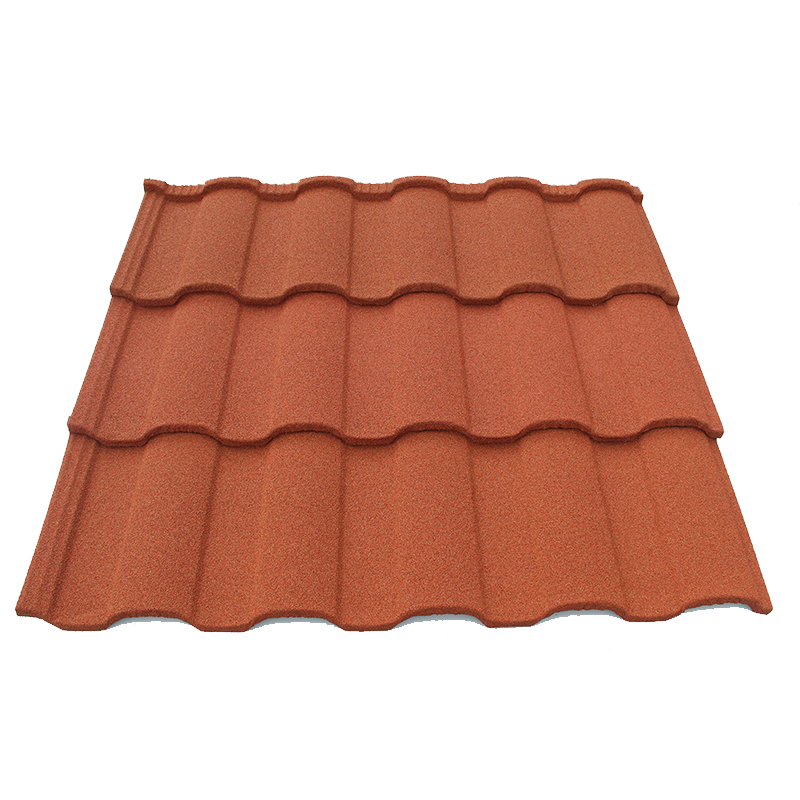
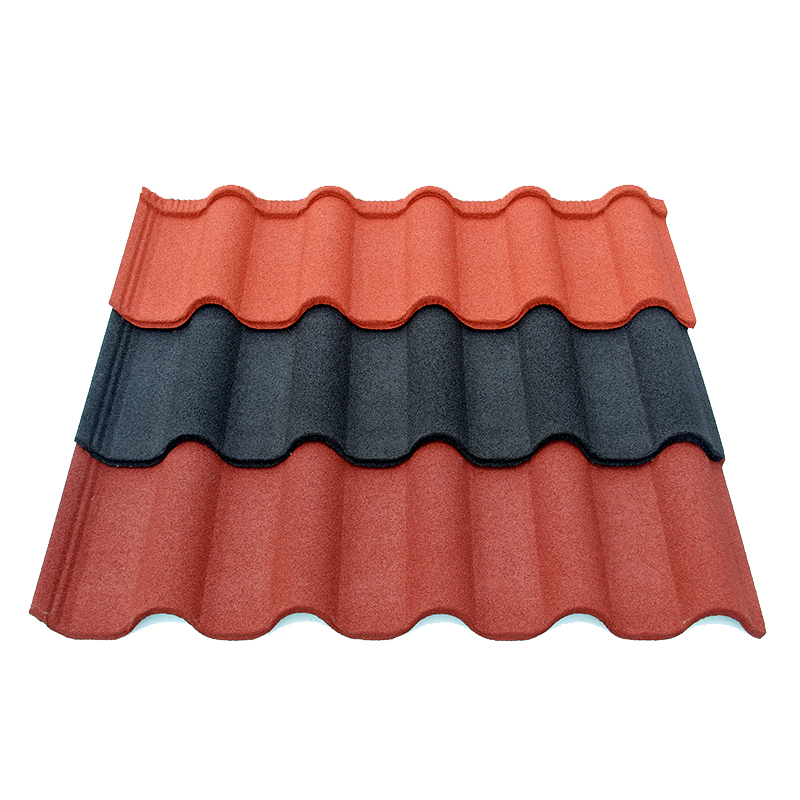
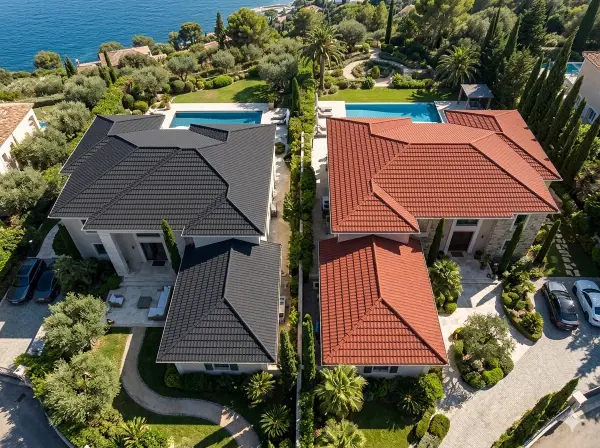
One of the biggest advantages for buyers is the weight. Traditional clay or concrete tiles are extremely heavy and often require reinforced trusses or additional wall support. Stone coated steel mimics the look of heavy tiles but weighs a fraction of the amount. This means you can achieve a Mediterranean or European look without paying for structural upgrades to the building frame. For those wanting a traditional look, the Roman Tile provides the deep, curved profile that channels water quickly on traditional and Mediterranean architecture.
Comparing Aesthetic Options for Different Budgets
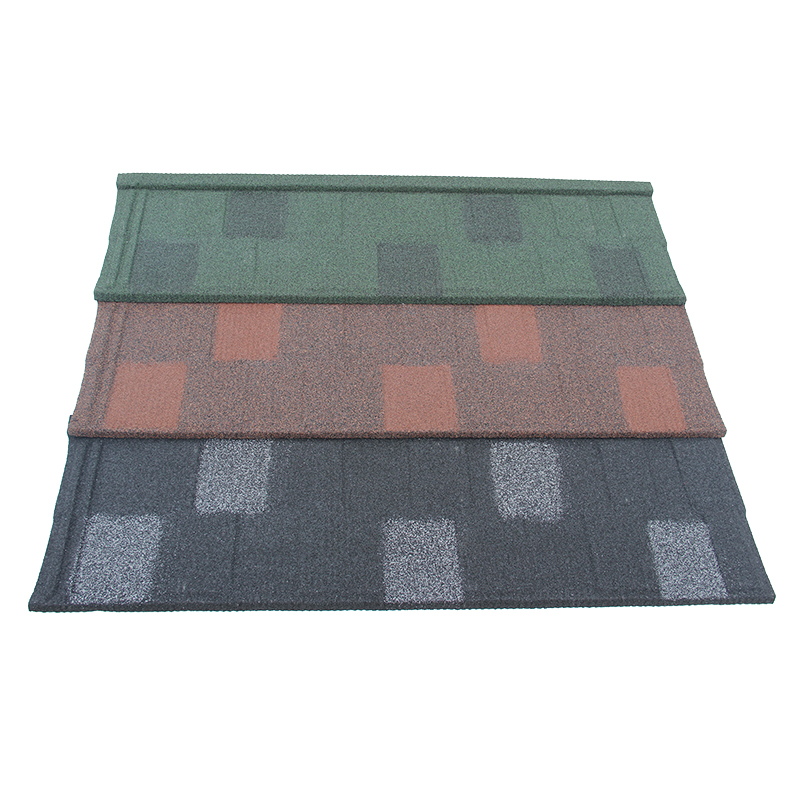
Depending on the project goal, different profiles fit different budgets and styles. If the goal is a modern, clean look that resembles high end shingles, the Shingle Tile delivers a flat, contemporary profile that reads like premium asphalt shingles while retaining metal durability.
Common Procurement Errors
The most common mistake buyers make is choosing the lowest bid without checking the material specifications. Some low cost suppliers use a thin paint layer instead of a true stone coating. This leads to peeling and fading within five years. Another error is neglecting the flashing. The tiles might be high quality, but if the contractor uses cheap, thin aluminum for the valleys and edges, the roof will leak. Demand a full list of components, including the brand of sealant and the gauge of the flashing, before signing a contract.
Technical Specifications and Performance Standards
To justify the stone coated steel roof cost per square foot, you must look at the technical performance. These roofs are engineered to withstand extreme weather. Most are rated for winds up to 120 miles per hour or more. The interlocking design prevents wind from getting under the tiles and lifting them off the deck. This makes them ideal for coastal areas or regions prone to severe storms. The steel core is typically coated with Aluzinc, a blend of aluminum and zinc that provides superior corrosion resistance compared to standard galvanized steel.
Fire resistance is another critical factor for procurement, especially in wildfire prone zones. Stone coated steel is non combustible. It typically carries a Class A fire rating, the highest possible rating for roofing materials. This not only protects the building but can also lower insurance premiums. When you compare this to wood shakes or asphalt, the safety value is immense. Professional buyers should request the ASTM test results for fire and wind performance from the manufacturer to verify these claims.
The Aluzinc Coating Process
The secret to the longevity of these roofs is the Aluzinc layer. This alloy combines the corrosion resistance of aluminum with the sacrificial protection of zinc. In salt air environments, standard steel rusts quickly. Aluzinc creates a barrier that prevents oxidation from reaching the core steel. This is why these roofs perform so well in coastal regions. When sourcing materials, ensure the supplier uses a certified Aluzinc coating rather than a simple primer.
Impact Resistance and Hail Performance
Hail damage is a major concern for property owners. Traditional tiles can crack, and shingles can lose granules. Stone coated steel handles impact differently. The steel core absorbs the blow, and the stone granules help dissipate the energy. While a very large hailstone might leave a small dent, it rarely punctures the steel or strips the coating. This durability means fewer insurance claims and less frequent roof inspections.
Installation Workflow and Quality Control
A professional installation follows a strict sequence. First, the roof deck is cleaned and a high quality underlayment is applied. Then, the starter strips are installed to create a secure base. Tiles are laid from the bottom up, overlapping each other to create a water tight seal. Each tile is fastened with specialized screws and nails that are capped with the next tile to prevent water infiltration. Quality control involves checking the alignment of the rows and ensuring all fasteners are driven flush. Any gap in this process can lead to wind driven rain entering the attic.
For those seeking a reliable partner in this process, JCROOF provides the technical expertise and material quality needed to ensure a project stays on budget and meets all performance standards. Working with a supplier who understands the engineering behind the product prevents the common pitfalls of cheap installations.
Final Decision Matrix for Buyers
When finalizing your procurement decision, use a weighted matrix to compare your options. Do not let the initial stone coated steel roof cost per square foot dictate the entire decision. Instead, assign a value to the following factors: lifespan, energy savings, insurance premiums, and aesthetic appeal. If the building is intended to be held for more than ten years, the stone coated steel option almost always wins. If the building is a quick flip or a temporary structure, a cheaper material might suffice.
Consider the environmental impact as well. Steel is one of the most recycled materials on earth. Choosing a metal roof reduces the amount of waste sent to landfills every decade. Many stone coated tiles use recycled steel in their production, making them a sustainable choice for green building certifications. This eco friendly profile can be a selling point for commercial tenants or high end residential buyers who value sustainability.
Summary of Value Drivers
- Lifespan: 50 years versus 20 years for asphalt.
- Weight: Lighter than clay, reducing structural stress.
- Protection: Class A fire rating and high wind resistance.
- Maintenance: No need for chemical treatments or frequent patching.
- Aesthetics: High end look of clay or slate with modern durability.
Ultimately, the investment in a stone coated steel roof is an investment in peace of mind. The higher initial cost is a payment for the elimination of future failures. By focusing on the quality of the steel, the integrity of the coating, and the skill of the installer, you ensure that your property remains protected and visually stunning for half a century. Avoid the temptation of the lowest bid and instead seek the best value per year of service.
Articles You May Be Interested In
What Certifications Should a Stone Coated Roofing Manufacturer Have?
The Definitive Guide to the Top 10 Stone Coated Metal Roof Tile Manufacturers in China