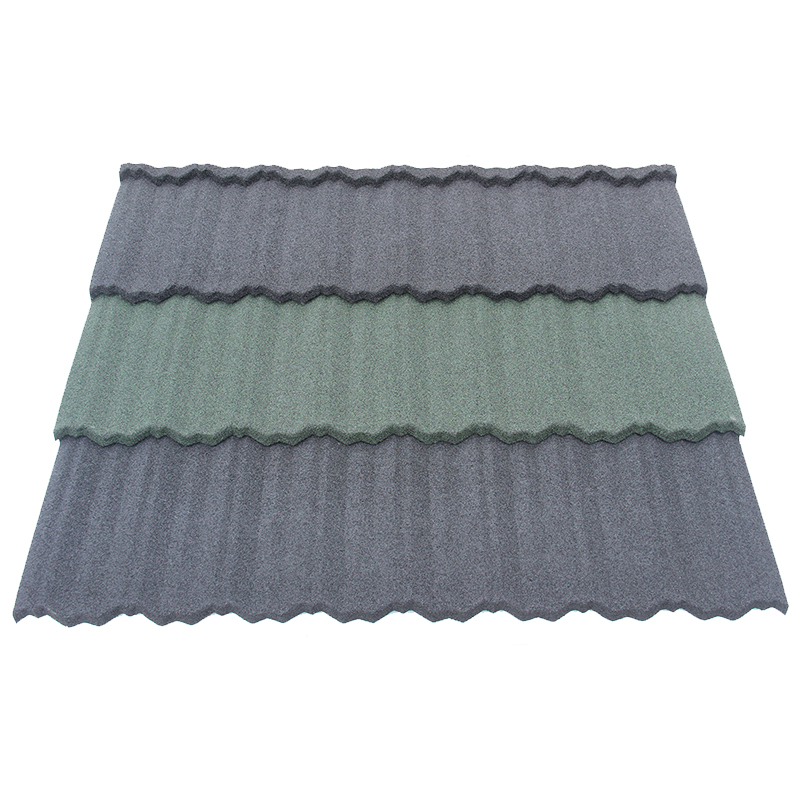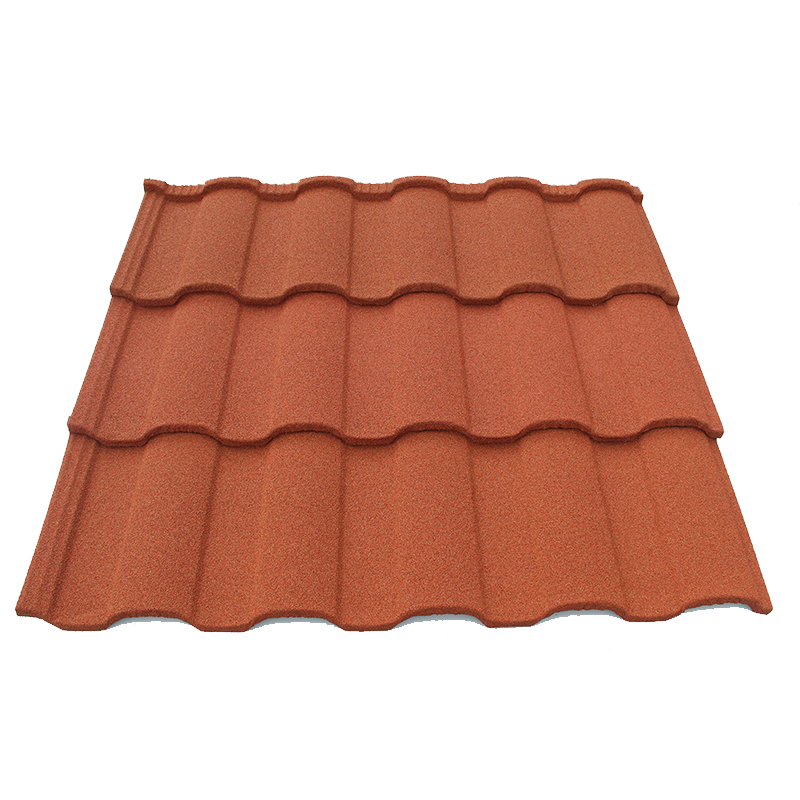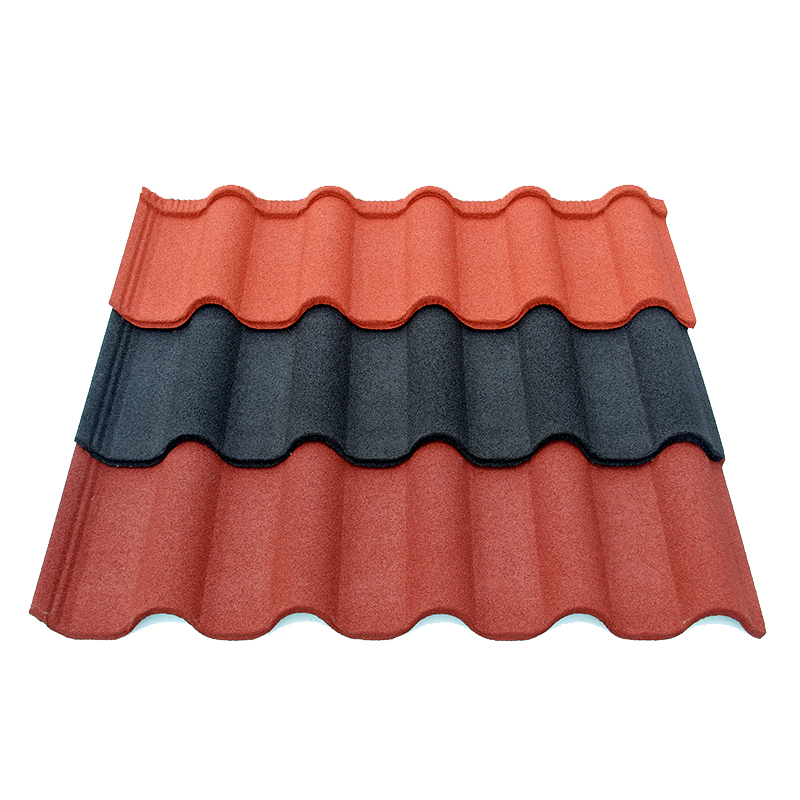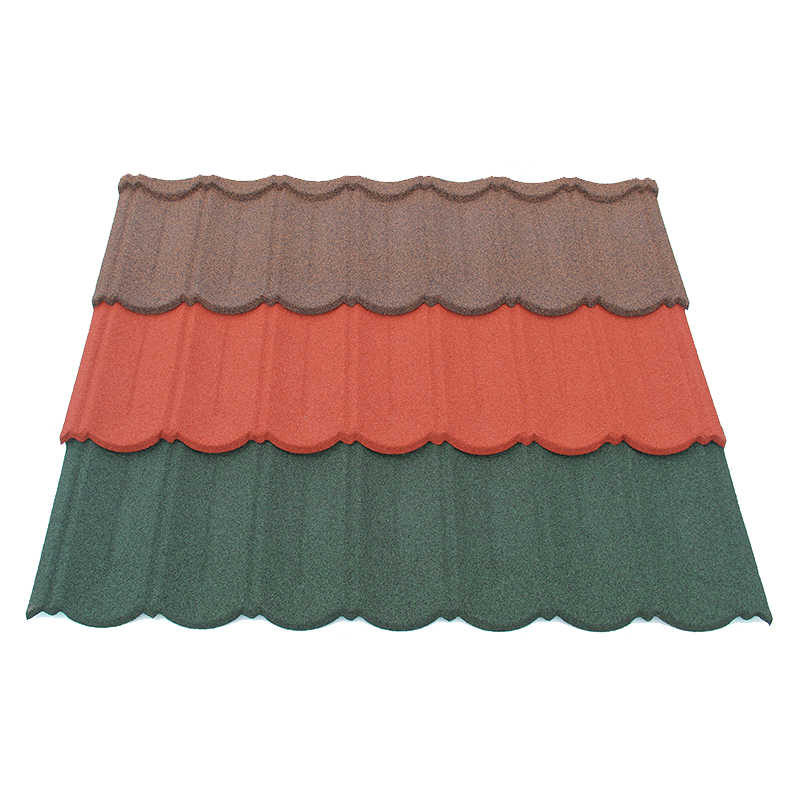

The stone coated roof tile production process determines far more about performance than most buyers realize. A tile can look identical to a competitor’s on a sample board, yet perform very differently after years of real weather exposure. That difference usually traces back to specific manufacturing steps most buyers never see. This guide breaks down how these tiles actually get made, and what each production stage means for long-term performance.
Why Understanding the Manufacturing Process Matters to Buyers
Marketing materials describe finished products, not the process behind them. Two tiles can share nearly identical specifications on paper while differing significantly in coating consistency or dimensional accuracy. Buyers who understand the basic production process can ask sharper questions during sourcing. This knowledge also helps buyers spot warning signs when a manufacturer cannot explain their own process clearly.
Production Quality Directly Shapes Field Performance
A rushed or inconsistent production run can produce tiles that look fine at delivery but fail early in the field. Understanding the process helps buyers connect specific manufacturing steps to the performance claims they are evaluating.
Process Knowledge Helps Buyers Ask Better Questions
A buyer who understands coating bonding temperature can ask a manufacturer specific, verifiable questions. Vague or evasive answers to these questions reveal far more than a polished sales brochure ever could.
Breaking Down the Core Stages of Production
Stone coated roof tile manufacturing generally follows four core stages. These are steel coil preparation and base coating, stone granule application and bonding, profile forming, and final quality testing. The table below outlines what happens at each stage.
| Production Stage | What Happens | Why It Matters |
|---|---|---|
| Steel Coil Preparation | Steel coil gets cleaned and coated with a corrosion-resistant base layer | Sets the foundation for long-term corrosion resistance |
| Stone Granule Bonding | Granules get applied and bonded under high heat to the coated steel | Determines coating durability and appearance consistency |
| Profile Forming | Coated steel gets pressed into the specific tile profile shape | Affects interlocking accuracy and installation quality |
| Quality Testing | Finished tiles undergo wind, impact, and coating adhesion testing | Confirms the batch meets documented performance standards |
Steel Coil Preparation and Base Coating
Raw steel coil starts by getting cleaned to remove surface contaminants. A corrosion-resistant base layer, typically an aluminum-zinc alloy, gets applied next. This base layer forms the foundation for every later stage of protection.
Stone Granule Application and Bonding
Stone or ceramic granules get applied to the coated steel and bonded under carefully controlled heat. This bonding process determines how well the coating resists chipping, fading, and granule loss over years of weather exposure.
Profile Forming and Dimensional Accuracy
The coated steel sheet gets pressed into its final tile profile using precision rollers or stamping equipment. Accurate forming ensures tiles interlock correctly during installation, which directly affects water resistance once installed.
How Production Quality Affects Real-World Performance
Each production stage connects to a specific performance outcome buyers care about. Understanding these connections helps buyers evaluate whether a manufacturer’s process actually supports their marketing claims. The following examples show how this plays out across different performance priorities.
Coastal Corrosion Resistance
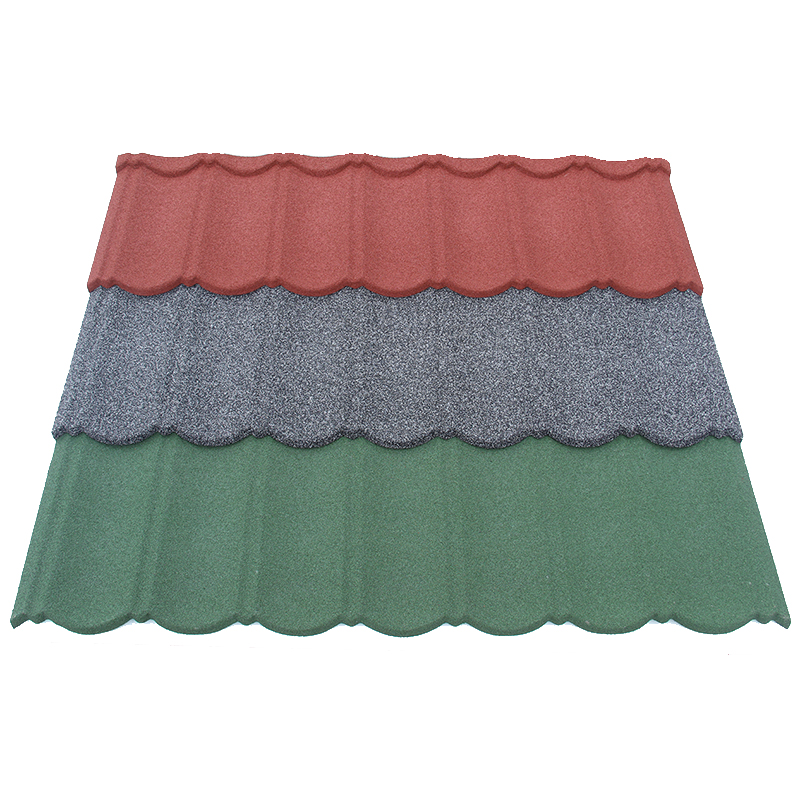
A properly applied base coating directly determines how well a tile resists salt air corrosion. A Bond Tile destined for coastal markets depends heavily on consistent base layer application during production.
Fire Classification Performance
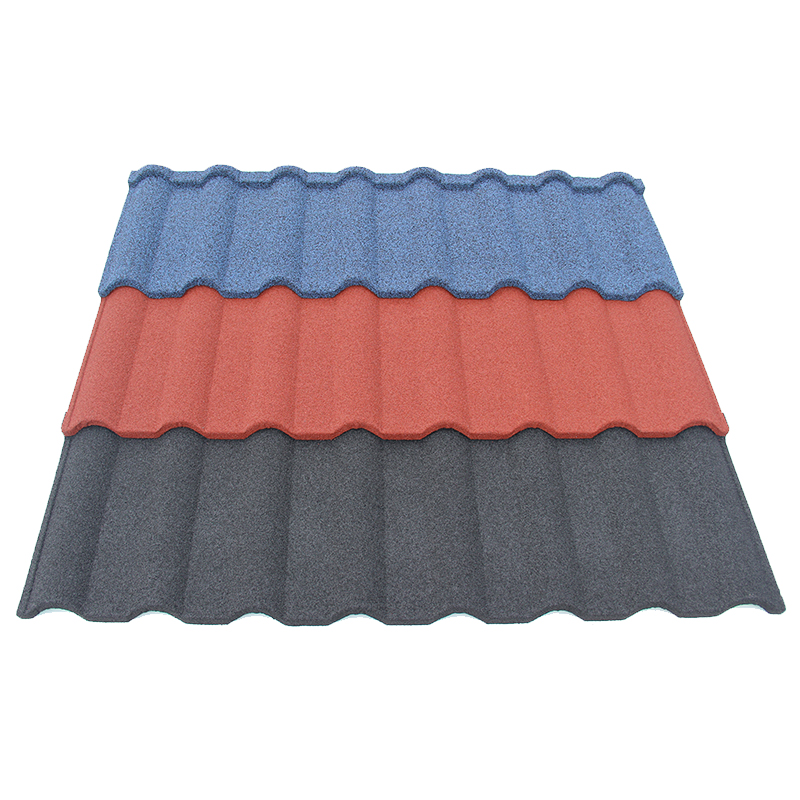
Fire rating depends partly on how consistently the coating bonds to the steel base during manufacturing. A Roman Tile carrying a Class A fire rating needs that bonding process verified through actual testing, not just design specifications.
Consistent Appearance Across Large Orders
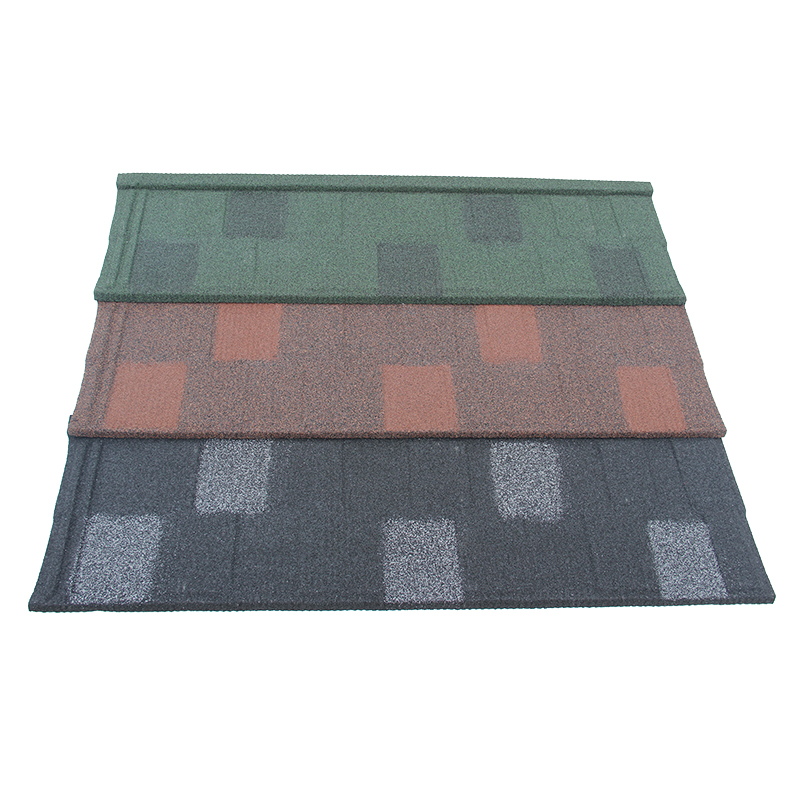
Granule application consistency affects color and texture uniformity across separate production batches. This matters significantly for a high-volume profile like Shingle Tile, where buyers expect matching appearance across an entire order.
Dimensional Precision for Architectural Profiles
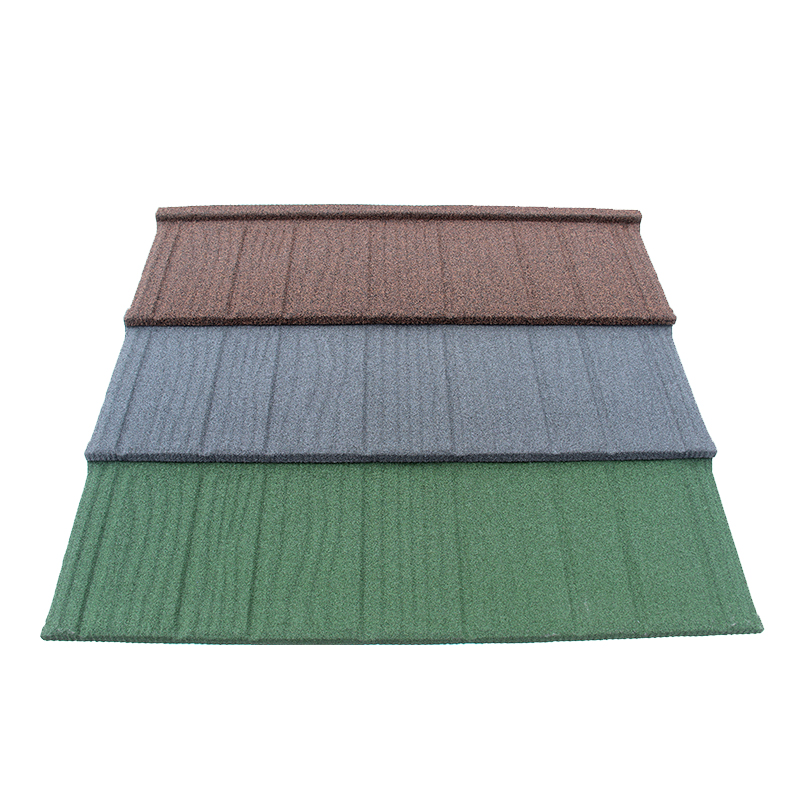
Custom or architectural profiles demand tighter dimensional tolerances during forming. Manufacturers such as JCROOF apply detailed quality control checks during the forming stage to maintain this precision for profiles like Milano Tile. A textured profile such as Shake Tile requires similar attention, since its deeper texture can reveal inconsistent granule bonding more easily than a flat panel.
Common Misconceptions About How These Tiles Are Made
Buyers researching this category often carry a few misconceptions about the manufacturing process. Clearing these up helps set realistic expectations when evaluating a supplier.
Assuming All Coating Processes Are Identical
Coating bonding temperature and technique vary between manufacturers, even when marketing language sounds similar. This variation directly affects long-term coating durability.
Believing Sample Tiles Represent Full Production Runs
A single well-made sample does not confirm consistency across a full production batch. Buyers should request samples from multiple runs to verify true manufacturing consistency.
Overlooking the Role of Testing in Final Quality
Some buyers assume a finished product automatically meets its published ratings. Reputable manufacturers test finished batches directly, rather than relying solely on design specifications.
- Ask manufacturers to explain their coating bonding process in specific terms
- Request samples from multiple production batches, not just one representative piece
- Confirm quality testing happens on finished batches, not just design specifications
- Verify dimensional tolerance standards for architectural or custom profiles
- Treat vague or evasive process explanations as a warning sign
What to Look for When Evaluating a Manufacturer’s Production Process
Buyers who understand the manufacturing process gain a real advantage during supplier evaluation. Specific, verifiable process details separate manufacturers confident in their quality from those relying on marketing language alone.
Questions to Ask About Any Manufacturer’s Process
Ask about coating bonding temperature, testing frequency, and dimensional tolerance standards. Specific answers to these questions reveal far more than a general durability claim ever could.
Understanding how stone coated roof tiles are manufactured gives buyers a real tool for evaluating quality claims. Verifying each production stage, from base coating through final testing, leads to a far more informed purchasing decision than judging by sample appearance alone.