
One of the most important but often underestimated concerns in stone coated roofing projects is this: will improper installation eventually cause the roof sheathing and battens to rot? For contractors, distributors, and project owners working with stone coated steel roofing, this question directly impacts long-term liability and structural performance.
The short answer is yes—if stone coated roofing is installed incorrectly, it can absolutely lead to moisture intrusion, which over time can cause rot in the sheathing and battens. However, it’s critical to understand that the issue is not the material itself, but how the system is executed on-site.
Why Moisture Control Is Critical in Stone Coated Roofing Systems
Stone coated roofing (stone coated metal roofing) is designed as a water-shedding system, not a fully waterproof barrier at the outermost layer. This means it relies on proper layering—tiles, battens, underlayment, and ventilation—to manage water effectively.
If any part of this system is installed incorrectly, water can bypass the outer layer and reach the structural components beneath.
Once moisture gets trapped in the sheathing or battens, long-term damage becomes very likely.
Key Moisture Defense Layers
- Stone coated steel tiles (outer protection)
- Batten system (air gap and support)
- Underlayment (secondary waterproof barrier)
- Roof deck/sheathing (structural layer)
How Incorrect Installation Leads to Rot
To fully answer whether improper installation can rot sheathing and battens, we need to break down how water intrusion actually happens in stone coated steel roofing systems.
Most failures are not caused by one major mistake, but by small installation errors that allow moisture to accumulate over time.
1. Improper Fastener Installation
If fasteners are angled incorrectly or not sealed properly, water can enter through these نقاط and slowly reach the underlying structure.
Over time, repeated exposure leads to moisture buildup in the battens.
2. Poor Underlayment Installation
The underlayment is the last line of defense. If it is torn, misaligned, or improperly overlapped, water can pass through and reach the sheathing.
3. Incorrect Batten Spacing or Installation
Improper batten layout can disrupt drainage flow and create areas where water collects instead of draining properly.
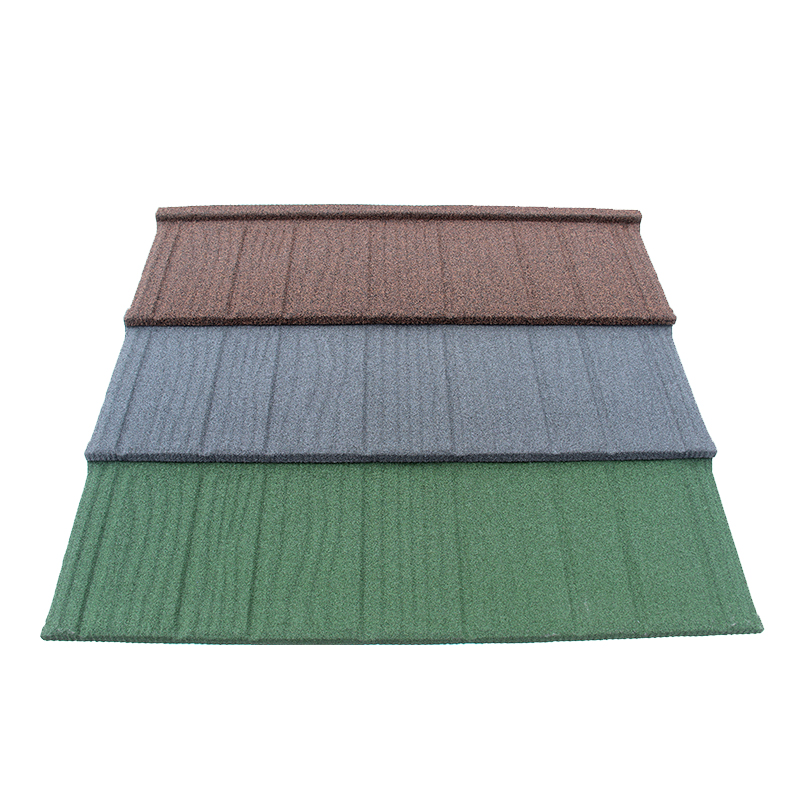
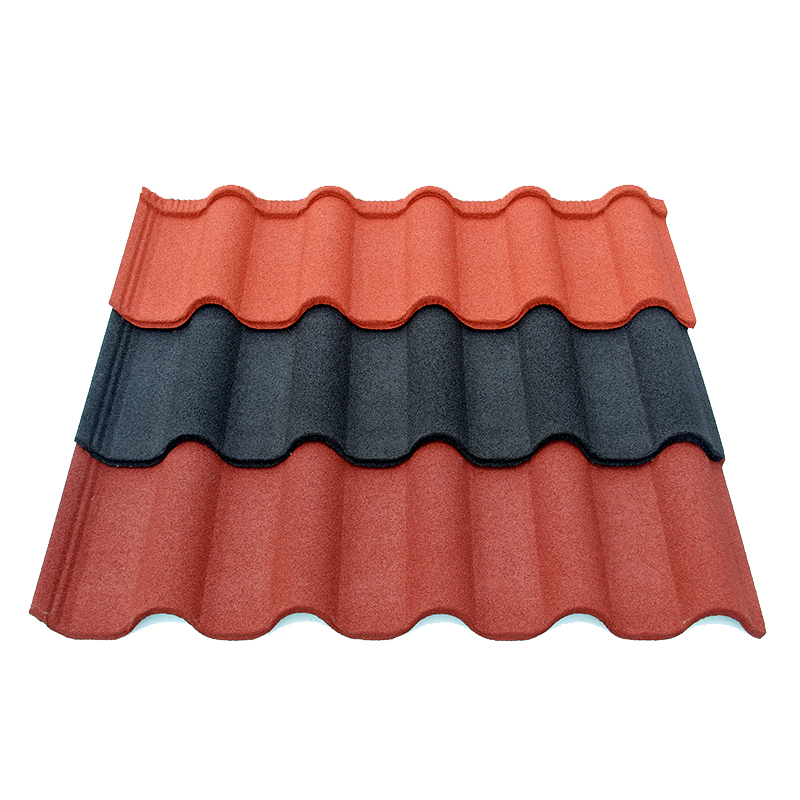
In systems using Bond Tile, correct batten spacing is essential to maintain proper overlap and water flow.
4. Lack of Ventilation
Without proper airflow, trapped moisture cannot dry out, accelerating the risk of rot.
What Actually Happens When Wood Components Start to Rot
Once moisture reaches the sheathing or battens and remains there over time, biological degradation begins. This is not immediate—it develops gradually, which is why it often goes unnoticed until significant damage has occurred.
Understanding the progression helps contractors identify and prevent long-term failures.
Stages of Damage
- Initial moisture absorption
- Fungal growth and discoloration
- Softening of wood structure
- Loss of structural integrity
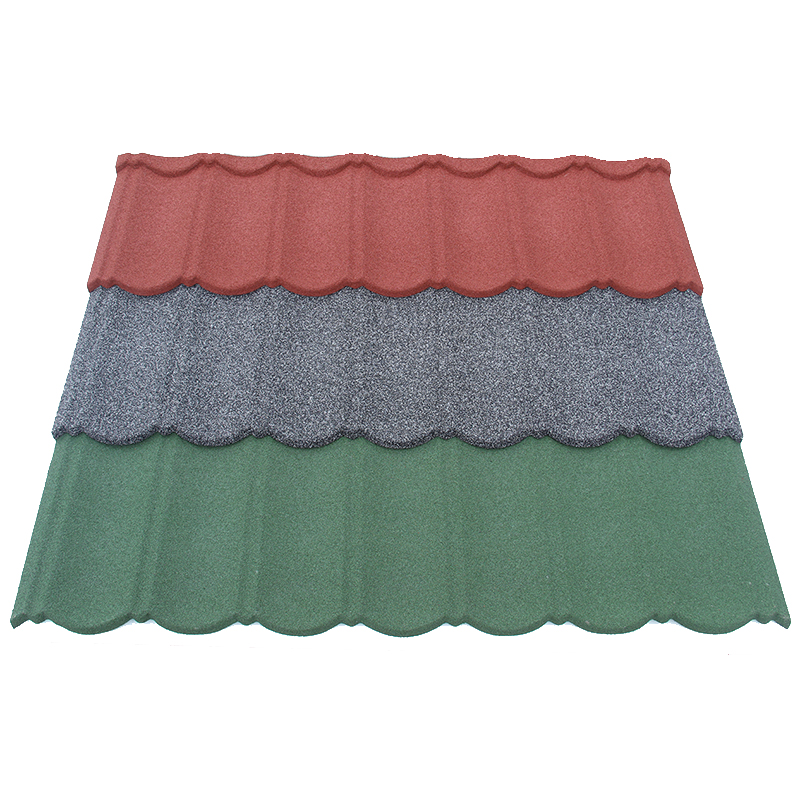
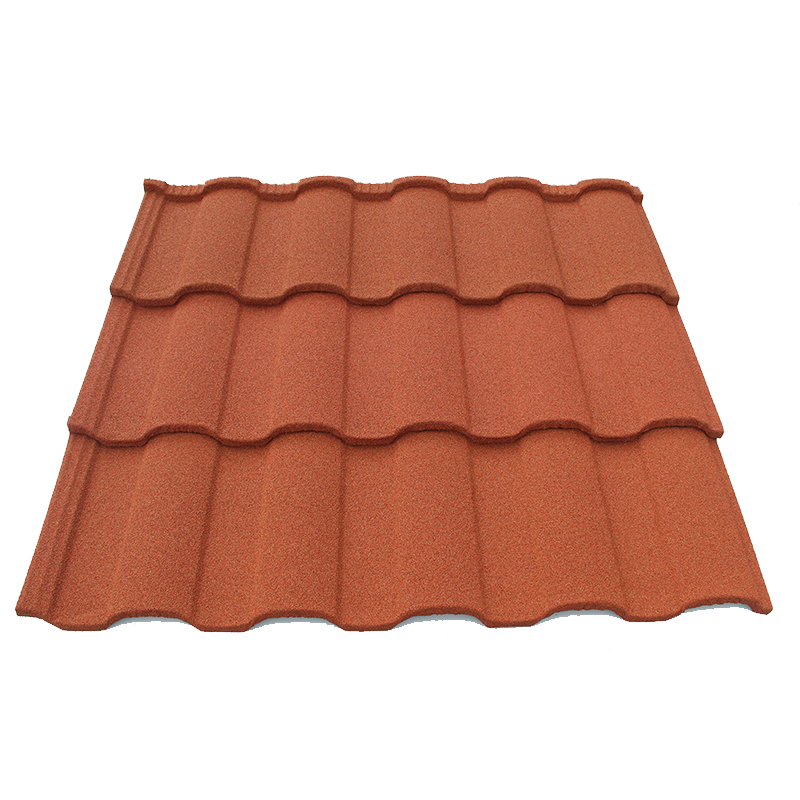
In more complex profiles like Roman Tile, where airflow and drainage paths must be carefully managed, improper installation can increase the risk of hidden moisture accumulation.
How Roof Design Influences Rot Risk
Not all roofs are equally vulnerable. The likelihood of sheathing and batten rot depends heavily on roof design, slope, and environmental exposure.
Even a well-installed stone coated metal roofing system can face challenges if the design does not support proper drainage and ventilation.
Higher Risk Conditions
- Low-slope roofs with slow drainage
- Complex designs with multiple valleys and intersections
- High humidity or heavy rainfall environments
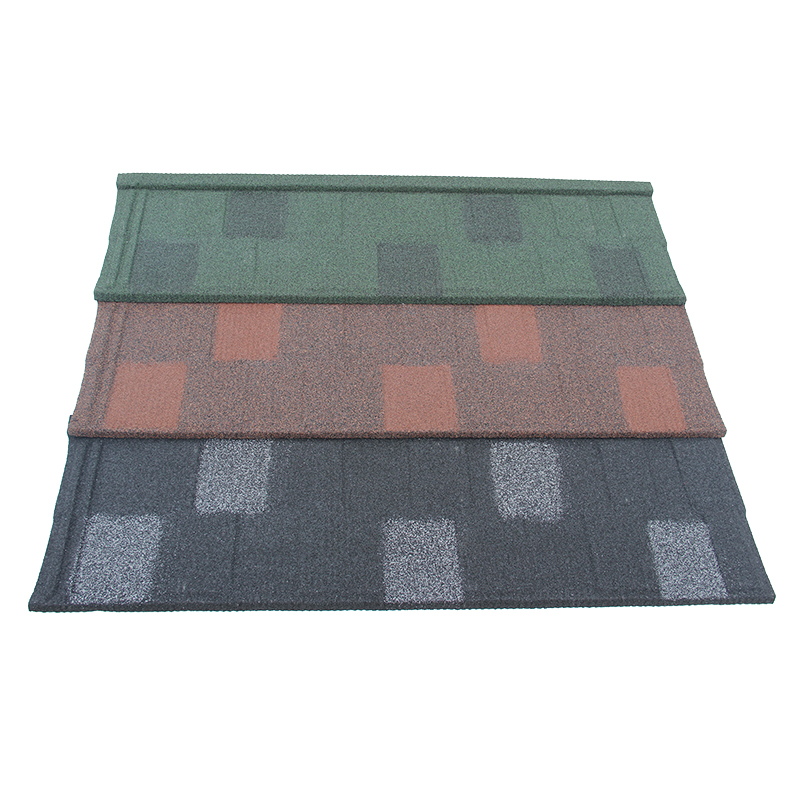
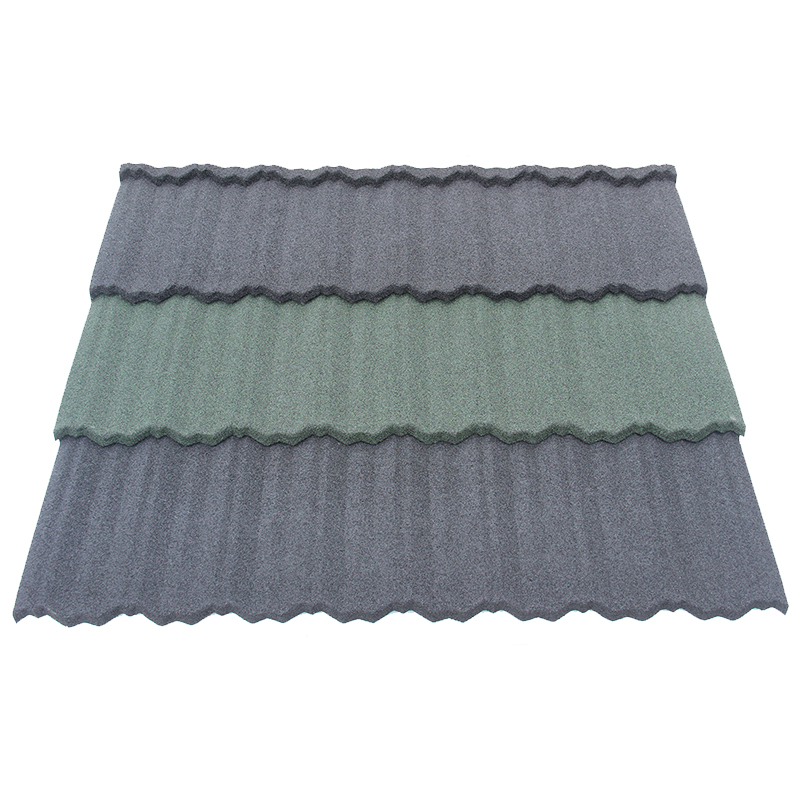
In flatter profiles such as Shingle Tile, precise installation becomes even more critical because water flows more evenly and slowly across the surface.
Key Warning Signs of Moisture Damage
For contractors and property owners, early detection is essential. Identifying moisture issues before they become structural problems can save significant repair costs.
Regular inspection is especially important in the first few years after installation.
Common Indicators
- Water stains on ceilings or attic spaces
- Musty odors in roof cavities
- Warped or soft decking materials
- Mold or mildew growth
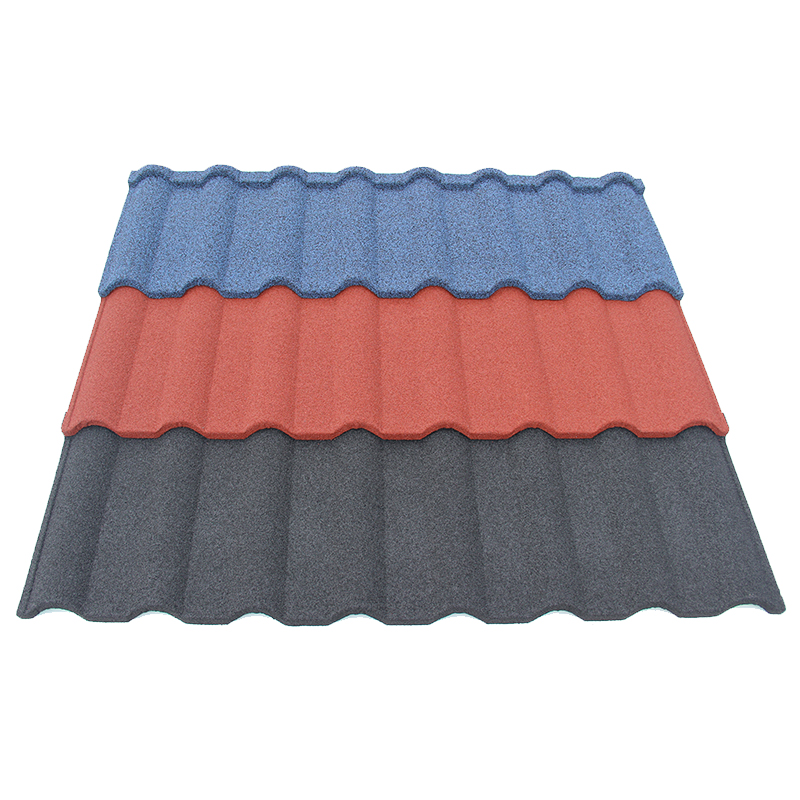
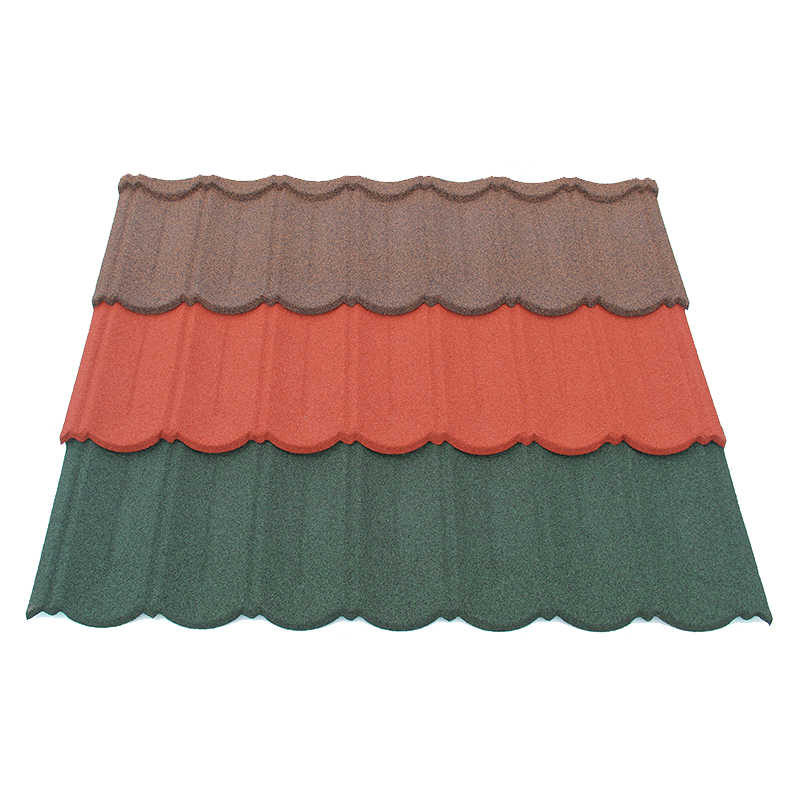
In installations using Milano Tile, visual inspection of alignment and drainage paths can also help identify potential problem areas early.
How to Prevent Sheathing and Batten Rot
The good news is that rot is entirely preventable with proper installation and system design. Stone coated roofing systems are highly reliable when installed correctly.
Prevention comes down to controlling moisture at every layer of the system.
Best Practices
- Install high-quality, continuous underlayment
- Ensure proper batten spacing and alignment
- Use correct fasteners and sealing techniques
- Maintain adequate roof ventilation
- Follow manufacturer installation guidelines strictly
Common Misconceptions About Rot in Metal Roofing Systems
There are several misconceptions behind the idea that stone coated roofing causes rot.
“Metal Roofs Don’t Have Moisture Issues”
While the outer layer is metal, the underlying structure is still wood and vulnerable to moisture.
“If It Doesn’t Leak Immediately, It’s Fine”
Many moisture problems develop slowly and may not be visible for years.
“The Tiles Themselves Cause Rot”
The issue is always installation quality—not the stone coated steel roofing material.
Practical Advice for Buyers and Contractors
From a B2B perspective, the risk of sheathing and batten rot is not a product issue—it is a quality control issue. Ensuring proper installation is the most important factor in long-term performance.
Manufacturers such as JCROOF provide system-based installation guidelines, but the final outcome depends on execution by the installation team.
Recommended Strategy
- Work with trained and experienced installers
- Conduct inspections during installation
- Verify underlayment and ventilation design
- Address small issues before they become major problems
Conclusion: Will Incorrect Installation Cause Rot?
So, will improperly installed stone coated roofing cause sheathing and battens to rot over time? Yes—if moisture is allowed to penetrate and remain trapped within the system, rot is a very real risk.
However, when stone coated steel roofing is installed correctly—with proper sealing, drainage, and ventilation—it provides excellent long-term protection. For contractors and buyers, the key takeaway is simple: installation quality determines whether the system performs or fails.